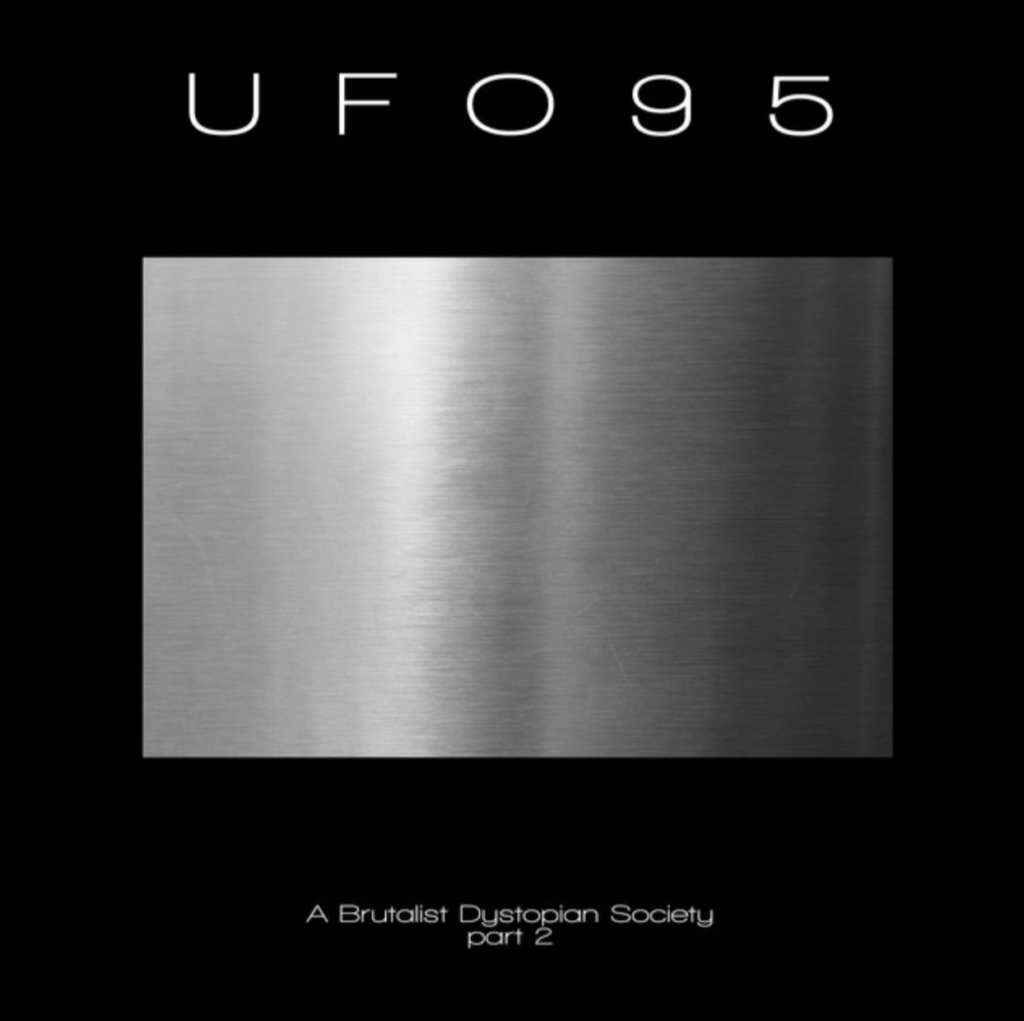

“A Brutalist Dystopian Society part.2” is finally out on MORD and we caught up with Brussel-based producer and Tresor resident UFO95 for a conversation that moves between techno, utopia and club culture.
Speaking from Miami, Killian Vaissade reflects on how the album channels that “dystopian feeling, a sort of melancholia” translated in “something more minimalistic but still rolling, dark and dystopian”. Inspired by the monumental architectures of cities like Shangai, New York and Beijing, the album talks about brutality as both aesthetic and social, focusing on techno as a structural resistance and clubs as a “laboratory of perception”.
Renowed for his intense live performances for iconic clubs like Berghain, Basement NY, Razzmatazz and K41, UFO95 released music on Tresor, MORD, WSNWG and his label TSSRCT, co-owned by Hadone, the other half of Civic Instruction project.
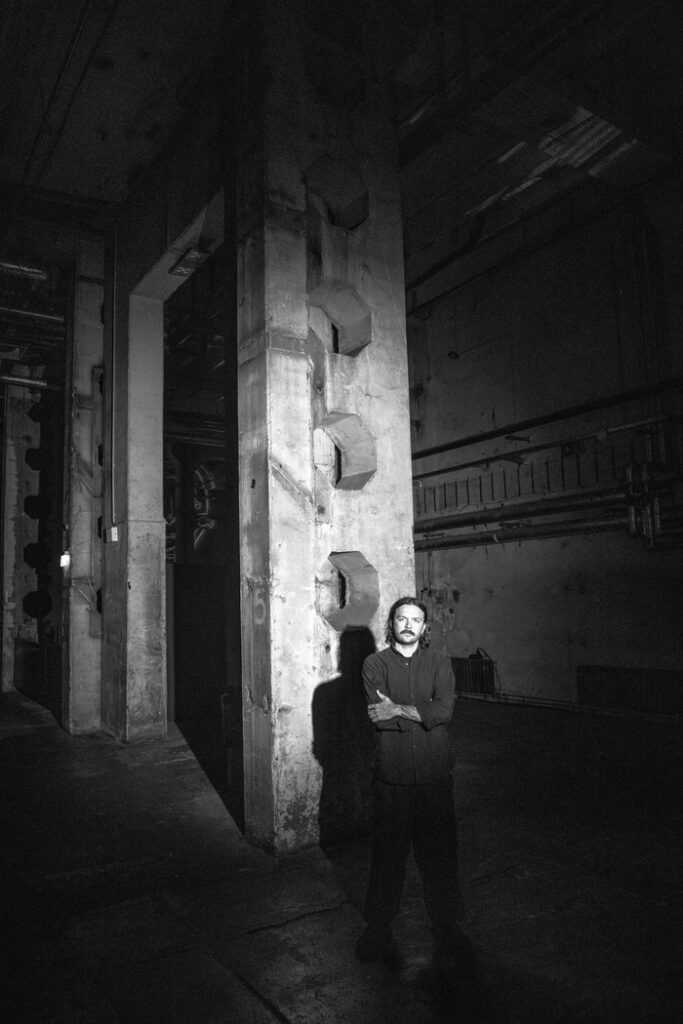
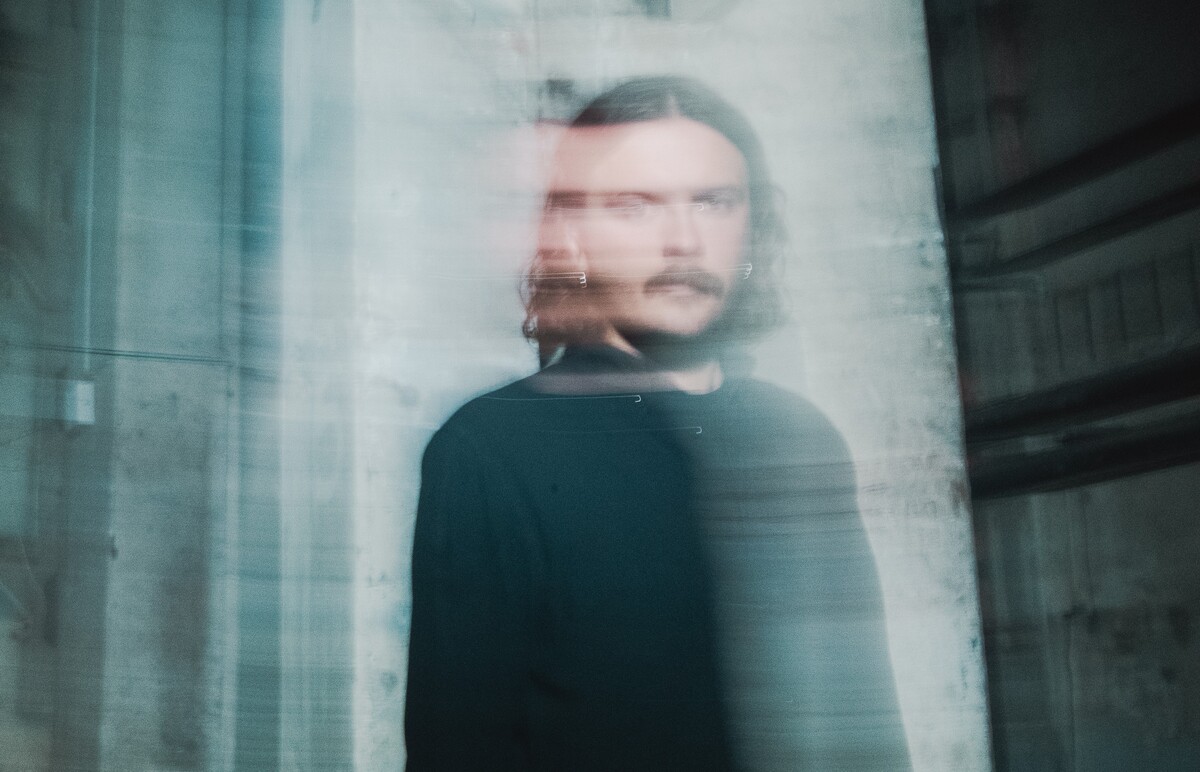
UFO95 by KeyiStudio
Hello UFO95, welcome to Parkett. Thanks to be here, how are you and how is going this period related to the release of ”A Brutalist Dystopian Society part.2”?
Hello, thanks for inviting me on this little chat! I’m doing great, touring in North & South America at the moment, answering you from Miami next to the swimming pool. Could be worst. I will also continue to tour my Live based on the the albums Part 1 & 2 for the next months.
The second chapter of “A Brutalist Dystopian Society” is finally out on MORD. Translating an architectural aesthetic into sound is a complex challenge: what was the moment you felt you had truly “found” the Brutalist sound and want to shape the album?
I don’t know if I find the “Brutalist” sound but I found ” My” sound for sure. Something more minimalistic but still rolling, dark and dystopian.
The album refers to brutality in general and the resulting collective loss of faith in the future: how much has this social disillusionment influenced the emotional tone of the album and how did you translate this feeling in sound?
The albums (part 1 & 2) have this dystopian feeling, a sort of melancholia. It is translated through the use of bass pressure and dissonant pads and synths.
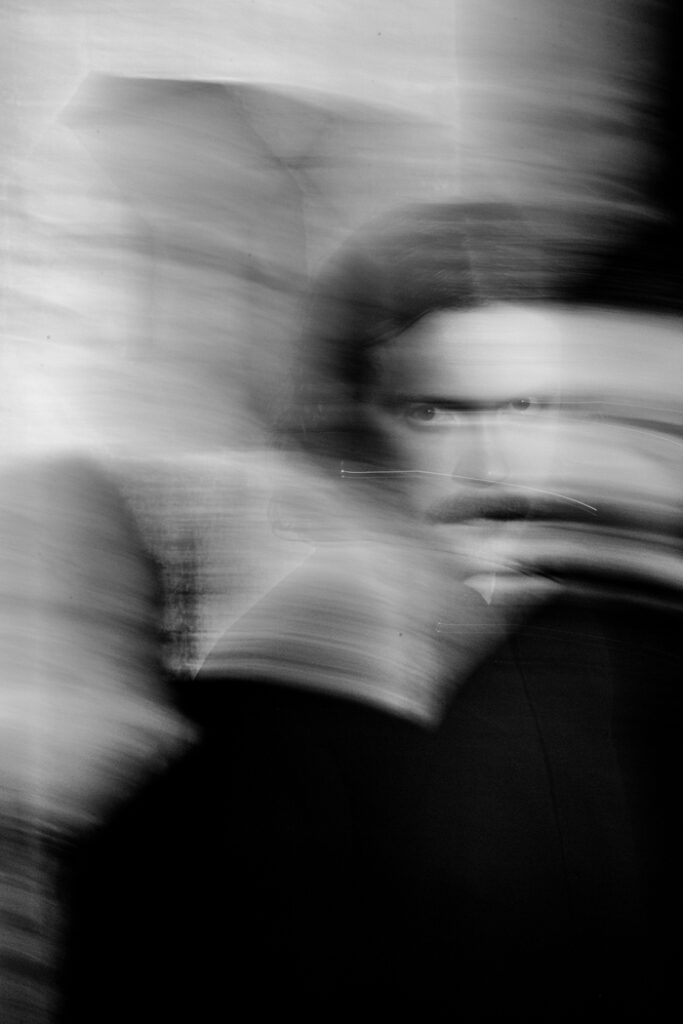
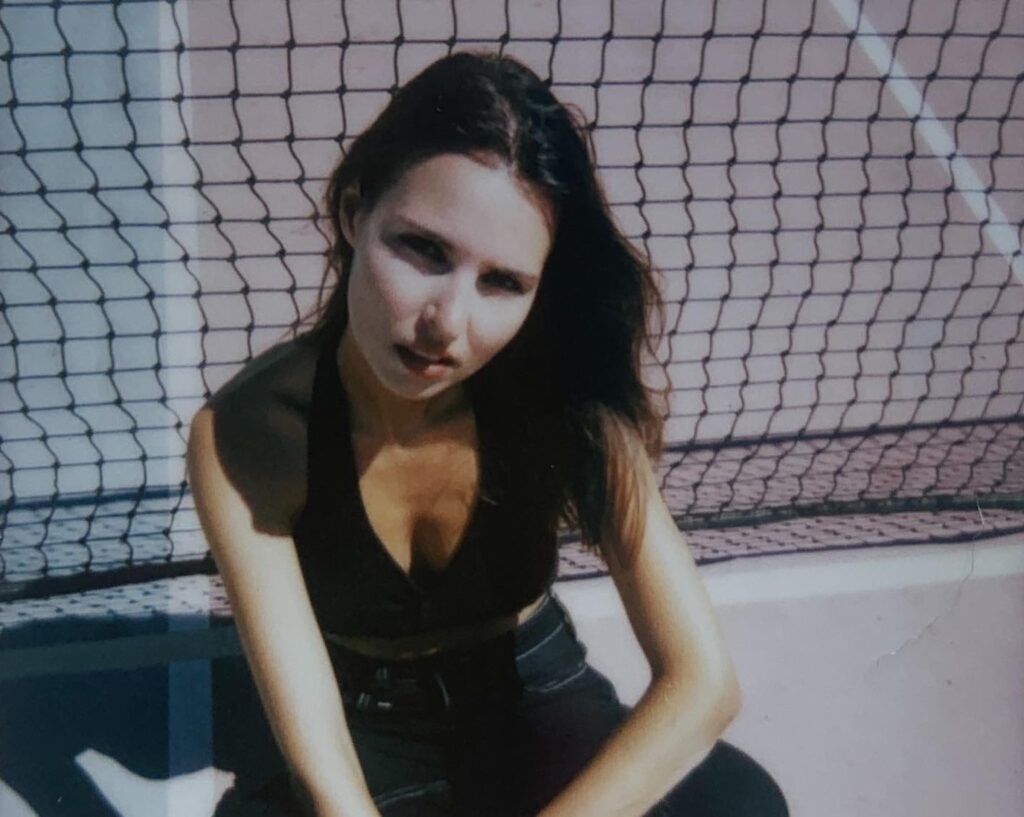
UFO95 by KeyiStudio
Are there any specific places and architecture that inspired the project?
I produced the album when I was touring in New York, Shanghai & Beijing. These cities definitely have a particular and spectacular architectures and also very dystopic and brutalist. They really inspired me.
Brutalist architecture embodies an unrealized utopia and the disillusionment of an unfulfilled dream. How is this disillusionment reflected in our society and art today?
Brutalism was built on the promise of collective progress. Today we live among its ruins, physical and symbolic. The utopia became control, isolation, surveillance. In art, this disillusionment translates into rawness, reduction and tension. A need to confront reality rather than decorate it.
War, repression and the prejudices you mention are the cancer of our times. Techno is still a form of protest, but do you think it still has the same original strength that characterized the movement in its early days? Are there any realities you consider to be on the front lines today?
Techno was born from urgency, from marginalized voices building autonomous space through sound. That strength still exists, but it’s constantly threatened by commodification. The front line today is independence, protecting spaces, narratives and communities from becoming products. Protest is no longer only political; it’s structural. How we organize, release and gather is already resistance.
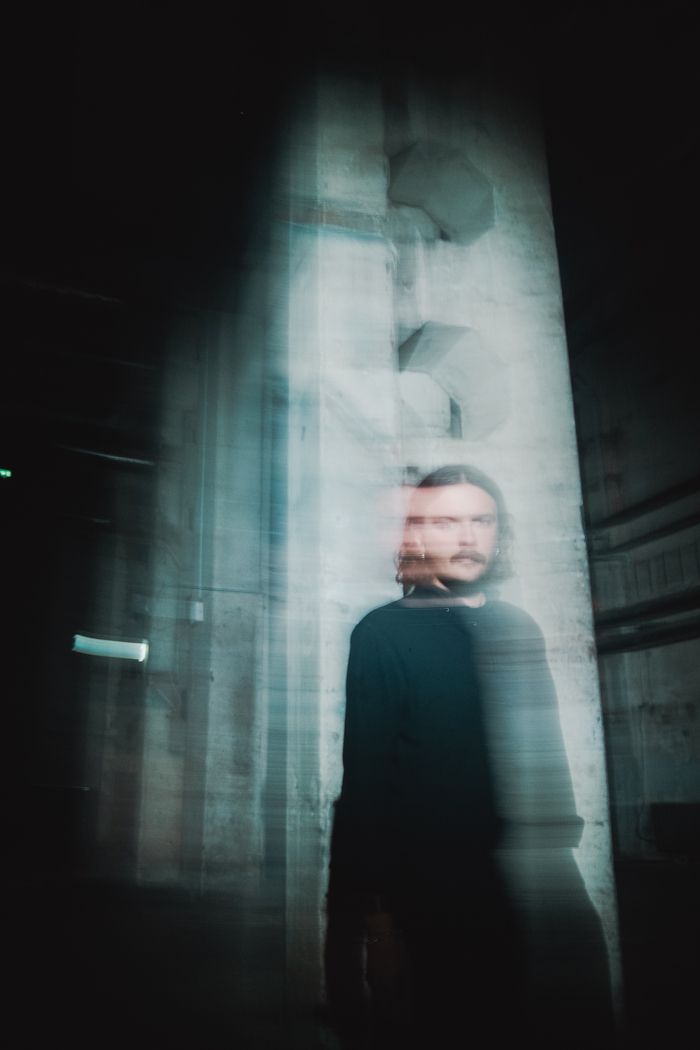
UFO95 by KeyiStudio
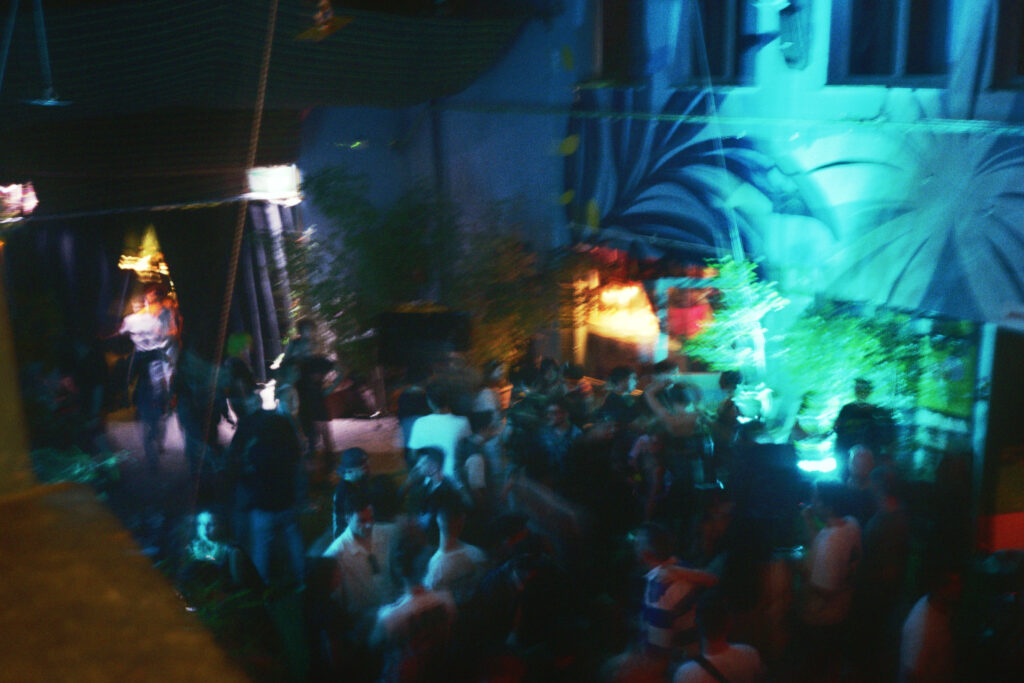
The 3D and immersive dimension of sound is central in your sets and productions, suitable for both home and dancefloor listening: how important is the club listening experience for you and what does it offer more? Are there any clubs that bring back the primitive sensations that give rise to your productions?
The club is a laboratory of perception. Low frequencies reshape the body, repetition alters time, darkness removes identity. At home you understand the music but in the club you become it.
Primitive sensations still exist in places that prioritize sound over image, intensity over comfort. Spaces where the experience is physical, not decorative.
As a live set master, how much your production process is planned and how much improvised at the moment?
I would say it is 50/50.
I have my loops, sounds, percs, drums ready in my machine but I jam with them. The live is not structured.
In the next gigs of your tour, will you present “A Brutal Dystopian Society ?” Will you give more space to dancefloor-oriented productions or will you also give space to the more experimental side of the album?
Both are inseparable. The album moves between hypnosis and rupture, pressure and emptiness. The live version keeps that duality, moments built for the body, others for disorientation. The dancefloor is not opposed to experimentation; it’s where experimentation becomes real.
“A Brutal Dystopian Society” is available here.
ITA VERSION
Ciao UFO95, benvenuto su Parkett. Grazie per essere qui, come stai e come sta andando questo periodo legato all’uscita di “A Brutalist Dystopian Society part.2”?
Ciao, grazie per avermi invitato a questa chiacchierata! Sto benissimo, sono in tour in Nord e Sud America al momento e ti rispondo da Miami, vicino alla piscina. Potrebbe andare peggio. Continuerò anche a portare in tour il mio live basato sugli album Part 1 e Part 2 per i prossimi mesi.
Il secondo capitolo di “A Brutalist Dystopian Society” è finalmente uscito su MORD. Tradurre un’estetica architettonica in suono è una sfida complessa: qual è stato il momento in cui hai sentito di aver veramente “trovato” il suono brutalista e di voler dare forma all’album?
Non so se ho trovato il suono “brutalista” ma ho trovato sicuramente il “mio” suono. Qualcosa di più minimalista ma comunque dinamico, oscuro e distopico.
L’album fa riferimento alla brutalità in generale e alla conseguente perdita collettiva di fiducia nel futuro: quanto questa disillusione sociale ha influenzato il tono emotivo dell’album e come hai tradotto questa sensazione in suono?
Gli album (parte 1 e 2) trasmettono questa sensazione distopica, una sorta di malinconia. Questa viene tradotta attraverso l’uso di bassi incalzanti, pad e sintetizzatori dissonanti.
Ci sono luoghi e architetture specifiche che hanno ispirato il progetto?
Ho prodotto l’album durante il mio tour a New York, Shanghai e Pechino. Queste città hanno sicuramente un’architettura particolare e spettacolare, ma anche molto distopica e brutalista. Mi hanno davvero ispirato.
L’architettura brutalista incarna un’utopia irrealizzata e la disillusione di un sogno irrealizzato. Come si riflette oggi questa disillusione nella società e nell’arte?
Il brutalismo si basava sulla promessa di un progresso collettivo. Oggi viviamo tra le sue rovine, fisiche e simboliche. L’utopia è diventata controllo, isolamento, sorveglianza. Nell’arte, questa disillusione si traduce in crudezza, riduzione e tensione. Un bisogno di confrontarsi con la realtà piuttosto che di decorarla.
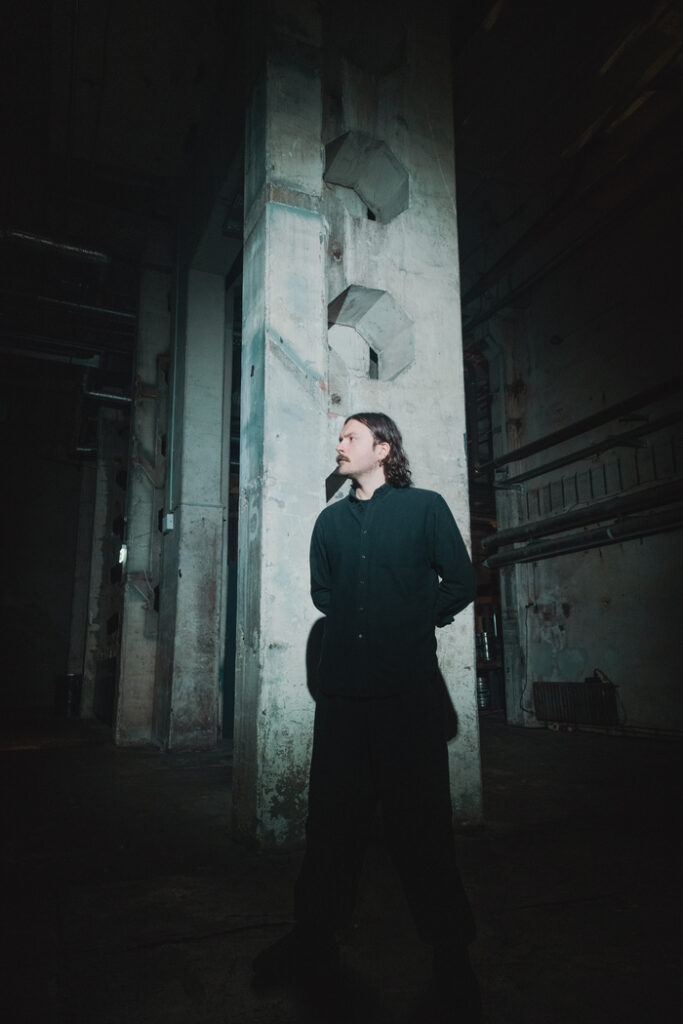
UFO95 by KeyiStudio
Guerra, repressione e pregiudizi che menzioni sono il cancro dei nostri tempi. La techno è ancora una forma di protesta, ma pensi che abbia la stessa forza originaria che ha caratterizzato il movimento degli inizi? Ci sono realtà che consideri in prima linea oggi?
La techno è nata dall’urgenza, da voci marginalizzate che costruiscono uno spazio autonomo attraverso il suono. Quella forza esiste ancora, ma è costantemente minacciata dalla mercificazione. La prima linea oggi è l’indipendenza, proteggere spazi, narrazioni e comunità dal diventare prodotti. La protesta non è più solo politica; è strutturale. Il modo in cui ci organizziamo, liberiamo e ci riuniamo è già resistenza.
La dimensione tridimensionale e immersiva del suono è centrale nei tuoi set e nelle tue produzioni, adatti sia all’ascolto privato che al dancefloor: quanto è importante per te l’esperienza d’ascolto nel club e cosa offre di più? Ci sono club che ripropongono le sensazioni primitive che danno origine alle tue produzioni?
Il club è un laboratorio di percezione. Le basse frequenze rimodellano il corpo, la ripetizione altera il tempo, l’oscurità rimuove l’identità. A casa capisci la musica, ma in discoteca diventi essa.
Le sensazioni primitive esistono ancora in luoghi che privilegiano il suono sull’immagine, l’intensità sul comfort. Spazi in cui l’esperienza è fisica, non decorativa.
Da maestro dei live set, quanto il tuo processo di produzione è pianificato e quanto improvvisato?
Direi 50/50.
Ho i miei loop, suoni, percussioni, batteria pronti nella mia macchina, ma li uso per suonare. Il live non è strutturato.
Nelle prossime date del tuo tour presenterai “A Brutal Dystopian Society”? Darai più spazio alle produzioni dancefloor-oriented o al lato più sperimentale dell’album?
Entrambi sono inscindibili. L’album si muove tra ipnosi e rottura, pressione e vuoto. La versione live mantiene questa dualità, momenti costruiti per il corpo, altri per il disorientamento. Il dancefloor non si oppone alla sperimentazione; è dove la sperimentazione diventa reale.