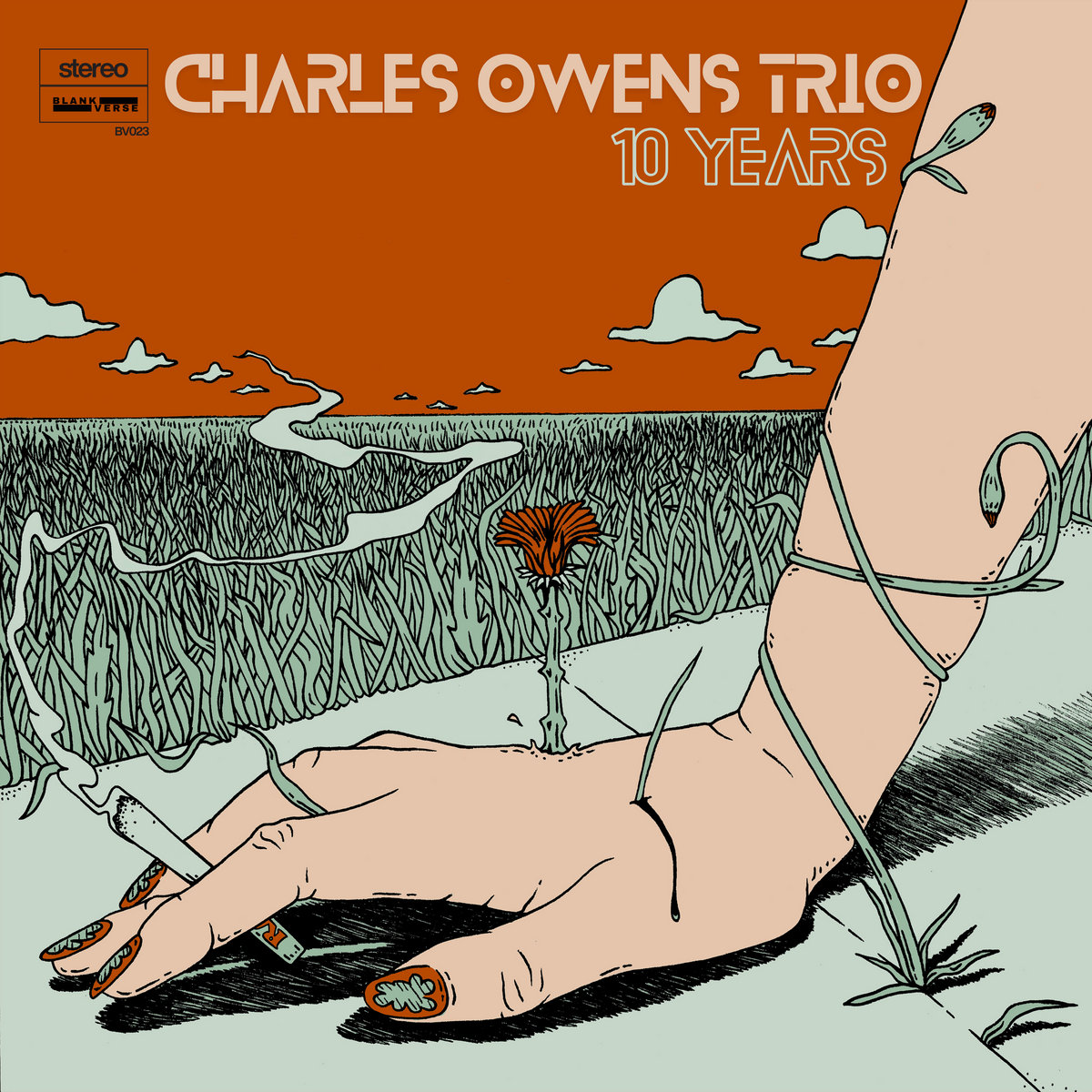

Originally conceived as a snapshot of a band at full creative maturity, 10 Years (Anniversary Edition) returns as both a document of endurance and a reaffirmation of instinct. The album captures the Charles Owens Trio at a moment when shared history becomes a musical language of its own, one that doesn’t require explanation or restraint. Groove, jazz, and funk are not treated as stylistic labels here, but as flexible tools, bent and reshaped through lived-in chemistry and collective trust.
Recorded during a single, intense six-hour studio session, the album carries a sense of urgency that never tips into chaos. Instead, the music breathes with a natural elasticity. Rhythms expand and contract, tempos subtly lean forward, then pull back. The drumming anchors the record in motion, shifting fluidly between swing, funk propulsion, and Afrobeat-inspired patterns. There is a physicality to the percussion throughout, a feeling of forward momentum that keeps the listener alert even during the most reflective passages.
The bass work operates as both foundation and counterpoint. Rather than merely outlining harmony, it frequently assumes a melodic role, shaping transitions and adding narrative depth. Certain passages feel almost conversational, with bass and saxophone circling one another, trading space rather than competing for it. The groove never feels imposed; it emerges organically, as if discovered mid-performance rather than planned in advance.
Owens’ saxophone tone sits at the emotional center of the album. Warm, grainy, and flexible, it moves comfortably between reverence and confrontation. On more spiritual moments, the phrasing is open and patient, allowing silence to do part of the work. Elsewhere, the playing becomes raw and assertive, pushing against the rhythm section with deliberate friction. This contrast gives the album its dynamic contour, preventing it from settling into predictability.
While 10 Years is rooted in jazz tradition, its sonic palette extends well beyond it. Psychedelic rock textures appear not as pastiche, but as fleeting colorations, often suggested rather than fully stated. Funk elements arrive through rhythmic insistence rather than overt stylization, and ballad moments are treated with restraint, avoiding sentimentality. Even when familiar compositions are revisited, they are filtered through the trio’s collective sensibility, reshaped by years of shared performance.
The Anniversary Edition expands on the original release by including previously unheard interlude jams. These additions feel less like bonus material and more like glimpses behind the curtain. Short, exploratory, and unapologetically loose, they highlight the trio’s comfort with vulnerability and imperfection. The inclusion of these moments reinforces the album’s central theme: music as a living process rather than a polished endpoint.
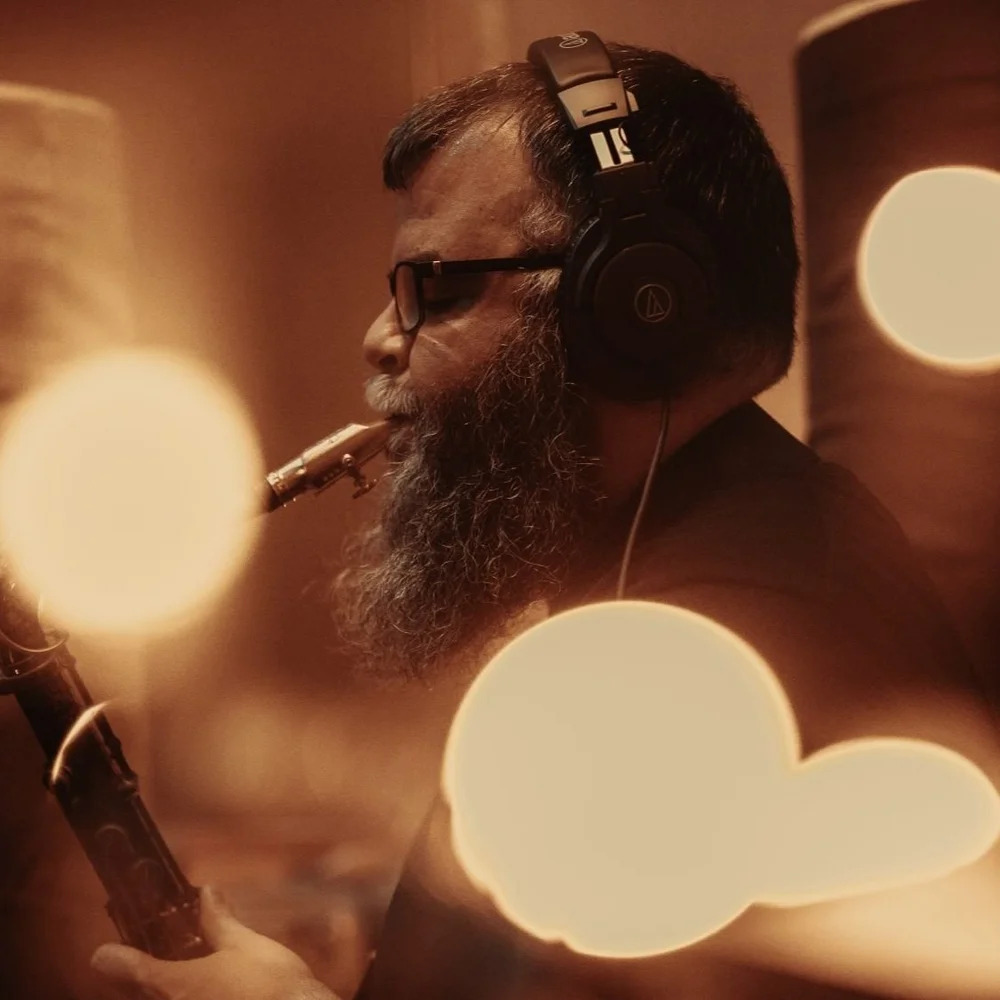
Atmospherically, 10 Years balances intimacy with expansiveness. There is a sense of being in the room with the musicians, close enough to hear the small inflections and spontaneous decisions. At the same time, the album carries an outward-looking spirit, inviting listeners from outside the traditional jazz sphere. References to 20th-century songwriting and rock history function as entry points, not gimmicks, gently widening the frame of improvised music.
More than a retrospective, 10 Years (Anniversary Edition) stands as a statement of continuity. It reflects a trio that has learned how to listen deeply, how to leave space, and how to trust momentum when it arrives. The record doesn’t chase novelty, nor does it lean on nostalgia. Instead, it presents a confident blend of groove, experimentation, and emotional clarity.
As a reissue, it offers the rare satisfaction of returning to a work that has matured without losing its immediacy. As an album, it confirms the Charles Owens Trio as a unit defined not just by technical finesse, but by a shared sense of purpose that remains audible in every note.