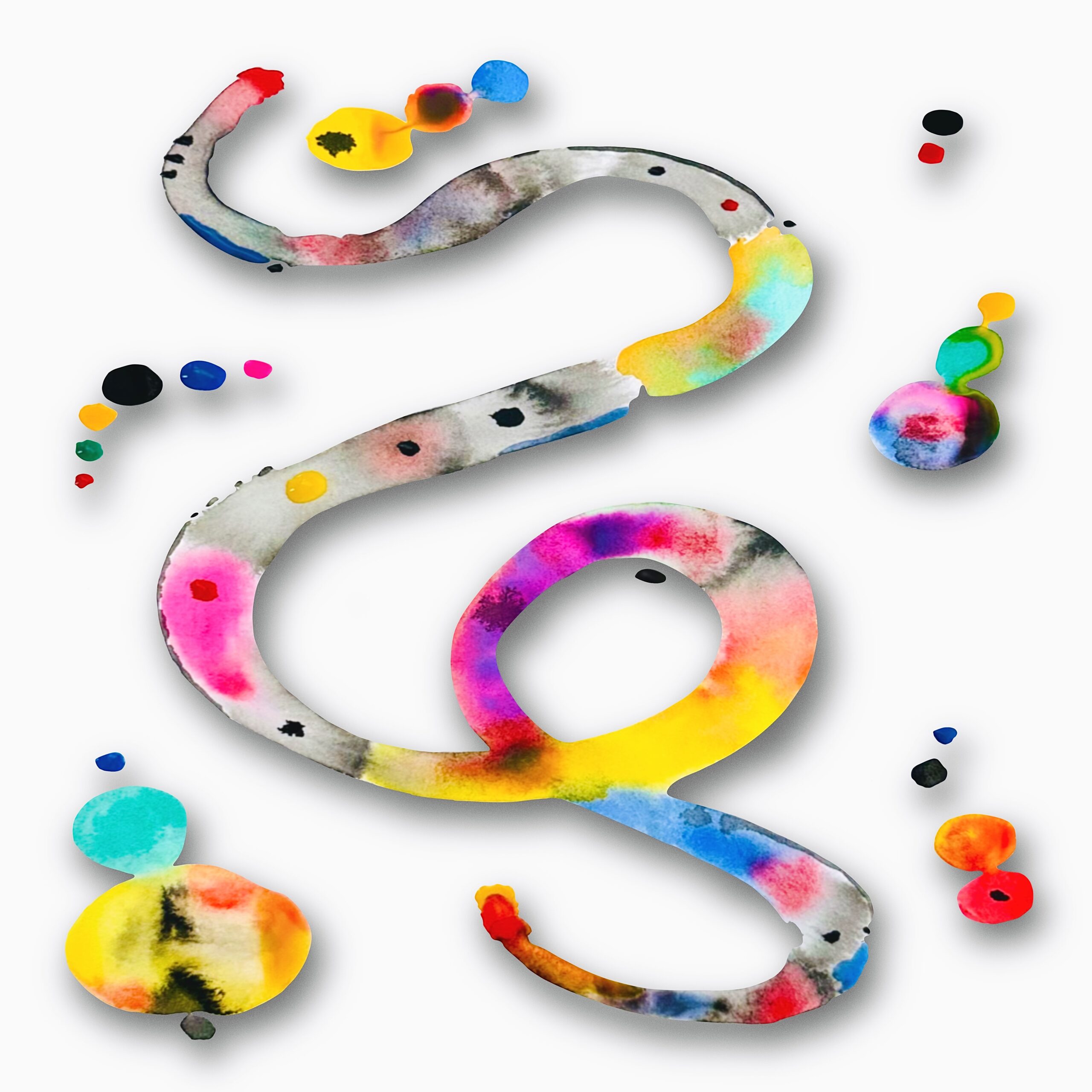

“Chill Out Zone”: tra drones infiniti, ritmi ipnotici e un omaggio all’elettronica lisergica degli anni ’90. Populous ci guida nella genesi del nuovo EP e nella visione estetica della sua etichetta.
L’urgenza di sottrarsi alle logiche frenetiche delle piattaforme digitali e il desiderio di catturare l’essenza di un tramonto estivo. È da queste premesse che prende forma il nuovo lavoro di Populous. Lontano dalle architetture complesse e dai riferimenti geografici rigidi del precedente “Isla Diferente” , Andrea sceglie questa volta la via della sintesi emotiva presentando solo due tracce: “Undine” e “Hora Dorada“.
Nate in Salento nell’ozio e nella penombra dei pomeriggi post-mare, le composizioni sono un omaggio dichiarato alle atmosfere delle “chill out rooms” dei rave anni ’90 e a quell’elettronica lisergica che costituisce la spina dorsale del suo background. L’intervista che segue, tuttavia, non è un semplice esercizio di nostalgia. Si rivela piuttosto una riflessione lucida sulle convenzioni della discografia moderna—che tende a limitare le composizioni entro i canonici 4 o 5 minuti —e sul manifesto estetico della sua label, Latinambient.
In un dialogo che esplora il confine sfumato tra la staticità del drone ambientale e la fisicità ritmica delle percussioni , Populous ci ricorda che la ricerca sonora si nutre di un’evoluzione continua, dove l’ipnosi generata dalla ripetizione diventa la chiave per non arrivare mai a un punto fermo.
Ciao Andrea, benvenuto su Parkett. Arrivi da “Isla Diferente”, un album complesso legato a un luogo specifico. Cosa ti ha spinto questa volta a scegliere la formula breve di due sole tracce (“Undine” e “Hora Dorada”) anziché sviluppare un concept più esteso? È una scelta legata all’immediatezza del messaggio o al modo in cui oggi fruiamo la musica?
Non c’è nulla di premeditato. Quest’estate mi son ritrovato a lavorare a queste due tracce nella penombra di casa mia, al ritorno da queste lunghe giornate al mare. Entrambe riflettevano la pigrizia di quei pomeriggi e la dimensione chill che viene evocata dal titolo.
Parlando di sonorità: come ti approcci alla costruzione di “drones infiniti” e spazi sonori così ampi? La sfida è mantenere la tensione emotiva anche in assenza di una struttura canzone tradizionale?
A volte mi chiedo: qual’è la struttura di una canzone tradizionale? Chi l’ha decisa? Le radio? Le piattaforme di streaming? Non sono media come questi che dovrebbero imporci nulla. Tempo fa notavo come sempre meno dischi contengano composizioni più lunghe di 4/5 minuti. È chiaramente una cosa figlia dei tempi. Trovo sia un gran peccato dover limitare la propria arte per rincorrere delle convenzioni. Diventa tutto noioso e prevedibile.
Questo EP esce per la tua Latinambient. Quanto queste due tracce rappresentano il manifesto estetico della label? È questo l’equilibrio sonoro che cerchi anche quando selezioni altri artisti per la “famiglia”, come Mondocane o Modis?
Soprattutto all’inizio sto cercando un filo conduttore fra le varie uscite. Siano esse mie o di altri artisti. Ad esempio in primavera farò uscire un EP di musica più club oriented, che chiaramente non uscirà su Latinambient. Sono altrettanto sicuro che proprio questo strano dualismo contenuto nel nome della label, mi consentirà in futuro di ampliare moltissimo le prospettive estetiche e stilistiche, per cui finirò per avere delle uscite più smaccatamente ambient ed altre più rhythm-based.
Il titolo omaggia lo storico programma di MTV e le chill out rooms dei rave anni ’90. Al di là della citazione nostalgica, c’è un elemento tecnico o di approccio alla produzione di quell’epoca che hai voluto recuperare e modernizzare qui?
Non so se parlerei di tecnica, visto che tutto nella musica elettronica ha un evoluzione velocissima. Paradossalmente sarebbe più facile (e forse avrebbe anche più senso), utilizzare oggi una tecnologia di 50 anni fa, piuttosto che una di 20. Però di sicuro c’era la volontà di omaggiare un immaginario, inglobare quelle atmosfere un pò lisergiche che hanno caratterizzato gran parte dell’elettronica che costituisce tutt’oggi la spina dorsale del mio background: gli Orbital, Aphex Twin, Tricky, Seefeel, Biosphere etc etc.
Il termine “latin ambient” unisce due mondi apparentemente opposti: la staticità dell’ambient e la fisicità ritmica latina. In fase di produzione, come fai a dosare questi elementi affinché le percussioni non rompano l’ipnosi del drone e viceversa?
Le percussioni, se usate in certo modo, possono anch’esse diventare elemento sonoro che induce ad una sorta di trance. La techno ce lo insegna. La musica africana ce lo insegna. Il kraut-rock ce lo insegna. La reiterazione in parallelo dei due mondi (latin & ambient) genera l’ipnosi di cui parli.
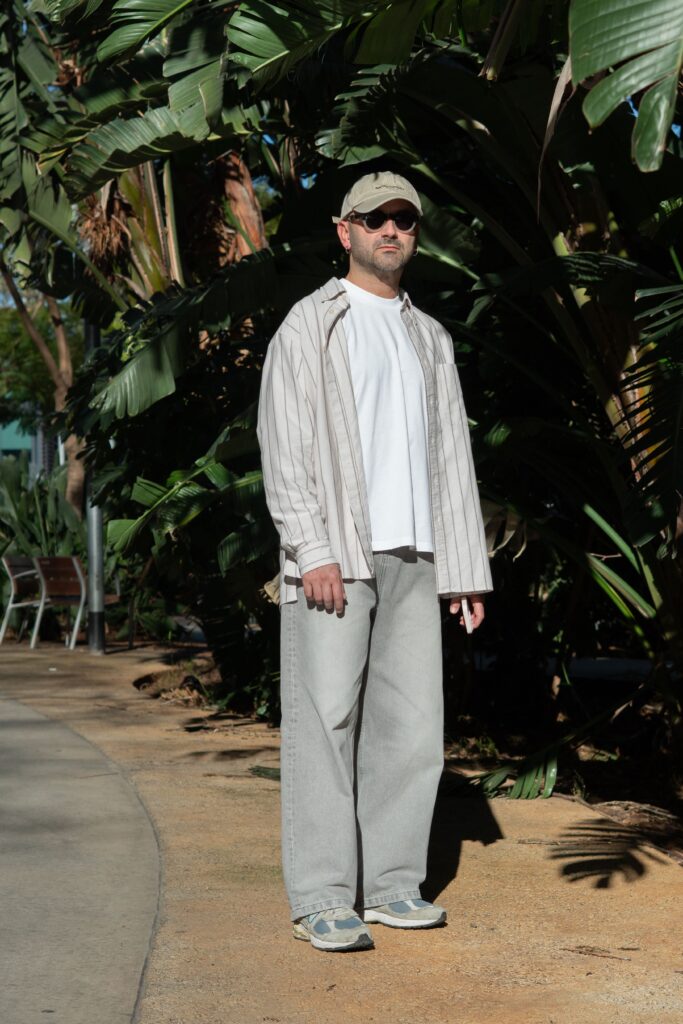
Se “Isla Diferente” era Lanzarote, dove si collocano “Undine” e “Hora Dorada”? Hanno un riferimento geografico reale o sono paesaggi puramente interiori e sintetici?
Ho scritto entrambi i brani in Salento, ma non mi sento di legarli ad un posto specifico. Preferirei più legarli ad un momento della giornata, il tramonto, dove le ombre si allungano diventando quasi infinite e i colori hanno una patina dorata.
Dagli esordi con Morr Music a oggi, il tuo percorso è stato un continuo mutamento. Senti che l’investimento su Latinambient sia il punto di arrivo della tua ricerca musicologica o stai già intravedendo una nuova direzione sonora?
Spero che nessuno senta mai che la propria ricerca artistica e musicale sia giunta a un punto d’arrivo. Io mi nutro di questo, mi fa sentire giovane.
_________________________________________________________________________________________
ENGLISH VERSION
BETWEEN AMBIENT HYPNOSIS AND RHYTHMIC PHYSICALITY: THE RETURN OF POPULOUS WITH “UNDINE” AND “HORA DORADA”
“Chill Out Zone”: amidst infinite drones, hypnotic rhythms, and a tribute to the lysergic electronic music of the 90s. Populous guides us through the genesis of his new EP and the aesthetic vision of his label.
The urge to escape the frantic logic of digital platforms and the desire to capture the essence of a summer sunset. It is from these premises that Populous‘s new work takes shape. Far from the complex architectures and rigid geographical references of his previous “Isla Diferente“, Andrea opts this time for the path of emotional synthesis, presenting just two tracks: “Undine” and “Hora Dorada“.
Born in Salento amidst the idleness and dim light of post-beach afternoons, the compositions are an overt tribute to the atmospheres of 90s rave “chill-out rooms” and to that lysergic electronic music that forms the backbone of his background. The following interview, however, is not a simple exercise in nostalgia. Rather, it reveals itself as a lucid reflection on the conventions of modern discography—which tends to confine compositions within the standard 4 or 5 minutes—and on the aesthetic manifesto of his label, Latinambient.
In a dialogue that explores the blurred line between the stillness of ambient drones and the rhythmic physicality of percussion, Populous reminds us that sonic research feeds on continuous evolution, where the hypnosis generated by repetition becomes the key to never reaching a standstill.
Hi Andrea, welcome to Parkett. You’re coming off “Isla Diferente”, a complex album tied to a specific place. What prompted you this time to choose the short format of just two tracks (“Undine” and “Hora Dorada”) instead of developing a more extended concept? Is it a choice linked to the immediacy of the message or to the way we consume music today?
There is nothing premeditated. This summer, I found myself working on these two tracks in the dim light of my home, returning from those long days at the beach. Both reflected the laziness of those afternoons and the chill dimension evoked by the title.
Speaking of sound: how do you approach the construction of “infinite drones” and such expansive sonic spaces? Is the challenge to maintain emotional tension even in the absence of a traditional song structure?
Sometimes I ask myself: what is the structure of a traditional song? Who decided it? Radios? Streaming platforms? Media like these shouldn’t impose anything on us. Some time ago, I noticed how fewer and fewer records contain compositions longer than 4 or 5 minutes. It’s clearly a product of our times. I find it a great shame to have to limit one’s art to chase conventions. Everything becomes boring and predictable.
This EP is being released on your own Latinambient. How much do these two tracks represent the label’s aesthetic manifesto? Is this the sonic balance you also look for when selecting other artists for the “family,” such as Mondocane or Modis?
Especially at the beginning, I’m looking for a common thread among the various releases. Whether they are mine or by other artists. For example, in the spring I will release a more club-oriented music EP, which clearly won’t come out on Latinambient. I’m equally sure that the very strange dualism contained in the label’s name will allow me to greatly expand my aesthetic and stylistic perspectives in the future, so I will end up having some overtly ambient releases and others more rhythm-based.
The title pays homage to the historic MTV program and the chill-out rooms of 90s raves. Beyond the nostalgic reference, is there a technical element or a production approach from that era that you wanted to recover and modernize here?
I don’t know if I would talk about technique, given that everything in electronic music evolves extremely fast. Paradoxically, it would be easier (and perhaps make more sense) to use 50-year-old technology today rather than 20-year-old technology. But there was certainly the desire to pay homage to an imagery, to incorporate those slightly lysergic atmospheres that characterized much of the electronic music that still constitutes the backbone of my background today: Orbital, Aphex Twin, Tricky, Seefeel, Biosphere, etc.
The term “latin ambient” unites two seemingly opposite worlds: the stillness of ambient and the rhythmic physicality of Latin music. During the production phase, how do you balance these elements so that the percussion doesn’t break the hypnosis of the drone and vice versa?
Percussion, if used in a certain way, can also become a sonic element that induces a sort of trance. Techno teaches us this. African music teaches us this. Krautrock teaches us this. The parallel reiteration of the two worlds (latin & ambient) generates the hypnosis you speak of.
If “Isla Diferente” was Lanzarote, where are “Undine” and “”Hora Dorada” set? Do they have a real geographical reference, or are they purely internal and synthetic landscapes?
I wrote both tracks in Salento, but I don’t feel like tying them to a specific place. I’d rather link them to a time of day: sunset, where the shadows stretch out becoming almost infinite and the colors take on a golden patina.
From your debut with Morr Music to today, your journey has been a continuous evolution. Do you feel that investing in “Latinambient” is the endpoint of your musicological research, or are you already glimpsing a new sonic direction?
I hope no one ever feels that their artistic and musical research has reached an endpoint. I feed on this; it makes me feel young.