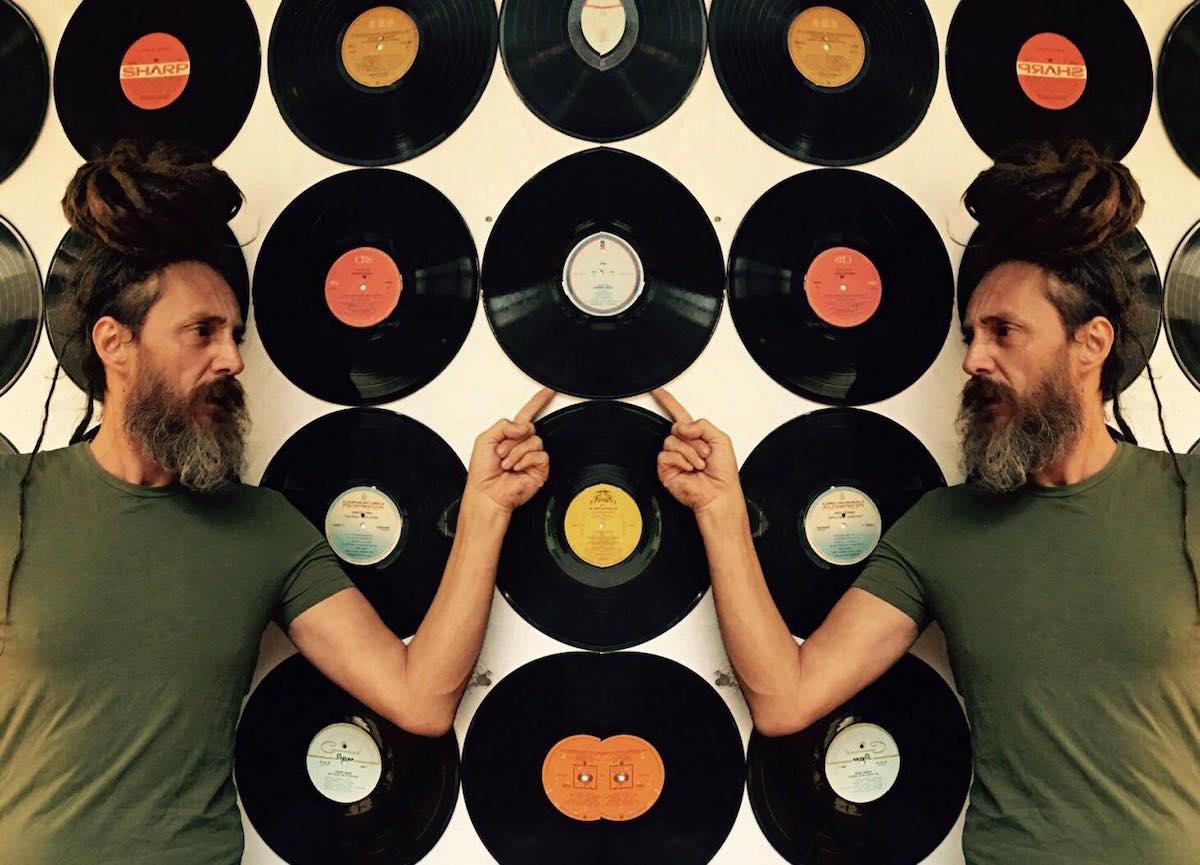

Quarant’anni di carriera, il ritorno al vinile e tanta voglia di comunicare con la musica.
Parlare con Francesco Zappalà non è solo un’intervista, ma un tuffo nella storia del djing. Di qualcuno che l’ha vissuta e la sta vivendo ancora con il cuore in mano, sempre alla ricerca di nuovi imput. La nostra è stata una conversazione sincera. Francesco è un artista che ha diviso la sua vita a metà: vent’anni di vinile e vent’anni di digitale, passando per i podi del DMC e la scena berlinese, per approdare oggi a una nuova consapevolezza.
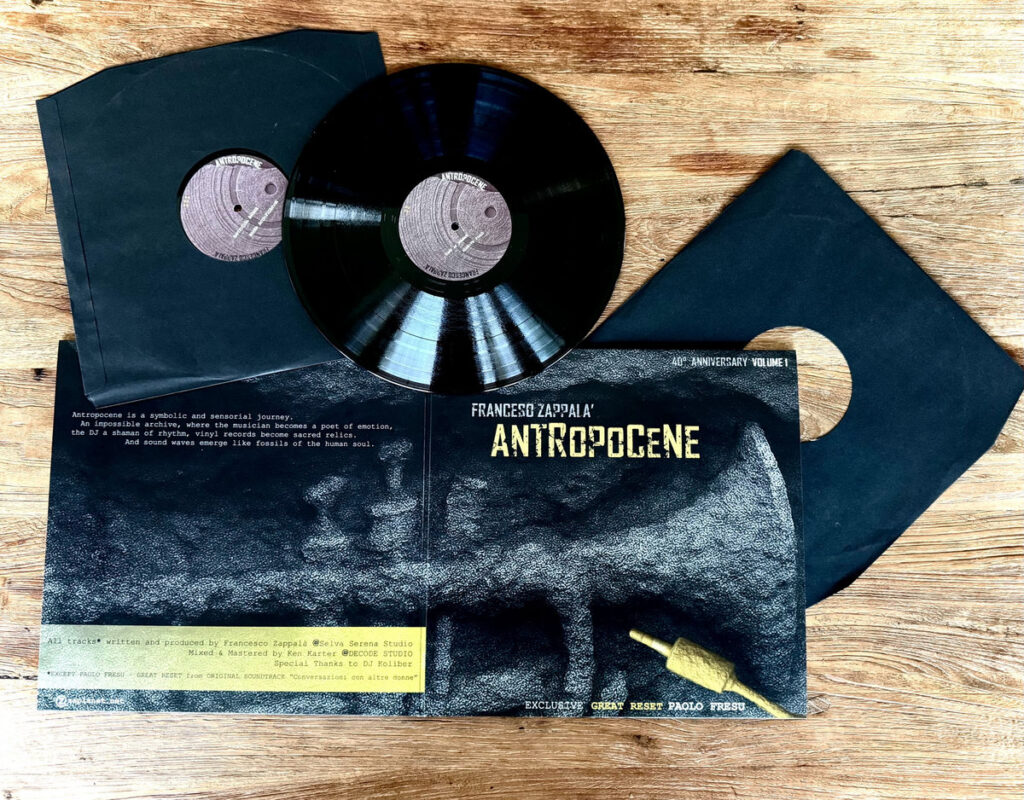
Il suo nuovo progetto, “Antropocene”, segna un ritorno fisico alla materia. Composto da 16 tracce divise in due doppi EP rigorosamente in vinile. Il disco ruota attorno al concetto di “suono antrocepico”: l’idea che i nostri strumenti e supporti resteranno come “fossili” di una civiltà che ha vissuto di musica.
Dall’emozione di collaborare con il maestro Paolo Fresu in Great Reset alla necessità quasi fisica di tornare a “toccare” la musica, Francesco ci ha aperto le porte del suo mondo con la spontaneità di chi, dopo 40 anni dietro la console, arde ancora dello stesso fuoco.
Ecco cosa ci ha raccontato in questa lunga e bella chiacchierata:
Francesco, con Antropocene sei tornato esclusivamente al vinile. Oltre alla tua voglia di tornare alle origini, c’è anche l’intenzione di mandare qualche sorta di messaggio alle nuove generazioni di DJ e clubber?
Guarda Andrea, il vinile per me è stato proprio un richiamo personale, un ritorno alle origini dopo vent’anni passati a sperimentare con la tecnologia digitale. Più che lanciare un messaggio alle nuove generazioni, mi piace l’idea di condividere la mia esperienza: un invito a riscoprire la passione e l’emozione unica che questo supporto regala, sia al tatto che all’ascolto.
Per chi come noi ha vissuto l’alba del digitale conoscendo bene l’analogico, il ruolo oggi è quello di essere un termine di paragone. Ma lo scambio è reciproco: i DJ e i clubber di oggi sono per me una grande fonte di stimoli. Sono ancora uno che ama buttarsi in pista, che sia al Berghain o al Panorama Bar; mi piace moltissimo ricevere sempre nuovi input.
Si parla di Antropocene come del tuo ritorno discografico dopo sei anni, riferendosi chiaramente a Francesco Zappalà ma in questo periodo non sei rimasto completamente fermo: abbiamo visto diverse uscite su Bandcamp firmate Le DJ Sportif. Come gestisci questa dualità?
“Le DJ Sportif nasce sbirciando Bandcamp che allora era da poco nato: mi affascinava il fatto che, in un’epoca dove il digitale imperversava, offrisse anche il vinile. Ci compravo tanta musica, e trovavo lì delle produzioni più mature e che mi entusiasmavano. Era uno spazio dove ho pensato di ricominciare a mettere un po’ di tracce.
Ho scelto questo pseudonimo unendo la mia passione per il tennis – che pratico e insegno – al DJing, creando uno spazio per progetti “agili”. Quindi è stato anche un po’ un esperimento sociale nella discografia: “vediamo il digitale se qua funziona” e quindi è nato così, ma ecco, Le DJ Sportif completa Francesco Zappalà, Francesco Zappalà ha la sua storia,Le DJ Sportif è la parte più agile di me direi, ecco.
Hai coniato il termine “Antrocepico”. Ci spieghi meglio cosa intendi quando definisci i supporti fisici come “reperti” di una civiltà che un giorno sarà studiata attraverso il suono?
Guarda, questo termine nasce da una riflessione su cosa resterà della musica quando l’interazione fisica con essa – comprare un disco, metterlo sul piatto, girare il lato – sarà scomparsa. Oggi diamo tutto per scontato, ma cosa rimarrà nella traccia geologica del pianeta quando noi non ci saremo più?
Ho immaginato gli oggetti che producevano musica come gli unici testimoni sonori superstiti. Il suono antrocepico è, paradossalmente, un suono silenzioso: è quello che non c’è più, ma che resta custodito nei ‘reperti’ che lo generavano.Mi chiedo se una civiltà futura, imbattendosi in una cassetta, in un mangianastri o in una tromba, riuscirà a percepire il miracolo del linguaggio universale della musica e la gioia che provavamo nel suonarla o ballarla. Gli oggetti diventeranno i custodi di una storia che ha tracciato l’esistenza umana; da qui l’idea di un’archeologia sonora che definisce il nostro passaggio sulla Terra.” Ecco, da questa riflessione nasce il termine antrocepico.
Nel tuo manifesto ti chiedi cosa resterà del nostro passaggio sulla Terra. Tu che hai vissuto 40 anni di club culture, che traccia speri che lasci la tua musica in questo “archivio” del futuro?
Sotto il profilo discografico io non credo di avere un repertorio tale da rimanere in questo archivio, paradossalmente, in chiave antrocepica andrebbe benissimo anche un frammento di disco fossilizzato nella roccia [ride, ndr]. e quel disco ad oggi sarebbe indubbiamente Great Reset con il Maestro Fresu.
Nella Club Culture invece credo di aver lasciato la mia impronta con l’uso del vinile, le gare (DMC, ndr), le performance in discoteca, il modo di stare in consolle, su quello penso di poter lasciare qualcosa in più della mia impronta musicale.
Diciamo che come tutti gli artisti veri rimani umile…
No, ma è vero! C’è voluto tempo per ritagliarmi uno spazio per la musica che mi rappresentasse davvero. Quando nel 1991 uscì We Gotta Do It, io compravo i dischi di Underground Resistance, Plus 8, ero proiettato su un’altra onda, quindi solo nel tempo mi sono potuto ritagliare lo spazio per la musica che mi rappresentava davvero e oggi Antropocene può essere l’apice di tutto questo. Forse il disco che più mi rappresenta è questo. È ciliegina sulla torta perché ritorno ad un supporto che non è solo a me caro, ma vorrei che lo diventasse anche per quelli che non l’hanno ancora scoperto.
Due uscite, ognuna composta da un doppio EP, per un totale di 4 vinili e 16 tracce. Come hai lavorato alla stesura di un’opera così vasta? Avevi già tutto in testa o il progetto sta evolvendo mentre lo stampi?
Queste sedici tracce nascono tra il 2020 e il 2025 quindi non ti sarà difficile immaginare che quando ho iniziato, in testa avevo un gran casino. La musica è stata la mia valvola di sfogo e la nascita di mio figlio ha segnato l’inizio di un nuovo ciclo di consapevolezza. Mi sono detto: ‘Francesco, tira fuori la melodia, fai qualcosa che ti piacerebbe ascoltare’. Il progetto ha preso una forma definitiva dopo la collaborazione con Paolo Fresu nel 2022: l’atmosfera di Great Reset era il preludio perfetto per tutto il materiale che stava nascendo.
Il Volume 2 è già pronto a livello di strutture e vede già la partecipazione di Francesco Farfa con un remix molto bello. L’idea ora è di dedicare il secondo capitolo alle collaborazioni, coinvolgendo persone che stimo per rendere omaggio ai miei 40 anni di carriera. Per legare i due volumi, uscirà inoltre Antropomix, un singolo che farà da ponte tra i due progetti in attesa del capitolo finale nel 2026!
“Great Reset” apre il primo volume con la tromba di Paolo Fresu. Com’è stato lavorare con lui? Mi chiedevo se hai dovuto più adattare i tuoi suoni alla sua tromba o è stata lei a “incastrarsi” naturalmente nel tuo mondo elettronico?
Il tutto è nato da un cameo cinematografico per il film Conversazioni con altre donne. All’inizio doveva essere solo quello, poi Il regista Filippo Conz mi chiese di arrangiare alcuni brani di Paolo Fresu e io scelsi una traccia dove la tromba era libera, priva di altri strumenti, quasi sospesa nello spazio e nel tempo. Ci ho lavorato sopra partendo dalle sue note e la composizione è venuta fuori da sola.
Paradossalmente il brano non è stato usato nel film, ma l’apprezzamento del Maestro Fresu, che mi disse ‘mi piace quello che sento’, è stato per me una botta di adrenalina incredibile. Quella frase è stata la miccia che ha dato forma all’intero progetto Antropocene: la traccia era perfetta per aprire il disco e dare il tono a tutto ciò che seguiva. Se mi avessero detto che avrei collaborato con un artista del genere un giorno gli avrei detto: “ma chissà, magari!”.
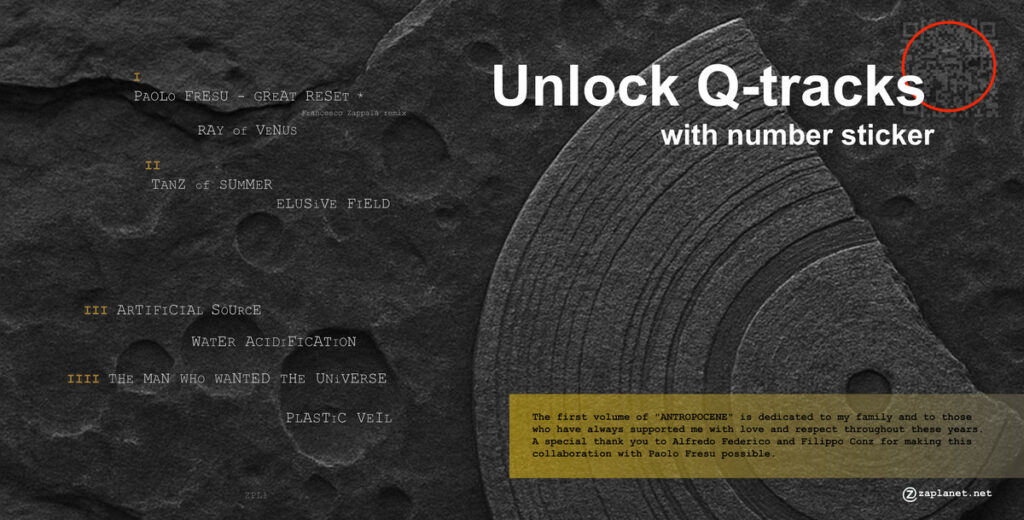
La tua pagina web contiene altre pagine segrete e questo nuovo lavoro ha delle Q-tracks legate a dei QR code numerati. È evidente che ti piace “giocare” con l’ascoltatore, spingerlo ad esplorare, a curiosare. Ci spieghi meglio come nasce questa idea di fondere contenuti musicali analogici a contenuti digitali criptati?
Guarda il primo QR code che io ho impiegato l’ho impiegato a Berlino nel 2011, quando ancora in pochi ne capivano l’utilizzo. Mi è sempre piaciuto ‘smanettare’ e gestire i miei spazi digitali infatti gestisco da solo il mio sito web Zaplanet: l’idea delle pagine segrete nasce proprio per stimolare la curiosità e giocare con il pubblico, un po’ come faccio quando sono dietro la consolle. Mi piaceva l’idea e ci ho messo dei contenuti esclusivi per chi le scopre.
Quindi per questo progetto mi è venuta in mente questa cosa di legare il QR code per la descrizione delle tracce, che è un po’ in antitesi con quello che rappresenta il disco in vinile. Difficilmente riusciremo a decifrare questo tipo di messaggi nell’antropocene, al contrario degli oggetti materiali. Tra l’altro li ho numerati perché mi piaceva l’idea che i primi 100 dischi, quelli che venivano a comprare nelle mie serate o nella mia pagina su Bandcamp, avessero questo accesso riservato a questo genere di informazioni.
Parli di “carcasse di giradischi” e “circuiti di drum machine” come fossili. Hai definito valvole e transistor come “strumenti di resistenza musicale”. Quali macchine o processi di produzione sono stati fondamentali per dare a questo doppio EP quel calore “fonomeccanico” che cercavi?
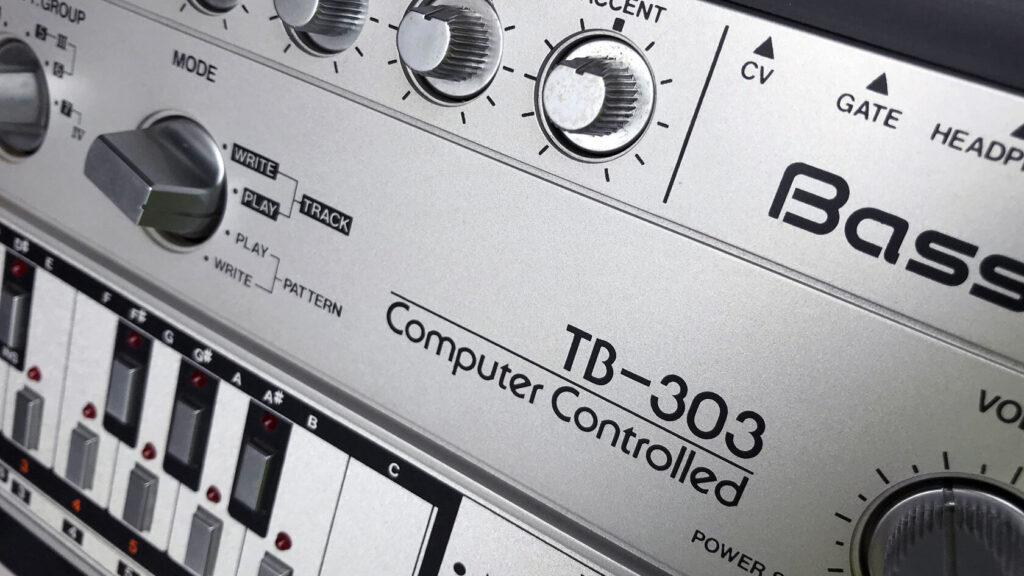
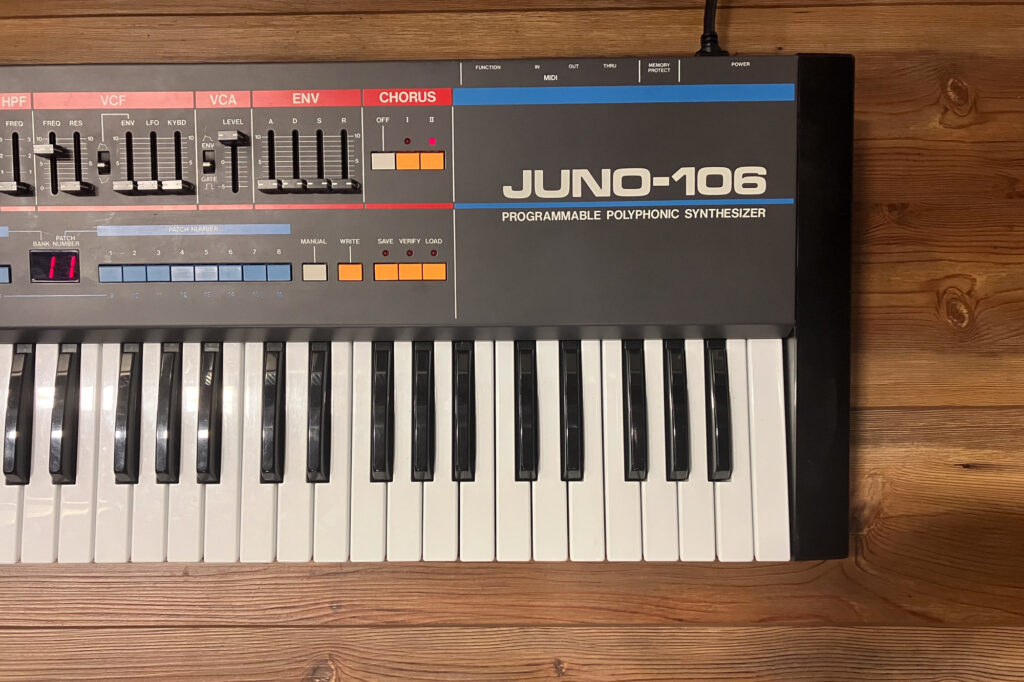
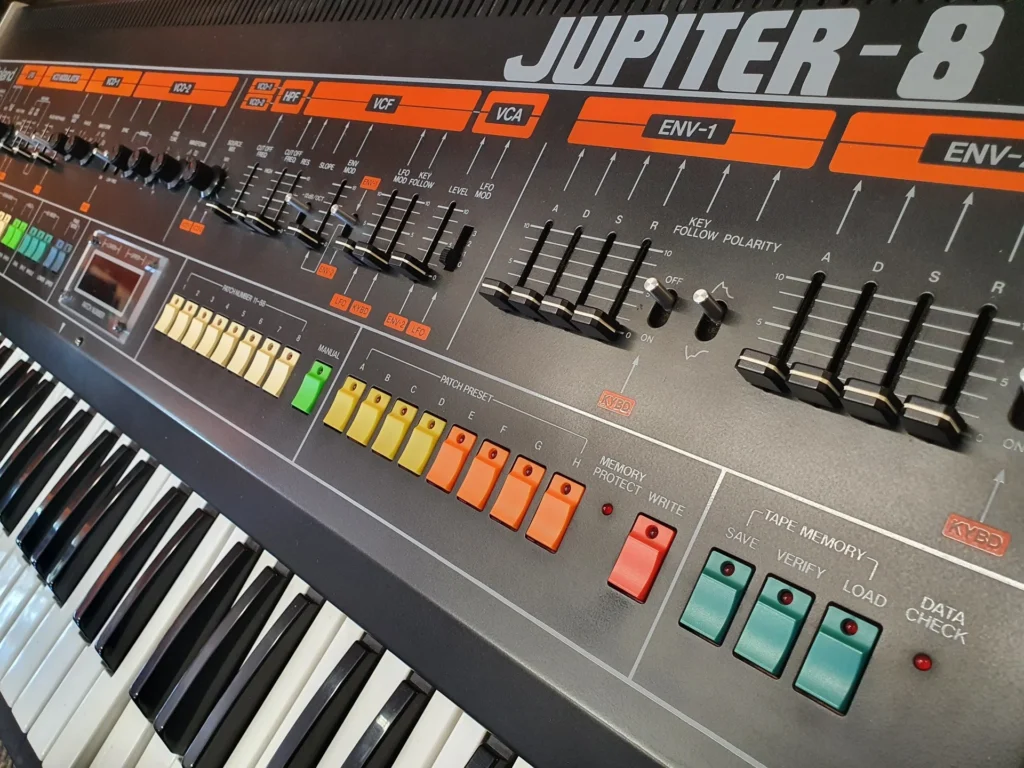
Allora, di analogico c’è la mia amata Roland TB-303 e il Korg Minilogue, queste sono le due principali macchine analogiche che ho impiegato, ma ho usato anche molto il Roland Cloud, e sono finito per usare macchine che conosco benissimo ma che non possiedo più, come il Juno 106, Jupiter 8 e tutte queste macchine qui. Per ottenere quel calore che cercavo, mi sono affidato a Ken Karter e al Decode Studio di Berlino.
Loro possiedono un’attrezzatura che definirei davvero ‘antrocepica‘: utilizzano convertitori valvolari d’altri tempi che hanno saputo dare una coerenza sonora incredibile a tutto il materiale. Quindi mi sono affidato a chi sa far suonare le cose e direi che il risultato è molto apprezzabile, io sono contento di come suona il disco, l’ho provato, i feedback che mi arrivano sono positivi e lo ascolto volentieri, mi sembra che suoni molto bene.
Celebri i tuoi 40 anni da DJ con un concept molto profondo. Se potessi parlare al Francesco degli inizi, vorresti avvertirlo di qualcosa o lo lasceresti esplorare inconsciamente?
Al Francesco degli inizi direi di percorrere la sua strada in modo totalmente incosciente e di seguire sempre l’istinto: per la coscienza c’è tempo, ma l’istinto non sbaglia mai. Rifarei tutto, esortandolo a buttarsi nella mischia.
Siamo arrivati all’ultima domanda: Nel tuo manifesto definisci il DJ come uno “sciamano del ritmo”. Senti che questa funzione di “rito collettivo” esista ancora o si è persa nei grandi eventi mainstream?
Diciamo così: è un aspetto mistico che si può benissimo sposare anche ai grandi eventi mainstream di oggi che se vogliamo sono riti collettivi ancora più oceanici. Parlando però della mia esperienza, i miei eventi, specialmente quelli degli anni ‘90 che hanno caratterizzato i primi open air come The West, i primi grandi after hour, forse lì era più accostabile la figura di uno sciamano al dj che si esibiva in consolle, perché c’era più intimità nonostante le 5 mila persone. Oggi invece parliamo di 20, 30, 40 mila persone e questo sciamano poverino diventa anche un puntino lontano, quindi non lo so, forse è questo, il termine ha un suo senso per chi poi alla fine ha la frequenza giusta per carpirlo.
https://francescozappala.bandcamp.com/track/great-reset-by-paolo-fresu
ENGLISH VERSION
Forty years of career, the return to vinyl, and a great desire to communicate through music.
Talking to Francesco Zappalà is not just an interview, but a deep dive into the history of DJing. It is a conversation with someone who has lived it and continues to live it with his heart on his sleeve, always searching for new input. Ours was a sincere conversation. Francesco is an artist who has split his life in half: twenty years of vinyl and twenty years of digital, passing through the DMC podiums and the Berlin scene, to arrive today at a new awareness
His new project, “Antropocene”, marks a physical return to the material. Composed of 16 tracks divided into two double EPs strictly on vinyl, the record revolves around the concept of “anthropocepian sound“: the idea that our instruments and formats will remain as “fossils” of a civilization that lived through music.
From the emotion of collaborating with maestro Paolo Fresu on Great Reset to the almost physical need to return to “touching” music, Francesco opened the doors of his world to us with the spontaneity of someone who, after 40 years behind the console, still burns with the same fire.
Here is what he told us in this long and beautiful chat:
Francesco, with Antropocene you have returned exclusively to vinyl. Besides your desire to return to your origins, is there also an intention to send some kind of message to the new generations of DJs and clubbers?
Look Andrea, vinyl for me was really a personal calling, a return to my roots after twenty years spent experimenting with digital technology. Rather than sending a message to the new generations, I like the idea of sharing my experience: an invitation to rediscover the passion and the unique emotion that this format provides, both to the touch and to the ear.
For those of us who lived through the dawn of digital while knowing the analogue world well, our role today is to be a point of reference. But the exchange is mutual: today’s DJs and clubbers are a great source of stimulation for me. I am still someone who loves to jump onto the dancefloor, whether it’s at Berghain or Panorama Bar; I really love to constantly receive new inputs.
People are talking about Antropocene as your recording comeback after six years, clearly referring to Francesco Zappalà, but you haven’t been completely idle during this period: we’ve seen several releases on Bandcamp signed as Le DJ Sportif. How do you manage this duality?
Le DJ Sportif was born while I was browsing Bandcamp, which had just started back then: I was fascinated by the fact that, in an era where digital was everywhere, it also offered vinyl. I bought a lot of music there, and I found more mature productions that really excited me. It was a space where I thought about starting to put out some tracks again.
I chose this pseudonym by combining my passion for tennis—which I practice and teach—with DJing, creating a space for “agile” projects. So, it was also a bit of a social experiment in the record industry: “let’s see if digital works here,” and that’s how it was born. But you see, Le DJ Sportif completes Francesco Zappalà; Francesco Zappalà has his own history, while Le DJ Sportif is, I would say, the more agile part of me.
You coined the term “Antrocepico”. Can you explain better what you mean when you define physical formats as “finds” of a civilization that will one day be studied through sound?
Look, this term is born from a reflection on what will remain of music when physical interaction with it—buying a record, putting it on the platter, flipping the side—has disappeared. Today we take everything for granted, but what will remain in the planet’s geological record when we are no longer here?
I imagined the objects that produced music as the only surviving sonic witnesses. The “antrocepico” sound is, paradoxically, a silent sound: it is that which is no longer there, yet remains guarded within the “finds” that once generated it. I wonder if a future civilization, stumbling upon a cassette, a tape player, or a trumpet, will be able to perceive the miracle of the universal language of music and the joy we felt in playing or dancing to it. These objects will become the guardians of a history that traced human existence; hence the idea of a sonic archaeology that defines our passage on Earth. This reflection is where the term “antrocepico” originates.
In your manifesto, you ask yourself what will remain of our passage on Earth. Having lived through 40 years of club culture, what trace do you hope your music leaves in this “archive” of the future?
From a recording standpoint, I don’t believe I have a repertoire significant enough to remain in this archive; paradoxically, in an “antrocepico” sense, even a fragment of a record fossilized in rock would be perfectly fine [laughs, ndr]. And that record, as of today, would undoubtedly be Great Reset with Maestro Fresu.
In Club Culture, however, I believe I’ve left my mark through the use of vinyl, the competitions (DMC, ndr), the club performances, and my presence in the booth—I think I can leave something more there than through my musical footprint alone.
Let’s say that like all true artists, you remain humble…
No, but it’s true! It took time to carve out a space for the music that truly represented me. When We Gotta Do It came out in 1991, I was buying records from Underground Resistance and Plus 8; I was focused on a different wave. So, only over time was I able to carve out a space for the music that truly represents me, and today Antropocene might be the pinnacle of all that. Perhaps the record that represents me most is this one. It’s the icing on the cake because I’m returning to a format that is not only dear to me, but one I hope becomes dear to those who haven’t discovered it yet.
Two releases, each consisting of a double EP, for a total of 4 vinyls and 16 tracks. How did you work on drafting such an extensive work? Did you already have everything in your head, or is the project evolving as you press it?
These sixteen tracks were born between 2020 and 2025, so you can easily imagine that when I started, my head was a total mess. Music was my safety valve, and the birth of my son marked the beginning of a new cycle of awareness. I told myself: “Francesco, bring out the melody, do something you would actually enjoy listening to.” The project took its definitive shape after the collaboration with Paolo Fresu in 2022; the atmosphere of “Great Reset” was the perfect prelude to all the material that was emerging.
Volume 2 is already ready in terms of structure and already features Francesco Farfa with a very beautiful remix. The idea now is to dedicate the second chapter to collaborations, involving people I respect to pay tribute to my 40-year career. To link the two volumes, Antropomix will also be released—a single that will act as a bridge between the two projects while waiting for the final chapter in 2026!
“Great Reset” opens the first volume with Paolo Fresu’s trumpet. What was it like working with him? I was wondering if you had to adapt your sounds to his trumpet, or if it was the trumpet that “slotted” naturally into your electronic world?
It all started with a cinematic cameo for the film Conversations with Other Women. In the beginning, it was only supposed to be that, but then the director Filippo Conz asked me to arrange some pieces by Paolo Fresu. I chose a track where the trumpet was free, devoid of other instruments, almost suspended in space and time. I worked on it starting from his notes, and the composition just emerged on its own.
Paradoxically, the piece wasn’t used in the film, but the appreciation from Maestro Fresu—who told me, “I like what I hear”—was an incredible adrenaline boost for me. That sentence was the spark that shaped the entire Antropocene project: the track was perfect to open the record and set the tone for everything that followed. If someone had told me back then that I would collaborate with an artist of that caliber one day, I would have said: “Well, who knows, maybe!”
Your website contains other secret pages, and this new work features “Q-tracks” linked to numbered QR codes. It is clear that you like to “play” with the listener, pushing them to explore and be curious. Can you explain more about how this idea of merging analogue musical content with encrypted digital content came about?
Look, I used my first QR code in Berlin in 2011, when few people still understood how to use them. I’ve always liked “tinkering” and managing my digital spaces; in fact, I manage my website Zaplanet all by myself. The idea of secret pages was born precisely to stimulate curiosity and play with the audience, a bit like what I do when I’m behind the DJ booth. I liked the idea, and I included exclusive content for those who discover them.
So, for this project, I came up with the idea of linking QR codes to the track descriptions, which is somewhat in antithesis to what a vinyl record represents. We will hardly be able to decipher these kinds of messages in the “antropocene,” unlike material objects. By the way, I numbered them because I liked the idea that the first 100 records—the ones bought at my events or on my Bandcamp page—would have this reserved access to this kind of information.
You talk about “turntable carcasses” and “drum machine circuits” as fossils. You have defined valves and transistors as “instruments of musical resistance.” Which machines or production processes were fundamental in giving this double EP that “phono-mechanical” warmth you were looking for?
So, regarding analogue, there is my beloved Roland TB-303 and the Korg Minilogue; these are the two main analogue machines I employed, but I also used the Roland Cloud extensively, and I ended up using machines that I know very well but no longer own, like the Juno 106, Jupiter 8, and all those types of machines. To achieve the warmth I was looking for, I relied on Ken Karter and the Decode Studio in Berlin.
They possess equipment that I would truly define as “antrocepico”: they use vintage valve that managed to give an incredible sonic consistency to all the material. So, I entrusted those who know how to make things sound right, and I would say the result is very appreciable; I am happy with how the record sounds, I’ve tested it, the feedback I’m receiving is positive, and I enjoy listening to it; it seems to me that it sounds very well.
You are celebrating 40 years as a DJ with a very profound concept. If you could talk to the Francesco of the early days, would you want to warn him about anything, or would you let him explore unconsciously?
To the Francesco of the early days, I would say to follow his path in a totally unconscious way and to always follow his instinct: there is time for consciousness, but instinct never fails. I would do it all over again, urging him to dive into the fray.
We have reached the final question: In your manifesto, you define the DJ as a “shaman of rhythm.” Do you feel that this function of a “collective rite” still exists, or has it been lost in large mainstream events?
Let’s put it this way: it’s a mystical aspect that can very well be paired even with today’s large mainstream events, which, if we think about it, are even more massive collective rites. However, speaking from my experience, my events—especially those in the 90s that characterized the first open-airs like The West, the first great after-hours—perhaps the figure of a shaman was more relatable to the DJ performing in the booth back then, because there was more intimacy despite there being 5,000 people. Today, on the other hand, we’re talking about 20, 30, 40 thousand people, and this poor shaman becomes just a distant dot. So I don’t know, maybe that’s it: the term makes sense for those who, in the end, have the right frequency to grasp it.
https://francescozappala.bandcamp.com/track/great-reset-by-paolo-fresu