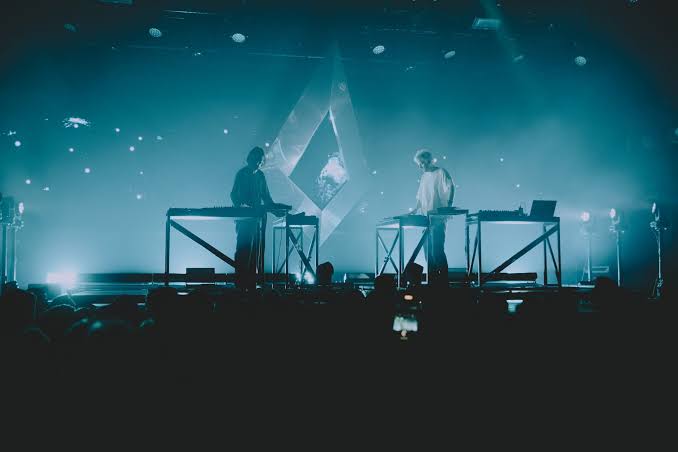

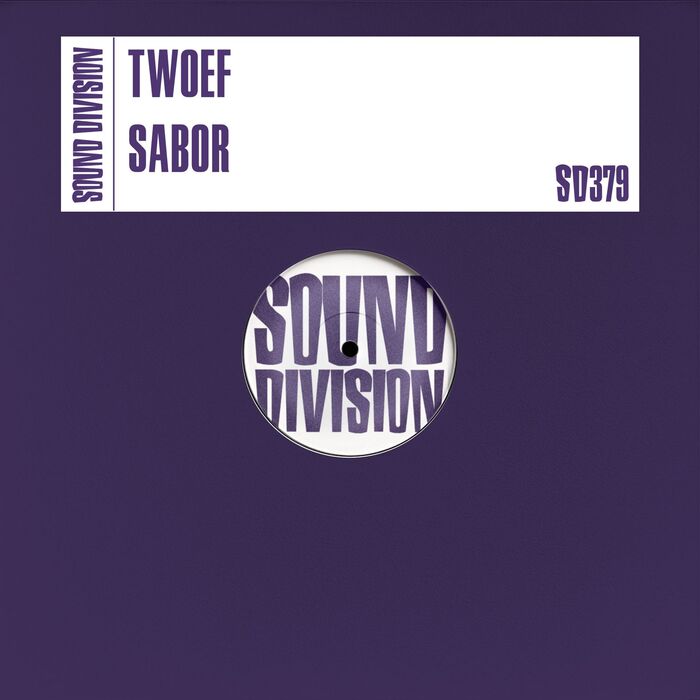
A distanza di quasi un anno dalla nostra ultima chiacchierata, ritroviamo TWOEF in occasione della release di “SABOR” sull’etichetta italiana Sound Division.
Produttore, DJ e sound designer italiano, TWOEF ha costruito negli anni un’identità sonora coerente ma sempre aperta alla sperimentazione. “SABOR” intreccia ritmi house e texture latine in un equilibrio tra ricerca e funzionalità da club, come un’evoluzione naturale verso una dimensione più calda ed energica rispetto a lavori come “Deep Twelve”, legato a un immaginario più introspettivo.
Fondatore di Studio After’54 e co-proprietario di Loose Monkey Records, il suo approccio alla musica nasce da una solida formazione tra percussioni, musica elettronica e sound design, elementi che si riflettono in produzioni curate nei minimi dettagli e caratterizzate da una forte impronta ritmica. Infatti, il disco pubblicato su Sound Division si distingue per un uso delle percussioni che richiama atmosfere sudamericane e ritmi house dancefloor-oriented.
In questa intervista, TWOEF ci accompagna all’interno del suo processo creativo e della direzione che sta guidando il suo 2026, tra continuità stilistica e nuove prospettive.
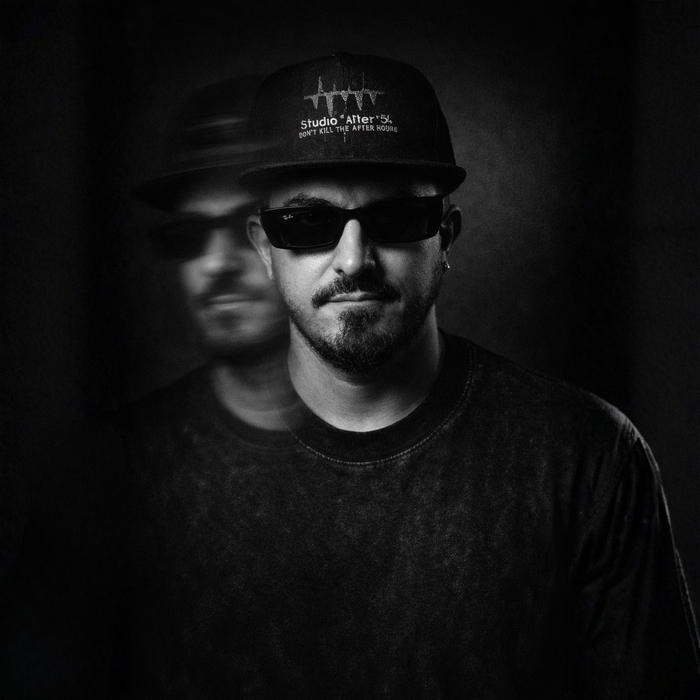
Ciao TWOEF, bentornato su Parkett. Come stai e come sta andando il 2026, musicalmente parlando?
Ciao Parkett! Grazie mille per l’invito, è sempre un piacere tornare qui. Sto bene, molto carico. Il 2026 è partito forte: sto lavorando a nuova musica, sperimentando tanto e cercando di portare il mio suono ancora più avanti. Ci sono un po’ di progetti in arrivo che mi gasano parecchio, quindi direi che musicalmente è un anno bello intenso e pieno di evoluzione
La nostra ultima chiacchierata risale a maggio dello scorso anno, in occasione della release di ” Deep Twelve” su Trax Records. ”SABOR”, invece, ha trovato spazio sull’etichetta made in Italy Sound Division, storicamente legata a Molto Recordings. Com’è nata questa nuova collaborazione e in che direzione orienta il tuo sound di oggi?
La collaborazione con Sound Division è nata in modo molto naturale. Ci siamo incrociati tra demo, feedback e visioni comuni, e da subito ho percepito che c’era lo stesso tipo di sensibilità: attenzione al groove, ma anche voglia di spingersi oltre i confini più classici.
“SABOR” rappresenta proprio questo punto d’incontro. Rispetto a “Deep Twelve” ed altre precedenti produzioni, qui ho lavorato di più sull’energia ritmica e sulle contaminazioni latin, cercando qualcosa di più caldo, diretto e allo stesso tempo ipnotico. Sound Division mi ha dato lo spazio giusto per esprimere questa fase, senza filtri.Direi che questa collaborazione sta orientando il mio sound verso qualcosa di ancora più definito, ovvero latin-club-oriented, ma con una forte identità: meno etichette, più vibrazione e ricerca.
Se ”Deep Twelve” era legata all’isola ibizenca di Es Vedrà e ad un impulso emotivo, c’è un luogo o uno stato d’animo che allo stesso modo ha influenzato ”SABOR”?
Assolutamente sì. “SABOR” nasce da un immaginario molto legato al Sud America, più che a un luogo preciso è proprio una sensazione che mi ha colpito: quel mix di calore, ritmo e connessione quasi viscerale con la musica. Mi sono lasciato ispirare da atmosfere che richiamano paesi come il Brasile, Paraguay e Colombia dove la musica è parte della vita quotidiana, è energia pura. C’è qualcosa di molto istintivo lì: percussioni, groove organici, movimento continuo.
“SABOR” riflette proprio questo stato d’animo: è più terreno, più caldo, quasi “fisico”. Se “Deep Twelve” era un brano più introspettivo e mistico, qui invece ho cercato una vibrazione più solare, sensuale e diretta, come una notte lunga in SudAmerica che non vuoi finisca mai.
”SABOR” ha raggiunto ottimi risultati su piattaforme come Beatport, Apple Music e programmi radiofonici, ricevendo il supporto di artisti come Paco Osuna, Jamie Jones, Joseph Capriati e Laurent Garnier. Ti aspettavi questo riscontro così forte e cosa pensi sia stato determinante per il raggiungimento di questi feedback?
Onestamente non mi aspettavo un riscontro così forte, soprattutto in così poco tempo. Quando lavori in studio sei sempre un po’ dentro la tua bolla, quindi vedere “SABOR” girare così tanto, sia sulle piattaforme che nei set, è stato davvero incredibile. Il supporto di artisti come Paco Osuna, Jamie Jones, Joseph Capriati e Laurent Garnier ha fatto sicuramente la differenza: quando nomi di quel calibro credono in un brano e lo suonano, il messaggio arriva subito forte e chiaro.
Credo però che alla base ci sia proprio l’identità del pezzo. “SABOR” è molto diretto, ha un groove che funziona bene in pista ma allo stesso tempo ha degli elementi distintivi che lo rendono riconoscibile. Penso che questa combinazione, insieme al timing giusto e al supporto della label, sia stata determinante per raggiungere questi risultati.
Le percussioni costituiscono un elemento fondamentale nelle tue produzioni e sono state centrali nel tuo background formativo. Quali sono state le tappe più significative dei tuoi studi e quando hai capito che volevi davvero investire le tue risorse nella musica?
Le percussioni sono sempre state il mio primo linguaggio. Ho iniziato studiando ritmica in modo abbastanza “classico”, ma è stato proprio lì che ho capito quanto il groove potesse diventare un elemento centrale, non solo accompagnamento ma vera identità musicale.
Una tappa fondamentale è stata sicuramente il mio percorso accademico: mi sono diplomato in una triennale in musica elettronica e sound design, ed è lì che ho fatto il salto. Ho iniziato a collegare il mondo della percussione con la produzione elettronica, lavorando sul suono in modo più profondo: sintesi, progettazione timbrica, spazio, dettaglio.
Il momento in cui ho capito davvero che volevo investire tutto nella musica è stato proprio durante quel periodo. Quando ho visto che potevo trasformare un’idea ritmica in un universo sonoro completo, costruito da zero, ho capito che quella era la mia strada. Da lì in poi è diventata una scelta naturale, quasi inevitabile.
Come descriveresti l’approccio ”In the box” di Studio”After”54 e perchè lo hai scelto?
L’approccio “in the box” di Studio After’54 è una scelta molto precisa: lavorare completamente in digitale, dentro la DAW, ma con una mentalità che richiama il workflow analogico. Per me significa avere totale controllo sul suono, ma senza perdere il lato umano e istintivo. Anche se sono “dentro il computer”, cerco sempre di ragionare come se stessi suonando strumenti reali: tanto lavoro sul groove, sulle micro-variazioni, sulle dinamiche, soprattutto nelle percussioni.
Ho scelto questo approccio perché mi permette di essere veloce, flessibile e coerente con il mio background in musica elettronica e sound design. Posso partire da zero e costruire tutto: dai kick ai dettagli più piccoli, senza limiti tecnici, ma mantenendo comunque una forte identità sonora.
In più, è un setup che si adatta perfettamente al mio modo di lavorare oggi: posso sviluppare idee ovunque, rifinirle in studio e arrivare a un livello di precisione molto alto, senza sacrificare l’energia del primo input creativo.
DJ, producer, collettivi, festival: chi stai tenendo d’occhio e da chi prendi maggiore ispirazione?
In questo periodo sto guardando molto alla scena latin house, che secondo me è una delle più vive e interessanti adesso. Ci sono artisti che riescono a fondere groove tribali, influenze sudamericane e struttura club in modo davvero potente.
Sicuramente nomi come HUGEL, Andruss, Gordo e Jesùs Fernandez stanno spingendo tanto in questa direzione, con un sound molto riconoscibile e super efficace in pista. Anche Dennis Cruz ha fatto lavori interessanti contaminando il suo stile con elementi latin e groove più organici.
Mi ispirano perché riescono a mantenere una forte identità culturale dentro un contesto globale come quello della club music. È proprio quella fusione tra radici e modernità che cerco anche nel mio percorso: qualcosa che faccia muovere, ma che allo stesso tempo racconti un immaginario preciso.
Guardando al futuro, le tue prossime produzioni manterranno questo stile o la tua ricerca sta esplorando nuovi suoni? Ti va di anticiparci qualcosa sui tuoi piani per l’estate?
Sicuramente c’è una continuità con quello che ho iniziato a sviluppare in “SABOR”, perché è un linguaggio che sento molto mio in questo momento. Allo stesso tempo però sto cercando di spingermi ancora oltre, soprattutto a livello di sound design e ricerca timbrica, mantenendo sempre quel focus sul groove e sull’energia.
Non mi piace restare fermo su una formula, quindi nelle prossime produzioni ci saranno evoluzioni, magari più sottili, ma importanti: nuove influenze, qualche elemento più sperimentale, senza perdere l’impatto club che per me resta centrale.
Per i prossimi mesi ci sono diverse cose in movimento. Alcuni progetti legati a “SABOR” stanno prendendo nuove forme e direzioni interessanti, anche grazie al coinvolgimento di artisti di grosso calibro che stimo molto… ma preferisco lasciare ancora un po’ di mistero. Diciamo che sarà una stagione intensa, sia in studio che fuori.
Leggi anche: Sound Division rilascia “Sky Fall”: intervista a Mark Row
________________________________________________________________________________________
ENGLISH VERSION
Hi TWOEF, welcome back to Parkett. How are you and how’s 2026 going, musically?
Hi Parkett! Thanks so much for the invitation, it’s always a pleasure to be back here. I’m fine, very excited. 2026 is off to a strong start: I’m working on new music, experimenting a lot, and trying to take my sound even further. I have a few upcoming projects that I’m really excited about, so I’d say it’s been a pretty intense year musically, full of evolution.
Our last chat was in May of last year, on the occasion of the release of “Deep Twelve” on Trax Records. “SABOR,” meanwhile, found space on the Italian label Sound Division, historically linked to Molto Recordings. How did this new collaboration come about, and what direction does it take for your sound today?
The collaboration with Sound Division came about very naturally. We crossed paths through demos, feedback, and shared visions, and I immediately sensed the same sensibility: a focus on groove, but also a desire to push beyond traditional boundaries.
“SABOR” represents precisely this convergence. Compared to “Deep Twelve” and other previous productions, here I worked more on rhythmic energy and Latin influences, seeking something warmer, more direct, and at the same time hypnotic. Sound Division gave me the right space to express this phase, without filters. I’d say this collaboration is moving my sound toward something even more defined, Latin-club-oriented, but with a strong identity: fewer labels, more vibration and exploration.
If “Deep Twelve” was tied to the Ibizan island of Es Vedrà and to an emotional impulse, is there a place or state of mind that similarly influenced “SABOR”?
Absolutely. “SABOR” was born from a sense of belonging closely tied to South America. More than a specific place, it was a feeling that struck me: that mix of warmth, rhythm, and an almost visceral connection with music.
I was inspired by atmospheres reminiscent of countries like Brazil, Paraguay, and Colombia, where music is part of everyday life, pure energy. There’s something very instinctive there: percussion, organic grooves, constant movement.
“SABOR” reflects precisely this state of mind: it’s more earthly, warmer, almost “physical.” If “Deep Twelve” was a more introspective and mystical song, here I sought a more sunny, sensual, and direct vibe, like a long night in South America that you never want to end.
“SABOR” has achieved excellent results on platforms like Beatport, Apple Music, and radio, receiving support from artists like Paco Osuna, Jamie Jones, Joseph Capriati, and Laurent Garnier. Did you expect such strong feedback, and what do you think was crucial to achieving this success?
Honestly, I didn’t expect such strong response, especially in such a short time. When you work in the studio, you’re always somewhat in your own bubble, so seeing “SABOR” get so much play, both on platforms and in sets, was truly incredible. The support of artists like Paco Osuna, Jamie Jones, Joseph Capriati, and Laurent Garnier has definitely made a difference: when names of that caliber believe in a song and play it, the message comes across loud and clear.
But I believe the song’s identity is at its core. “SABOR” is very direct; it has a groove that works well on the dance floor, but at the same time, it has distinctive elements that make it recognizable. I think this combination, along with the right timing and the label’s support, was crucial to achieving these results.
Percussion is a fundamental element in your productions and has been central to your educational background. What were the most significant milestones in your studies, and when did you realize you truly wanted to invest your resources in music?
Percussion has always been my first language. I began studying rhythm in a fairly “classical” way, but it was there that I understood how groove could become a central element, not just accompaniment but a true musical identity. A fundamental milestone was definitely my academic career: I graduated with a bachelor’s degree in electronic music and sound design, and that’s where I made the leap. I began to connect the world of percussion with electronic production, working on sound in a more in-depth way: synthesis, timbre design, space, detail.
The moment I truly realized I wanted to invest everything in music was precisely during that period. When I saw I could transform a rhythmic idea into a complete sonic universe, built from scratch, I knew that was my path. From then on, it became a natural, almost inevitable, choice.
How would you describe Studio After ’54’s “in the box” approach, and why did you choose it?
Studio After ’54’s “in the box” approach is a very specific choice: working entirely digitally, within the DAW, but with a mindset reminiscent of an analog workflow.
For me, it means having complete control over the sound, but without losing the human and instinctive side. Even though I’m “inside the computer,” I always try to think as if I were playing real instruments: I work hard on the groove, on micro-variations, on dynamics, especially on percussion.
I chose this approach because it allows me to be fast, flexible, and consistent with my background in electronic music and sound design. I can start from scratch and build everything: from the kicks to the smallest details, without technical limitations, while still maintaining a strong sonic identity.
Plus, it’s a setup that perfectly suits my way of working today: I can develop ideas anywhere, refine them in the studio, and achieve a very high level of precision, without sacrificing the energy of the initial creative input.
DJs, producers, collectives, festivals: who are you keeping an eye on, and who do you draw the most inspiration from?
I’m currently focusing a lot on the Latin house scene, which I think is one of the most vibrant and interesting right now. There are artists who manage to blend tribal grooves, South American influences, and club structure in a truly powerful way.
Names like HUGEL, Andruss, Gordo, and Jesús Fernández are definitely pushing in this direction, with a highly recognizable sound that’s incredibly effective on the dance floor. Dennis Cruz has also done interesting work, blending his style with Latin elements and more organic grooves.
They inspire me because they manage to maintain a strong cultural identity within a global context like club music. It’s precisely that fusion of roots and modernity that I’m also looking for in my own career: something that gets people moving, but that also conveys a specific imagery.
Looking to the future, will your upcoming productions maintain this style, or are you exploring new sounds? Would you like to give us a preview of your summer plans?
There’s definitely continuity with what I began developing on “SABOR,” because it’s a language I feel very much my own right now. At the same time, however, I’m trying to push myself even further, especially in terms of sound design and timbre research, while always maintaining that focus on groove and energy.
I don’t like to stick to a formula, so in my upcoming productions there will be evolutions, perhaps more subtle, but important: new influences, some more experimental elements, without losing the club impact that remains central to me.
There are several things in motion for the coming months. Some projects related to “SABOR” are taking on new forms and interesting directions, thanks in part to the involvement of high-caliber artists I greatly admire… but I prefer to keep things a bit more mysterious. Let’s just say it’s going to be a busy season, both in the studio and out.