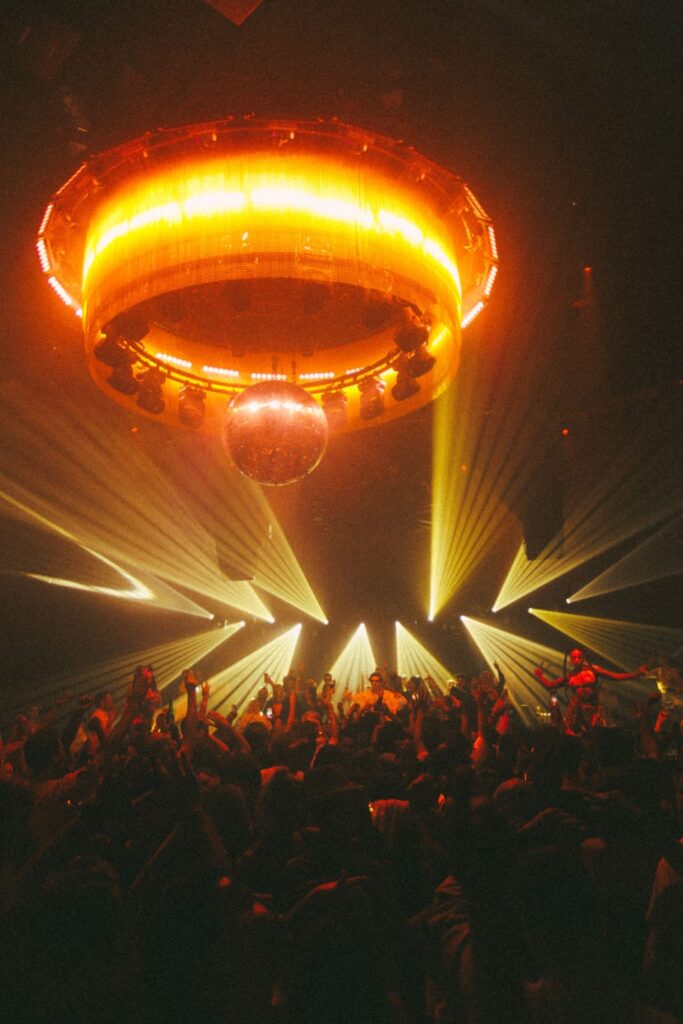

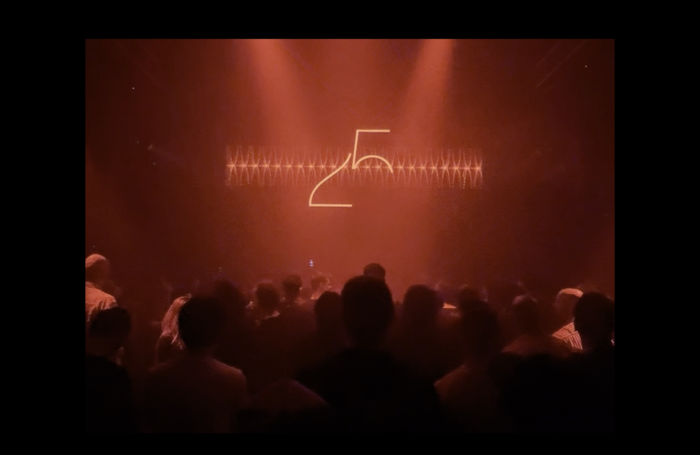
Consciousness debutta al FVTVR di Parigi, domenica 5 aprile, con un party ibrido che presenta l’essenza del concept tra musica, light design e cinema.
Il primo party Consciousness incarna l’anima di un progetto multi sfaccettato in cui club culture e arti visive convivono in un perfetto equilibrio tra le parti. La musica rimane assoluta protagonista, elevata dalla valorizzazione dell’ecosistema in cui viene percepita, creata e vissuta. Consciousness, infatti, respira tra suono e immagine, sensazione e narrativa, in una danza in cui musica e reportage dialogano organicamente.
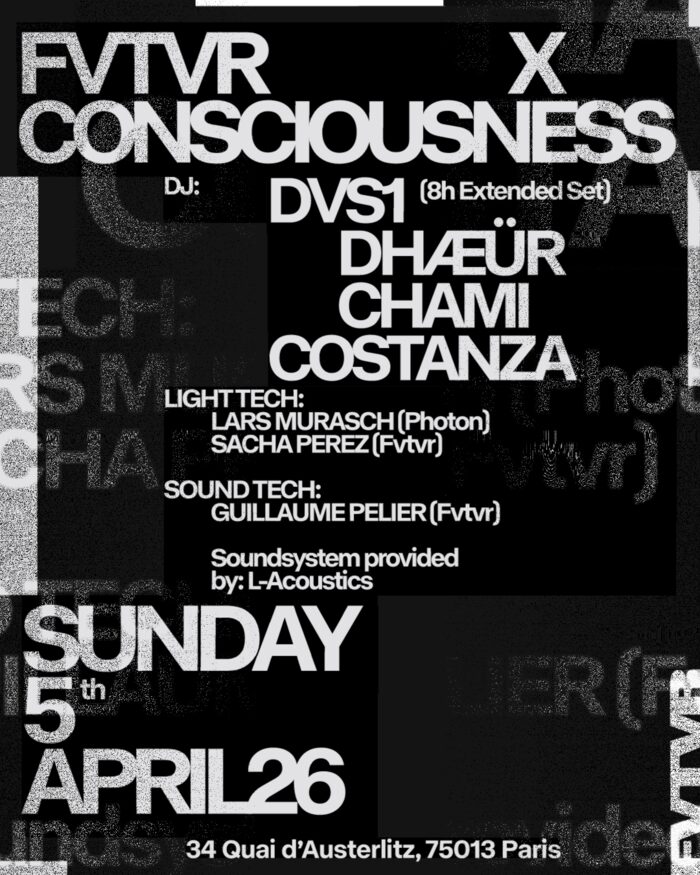
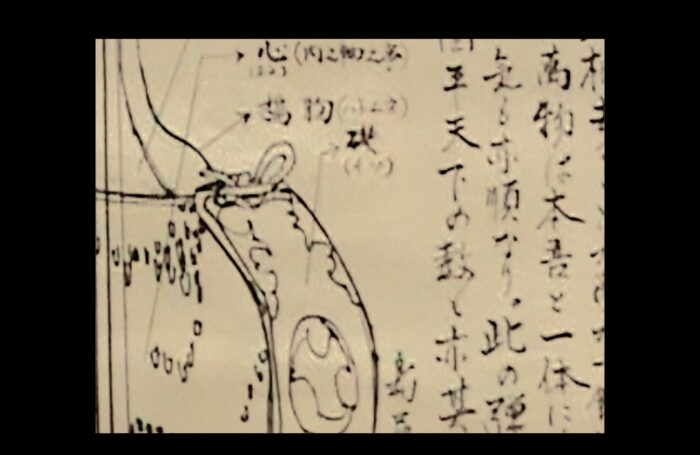
Il party del 5 aprile al FVTVR di Parigi, in cui DVS1 proporrà un extended set di 8 ore preceduto da Chami, Costanza e DHAEÜR, co-founder di Consciousness che ha di recente debuttato al Berghain, sarà preceduto dalla presentazione della short version del documentario sulla clubculture giapponese girato da Giulia, co-founder di Consciousness insieme a Damiano.
Con un sguardo rivolto verso la club culture globale, Consciousness va oltre la superficie portando alla luce ciò che talvolta rimane nascosto, dietro le quinte di un ecosistema complesso e in costante evoluzione. In attesa di questa domenica, abbiamo conosciuto Damiano e Giulia, menti creative di Consciousness.
Ciao ragazzi, benvenuti su Parkett! E’ un piacere avervi qui. Come state e come vanno i preparativi per il primo evento Consciousness al FVTVR di Parigi?
Damiano: Ciao Gaia, grazie per l’invito! È un grande piacere poter raccontare di più su Consciousness, come hai ben detto il 5 Aprile ci sarà il primo evento in collaborazione con FVTVR a Parigi e i preparativi stanno andando molto bene, abbiamo la fortuna di lavorare con un team fantastico con cui condividiamo a pieno passione e visione sulla serata.
Manu e Benoît, che si occupano della direzione creativa e Booking del club FVTVR, ci hanno dato spazio per condividere idee e soprattutto per realizzarle con noi. Trovare queste personalità dal behind the scenes é il nostro scopo e connetterci con loro é stato naturale. Non vediamo l’ora!
Consciousness è guidato da una missione precisa: dare spazio alle personalità, ai ruoli e alle realtà che sorreggono l’ecosistema della scena elettronica dietro le quinte. Quando e come nasce il progetto? A chi si rivolge?
Damiano: Il progetto nasce dopo aver lavorato per più di 5 anni in un club di Berlino come Night Manager, un ruolo che ti mette a costante contatto con tutte le figure che prendono parte alla riuscita di un evento. Mi sono accorto di quanto il lavoro tecnico di persone dietro le quinte che nessuno vede, sia fondamentale (ma spesso ignorato) per poter consegnare l’esperienza finale al pubblico.
Il progetto si rivolge a tutti gli appassionati che vogliono trovare il proprio ruolo nell’industria senza sentire il dovere di diventare un dj o un producer per farne parte. Purtroppo lo star system attuale ha spostato l’attenzione su un solo ruolo… C’è un ecosistema immenso e bellissimo da esplorare che ha bisogno di appassionati in tutti i ruoli per essere davvero sostenibile.
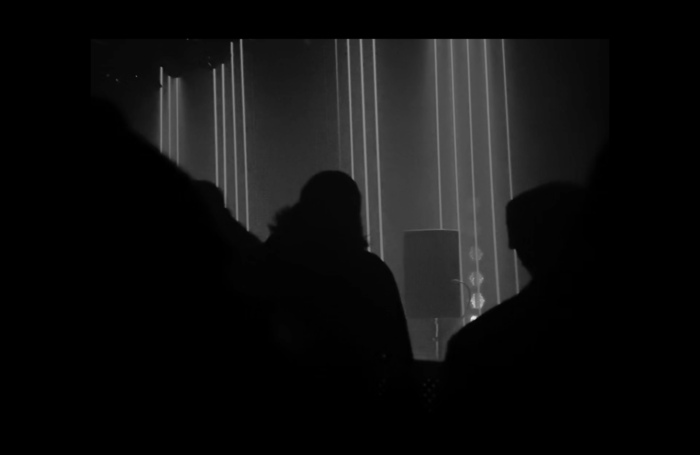
Vivete a Berlino ma avete origini italiane; quanto ha inciso questa città sul vostro progetto e che ruolo ha avuto la scena italiana nella genesi di Consciousness?
Damiano: Sia io che Giulia siamo cresciuti ad Andria, in provincia di Bari. Siamo stati fortunati a vivere un tempo vivace della scena techno tra 2012-2017 in una realtà piccola come quella del sud Italia. Ways, il collettivo che ci ha cresciuti musicalmente ha proposto artisti come Max M, Donato Dozzy, DVS1, Polar Inertia, DJ Skirt, Svreca e molti altri.
Da li é scattata la passione e mi sono trasferito a Berlino, dove ho poi lavorato per anni in un club. Giulia si è trasferita qualche anno dopo. Post Covid la città ha subito molti cambiamenti, sia in termini di priorità creative che morali, a seguito anche l’economia é cresciuta molto e ha portato delle conseguenze anche nel clubbing, rendendolo un business.
Questa é una delle ragioni per cui abbiamo deciso di dar vita a Consciousness. Ripercorrendo le nostre radici e muovendoci verso spazi ignoti che ci incuriosiscono e appassionano. Il nostro é solo un desiderio di condividere ciò che sono le nostre esperienze dirette e indirette attraverso racconti, studi e sensazioni.
Il vostro lavoro unisce clubbing, cinema e ricerca: su cosa si basa il vostro equilibrio come squadra e come gestite i diversi ruoli all’interno del progetto?
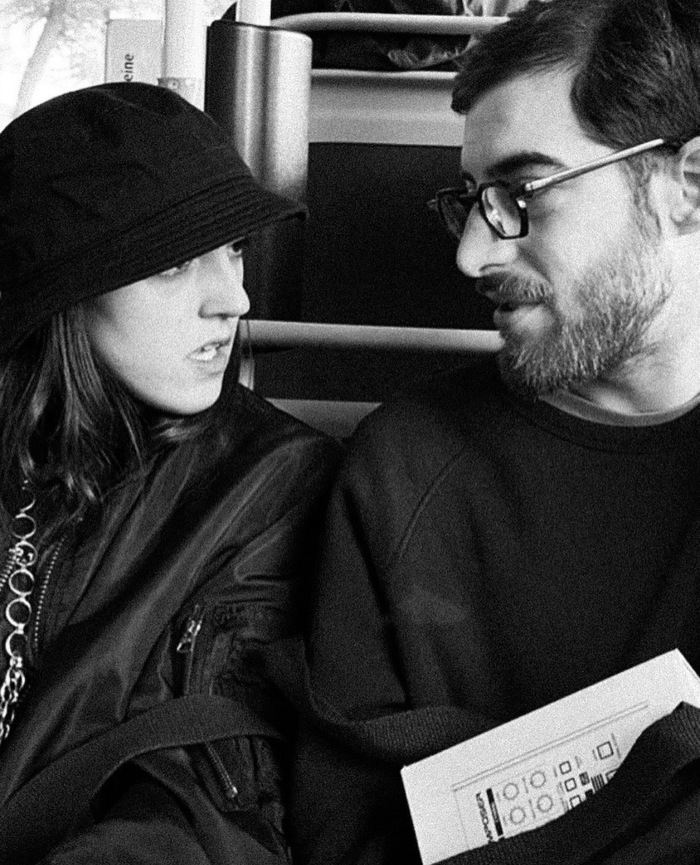
Giulia: L’equilibrio di Consciousness si regge sulla sinergia tra due dipartimenti principali, che lavorano in costante dialogo per unire ricerca e produzione. Io coordino la direzione artistica e la ricerca documentaristica, supportata da un team snello ma specializzato: Andrea Ilardo ci aiuta a gestire le comunicazioni e PR Management, mentre Pietro Conquinati cura il supporto all’editing del documentario.
Parallelamente, la produzione degli eventi e la ricerca acustica e musicale sono affidate a Damiano, con il supporto di Chami nel creare connessioni con i club e gestire la logistica produttiva. Ciò che ci tiene uniti è una visione condivisa della clubbing culture. Nonostante i background e le influenze differenti, il nostro obiettivo comune è fare community: mettiamo insieme le idee di tutti per proporre qualcosa di autentico, che restituisca valore alla scena che amiamo.
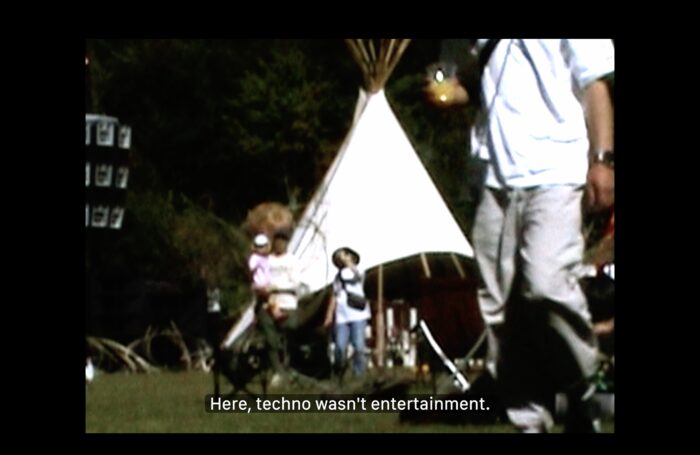
I due documentari prodotti mostrano il potenziale e gli obiettivi di Consciousness: creare, nel tempo, una mappa delle club culture che restituisca un riflesso autentico delle esperienze vissute in giro per il mondo. Quali sono le maggiori difficoltà con cui avete fatto i conti e cos’è che vi motiva più di tutto ad andare avanti?
Giulia: L’idea della serie di documentari nasce dal mio desiderio di unire la ricerca musicale alla partecipazione attiva nella scena. Nonostante il mio background nel cinema, negli ultimi anni ho lavorato nel behind the scenes come event manager e light technician.
A inizio 2024 ho scelto il Giappone come primo capitolo: una decisione guidata dall’eredità di colossi come Yamaha, Korg e Roland, che hanno democratizzato l’accesso alla musica e influenzato generi globali. Un esempio emblematico è la band Yellow Magic Orchestra, il cui impatto è arrivato fino alla nascita della techno a Detroit (il loro album è esposto al museo Submerge). La ricerca porta a scoperte bellissime ma le difficoltà son tante, partendo dal dover strutturare un racconto al mettersi in contatto con figure nascoste che, appunto, vogliono rimanere tali.
Convincere a partecipare al progetto, mostrare la genuinità degli intenti e la curiosità di conoscere e ascoltare. Documentare é sempre visto come un atto invasivo per la cultura ospitante e quando si raggiungono bei risultati attraverso connessioni autentiche diventa molto gratificante.
Viaggiare tra Giappone e Detroit significa entrare in contatto con due realtà molto diverse tra loro e dalla nostra. Il filo conduttore tra queste due città e Consciousness è sicuramente la musica,quali sono, invece, i punti di rottura tra queste due scene? Cosa dovremmo imparare da queste due culture?
Giulia: Il punto di rottura principale risiede nel modo in cui queste due scene vivono e si raccontano. In Giappone, ci siamo confrontati con una realtà techno poco documentata e lontana dai riflettori; questo ha reso la narrazione stimolante, ma complessa a causa delle profonde barriere culturali e linguistiche.
A Detroit, la sfida è stata opposta: essendo una scena ampiamente documentata, la difficoltà stava nel trovare angolazioni nuove e punti di vista originali. Qui il focus si è spostato sull’istituzionalizzazione della cultura, osservando come la techno sia stata integrata in ambiti politici, museali e persino universitari. In entrambi i contesti, le residenze artistiche (PARADISE AIR a Tokyo e FILTER a Detroit) sono state fondamentali. Non solo come base per il progetto, ma come motori di motivazione, dimostrando quanto sia vitale avere strutture che alimentino la ricerca e il dialogo.
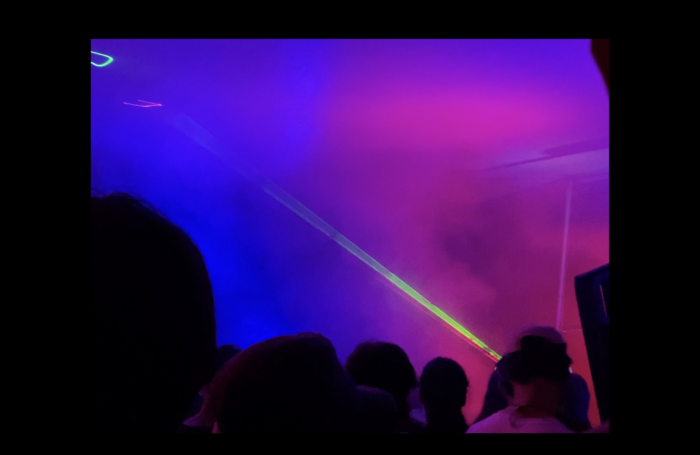
L’headliner del vostro party al FVTVR di Parigi è DVS1, fuoriclasse di Minneapolis che incarna la cura magistrale per l’esperienza del club a 360 gradi. Cosa volete trasmettere a chi verrà a trovarvi il 5 aprile e che tipo di ambiente volete offrire al vostro pubblico?
Damiano: DVS1 è sempre stato un’ispirazione per noi e il progetto. Il suo ruolo nella scena rappresenta quello in cui crediamo, e ospitarlo per un extended set di 8h per la prima di Consciousness è davvero qualcosa di speciale per noi.
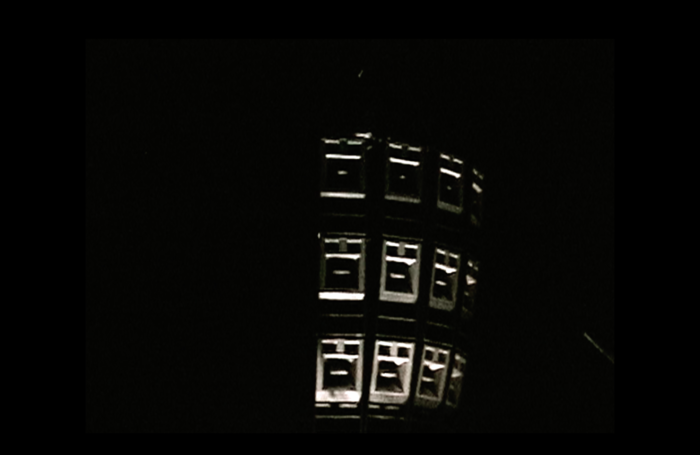
Ad essere protagonista della serata, però, è l’intera squadra tecnica: Lars Murasch (tecnico luci del Photon), Sacha Perez (tecnico luci del FVTVR) e Guilleme Pelier (sound technician del FVTVR) che affiancata da un grande sound system L-Acoustic, metteranno i dj nella condizione di esprimersi al meglio, e se già conoscete DVS1, sapete cosa significa! L’obiettivo di questo evento è riuscire a trasformare anche sola una persona che si è avvicinata per curiosità, in appassionato.
Come riassumereste la filosofia di Consciousness in una frase?
Consciousness team: Consciousness nasce dal desiderio di condividere storie autentiche della nostra community con rispetto, curiosità e amore per la musica elettronica. Per ispirare le prossime generazioni a esplorare, mettere in discussione e cambiare forma.
Leggi anche: “Clubculture del Sud Italia – Intervista a Ways”
__________________________________________________________________________________________
ENGLISH VERSION
INTERVIEW: CONSCIOUSNESS x PARKETT
Hi guys, welcome to Parkett! It’s a pleasure to have you here. How are you doing, and how are the preparations going for the first Consciousness event at FVTVR in Paris?
Damiano: Hi Gaia, thanks for inviting us! It’s a great pleasure to be able to tell you more about Consciousness. As you mentioned, on April 5th there will be the first event in collaboration with FVTVR in Paris and preparations are going very well; we are lucky to work with a fantastic team with whom we fully share the passion and vision for the night.
Manu and Benoît, who handle the creative direction and booking for the club FVTVR, gave us the space to share ideas and, above all, to realize them with us. Finding these personalities from behind the scenes is our goal, and connecting with them was natural. We can’t wait!
Consciousness is driven by a precise mission: to give space to the personalities, roles, and realities that support the ecosystem of the electronic scene behind the scenes. When and how was the project born? Who is it aimed at?
Damiano: The project was born after working for more than 5 years in a Berlin club as a Night Manager, a role that puts you in constant contact with all the figures involved in the success of an event. I realized how much the technical work of people behind the scenes—whom no one sees—is fundamental (but often ignored) to delivering the final experience to the audience.
The project is aimed at all enthusiasts who want to find their own role in the industry without feeling the obligation to become a DJ or a producer to be part of it. Unfortunately, the current star system hasshifted the focus onto just one role… There is an immense and beautiful ecosystem to explore that needs enthusiasts in all roles to be truly sustainable.
You live in Berlin but have Italian origins; how much has this city influenced your project, and what role did the Italian scene play in the genesis of Consciousness?
Damiano: Both Giulia and I grew up in Andria, in the province of Bari. We were lucky to experience a vibrant time for the techno scene between 2012-2017 in a reality as small as that of Southern Italy. Ways, the collective that raised us musically, hosted artists like Max M, Donato Dozzy, DVS1, Polar Inertia, DJ Skirt, Svreca, and many others. From there, the passion was ignited, and I moved to Berlin where I then worked in a club for years.
Giulia moved a few years later. Post-Covid, the city underwent many changes, both in terms of creative and moral priorities; subsequently, the economy also grew significantly, which brought consequences to clubbing, turning it into a business. This is one of the reasons why we decided to start Consciousness. Retracing our roots and moving towards unknown spaces that intrigue and fascinate us. Ours is simply a desire to share what our direct and indirect experiences are through stories, studies, and sensations.
Your work combines clubbing, cinema, and research: what is your balance as a team based on, and how do you manage the different roles within the project?
Giulia: The balance of Consciousness rests on the synergy between two main departments, which work in constant dialogue to unite research and production. I coordinate the artistic direction and documentary research, supported by a lean but specialized team: Andrea Ilardo helps us manage communications and PR Management, while Pietro Conquinati takes care of editing support for the documentary. In parallel, event production and acoustic and musical research are entrusted to Damiano, with the support of Chami in creating connections with clubs and managing production logistics.
What keeps us together is a shared vision of clubbing culture. Despite our different backgrounds and influences, our common goal is to build community: we bring everyone’s ideas together to propose something authentic that returns value to the scene we love.
The two produced documentaries show the potential and objectives of Consciousness: creating, over time, a map of club cultures that reflects an authentic mirror of experiences lived around the world. What are the biggest difficulties you’ve faced, and what motivates you most of all to keep going?
Giulia: The idea for the documentary series stems from my desire to combine musical research with active participation in the scene. Despite my background in cinema, in recent years I have worked behind the scenes as an event manager and light technician. At the beginning of 2024, I chose Japan as the first chapter: a decision guided by the legacy of giants like Yamaha, Korg, and Roland, who democratized access to music and influenced global genres. An emblematic example is the band Yellow Magic Orchestra, whose impact reached as far as the birth of techno in Detroit (their album is displayed at the Submerge museum).
Research leads to beautiful discoveries, but the difficulties are many, starting from structuring a narrative to getting in touch with hidden figures who, precisely, want to remain hidden. Convincing them to participate in the project, showing the genuineness of the intentions and the curiosity to know and listen. Documenting is always seen as an invasive act for the host culture, and when great results are achieved through authentic connections, it becomes very rewarding.
Traveling between Japan and Detroit means coming into contact with two realities very different from each other and from our own. The common thread between these two cities and Consciousness is certainly music; what are, instead, the breaking points between these two scenes?
Giulia: What should we learn from these two cultures? The main breaking point lies in the way these two scenes live and tell their own stories. In Japan, we faced a techno reality that is little documented and far from the spotlight; this made the narrative stimulating but complex due to deep cultural and linguistic barriers.
In Detroit, the challenge was the opposite: being a widely documented scene, the difficulty lay in finding new angles and original points of view. Here, the focus shifted to the institutionalization of the culture, observing how techno has been integrated into political, museum, and even university spheres. In both contexts, artistic residencies (PARADISE AIR in Tokyo and FILTER in Detroit) were fundamental. Not only as a base for the project, but as engines of motivation, demonstrating how vital it is to have structures that fuel research and dialogue.
The headliner for your party at FVTVR in Paris is DVS1, a standout from Minneapolis who embodies a masterly care for the 360-degree club experience. What do you want to convey to those who come to visit you on April 5th, and what kind of environment do you want to offer your audience?
Damiano: DVS1 has always been an inspiration for us and the project. His role in the scene represents what we believe in, and hosting him for an 8h extended set for the premiere of Consciousness is truly something special for us.
But the real protagonist of the evening is the entire technical team: Lars Murasch (light technician for Photon), Sacha Perez (FVTVR light technician), and Guilleme Pelier (FVTVR sound technician) who, supported by a great L- Acoustic sound system, will put the DJs in the best condition to express themselves—and if you already know DVS1, you know what that means! The goal of this event is to succeed in transforming even just one person who approached out of curiosity into an enthusiast.
How would you summarize the philosophy of Consciousness in one sentence?
Consciousness team: Consciousness is born from the desire to share authentic stories of our community with respect, curiosity, and love for electronic music. To inspire the next generations to explore, question, and change form.