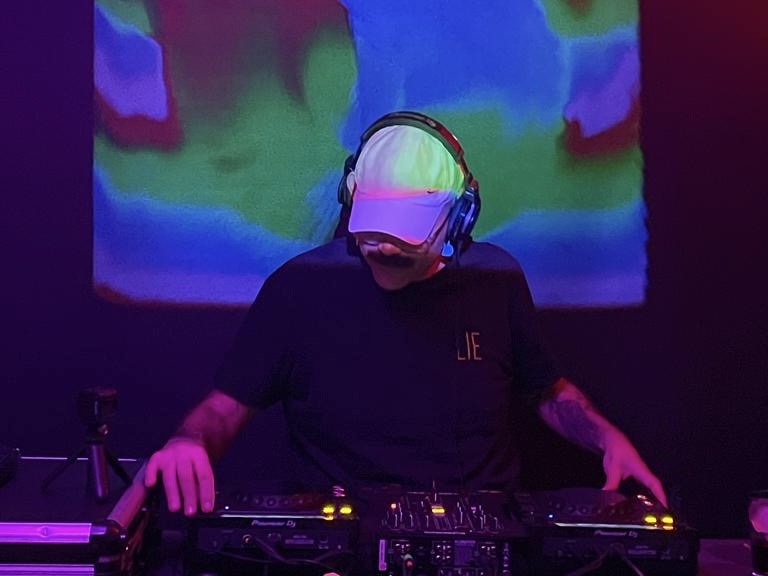
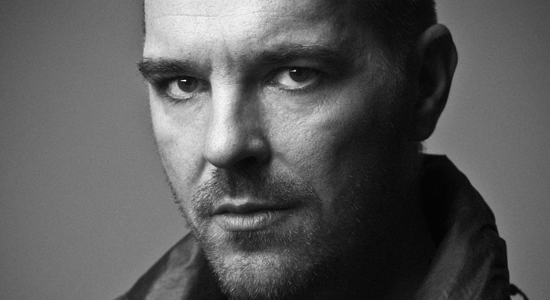
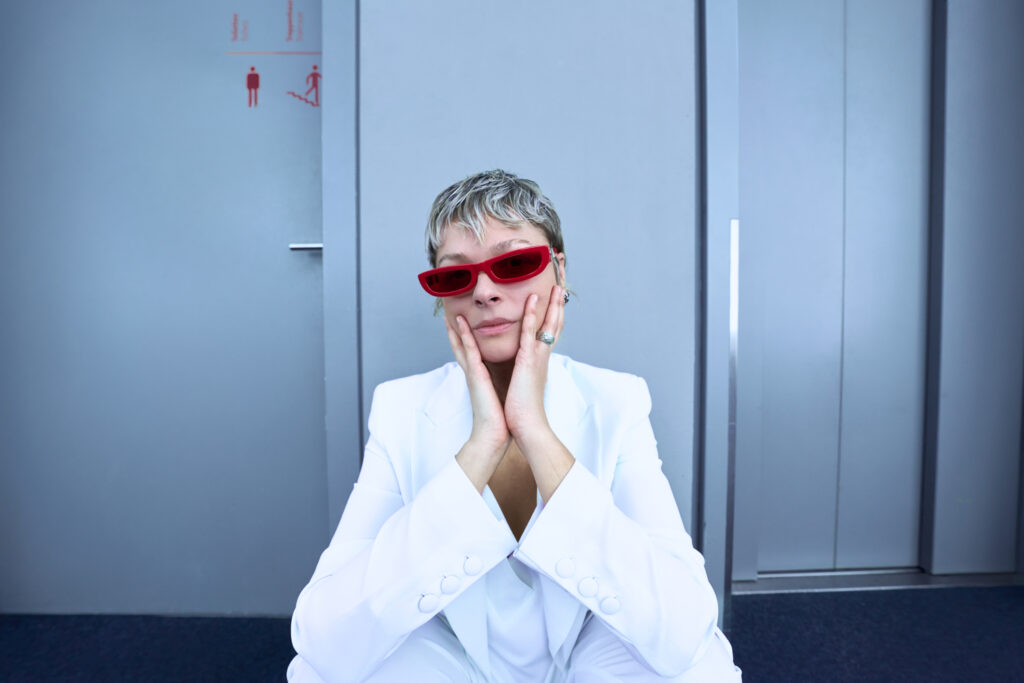
Asia racconta il suo doppio ruolo: manager dell’agenzia Esmero e DJ. Dalla Russia a Berlino, tra cura degli artisti, vinili e autenticità.
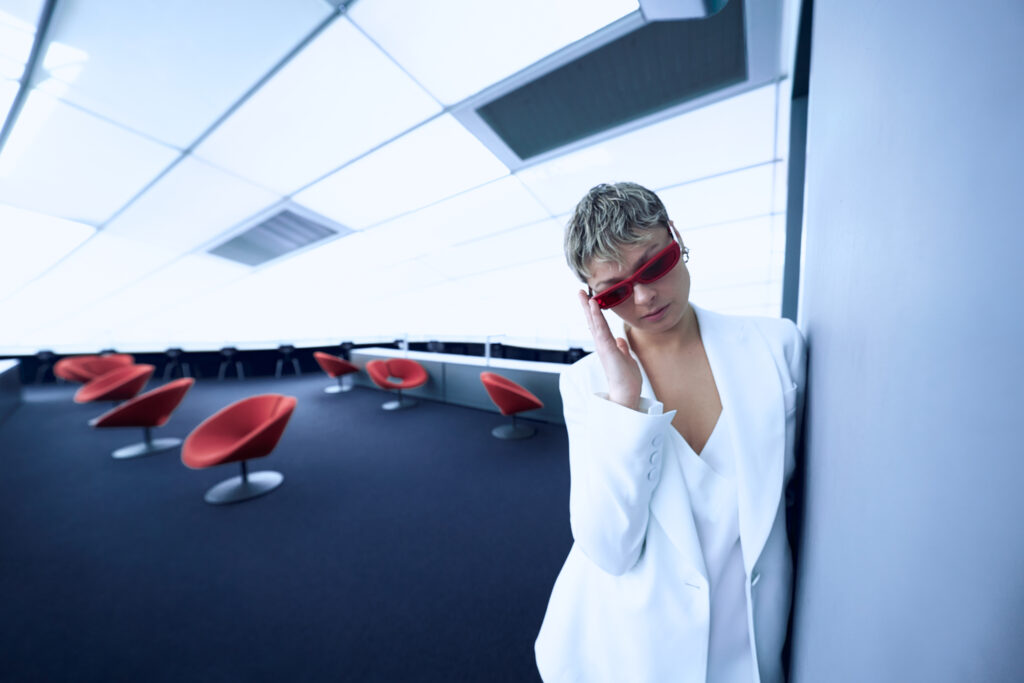
Pics © Helena Bermejo
Nel dizionario della Real Academia Española, la parola “esmero” racchiude un significato profondo: è il sommo grado di cura e attenzione, la dedizione meticolosa con cui si affronta ogni cosa, spinti dal desiderio di avvicinarsi il più possibile alla perfezione. Non è solo un dettaglio, ma una vera e propria filosofia di vita.
È da questa parola che Asia ha voluto battezzare la sua agenzia, che sembra essere una vera e propria famiglia, Esmero.
Nella sua visione, prendersi cura degli artisti significa applicare questa stessa dedizione in ogni aspetto del lavoro: ascoltarli, seguirli, costruire con loro una fiducia reciproca che vada ben oltre il semplice rapporto professionale. È una cura che, come Asia stessa racconta, non si ferma al suo ruolo di manager, ma si riversa in tutto ciò che fa, anche quando indossa i panni della DJ.
In un certo senso, quando la si sente suonare, si percepisce questa dedizione e attenzione anche nel prendersi cura della pista. Oggi, la sua anima sembra vibrare per creare le condizioni migliori perché chi ha di fronte possa vivere un’esperienza autentica e profonda.
In questa intervista, Asia ci racconta il suo doppio viaggio svenlandoci come, in equilibrio tra la scrivania dell’agenzia e i piatti di un club, “prendersi cura” sia diventato il filo rosso della sua vita.
Partiamo dalle origini: dove sei cresciuta e che tipo di rapporto avevi con la musica prima che diventasse un lavoro?
Ciao Ale! Sono nata e cresciuta in Russia, sull’isola di Sachalin, in una città che si chiama Okha. Dal punto di vista artistico era tutto piuttosto assente, ma la neve era ovunque. La montagna è sempre stata una grande passione, soprattutto lo snowboard. Guardavo molti video di freestyle e in sottofondo suonavano sempre Hip-Hop, Rap, Punk e musica elettronica. Da lì prendevo molta ispirazione. Creavo le mie playlists per scendere dalla montagna in base a come mi sentivo: a volte volevo ascoltare qualcosa di chill perché semplicemente scendevo lungo la pista, altre volte mi chiudevo nello snow park e lì partiva la musica più intensa. Insomma, la musica era la mia migliore amica durante queste escursioni.
Inoltre, mio nonno era pittore e quando dipingeva gli piaceva ascoltare musica classica. Mi mettevo sempre a dipingere con lui e quindi ascoltavo molte sinfonie per ore e ore: questo è stato, diciamo, il mio primo contatto con la musica.
E la musica elettronica? Come è arrivata?
Una volta lasciata la Russia, mi sono trasferita con la mia famiglia in Italia. Sono andata a un festival a Roma e lì c’era Plastikman. Da quel momento è stato un punto di non ritorno. È stato un riferimento molto forte per me e lo è ancora oggi.
Il tuo sembra essere quindi un fisiologico progresso, da sotto il palco a sopra… ma come si è evoluta questa passione in un vero e proprio lavoro?
E diventato più un lavoro quando mi sono trasferito a Berlino nel 2013. Il primo anno ho conosciuto Cristina: lei stava appena avviando la sua agenzia di booking, Crisálida, e così ho iniziato far parte del progetto.
Mi ha chiesto con chi volessi lavorare e io ho detto DJ Koolt. È stato il mio primo artista e continua a esserlo dopo tutti questi anni. Poi sono arrivati Slow Life e Melina Serser: anche loro fanno ancora parte di Esmero oggi. Crisálida ha chiuso durante la pandemia, ed è stato un momento molto duro per tutta l’industria. Appena mi sono sentita più stabile è nato Esmero, inizialmente come festa con Neik e, subito dopo, come agenzia. Adesso stiamo sviluppando il settore del mix & master con S. Moreira e Primary Perception.
Abbiamo appena lanciato la nostra serie di podcast: il primo è il nuovo progetto live di Skelesys, aka SKL-9, un produttore argentino che ammiro molto. A breve uscirà anche la label di Esmero.
Sembra, quindi, che creare la famiglia Esmero nasca quasi da un’esigenza…
Si, però devo dire è nato tutto molto organicamente. Dopo che Crisálida ha chiuso, io non ho mai smesso di lavorare con DJ Koolt, anche se in quel periodo, dopo la pandemia, ero molto sotto-stimolata e volevo smettere di fare la manager per motivi personali.
Però lui mi ha detto: “Non se ne parla, Asia. Io non vado da nessuna parte. Ti piaccia o no, tu continui a lavorare con me.” Mi ha motivata a rimanere nel circuito dei booking ed ero la sua manager personale. Subito dopo è tornata anche Melina Serser. Quando sono nati gli eventi di Esmero, è stato quasi automatico per me connettere i due mondi. Ero circondata da artisti molto talentuosi, che stimo tantissimo anche a livello umano. Successivamente ho ricominciato a lavorare con Slow Life, a cui sono molto legata. Poi si sono aggiunti altri artisti con cui condividiamo la stessa visione, un forte senso di amicizia e gli stessi valori.
E oggi, oltre a prenderti cura dei tuoi artisti, sei anche DJ. Come hai iniziato a esplorare questa tua dimensione e quando è arrivato il bisogno di esprimerti come artista e non più solo come manager?
In realtà è stato al contrario. Ho comprato il mio primo disco a 20 anni e da lì non mi sono più fermata. Subito dopo ho comprato due giradischi e mi sono rinchiusa da sola a imparare a mixare.
In quel periodo vivevo a Bariloche, in Argentina, e ho conosciuto un collettivo di Neuquén che si chiamava Groovies. Vivevano in una casa enorme nel mezzo di un campo e organizzavano rave che duravano diversi giorni. Ancora oggi mi chiedo come facessero. Era molto magico quello che succedeva lì: mi hanno ispirata molto, mi hanno accolta nel loro gruppo e mi hanno invitata a suonare a una delle loro feste. Una volta hanno portato da Buenos Aires Violett: è stata la prima donna che ho visto suonare vinili dal vivo. Mi ha ipnotizzata, al punto che mi sono appassionata ancora di più ai dischi. Oltre a lei, anche Carla Tintoré è stata di grande ispirazione per me.
Quindi, il lavoro di booker è arrivato sette anni dopo, una volta trasferita a Berlino.
Diresti che esiste un filo invisibile che unisce il tuo modo di suonare, Asia, e il modo in cui costruisci le connessioni di Esmero?
Sì, molto! Musicalmente sono molto aperta: ascolto e suono di tutto. Penso che ogni stile abbia qualcosa che posso utilizzare nel momento in cui mi esprimo come artista.
Questo si riflette molto nel roster dell’agenzia e negli eventi che facciamo. Sono tutti diversi, però c’è un filo invisibile che ci connette.
Questo filo è l’intenzione e il modo in cui le cose vengono fatte, dalla musica fino alla vita quotidiana.
Riusciresti a identificare questa tua doppia dimensione in un disco?
Ce ne sono veramente tanti, è molto difficile scegliere uno. Però vi lascio qui un album di Graham Dowdall con il suo progetto Gagarin, che mi ispira molto.
Cosa accomuna gli artisti che fanno parte di Esmero?
Prima di tutto, persone meravigliose con le quali è un piacere lavorare.
Esmero, in spagnolo, significa attenzione accurata, dedizione e meticolosità nel fare qualcosa, cercando che venga nel modo migliore possibile.
Penso che tutti gli artisti del roster rappresentino il nome stesso del progetto.
E, a proposito di famiglia, Esmero appartiene a un filone con un’identità molto forte nella scena elettronica internazionale, che però non sembra piegarsi alle logiche mainstream. Come percepisci la scena in Europa oggi? È ancora possibile costruire qualcosa di autentico, lontano dalle logiche del mercato?
C’è tantissimo che sta succedendo in questo momento. Proposte autentiche e molto interessanti. A volte si vive in una bolla, definita da stili musicali o da scene specifiche. Però vedo sempre più crossover e penso che sia fondamentale che questi scambi avvengano: è ciò che permette a tutto questo di durare nel tempo e di non essere inglobato dalle grandi aziende, che tendono a monetizzare ogni cosa.
L’unione fa la forza, come si dice.

Parlando di unione, la scena elettronica nasce anche per abbattere confini e ridefinire identità, ma essere donna in questo mondo può ancora comportare delle sfide. Come percepisci oggi le questioni di genere nella dimensione club e in tutto ciò che le ruota intorno?
Oh sì, per fortuna stiamo avanzando in questo: c’è tanta gente che lavora per creare spazi più sicuri, aperti e inclusivi.
Comunque siamo ancora molto indietro: molti secoli di un certo modo di pensare non sono facili da cambiare. Certe dinamiche si sentono ancora. A volte sono sottili, altre più evidenti; a volte c’è quella sensazione di dover fare sempre un passo in più per essere riconosciuti.
Tante persone lo utilizzano a proprio favore e questo fa sì che chi sia davvero lì per i valori giusti debba subire le conseguenze e faticare di più per farsi spazio in modo autentico.
Dopo questa chiacchierata possiamo dire che il tuo processo artistico e professionale oggi rispecchia un’evoluzione costante, mosso da una fortissima passione. Cosa senti che stai cercando attraverso tutto questo e cosa pensi cercherai in futuro?
Oltre ad avere una grande passione per la musica, sono mossa dalla curiosità e dalla voglia di imparare. È ciò che muove la mia anima.
Cerco di essere la migliore versione di me stessa, prima di tutto come persona, per me e per gli altri, e di dare il mio piccolo contributo a qualcosa che ci ha dato vita, attraverso tanti momenti emozionanti e molto apprendimento.
In futuro spero di avere la possibilità di continuare a fare ciò che amo. Il processo creativo è molto legato alle mie esperienze di vita, e ogni passo avanti lascia un segno che si riflette in tutto quello che faccio.
Sento la musica e l’essere artista come la vita stessa, in costante cambiamento ed evoluzione. Quando una persona cambia, questo si riflette automaticamente nell’arte.
English version
ASIA: TAKING CARE THROUGH MUSIC
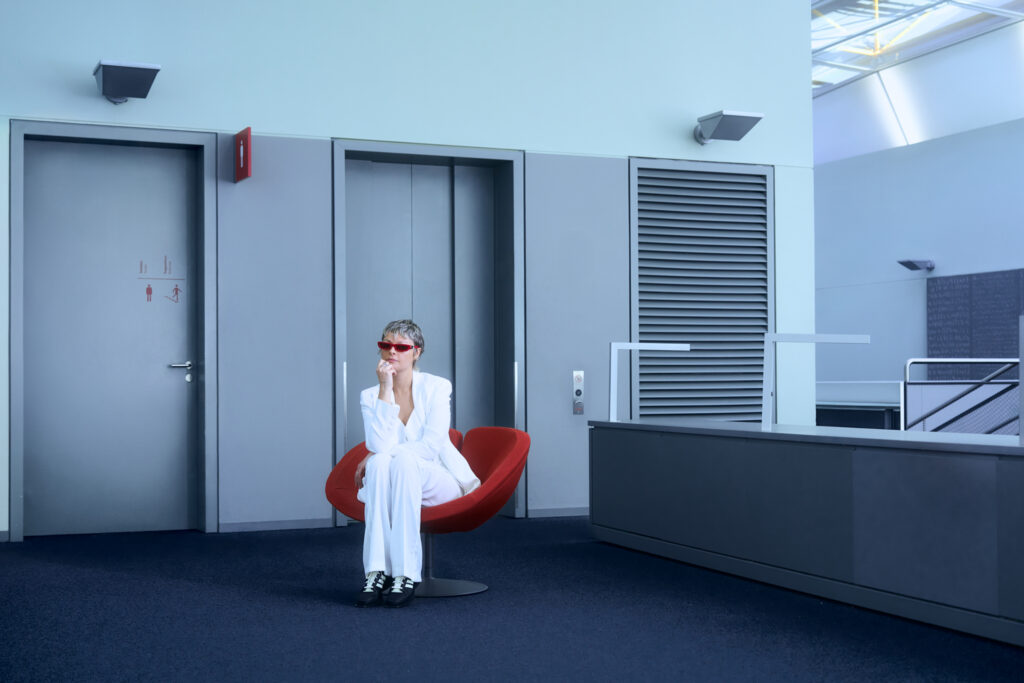
Pics © Helena Bermejo
In the dictionary of the Royal Spanish Academy, the word “esmero” holds a deep meaning: it is the highest degree of care and attention, the meticulous dedication with which one approaches everything, driven by the desire to get as close to perfection as possible. It is not just a detail, but a true philosophy of life.
It is from this word that Asia chose to name her agency – which feels like a real family – Esmero. In her vision, taking care of artists means applying that same dedication to every aspect of the work: listening to them, supporting them, building a mutual trust that goes far beyond a mere professional relationship. It is a form of care that, as Asia herself tells us, does not stop at her role as a manager but flows into everything she does, even when she puts on her DJ hat.
In a way, when you hear her play, you can feel that same dedication and attention in the way she takes care of the dancefloor. Today, her soul seems to vibrate with the goal of creating the best possible conditions for those in front of her to experience something authentic and profound.
In this interview, Asia reveals her dual journey, showing us how, balancing between the agency desk and the DJ booth, “taking care” has become the common thread of her life.
Let’s start from the beginning: where did you grow up, and what kind of relationship did you have with music before it became your job?
Hi Ale! I was born and raised in Russia, on Sakhalin Island, in a city called Okha. From an artistic point of view, there wasn’t much going on, but there was snow everywhere. The mountains have always been a huge passion of mine, especially snowboarding. I used to watch a lot of freestyle videos, always with Hip-Hop, Rap, Punk, and quite a bit of electronic music playing in the background. That’s where I got a lot of my inspiration from.
I would create my own playlists for riding down the mountain depending on how I felt: sometimes I wanted something chill because I was just cruising down the slope, other times I’d lock myself into the snow park and that’s when the more intense music would kick in. Basically, music was my best friend during those sessions.
Also, my grandfather was a painter, and he loved listening to classical music while he worked. I would always sit and paint with him, so I ended up listening to symphonies for hours and hours: that was, in a way, my very first connection with music.
And what about electronic music? How and when did you first approach it?
Once I left Russia, I moved to Italy with my family. I went to a festival in Rome, and Plastikman was playing there. From that moment on, there was no turning back. It became a really strong reference point for me, and it still is to this day.
So it seems like a natural progression for you, from backstage to onstage… but how did this passion turn into a real career?
It became more of a job once I moved to Berlin in 2013. Pretty quickly, after the first year, I met Cristina, who had just started her agency, called Crisálida. I became part of the project.
She asked me who I wanted to work with, and I said DJ Koolt. He was my first artist, and he still is after all these years. Then came Slow Life and Melina Serser: they’re also still part of Esmero today.
Crisálida shut down during the pandemic, and it was a really tough moment for the whole industry. As soon as I felt a bit more stable, Esmero was born, first as a party with Neik, and shortly after as an agency.
Now we’re developing the mix & mastering side with Sergio Moreira and Primary Perception. We’ve just launched our podcast series: the first one is the new live project by Skelesys, aka SKL-9, an Argentine producer I really admire. And soon, Esmero’s label will be launching as well.
It seems, then, that the creation of this family, Esmero, arose almost out of necessity…
It all happened very organically: after Crisálida shut down, I had never stopped working with DJ Koolt. At that time, I actually wanted to quit being a manager for personal reasons. I felt really demotivated after the pandemic.
But he told me, “No way, Asia. I’m not going anywhere. Whether you like it or not, you’re sticking with me.” He really pushed me to stay in the booking circuit, and I was his personal manager. Shortly after, Melina Serser came back too.
When Esmero’s events started, it felt almost natural for me to connect the two worlds. I was surrounded by incredibly talented artists, people I deeply respect not only professionally but also on a human level.
Later on, I started working again with Slow Life, which I feel very connected to. Then more artists joined, people who share the same vision, a strong sense of friendship, and the same values.
And today, in addition to managing your artists, you’re also a DJ. How did you start exploring this side of things, and when did you feel the need to express yourself as an artist rather than just as a manager?
Actually, it was the other way around. I bought my first record at 20, and from that moment on, I never stopped. Soon after, I got two turntables and locked myself away, teaching myself how to mix.
At the time I was living in Bariloche, in Argentina, and I met a collective from Neuquén called Groovies. They lived in this big house out in the middle of nowhere and threw raves that would last days… I still wonder how they managed it. There was something really magical about what was happening there. They inspired me a lot, welcomed me into their circle, and invited me to play at one of their parties.
One time they brought Violett from Buenos Aires, she was the first woman I ever saw playing vinyl live. I was completely hypnotized, and it made me fall even deeper in love with records. Her, and also Carla Tintoré.
The booking work came about seven years later, once I had moved to Berlin.

Would you say there’s an invisible thread connecting your playing style and the way you build connections in Esmero?
Yes, a lot! Musically I’m very open. I listen to and play everything. I think every style has something I can draw from when I express myself as an artist. This really reflects in the agency’s roster and in the events we curate. They’re all different, but there’s an invisible thread that connects them.
That thread is intention, the way things are done, from the music all the way to everyday life.
Could you capture this dual aspect of yourself on an album?
There are really so many, it’s hard to choose just one. But I’ll leave you with an album by Graham Dowdall, from his project Gagarin, which inspires me a lot.
What do the artists in Esmero have in common?
First of all, wonderful people, the kind of people it’s a real pleasure to work with.
“Esmero,” in Spanish, means care, dedication, and meticulous attention to detail in doing something, always striving to make it as good as it can possibly be.
I think all the artists on the roster truly embody the name of the project.
And speaking of family, Esmero is part of a movement with a very strong identity on the international electronic music scene, yet one that doesn’t seem to bow to mainstream pressures. How do you see the scene in Europe today? Is it still possible to create something authentic, free from market pressures?
There’s so much happening right now. Authentic and very interesting proposals. Sometimes we end up living in a bubble, defined by specific musical styles or scenes. But I’m seeing more and more crossover, and I think it’s essential that these exchanges happen, it’s what allows everything to last over time and not get swallowed up by big corporations that tend to monetize everything.
There’s strength in unity, as they say.
Speaking of unity, the electronic music scene was also born to break down barriers and redefine identities, but being a woman in this world can still present challenges. How do you view gender issues today in the club scene and everything surrounding it?
Oh yes, thankfully we’re moving forward in that sense, there are many people working to create safer, more open and inclusive spaces.
At the same time, we’re still very far behind. Centuries of a certain way of thinking aren’t easy to change, and you can still feel those dynamics. Sometimes they’re subtle, other times more explicit; sometimes there’s that feeling of having to go the extra mile just to be recognized.
A lot of people take advantage of it, and that ends up making things harder for those who are genuinely there for the right values, they have to push even more to find their space in an authentic way.
After this conversation Asia, we can say that your artistic and professional journey today reflects a constant evolution, driven by a deep passion. What do you feel you’re seeking through all of this, and what do you think you’ll be seeking in the future?
Beyond having a deep passion for music, I’m driven by curiosity and a constant desire to learn: it’s what moves my soul.
I try to be the best version of myself, first of all as a person, both for me and for others, and to give my small contribution to something that has given us life, so many emotional moments, and so much learning.
Looking ahead, I hope I’ll have the chance to keep doing what I love. The creative process is deeply connected to my life experiences, and every step forward leaves a mark that reflects in everything I do.
I feel music and being an artist as life itself, in constant change and evolution. When a person changes, it naturally reflects in their art.