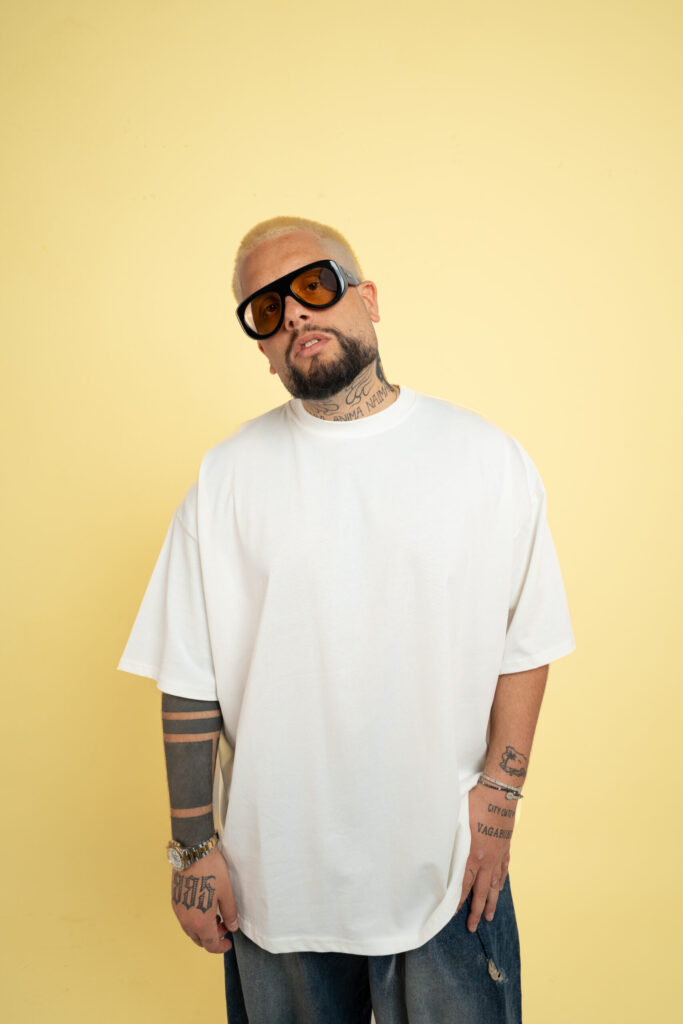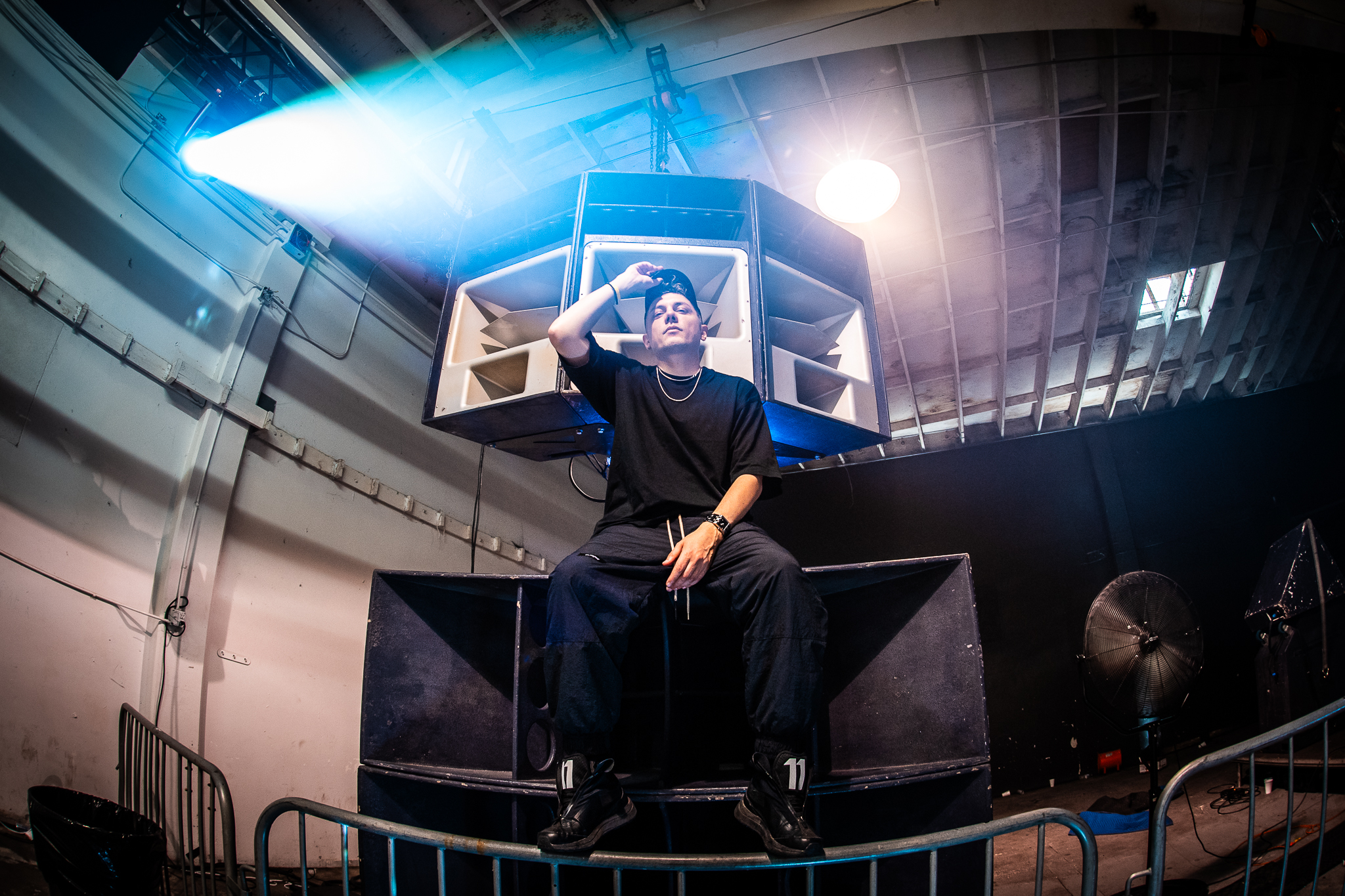

DJ Mad Dog è sulla scena Hardcore dagli anni Novanta, rappresentandone una delle figure chiave. Nel corso della sua pluridecennale carriera ha saputo ritagliarsi un ruolo distintivo e di rilievo nonostante le evoluzioni dei generi che caratterizzano la cultura rave.
Filippo Calcagni, meglio conosciuto con il nome d’arte di Mad Dog, è un DJ e producer italiano di grande talento e professionalità, proprietario dell’etichetta Dogfight Records. Considerato uno dei leader indiscussi dell’Hardcore-Techno, è attivo sulla scena dagli anni Novanta, ed è inoltre tra gli esponenti di spicco delle ere Millennium e Modern Hardcore.
Un artista dall’invidiabile carriera cresciuto a “pane e rave”
Cresciuto a “pane e rave” nella Roma degli anni Novanta, Mad Dog ha saputo portare avanti nel tempo la sua identità artistica nonostante le evoluzioni dei generi che caratterizzano la cultura rave, da un lato perpetuandone l’autenticità e cercando di ricreare quell’energia che la caratterizzava specialmente agli esordi, dall’altro dando vita a un nuovo sotto-genere dell’Hardcore, il c.d. Downtempo, che trae ispirazione dai BPM più lenti e dagli elementi propri dell’Hardcore Techno Rave in versione early.
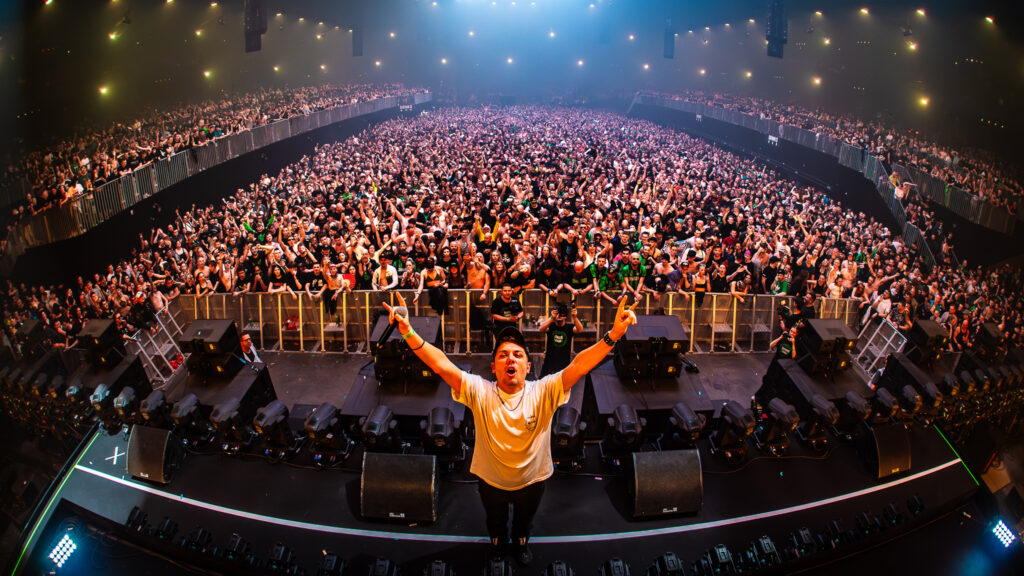
In 30 anni di esperienza artistico-musicale, Mad Dog ha pubblicato le sue produzioni oltre che sulla sua etichetta, la Dogfight Records, anche su Cloud 9 Music, Falsive Records e Planet Phuture (per citarne alcune), costruendosi una invidiabile carriera che include esibizioni per eventi e festival di portata mondiale, tra cui si menzionano, a mero titolo esemplificativo, il Verknipt, l’EDC di Las Vegas, il Teletech, il Thunderdome e il Dominator.
Mad Industries, il brand ufficiale di Mad Dog, celebra la cultura hardcore underground
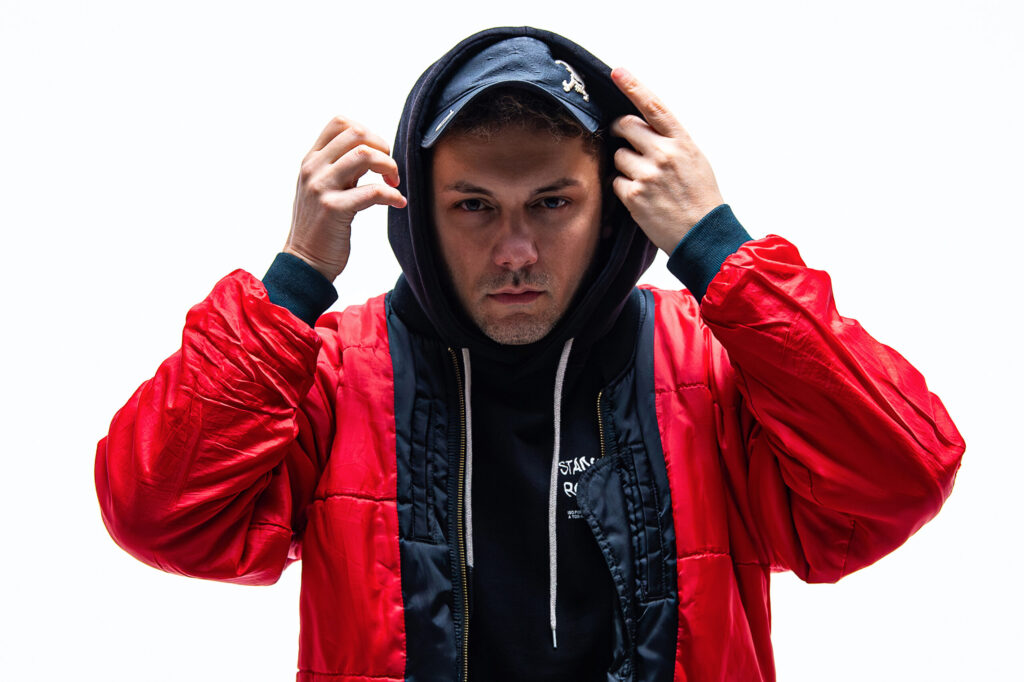
DJ Mad Dog ha stile da vendere nel vero senso della parola! Durante le sue performance indossa sempre il suo inconfondibile cappellino con visiera, il tutto in linea con il suo marchio di abbigliamento Madindus, noto anche come Mad Industries.
Mad Industries è l’espressione perfetta della cultura hardcore underground, gabber e hardcore techno contemporanea. Si tratta di un’estetica dark, aggressiva e profondamente legata alla club culture, che fonde lo streetwear moderno con l’attitudine rave.
Nel 2026 Mad Dog sarà parte di numerosi appuntamenti di respiro internazionale, tra cui il DEFQON1
Quest’anno Mad Dog ha firmato con la JINN Agency e ha in programma di partecipare a numerosi eventi di portata internazionale, come l’E1 London, il Gotec, l’Ikarus Festival, il Kappa Futur Festival, il Medusa Festival, il Decibel Festival, oltre che a numerosi show che terrà in Francia, Irlanda, Paesi Bassi e Germania.
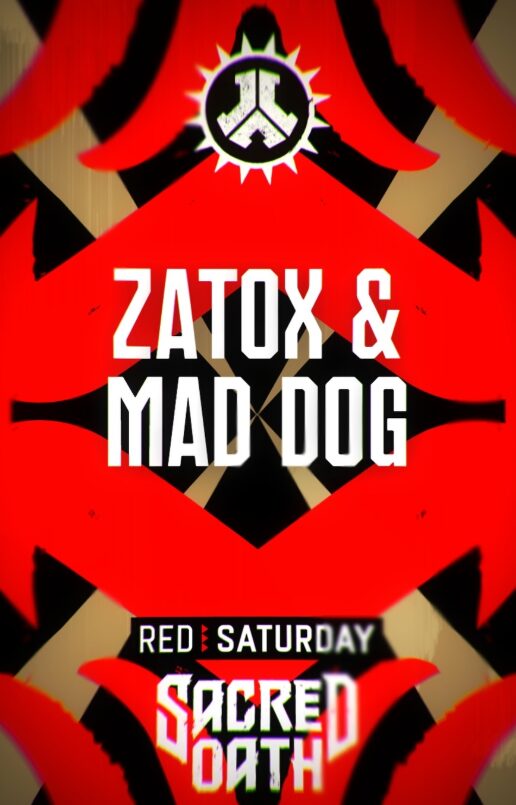
In estate, poi, si esibirà sul main stage del DEFQON1. Sabato 27 giugno assisteremo a un B2B con DJ Zatox: certamente un traguardo importante e una pietra miliare per la sua strabiliante carriera.
Le ultime uscite di DJ Mad Dog in collaborazione con Agnelli, Omaks e Vieze Asbak
Per quanto riguarda gli ultimi lavori di DJ Mad Dog, a Marzo 2026 è uscita la sua prima collaborazione con Luca Agnelli per il brano “Broken Voices”.
Di seguito, “Fire Bomb”, singolo uscito ad Aprile 2026 e partorito da DJ Mad Dog in collaborazione con Omaks. Dalla mini-recensione leggibile sotto la traccia caricata sulla piattaforma Soundcloud, si apprende che essa è stata pensata sia per i club che per i grandi palchi da festival. “Fire Bomb” è costruita per un impatto da pick-time, combinando un groove di reverse-bass e un breakdown melodico con testi rage prima di passare a un secondo drop fortemente distorto.
Per l’estate ci sarà un’ulteriore uscita di DJ Mad Dog, questa volta con Vieze Asbak, intitolata “Hype The Fucnk”.
La mia intervista a Mad Dog
Dall’intervista che segue, che ho avuto il piacere di fare a DJ Mad Dog nei giorni scorsi, emerge chiaramente la sua visione culturale: egli ritiene che libertà, intensità e unità siano i valori che la musica rave nel suo complesso debba sempre rappresentare. D’altronde, un artista del suo calibro, con una lunga, solida e brillante carriera alle spalle, che ha dimostrato di stare sempre al passo coi tempi continuando ad evolversi anno dopo anno attraversando cambiamenti e tendenze, non poteva che stuzzicare la mia curiosità sin dalle sue prime risposte.
Ciao Filippo, piacere Karol: benvenuto su Parkett! Sono veramente entusiasta per questa intervista, anche perché adoro la musica Hardcore e gli artisti che come te la fanno. Di solito, quando intervisto un DJ, come prima cosa gli chiedo il perché del nome d’arte che ha scelto: nel tuo caso, come mai hai deciso per Mad Dog?
Ciao Karol, piacere! Grazie a te e a Parkett per questa intervista! Posso dirti che nel 2001 mi staccai dal mio vecchio gruppo, gli Hardcore Terrorists, e decisi di “mettermi in proprio” e di cominciare a fare musica da solo. Fu così che inviai delle demo alla Traxtorm Records e, una volta accettate, il label manager di allora mi chiamò al telefono affinché io decidessi, appunto, il nome d’arte da mettere sulla copertina del disco.
Quel nome serviva subito perché il vinile doveva andare in stampa e quindi fu in quella occasione che mi venne in mente di chiamarmi Mad Dog. Non ti nascondo che per anni quell’alias non mi piacque perché non rappresenta la mia personalità, però poi, con il tempo, mi si è cucito addosso, e in più è molto versatile per i titoli, oltre che per il merchandising.
Che poi – stavo curiosando tra le foto presenti sui tuoi canali social – il logo che ti contraddistingue e che è presente ovviamente sul tuo merchandising Mad Industries è un cane che richiama le fattezze di un molossoide dall’aspetto non proprio docile. Mi fa venire in mente tutto un immaginario canino legato al combattimento e alla forza, ma correggimi se sbaglio...
Negli anni ho utilizzato due loghi: quello a cui fai riferimento tu lo fece Patrick Moerland, lo stesso grafico che creò loghi hardcore storici, come quello del Masters Of Hardcore, dei Rotterdam Terror Corps o di Ruffnek. Mi propose qualche bozza e dopo qualche cambiamento siamo arrivati alla versione che vedi oggi, sicuramente potrebbe richiamare il concetto di forza ma non era nostra intenzione ispirare nessun combattimento, soprattutto tra cani.
Parlami dei tuoi trascorsi musicali: con quali altri generi, oltre naturalmente all’Hardcore, sei cresciuto? Quali i tuoi artisti o gruppi preferiti?
Ho sempre ascoltato Hardcore fin dall’inizio. Poi chiaramente altri generi hanno orbitato attorno, come la Trance, l’Electro francese, quella tedesca, il Nu-Metal. Tutti generi che ascoltavo per piacere ma anche per trarne ispirazione per i miei brani Hardcore.
So che hai vissuto la scena rave nella Roma degli anni Novanta: oltre a prendervi parte, ti è capitato anche di suonare a qualche evento dell’epoca? Cosa ti ha attirato di quel mondo? E cosa ne pensi dell’attuale scena?
Sì, la mia prima performance fu nel 1996 al Qube di Roma, assieme ad altri due amici avevo formato un gruppo chiamato Hardcore Terrorists. Con loro organizzavamo anche grossi eventi, avevamo un nostro programma in radio chiamato Hardcore Nation e anche un nostro merchandising. All’epoca era tutto nuovo, un sound come quello non si era mai sentito.
Oggi siamo abituati a sentire produzioni elettroniche tutto il giorno, ma all’epoca il Rock, il Pop e il Rap erano il mainstream. Ero attratto appunto da quei suoni moderni e in generale anche dalla scena Rave illegale che dava possibilità ai ragazzi di quel tempo di esprimersi in vari modi.
La scena in Italia in questo momento sta crescendo tantissimo, ci sono eventi enormi come il Kappa o il Decibel, e moltissimi club come l’Audiodrome, il Sound Department. E soprattutto il Florida ed il Number One che dopo più di venti anni continuano regolarmente a proporre Hardcore.
Pensi ci siano delle differenze rispetto agli anni Novanta? Secondo te il tutto è migliorato o peggiorato?
Rispetto agli anni Novanta sicuramente la scena è migliorata: all’epoca certi posti erano pericolosi, c’era ancora molta ignoranza, i ragazzi non erano abituati a tutta quella libertà e c’era ancora troppa politica ereditata da generazioni precedenti che creava scontri e litigi. Oggi per fortuna i ragazzi pensano solo a divertirsi e a fare “le buche” in pista.
Quando produci, di quali strumentazioni ti servi?
Tantissime, ho iniziato a collezionare strumenti fin da quando avevo 13 anni e alcuni ancora li uso oggi, come la Tr-909 o il Juno 1.
Un tuo brano, “Energy 1996”, è stato definito da alcuni – forse non in maniera proprio esatta – di genere Hard Techno: cosa ne pensi di tale stile tanto in voga ultimamente?
In realtà di Hard Techno nei miei brani non c’è nulla, l’Hard Techno è più lenta, ha più groove. Il fenomeno che oggi chiamano Hard Techno è esploso subito dopo il Covid, è nato sicuramente dalla vera Hard Techno ma oggi si è trasformato in Hard Dance, il groove è sparito, le casse sempre più distorte e i BPM più elevati, ovvero i tre ingredienti per fare Hardcore.
Ed è quello che sto facendo, Hardcore più lenta, che molti definiscono Hard Techno.
Credo che inserire l’espressione artistica di qualunque artista all’interno di una perimetro sia limitante e serva solo a chi deve vendere un prodotto. Oggi parlare di Hard Techno, anche se fai un genere diverso, vende di più, ma va bene così: l’importante è che i ragazzi si divertano, siano al sicuro e godano di serate di qualità. I puristi delle etichettature di solito sono quelli che a ballare non ci vanno e si sfogano sui social rimpiangendo i “bei vecchi tempi”.
Attualmente il tuo sound è un crossover tra generi con elementi propri della Slow Gabber e del Downtempo Hardcore, e trae ispirazione dai BPM più lenti e dall’Hardcore Techno Rave delle origini: in che senso?
Dopo circa 16 anni passati in Traxtorm Records era giunto il momento di provare a me stesso che fossi in grado di gestire una label e di lanciare artisti. Posso dire che in breve tempo abbiamo raggiunto traguardi importantissimi, rilasciato brani che fanno parte del genere ed artisti che oggi suonano in giro per il mondo.
L’obiettivo in quel periodo era mantenere il suono Hardcore Mainstream rilevante nella scena, in un anno, il 2016, in cui l’Uptempo e la Rawstyle stavano dilagando.
Da qui la parola “fight” per il nome della mia etichetta, la Dogfight Records: doveva rappresentare una sorta di resistenza artistica. Non una guerra contro altri generi, ma la volontà di difendere una certa idea di Hardcore fatta di identità, atmosfera e personalità.
In quel momento sentivo che molti producer stessero inseguendo trend sempre più estremi, mentre io volevo continuare a credere in un suono che avesse ancora emozione, impatto e riconoscibilità. Penso che negli anni abbiamo raggiunto l’obbiettvo.
Quest’anno sarai parte di eventi come l’E1 London, il Gotec, l’Ikarus, il Kappa Futur, il Medusa, il Decibel, oltre che di numerosi altri show che si terranno in giro per l’Europa. E, ciliegina sulla torta, visto che trattasi di un traguardo molto importante per la tua carriera, in estate ti esibirai sul main del DEFQON1 in un B2B con Zatox: come ti senti al riguardo?
Dopo tutti questi anni di carriera essere ancora in evoluzione ed espansione è qualcosa di straordinario, ci sono leggende dell’Hardcore che purtroppo non hanno avuto la stessa longevità.
Vivo questo lavoro da quando avevo 13 anni e per me è una cosa naturale svegliarmi e pensare solo a produrre, creare nuove forme di espressione per la mia musica. Sono molto orgoglioso ma anche grato a tutti i collaboratori che oggi e nel passato mi hanno aiutato a raggiungere questi obiettivi. Manager, fotografi, video maker, P.R., promoter… è un lavoro di squadra dopotutto, da solo è complicato.
Cosa provi quando, durante questi eventi di grossa portata, vedi una marea di gente che balla e impazzisce al suono della tua musica? Cosa comunichi in quei momenti al tuo popolo danzante?
Sicuramente è un’iniezione di adrenalina incredibile che fa fermare il tempo. Quell’ora o due della performance sembrano sempre pochi minuti. In quei momenti, naturalmente, cerco di dare energia e di far impazzire il dancefloor il più possibile.
Quanto ai tuoi ultimi lavori, a marzo è uscita una track in collaborazione con Luca Agnelli, “Broken Voices”: ce ne puoi parlare? Come ti sei trovato con Luca?
Con Luca Agnelli mi sono trovato molto bene, lo conoscevo di nome da anni ma non di persona, e devo dire che è un artista molto umile. Anche lui, come me, è un perfezionista, quindi sia sul brano che sulla scelta dei contenuti ci siamo subito allineati.
Quanto a “Broken Voices”, è un brano che esprime energia e senso epico grazie alle casse distorte e ai cori alla Carmina Burana, e devo dire che in pista funziona sempre!
“Fire Bomb” è invece il singolo uscito ad Aprile, partorito in collaborazione con Omaks. Dalla mini-recensione leggibile sotto la traccia caricata su Soundcloud, apprendo che essa è stata pensata sia per i club che per i grandi festival...
Raramente ho prodotto brani che non fossero riferiti alla pista, e anche quando le persone ascoltano un mio brano a casa o in cuffia, il mio intento è quello di far venire loro voglia di uscire per andare a ballare. Quindi spero che anche con “Fire Bomb” sia passato il messaggio!
Per l’estate ci sarà un’ulteriore uscita con Vieze Asbak intitolata “Swipe The Funk”. Cosa dovranno aspettarsi le nostre orecchie?
Trovo sempre molto difficile descrivere un mio brano, penso che descrivere i brani in poche righe sia limitante o comunque non è una mia qualità nel farlo. I brani secondo me vanno ascoltati e poi ognuno può descriverli come vuole.
Con Vieze Asbak abbiamo pensato di utilizzare delle casse super distorte e una campione vocale degli anni Novanta. Anche con “Swipe The Funk”, naturalmente, l’obiettivo è di far ballare la gente.
Qual è la tua visione sul panorama elettronico attuale, sulle tendenze in atto e in generale sulla musica c.d. “da rave”?
Al momento non molto positiva, ho l’impressione che tutto sia guidato da Instagram, dall’andare virale, dallo “shockare i followers”. Durante il Covid queste regole erano venute meno, e infatti si era tornati ad una cultura più underground, piccoli club, warehouse, rave.
Oggi siamo tornati al mainstream travestito da rave underground. Ma questo non vuol dire che non ci sia spazio per emergere o esprimersi, l’importante è avere un propria identità al di là del numero di like fatti.
Come ti immagini nel prossimo futuro? Pensi sarai ancora immerso nel mondo della musica o hai in serbo anche altri progetti?
Non ho mai pensato troppo al futuro, ragiono più pezzo dopo pezzo. Dopo tutti questi anni ho la fortuna di poter fare le mie scelte a prescindere da cosa mi gira attorno, dai trend.
Cosa consiglieresti a chi si avvicina al tuo mondo, per esempio per produrre o suonare?
Il mio consiglio è di farlo per se stessi.
Nel ringraziarti per questa intervista, vorrei che tu ci regalassi una mini-playlist con 5 tracce di artisti (di vario genere, se preferisci) che più ti piacciono e che vorresti far ascoltare ai lettori di Parkett.
Grazie a te! Certamente: eccola!
- Marc Acardipane – We Have Arrived
- Daft Punk – Rolling N’ Scratching
- Rage Against The Machines – Killing in the Name of
- Carpenter Brut – Turbo Killer
- D.O.A. – N.Y.C. Speed Core
ENGLISH VERSION
Interview with Mad Dog – 30 Years of Hardcore
DJ producer Mad Dog has been part of the Hardcore scene since the 1990s, representing one of its key figures. Throughout his decades-long career, he has managed to carve out a distinctive and prominent role despite the many evolutions of the genres that define rave culture.
Filippo Calcagni, better known by his stage name Mad Dog, is a highly talented and professional Italian DJ and producer, as well as the owner of the renowned Dogfight Records. Considered one of the undisputed leaders of Hardcore Techno, he has been active on the scene since 1999 and is also regarded as one of the leading exponents of both the Millennium and Modern Hardcore eras.
An artist with an enviable career, raised on “bread and raves”
Raised on “bread and raves” in 1990s Rome, Mad Dog has managed to preserve a distinctive artistic identity over the years despite the continuous evolution of the genres shaping rave culture. On one hand, he has remained committed to preserving its authenticity and recreating the raw energy that characterized the movement in its early days; on the other, he has given life to a new Hardcore subgenre, the so-called Downtempo, inspired by slower BPMs and the defining elements of early Hardcore Techno Rave.
Over 30 years of artistic and musical experience, Mad Dog has released productions not only on his own label, Dogfight Records, but also on Cloud 9 Music, Falsive Records, and Planet Phuture (to name just a few), building an enviable career that includes performances at globally renowned events and festivals such as Verknipt, EDC Las Vegas, Teletech, Thunderdome, and Dominator.
Mad Industries, Mad Dog’s official brand, celebrates underground hardcore culture
DJ Mad Dog has style to spare — quite literally! During his performances, he is always seen wearing his unmistakable snapback cap, perfectly in line with his clothing brand Madindus, also known as Mad Industries.
Mad Industries is the perfect expression of underground hardcore culture, gabber, and contemporary hardcore techno. Its aesthetic is dark, aggressive, and deeply connected to club culture, blending modern streetwear with rave attitude.
View this post on Instagram — A post shared by MAD DOG (@djmaddog)
In 2026, Mad Dog will be part of numerous international events, including DEFQON1
This year, Mad Dog signed with JINN Agency and is scheduled to perform at numerous internationally renowned events, including E1 London, Gotec, Ikarus Festival, Kappa Futur Festival, Medusa Festival, and Decibel Festival, in addition to many shows across France, Ireland, the Netherlands, and Germany.
This summer, he will also perform on the main stage of DEFQON1. On Saturday, June 27, audiences will witness a B2B set with DJ Zatox — undoubtedly an important milestone and a landmark achievement in his extraordinary career.
DJ Mad Dog’s latest releases with Agnelli, Omaks, and Vieze Asbak
As for Mad Dog’s latest work, March 2026 saw the release of his first collaboration with Luca Agnelli, the track “Broken Voices”.
Next comes “Fire Bomb”, a single released in April 2026 and created in collaboration with Omaks. According to the mini-review published beneath the track on SoundCloud, the song was designed both for clubs and large festival stages. “Fire Bomb” is built for peak-time impact, combining a reverse-bass groove and melodic breakdown with rage-inspired vocals before launching into a heavily distorted second drop.
This summer will also see another release from DJ Mad Dog, this time with Vieze Asbak, titled “Hype The Fucnk”.
My interview with Mad Dog
The following interview, which I had the pleasure of conducting with DJ Mad Dog in recent days, clearly highlights his cultural vision: he believes that freedom, intensity, and unity are the values that rave music as a whole should always represent. After all, an artist of his caliber, with such a long, solid, and brilliant career behind him — someone who has consistently evolved year after year while adapting to changes and trends — could only spark my curiosity from his very first answers.
Hi Filippo, nice to meet you — welcome to Parkett! I’m truly excited about this interview, especially because I love Hardcore music and artists like you who create it. Usually, when I interview a DJ, the first thing I ask is why they chose their stage name. In your case, why did you decide on Mad Dog?
Hi Karol, nice to meet you too! Thanks to you and Parkett for this interview! I can tell you that in 2001 I split from my old group, Hardcore Terrorists, and decided to go solo and start making music on my own. That’s when I sent some demos to Traxtorm Records and, once they were accepted, the label manager at the time called me asking me to decide on the stage name that would appear on the record cover.
The name was needed immediately because the vinyl had to go into production, and that’s when I came up with Mad Dog. Honestly, for years I didn’t really like the alias because it didn’t represent my personality, but over time it kind of grew on me. Plus, it’s very versatile for track titles and merchandising.
I was actually browsing through the photos on your social media channels, and the logo associated with you — also featured on your Mad Industries merchandise — is a dog resembling a mastiff with a rather intimidating look. It evokes an entire canine imagery linked to strength and fighting, but correct me if I’m wrong…
Over the years I’ve used two logos: the one you’re referring to was created by Patrick Moerland, the same graphic designer behind iconic hardcore logos such as Masters Of Hardcore, Rotterdam Terror Corps, and Ruffneck. He proposed a few drafts and, after some changes, we arrived at the version you see today. It may certainly evoke the concept of strength, but it was never our intention to reference any kind of fighting, especially between dogs.
Tell me about your musical background: besides Hardcore, what other genres did you grow up with? Who are your favorite artists or bands?
I’ve listened to Hardcore since the very beginning. Naturally, other genres revolved around it, such as Trance, French Electro, German Electro, and Nu-Metal. These were genres I listened to both for pleasure and for inspiration in my Hardcore productions.
I know you experienced the rave scene in 1990s Rome: besides attending events, did you also perform at some of them? What attracted you to that world? And what do you think about the current scene?
Yes, my first performance was in 1996 at Qube in Rome. Together with two friends, I had formed a group called Hardcore Terrorists. We also organized large events, had our own radio show called Hardcore Nation, and even our own merchandise. Back then everything was new — sounds like that had never been heard before.
Today we’re used to hearing electronic music all day long, but back then Rock, Pop, and Rap were mainstream. I was attracted to those modern sounds and, in general, to the illegal rave scene, which gave young people the opportunity to express themselves in many different ways.
The scene in Italy is currently growing enormously. There are huge events like Kappa and Decibel, and many clubs such as Audiodrome and Sound Department. And especially Florida and Number One, which after more than twenty years continue to regularly host Hardcore events.
Do you think there are differences compared to the 1990s? In your opinion, has things improved or worsened?
Compared to the 1990s, the scene has definitely improved. Back then certain places were dangerous, there was still a lot of ignorance, people weren’t used to all that freedom, and there was too much political tension inherited from previous generations, leading to clashes and fights. Today, fortunately, people just want to have fun and “dig holes” on the dancefloor.
What equipment do you use when producing?
A lot of gear. I started collecting instruments when I was 13 years old, and I still use some of them today, such as the TR-909 and the Juno 1.
One of your tracks, “Energy 1996”, has been described by some — perhaps not entirely accurately — as Hard Techno. What do you think about this style, which has become so popular lately?
Actually, there’s nothing Hard Techno about my tracks. Hard Techno is slower and groove-oriented. The phenomenon people now call Hard Techno exploded right after Covid. It definitely originated from real Hard Techno, but today it has transformed into Hard Dance: the groove has disappeared, kicks have become increasingly distorted, and BPMs much higher — which are basically the three ingredients of Hardcore.
And that’s what I’m doing: slower Hardcore, which many people define as Hard Techno.
I believe placing any artist’s expression inside rigid boundaries is limiting and mainly serves those who need to sell a product. Nowadays, talking about Hard Techno — even if you’re making something different — sells better, but that’s okay. What matters is that people have fun, stay safe, and enjoy quality nights out. Usually, the purists obsessed with labels are the ones who don’t even go dancing and instead vent on social media complaining about the “good old days”.
Your current sound is a crossover between genres, incorporating elements of Slow Gabber and Downtempo Hardcore, drawing inspiration from slower BPMs and the original Hardcore Techno Rave sound. In what sense?
After around 16 years at Traxtorm Records, the time had come to prove to myself that I could manage a label and launch artists. In a short time, we achieved major milestones, released tracks that became part of the genre’s history, and supported artists who now perform all over the world.
At that time, the goal was to keep Mainstream Hardcore relevant in a 2016 scene increasingly dominated by Uptempo and Rawstyle.
That’s where the word “fight” in the name of my label, Dogfight Records, comes from: it was meant to represent a kind of artistic resistance. Not a war against other genres, but the desire to defend a certain idea of Hardcore built on identity, atmosphere, and personality.
At that moment, I felt many producers were chasing increasingly extreme trends, while I wanted to continue believing in a sound that still had emotion, impact, and recognizability. I think over the years we achieved that goal.
This year you’ll be part of events such as E1 London, Gotec, Ikarus, Kappa Futur, Medusa, Decibel, and many other shows across Europe. And, icing on the cake, this summer you’ll perform on the DEFQON1 main stage in a B2B set with Zatox — a major milestone in your career. How do you feel about it?
After all these years, still being in a phase of evolution and expansion is extraordinary. There are Hardcore legends who unfortunately didn’t have the same longevity.
I’ve lived this job since I was 13 years old, and for me it’s natural to wake up and think only about producing and creating new forms of expression for my music. I’m very proud, but also grateful to all the collaborators who have helped me achieve these goals over the years — managers, photographers, videomakers, PRs, promoters… after all, it’s teamwork. Doing everything alone is difficult.
What do you feel when, during these huge events, you see crowds dancing and going crazy to your music? What do you communicate to your dancing crowd in those moments?
It’s definitely an incredible adrenaline rush that makes time stand still. That one or two hours of performance always feel like just a few minutes. In those moments, naturally, I try to give energy and make the dancefloor go as crazy as possible.
Speaking of your latest works, in March you released “Broken Voices”, a collaboration with Luca Agnelli. Can you tell us about it? How was it working with Luca?
I got along really well with Luca Agnelli. I had known his name for years but never met him personally, and I must say he’s a very humble artist. Like me, he’s a perfectionist, so we immediately aligned both musically and creatively.
As for “Broken Voices”, it’s a track that conveys energy and an epic feeling thanks to distorted kicks and Carmina Burana-style choirs, and I have to say it always works on the dancefloor!
“Fire Bomb” is instead the single released in April, created in collaboration with Omaks. From the mini-review published under the track on SoundCloud, I understand it was designed both for clubs and major festivals…
I’ve rarely produced tracks that weren’t meant for the dancefloor, and even when people listen to my music at home or on headphones, my intention is always to make them want to go out and dance. So I hope that message also came through with “Fire Bomb”!
This summer there will also be another release with Vieze Asbak titled “Swipe The Funk”. What should our ears expect?
I always find it difficult to describe my tracks. I think describing music in just a few lines is limiting, or maybe it’s simply not one of my strengths. Tracks should be listened to, and then everyone can interpret them however they want.
With Vieze Asbak we decided to use super distorted kicks and a 1990s vocal sample. And naturally, with “Swipe The Funk”, the goal is once again to make people dance.
What is your vision of today’s electronic music landscape, current trends, and rave music in general?
At the moment, not a very positive one. I have the impression that everything is driven by Instagram, going viral, and “shocking the followers”. During Covid those rules disappeared, and as a result there was a return to a more underground culture — small clubs, warehouses, raves.
Today we’re back to mainstream disguised as underground rave culture. But that doesn’t mean there’s no room to emerge or express yourself. The important thing is to have your own identity beyond the number of likes you get.
How do you imagine yourself in the near future? Do you think you’ll still be immersed in the music world, or do you also have other projects in mind?
I’ve never thought too much about the future. I prefer to focus one track at a time. After all these years, I’m fortunate enough to make my own choices regardless of trends or what’s happening around me.
What advice would you give to someone approaching your world, whether in production or DJing?
My advice is to do it for yourself.
As we wrap up this interview, I’d like you to gift us a mini-playlist with 5 tracks by artists — from any genre you prefer — that you love and would recommend to Parkett readers.
Thank you! Of course — here it is!
- Marc Acardipane – We Have Arrived
- Daft Punk – Rolling N’ Scratching
- Rage Against The Machines – Killing in the Name of
- Carpenter Brut – Turbo Killer
- D.O.A. – N.Y.C. Speed Core