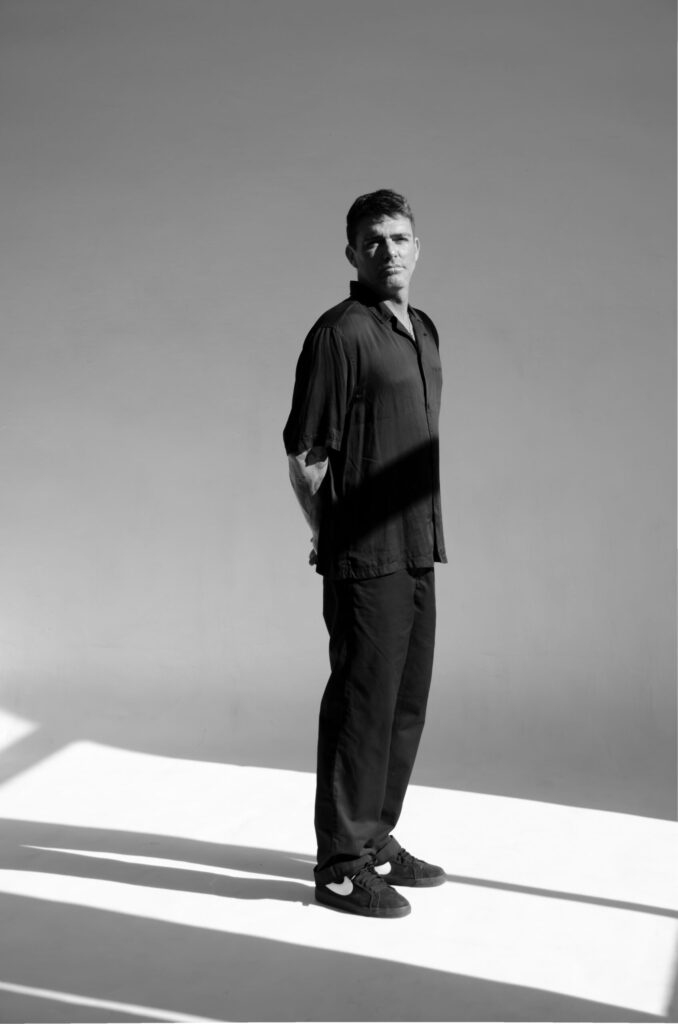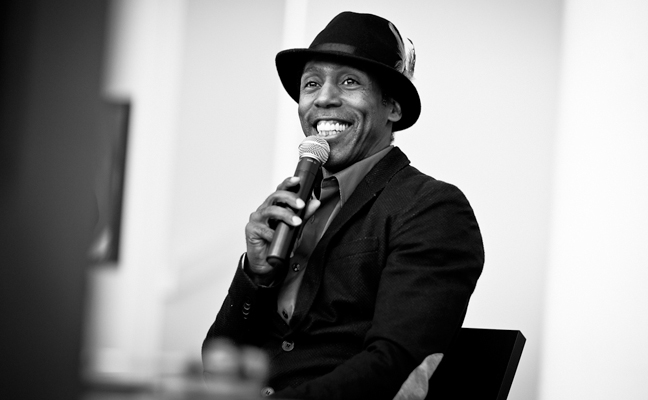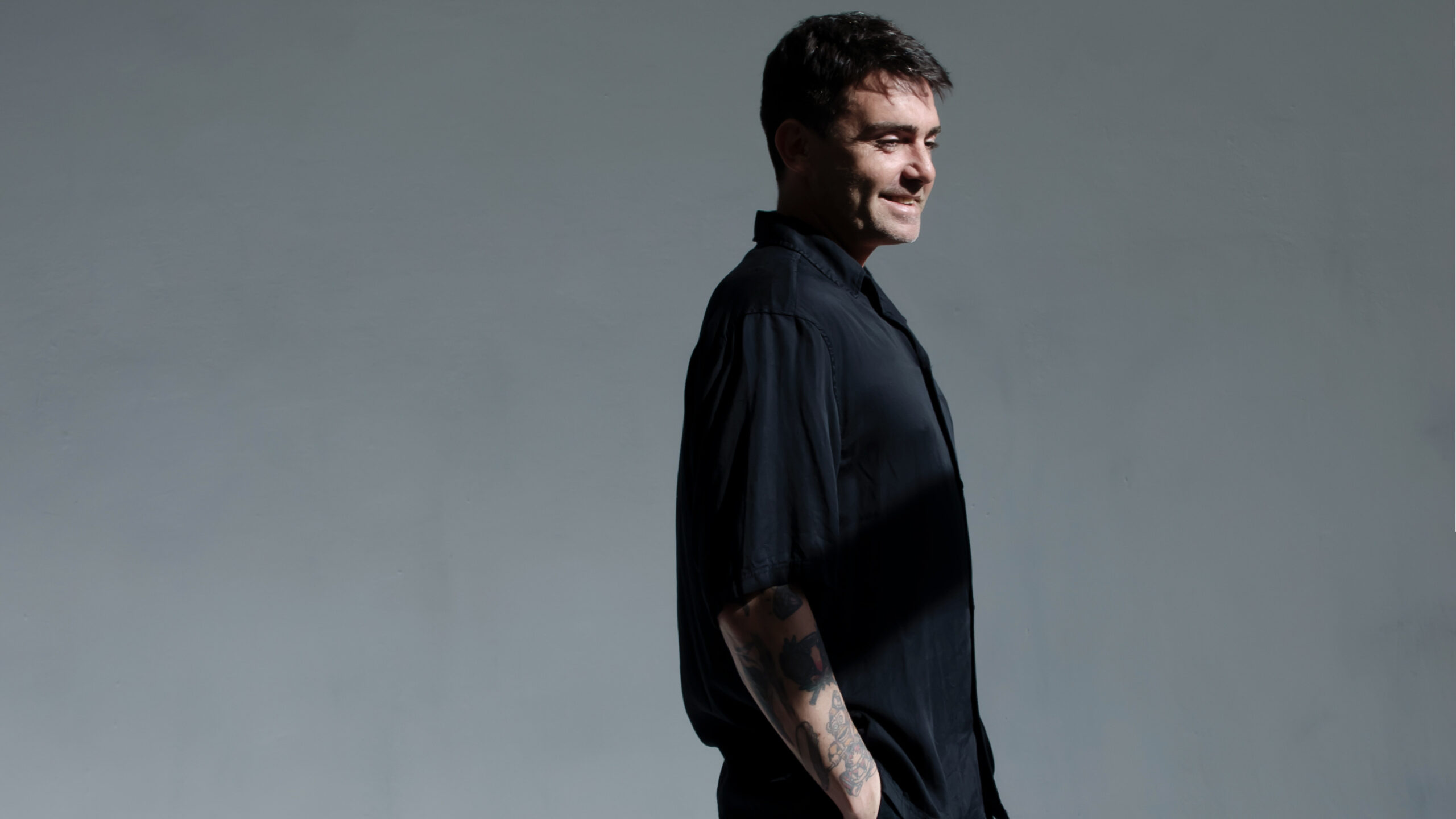

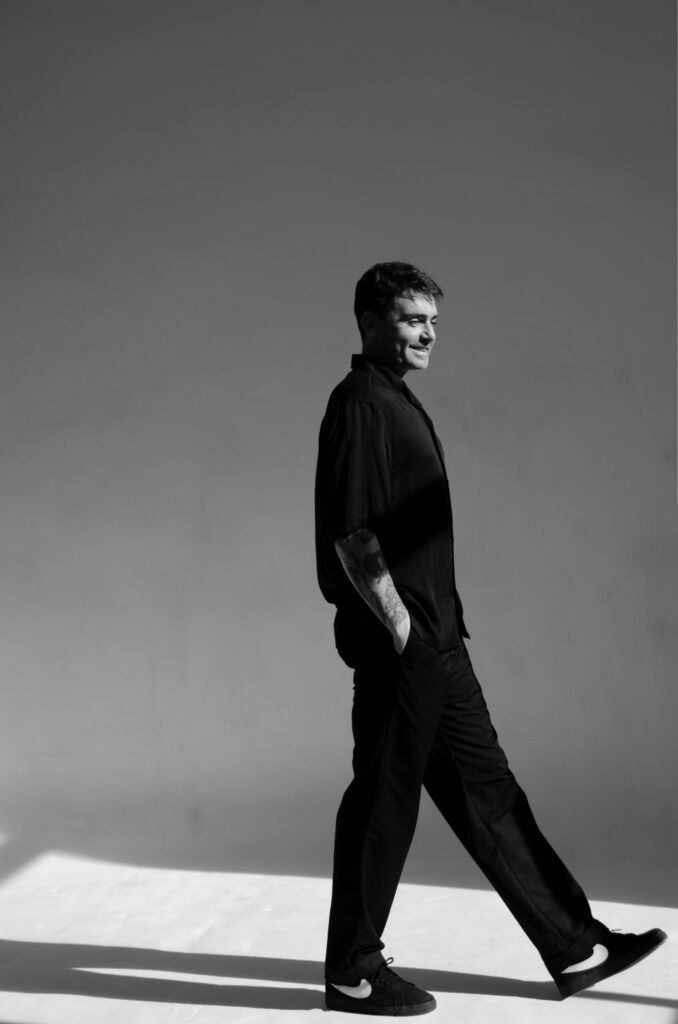
Piem sarà ospite dell’HBT Open Air Festival, che si terrà a Reggio Emilia dal 1 al 3 maggio al Parco Innovazione. Abbiamo fatto quattro chiacchiere con lui sulla sua identità e sul suo percorso artistico.
ENGLISH VERSION BELOW
HBT Open Air Festival è pronto ad accogliere Piem. Nato musicalmente a metà anni Novanta con una cassetta del Pacha di Ibiza 1998 in loop, ha iniziato a suonare a 16 anni in un club over‑21, con tanto di autorizzazione parentale firmata. Da lì, vent’anni di carriera tra Barcellona e il mondo: resident a Jackies, music curator al W Barcelona, e un passato nella tech house che non rinnega ma che oggi guarda con lucidità.
«Durante il lockdown mi sono chiesto: perché non faccio la musica che ho sempre amato?»
La risposta è stata “19” su DFTD (Defected) con ANNNA, e una nuova rotta verso la house più calda, più libera, più sua.
Il 2026 lo vede protagonista di una delle uscite più interessanti dell’anno: “Need You Back” con Andrew Azara nel Factory 93 x PIV: Miami Sampler 2026. Ma prima ancora, Piem sarà una delle presenze chiave del HBT Open Air Festival a Reggio Emilia.
Ne abbiamo parlato con lui a pochi giorni dal festival, tra ascolti che vanno da Hunee a Kaytranada e una convinzione chiara: suonare house oggi, in Italia o a Barcellona, non è un ritorno alle origini. È una scelta di identità.
Partiamo dalle radici. Diverse biografie raccontano che sei stato esposto alla house music negli anni ’90 e primi 2000, e che sembravi “destinato” a intraprendere questa strada. Qual è stato il primo brano, il primo momento in cui hai pensato “questa è la mia musica”? E cosa trovavi di così magnetico in quel suono?
Non saprei indicare un brano specifico come momento rivelatore. Ho tanti ricordi e canzoni di quell’epoca, ma quella che mi è rimasta davvero dentro è stata una mix: “Pacha Ibiza 1998 mixed by DJ Pipi”. Appena ricevuta, l’ho messa in loop dall’inizio alla fine per un sacco di tempo. È lì che ho iniziato a capire come collegare bene i brani possa portarti in un viaggio. Il modo in cui la musica era selezionata e mixata ti faceva provare qualcosa, come se raccontasse una storia. Ciò che mi ha attirato della house music e dell’elettronica in generale è stato il ritmo e l’atmosfera, quell’energia che ti circonda e ti fa ballare naturalmente.
Un dettaglio che ricorre spesso è che hai iniziato a fare il DJ a soli 16 anni, in un club con età minima 21 anni. Come hai fatto a entrare? E cosa provavi durante quelle prime notti dietro la consolle?
In realtà è successo in modo molto naturale. Un giorno stavo suonando in un beach club e ho incontrato il direttore di un locale chiamato Louis Vega a Calafell. Mi invitò a suonare lì e, visto che ero minorenne, dovette parlare con i miei genitori per rassicurarli che sarebbe andato tutto bene. In pratica è così che è iniziato tutto – c’è molto di più, ma questa è la versione breve.
Quelle prime notti mi hanno cambiato la vita. Fino ad allora avevo suonato solo in piccoli bar e beach club, quindi ritrovarmi all’improvviso in un club con oltre 2.000 persone era un livello completamente diverso. La capacità di far ballare così tante persone con le tue scelte e la tua selezione musicale era – e lo è ancora – qualcosa di veramente speciale.
Le tue biografie parlano di influenze che arrivano da Ibiza, Stati Uniti e Regno Unito. Da giovane, c’era un posto particolare, un programma radiofonico o una mixtape che ti faceva sentire connesso a quella scena internazionale ancora prima di diventarne parte attiva?
Potrei spiegartelo cronologicamente. Prima ancora di iniziare a fare il DJ, compravo compilation, CD dei club di Ibiza, della Ministry of Sound e di varie etichette che pubblicavano le loro raccolte. Quella è stata la mia prima connessione con la scena internazionale.
Quando ho iniziato a fare il DJ, sono diventato ossessionato dall’ascoltare programmi radiofonici, alla scoperta di nuova musica continuamente. Andavo anche nei negozi di dischi ogni settimana, dove potevo ascoltare sia musica locale che importata, comprese le promozioni.
E appena ne avevo la possibilità, un altro grande modo di scoprire musica era uscire il più possibile, passare le notti nei club della città, ascoltando e assorbendo tutto. Inoltre, quando arrivavano DJ internazionali a Barcellona, non li perdevo mai, perché era il modo migliore per sentire tutta la nuova musica che portavano con sé.
In un’intervista recente hai detto che oggi la tua essenza musicale riflette un ritorno alle tue radici house, dopo un periodo più orientato alla tech house. Cosa ti ha spinto a fare questo cambiamento? E come si traduce questa nuova consapevolezza nel booth oggi?
Sinceramente, sono sempre stato un amante della musica, ascolto un po’ di tutto. Ho iniziato suonando house, quella è sempre stata la mia base. Ma intorno al 2010-2011, quando l’EDM ha preso il sopravvento, tutto è cambiato e molti di noi cercavano una direzione. È lì che mi sono addentrato di più nella tech house, specialmente nel lato più underground. Inoltre, a livello produttivo, all’epoca mi sembrava più naturale: strutture più semplici, meno teoria musicale – mi sono concentrato su quello e ha funzionato. I miei brani venivano suonati da grandi artisti, quindi sapevo di essere sulla strada giusta, in un certo senso.
Poi è arrivata la pandemia, tutto si è fermato, e finalmente ho avuto tempo per pensare. Mi sono chiesto perché non stessi facendo la musica che avevo amato all’inizio. Così sono tornato alla house, ma questa volta con più intenzione. Ho preso il tempo per capirla davvero, non solo tecnicamente ma anche musicalmente. Uno dei primi brani di quella fase è stato “19” su DFTD (Defected Records) nel 2021, e da lì le cose hanno iniziato di nuovo a funzionare.
Allo stesso tempo, non mi sentivo più allineato con la direzione che stava prendendo la tech house, né con alcune mie stesse uscite. Non me ne pento, ma non era al 100% me.
Oggi nel booth è un’energia diversa. Suonare house mi dà molta più libertà: posso mescolare suoni nuovi con classici, scavare più a fondo, raccontare una storia. Mi sembra più onesto, più connesso. Ed era quello che stavo cercando.
Sei uno di quegli artisti che si muove agilmente tra la scena più underground (con la tua lunga residenza al Jackies) e grandi istituzioni come il W Barcelona, dove sei Music Curator. Come gestisci questa doppia identità? Il tuo approccio cambia quando suoni al Wet Deck rispetto a un club come l’Apolo?
Non la vedo come una doppia identità, è solo questione di essere un buon DJ. Alla fine, si tratta di saper leggere la sala e suonare ciò che funziona in ogni momento e luogo, sempre all’interno del mio stile e del mio repertorio.
La differenza tra i locali non è così grande come si potrebbe pensare. Riguarda più come costruisci il set: forse l’ordine cambia, forse alcuni brani funzionano meglio in un posto che in un altro. Il mio sound di solito si muove dal vocale all’underground, dipende molto dal pubblico che ho davanti.
Per me è tutta questione di adattabilità. È qualcosa che impari col tempo: anni di esperienza, lunghe residenze, innumerevoli notti dietro la consolle. Alla fine sviluppi quell’istinto per sapere cosa funziona ovunque ti trovi, restando sempre fedele al tuo stile.
Sei presente nel “Factory 93 x PIV: Miami Sampler 2026” con il brano “Need You Back”, una collaborazione con Andrew Azara, uscito il 20 marzo. Come è nata questa collaborazione e cosa significa per te far parte di un progetto che unisce due entità così influenti come Factory 93 e PIV?
Ho conosciuto il mio grande amico Andrew quando si è trasferito a Barcellona qualche anno fa. Abbiamo un amico in comune, Josh Butler, che ci ha suggerito di incontrarci dato che Andrew era nuovo in città e non conosceva molte persone. Ci conosciamo da quasi quattro anni.
La collaborazione è nata pochi mesi fa, quando abbiamo passato diversi giorni in studio, condividendo progetti e idee diverse. Da lì è uscita “Need You Back”. Qualche giorno dopo l’abbiamo inviata a Factory 93, e ci hanno risposto dicendo che la adoravano e che volevano includerla nel Factory 93 x PIV: Miami Sampler 2026.
È stata una grande sorpresa, e onestamente, poter pubblicare musica attraverso Factory 93 e PIV, due etichette che in questo momento sono tra le migliori in circolazione, è un grande onore. Ne vado orgoglioso, e sono sicuro che ci sarà altra musica da parte nostra su queste etichette in futuro.
Sei profondamente legato a Barcellona, eppure hai una carriera internazionale. Secondo te, manca qualcosa nella scena house spagnola oggi rispetto a 10-15 anni fa? E cosa trovi sia migliorato?
Ciò che è cambiato di più a Barcellona è che tutto è diventato molto più professionale e corporate. Allora era meno strutturato, non per forza ciò significa che fosse peggio, ma c’era qualcosa che lo rendeva più magico. Una delle differenze più grandi è che i club avevano una loro identità, con DJ resident e team di PR dedicati. Ora la maggior parte dei club lavora con promoter esterni, quindi c’è meno tocco personale e meno carattere unico.
HBT Open Air Festival è un evento che si distingue da diversi anni per la sua identità underground e l’attenzione agli spazi. Venendo da Barcellona, una città con una tradizione fortissima negli eventi all’aperto e nei club, cosa ti aspetti da un pubblico e da un contesto come Reggio Emilia? Come stai preparando il tuo set per questo festival?
Non è la prima volta che vengo a Reggio Emilia, quindi ho un’idea abbastanza chiara di cosa aspettarmi. Sono curioso di vedere il nuovo allestimento di quest’anno, dato che hanno spostato il palco in un’area diversa – dovrebbe essere interessante.
Il pubblico di Reggio Emilia è incredibile, l’ho adorato l’anno scorso e non vedo l’ora di tornare. Quest’anno suonerò b2b con Nich All Us, il main man di HBT Open Air Festival, il che lo rende ancora più emozionante. Non ho ancora preparato il set né pianificato esattamente cosa suonerò, ma faremo in modo che il pubblico balli senza compromessi.

Ci sono obiettivi o anteprime per i prossimi mesi del 2026 che vorresti condividere con noi?
Uscirà molta musica quest’anno, circa una release al mese, inclusi diversi EP. Fino a ora ho pubblicato per lo più singoli, ma quest’anno ci saranno diversi album e un paio di collaborazioni molto fighe. Sono anche entusiasta di condividere la line-up della Wet Deck Summer Series del W Barcelona, e ci sono altre cose con Jackies che non posso ancora rivelare, quindi rimanete sintonizzati.
ENGLISH VERSION
Piem will be a guest at the HBT Open Air Festival, taking place in Reggio Emilia from May 1 to 3 at Parco Innovazione. We had a chat with him about his identity and his artistic journey.
There are DJs who switch genres because it’s trendy. And then there’s Piem, who changed direction for the sake of consistency.
Musically born in the mid‑90s with a Pacha Ibiza 1998 cassette on repeat, he started playing at 16 in an over‑21 club – with written parental permission. From there, twenty years of career between Barcelona and the world: resident at Jackies, music curator at W Barcelona, and a past in tech house that he doesn’t disown but now looks at with clear eyes.
“During lockdown I asked myself: why am I not making the music I’ve always loved?”
The answer was “19” on DFTD (Defected) with ANNNA, and a new course toward warmer, freer, more personal house music.
In 2026, he’s a protagonist of one of the most interesting releases of the year: “Need You Back” with Andrew Azara on the Factory 93 x PIV: Miami Sampler 2026. But even before that, Piem will be one of the key names at the HBT Open Air Festival in Reggio Emilia.
We talked to him a few days before the festival, between influences ranging from Hunee to Kaytranada and a clear conviction: playing house today, in Italy or Barcelona, is not a return to his roots. It’s a choice of identity.
Let’s start from the roots. Several biographies mention that you were exposed to house music in the ’90s and early 2000s, and that you seemed “destined” to embark on this path. What was the first track, the first moment when you thought “this is my music”? And what was so magnetic about that sound for you?
I couldn’t really point to one specific track as the moment. I have a lot of memories and songs from that time, but what really stayed with me was a mix “Pacha Ibiza 1998 mixed by DJ Pipi” As soon as I got it, I used to play it from start to finish over and over again.
That’s when I started to understand how connecting tracks properly can take you on a journey. The way the music was selected and mixed made you feel something, like a story being told. What drew me into house music and electronic dance music in general was the rhythm and the atmosphere, that energy that surrounds you and naturally makes you dance
A detail that comes up often is that you started DJing at just 16 years old, in a club that was over‑21. How did you manage to get in? And what did you feel during those first nights behind the decks?
It all happened pretty organically, to be honest. One day I was playing at a beach club, and I met the director of a club called Louis Vega in Calafell. He invited me to come and play there, and since I was underage, he actually had to speak with my parents to reassure them that everything would be fine. That’s basically how it all started, there’s a lot more to the story, but that’s the short version.
Those first nights really changed my life. Up until then, I had only played in small bars and beach clubs, so suddenly being in a club with over 2,000 people was a completely different level. Having the ability to make that many people dance through your decisions and your track selection felt and still feels something truly special.
Your biographies talk about influences coming from Ibiza, the United States, and the United Kingdom. Growing up, was there a particular place, a radio show, or a mixtape that made you feel connected to that international scene even before you became an active part of it?
I could probably explain it chronologically. Before I even started DJing, it was all about buying compilations, CDs from Ibiza clubs, Ministry of Sound, and various record labels that released their own collections. That was my first connection to the international scene.
Once I started DJing, I became obsessed with listening to radio shows, discovering new music all the time. I was also going to record stores every week, where I could listen to both local and imported music, including promos.
And as soon as I had the chance, another big way of discovering music was going out as much as possible, spending nights in clubs around the city, just listening and absorbing everything. Also, whenever international DJs came to play in Barcelona, it was a must for me, I never missed those nights, because it was the best way to hear all the new music they were bringing with them.
In a recent interview, you mentioned that today your musical essence reflects a return to your house roots, after a period more oriented toward tech house. What pushed you to make this shift? And how does this new awareness translate in the booth today?
Honestly, I’ve always just been a music lover, I listen to all kinds of stuff. I started out playing house, that’s always been my foundation. But around 2010 – 2011, when EDM really took off, everything shifted and a lot of us were figuring out where to go. That’s when I got deeper into tech house, especially the more underground side. It also felt more natural for me production-wise at the time, simpler structures, less musical theory involved, so I focused on that and it worked. My tracks were getting played by some big artists, so I knew I was on the right path in a way.
Then the pandemic hit, everything stopped, and I finally had time to think. I asked myself why I wasn’t making the music I originally fell in love with. So I went back to house, but this time with more intention. I took the time to really understand it, not just technically, but musically. One of the first tracks from that phase was “19” on DFTD from Defected Records in 2021, and from there things just started to click again.
At the same time, I wasn’t fully aligned anymore with where tech house was going or even with some of my own releases. I don’t regret it, but it didn’t feel 100% me.
Now in the booth, it’s a different energy. Playing house gives me way more freedom, I can blend new sounds with classics, dig deeper, tell a story. It feels more honest, more connected. And that’s what I was looking for.
You are one of those artists who moves nimbly between the more underground scene (with your long‑running residency at Jackies) and major institutions like W Barcelona, where you serve as Music Curator. How do you manage this dual identity? Does your approach change when you play at Wet Deck compared to a club like Apolo?
I don’t really see it as a dual identity, it’s just about being a good DJ. At the end of the day, it’s about knowing how to read the room and play what fits in each moment and place, always within my own style and using my repertoire.
The difference between venues isn’t as big as people might think. It’s more about how you build the set, maybe the order changes, maybe a few tracks work better in one place than another. My sound usually moves from vocal to more underground, it really depends on the crowd in front of me.
For me, it’s all about adaptability. That’s something you learn over time, years of playing, long residencies, countless nights behind the decks. Eventually, you just develop that instinct to know what works wherever you are, always staying true to your style.
You are featured on the “Factory 93 x PIV: Miami Sampler 2026” with the track “Need You Back”, a collaboration with Andrew Azara, released on March 20. How did this collaboration come about, and what does it mean for you to be part of a project that brings together two such influential entities as Factory 93 and PIV?
I met my good friend Andrew when he moved to Barcelona a few years ago. We have a mutual friend, Josh Butler, who suggested we meet since Andrew was new in the city and didn’t know many people. We’ve known each other for almost four years now.
The collaboration came together a few months ago when we spent several days in the studio, sharing different projects and ideas. Out of that came Need You Back. A few days later, we sent it to Factory 93, and they got back to us saying they loved it and wanted to include it in the Factory 93 x PIV: Miami Sampler 2026.
It was a great surprise, and honestly, being able to release music through Factory 93 and PIV, two labels that are really hot right now, is a huge honor. I’m proud of it, and I’m sure there will be more music coming from us on these labels in the future.
Some time ago you mentioned Sideral as your “god” when you were young, because of his unconventional way of blending genres. Today, after 20 years in your career, which artists surprise or inspire you?
Honestly, most of the artists who inspire or surprise me today aren’t traditional house or dance music DJs, it’s more eclectic or different styles. Lately, I’ve been listening a lot to old Hunee sets, Habibi Funk, and Kaytranada.
You are deeply connected to Barcelona, yet you have an international career. Do you think something is missing in the Spanish house scene today compared to 10–15 years ago? And what has improved, in your opinion?
What’s changed most in Barcelona is that everything has become much more professional and corporate. Back then, it was less structured, not worse, just had more of its own magic. One of the biggest differences is that clubs used to have their own identity, with resident DJs and dedicated PR teams. Now most clubs work with external promoters, so there’s less personal touch and less unique character.
HBT Open Air Festival is an event that has stood out for several years now for its underground identity and its attention to spaces. Coming from Barcelona, a city with a very strong tradition in open‑air events and clubs, what do you expect from an audience and a setting like Reggio Emilia? How are you preparing your set for this festival?
It’s not my first time in Reggio Emilia, so I have a good sense of what to expect. I’m curious to see the new setup this year, since they’ve moved the stage to a different area, which should be interesting.
The crowd in Reggio Emilia is incredible, I loved it last year and can’t wait to be back. This year I’m going b2b with Nich All Us, the HBT Open Air Festival main man, which makes it even more exciting. I haven’t prepared my set yet or planned exactly what I’ll play, but we’ll make sure the crowd dances hard.
Are there any goals or previews for the coming months of 2026 that you’d like to share with us?
There’s going to be a lot of music coming out this year, roughly a release a month, including several EPs. Until now, I’ve mostly released singles, but this year there will be multiple EPs and a couple of really strong collaborations. I’m also excited to share the line-up for the W Barcelona Wet Deck Summer Series, and there are a few more things with Jackies that I can’t reveal yet, so everyone will have to stay tuned.