
A sense of structure under strain runs quietly through Pillars, the debut EP from Signal-23, a bi-coastal duo working between San Diego and New York. Across five tracks, they shape a sonic environment that feels at once architectural and fragile, as if each element—rhythm, texture, tone—were part of a larger system slowly shifting under pressure. The result is a release that doesn’t simply present electronic compositions; it sketches a space, then lets it erode in real time.
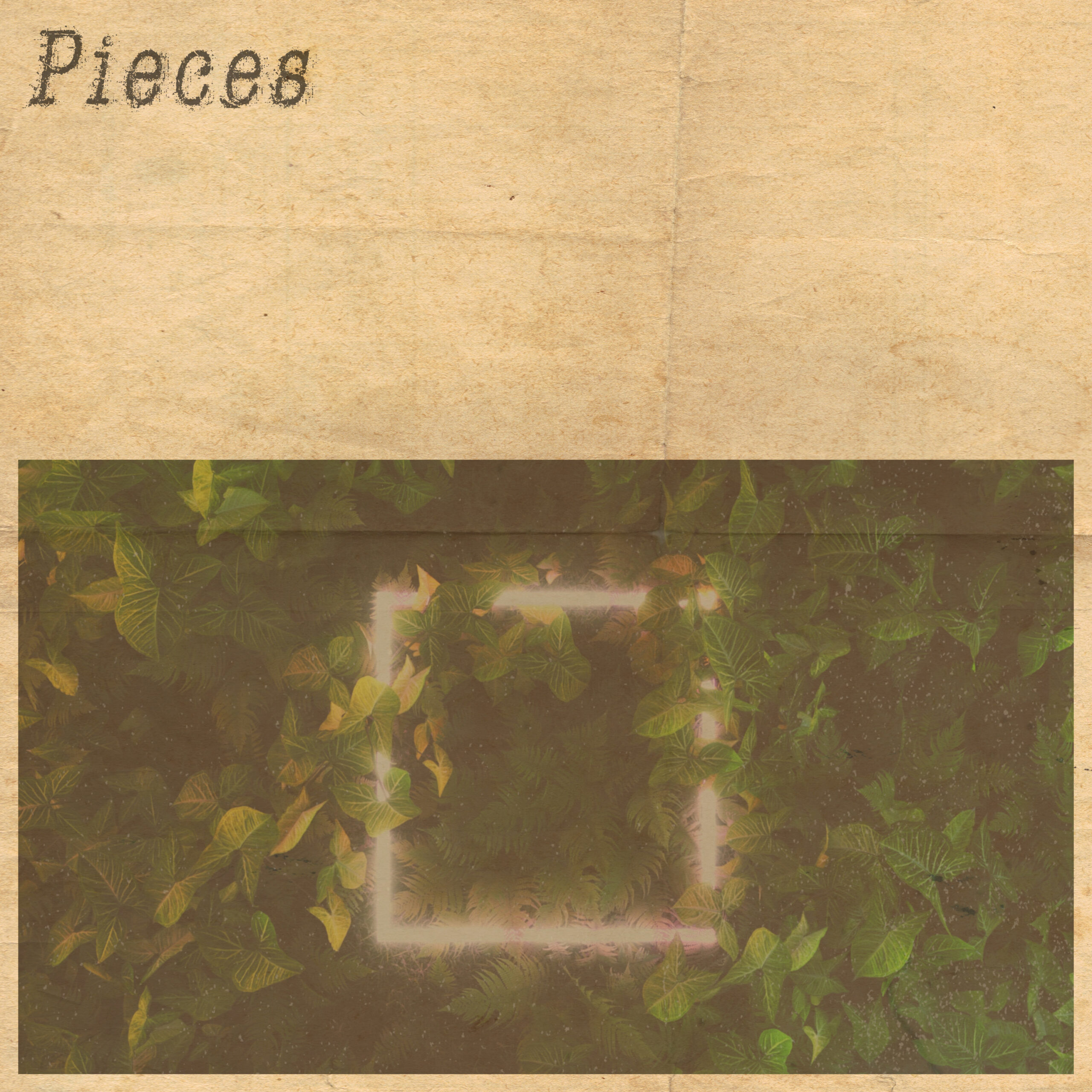
From the opening moments of “Pieces,” the approach is already clear. The track leans on a hazy, almost accidental intimacy—its origins in a late-night phone recording still audible in the soft, room-soaked resonance of the lead synth. Rather than polishing that imperfection away, Signal-23 build around it. The rhythm enters cautiously, restrained, allowing the melodic fragments to breathe. It’s a subtle introduction, but one that establishes a key idea: rhythm here is not just propulsion, it’s tension management.
That tension becomes more defined in “Pillars” and “Reset,” arguably the EP’s central axis. Both tracks rely on a careful interplay between steady, hypnotic percussion and expansive synth work. The drum programming is precise without feeling rigid—kicks land with intention, hi-hats flicker in and out, and the groove evolves in small, almost imperceptible increments. Meanwhile, the synth layers carry a nostalgic hue, reminiscent of early IDM and modern cinematic electronica, yet never overly referential. Pads swell and recede like breathing structures, while melodic lines drift just far enough from resolution to keep the listener slightly off balance.
What stands out is the duo’s use of hardware-driven sound design. You can hear it in the grain of the synths, in the slight unpredictability of modulation, in the way textures feel worn rather than pristine. This isn’t a glossy digital surface; it’s something more tactile, shaped by modular systems, drum machines, and aging signal paths. That physicality gives the EP a kind of depth that’s hard to replicate purely in-the-box. Even in quieter passages, there’s a low-level hum of movement, as if the tracks themselves are alive.
“Decay” pushes this philosophy to its most intense expression. Here, the rhythmic framework becomes more aggressive, driven by heavy sub-bass and sharply defined percussion. The track oscillates between control and collapse—moments of tight, almost mechanical precision give way to bursts of chaotic energy. It’s not overwhelming, but it does demand attention. The balance between restraint and release is handled with care, preventing the piece from tipping into excess while still delivering a palpable sense of escalation.
Closing the EP, “Pillars (Ambient)” strips away rhythm entirely, leaving behind a suspended landscape of pads and low-frequency swells. It traces its roots back to the project’s earliest sonic idea—a reverb-drenched Omnichord progression—and that origin is still felt in the track’s emotional core. Without percussion, the focus shifts fully to harmonic movement and texture. The synths shimmer across octaves, unfolding slowly, almost meditatively. It’s a fitting conclusion, not because it resolves the EP’s tensions, but because it reframes them in a quieter, more reflective light.
What makes Pillars particularly compelling is its coherence. Each track occupies a distinct emotional space, yet they all feel connected by a shared language of sound and intention. The themes of urban decay and structural transformation are not just conceptual—they’re embedded in the music’s very construction. Rhythms build and fracture, synths bloom and deteriorate, atmospheres shift from dense to sparse without ever feeling disjointed.
This is, without question, a high-quality debut. Signal-23 demonstrate a clear understanding of their tools and a strong sense of identity, even at this early stage. It’s the kind of release that rewards close listening, revealing new details with each pass. We’re genuinely pleased to host it on our webzine, and curious to see how this foundation evolves in future work.