
Con la recente pubblicazione del nuovo EP su TBX Label, uscito l’8 maggio, si conferma la solidità di un percorso artistico che si muove con naturalezza tra i dancefloor internazionali e una ricerca sonora sempre più personale.
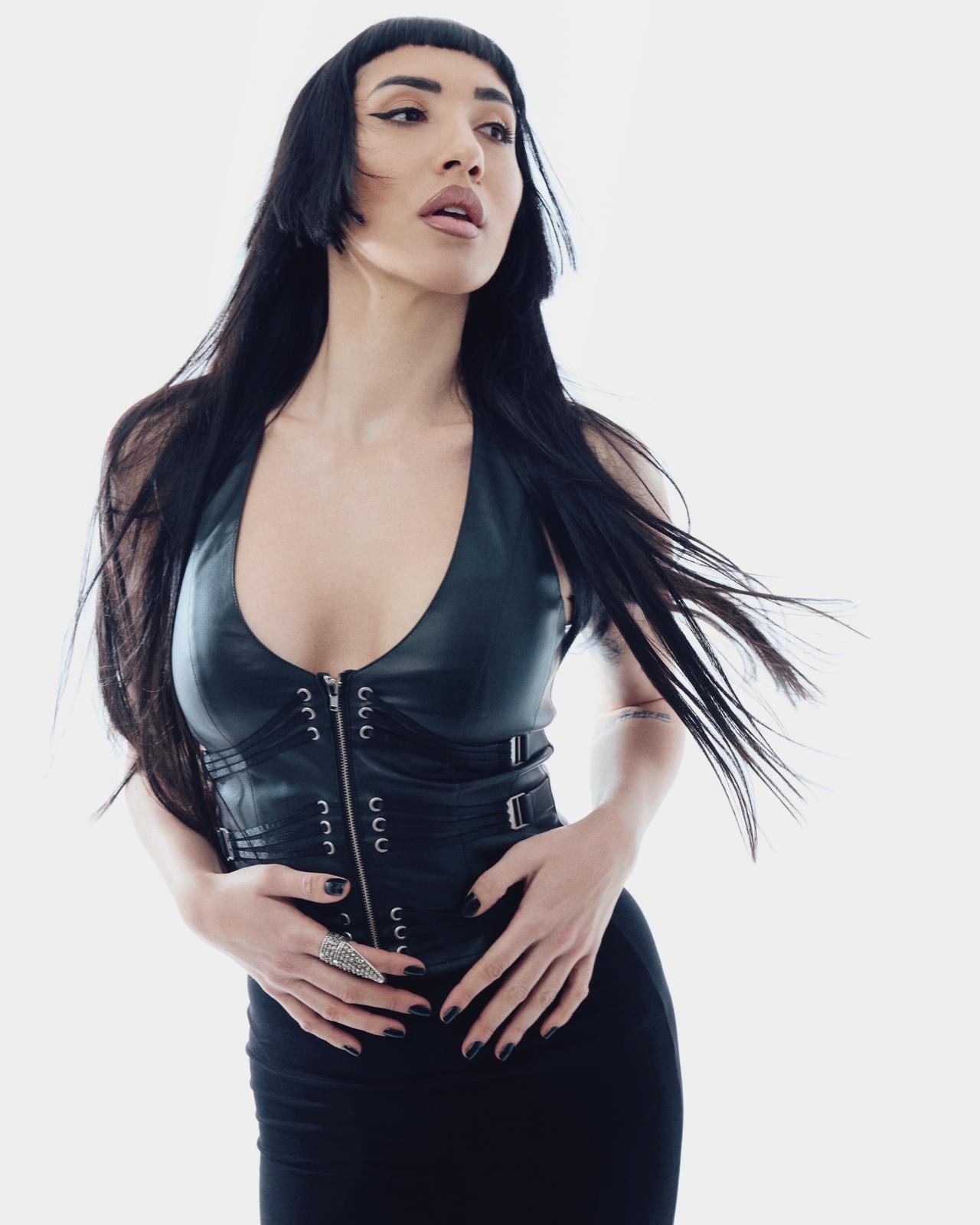
DJ italiana con base a Ibiza, Sarahrey ha costruito nel tempo un’identità capace di muoversi con equilibrio tra passato e presente, mescolando influenze old school a groove house anni ’90 in modo fluido e naturale. Il nuovo progetto discografico segna un passaggio importante nel suo percorso. Se le prime produzioni erano esperimenti per definire una direzione, questo EP offre un ritratto più diretto e consapevole, evidenziando un’evoluzione sia nel suono che nel modo di comunicare. È un lavoro nato senza schemi rigidi, sviluppato a partire dall’esigenza di creare una connessione reale con il pubblico, andando oltre la dimensione del club.
In questa conversazione abbiamo ripercorso i suoi anni sull’isola, dai primi ricordi come clubber fino ai recenti set al Pacha e al Club Chinois, parlando di autenticità, evoluzione e di come la musica continui a essere la sua principale bussola per il futuro.
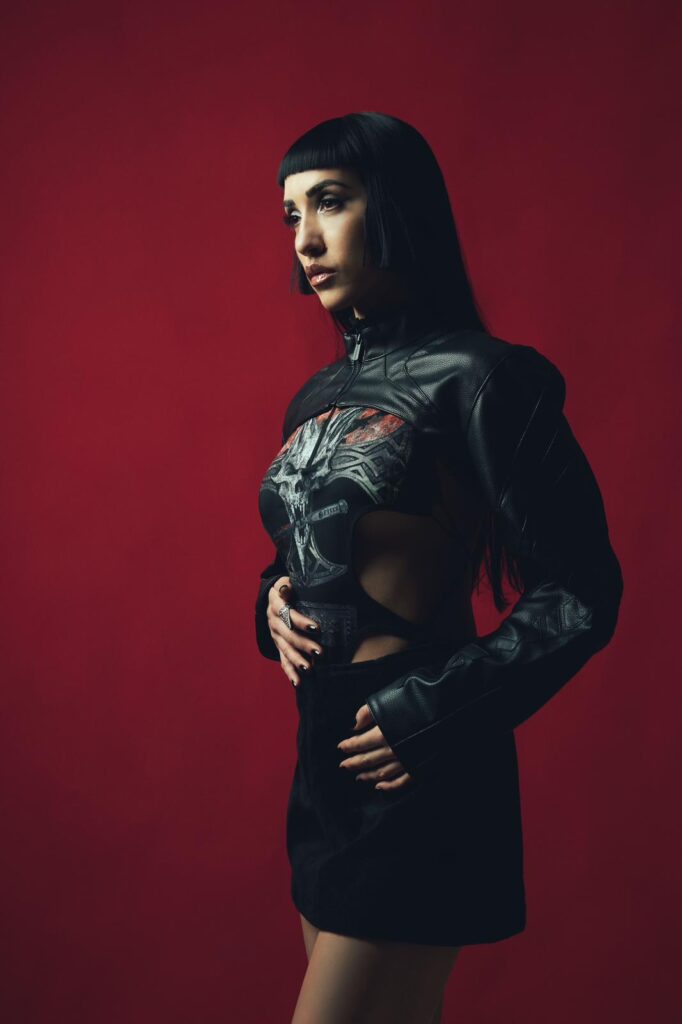
Ciao Sarah, benvenuta su Parkett Channel. Partiamo dall’inizio: sei un’artista italiana ma ormai Ibiza è casa. Raccontaci un po’ di te e che impatto ha avuto l’isola sulla tua identità musicale e personale?
Ibiza ha avuto un impatto enorme su di me, sia musicalmente che personalmente. La prima volta che ci sono stata era il 2010 e, da allora, è diventato un appuntamento fisso ogni anno. È stato amore a prima vista: ero una giovane clubber e quell’isola rappresentava esattamente il centro di tutto ciò che mi faceva vibrare in quel periodo. Potevi ritrovarti a ballare sulla spiaggia in un chiringuito qualsiasi, magari con davanti artisti come Sven Väth o Richie Hawtin… e vivere tutto questo con una naturalezza incredibile. E poi c’era la possibilità di ascoltare ogni giorno DJ che, nella mia città, vedevo forse una volta all’anno, e per me era qualcosa di davvero magico. Sono cresciuta ascoltando minimal, house e tech house ma parliamo di una tech house molto diversa da quella di oggi. Quegli anni sono stati oro puro per me. Ancora oggi sono profondamente affascinata da quel sound: è lì che ho iniziato a costruire il mio orecchio. Tutto ciò che ascoltavo in quel periodo mi ha influenzata profondamente e continua ancora oggi a essere una grande fonte di ispirazione. Se riascolto i miei vecchi set, si sente chiaramente quanto quelle sonorità fossero presenti. Ma Ibiza non è solo musica, è anche uno stile di vita. Quel senso di libertà, di espressione senza filtri, ha avuto un ruolo fondamentale nella mia crescita, sia personale che artistica. In un certo senso, è proprio lì che ho iniziato a diventare davvero me stessa.
Se dovessi descrivere il tuo sound a qualcuno che non ti ha mai ascoltata, quali elementi non potrebbero mai mancare?
Direi che è un equilibrio tra passato e presente. Le mie radici arrivano dai primi anni di clubbing, quindi porto sempre con me quelle chicche old school che per me hanno un valore speciale, tracce senza tempo che riescono a creare connessioni vere con la pista, soprattutto nei momenti più intensi del set. Allo stesso tempo, sono molto legata groove house anni ’90: linee di basso calde, e quel tipo di energia che non ha bisogno di essere urlata per arrivare. Mi piace costruire un viaggio che sia elegante ma coinvolgente, dove ogni traccia ha uno spazio preciso e contribuisce a creare un flusso continuo. Direi che il mio sound è molto istintivo, mi piace scavare, trovare dettagli, mantenere sempre una certa profondità senza perdere il lato più fisico e ballabile. È un dialogo costante tra nostalgia e contemporaneità, tra energia e sensibilità.
Guardando ai tuoi primi set, in cosa senti di essere cambiata di più oggi come DJ?
La differenza più grande è nel modo in cui vivo il momento. Oggi, quando suono, è come se stessi dando una parte di me a chi mi ascolta: non si tratta più solo di mettere musica, ma di creare una connessione reale. È uno scambio di energie continuo tra me e il pubblico, qualcosa di molto più istintivo e sincero. La ricerca musicale è sempre stata la mia parte preferita, e lo è ancora oggi forse anche di più. È lì che costruisco davvero la mia identità. Ma rispetto a prima sento molto più forte il bisogno di arrivare alle persone non solo come DJ, ma come persona. Voglio che chi mi ascolta percepisca qualcosa di autentico, che vada oltre il semplice set e resti anche dopo che la musica finisce.
C’è stato un momento preciso in cui hai capito che volevi trasformare la musica in un percorso professionale?
In realtà non c’è stato un momento preciso. Sono una persona che vive molto di sensazioni e di attimi, e quando ho iniziato non avevo un obiettivo così definito. Seguivo semplicemente il flow, quello che mi faceva stare bene in quel momento. Col tempo, però, le cose hanno iniziato a prendere forma in modo molto naturale. Ho capito sempre di più che la musica stava diventando qualcosa di centrale nella mia vita, fino al punto in cui ho sentito che era giusto dedicarle il 100% di me. Ho lasciato il mio lavoro precedente, ma non è stata una decisione improvvisa o drastica. È stato un processo fluido, un susseguirsi di esperienze ed eventi che mi hanno portata, quasi senza accorgermene, a trasformare quella passione in un vero percorso professionale.
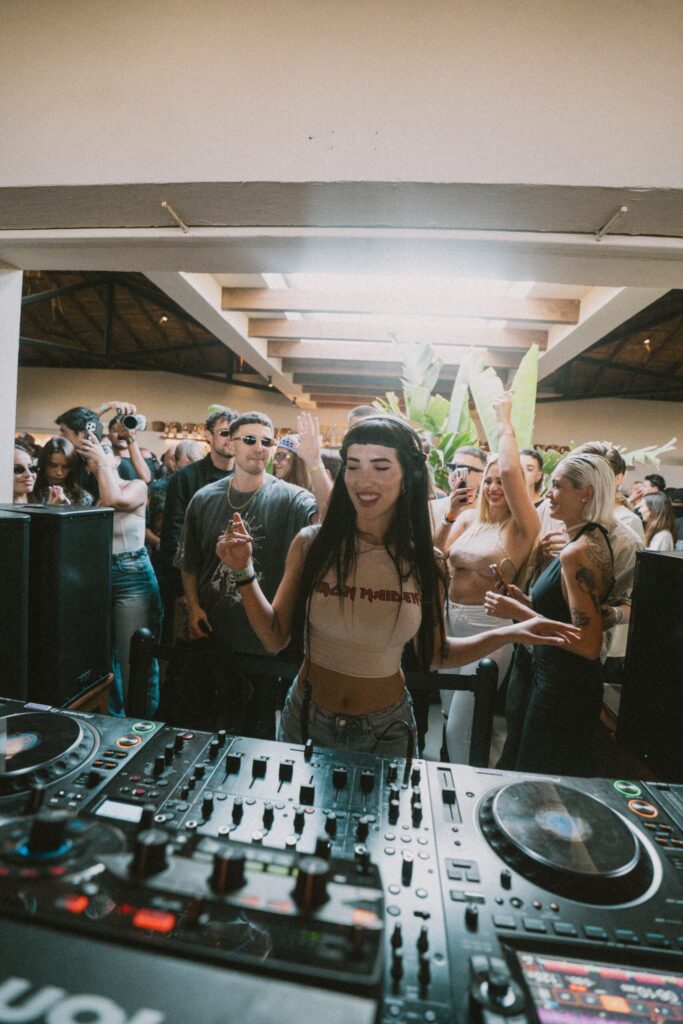
Il tuo stile sembra muoversi tra energia clubbing e ricerca sonora. Quanto è importante per te trovare un equilibrio tra identità artistica e risposta del pubblico?
Per me è fondamentale trovare quell’equilibrio. Come dicevo prima, quando sono lì a suonare il mio obiettivo è regalare alle persone un momento di felicità, proprio come tanti artisti hanno fatto con me in passato e che fanno tutt’oggi. Quando ero più piccolina, quello che vivevo nei club era davvero importante: era una via di fuga dalla realtà, una valvola di sfogo, un posto in cui potevo essere completamente libera. E quelle sensazioni mi sono rimaste dentro. Oggi cerco di trasmettere esattamente questo. Voglio mantenere la mia identità artistica, la mia ricerca sonora, ma allo stesso tempo creare una connessione reale con il pubblico. Se riesco a far vivere anche solo a una persona quello che io ho provato in quegli anni, allora so di aver fatto davvero qualcosa di speciale.
Entriamo nel tema clubbing: oggi molti dancefloor sembrano più orientati all’immagine che all’ascolto. Ti è mai capitato di percepire questa differenza?
Sì, è una cosa che a volte si percepisce, ma credo sia semplicemente un riflesso dei tempi in cui viviamo. Oggi l’immagine e la condivisione fanno parte dell’esperienza, ed è normale che anche il clubbing si sia evoluto in quella direzione. Detto questo, penso che ci sia ancora tantissimo spazio e bisogno di ascolto vero. Alla fine, quando la musica è giusta e si crea quella connessione speciale, le persone lo sentono e tornano a vivere il dancefloor in modo più autentico. Personalmente cerco sempre di mantenere il focus su quello: creare un momento reale, dove la musica è al centro. Poi tutto il resto può esserci ma per me viene dopo.
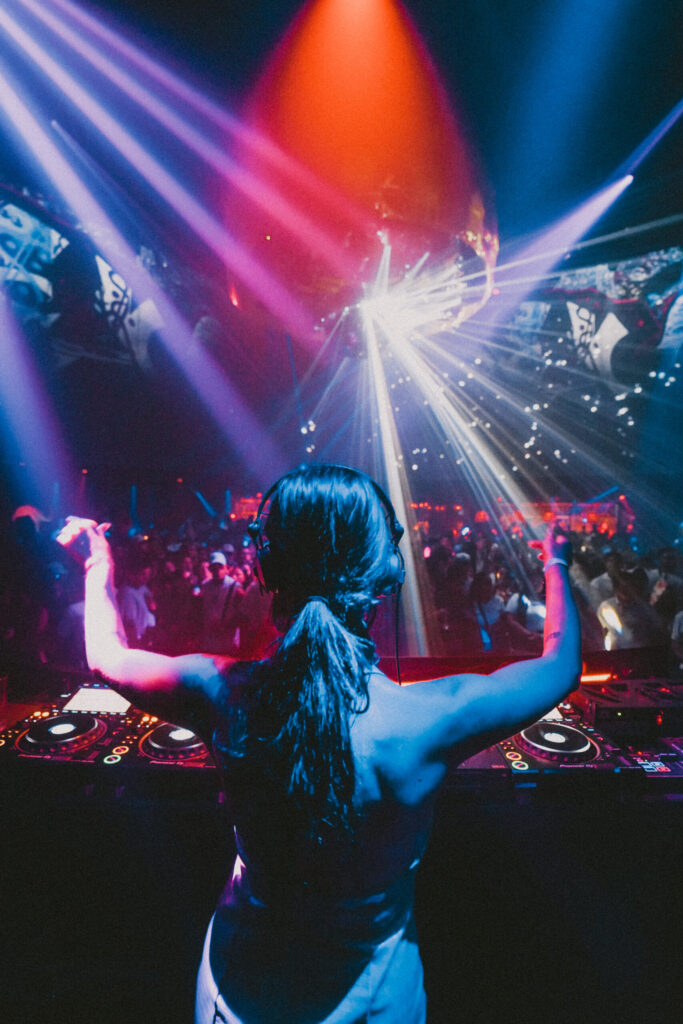
Essere una donna nel mondo della nightlife comporta ancora delle sfide specifiche? Qual è la tua esperienza personale oggi?
Onestamente, io non ho mai vissuto questo mondo facendo una distinzione tra uomini e donne. Per me siamo tutti uguali, e quello che conta davvero è la musica, la dedizione e il modo in cui ti connetti con le persone. Chiaramente ognuno ha il proprio percorso e le proprie esperienze, ma personalmente ho sempre cercato di concentrarmi su quello che posso dare artisticamente, senza etichette. Credo che oggi più che mai sia importante andare oltre queste differenze e lasciare che sia il lavoro a parlare. Alla fine, quando sei dietro alla consolle, non importa chi sei: importa quello che trasmetti.
Parlando di produzione: da dove trai ispirazione per la creazione di musica?
L’ispirazione arriva in modi diversi, non ho mai un unico punto di partenza. Spesso, ad esempio, ascoltando DJ set mi capita di sentire dei vocal particolari che mi colpiscono subito, e da lì nasce l’idea proprio come è successo con “Barbara”. Altre volte, invece, arriva scavando nei vecchi vinili: quelle sonorità hanno sempre qualcosa di unico e riescono ad accendere subito la creatività. Non parto sempre da un vocal però, anzi. A volte inizio semplicemente da un groove, da un ritmo che mi prende, e poi lascio che tutto il resto venga in modo naturale. Seguo molto il flow, ogni traccia è un’esperienza diversa e nasce in modo spontaneo.
L’8 maggio è uscita la tua nuova release con TBX Label: cosa puoi raccontarci di questo progetto? Che cosa rappresenta per te questa nuova uscita?
Per me questa release è davvero molto importante. Se devo essere sincera, le mie prime produzioni erano più dei test, degli esperimenti per capire la direzione… ma non erano fino in fondo “sentite”. Questo progetto invece è diverso: questa sono io, adesso. Rappresenta pienamente Sarahrey, senza filtri. Sono davvero felice di questo EP perché chi lo ascolterà potrà percepire un cambiamento netto, sia nel suono che nell’intenzione. All’inizio avevo anche un po’ paura di intraprendere questa strada, di espormi così tanto, ma poi ho capito che non avrebbe avuto senso fare diversamente.
Hai pubblicato da poco un’altra release che cosa distingue queste due uscite?
“Express Yourself”, come dice il titolo, è una traccia che invita proprio a essere sé stessi, a lasciarsi andare senza filtri. Ha delle sonorità più deep e intime, con un mood molto diretto ma allo stesso tempo emotivo. Rispetto alla mia nuova uscita con TBX, è un progetto che si muove in una direzione leggermente diversa, ma in realtà le due release sono collegate da un filo comune. Ci sono delle connessioni sottili a livello di sound e di identità, come se fossero due momenti diversi dello stesso percorso. Una rappresenta più l’introspezione e la libertà di esprimersi, l’altra invece è più una fotografia di chi sono oggi artisticamente.
Con l’inizio della stagione a Ibiza sei già salita in console nei club più importanti: hai chiuso il set di Miguel & Tons al Club Chinois e hai fatto il warm up per Loco Dice al Pacha. Come hai vissuto questi momenti e che tipo di emozione o responsabilità si prova nel condividere la console con artisti di questo calibro?
Sono stati due momenti molto intensi e diversi tra loro, ma entrambi con un grande peso emotivo e professionale. Chiudere il set di Miguel & Tons al Club Chinois è stato come entrare nel loro mondo a fine viaggio: il dancefloor era già al massimo e ho sentito la responsabilità di mantenere quell’energia, portando però anche la mia identità fino all’ultimo disco. Il warm up per Loco Dice al Pacha invece è stato più delicato. Lì devi costruire tutto passo dopo passo, leggendo la pista e preparando il momento giusto senza forzare mai troppo. In entrambi i casi la cosa più forte è stata condividere la console con artisti di questo calibro e sentire che, in quel momento, sei parte della stessa narrazione musicale.
Guardando al futuro cosa ti aspetti, hai un obiettivo particolare per questo 2026?
Più che un singolo obiettivo, per il 2026 mi aspetto un anno di crescita e consolidamento. Voglio continuare a sviluppare la mia identità musicale, sia come DJ che come producer, e spingere sempre di più sulla ricerca sonora. Mi piacerebbe suonare in contesti nuovi, portare il mio sound in posti dove ancora non sono stata e continuare a costruire una connessione sempre più forte con il pubblico. Allo stesso tempo, voglio restare fedele al mio percorso, senza forzare le cose: lasciare che sia la musica a guidarmi, come è sempre stato.
Grazie per esserti raccontata a presto Sarah e in bocca a lupo per il futuro!
Il nuovo EP è ora disponibile su tutte le piattaforme, ascoltalo qui.
ENGLISH VERSION
Hi Sarah, welcome to Parkett Channel. Let’s start from the beginning: you’re an Italian artist, but Ibiza has now become home. Can you tell us a bit about yourself and the impact the island has had on your musical and personal identity?
Ibiza has had a huge impact on me, both musically and personally. The first time I went there was in 2010, and since then it’s become a yearly ritual. It was love at first sight: I was a young clubber, and that island represented exactly the center of everything that made me feel alive at that time. You could find yourself dancing on the beach at some random chiringuito, maybe with artists like Sven Väth or Richie Hawtin right in front of you… and experience all of that so naturally. And then there was the chance to hear DJs every day that, back in my hometown, I would maybe see once a year and for me, that was truly magical. I grew up listening to minimal, house, and tech house, but we’re talking about a very different kind of tech house compared to today. Those years were pure gold for me. Even now, I’m deeply fascinated by that sound, it’s where I started building my ear. Everything I listened to back then influenced me profoundly and continues to inspire me today. If I listen back to my old sets, you can clearly hear how present those sounds were. But Ibiza isn’t just music, it’s also a lifestyle. That sense of freedom, of unfiltered expression, played a fundamental role in my growth, both personally and artistically. In a way, that’s where I truly started becoming myself.
If you had to describe your sound to someone who has never heard you before, what elements could never be missing?
I’d say it’s a balance between past and present. My roots come from the early clubbing years, so I always carry those old-school gems with me, timeless tracks that create real connections on the dancefloor, especially in the most intense moments of a set. At the same time, I’m very connected to ’90s house grooves: warm basslines and that kind of energy that doesn’t need to be loud to be felt. I like to build a journey that’s elegant but engaging, where each track has its own space and contributes to a continuous flow. My sound is very instinctive, I like to dig, find details, and maintain a certain depth without losing the physical, danceable side. It’s a constant dialogue between nostalgia and contemporaneity, between energy and sensitivity.
Looking back at your early sets, what do you feel has changed the most in you as a DJ today?
The biggest difference is in the way I experience the moment. Today, when I play, it feels like I’m giving a part of myself to the people listening, it’s no longer just about playing music, but about creating a real connection. It’s a continuous exchange of energy between me and the crowd, something much more instinctive and genuine. Music digging has always been my favorite part, and it still is, maybe even more now. That’s where I truly build my identity. But compared to before, I feel a much stronger need to reach people not just as a DJ, but as a person. I want those who listen to feel something authentic, something that goes beyond the set and stays with them even after the music ends.
Was there a specific moment when you realized you wanted to turn music into a professional path?
There wasn’t really a specific moment. I’m someone who lives through feelings and moments, and when I started, I didn’t have such a clear goal. I was simply following the flow what made me feel good at that time. Over time, things started to take shape very naturally. I realized more and more that music was becoming central in my life, to the point where I felt it was right to dedicate 100% of myself to it. I left my previous job, but it wasn’t a sudden or drastic decision. It was a fluid process, a sequence of experiences and events that led me, almost without realizing it, to turn that passion into a real professional path.
Your style seems to move between club energy and sonic research. How important is it for you to find a balance between artistic identity and audience response?
For me, finding that balance is essential. As I said before, when I’m playing, my goal is to give people a moment of happiness, just like many artists have done for me in the past, and still do today. When I was younger, what I experienced in clubs was really important: it was an escape from reality, a release, a place where I could be completely free. And those feelings stayed with me. Today, I try to transmit exactly that. I want to maintain my artistic identity and my sonic research, but at the same time create a real connection with the audience. If I can make even just one person feel what I felt back then, then I know I’ve done something truly special.
Let’s talk about clubbing: today many dancefloors seem more focused on image than on listening. Have you ever felt this difference?
Yes, it’s something you can sometimes feel, but I think it’s simply a reflection of the times we live in. Today, image and sharing are part of the experience, and it’s natural that clubbing has evolved in that direction as well. That said, I believe there’s still a huge space and need for real listening. In the end, when the music is right and that special connection happens, people feel it and return to experiencing the dancefloor in a more authentic way. Personally, I always try to keep the focus on that: creating a real moment where the music is at the center. Everything else can be there, but for me it comes after.
Being a woman in the nightlife world, does it still come with specific challenges? What’s your personal experience today?
Honestly, I’ve never experienced this world by making a distinction between men and women. For me, we’re all equal, and what really matters is the music, dedication, and the way you connect with people. Of course, everyone has their own path and experiences, but personally I’ve always tried to focus on what I can give artistically, without labels. I think today more than ever it’s important to go beyond these differences and let the work speak for itself. In the end, when you’re behind the booth, it doesn’t matter who you are, it matters what you transmit.
Talking about production: where do you draw inspiration from when creating music?
Inspiration comes in different ways, I never have just one starting point. Often, for example, while listening to DJ sets I come across particular vocals that immediately catch my attention, and from there the idea is born, just like it happened with “Barbara.” Other times, it comes from digging into old vinyl: those sounds always have something unique and instantly spark creativity. I don’t always start from a vocal, sometimes I just begin with a groove, with a rhythm that grabs me, and then I let everything else come naturally. I follow the flow a lot, each track is a different experience and comes to life spontaneously.
On May 8th your new release with TBX Label came out: what can you tell us about this project? What does it represent for you?
This release is very important to me. To be honest, my earlier productions were more like tests, experiments to understand the direction, but they didn’t fully feel like “me.” This project is different: this is me, now. It fully represents Sarahrey, without filters. I’m really happy with this EP because whoever listens to it will be able to feel a clear shift, both in sound and intention. At the beginning, I was also a bit scared to take this path, to expose myself so much, but then I realized it wouldn’t make sense to do otherwise.
You recently released another track, what distinguishes these two releases?
“Express Yourself,” as the title suggests, is a track that invites you to truly be yourself, to let go without filters. It has a deeper, more intimate sound, with a mood that is direct but also emotional. Compared to my new release with TBX, it moves in a slightly different direction, but in reality the two releases are connected by a common thread. There are subtle connections in terms of sound and identity, as if they were two different moments of the same journey. One represents introspection and the freedom of expression, while the other is more like a snapshot of who I am today as an artist.
With the start of the Ibiza season, you’ve already played in some of the most important clubs: you closed Miguel & Tons’ set at Club Chinois and did the warm-up for Loco Dice at Pacha. How did you experience these moments, and what kind of emotion or responsibility comes with sharing the booth with artists of that level?
They were two very intense and different moments, but both carried a strong emotional and professional weight. Closing Miguel & Tons’ set at Club Chinois felt like stepping into their world at the end of a journey: the dancefloor was already at its peak, and I felt the responsibility to maintain that energy while still bringing my identity through to the last record.
Doing the warm-up for Loco Dice at Pacha, on the other hand, was more delicate. There, you have to build everything step by step, reading the crowd and preparing the right moment without ever forcing it.
In both cases, the most powerful feeling was sharing the booth with artists of that level and realizing that, in that moment, you’re part of the same musical narrative.
Looking ahead, what do you expect? Do you have a specific goal for 2026?
More than a single goal, I expect 2026 to be a year of growth and consolidation. I want to continue developing my musical identity, both as a DJ and a producer, and push even further in my sonic research. I’d love to play in new contexts, bring my sound to places I haven’t been yet, and keep building a stronger and stronger connection with the audience. At the same time, I want to stay true to my path without forcing things, letting the music guide me, as it always has.
Thank you for sharing your story with us, see you soon, Sarah, and best of luck for the future!