
Rit/mo Festival si è svolto il 29 e 30 maggio ad Atarfe, vicino alla città di Granada, apportando delle interessanti novità. Ne parliamo in dialogo con il direttore artistico.
Rit/mo Festival è uno di quegli appuntamenti che meritano un posto in agenda e che ci ricorda, ogni anno, di essere entrati in piena stagione primaverile: gli animi si risvegliano, la natura anche. In questo scenario di rinascita, lasciarsi accompagnare dalla musica sembra quasi un gesto necessario, per non dire direttamente naturale. È in questo contesto che Rit/mo Festival, per il quinto anno consecutivo immerso nel bellissimo paesaggio dell’Ermita de los Tres Juanes, torna a offrirci una proposta musicale elettronica composta da un’interessante line up che non ha nulla da invidiare ai macrofestival che tutti conosciamo.
Anche quest’edizione 2026 ci ha lasciato piacevolmente colpiti, soprattutto per alcune modifiche e miglioramenti che si citeranno a breve. Essendo il terzo anno consecutivo in cui Parkett ha partecipato a Ritmo (potete trovare l’ultimo report QUI), ci è sembrato doveroso dare spazio anche alle menti che stanno dietro a questo progetto, in questo caso al suo director artístico, Hugo Carretero, al quale abbiamo fatto alcune domande.
Parlando del festival:
Tanto il MORDISCO quanto il LATIDO Stage – cioè gli unici due palchi che i partecipanti hanno potuto tranquillamente alternare durante tutto l’evento – hanno subìto delle importanti modifiche. Senza nulla togliere all’impianto acustico, quest’anno i cambiamenti che sono subito saltati agli occhi più attenti e navigati hanno riguardato gli impianti di luci e laser.
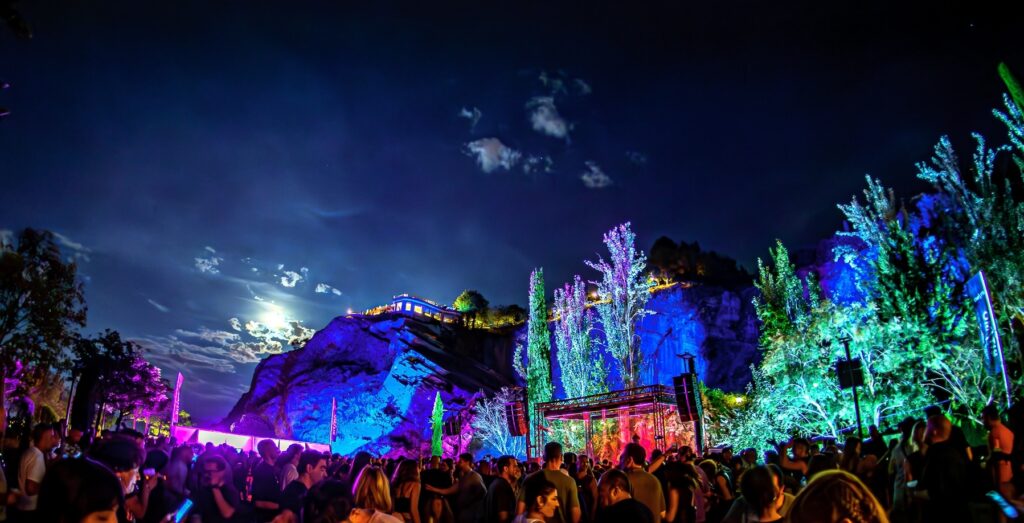
Il MORDISCO Stage, che “storicamente” dava le spalle a un grande spazio aperto affacciato sull’impressionante Sierra Nevada, è stato spostato al lato destro e su un palco più ridotto, posizionandosi davanti alla parete rocciosa della Sierra Elvira. La prima reazione è stata un “ohhh” a tratti un po’ dispiaciuto per la perdita dello sfondo su una delle catene montuose più belle e apprezzate d’Andalusia, ma quando è calata la notte si è capito il motivo della scelta, e bisogna proprio dirlo: chapeau.
Una parete di luci che divideva DJs e pubblico, come a formare delle sbarre separatrici, è stato uno degli aspetti che più ci hanno colpito di questo nuovo palco. Anche le luci esterne, utilizzate per illuminare le rocce e gli alberi che racchiudevano lo scenario principale, hanno fatto sì che gli elementi naturali dello spazio circostante potessero essere maggiormente integrati tra loro e creare un’esperienza visiva del tutto nuova. Musica e natura sono così diventate complici, interagendo sinergicamente durante tutta la notte.
Venerdì Ritmo è iniziato gradualmente partendo, come sempre, dallo scenario più piccolo, il MORDISCO, con il set del DJ italiano Unreal Vibes. Poco dopo, sono Fuentes-Guerra e Juanito Jones ad aprire il principale, seguiti da uno dei set più attesi dell’edizione, e cioè quello dei simbiotici, complici, mistici, chiamateli-come-volete, Willikens e Ivkovic. Non è la prima volta che i due si esibiscono al Ritmo, ma questa volta tocca un orario particolare, dalle 21:00, orario del crepuscolo in Andalusia, a mezzanotte, con la luna piena – Luna blu, la seconda di maggio! – già alta nel cielo. Il duo riesce ad accompagnare alla perfezione questo passaggio delicato, creando un ambiente musicale estemporaneo, a tratti piacevolmente… oscuro.
La notte continua, e i due palchi ospitano le performances di Lucient, Lukas Wigflex, Sleep D nel Latido e di Kim Ann Foxman nel Mordisco. Tutte le artiste e gli artisti portano una loro visione personale e coerente durante i loro set, il che è interessante da notare. Arrivano le due sessioni di chiusura e sono rispettivamente quella di Aurora Halal, ipnotica e incantatrice, e di John Talabot, con un drop dietro l’altro. Fine primo atto.
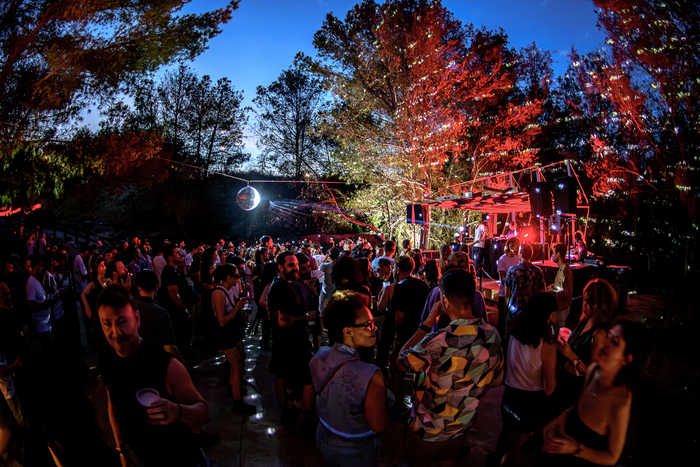
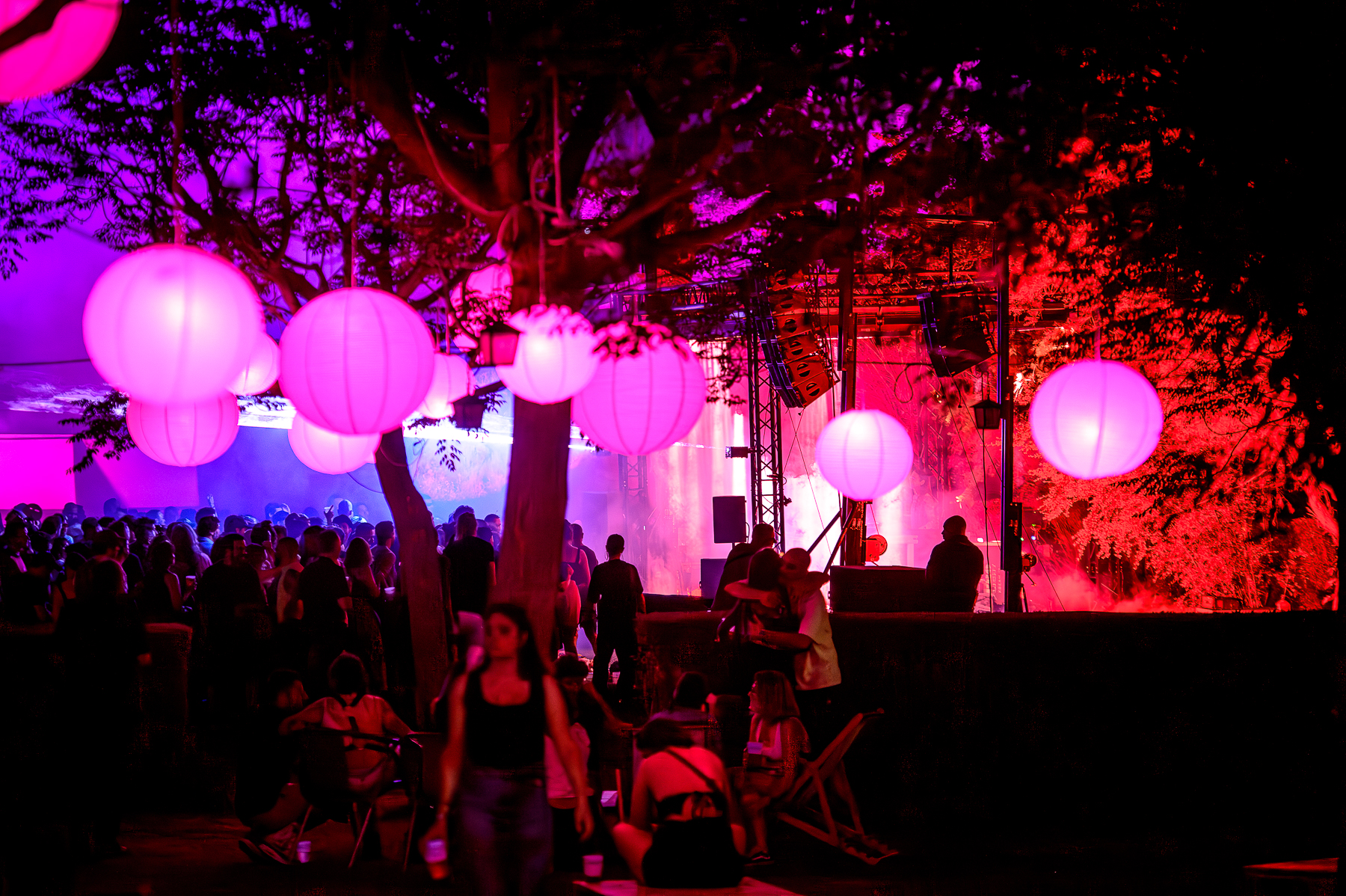
Sabato, Rit/mo Festival inizia di nuovo alle 17:00 e cominciando sempre dal LATIDO Stage, con i set dei due DJ based-in-Granada Deceit e Daniel Kelsan. Anche questo palco ha subíto delle leggere modifiche rispetto alla scorsa edizione, come la mirror ball posta al centro della pista, che, di notte, è servita a creare dei giochi di luce rifratta sugli alberi circostanti, facilitando un’intimità e allo stesso tempo uno stupore tali da emozionare gran parte dei partecipanti. Memorabile il set di Melina Serser, che ha saputo alternare con una maestria sorprendentemente serena ritmi primordiali dai tamburi sordi e ripetitivi, suoni più robotici e acid fino ad arrivare all’electro e addirittura a un momento di breaks profondo, apprezzatissimo dal pubblico.
A darle il cambio abbiamo trovato Vlada, con un raffinato set in vinile dai toni deep house e groove, seguita da una sessione viscerale ma capace di connettere i corpi in pista di Konduku, che ha chiuso il palco minore di questa edizione di Rit/mo Festival.
Dopo di lui, tutti i partecipanti rimasti si sono spostati al palco principale dell’ultimo set di Binh. Prima del dj e produttore tedesco, a partire dalle 18:00 per il MORDISCO sono passati Glossy Mario, acidheaven, DJ Masda – con una selezione raffinata ma non per questo meno carica ed energica e che ha davvero lasciato tutti a bocca aperta – e Sugar Free.
È finita anche questa edizione di Rit/mo Festival e torniamo alle nostre vite di sempre, contenti di quello che abbiamo visto e ascoltato. Ancora curiosi, abbiamo però deciso di porgere alcune domande a Hugo Carretero, ideatore e direttore artistico di Rit/mo.
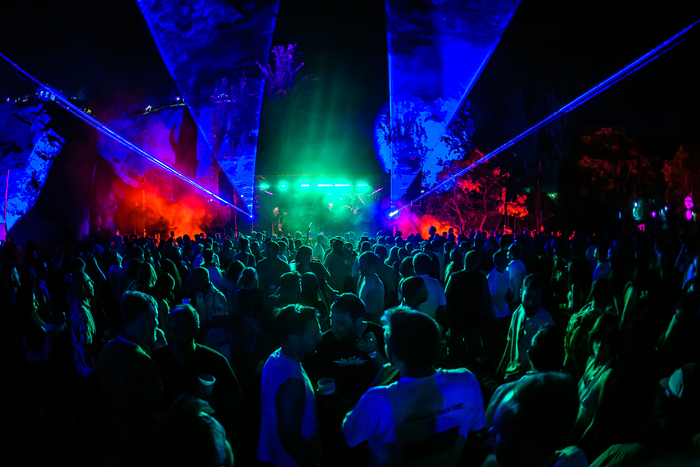
In questa edizione abbiamo notato alcuni cambiamenti rispetto alle precedenti, il più evidente: il nuovo palco principale, caratterizzato da un impressionante impianto di luci e laser. Perché avete deciso di attuare questo cambiamento e cosa pensate dei risultati?
L’idea alla base di questo cambiamento era molto semplice: volevamo che l’illuminazione dialogasse con lo spazio naturale che rende unico RIT/MO. Per anni abbiamo lavorato in un contesto privilegiato, circondato dagli alberi e con l’impressionante parete rocciosa della Sierra Elvira come sfondo, ma sentivamo che fosse ancora possibile integrare meglio questi elementi nell’esperienza visiva del festival.
Più che costruire un palco spettacolare fine a sé stesso, ciò che cercavamo era che luci e laser contribuissero a valorizzare la personalità del luogo. Volevamo che il bosco apparisse ancora più bosco, che la montagna sembrasse ancora più montagna e che la natura continuasse a essere la vera protagonista. Siamo molto soddisfatti del risultato. Crediamo di essere riusciti a esaltare la bellezza dell’ambiente senza perdere l’essenza di RIT/MO, che è sempre stata più legata all’atmosfera e all’esperienza collettiva che allo spettacolo inteso come fine a sé stesso.
Quali sono i vostri criteri, anno dopo anno, al momento di scegliere la line up? Vi fate guidare dalle tendenze del momento, oppure da conoscenze previe, o semplicemente da gusti personali?
La risposta più sincera è che la line up di RIT/MO nasce soprattutto dai gusti personali del suo direttore artistico, Hugo Carretero. La grandissima maggioranza degli artisti che sono passati dal festival sono artisti che in precedenza lo hanno fatto ballare, emozionare o vivere momenti speciali in altri club e festival.
In effetti, sono pochissimi i nomi che arrivano a RIT/MO senza essere stati visti prima dal vivo. Nella maggior parte dei casi esiste un’esperienza precedente come pubblico, una connessione emotiva con il loro modo di intendere la musica o con il modo in cui costruiscono un set. E quando questo non accade, si tratta solitamente di artisti che seguiamo da anni con attenzione, coltivando una sorta di desiderio rimasto in sospeso di scoprirli dal vivo.
Le tendenze hanno poca influenza sulle nostre decisioni. Ci interessa molto di più la personalità, la capacità di sorprendere e la coerenza artistica. Cerchiamo di costruire line up che abbiano senso all’interno dell’universo di RIT/MO, indipendentemente dal fatto che un artista stia vivendo o meno il momento di maggiore popolarità della sua carriera. In definitiva, cerchiamo artisti capaci di creare ricordi, non semplicemente nomi in grado di generare titoli.
Quali sono i principi che vi hanno spinto a creare e che vi ispirano a continuare a portare avanti un festival come RIT/MO?
Probabilmente il principio fondante di RIT/MO è lo stesso oggi come quando abbiamo iniziato: cercare di creare il festival a cui piacerebbe partecipare a noi stessi insieme ai nostri amici. Ci poniamo sempre una domanda molto semplice: se pensiamo alle persone a cui vogliamo più bene e con cui condividiamo viaggi, festival o serate nei club, che tipo di esperienza ci piacerebbe vivere insieme? È a partire da questa domanda che si costruisce praticamente tutto il resto.
Questo ci ha portato a puntare sulla natura come elemento centrale, a mantenere una capienza contenuta, a evitare le grandi folle, a dare priorità al comfort, alla qualità del suono e alla vicinanza tra artisti e pubblico. Ma anche a cercare di attirare una comunità esigente, composta da persone che apprezzano tanto la musica quanto il contesto in cui essa prende forma.
RIT/MO non ha mai cercato di essere il festival più grande né quello con maggiore visibilità mediatica. Il nostro obiettivo è sempre stato quello di offrire un’esperienza speciale e umana, un luogo in cui musica, paesaggio e persone possano trovare un equilibrio difficile da raggiungere in altri formati. Finché continueremo a sentire che stiamo costruendo questo luogo per noi stessi e per la nostra comunità, continueremo ad avere motivi per andare avanti.
RIT/MO Festival: A Symbiotic Dialogue Between Music and Nature
Rit/mo Festival took place on May 29 and 30 in Atarfe, near the city of Granada, introducing some interesting new features. We discuss them in a conversation with the artistic director.
Rit/mo Festival is one of those events that deserves a place in the calendar and reminds us every year that spring is in full swing: spirits awaken, and so does nature. In this atmosphere of renewal, letting music accompany us feels almost necessary, if not downright natural. It is within this context that Rit/mo Festival, for the fifth consecutive year immersed in the beautiful landscape of the Ermita de los Tres Juanes, returns to offer an electronic music proposal featuring an interesting line-up that has nothing to envy the macro-festivals we all know.
This 2026 edition also left us pleasantly impressed, especially because of some modifications and improvements that will be mentioned shortly. Since this is the third consecutive year that Parkett has attended Ritmo (you can find the latest report HERE), it felt only right to give space to the minds behind the project, in this case its artistic director, Hugo Carretero, whom we asked a few questions.
About the festival:
Both the MORDISCO and LATIDO stages — the only two stages that festival-goers could comfortably alternate between throughout the event — underwent significant modifications. Without taking anything away from the sound system, the most immediately noticeable changes for returning attendees concerned the lighting and laser installations.
The MORDISCO Stage, which had “historically” faced a large open space overlooking the stunning Sierra Nevada, was moved to the right-hand side and onto a smaller platform, now positioned in front of the rocky wall of the Sierra Elvira. The first reaction was an “ohhh” tinged with a little disappointment at losing the backdrop of one of Andalusia’s most beautiful and admired mountain ranges. But once night fell, the reasoning behind the decision became clear and it has to be said: chapeau.
A wall of lights separating DJs and audience, almost like a set of dividing bars, was one of the most striking aspects of this new stage design. The external lighting, used to illuminate the rocks and trees surrounding the main area, also helped integrate the natural elements of the landscape more effectively, creating an entirely new visual experience. Music and nature became accomplices, interacting in synergy throughout the night.
Friday’s programme began gradually, as always, from the smaller setting of MORDISCO, with a set by Italian DJ Unreal Vibes. Shortly afterwards, Fuentes-Guerra and Juanito Jones opened the main stage, followed by one of the most anticipated performances of the festival: the symbiotic, complementary, mystical, call-them-what-you-will duo Willikens & Ivkovic. It was not their first appearance at RIT/MO, but this time they were given a particularly special slot, from 9:00 PM – spanning Andalusia’s twilight hours – until midnight, with the full moon — a Blue Moon, the second of May ! — already high in the sky. The duo guided this delicate transition perfectly, creating a spontaneous musical environment that was, at times, pleasantly… dark.
The night continued, with the two stages hosting performances by Lucient, Lukas Wigflex and Sleep D on LATIDO, and Kim Ann Foxman on MORDISCO. Each artist brought a personal and coherent vision to their set, something particularly interesting to observe. Then came the closing sessions: Aurora Halal, hypnotic and spellbinding, and John Talabot, delivering one drop after another. End of the first act.
Saturday saw RIT/MO Festival begin once again at 5:00 PM, starting, as always, from the LATIDO Stage with sets from Granada-based DJs Deceit and Daniel Kelsan. This stage also underwent some subtle changes compared to last year’s edition, including the mirror ball suspended above the centre of the dancefloor, which, after dark, cast refracted light across the surrounding trees, creating a sense of intimacy and wonder that resonated deeply with much of the audience. Particularly memorable was Melina Serser‘s set, in which she alternated with surprisingly serene mastery between primal rhythms driven by deep, repetitive drums, more robotic and acid-infused sounds, eventually reaching electro and even a profound breakbeat passage that was met with great enthusiasm by the crowd.
Taking over from her was Vlada, with a refined vinyl set rich in deep house grooves, followed by a visceral session from Konduku that nevertheless managed to connect bodies across the dancefloor, bringing the smaller stage of this year’s RIT/MO Festival to a close.
After him, all remaining festival-goers moved to the main stage for Binh‘s closing set. Before the German DJ and producer took over, MORDISCO had welcomed, from 6:00 PM onwards, Glossy Mario, acidheaven, DJ Masda — whose refined yet no less powerful and energetic selection genuinely left the crowd speechless — and Sugar Free.
Another edition of RIT/MO Festival has come to an end, and we return to our everyday lives satisfied with everything we have seen and heard. Still curious, however, we decided to put a few questions to Hugo Carretero, founder and artistic director of RIT/MO.
In this edition we noticed several changes compared to previous years, the most evident being the new main stage, characterised by an impressive lighting and laser setup. Why did you decide to make this change, and what do you think of the results?
The idea behind this change was very simple: we wanted the lighting to enter into dialogue with the natural environment that makes RIT/MO unique.
For years we have worked in a privileged setting, surrounded by trees and with the impressive rock face of Sierra Elvira as a backdrop, but we felt there was still room to integrate these elements more deeply into the festival’s visual experience.
Rather than building a spectacular stage for its own sake, what we wanted was for the lights and lasers to help enhance the personality of the location. Rit/mo wanted the forest to feel even more like a forest, the mountain even more like a mountain, and for nature to remain the true protagonist. We are very satisfied with the result.
We believe we managed to highlight the beauty of the surroundings without losing the essence of RIT/MO, which has always been more connected to atmosphere and collective experience than to spectacle as an end in itself.
What criteria guide you, year after year, when selecting the line-up? Are you influenced by current trends, previous knowledge of the artists, or simply personal taste?
The most honest answer is that the RIT/MO line-up is shaped primarily by the personal taste of its artistic director, Hugo Carretero. The vast majority of artists who have played at the festival are artists who had previously made him dance, feel moved, or experience special moments at other clubs and festivals.
In fact, very few names arrive at RIT/MO without having first been seen live. In most cases, there is a previous experience as a member of the audience, an emotional connection with their understanding of music or with the way they build a set. And when this is not the case, they are usually artists we have followed closely for years, nurturing a long-standing desire to finally experience them live.
Trends have very little influence on our decisions. We are far more interested in personality, the ability to surprise, and artistic consistency. We try to build line-ups that make sense within the universe of RIT/MO, regardless of whether an artist is currently enjoying the peak of their popularity.
Ultimately, we look for artists capable of creating memories, not simply names capable of generating headlines.
What are the principles that inspired you to create, and continue developing, a festival like RIT/MO?
The founding principle of RIT/MO is probably the same today as it was when we started: trying to create the festival that we ourselves would like to attend with our friends.
We always ask ourselves a very simple question: if we think about the people we care about most, those with whom we share trips, festivals, and nights out at clubs, what kind of experience would we like to live together? Practically everything else is built from that question.
This has led us to place nature at the centre of the experience, to maintain a limited capacity, avoid large crowds, prioritise comfort, sound quality, and closeness between artists and audience. çBut it has also encouraged us to attract a discerning community of people who appreciate not only the music itself, but also the context in which it takes shape.
RIT/MO has never sought to become the biggest festival or the one with the greatest media visibility. Our goal has always been to offer a special and human experience, a place where music, landscape, and people can find a balance that is difficult to achieve in other formats.
As long as we continue to feel that we are building this place for ourselves and for our community, we will continue to have reasons to move forward.