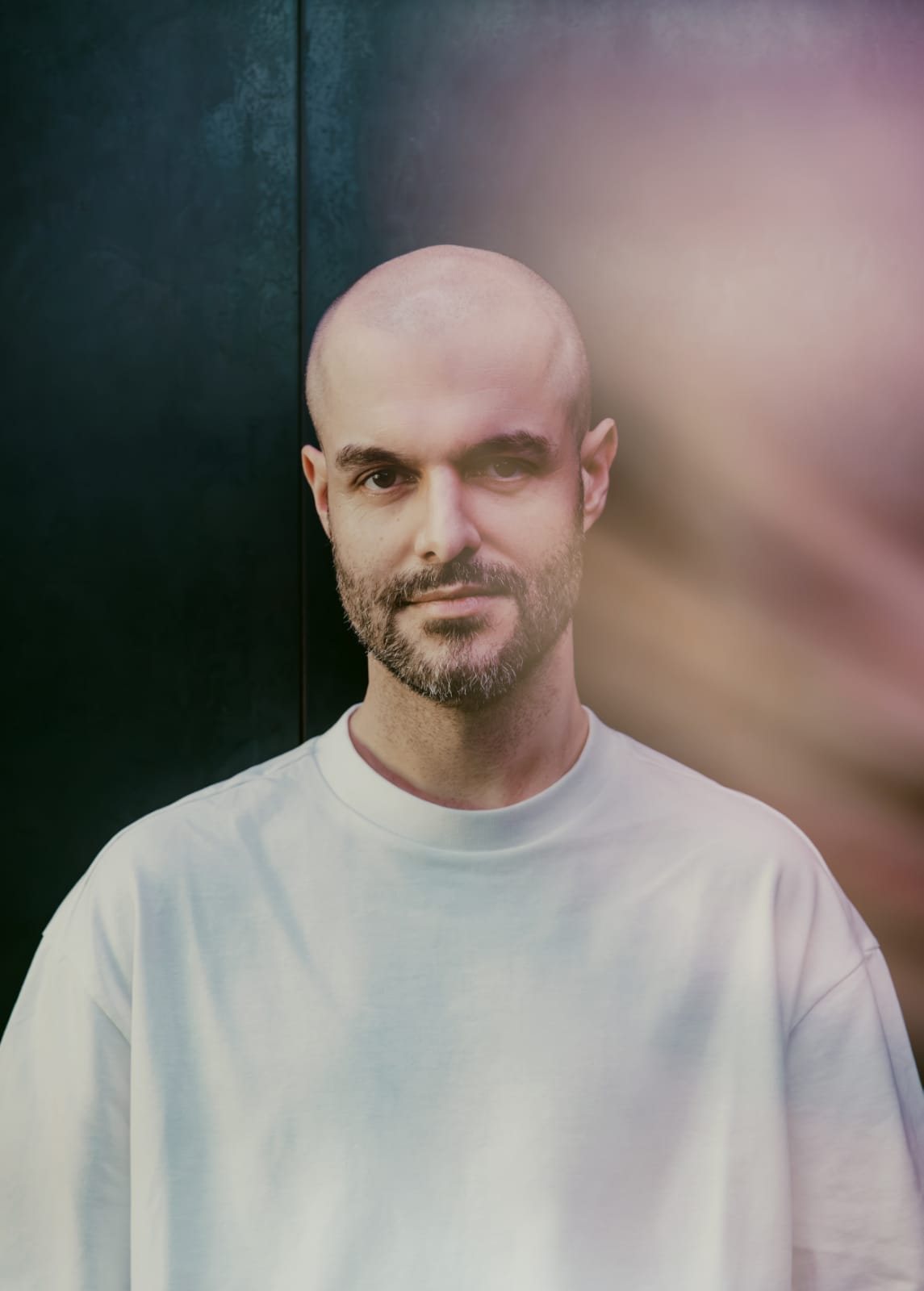

Pochi artisti possono parlare dell’evoluzione della techno contemporanea con la stessa autorevolezza di Kr!z.
Attraverso Token Records, una delle label più influenti dell’ultimo ventennio, il DJ e producer belga ha contribuito senz’altro a preservare una visione della techno fondata su profondità e identità. Un’ idea che per Kr!z è riuscita sempre a sovrastare le dinamiche effimere che spesso dominano il settore.
Ad Azimut abbiamo avuto l’occasione di discutere con lui del valore dei trend, della ritrovata importanza del mercato del vinile e popolarità e del ruolo che una label come Token può ancora avere nel plasmare il futuro del genere. Ne è nata una conversazione onesta sul passato e sul futuro della techno. Buona lettura!
Benvenuto su Parkett Kr!z. Presto suonerai all’Azimut. È la prima volta che ti esibisci nel club o ci sei già stato? Più in generale, che tipo di rapporto hai sviluppato con l’Italia nel corso della tua carriera?
Ciao a tutti! Sì, è la prima volta che suono all’Azimut ed è anche la prima volta che visito Torino. Ho sempre avuto un grande apprezzamento per l’Italia e per la sua scena. Ho suonato in tutto il Paese dall’inizio della mia carriera, ho lavorato con diversi artisti italiani su Token e, ovviamente, sono un grande fan del cibo.
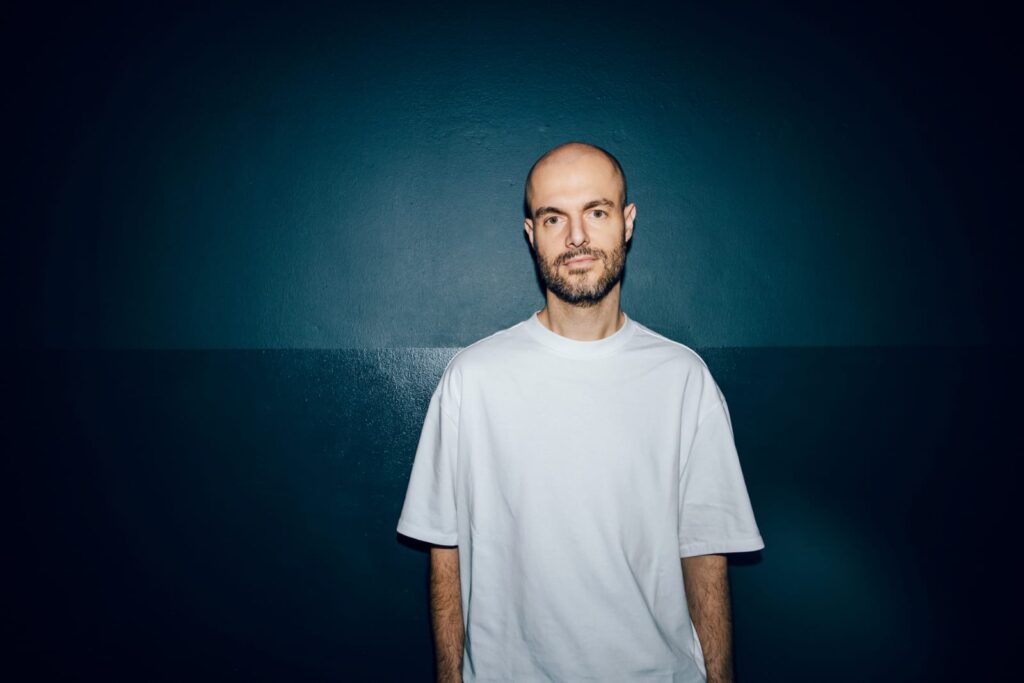
Senti Kr!z, possiamo assolutamente dire che sei uno dei pochi artisti che ha mantenuto un’identità artistica estremamente coerente per oltre due decenni. Oggi, tra tendenze in rapido cambiamento, come riesci a mantenere una visione chiara senza diventare prevedibile?
Credo che tutto stia nell’amare ciò che fai e nel continuare a sentirti appassionato. Non ho nulla contro le tendenze e le osservo, ma non mi interessa seguirle: seguo solo il mio gusto personale. Sono cresciuto negli anni ’90 con un tipo di techno classica e senza tempo, che è ancora oggi la base di ciò che amo e suono. Penso che questo tipo di techno sopravviverà a qualsiasi moda.
Hai spesso descritto il DJing come la principale fonte di ispirazione per le tue produzioni. Dopo tanti anni dietro la console, cosa continua ancora a sorprenderti della pista da ballo e a nutrire la tua creatività in studio?
Onestamente, ogni weekend è una sorpresa. Nessun pubblico è mai uguale a un altro, nemmeno nello stesso club. Dopo tutti questi anni, sento ancora di migliorare: sto ancora cercando di diventare più bravo nel leggere il pubblico e nel scegliere la musica giusta al momento giusto. Il lavoro non finisce mai.
Per quanto riguarda lo studio, è simile: sento di avere ancora molta strada da fare e molte cose da provare. Ho ancora molta fame, non sono mai soddisfatto.
Token ha sempre avuto un’identità distintiva evitando però l’uniformità stilistica. Quando ascolti demo, quali elementi ti fanno capire subito che un artista ha trovato una propria voce autentica?
Può trattarsi di molte cose: la scelta dei suoni, il modo in cui vengono processati, l’uso degli effetti, oppure anche il mix o l’arrangiamento. Mi piace quando gli artisti sono coerenti nel portare avanti le proprie idee e non copiano ciò che è di moda. Sono una persona piuttosto testarda, quindi apprezzo quando sento una certa testardaggine anche nei demo. Può non coincidere sempre con i miei gusti come A&R di Token, ma rispetto molto chi porta avanti la propria visione.
Molti produttori emergenti sembrano sempre più concentrati sull’ottenere visibilità e riconoscimento nel più breve tempo possibile. Guardando al tuo percorso, qual è la lezione più importante che hai imparato sul costruire una carriera sostenibile e gestire un’etichetta indipendente nel lungo periodo?
Ognuno ha il proprio percorso. Guardando il mio, direi che la costanza mi ha aiutato molto. Quando fai qualcosa con passione per tanto tempo, anche se non è sempre popolare, alla lunga le persone lo rispettano. Vale sia per la label che per la mia attività di DJ. Non c’è mai stata una grande strategia dietro, ma sembra aver funzionato così.
Oggi viviamo se sei d’accordo un contesto culturale sempre più dominato da immediatezza, streaming e algoritmi. Tu Kr!z continui a sostenere il vinile e la dimensione fisica della musica. Che significato ha per te oggi possedere e vivere la musica come oggetto tangibile?
Per me è soprattutto nostalgia. Sono cresciuto con il vinile e ho passato anni nei negozi di dischi. Amo ancora collezionarlo, in generi diversi. La mia collezione è una parte importante di me, come un’impronta digitale, la mia identità, se ha senso dirlo così. Sono felice che le vendite di vinili per Token vadano ancora bene, perché non sono sicuro che l’etichetta potrebbe mai essere solo digitale. Non è una critica alle label digitali, per chiarire.
Guardando alla tua evoluzione artistica, qual è un aspetto della tua crescita che il pubblico nota raramente? In che modo la tua comprensione della musica è cambiata più profondamente rispetto agli inizi?
Penso che più tempo passi in questo ambiente, più diventa facile vedere i cicli nella techno o nella musica dance in generale. Tutto ritorna, in un modo o nell’altro, che ti piaccia o no.
Ripensando al percorso di Kr!z e guardando al futuro di Token, quale tipo di eredità vorresti lasciare alla comunità della musica elettronica?
La musica è l’eredità. Sono molto orgoglioso del catalogo di Token. Tutto ciò che ho pubblicato è nato dall’amore per la musica e dal rispetto per gli artisti. Questo era l’ethos all’inizio e lo è ancora oggi. La qualità è ciò che conta di più. Non mi interessa molto il concetto di “legacy”: sarà il pubblico a deciderlo.
Ultima domanda. Se potessi trascorrere una giornata in studio con un artista che ha segnato la tua immaginazione musicale, non necessariamente per collaborare, ma solo per osservare il suo processo creativo ad esempio, chi sceglieresti e cosa vorresti imparare?
Due geni di generi diversi, ma entrambi di Detroit: Jeff Mills e J Dilla. Non tanto per imparare qualcosa di tecnico, quanto per essere una mosca sul muro e osservare l’energia creativa che li ha portati a produrre musica senza tempo negli anni ’90. Hanno creato molti dei miei dischi preferiti e sono tra i più grandi di sempre.
ENGLISH VERSION
Few artists can speak about the evolution of contemporary techno with the same authority as Kr!z.
Through Token Records, one of the most influential labels of the past two decades, the Belgian DJ and producer has undoubtedly helped preserve a vision of techno rooted in depth, authenticity, and a strong artistic identity. For Kr!z, this vision has consistently prevailed over the fleeting dynamics and short-lived trends that often dominate the industry.
At Azimut Torino, we had the opportunity to sit down with him and discuss the value of trends, the renewed importance of the vinyl market, the impact of popularity, and the role a label like Token can still play in shaping the future of the genre.
The result is an honest and insightful conversation about both the past and the future of techno. Enjoy the read!
Welcome to Parkett, Kr!z. You’ll be playing at Azimut soon. Is this your first time performing at the club, or have you been there before? More generally, what kind of relationship have you developed with Italy throughout your career?
Hey. Yes, it’s my first time at Azimut and even my first time visiting Torino. I have always been very fond of Italy and its scene. I’ve played all over the country since the start of my career, worked with several Italian artists on Token and of course am a big fan of the food.
Kr!z, it’s fair to say that you’re one of the few artists who has maintained an exceptionally consistent artistic identity for more than two decades. In today’s landscape of rapidly shifting trends, how do you manage to stay true to a clear vision without becoming predictable?
I think it’s all about loving what you do and still feeling passionate about it. I have nothing against trends and I do pay attention to what is happening out there, but I don’t really care about following anything else other than my personal taste. I grew up in the nineties with a kind of classic and timeless techno sound which is still the base of what I like and play. I think this type of techno will survive any trend.
You’ve often described DJing as the main source of inspiration for your productions. After so many years behind the decks, what still surprises you about the dancefloor and continues to fuel your creativity in the studio?
Honestly, every weekend is a surprise. No crowd is ever the same, not even at the same club. After all these years, I still feel I’m getting better. I’m still striving to be better at reading crowds and picking the right music for the right moments. The job is never done.As for the studio part, the answer is a bit similar. I feel I still have a lot of ground to cover, things to try. I’m still feeling very hungry, never content.
Token has always had a distinctive identity while avoiding stylistic uniformity. When listening to demos, what are the elements that immediately tell you an artist has found their own authentic voice?
It could be many different things: the choice of synth sounds, the way of processing them, use of fx, even simply the mixdown or arrangement of a track could be artistic. I like it when artists are consistent in pushing their own ideas and not copying whatever is popular at the moment. I’m quite a stubborn person so I like it when I hear some stubborness in demo’s. It may not always align with my taste as a Token a&r, but I respect it a lot when an artist pursues his or her vision.
Many emerging producers seem increasingly focused on gaining visibility and recognition as quickly as possible. Looking back at your own journey, what is the most important lesson you’ve learned about building a sustainable career and running an independent label over the long term?
Everyone has their own journey. Looking back on mine, I would say being consistent helped my career a lot. When you do something passionately for a long time, no matter if it’s popular, in the long run people will respect you for it. That goes for both the label and my DJ profile. There was never any big strategy behind it, but it seems to have worked out like that.
Today, would you agree that we live in a cultural landscape increasingly shaped by immediacy, streaming platforms, and algorithms? You continue to champion vinyl and the physical dimension of music. What does it mean to you today to own and experience music as a tangible object?
For me personally, it’s nostalgia. I grew up with it, and spent years in record shops. I still love to collect vinyl, in different genres. My vinyl collection is a big part of me. Like it’s a fingerprint, my identity, if that makes any sense. I’m happy vinyl sales for Token are still going strong, because I’m not sure the label could ever be digital only. That’s not a diss to digital only labels, to be clear.
Looking back at your artistic evolution, what is one aspect of your growth that audiences rarely notice? How has your understanding of music changed most profoundly since the beginning of your career?
I think the longer you’re in it, the easier it is to take a step back and see the cycles in techno, or dance music in general. Everythings comes back in some sort of form, whether you like it or not.
Reflecting on your journey as Kr!z and looking ahead to Token’s future, what kind of legacy would you like to leave within the electronic music community?
The music is the legacy. I’m very proud of the Token discography. Everything I released came from a place of love for the music and respect for the artists. That was the ethos in the beginning and it’s the ethos still. The quality is there, that’s the most important. I don’t really care about legacy all that much. That’s for other people to decide.
One final question. If you could spend a day in the studio with an artist who has profoundly shaped your musical imagination, not necessarily to collaborate, but simply to observe their creative process, who would you choose, and what would you hope to learn?
2 geniuses in different genres, but both from Detroit: Jeff Mills & J Dilla. Not necessarily to learn anything technically, but to be a fly on the studio wall and capture some of the creative energy that made them produce all this timeless music in the 90’s. They made a lot of my favorite records and are some of the greatest to ever do it.