
Nicodemo torna su Alzaya Records con “You Are Sleeping” il 10 giugno 2026, un EP che esplora tempo, spazio e percezione attraverso un linguaggio elettronico capace di muoversi tra introspezione e club culture. Abbiamo intervistato il producer calabrese per parlare del processo creativo del disco, della nascita di Alzaya, del progetto Somewhere e del rapporto tra musica, territorio e comunità.
“You Are Sleeping“, il nuovo EP di Nicodemo, è un lavoro che si muove per sottrazione, lasciando che siano le sfumature, gli spazi e le trasformazioni impercettibili a guidare l’ascolto.
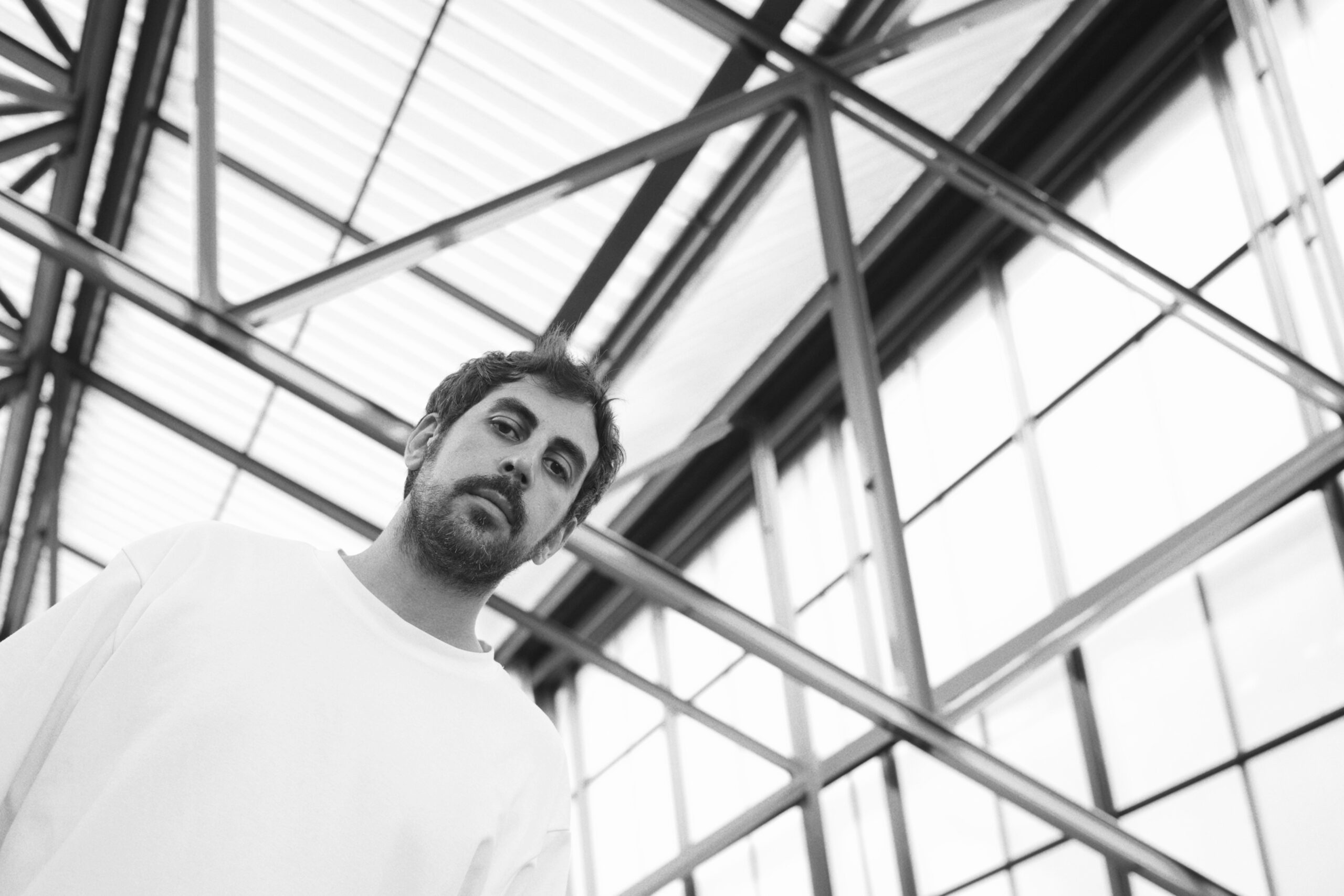
Conosciuto come Nicodemo, Vincenzo Bilotti è un producer e DJ calabrese che negli ultimi anni ha costruito un percorso personale tra produzione musicale, curatela e progettazione culturale, affermandosi come una delle voci più interessanti della scena elettronica italiana contemporanea.
Dalle esperienze con Le Cannibale alla fondazione di Somewhere, fino alla nascita di Alzaya Records insieme a Volantis, Nicodemo ha sviluppato una visione che guarda alla musica elettronica come occasione di incontro, sperimentazione e costruzione culturale.
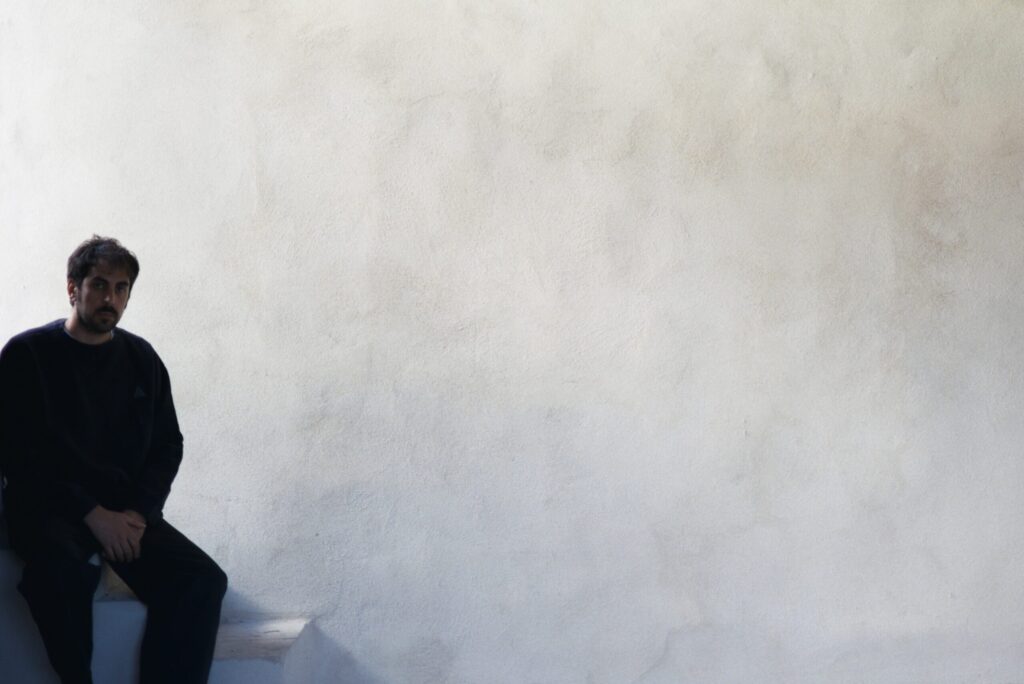
Ne emerge il ritratto di un artista che costruisce, progetto dopo progetto, un linguaggio personale in cui produzione, curatela e ricerca procedono nella stessa direzione.
Anche “You Are Sleeping” sembra nascere da questa visione: un disco che invita l’ascoltatore ad abitare il suono, lasciando che siano il tempo, lo spazio e la percezione a guidarne l’esperienza.
L’EP è composto da cinque tracce. Più che affidarsi a strutture tradizionali, il disco costruisce un ascolto graduale, fatto di profondità, riverberi, frammenti vocali e piccoli mutamenti che modificano lentamente la percezione dell’ascoltatore. Un lavoro in cui convivono suggestioni house, influenze e una sensibilità ambient e psichedelica, senza rinunciare a una pulsazione costante.
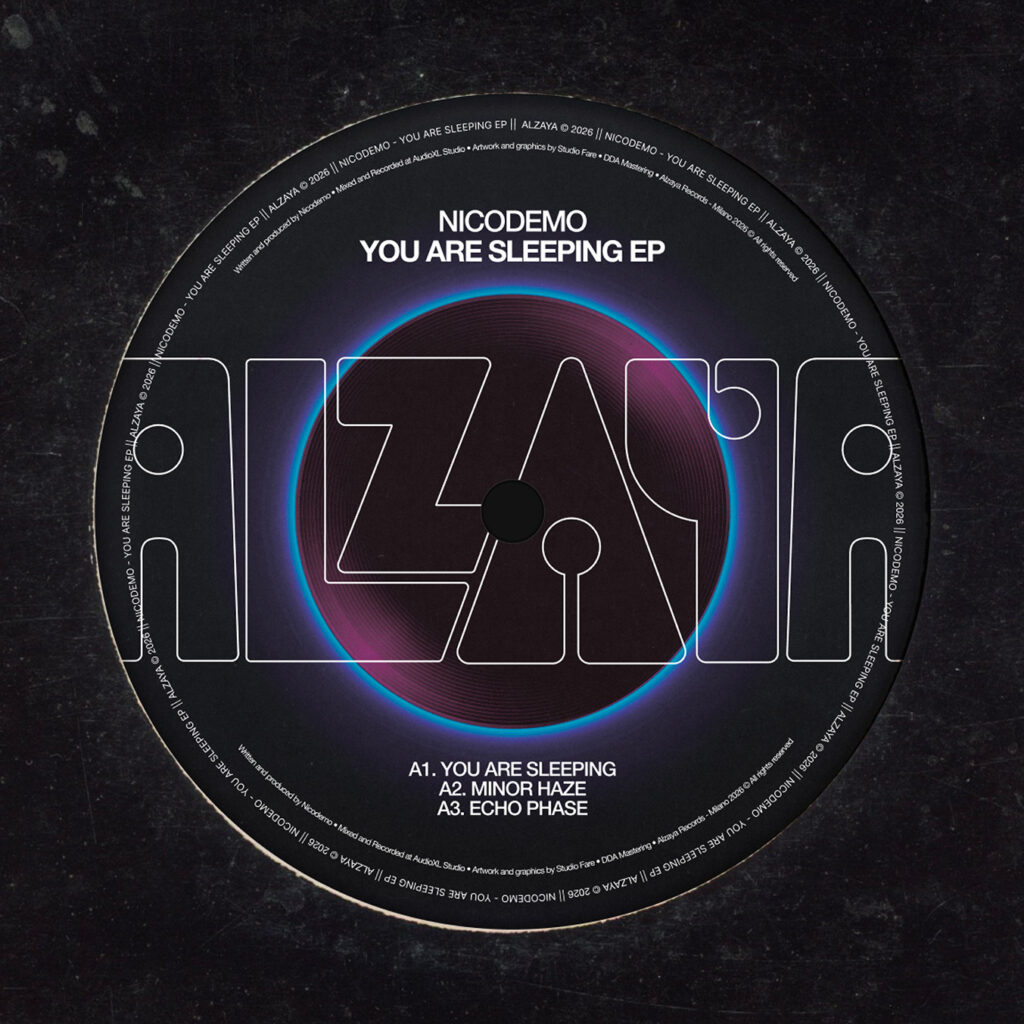
A1. Nicodemo – You Are Sleeping
A2. Nicodemo – Minor Haze
A3. Nicodemo – Echo Phase
B1. Nicodemo – You Are Sleeping (Domenico Rosa Remix)
B2. Nicodemo – Echo Phase (Aldonna Remix)
Invece di seguire una tradizionale dinamica di tensione e rilascio, il disco di Nicodemo costruisce un ascolto graduale, in cui tempo, profondità e spazio diventano parte integrante dell’esperienza. Le versioni firmate da Domenico Rosa e Aldonna ampliano ulteriormente questa ricerca, offrendo due riletture capaci di reinterpretarne atmosfere e prospettive.
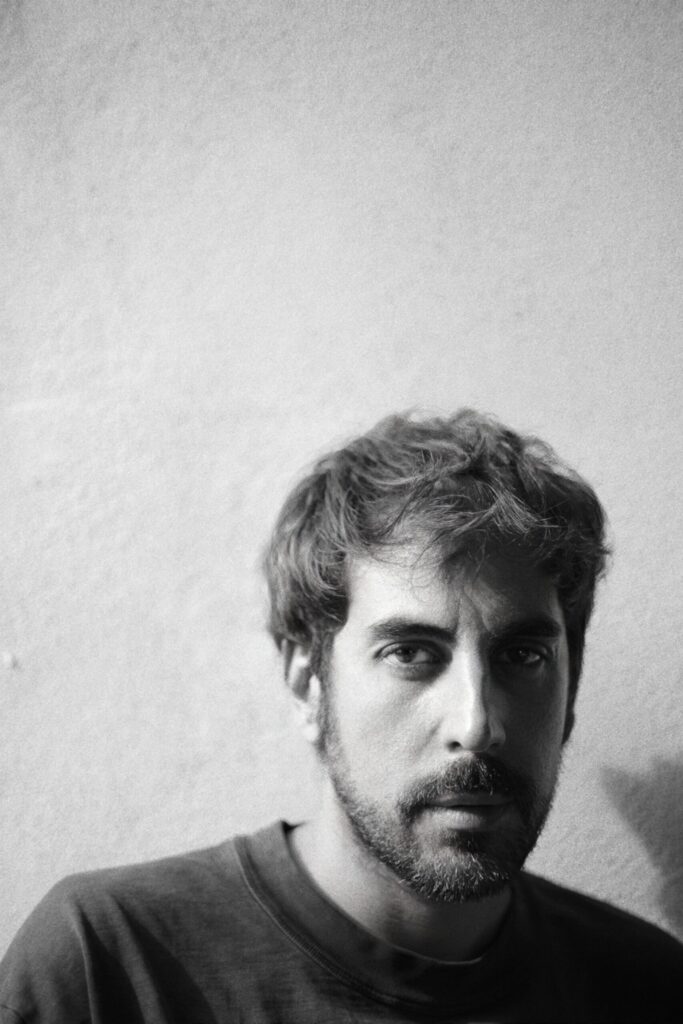
Ciao Vincenzo, è un piacere averti qui con noi di Parkett! Come si è sviluppato il processo creativo di “You Are Sleeping”? In questo disco sembra contare meno il punto di arrivo e più il modo in cui l’ascoltatore attraversa il percorso.
Grazie a voi per l’invito. In effetti il processo creativo di “You Are Sleeping” è stato molto più legato al viaggio che alla destinazione. Non sono partito con l’idea di scrivere tracce orientate a una funzione precisa o a un contesto specifico. Mi interessava lavorare sulla percezione del tempo, su piccoli cambiamenti che emergono lentamente e modificano il modo in cui si ascolta un brano.
Molte delle idee sono nate da sessioni molto libere in studio, lasciando che i suoni trovassero il loro equilibrio senza forzare una direzione. Mi piace quando la musica non rivela tutto immediatamente ma invita ad abitare uno spazio, a perdersi e ritrovarsi al suo interno.
“You Are Sleeping” sembra evocare una condizione mentale, il titolo e l’atmosfera sembrano ruotare attorno ad una dimensione di sospensione percettiva. Da dove nasce questa idea?
Il titolo nasce proprio da questa sensazione di stare in una zona di confine tra presenza e assenza, tra attenzione e abbandono. Non è necessariamente legato al sonno nel senso letterale del termine, ma a quello stato in cui la percezione si altera leggermente e il rapporto con il tempo cambia.
Mi affascinano quei momenti in cui non è chiaro se si stia osservando qualcosa dall’esterno o se si sia già completamente immersi al suo interno. L’EP prova a raccontare questa ambiguità.
Quanto conta per te lo spazio nella costruzione di un brano? In tracce come “Echo Phase” sembra quasi diventare uno strumento a sé, anche i sample vocali sembrano perfettamente parte integrante.
Conta moltissimo. Spesso considero lo spazio come uno strumento vero e proprio. Mi interessa tanto ciò che accade tra i suoni quanto i suoni stessi. Riverberi, delay e stratificazioni servono a costruire profondità e a suggerire una dimensione quasi fisica.
Anche le voci vengono trattate in questo modo: raramente le utilizzo come elemento narrativo. Mi piace che diventino pasta sonora, presenze che emergono e scompaiono contribuendo all’atmosfera complessiva del brano.
L’EP richiama il mondo della dub: si percepisce una certa attenzione per profondità, eco e riverberi. Cosa ti interessa maggiormente di questo linguaggio?
Sono sempre stato affascinato dal modo in cui delay e riverberi, nel linguaggio della dub, smettono di essere semplici effetti e diventano strumenti compositivi, capaci di creare profondità, movimento e una vera percezione dell’atmosfera. Non definirei però “You Are Sleeping” un disco dub. Piuttosto, alcuni elementi di quel linguaggio fanno parte del mio modo di lavorare sul suono e convivono con influenze diverse, dalla house più ipnotica a una certa sensibilità ambient e psichedelica.
Della dub mi interessa soprattutto l’idea di trasformazione continua. Con pochi elementi è possibile creare mondi molto complessi e dinamici. È un linguaggio che lavora sulla sottrazione e sulla profondità più che sull’accumulo, dove anche il vuoto diventa parte integrante della composizione e piccoli interventi possono cambiare radicalmente la percezione di un brano.
Sicuramente questa sensibilità è emersa in modo naturale anche nel disco. Credo abbiano influito, almeno in parte, le ultime collaborazioni di Alzaya al NAMA con Mega Basic, Local Service e Vena Platform, tre progetti che, pur con linguaggi differenti, condividono un’attenzione particolare al suono, allo spazio e alla costruzione di atmosfere immersive. Tutte queste
influenze si sono mescolate senza un’intenzione precisa, diventando parte della pasta sonora di “You Are Sleeping” e del mio modo di pensare la musica più in generale.
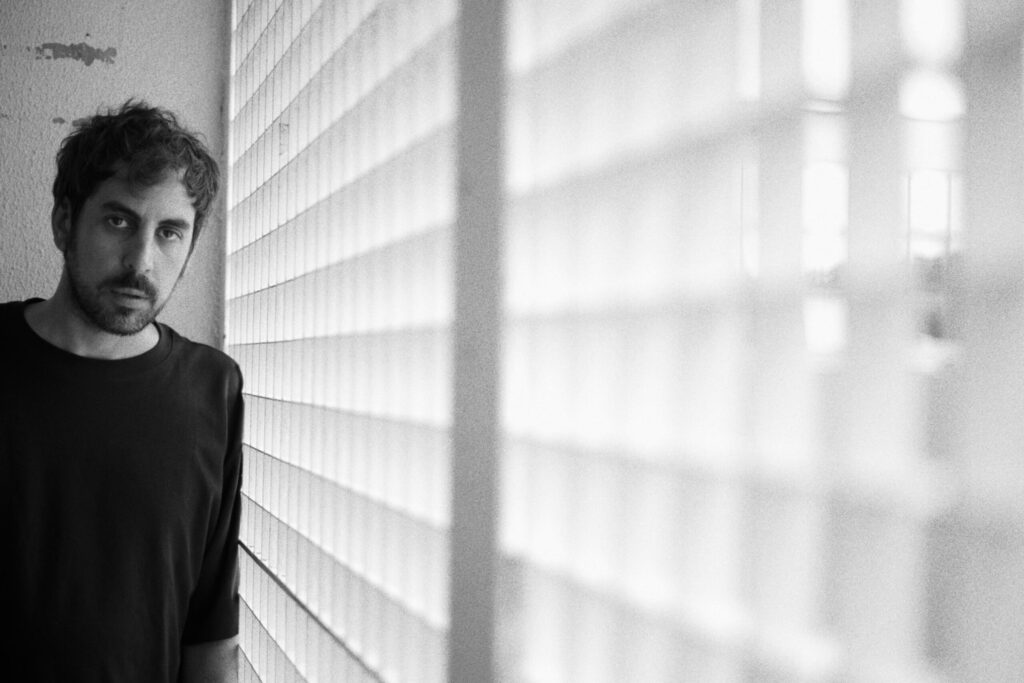
“You Are Sleeping” sembra invitare ad un ascolto privato, quasi onirico, pur mantenendo una pulsazione costante. Come convivono per te ascolto interiore ed esperienza condivisa in pista?
Per me non esiste una separazione netta. Le esperienze più intense che ho vissuto in pista sono sempre state anche esperienze molto personali e introspettive. La musica elettronica ha questa capacità unica di creare uno spazio collettivo in cui ognuno vive qualcosa di profondamente individuale.
Per me conta molto il flusso che si crea tra una traccia e l’altra. Più che il BPM o l’atmosfera in sé, è la loro successione a determinare il modo in cui vengono percepite. Credo che qualsiasi suono, anche il più introspettivo o apparentemente distante dalla dimensione del club, possa diventare esperienza collettiva se arriva nel momento giusto e nel contesto giusto.
Da Le Cannibale a Somewhere fino ad Alzaya Records, hai attraversato diverse fasi della scena elettronica e suonato in contesti molto diversi tra loro, dal Tempio del Futuro Perduto ad altre realtà della scena europea come il Renate. Come è cambiato il tuo modo di concepire la cultura del club negli anni? Quanto il luogo e il pubblico influenzano il
modo in cui immagini e costruisci la tua musica?
Negli anni ho capito che ciò che mi interessa maggiormente non è tanto il club come spazio fisico, ma il club come luogo di incontro e di costruzione culturale. Ho avuto la fortuna di vivere realtà molto diverse tra loro e ognuna mi ha insegnato qualcosa.
Le Cannibale mi ha dato una grande apertura musicale e una forte attenzione alla ricerca. Somewhere mi ha insegnato il valore della costruzione di una comunità e del rapporto con il territorio. Alzaya rappresenta invece uno spazio di libertà creativa dove possiamo sviluppare una visione artistica senza compromessi.
Un’esperienza particolarmente importante è stata quella al Tempio del Futuro Perduto. Essere resident e parte attiva di una realtà così dinamica mi ha permesso di crescere molto, non solo come DJ ma anche nel modo di concepire la musica e la comunità che si crea attorno ad essa.
Anche le esperienze all’estero hanno avuto un’influenza importante sul mio percorso. Mi ha sempre colpito, soprattutto in alcune realtà del Nord Europa, la curiosità e la predisposizione all’ascolto con cui le persone si avvicinano alla musica. Spesso si percepisce una forte voglia di approfondire, di scoprire nuovi linguaggi e di lasciarsi sorprendere, senza necessariamente ricercare ciò che è più immediato o riconoscibile. È un atteggiamento che trovo molto stimolante e che ha influenzato anche il mio modo di selezionare e produrre musica.
Il contesto influenza sempre la musica che faccio, ma non nel senso di adattarla a un luogo specifico. Piuttosto cerco di assorbire le energie, le persone e le storie che incontro e lasciare che entrino naturalmente nel mio lavoro.
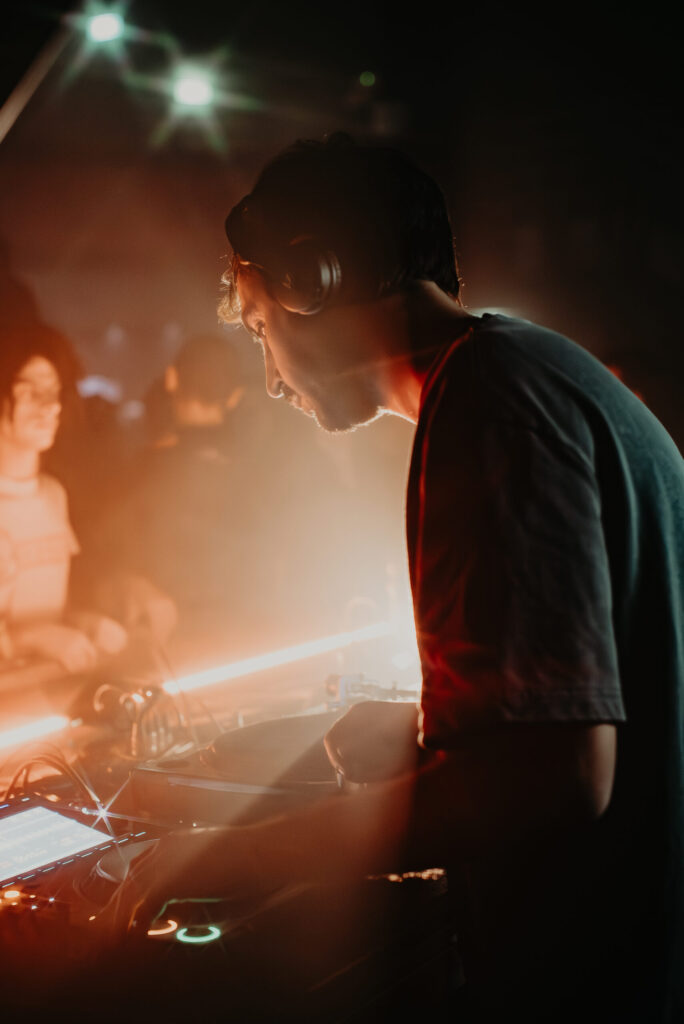
Somewhere prende forma tra la Calabria e alcuni dei luoghi più evocativi d’Italia. Qual è il tuo rapporto con la Calabria? Che cosa ti ha lasciato questa esperienza come artista e come curatore? Quanto è importante, oggi, il rapporto tra musica e territorio?
La Calabria è il luogo da cui provengo e continua ad essere una parte fondamentale della mia identità. È una terra complessa, piena di contrasti, ma anche di possibilità ancora inespresse.
Con Somewhere abbiamo cercato di costruire connessioni tra la scena elettronica contemporanea e territori che spesso restano fuori dalle principali rotte culturali. Credo molto nell’idea che la musica possa generare nuove forme di relazione con i luoghi e contribuire a raccontarli in modo diverso.
Negli anni abbiamo portato artisti internazionali in contesti in cui normalmente non sarebbero arrivati e, allo stesso tempo, abbiamo cercato di raccontare il territorio attraverso una prospettiva contemporanea. Oggi il rapporto tra musica e territorio è ancora fondamentale. In un momento in cui tutto tende ad assomigliarsi, mantenere un legame autentico con il luogo da cui si proviene può diventare una risorsa creativa molto preziosa.
Nel 2020 hai fondato Alzaya Records insieme a Volantis. Come è nata l’idea di creare un’etichetta e un collettivo? Quale visione volevate portare nella scena elettronica italiana?
Alzaya è nata dal desiderio di creare una piattaforma aperta a sonorità che spesso trovavano poco spazio nelle categorie più tradizionali della musica elettronica. Con Volantis condividevamo l’idea di costruire qualcosa che fosse contemporaneamente etichetta, collettivo e spazio di ricerca.
Non avevamo l’ambizione di definire un genere preciso, ma piuttosto di creare un contesto in cui artisti diversi potessero dialogare liberamente. Ancora oggi cerchiamo di seguire questa direzione, privilegiando personalità artistiche forti rispetto alle tendenze del momento e costruendo una rete che unisce musica, eventi e ricerca culturale.
Guardando oltre “You Are Sleeping”, quali sono i progetti e le direzioni che ti piacerebbe sviluppare nei prossimi anni?
Mi piacerebbe continuare ad approfondire il rapporto tra musica elettronica, territorio e dimensione culturale. Da un lato voglio dedicare più tempo alla produzione e sviluppare un linguaggio sempre più personale; dall’altro continuare a far crescere progetti che mettano in dialogo artisti, comunità e luoghi.
Una cosa che considero molto importante è essere parte attiva di una realtà culturale e musicale, non limitarsi semplicemente a suonare all’interno di un club. È qualcosa che ho vissuto in maniera molto forte durante gli anni al Tempio del Futuro Perduto e che mi ha insegnato il valore di costruire una visione condivisa nel tempo.
Da circa un anno stiamo vivendo una sensazione simile con Alzaya attraverso la nostra residency al NAMA di Milano. È un contesto in cui ci stiamo trovando molto bene perché ci permette di sviluppare una progettualità continuativa, costruire una relazione con il pubblico e dare continuità a una ricerca artistica che va oltre il singolo evento.
Più che inseguire obiettivi specifici, mi interessa creare contesti in cui possano accadere cose inaspettate. Credo che oggi sia sempre più importante dare vita a luoghi e comunità che abbiano una propria identità e una visione di lungo periodo, ed è una direzione che vorrei continuare a esplorare nei prossimi anni.
ENGLISH VERSION
NICODEMO ON “YOU ARE SLEEPING”: «I LIKE IT WHEN MUSIC DOESN’T REVEAL EVERYTHING IMMEDIATELY»
Nicodemo returns to Alzaya Records with “You Are Sleeping” on June 10, 2026, an EP that explores time, space and perception through an electronic language able to move between introspection and club culture. We spoke with the Calabrian producer about the creative process behind the record, the birth of Alzaya, the Somewhere project, and the relationship between music, territory and community.
“You Are Sleeping“, Nicodemo‘s latest EP, unfolds through subtle gestures, allowing nuances, spatial depth and almost imperceptible transformations to shape the listening experience.
Known as Nicodemo, Vincenzo Bilotti is a Calabrian producer and DJ who, over the past few years, has carved out a distinctive path through music production, curatorial practice and cultural project development, establishing himself as one of the most compelling voices in Italy’s contemporary electronic music scene.
From his early involvement with Le Cannibale to the founding of Somewhere and the launch of Alzaya Records alongside Volantis, Nicodemo has developed a vision of electronic music as a space for connection, experimentation and cultural exchange.
The result is the portrait of an artist who, project after project, continues to shape a personal language in which production, curatorial practice and artistic research move in the same direction.
“You Are Sleeping” reflects this vision: a record that invites the listener to inhabit sound, allowing time, space and perception to guide the experience.
The EP consists of five tracks. Rather than relying on conventional song structures, the record unfolds gradually, shaped by depth, reverb, vocal fragments and subtle sonic shifts that slowly transform the listener’s perception. House influences intertwine with ambient and psychedelic sensibilities, all while maintaining a steady pulse throughout.
Instead of following a traditional tension-and-release dynamic, “You Are Sleeping” creates an immersive listening experience where time, depth and space become essential compositional elements. The remixes by Domenico Rosa and Aldonna further expand this sonic exploration, offering two distinctive reinterpretations that reshape the EP’s atmospheres and perspectives.
Hi Vincenzo, it’s a pleasure to have you with us at Parkett! How did the creative process behind “You Are Sleeping” unfold? Listening to the EP, it feels as though the destination matters less than the journey itself and the way the listener moves through it.
Thank you for having me. The creative process behind “You Are Sleeping“ was very much about the journey rather than the destination. I didn’t set out to write tracks with a specific function or context in mind. Instead, I was interested in exploring the perception of time through subtle changes that gradually emerge and reshape the way a piece of music is experienced.
Many of the ideas came out of very open-ended studio sessions, allowing the sounds to find their own balance without forcing them in any particular direction. I like it when music doesn’t reveal everything immediately, but instead invites the listener to inhabit a space—to get lost in it and eventually find their way back.
“You Are Sleeping” seems to evoke a particular state of mind. Both its title and atmosphere suggest a suspended perceptual state. Where did this idea come from?
The title came from that very feeling of existing in a liminal space, somewhere between presence and absence, attention and surrender. It’s not necessarily about sleep in the literal sense, but rather about that state in which perception subtly shifts and our relationship with time begins to change.
I’m fascinated by those moments when it’s no longer clear whether you’re observing something from the outside or have already become completely immersed in it. In many ways, the EP is an attempt to capture that ambiguity.
How important is space in the way you build a track? On songs like “Echo Phase”, it almost feels like an instrument in its own right, with the vocal samples becoming an integral part of that sonic space.
It matters a great deal. I often think of space as an instrument in its own right. I’m just as interested in what happens between sounds as I am in the sounds themselves. Reverb, delay and layering are all tools for creating depth and suggesting an almost tangible, physical dimension.
I approach vocals in much the same way. I rarely use them as narrative elements; instead, I like them to become part of the sonic texture—presences that emerge and disappear, contributing to the overall atmosphere of the track.
The EP draws on elements of dub, with a clear focus on depth, echo and reverb. What is it about that musical language that resonates most with you?
I’ve always been fascinated by the way delay and reverb, in the language of dub, stop being mere effects and become compositional tools—capable of creating depth, movement and a genuine sense of atmosphere. That said, I wouldn’t describe “You Are Sleeping” as a dub record. Rather, certain elements of that language have become part of the way I approach sound, coexisting with a range of influences, from hypnotic house to ambient and psychedelic sensibilities.
What draws me most to dub is its idea of constant transformation. With just a few elements, it’s possible to create incredibly rich and dynamic worlds. It’s a language built on subtraction and depth rather than accumulation, where even silence becomes an integral part of the composition and the smallest intervention can radically change the way a track is perceived.
That sensibility naturally found its way into this record as well. I think it was shaped, at least in part, by Alzaya’s recent collaborations at NAMA with Mega Basic, Local Service and Vena Platform—three projects that, despite their different approaches, share a deep attention to sound, space and the creation of immersive atmospheres. All of these influences blended together organically, becoming part of the sonic fabric of “You Are Sleeping” and, more broadly, of the way I think about music.
“You Are Sleeping” seems to invite a deeply personal, almost dreamlike listening experience, while still maintaining a steady pulse. How do you reconcile introspective listening with the shared experience of the dancefloor?
I don’t see a clear divide between the two. The most intense experiences I’ve had on the dancefloor have also been deeply personal and introspective. That’s one of electronic music’s unique qualities: its ability to create a shared space where everyone experiences something profoundly individual.
What matters most to me is the flow that develops from one track to the next. More than the BPM or the atmosphere of a single piece, it’s the way they unfold in sequence that shapes how they’re perceived. I believe that any sound, even the most introspective or seemingly far removed from the club environment, can become a collective experience if it arrives at the right moment and in the right context.
From Le Cannibale to Somewhere and Alzaya Records, you’ve experienced different chapters of the electronic music scene and performed in a wide range of settings, from Tempio del Futuro Perduto to European venues such as Renate. How has your understanding of club culture evolved over the years? And how much do the venue and the audience influence the way you imagine and shape your music?
Over the years, I’ve realised that what interests me most isn’t the club as a physical space, but as a place where people come together and culture is created. I’ve been fortunate enough to experience many different realities, and each of them has taught me something valuable.
Le Cannibale opened my ears to a broader musical perspective and instilled a strong commitment to artistic research. Somewhere taught me the importance of building a community and developing a meaningful relationship with the places where we work. Alzaya, on the other hand, has become a space for creative freedom, where we can pursue an artistic vision without compromise.
One particularly formative experience was my residency at Tempio del Futuro Perduto. Being both a resident and an active part of such a dynamic community allowed me to grow enormously, not only as a DJ but also in the way I think about music and the community that forms around it.
My experiences abroad have also had a profound impact on my journey. What has always struck me, especially in parts of Northern Europe, is the curiosity and openness with which people approach music. There’s often a genuine desire to explore, discover new musical languages and embrace the unexpected, rather than simply seeking out what’s familiar or immediately recognisable. I find that attitude incredibly inspiring, and it has influenced the way I both select and produce music.
Context always influences the music I make, though not in the sense of adapting it to a particular place. Rather, I try to absorb the energy, the people and the stories I encounter, allowing them to become a natural part of my work.
Somewhere takes shape between Calabria and some of Italy’s most evocative locations. What is your relationship with Calabria? What has this experience given you, both as an artist and as a curator? And today, how important is the relationship between music and place to you?
Calabria is where I come from, and it remains a fundamental part of who I am. It’s a complex land, full of contrasts, but also rich with possibilities that have yet to be fully explored.
With Somewhere, we’ve tried to build connections between the contemporary electronic music scene and places that often lie outside the country’s main cultural circuits. I strongly believe that music can create new relationships with places and offer new ways of telling their stories.
Over the years, we’ve brought international artists to locations they might never have performed in otherwise, while also trying to present those places through a contemporary lens. Today, the relationship between music and place feels more important than ever. At a time when so much is becoming increasingly homogeneous, maintaining an authentic connection to where you come from can be an incredibly valuable source of creative inspiration.
In 2020, you co-founded Alzaya Records with Volantis. How did the idea of creating both a record label and a collective come about? What vision did you hope to bring to the Italian electronic music scene?
Alzaya was born out of a desire to create a platform for sounds that often found little room within the more traditional categories of electronic music. Volantis and I shared the idea of building something that could be, at the same time, a record label, a collective and a space for artistic research.
Our ambition was never to define a specific genre, but rather to create a context where different artists could engage in an open dialogue. That’s still the direction we’re pursuing today, choosing strong artistic identities over passing trends and building a network that brings together music, events and cultural research.
Looking beyond “You Are Sleeping”, what projects and creative directions would you like to pursue over the coming years?
I’d like to continue exploring the relationship between electronic music, place and cultural practice. On one hand, I want to dedicate more time to music production and further develop an increasingly personal artistic language. On the other, I’d like to keep expanding projects that bring artists, communities and places into dialogue.
One thing I consider particularly important is being an active part of a cultural and musical community, rather than simply performing in a club. I experienced this very strongly during my years at Tempio del Futuro Perduto, where I learned the value of building a shared vision over time.
For about a year now, we’ve been experiencing something similar with Alzaya through our residency at NAMA in Milan. It’s a context where we feel very much at home because it allows us to develop long-term projects, build an ongoing relationship with our audience and give continuity to an artistic vision that extends beyond the individual event.
Rather than chasing specific goals, I’m interested in creating contexts where unexpected things can happen. I believe it’s becoming increasingly important to foster places and communities with a strong identity and a long-term vision, and that’s the direction I’d like to continue exploring in the years ahead.