
L’8 e il 9 agosto 2026 abbiamo partecipato al MAGMA Festival di Berlino. Ecco il nostro report.
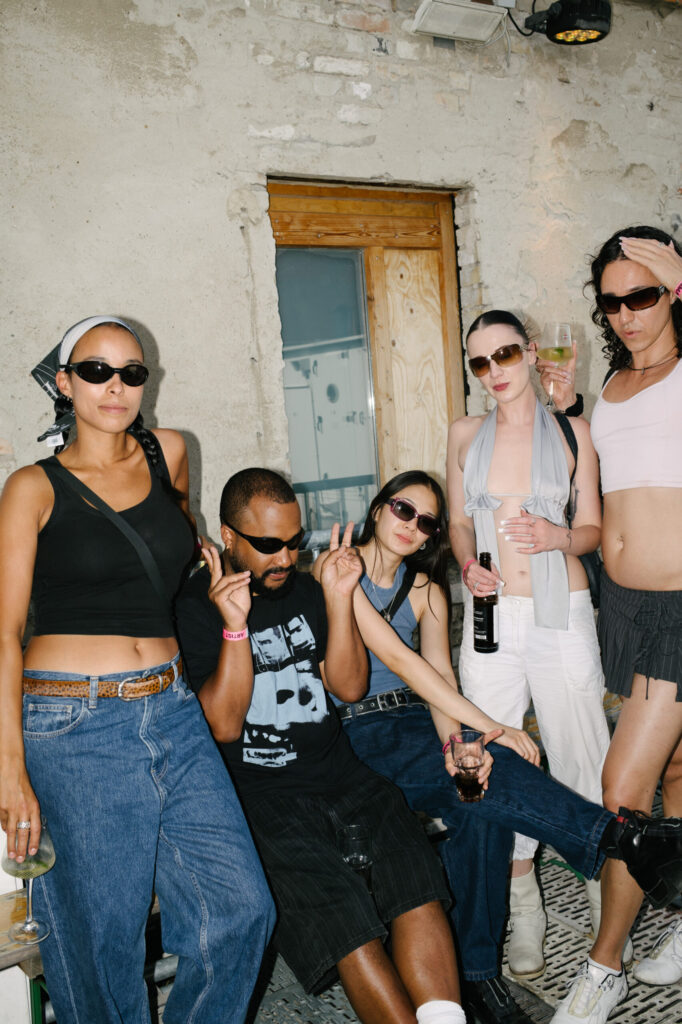
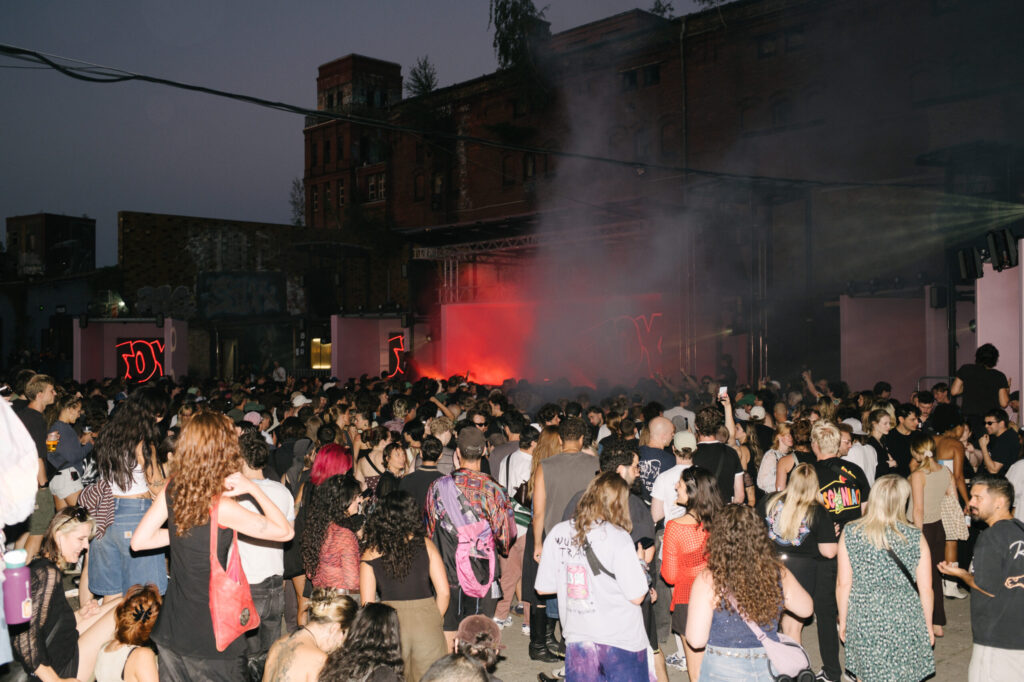
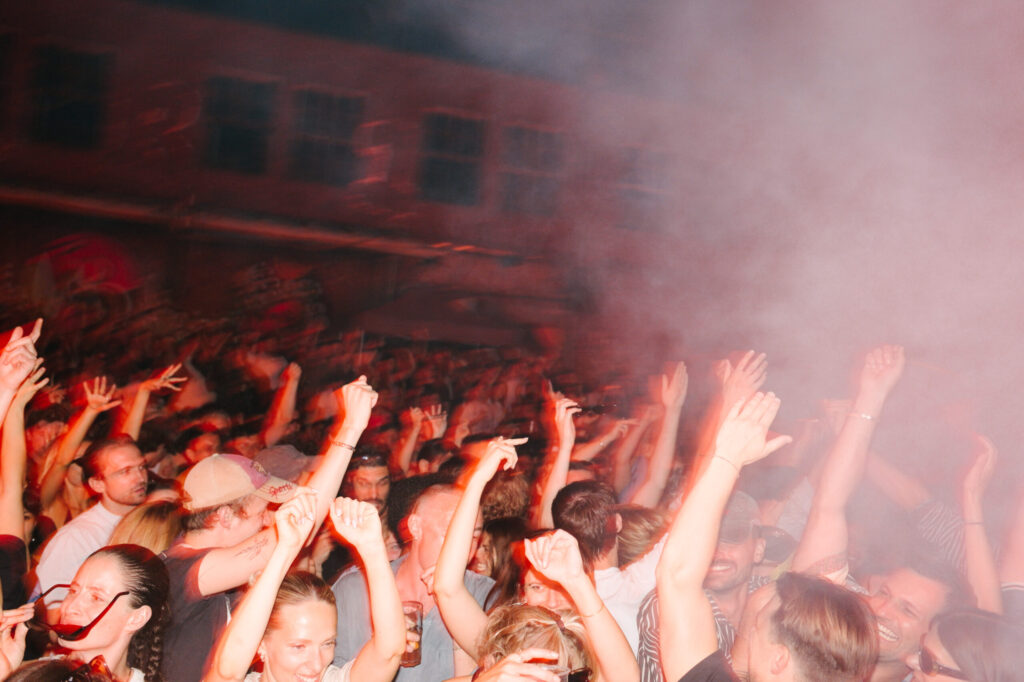
Qualcun* in camicia, chi con la scritta “Juicy” sulle ciappett, qualche hipsterone berlinese con le Birkenstock, tante Salomon — probabilmente gli over 30 già in balia di una crisi di mezza età — outfit indie sleaze, pochi look “dark” stereotipati da raver e anche qualche tacco 10. Immaginate così una Polaroid del pubblico del MAGMA Festival: un piccolo catalogo delle sottoculture e degli stili che convivono a Berlino, black leather e catene escluse. Ci tengo a scriverlo perché la scena musicale berlinese ha molto più della sola techno da offrire e, forse, da fuori non è sempre così evidente.
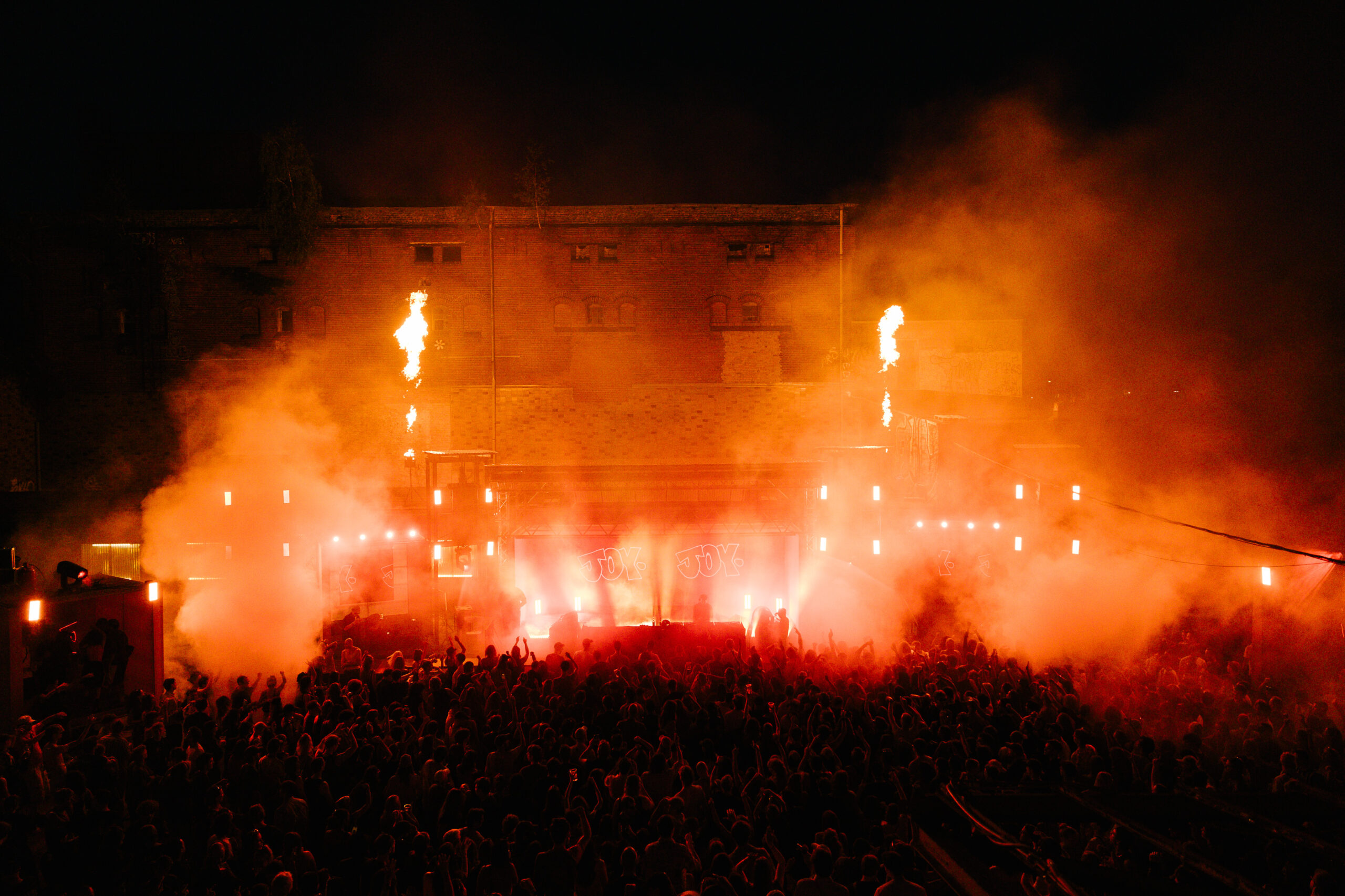
L’8 e 9 agosto MAGMA Festival è tornato, quindi, per la sua seconda edizione negli spazi di RSO.Berlin, occupando i due stage VALLEY e OPAN con una line-up in cui house, techno e bass music convivevano senza troppi problemi con R&B, hyperpop, indie e dance-punk.
Più che rappresentare una scena precisa, MAGMA sembra voler fotografare il modo in cui ascoltiamo musica oggi, ergo poca fedeltà alle genealogie e molta voglia di saltare da un club tool a una hit pop.
Anche RSO, in fondo, funziona bene come sfondo. Il club è nato nel 2021 dal team di Griessmuehle dopo la chiusura dello storico spazio di Neukölln e occupa oggi parte dell’ex complesso industriale della Bärenquell, a Niederschöneweide. Una vecchia fabbrica di birra diventata spazio per la club culture, tra aree indoor, open air e un sistema audio Kirsch Audio.
Pensandoci, prendere qualcosa appartenuto a un altro Zeitgeist, spostarlo di contesto e farlo funzionare di nuovo è più o meno quello che è successo durante molte performance del weekend.
Il duo Headache, presente al MAGMA, ha diviso il proprio set in “chapters”. Farò lo stesso per questo report.
Chapter I — Headache e l’internet footprint
Uno dei momenti più “stranianti” del sabato arriva già alle quattro del pomeriggio, con Headache.
Il progetto unisce la produzione di Vegyn, le parole del poeta Francis Hornsby Clark e una voce AI incaricata di recitarle. Non è propriamente un live elettronico e non è nemmeno spoken word. È più una specie di teatro dell’internet footprint. Una voce senza corpo parla di solitudine, desiderio e piccole cose quotidiane mentre pezzi di cultura pop entrano ed escono dal set come schede lasciate aperte sul browser.
A MAGMA, “Eyes Without a Face” di Billy Idol, “How Soon Is Now?” degli Smiths e “It Ain’t Over ’Til It’s Over” di Lenny Kravitz finiscono tutti dentro lo stesso flusso.
Ed è probabilmente questo il punto. Headache restituisce molto bene quella sensazione ormai normalissima di avere tutta la cultura pop contemporaneamente disponibile nella propria testa. Billy Idol può convivere con gli Smiths, Lenny Kravitz con Playboi Carti e The Weeknd, un ricordo di MTV con una roba vista su TikTok mezz’ora fa. E poi arriva, inevitabilmente, la meme culture.
A un certo punto compare perfino “Nothing beats a Jet2 holiday”, uno dei tormentoni social del 2025. Difficile capire esattamente dove finisca il genio e dove inizi il cringe. Ma del resto i millennial, in questo, sono dei master.
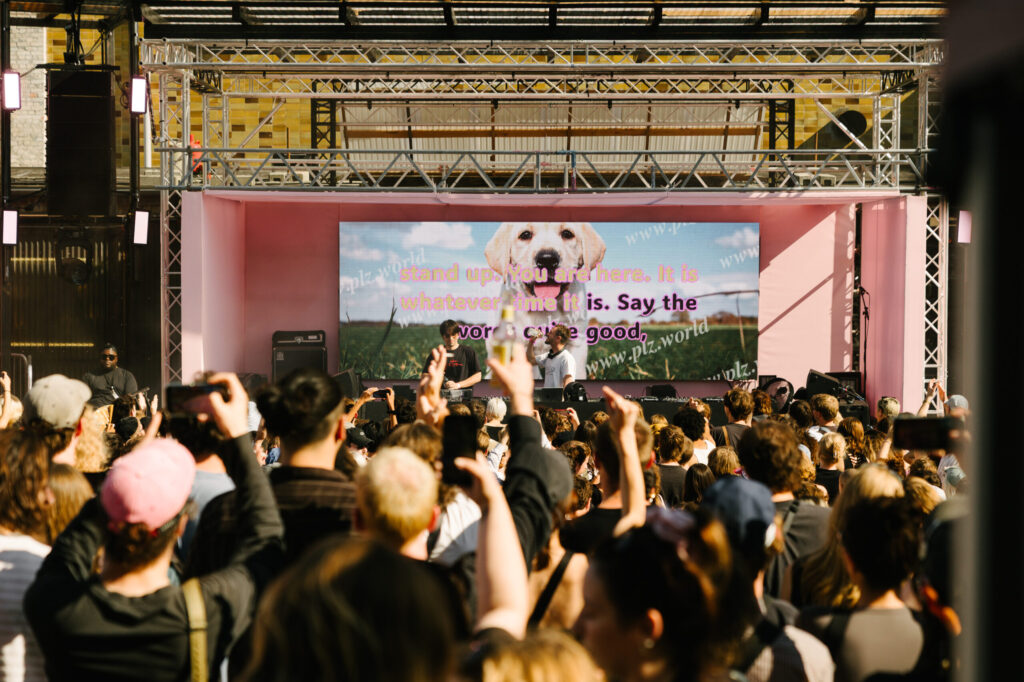
C’è qualcosa di molto domestico nell’estetica di Headache. Sembra musica fatta da persone che hanno passato una quantità (forse) poco sana di tempo a casa davanti a uno schermo, saltando tra rabbit hole di YouTube, forum, videogiochi, playlist e meme.
Per certi versi ricorda l’approccio trickster dei Two Shell, solo molto meno frenetico. Headache non vuole tanto sabotare il club: vuole trasformarlo nella cronologia del vostro browser. Che forse sarebbe meglio non far vedere a nessuno.
Chapter II — Dal bedroom R&B all’hardcore continuum
Poco dopo, con Erika de Casier si esce un po’ dall’internet rabbit hole di Headache e si torna a riferimenti più propriamente musicali.
La sua musica nasce da una relazione esplicita con l’R&B degli anni Novanta e Duemila. De Casier ha raccontato più volte di essere cresciuta attraverso MTV e CD presi in biblioteca, citando Destiny’s Child, TLC, Aaliyah, Brandy ed Erykah Badu, insieme a trip-hop, UK garage e alternative rock.
Un sample di “Dilemma” di Nelly e Kelly Rowland, atmosfere che riportano a quel pop-R&B di inizio millennio — a tratti viene spontaneo pensare anche alle All Saints — fino ad arrivare a momenti dubstep e ispirazioni hyperpop. E poi “Bikini”, la collaborazione con il producer di Miami Nick León, estiva (come suggerisce anche il titolo), con pattern trancy e percussioni.
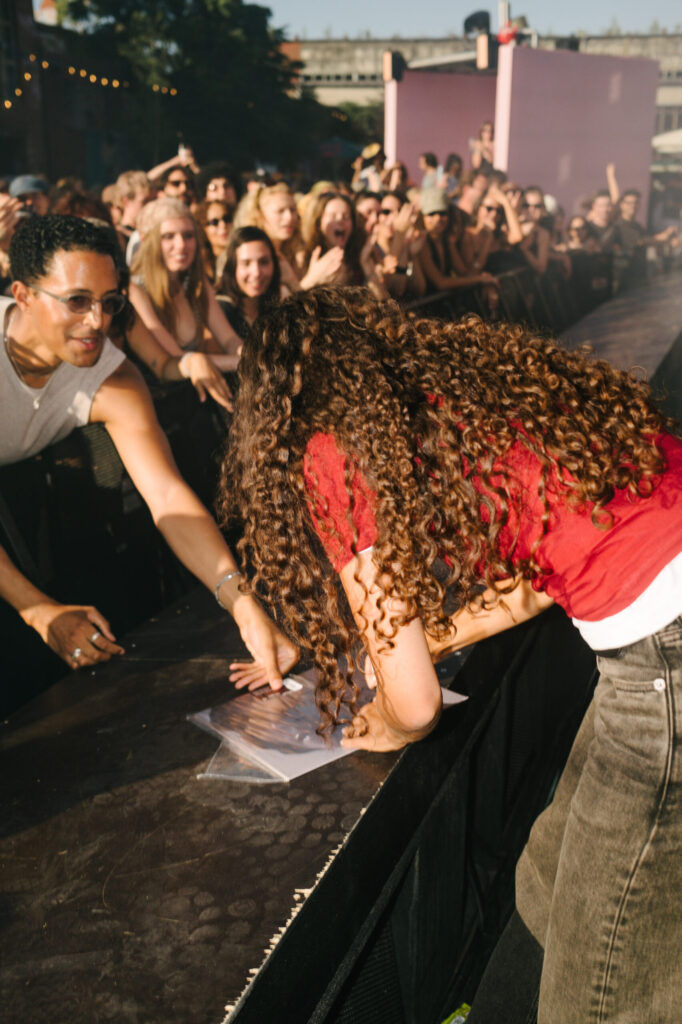
Lo stesso accade poco dopo con DJ Python, il cui set attraversa influenze drum’n’bass e momenti di deconstructed club prima di scivolare in territori reggaeton. Uno shift coerente per un artista che ha fatto dell’incontro tra il dembow, regaetton e ambient uno dei suoi generi cardine, il “deep reggaeton”.
Sull’altro floor, Mia Koden offre una performance 100% personale che rispecchia tutte le sue nuance artistiche. Cresciuta tra Ghana e Nigeria prima di entrare nella scena UK, Koden ha più volte messo al centro del proprio lavoro il rapporto tra reggae, drum’n’bass e dub, insistendo anche sul legame storico tra dub giamaicano e dubstep britannico.
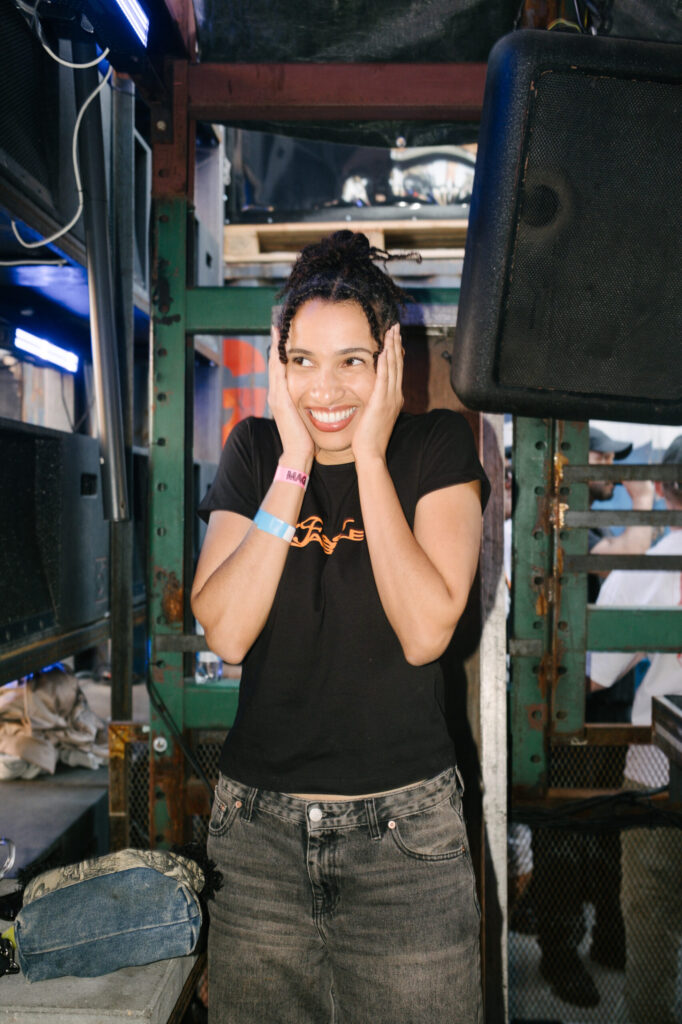
Il sabato trova infine una chiusura perfetta con Joy Orbison.
Il suo set è esattamente quello che ci si aspetterebbe da Joy O, tra percussioni UK, bass, garage, techno e continui slittamenti ritmici. Ma più che passare da un genere all’altro, sembra muoversi dentro un unico linguaggio che negli anni ha continuato a cambiare forma. Tutto questo, signor*, è hardcore continuum. Menzione speciale al banger “flight fm” e alla sua closing track “Hyph Mngo”, del 2009.
Chapter III — Domenica: nostalgie rapidissime
Yaeji parte dalla bass music e attraversa deconstructed club, dubstep, techno berlinese e persino passaggi quasi trip-hop. Ci si muove tra pop sperimentale, house e club music, senza risparmiare alcuni passaggi con pad dreamy, che rendono la dancefloor un vero e proprio luogo di fluid meditations.
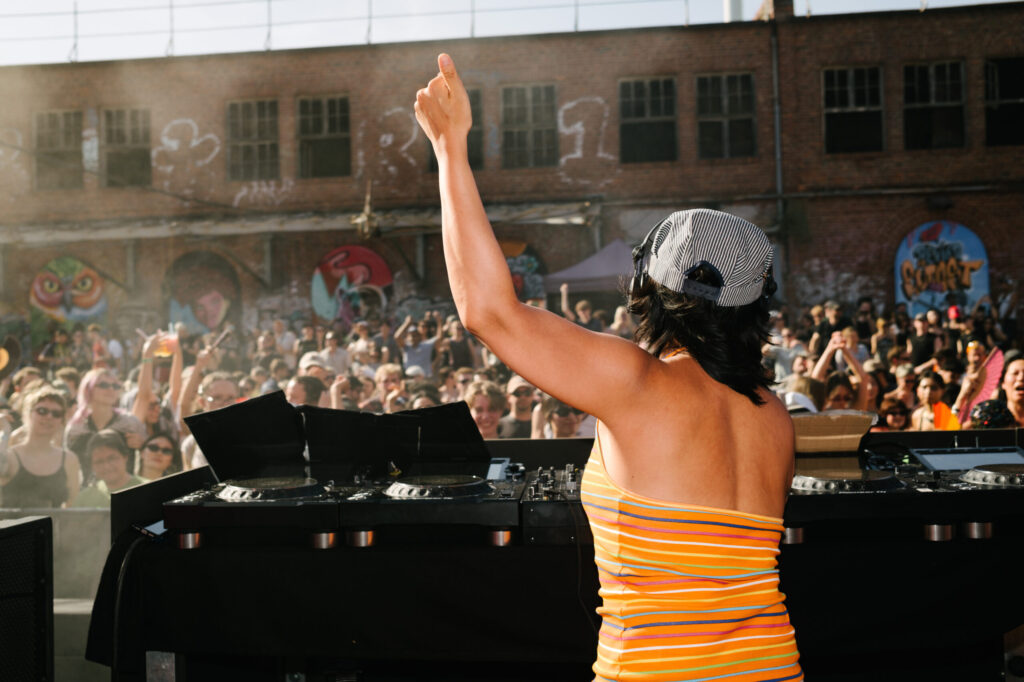
Con Mietze Conte, invece, il tema “nostalgia” diventa nuovamente protagonista della giornata. Anche qui omaggio al “sogno” con “Laura Palmer’s Theme” di Angelo Badalamenti, “Fireflies” di Owl City, “The Dare” dei Gorillaz, Qualentanz di SpongeBob (se qualcuno conosce il nome italiano mi contatti!).
Il punto interessante è però come la nostalgia cambi forma rispetto a Erika de Casier.
Non parliamo più soltanto di R&B o di pop. Sembra esserci uno shift nell’immaginario nostalgico y2k. Se prima c’era più attenzione al pop, e quindi anni in cui spuntavano ovunque remix di Britney Spears, ora sembra essere l’indie il nuovo oggetto della Sehnsucht. Non sorprende, infatti, che il mio feed sia pieno zeppo di reel su The O.C., serie in cui la musica indie — di cui uno dei protagonisti, Seth, è grande fan — gioca un ruolo fondamentale. Tant’è che diverse band hanno fatto anche delle guest appearance in alcuni episodi: Death Cab for Cutie, The Killers, Rooney, eccetera eccetera.
Chapter IV — Da Dar es Salaam a New York
Uno dei set che chiarisce meglio la dimensione realmente globale della line-up arriva con DJ Travella. Hamadi Hassani viene da Dar es Salaam, in Tanzania, ed è una delle figure della nuova generazione del singeli,genere elettronico iperveloce sviluppatasi nella città. Attraverso Nyege Nyege Tapes ha portato il genere in una direzione che l’etichetta ha definito cyber-singeli, spingendo i ritmi fino a circa 200 BPM e mescolandoli a elementi del taarab tanzaniano, techno, synth EDM, R&B e una produzione digitale estremamente compressa.
Dal vivo l’effetto è quello di una musica globale decorata da synth quasi fluorescenti, rapidi e al contempo sempre un po’ bouncy.
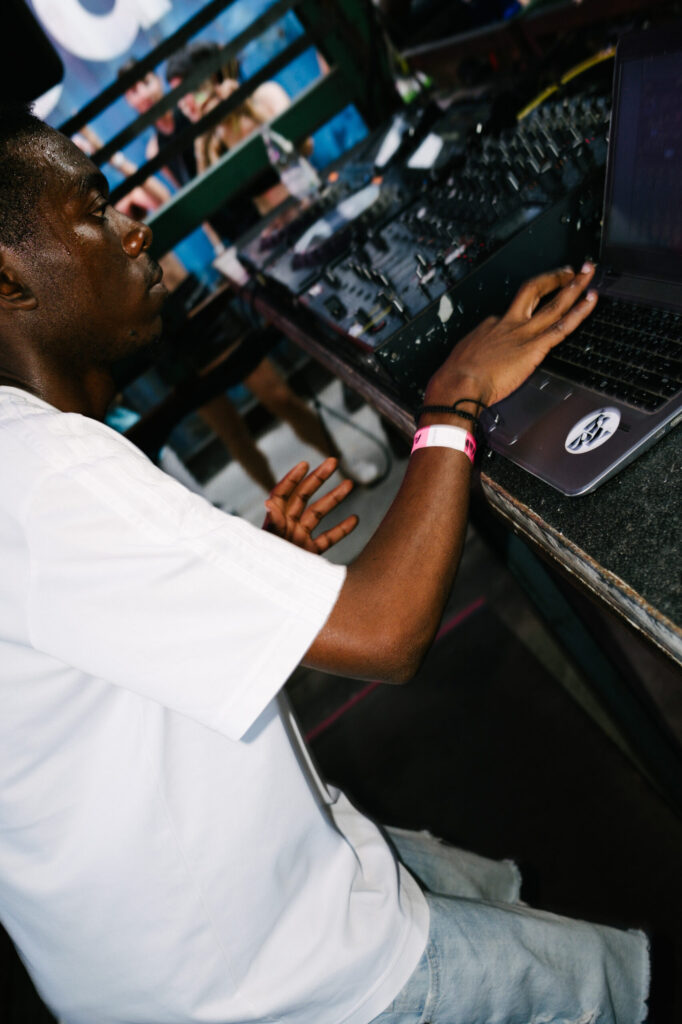
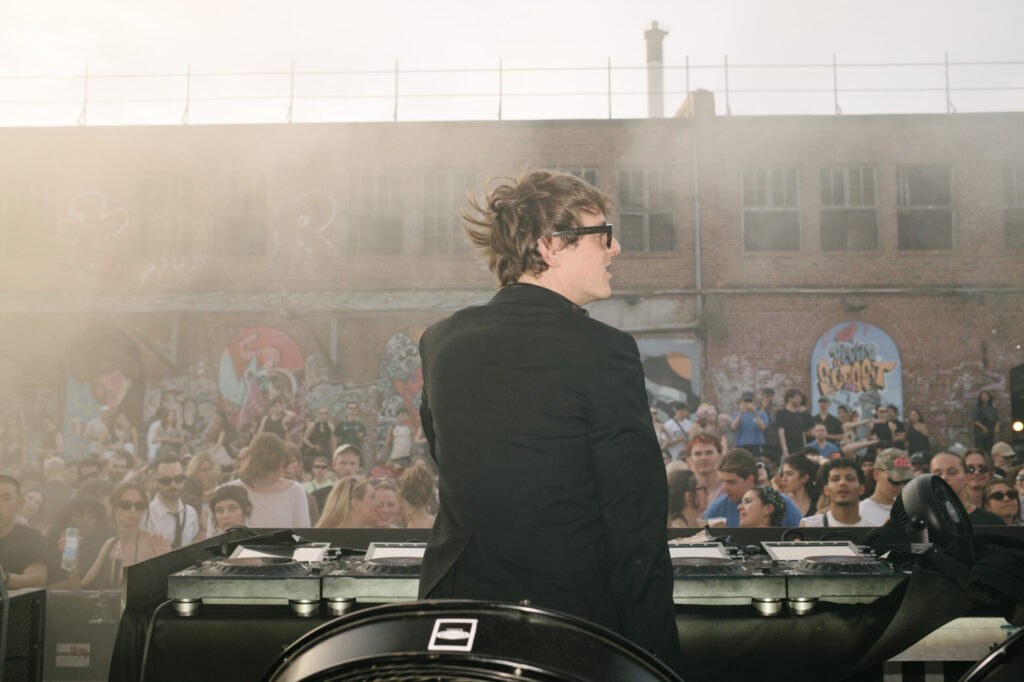
DJ Travella racconta una club culture costruita attraverso la circolazione contemporanea dei suoni tra Africa orientale e scena elettronica internazionale. Poco dopo, The Dare sposta tutto a New York e verso un’altra ossessione del momento, la resurrezione dell’indie sleaze e dell’electroclash.
Il DJ set a MAGMA parte con la cassa dritta, devia verso breaks e garage, fino ad arrivare a momenti di dubstep decisamente più muscolari, quasi brostep, nella parte finale.
Chapter V — Home Is True
A chiudere lo stage VALLEY domenica sera è Skin On Skin.
Nato in Sud Sudan, cresciuto prima al Cairo e poi a Brisbane, Skin On Skin ha costruito il proprio linguaggio mescolando techno e house con hip-hop, grime e UK club music. Nel 2025 ha pubblicato il mixtape Home Is True, un progetto molto più personale rispetto alla pura energia rave con cui era diventato conosciuto. L’idea di home attraversa tutto il set.
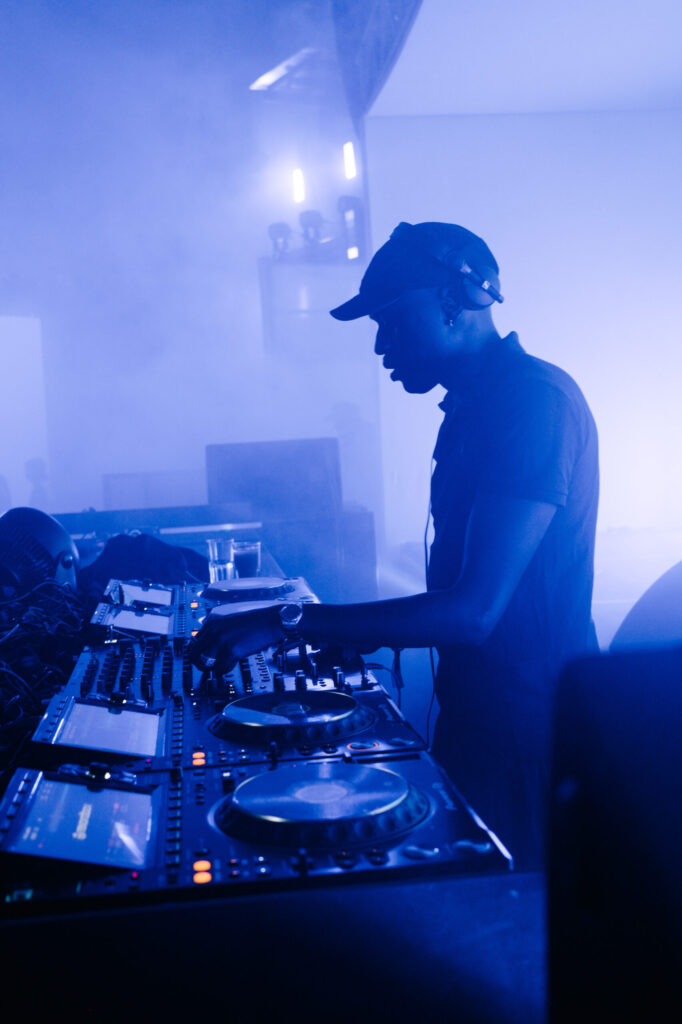
I visual si muovono tra Africa, Australia e Regno Unito mentre la performance attraversa Brazilian beats, momenti trance, hip-hop e bass music. “Casa”, qui, non coincide più necessariamente con un solo luogo.
È esattamente il tema di Home Is True, un lavoro pensato come una mappa emotiva di qualcuno continuamente in movimento e come una lettera alle diverse culture che lo hanno formato. Nella tracklist compaiono titoli come “أسرة (Family)”, “Nights In Juba” e “Ooo”. Immancabile, per il closing la sua hit “Burn Dem Bridges”, resa ancora più energica con un remix jungle.
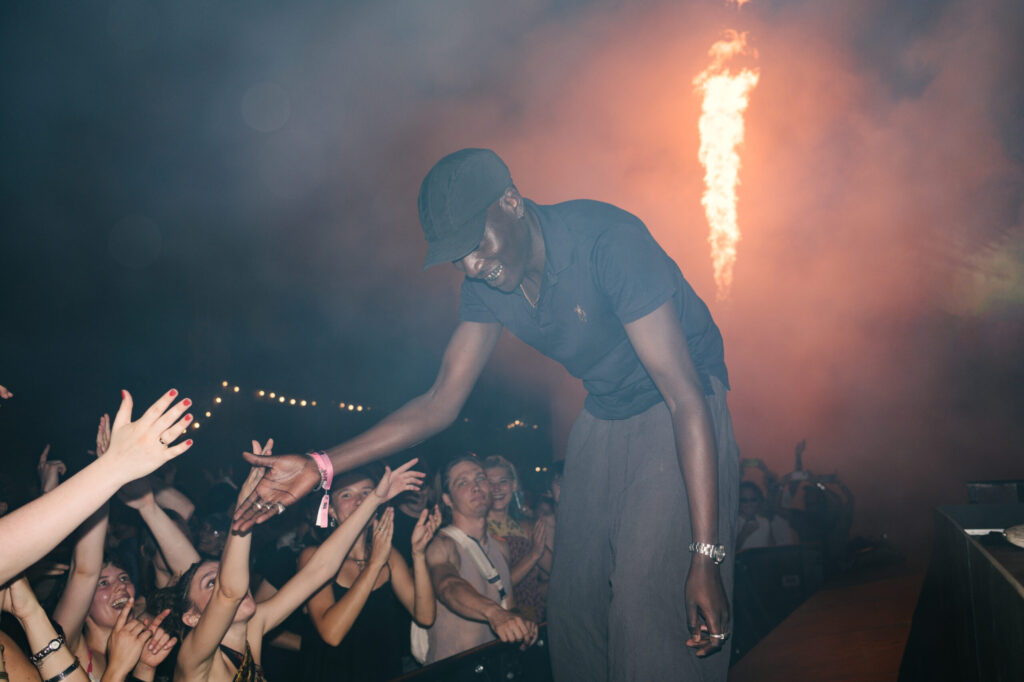
Final Chapter – MAGMA Festival è casa per diverse scene musicali
“Casa” può essere il dubstep di Londra, un pezzo R&B ascoltato nel 2002, il singeli di Dar es Salaam, un meme visto su TikTok, una soundtrack di Angelo Badalamenti, un tormentone degli anni Duemila o una bassline sentita per la prima volta mezz’ora prima.
MAGMA Festival funziona anche perché riesce a mettere insieme tutti questi riferimenti senza trasformare la line-up in un semplice esercizio di nostalgia. Quella c’è, sicuramente, ma accanto ci sono il singeli di DJ Travella, la bass music di Mia Koden e Joy Orbison, l’R&B di Erika de Casier, il club più “obliquo” di Yaeji e tutto ciò che nel mezzo diventa difficile incasellare.
E forse si torna proprio alla Polaroid iniziale. Tra pubblico, outfit e musica, MAGMA Festival finisce per essere una specie di mappatura — sicuramente parziale, ma abbastanza efficace — di ciò che oggi trova spazio nella scena berlinese, molto più eterogenea della techno con cui la città viene ancora spesso identificata all’estero. Non serve che tutti i set parlino la stessa lingua o allo stesso pubblico. Il bello è proprio quello.
ENGLISH VERSION
MAGMA Festival: Indie Sleaze Nostalgia, Global Clubbing and Meme Culture
On August 8 and 9, 2026, we headed to MAGMA Festival in Berlin. Here’s our report.
Some in shirts, some with “Juicy” splashed across the back, a few quintessential Berlin hipsters in Birkenstocks, Salomons everywhere — presumably the over-30s already entering their midlife-crisis era — plenty of indie sleaze, surprisingly few stereotypical dark-raver looks, and even the occasional pair of 10cm heels. That’s more or less the Polaroid of the MAGMA Festival crowd, a small cross-section of the subcultures and styles that coexist in Berlin, minus the black leather and chains.
Worth pointing out, because Berlin’s music scene has a lot more to offer than techno alone and, from the outside, that perhaps isn’t always so obvious.
On August 8 and 9, MAGMA Festival returned to RSO.Berlin for its second edition, taking over the VALLEY and OPAN stages with a line-up where house, techno and bass music sat comfortably alongside R&B, hyperpop, indie and dance-punk.
Rather than trying to represent one specific scene, MAGMA seems more interested in capturing the way we listen to music now, ergo very little concern for musical lineage and plenty of appetite for jumping from a club tool to a pop hit.
RSO itself makes a fitting backdrop. The club was founded in 2021 by the team behind Griessmuehle following the closure of the legendary Neukölln venue, and now occupies part of the former Bärenquell industrial complex in Niederschöneweide. An old brewery turned club space, complete with indoor and open-air areas and a Kirsch Audio sound system.
Thinking about it, taking something from another Zeitgeist, shifting the context and making it work again is more or less what happened across plenty of sets that weekend.
Headache divided their MAGMA Festival set into “chapters”. I’m stealing the idea for this report.
Chapter I — Headache and the internet footprint
One of Saturday’s more disorienting moments comes surprisingly early, at four in the afternoon, courtesy of Headache.
The project brings together Vegyn’s production, the words of poet Francis Hornsby Clark and an AI voice delivering them. It isn’t quite an electronic live show, nor is it really spoken word. It feels more like theatre built from an internet footprint. A disembodied voice talks about loneliness, desire and mundane everyday things while fragments of pop culture drift in and out like browser tabs you forgot to close.
At MAGMA, Billy Idol’s “Eyes Without a Face”, The Smiths’ “How Soon Is Now?” and Lenny Kravitz’s “It Ain’t Over ’Til It’s Over” all end up in the same stream.
And that’s probably the point. Headache captures that now totally normal feeling of having the whole of pop culture available in your head at once. Billy Idol can coexist with The Smiths, Lenny Kravitz with Playboi Carti and The Weeknd, a memory of MTV with some random thing you saw on TikTok half an hour ago. Inevitably, meme culture makes its way in too.
At one point even “Nothing beats a Jet2 holiday”, one of 2025’s most unavoidable internet catchphrases, gets a look-in. It’s hard to tell exactly where genius ends and cringe begins. Then again, millennials have basically turned that into an art form.
There’s something deeply domestic about Headache’s whole aesthetic. It feels like music made by people who have spent an arguably unhealthy amount of time at home in front of a screen, bouncing between YouTube rabbit holes, forums, video games, playlists and memes.
In some ways it recalls Two Shell’s trickster approach, only much less frantic. Headache isn’t so much trying to sabotage the club as turn it into your browser history. Which, to be fair, you probably wouldn’t want anyone seeing.
Chapter II — From bedroom R&B to the hardcore continuum
A little later, Erika de Casier pulls us out of Headache’s internet rabbit hole and back towards references that are more explicitly musical.
Her music has always had a clear relationship with the R&B of the ’90s and early 2000s. De Casier has spoken about growing up on MTV and CDs borrowed from the library, naming Destiny’s Child, TLC, Aaliyah, Brandy and Erykah Badu alongside trip-hop, UK garage and alternative rock.
A sample of Nelly and Kelly Rowland’s “Dilemma” brings back that turn-of-the-millennium pop-R&B feeling — at times All Saints come to mind almost automatically — before things start drifting towards dubstep and hyperpop. Then there’s “Bikini”, her collaboration with Miami producer Nick León, suitably summery and full of trancy patterns and percussion.
Not long after, DJ Python moves through drum’n’bass influences and deconstructed club before slipping into reggaeton territory. It makes sense for an artist whose sound has long lived somewhere between dembow, reggaeton and ambient, a combination often described as “deep reggaeton”.
On the other floor, Mia Koden delivers a set that feels entirely her own and pulls together the different strands of her musical background. Raised between Ghana and Nigeria before becoming part of the UK scene, Koden has repeatedly explored the relationship between reggae, drum’n’bass and dub, while also foregrounding the historical link between Jamaican dub and British dubstep.
Saturday then gets pretty much the perfect ending with Joy Orbison.
His set is exactly what you’d want from Joy O, all UK percussion, bass, garage, techno and constant rhythmic shifts. Rather than jumping from genre to genre, though, he seems to move inside one language that has simply kept mutating over the years.
And that, ladies and gentlemen, is the hardcore continuum.
Special mention goes to the banger “flight fm” and his closing track, “Hyph Mngo”, from 2009.
Chapter III — Sunday: nostalgia on fast-forward
Yaeji starts out in bass music and moves through deconstructed club, dubstep, Berlin techno and even a few almost trip-hop moments. Experimental pop, house and club music bleed into one another, with dreamy pads occasionally turning the dancefloor into something closer to fluid meditation.
With Mietze Conte, nostalgia comes back into focus. There’s another nod to the dreamworld via Angelo Badalamenti’s “Laura Palmer’s Theme”, Owl City’s “Fireflies”, Gorillaz’s “DARE” and SpongeBob’s Qualentanz — if anyone knows the Italian title, please get in touch.
What’s changed, though, is the kind of nostalgia we’re dealing with.
It’s no longer just R&B or pop. There seems to be a shift happening in the Y2K nostalgia cycle. A few years ago, the focus was much more on pop — cue the endless Britney Spears remixes — whereas now indie seems to be the new object of collective Sehnsucht.
Which might explain why my feed is currently packed with reels about The O.C., a show where indie music plays a pretty fundamental role, not least because Seth Cohen is famously obsessed with it. Plenty of bands even appeared on the show, including Death Cab for Cutie, The Killers, Rooney, and so on and so forth.
Chapter IV — From Dar es Salaam to New York
One of the sets that best captures the genuinely global scope of the line-up comes from DJ Travella. Hamadi Hassani is from Dar es Salaam, Tanzania, and belongs to a new generation of singeli artists pushing forward the hyper-fast electronic genre that developed in the city.
Through Nyege Nyege Tapes, he has taken the sound towards what the label has called cyber-singeli, pushing rhythms towards the 200 BPM mark while mixing in Tanzanian taarab, techno, EDM synths, R&B and heavily compressed digital production.
Live, it sounds almost fluorescent. Fast and bouncy.
DJ Travella’s set reflects a club culture shaped by the circulation of sounds between East Africa and the wider electronic scene. Not long afterwards, The Dare shifts the focus to New York and another current obsession, the return of indie sleaze and electroclash.
His MAGMA set starts out four-to-the-floor, veers into breaks and garage, then gets noticeably heavier towards the end, landing in dubstep territory that at times comes pretty close to brostep.
Chapter V — Home Is True
Closing the VALLEY stage on Sunday night is Skin On Skin.
Born in South Sudan and raised first in Cairo and later in Brisbane, Skin On Skin has built his sound by mixing techno and house with hip-hop, grime and UK club music. In 2025, he released Home Is True, a mixtape that feels much more personal than the straight-up rave energy he initially became known for.
The idea of home runs through the entire set.
The visuals move between Africa, Australia and the UK while the music moves through Brazilian beats, trance, hip-hop and bass music. “Home”, here, doesn’t necessarily mean one place.
That idea sits at the heart of Home Is True, which plays almost like an emotional map of someone constantly on the move, as well as a letter to the different cultures that shaped him. The tracklist includes titles such as “أسرة (Family)”, “Nights In Juba” and “Ooo”.
And, inevitably, the closing brings out “Burn Dem Bridges”, his breakout hit, this time given an extra push with a jungle remix.
Final Chapter — MAGMA Festival is home to many scenes
“Home” can be London dubstep, an R&B track you listened to in 2002, singeli from Dar es Salaam, a meme you saw on TikTok, an Angelo Badalamenti soundtrack, a 2000s earworm or a bassline you first heard half an hour ago.
MAGMA works because it manages to bring all of those references together without turning the line-up into a straightforward exercise in nostalgia. The nostalgia is definitely there, but so are DJ Travella’s singeli, the bass music of Mia Koden and Joy Orbison, Erika de Casier’s R&B, Yaeji’s more oblique take on club music, and everything in between that gets harder and harder to categorise.
And perhaps this is where we come back to that opening Polaroid. Between the crowd, the outfits and the music, MAGMA Festival ends up offering a kind of map — obviously partial, but still pretty effective — of what currently finds a home in Berlin’s music scene, which is far more heterogeneous than the techno the city is still so often reduced to abroad.
Not every set needs to speak the same language, or to the same crowd. That’s kind of the point.