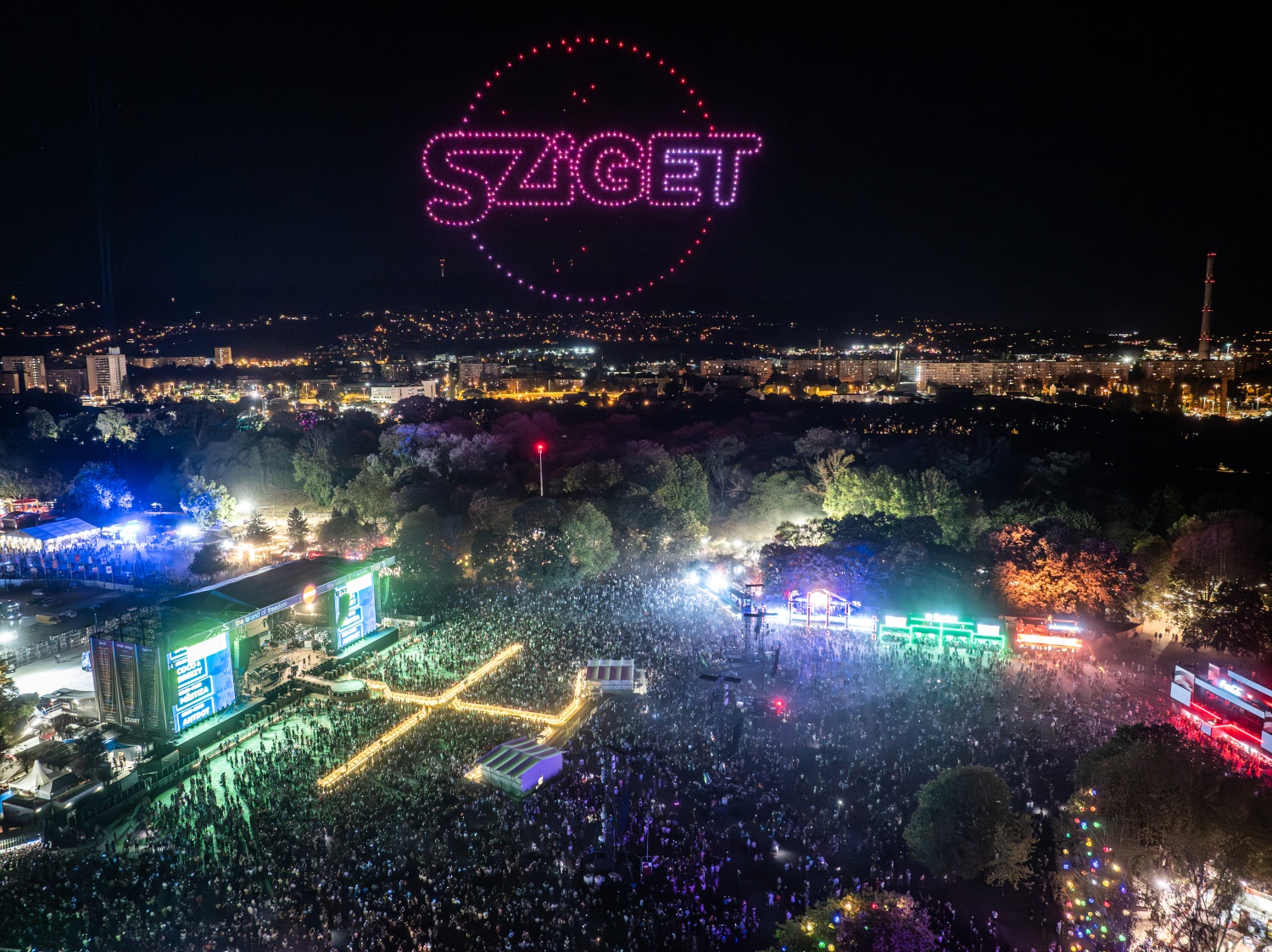

Sziget 2026 si è concluso nel migliore dei modi, con oltre 360.000 presenze in 5 giorni da oltre 110 paesi, per quella che è stata la prima edizione dopo il ritorno alla gestione indipendente.
L’edizione di quest’anno dell’enorme festival ungherese è stata costellata da incertezze sul proprio futuro, ma soprattutto sul proprio presente: a seguito della scorsa kermesse infatti è avvenuto un rocambolesco passaggio di testimone tra il mega-fondo statunitense KKR, detentore del marchio fino al novembre 2025, e il fondatore Károly Gerendai, tornato al timone di Sziget per dare una nuova direzione indipendente al “Festival of Freedom”, con uno slittamento di oltre 4 mesi nella messa in vendita dei biglietti e di un incombente timore per la buona riuscita dell’edizione 2026 e del ripianamento dell’enorme debito lasciato dalla precedente gestione, oltre alle sfide climatiche dovute al caldo e alla conseguente secca del Danubio che ha messo alla prova le risorse energetiche del festival e dell’intera città di Budapest.
Numerose le novità quest’anno: si passa da 6 a 5 giorni totali (con l’introduzione dei giorni 0 e -1, con lineup ridotte e con target principale ai locals ungheresi), redifinizione degli spazi e dei “neighborhoods” introdotti nella passata edizione, con aree che raggruppano stage di generi musicali e attività affini, fino al calmieramento dei prezzi degli stand food/drink, garantendo pasti completi a meno di 8 euro e rafforzando l’affordability che (tra le altre cose) contraddistingue Sziget dalle controparti europee e internazionali.
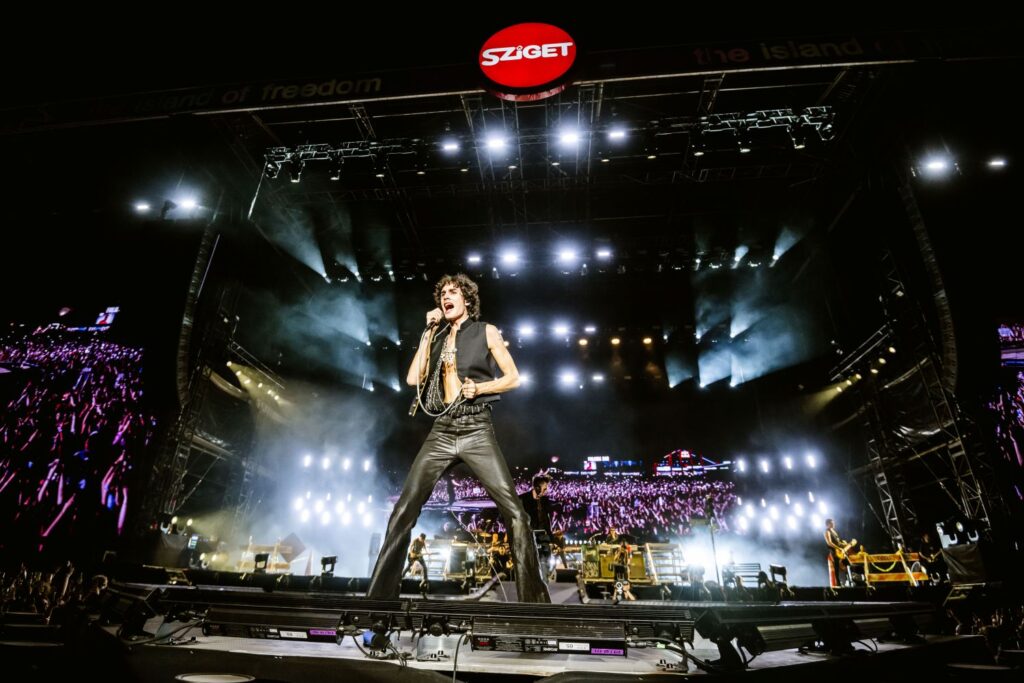
Un ulteriore enorme sforzo è stato messo nella gestione della lineup, con headliner di altissimo livello che hanno convinto e riempito il mainstage da oltre 85.000 presenze: da star del calibro di Zara Larsson e Lewis Capaldi all’energia dei Bring Me The Horizon e Skrillex, passando da Florence+The Machine fino alla rising star Sombr, al suo primo headlining festival europeo.
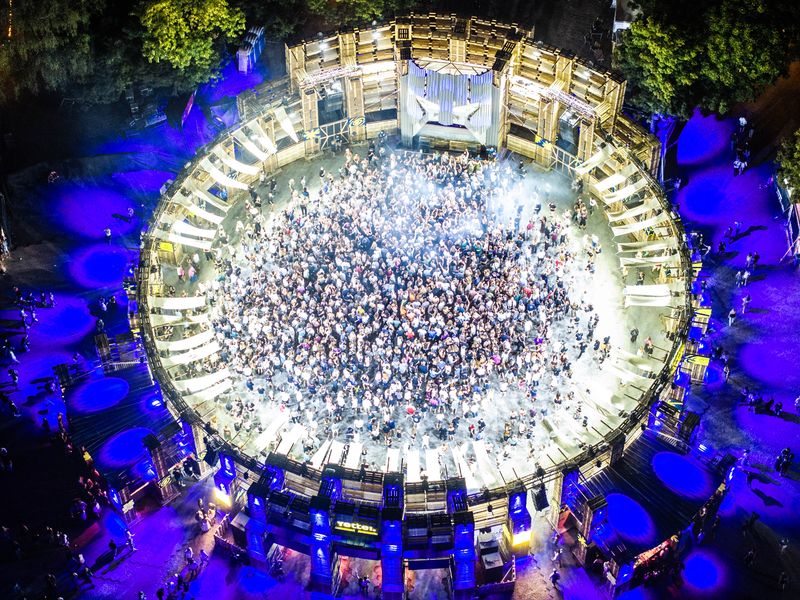
Come ogni anno, anche il programma di Sziget 2026 non si è fermato al solo mainstage, gli oltre 30 palchi disseminati sull’isola di Obudai-Sziget hanno preso la scena da protagonisti soprattutto quando il sole è calato su Budapest, dal Revolut stage che ha ospitato i live act di artisti come Soulwax, Underworld, Nia Archives, Ashnikko, Bunt., Chet Faker e Tomora, all’energia del Delta District, tornato quest’anno con gli stage Bolt Night, Yettel Colosseum e Der Klub, per un trittico di palchi all’insegna dell’elettronica: Dom Dolla, Peggy Gou, Richie Hawtin, Yousuke Yukimatsu, Haai, Hamdi, Sub Focus, Sara Landry, Indira Paganotto e moltissimi altri hanno illuminato la notte fino al sorgere del sole durante i 5 giorni di festival.
Menzione speciale va al Lightstage, gestito da Alternativa Eventi, vero e proprio faro per la community italiana di Sziget, ospitando una lineup tutta nostrana con nomi come i Patagarri, cmqmartina e Emma Nolde, che quest’anno ha attirato moltissime presenze, rafforzando il binomio Italia-Sziget.
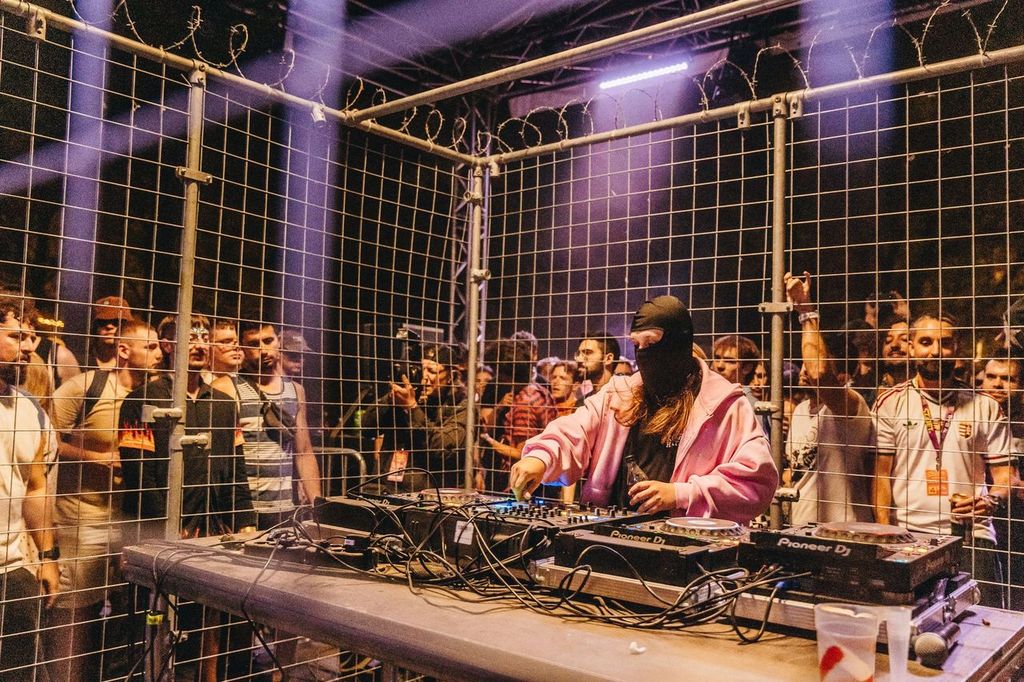
Sziget è d’altronde ben più della sua lineup; nei suoi 32 anni di esperienza il mega-festival ungherese ha fatto della experience il suo vero punto forte, trasformando in realtà il suo moniker: “The island of freedom”. La libertà è esattamente la sua qualità più intrinseca, sia per uno spettatore da singolo giorno, sia per un campeggiatore da full pass: dalla miriade di attività e artisti presenti sull’isola dalle prime ore del mattino fino alle luci dell’alba, dalla gestione dei camping e dei suoi servizi, dalle attese agli stand (praticamente assenti), dalla presenza non invadente della security in un festival da oltre 100.000 presenze quotidiane, tutto di Sziget lascia spazio alla libertà per i suoi Szitizen, quest’anno forse ancora più che nelle ultime edizioni.
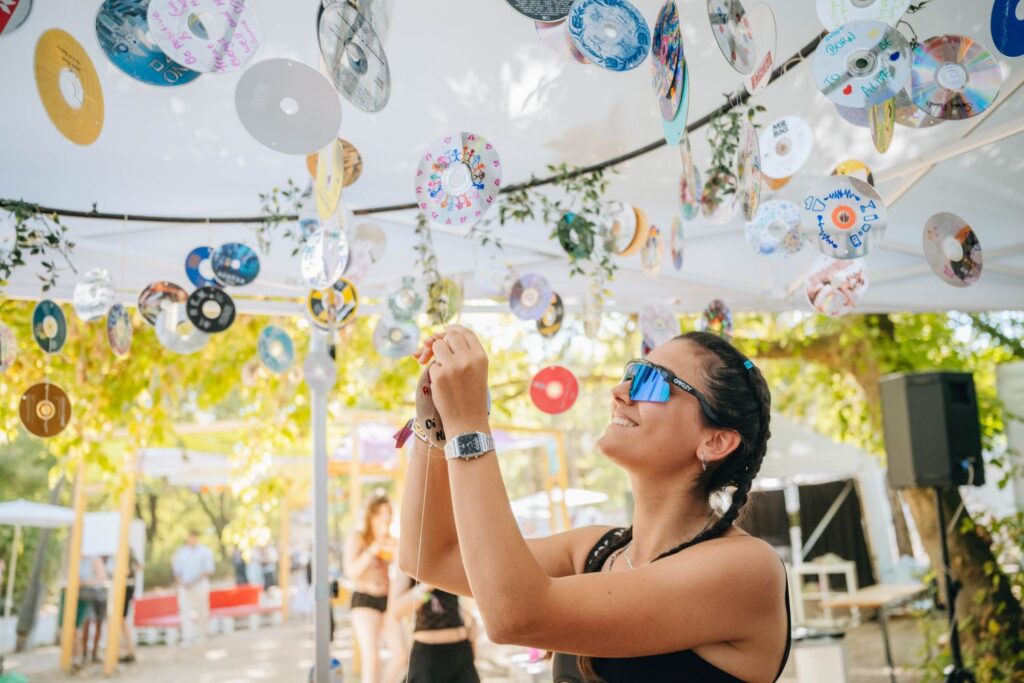
La paura è però che non tutto sia rose e fiori dietro al palcoscenico: le sfide che Károly Gerendai e soci si sono trovati ad affrontare quest’anno sono state tutt’altro che semplici e la situazione socio-economica mondiale sicuramente non aiuta un settore, quello dei festival, che più di molti altri sta soffrendo la crisi, soprattutto se si vuole organizzare un festival alla portata di tutti e di tutte le tasche. Ciò nonostante il morale resta altissimo, con le date per l’edizione 2027 già annunciate per il 10-14 Agosto, mentre sono già aperte le registrazioni per i ticket Super Early Bird che andranno live il prossimo 24 Agosto, segno di una determinazione che in oltre 30 anni si è solo rafforzata.
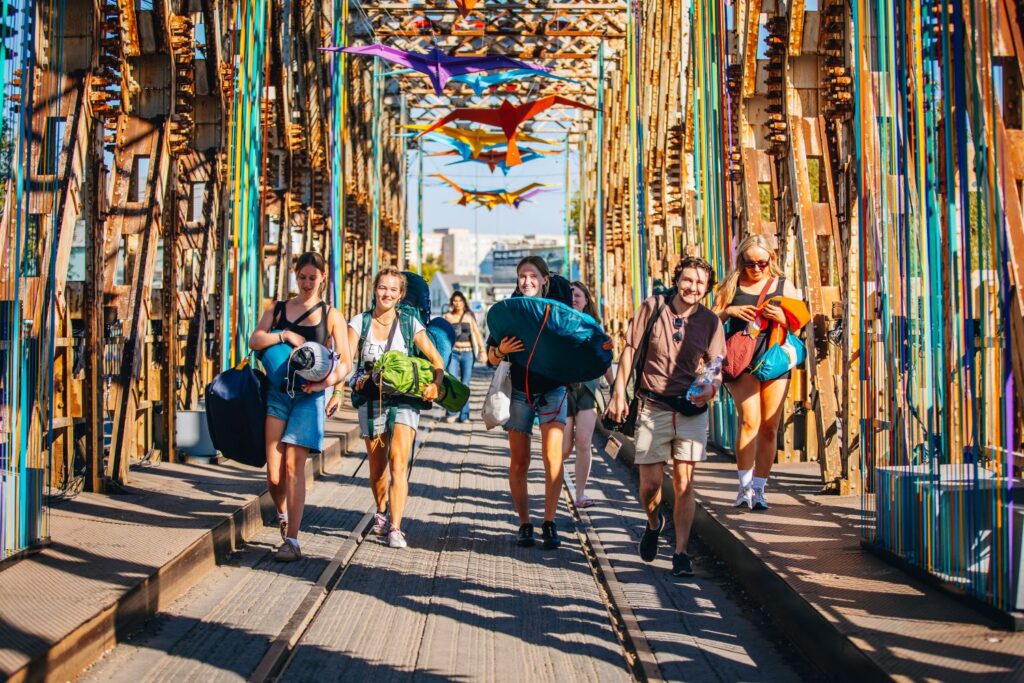
Appuntamento quindi ad Agosto 2027 sull’ “Island of Freedom”, ancora una volta, ancora più forte.
[ENGLISH VERSION]
Sziget 2026 came to a close on a high note, welcoming more than 360,000 attendees from over 110 countries across five days, in what marked the festival’s first edition since returning to independent management.
This year’s edition of the massive Hungarian festival was surrounded by uncertainty over both its future and, perhaps more importantly, its present. Following last year’s event, a turbulent handover took place between US investment giant KKR, which controlled the brand until November 2025, and founder Károly Gerendai, who returned as head of operations of Sziget with the aim of steering the “Festival of Freedom” back towards an independent future.
The transition resulted in ticket sales being delayed by more than four months, while concerns mounted over whether the 2026 edition could ultimately deliver and whether the enormous debt inherited from the previous management could be brought under control. On top of that came the challenges posed by extreme heat and the resulting low water levels of the Danube, putting additional pressure on the energy resources of both the festival and the city of Budapest as a whole.
There were plenty of changes this year. The festival went from six to five full days, with the introduction of Days 0 and -1, featuring smaller lineups primarily aimed at Hungarian locals. The spaces and “neighborhoods” first introduced last year were also reworked, grouping stages according to related musical genres and activities.
Food and drink prices were also kept in check, with full meals available for under €8, reinforcing the affordability that, among many other things, continues to set Sziget apart from many of its European and international counterparts.
Another major effort went into curating the lineup, with top-tier headliners delivering performances worthy of a Main Stage capable of hosting more than 85,000 people. From global stars such as Zara Larsson and Lewis Capaldi to the sheer energy of Bring Me The Horizon and Skrillex, alongside Florence + The Machine and rising star Sombr, playing his first European festival headline slot, the Main Stage rarely struggled to draw a crowd.
As always, however, Sziget 2026 went far beyond its Main Stage. More than 30 stages scattered across Óbudai-sziget took on a life of their own, especially once the sun went down over Budapest.
The Revolut Stage hosted live acts including Soulwax, Underworld, Nia Archives, Ashnikko, BUNT., Chet Faker and Tomora, while the Delta District returned this year with Bolt Night, Yettel Colosseum and Der Klub, a three-stage stronghold dedicated to electronic music.
Dom Dolla, Peggy Gou, Richie Hawtin, Yousuke Yukimatsu, HAAi, Hamdi, Sub Focus, Sara Landry, Indira Paganotto and countless others kept the island alive until sunrise throughout the festival’s five days. A special mention goes to the Lightstage, curated by Alternativa Eventi and a true beacon for Sziget’s Italian community. Featuring an entirely Italian lineup with names including Patagarri, cmqmartina and Emma Nolde, the stage drew impressive crowds this year, further strengthening the long-standing bond between Italy and Sziget.
Sziget, after all, is much more than its lineup. Throughout its 32-year history, the Hungarian mega-festival has made the overall experience its greatest strength, turning its famous nickname “The Island of Freedom” into something tangible.
Freedom is perhaps its most defining quality, whether you’re a day-ticket holder or a full-pass camper. From the countless activities and performers spread across the island from the early hours of the morning until dawn, to the organisation of its campsites and facilities; from virtually non-existent queues at food and drink stands to the discreet presence of security at a festival welcoming more than 100,000 people every day, everything about Sziget seems designed to give its Szitizens room to experience the festival on their own terms, perhaps even more so this year than in recent editions.
The concern, however, is that things may not be quite as rosy behind the scenes. The challenges Károly Gerendai and his team have had to face this year have been anything but straightforward, and the current global socioeconomic climate certainly isn’t helping an industry, festivals, that has been hit harder than most by the ongoing crisis, especially when the goal is to put together an event that remains accessible to everyone, regardless of budget.
Despite all this, spirits remain remarkably high. Dates for the 2027 edition have already been confirmed for August 10–14, while registration is now open for Super Early Bird tickets, which will go on sale on August 24, a clear sign of a determination that, over more than 30 years, has only grown stronger.
So, see you back on the Island of Freedom in August 2027.