
A tu per tu con Dam Swindle per “House of House”, centesima release su Heist Recordings.
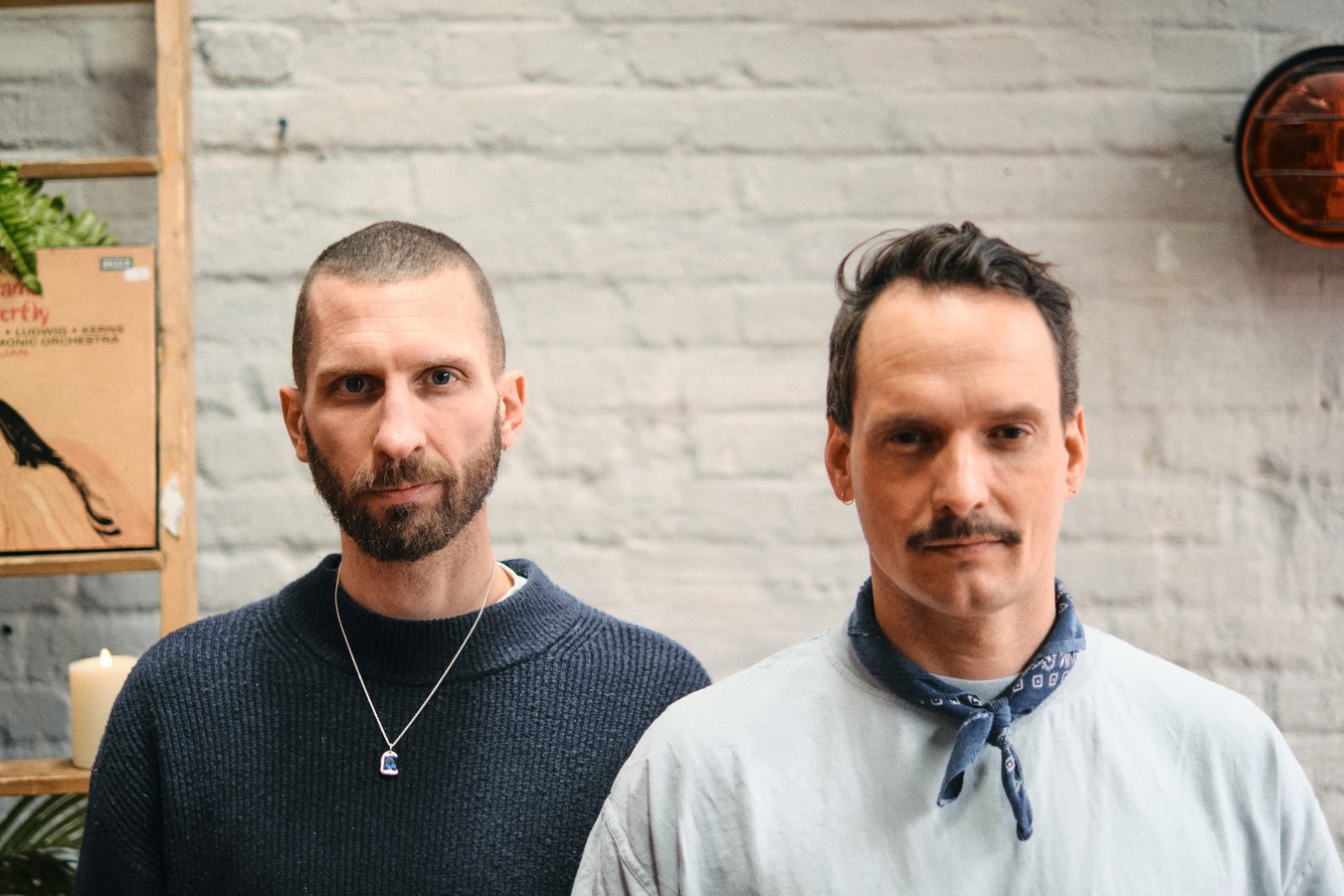
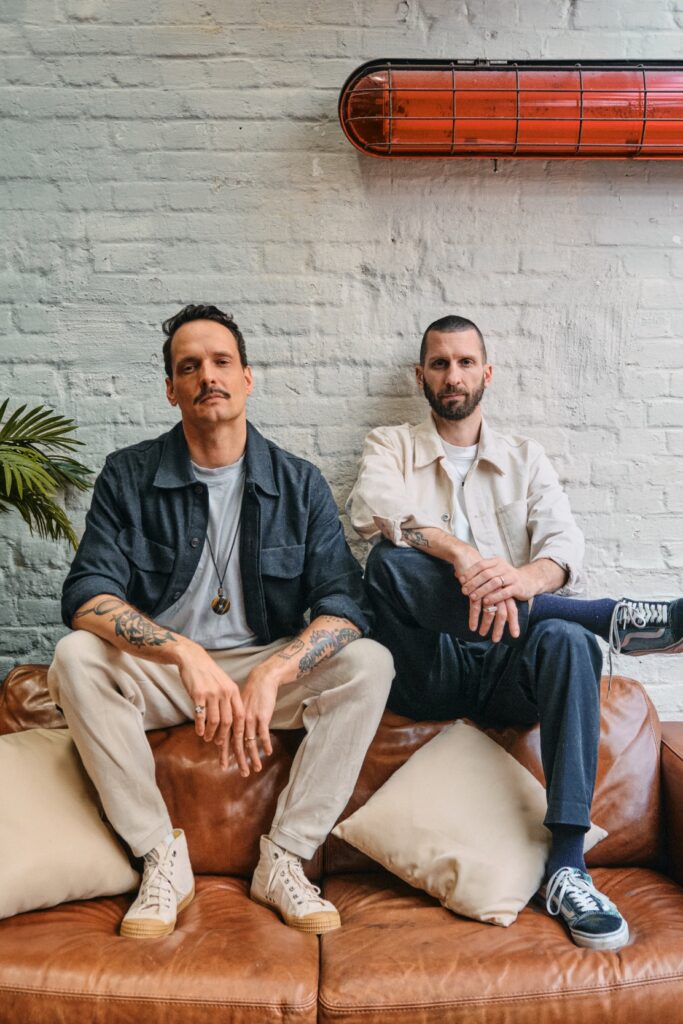
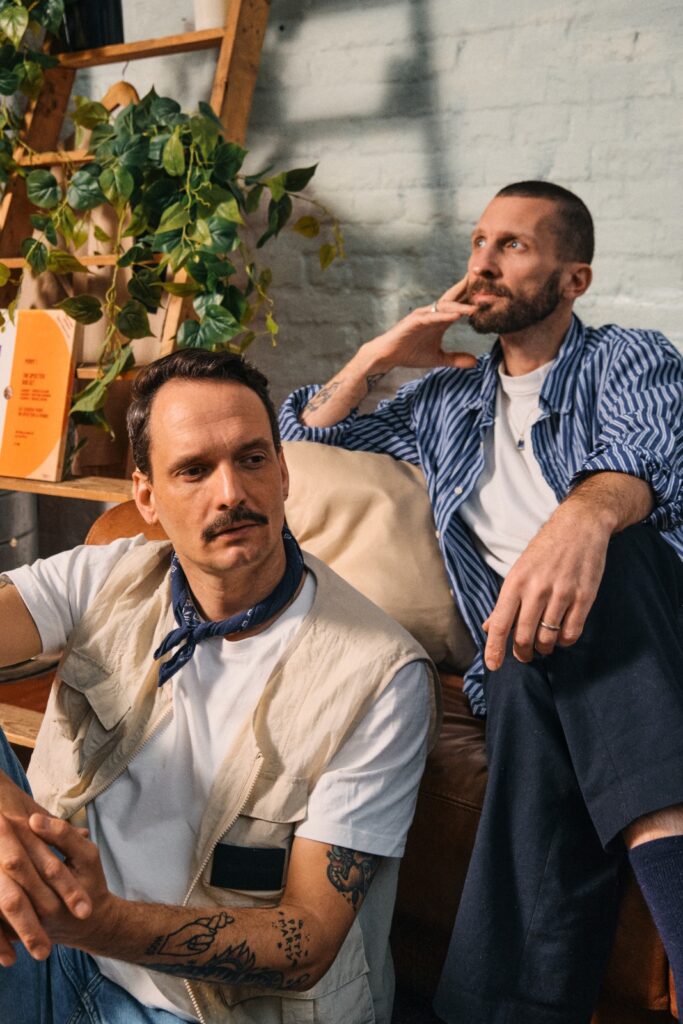
Pochi duo hanno contribuito a definire la house music contemporanea con la stessa coerenza, calore e sensibilità dei Dam Swindle. Il duo di Amsterdam — formato da Lars Dales e Maarten Smeets — si è imposto sulla scena elettronica nel 2011, costruendo rapidamente una reputazione grazie a groove pensati per il club, capaci di muoversi con naturalezza tra deep house, disco, soul, jazz, influenze afro e sonorità più energiche da dancefloor.
Brani iniziali come “The Wrap Around” e “The Break Up” hanno contribuito a definire un suono radicato nella tradizione house, ma sempre orientato in avanti, capace di collegare passato e presente con un senso dello swing distintivo e generoso.
Nel 2013, i due hanno fondato Heist Recordings, inizialmente come piattaforma per pubblicare musica alle proprie condizioni. Ben presto, però, l’etichetta è diventata qualcosa di più ampio: una casa per artisti affini, uno spazio dedicato a talenti emergenti e nomi consolidati, e una delle label indipendenti più rispettate nell’ambito della house underground.
Nel corso degli anni, Heist ha pubblicato musica di artisti come Cinthie, DJ Sneak, Crackazat, Fouk, Makèz, Nebraska, Marina Trench, Byron the Aquarius e molti altri, sviluppando al tempo stesso un’identità forte attraverso l’artwork e progetti dal forte spirito familiare come l’annuale “Roundup EP”.
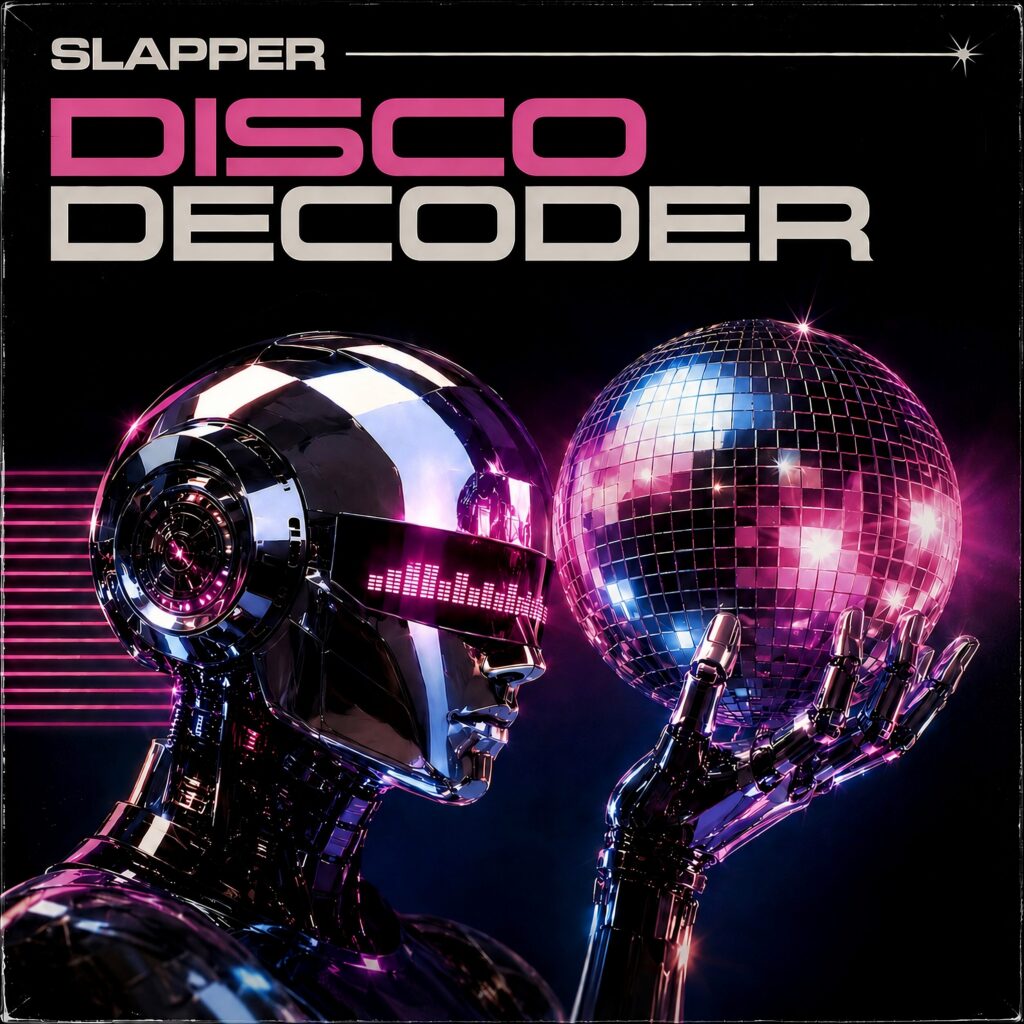
Ora, con il raggiungimento della centesima uscita dell’etichetta, Dam Swindle celebrano questo traguardo con “House of House“, una compilation in triplo vinile che suona meno come una retrospettiva e più come una celebrazione della comunità costruita intorno alla label.
Uscito l’8 maggio 2026, il progetto raccoglie 19 tracce completamente nuove firmate da leggende della house e protagonisti della scena contemporanea, tra cui Kerri Chandler, Two Soul Fusion — Louie Vega & Josh Milan — Folamour, Cinthie, DJ Sneak, Supershy, Kolter, Fouk, Riva Starr, DJ Minx e altri.
Per un’etichetta che ha sempre saputo bilanciare profonda cultura musicale e sensibilità dancefloor proiettata al futuro, la centesima uscita è molto più di un semplice numero. È una dichiarazione di continuità, gusto e connessione — la prova che Heist Recordings è diventata non solo un catalogo, ma un vero ecosistema vivo della house music.
In questa intervista, Dam Swindle ripercorrono il viaggio compiuto finora, raccontano lo spirito dietro “House of House” e riflettono su cosa significhi continuare a costruire una label fondata su amicizia, fiducia e sull’attrazione senza tempo del groove.
Heist Recordings ha raggiunto la sua centesima uscita con “House of House”. Ripensando al momento in cui avete lanciato Heist Recordings nel 2013, vi sareste mai immaginati che sarebbe diventata una piattaforma così importante per la house music contemporanea?
Ahah, assolutamente no. Abbiamo fondato l’etichetta perché sentivamo il bisogno di avere pieno controllo creativo sulla musica che pubblicavamo, su come veniva presentata e sulla sua identità visiva. Sentivamo anche che fosse il momento giusto per iniziare, perché stavamo ricevendo molta attenzione e volevamo condividerla con artisti che amavamo, ma che non avevano ancora una piattaforma per la loro musica.
All’epoca guardavamo forse a una o due uscite in avanti e, con il passare degli anni, siamo cresciuti come artisti mentre l’etichetta è diventata più grande e più professionale, pur restando gestita con lo stesso amore e la stessa attenzione ai dettagli del 2013. Il fatto di aver raggiunto le 100 uscite e di poter celebrare questo traguardo con alcune delle persone che ci hanno supportato fin dal primo giorno, come Louie e Kerri, con amici stretti come Cinthie e Makèz e con alcuni incredibili talenti emergenti, è un vero regalo.
La compilation riunisce leggende come Kerri Chandler e Louie Vega accanto a nomi più nuovi. Come avete affrontato e curato questo equilibrio tra eredità storica e nuove generazioni?
Heist è sempre stata una questione di incontro tra talenti e leggende, quindi quando abbiamo deciso di curare una compilation per celebrare questa uscita, doveva rappresentare questa parte fondamentale dell’etica di Heist. Ci abbiamo dedicato tempo e abbiamo creato una lista dei desideri con persone che avremmo amato avere sull’etichetta: artisti che hanno significato moltissimo per noi nella nostra carriera.
Quando si tratta di scoprire talenti, è una questione di tenere sempre occhi e orecchie aperti. Alcuni degli artisti presenti in questa uscita non erano ancora mai arrivati su vinile, oppure avevano pubblicato solo una manciata di release, ed è davvero bello poter offrire loro uno spazio in una raccolta come questa.
Alla fine, trovare il giusto equilibrio è stato piuttosto difficile… perché, sai, quando è abbastanza? C’è così tanta grande musica da condividere. Sentiamo però di aver trovato un mix davvero bello tra famiglia Heist, talenti emergenti e vere leggende, e credo che non saremmo mai arrivati a questa compilation senza molta pianificazione, conversazioni, idee proposte, ma soprattutto senza costruire connessioni e amicizie.
È qualcosa che è iniziato molto prima che avessimo l’idea di questa uscita, o persino prima che immaginassimo di arrivare a così tante release. È radicato nel modo in cui gestiamo Heist, ed è probabilmente la cosa di cui siamo più orgogliosi. È tutta una famiglia.
Nel disco si percepisce un forte senso di “house a spettro completo”: dai brani soulful e jazzy fino all’energia da peak-time. Questa diversità era intenzionale, come dichiarazione di ciò che Heist rappresenta oggi?
Assolutamente sì. Nel corso degli anni e delle uscite abbiamo attraversato molti lati diversi della house e, soprattutto con l’attuale direzione della scena musicale, si percepisce una nuova energia attorno alla vera house music.
Volevamo mostrare che la house è qui per restare e che c’è tantissimo da amare in questo genere, che tu sia un ragazzo degli anni ’70, ’80 o che tu sia giovane oggi. È musica per tutti.
“Back To The Old School” attinge al DNA della house classica. Cosa significa per voi personalmente “old school” nel 2026, e come lo reinterpretate senza cadere nella nostalgia?
La voce di DJ Minx ci ha ispirato moltissimo, perché non è semplicemente una questione di nostalgia. Non si tratta di guardare indietro pensando che le cose fossero migliori, o diverse, all’epoca: si tratta di preservare quella vera vibrazione underground che vediamo sempre meno.
Le feste migliori sono quelle in cui non sei costantemente ripreso in video, dove i telefoni restano in tasca e dove il DJ ti accompagna in un viaggio, invece di proporre un mix di 60 minuti pieno di hit. È di questo che parla il brano e, dal nostro punto di vista, vediamo sempre più persone desiderare quel tipo di energia. Quindi sì, è il momento di riportarla indietro.
Avete lavorato con artisti provenienti da diversi angoli della scena, incluso Tom Misch nel suo alter ego elettronico Supershy. Quanto è importante la contaminazione tra house e altri generi per mantenere il suono in evoluzione?
Nel panorama attuale della musica e dei media, si vedono trend e nuove idee saltare da un genere all’altro molto rapidamente. Da un lato, questo può diventare un modo per alcune persone di agganciarsi a qualcosa che “funziona” e adattare la propria arte a quello, un approccio all’arte che mette il pubblico al primo posto e che non necessariamente ci piace.
Dall’altro lato, però, c’è semplicemente moltissima ispirazione da prendere da forme d’arte e modalità espressive diverse, ed è lì che entra in gioco la creatività autentica e orientata al futuro. Il modo in cui b-boy, MC e beatmaker prosperavano e crescevano alimentandosi dell’energia reciproca non è cambiato: è cambiata solo l’arte.
Lavorare con Tom Misch è un esempio perfetto: lui riesce davvero a connettersi con l’energia della scena elettronica, e questa è un’espressione di cui ha davvero bisogno accanto al suo lavoro live. Lo stesso vale per noi: il nostro album del 2025, Open, è stato ispirato da tantissimi generi diversi e abbiamo scritto musica che non avevamo mai scritto prima.
Tra l’altro, questo va oltre la musica: puoi essere ispirato tanto da qualcosa di nuovo che ascolti, quanto dal visitare una bellissima area naturale o dal vedere un’opera d’arte per la prima volta. È tutta una questione di avere una mente aperta.
Con artisti emergenti come Papa Nugs e Lolu Menayed presenti nella compilation, cosa cercate oggi quando firmate nuovi talenti su Heist?
Cerchiamo la stessa cosa che cerchiamo dal primo giorno: originalità. Lo si sente subito in una demo se qualcuno sta sviluppando, o ha già sviluppato, un proprio stile. Il mix può arrivare dopo, i like possono arrivare dopo.
Ovviamente aiuta vedere che qualcuno sta già costruendo la propria identità online, e aiuta sentire che le capacità di mixaggio sono già presenti, ma puoi ottenere tutti i like che vuoi: senza un suono autentico e originale, che appartenga davvero a te, non succederà.
Ed è esattamente per questo che abbiamo firmato artisti come Lolu, Papa Nugs o anche Dan Ivy, che ha pubblicato il suo debutto su Heist, proprio come Makèz aveva fatto il suo debutto su Heist tanti anni fa.
Il titolo “House of House” suona quasi come un manifesto. Se doveste definire la filosofia centrale della house music oggi in una sola idea, quale sarebbe?
È decisamente un manifesto. Un manifesto per Heist come etichetta, ma anche per un suono e per un modo di vivere la dance music. Se torniamo molto indietro, a quando abbiamo iniziato a fare musica come Dam Swindle, era perché nella scena di Amsterdam di allora ci mancava dance music con anima.
Questo è sempre stato il cuore del nostro suono, e lo abbiamo semplicemente esteso a ciò che rappresenta l’etichetta. Quindi, se c’è una cosa di cui la house music ha bisogno — e forse anche una cosa di cui tutti abbiamo bisogno — è l’anima. L’anima ti muove, ti fa provare emozioni, ti spinge a creare e a pensare. Ne avremmo tutti bisogno un po’ di più nelle nostre vite.
Il vostro ultimo album “Open” sembrava molto espansivo ed emotivamente ricco. In cosa il processo creativo dietro “Open” è stato diverso rispetto ai vostri LP precedenti, e ha influenzato il modo in cui avete curato “House of House”?
“Open” è stato un disco molto diverso da gran parte di ciò che avevamo fatto prima, e questo è stato sicuramente un segno dei tempi. Stavamo facendo musica in un periodo in cui i club erano chiusi, durante il Covid, quindi non c’era bisogno di musica dance ad alta energia.
Abbiamo usato quel tempo per scoprire quanto avessimo dentro di noi al di fuori del dancefloor, pur continuando a pensare a come far muovere le persone. Ci siamo presi davvero il nostro tempo, lavorando con molte persone e modellando il disco passo dopo passo, fino a farlo diventare qualcosa che rappresentasse davvero il nostro suono.
Credo che una reazione naturale al lavorare in questo modo per così tanto tempo sia che, alla fine, ti venga voglia di creare più cose al volo: scegliere la semplicità invece della complessità, il dancefloor invece del salotto. Quindi molte delle cose che abbiamo realizzato dopo “Open” erano molto house.
Detto questo, “House of House” non è in alcun modo una contro-reazione all’album. È piuttosto la dichiarazione di qualcosa che stavamo costruendo da molto tempo. Semmai, è una testimonianza per tutti quegli artisti, ballerini e ascoltatori che hanno la house music nel cuore e che l’hanno vista essere un po’ messa da parte sui dancefloor negli ultimi anni.
“House of House” è l’affermazione che la house music non se n’è mai andata, ed è pronta a tornare al centro della scena.
ENGLISH VERSION
Few duos have shaped modern house music with the consistency, warmth and curatorial instinct of Dam Swindle. The Amsterdam-based pair — Lars Dales and Maarten Smeets — first broke through in 2011, quickly building a reputation for club-ready grooves that move fluently between deep house, disco, soul, jazz, Afro influences and tougher dancefloor energy.
Their early tracks such as “The Wrap Around” and “The Break Up” helped establish a sound that was rooted in house tradition while always looking outward, connecting the past and present with a distinctly generous sense of swing.
In 2013, they founded Heist Recordings, initially as a way to release music on their own terms, but the label soon grew into something much larger: a home for like-minded artists, a platform for new and established talent, and one of the most respected independent imprints in underground house music. Over the years, Heist has released music from names including Cinthie, DJ Sneak, Crackazat, Fouk, Makèz, Nebraska, Marina Trench, Byron the Aquarius and many more, while developing a strong identity through its artwork, A&R and family-like label projects such as the annual “Roundup EP”.
Now, with the label reaching its 100th release, Dam Swindle mark the occasion with “House of House“, a triple-vinyl compilation that feels less like a retrospective and more like a celebration of the community they have built.
Landed the 8 May 2026, the release brings together 19 all-new tracks from house legends and contemporary voices alike, including Kerri Chandler, Two Soul Fusion — Louie Vega & Josh Milan — Folamour, Cinthie, DJ Sneak, Supershy, Kolter, Fouk, Riva Starr, DJ Minx and others.
For a label that has always balanced deep musical knowledge with a forward-thinking dancefloor sensibility, the 100th release is more than a number. It is a statement of endurance, taste and connection — proof that Heist Recordings has become not just a catalogue, but a living house music ecosystem. In this interview, Dam Swindle reflect on the journey so far, the spirit behind House of House, and what it means to keep building a label around friendship, trust and the timeless pull of the groove.
Heist Recordings has reached its 100th release with “House of
House”. Looking back to when you launched Heist Recordings in 2013, did you ever imagine it would evolve into such a defining platform for modern house music?
Haha, absolutely not. We started the label because we felt we needed full creative control over the music we put out, how it’s presented, and what it looks like. We also felt like we were at the right moment to start because we were getting so much attention and we wanted to share that attention with artists we love but didn’t have that platform for
their music yet. At that time, we were looking maybe one or two releases head and over the years, we grew as artists and the label got bigger, more professional, but still run with the same love and attention to detail as back in 2013. The fact the we reached 100 releases and get to celebrate that with some of the people that have supported us from day one like Louie and Kerri, close friends like Cinthie and Makèz and some amazing upcoming talent is a gift.
The compilation brings together legends like Kerri Chandler and Louie
Vega alongside newer names. How did you approach curating that balance
between heritage and the next generation?
Heist has always been about bringing talent and legends together, so when we decided to curate a compilation to celebrate this release, it had to represent this key part of the Heist ethos. We took our time on it, and we made this wish list of people we’d love to have on the
label. People that have meant so much to us in our career as artists. When it comes to finding talent, it’s very much a thing of always keeping your eyes and ears open. Some of the artists on this release have not even been on vinyl yet, or have only done a handful of
releases, and it’s really nice to be able to give them a spot on a collection like this.
In the end, finding the balance was pretty hard…
Cause you know, when is it enough? There’s so much great music to share.. We do feel like we have a really nice blend of Heist family, up and coming talent and proper legends, and I think we wouldn’t have gotten to this compilation without a lot of planning, talking, pitching
ideas, but most of all, building connections & friendships. That’s something that started way before we ever had the idea of this release, or even before we ever thought to come to so many releases. It’s engrained in how we run Heist and that’s probably the thing we’re most proud of. It’s all family.
There’s a strong sense of “full spectrum house” across the
record—from soulful and jazzy cuts to peak-time energy. Was that
diversity intentional as a statement of what Heist stands for today?
Absolutely. We’ve moved through a lot of different sides of house throughout the years and releases and especially with the current flow of where the music scene is going, you feel that renewed energy for real house music. We wanted to show that House is here to stay and there’s so much to love about it, whether you’re a kid from the 70’s, 80’s or you’re a kid now. It’s for everyone.
“Back To The Old School” taps into classic house DNA. What does “old school” mean to you personally in 2026, and how do you reinterpret it without falling into nostalgia?
DJ Minx’s vocal inspired us so much, cause it’s not just a nostalgia thing. It’s not about reminiscing and thinking about how things were better, or different back then, it’s about securing the real underground vibe that we’re seeing less and less of. The best parties are the ones where you’re not on video all the time, where phones are left in your pocket and where the DJ takes you on a journey instead of a 60 min mix full of hits. That’s what this song is about, and from where we’re standing, we’re seeing more and more people craving that energy. so yeah, time to bring that back.
You’ve worked with artists across different corners of the scene, including Tom Misch (in his electronic alter-ego, Supershy). How important is cross-pollination between house and other genres for
keeping the sound evolving?
With the current landscape in music and media, you see trends and new ideas jump genres really quickly. On the one hand, this can be a means for people to tap into someting that ‘works’ and adapt their art to that, which is an audience-first approach to art that we don’t
necessarily like. On the other hand, there’s simply so much inspiration to draw from different artforms and ways of expression, and that’s where real, forward-thinking creativity comes in. The way b-boys, MC’s and beatmakers thrived and grew on eachothers energy
hasn’t changed, it’s just the art that has changed. Working with Tom Misch is a perfect example, he really taps into the energy of the electronic music scene and this is an expression he really needs next to his live work.
The same goes for us; our 2025 album ‘Open’ was inspired by so many different genres, and we wrote music we had never
written before. This goes beyond music by the way, you could get just as inspired from something new that you hear, as from visiting a beautiful part of nature, or seeing an art piece for the first time. It’s all about having an open mind.
With rising artists like Papa Nugs and Lolu Menayed featured, what do you currently look for when signing new talent to Heist?
We look for the same thing we’ve been looking for since day one: originality. You can hear it straight away on a demo whether someone is developing, or has already developed their own style. Mixing can come later, likes can come later. Of course it helps when you see someone is building their identity online already and it helps when you hear someone’s mixing skills are already there, but you can get likes allyou want; without a sound that’s authentic and original to you, it’s just not gonna happen. And this is exactly why we signed artists like Lolu, Papa Nugs, or even like Dan Ivy who had his debut release on Heist, just as Makèz had their debut release on Heist all those years back.
The title “House of House” feels almost like a manifesto. If you had to define the core philosophy of house music today in one idea, what would it be?
It’s definitely a manifesto. One for Heist as a label, but also, for a sound and a way of experiencing dance music. If we go way back to when we started making music as Dam Swindle, it was because we were missing dance music with soul in the scene in Amsterdam back then. This has always been the core of our sound, and we’ve just expanded that to what the label stands for. So if there’s one thing house music needs,
and maybe even one thing that we all need, it’s soul. Soul moves you, soul makes you feel things, soul makes you create and think. We could all use some of that in our lives.
Your latest album “Open” felt very expansive and emotionally rich. How did the creative process behind “Open” differ from your earlier LPs, and did
it influence the way you approached curating “House of House”?
“Open” was a very different record from a lot of what we made before, and that definitely was a sign of the times. We were making music in a time that clubs were closed (Covid), so there was no need for high energy dance music. We took that time to discover how much we have in us that goes outside the dancefloor, while still thinking about how we can make people move. We really took our time for this, working together with a lot of people and shaping the record, step by step, into something that really represented our sound. I guess a natural reaction to working like this for so long is that you end up wanting to create more things on the fly.Go
Go for simplicity over complexity, and dancefloor over living room. So a lot of the things we made after “Open” were very housey. That said, “House of House” is not a
counter-reaction to the album in any way. It’s more a statement of something we’ve been building for a long time. If anything, it’s a testament to all those artists, dancers and listeners that have house music in their hearts and have seen it been pushed away a bit on the dancefloors in recent years. “House of House” is the affirmation that house music never left, and is ready to take center stage again.