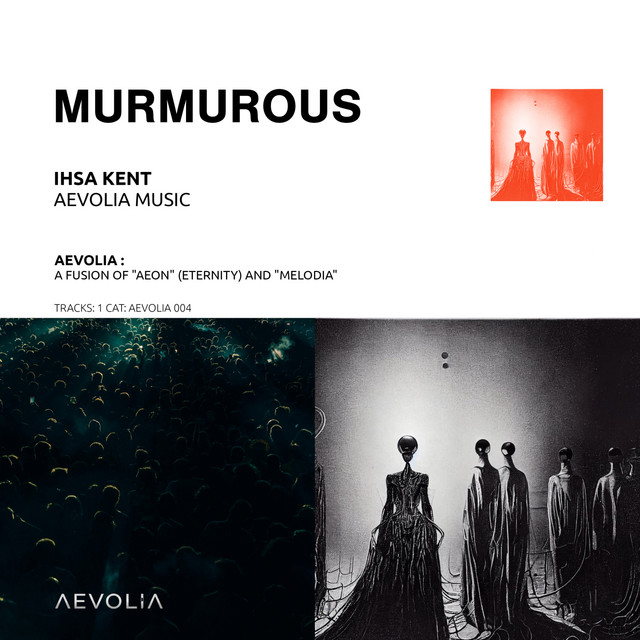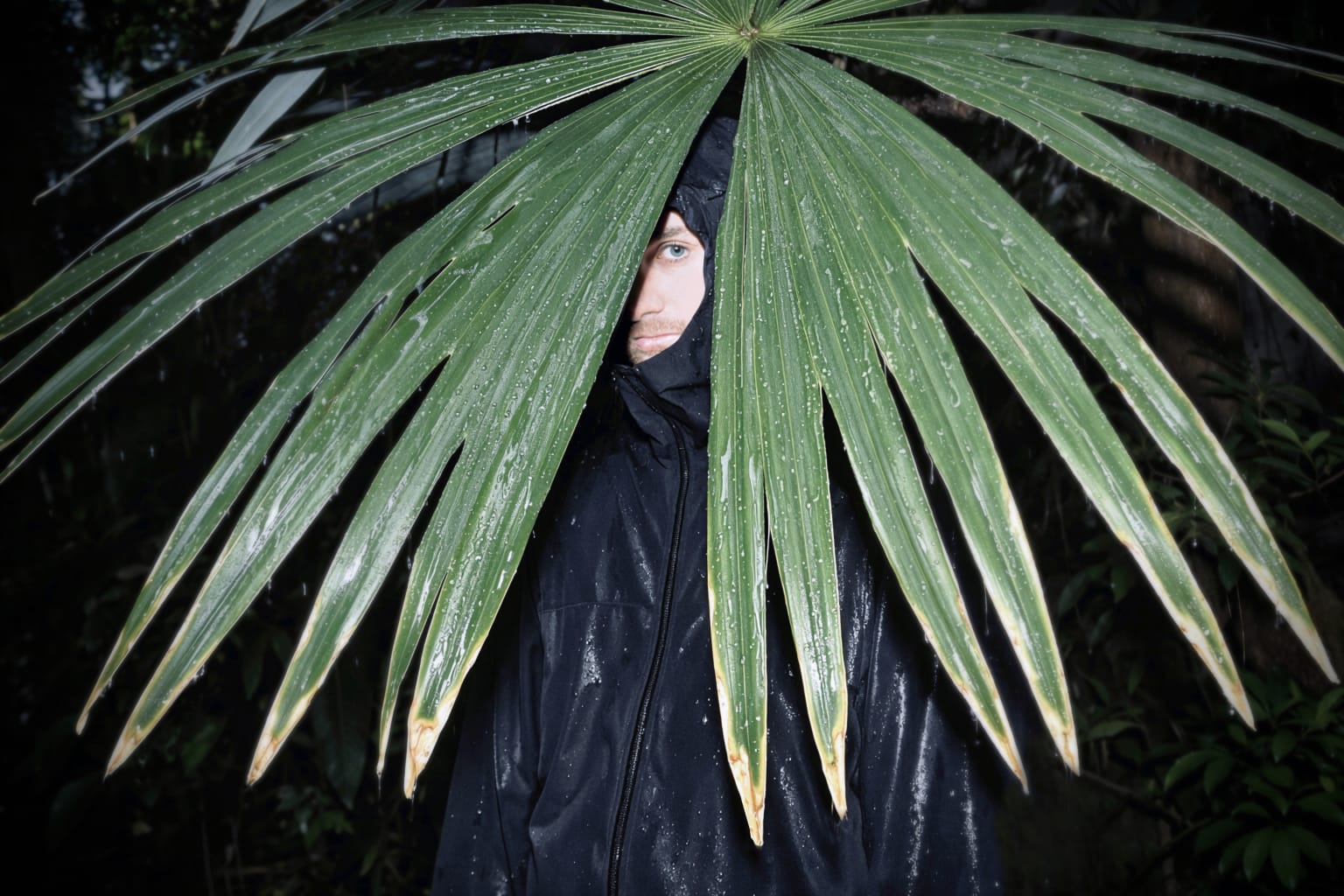

Blue Hour si racconta su Parkett in occasione dell’ uscita dell’ album “Selva” per approfondire il processo creativo, le influenze e la visione che guidano questa nuova fase del suo percorso artistico.
Dietro il nome Blue Hour si cela Luke Standing, artista, DJ e label owner che da oltre dieci anni costruisce un linguaggio personale all’interno della musica elettronica contemporanea.
Dalle prime esperienze tra Brighton, Bristol e Berlino fino alla nascita del progetto nel 2013, Standing ha sviluppato un’identità sonora che si muove tra club culture e sperimentazione, mantenendo un equilibrio tra le radici della dance music e una costante spinta verso nuove direzioni. Il suo approccio multifaceted – come producer, DJ, remixer e collaboratore – riflette una visione artistica solida ma imprevedibile, capace di rinnovarsi a ogni release.
Fondatore di Blue Hour Music e delle sue sub-label, nonché co-fondatore di positivesource, ha costruito un ecosistema creativo influente e riconosciuto per qualità, coerenza e apertura verso nuovi talenti. Un percorso che nel 2024 ha raggiunto un traguardo significativo con il decimo anniversario dell’etichetta, celebrato attraverso le compilation “Omni”, testimonianza dell’evoluzione del suono e della community artistica che lo circonda.
Con un catalogo in continua espansione e una presenza costante nel panorama internazionale, Blue Hour continua a distinguersi per integrità, ricerca e visione, mantenendo una forte connessione con la scena e preservando una voce artistica unica.
Oggi inaugura un nuovo capitolo con “Selva“, il suo primo album: un lavoro nato in modo istintivo che si sviluppa come un racconto subconscio tra suggestioni ancestrali, paesaggi naturali e dimensioni interiori. Otto tracce che attraversano techno, atmosfere melodiche e richiami rituali, dando vita a un’esperienza sonora intensa e profondamente personale. Vi lasciamo alle sue parole, buona lettura!
Benvenuto su Parkett, Luke, e grazie per essere con noi in occasione del tuo primo album in formato lungo, “Selva”. “Selva” si sviluppa come un viaggio attraverso mondi dimenticati e antiche saggezze: puoi raccontarci come è nato il progetto e in che modo le tue esperienze personali e le influenze musicali si sono intrecciate per dare forma a questa narrazione sonora?
Ciao, grazie a voi per l’invito! Direi che l’album si è scritto quasi da solo. Il processo di scrittura è iniziato in modo piuttosto casuale, senza un obiettivo preciso o un piano per realizzare un vero e proprio album. “The Chase” è stato il primo brano che ho fatto, ma è stato solo circa sei mesi dopo, con una pausa nel mezzo, che il progetto ha iniziato davvero a prendere forma. A un certo punto avevo un gruppo di idee che funzionavano bene insieme e che sembravano poter diventare il mio prossimo EP, ma c’era qualcosa di diverso.
Avevano più significato e una componente narrativa più forte, che mi ha spinto ad ampliare il contesto: è lì che ha iniziato a emergere l’idea di una raccolta di brani ambientati nella foresta amazzonica o maya, che ha poi guidato l’intera narrazione.
Questo concetto sonoro e l’atmosfera che gli ruota attorno sono diventati la forza unificante e un modo per tradurre tutto ciò che mi ha influenzato negli anni in un messaggio coerente. La mia passione per Jungle e Drum & Bass durante la crescita, il periodo trascorso a Bristol quando la Dubstep esplodeva e il suo successivo collegamento con il mondo della Techno, Berlino e oltre. Tracce di tutti questi momenti sono disseminate nell’album, ma convivono nello stesso ambiente, con approcci diversi al ritmo e allo spazio.
Nella mia mente, una foresta pluviale tropicale è il luogo in cui tutte queste idee e storie coesistono. È un mondo dentro un mondo, pieno sia di caos che di ordine, interconnesso, vasto, complesso e misterioso. Forse è anche una riflessione su larga scala del mio modo di vedere il mondo e di come questo influenzi la mia musica. Lavorare prevalentemente in cuffia ha rafforzato questa sensazione, rendendo tutto più intimo e permettendomi di perdermi in questo universo concettuale.
L’album alterna techno incalzante e ritmi ispirati alla scena UK a momenti più melodici e immersivi: come hai lavorato per creare questo equilibrio tra funzionalità da dancefloor e profondità emotiva, e in che modo pensi che questo influenzi la percezione dell’ascoltatore nel viaggio complessivo di “Selva”?
La maggior parte della mia musica ha una forte componente legata al dancefloor, è un approccio che mi caratterizza abbastanza. Ho fatto anche cose più ambient o senza beat, e anche quell’aspetto è presente nell’album, contribuendo ad aprirlo e chiuderlo. Detto questo, penso che possa essere apprezzato anche a casa o fuori dal contesto club: la narrazione e le dinamiche tra i brani aiutano a sostenere l’esperienza d’ascolto.
La profondità emotiva è forse l’aspetto più difficile. Non è qualcosa che puoi richiamare a comando: richiede pazienza, distanza e riflessione. A un certo punto queste condizioni si creano e cerco di lasciare che sia l’atto del “fare” a guidarmi per far emergere qualcosa a livello subconscio. Quando intercetto quel qualcosa, entro in una sorta di pilota automatico, completamente immerso in sessioni di scrittura intense e concentrate. Questo è il lato mistico della musica, ed è qualcosa che trovo profondamente affascinante, anche a livello spirituale. Creare un dialogo con il proprio io interiore e dargli voce attraverso la musica è davvero speciale.
Non ho bisogno di comprendere pienamente il risultato o il suo significato, e va bene così. Anzi, credo che sia proprio questo a renderlo interessante e unico. Allo stesso modo, anche gli altri possono entrarci in relazione in modi che risuonano con loro, spesso senza riuscire a spiegare il perché. O c’è una connessione con l’anima oppure no, e penso che più ti avvicini alla tua autenticità, più aumentano le possibilità di creare una connessione profonda con gli altri.

Alcuni brani evocano paesaggi naturali e atmosfere quasi rituali, mentre altri esplorano spazi più introspettivi: in che modo gli ambienti in cui hai lavorato, tra studio e luoghi subtropicali, hanno influenzato l’atmosfera e i dettagli sonori dei brani?
Cambiare ambiente rispetto al solito è uno strumento potente. Genera energia, entusiasmo e nuove esperienze, ma credo che l’immaginazione abbia avuto il ruolo più importante. Ci sono stati momenti all’inizio e alla fine del progetto in cui ho trascorso del tempo in luoghi tropicali, ma è stato un fattore secondario. A Berlino, dove ho realizzato la maggior parte della musica, la mia mente cercava di allontanarsi dalla grande città, desiderando qualcosa di opposto. Una forma di evasione creativa, direi, e l’ambientazione nella foresta amazzonica o maya è stata una scelta subconscia, anche se non ho visitato quei luoghi nello specifico.
C’è qualcosa di potente e affascinante nella foresta pluviale: un senso di mistero, oscurità e bellezza. Sono proprio questi aspetti che cerco di tradurre o esplorare attraverso una serie di storie sonore. Non mi interessava imitare ritmi tribali specifici o usare strumenti autentici — c’è già musica che lo fa molto meglio e con altri obiettivi. Mi interessava piuttosto evocare la sensazione di trovarsi in un luogo remoto e selvaggio: attraversare vegetazione fitta, tempeste tropicali, il calare della notte e incontri inaspettati.
“Blue Hour” nasce nel 2013, poco dopo il tuo trasferimento a Berlino, evolvendosi dai tuoi progetti precedenti “Furesshu” ed “Esoteric”: come descriveresti l’evoluzione del tuo linguaggio sonoro negli anni, e in che modo Berlino ha contribuito a plasmare la tua identità artistica?
Forse direi… caotica? (ride) È una bella domanda. È cambiato parecchio, ma credo sia naturale per chiunque faccia qualcosa per tanto tempo. All’inizio c’è sviluppo e sperimentazione, ci vuole tempo per trovare un suono, poi si viene influenzati da qualcosa e si tende a esplorarlo di più in certi momenti, adattarsi, evolversi, tornare su idee precedenti… tutto questo è sano e fa parte del percorso.In generale sono contento di non aver definito troppo rigidamente il mio stile fin dall’inizio. Quando tutto è troppo rigido, può diventare difficile sostenere una carriera a lungo termine.

A Berlino ho probabilmente trovato più spazio e opportunità per sperimentare. Non so se sia solo per via della città — forse è più legato alla crescita personale — ma probabilmente le due cose sono connesse. Qui c’è un senso di libertà che ti permette di provare cose nuove restando comunque connesso a qualcosa, ed è speciale. È anche una città in cui la musica è ovunque, parte integrante della vita quotidiana, il che può essere travolgente — ed è forse anche per questo che sento il bisogno di una forma di evasione creativa, fisica o mentale.
Il tuo lavoro unisce produzione, performance e direzione artistica: in che modo la tua esperienza come fondatore di un’etichetta e il lavoro con altri artisti influenzano il tuo processo creativo personale, e come il confronto con prospettive diverse ha arricchito il tuo approccio al sound design?
Naturalmente si può essere ispirati dagli altri, e a volte questo emerge in misura diversa. Ma per lo più si tratta di sperimentazione e divertimento. Con un album è particolarmente importante presentare qualcosa di autentico, il proprio suono e la propria visione.Gestire un’etichetta affina molto l’ascolto: il lavoro curatoriale, così come il cercare e collezionare musica, ti porta ad ascoltare in modo estremamente attento o a sviluppare opinioni rapide attraverso un ascolto critico. Questo, col tempo, alza naturalmente i tuoi standard. Ovviamente nessuno è perfetto in ogni aspetto della produzione, e tutti abbiamo margini di miglioramento, me incluso.
È anche giusto dire che il tempo dedicato agli altri è in parte un sacrificio personale: le ore che investo nel lavorare con gli artisti dell’etichetta sono ore sottratte alla mia musica. Non sempre riesco a bilanciare perfettamente le due cose, ma credo molto nel lavoro che faccio con l’etichetta e apprezzo le relazioni che ne nascono. Ho conosciuto molte persone con cui è nata un’amicizia.
L’uso del vinile e di strumenti analogici è diventato un tratto distintivo del tuo stile: puoi raccontarci come queste scelte tecniche influenzano la tua creatività, la struttura dei brani e il modo in cui ti connetti con il pubblico durante le performance?
Ora faccio DJ esclusivamente in digitale, da un po’ di tempo. Sfrutto molto le funzionalità dei CDJ — hot cue, looping, beat jump, memory cue — senza esagerare, ma la possibilità di modificare i brani al volo è qualcosa che mi piace molto e mi dà flessibilità durante le performance, quando serve.Continuo però a produrre vinili per l’etichetta e adoro la loro fisicità. Per me una release è completa solo con quel formato, e per alcuni artisti è un elemento importante: dà la sensazione che la loro musica venga presa sul serio, che ci sia un vero investimento.
Per quanto riguarda la produzione, sono più flessibile. “Selva” è stato realizzato interamente in digitale. Amo la flessibilità del mondo digitale e oggi ci sono strumenti ed emulazioni di altissimo livello, soprattutto con la potenza di calcolo disponibile. Poter riaprire i progetti e lavorare sui dettagli di suono, effetti e arrangiamento si adatta molto al mio modo di lavorare.
Possiedo ancora dell’hardware e lo uso quando mi serve qualcosa di specifico: aiuta anche a cambiare approccio e aprire nuove possibilità. Ma non credo riuscirei a creare la stessa musica in un ambiente completamente analogico: sarebbe molto complesso, soprattutto per automazioni, routing ed effetti. È possibile, certo, ma richiederebbe un setup molto costoso e probabilmente più persone per gestire certi momenti dell’arrangiamento.
Guardando al futuro, che direzione ti piacerebbe esplorare dopo “Selva”? Ci sono nuovi territori sonori, concettuali o performativi che ti incuriosiscono particolarmente?
È ancora presto per dirlo. La mia mente è ancora completamente immersa nell’album e ho bisogno di tempo per assimilare l’esperienza dopo l’uscita, prima di pensare al prossimo passo. Voglio godermi questo momento e dargli lo spazio che merita. Il resto verrà quando mi sentirò pronto e quando si creeranno di nuovo quelle condizioni speciali di cui parlavo prima.
Per ora non vedo l’ora di suonare in alcuni dei miei club europei preferiti e di fare più tour. Mi piace molto l’Asia e sto pianificando di tornarci entro fine anno. Mi piacerebbe anche andare in Messico per la prima volta come artista e tornare in Sud America.
Come ti immagini artisticamente tra cinque anni, sia come produttore sia come figura nella scena elettronica internazionale?
Ho il sogno di creare uno spazio nella natura dove le persone possano venire, lavorare ai loro progetti e registrare musica. L’idea è offrire un ambiente alternativo e magari costruirci attorno una piccola attività. Come dicevo prima, cambiare ambiente può essere molto potente, e condividere qualcosa del genere potrebbe davvero aiutare e ispirare il processo creativo.
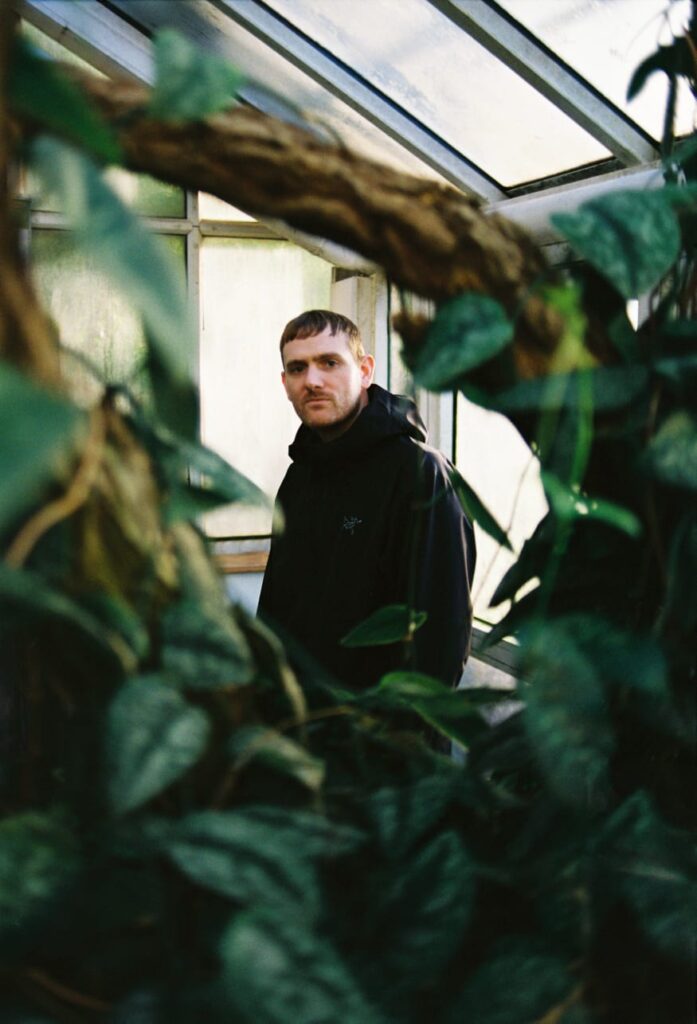
Ora che ho completato il mio primo album, lavorare su formati lunghi mi affascina molto. Vorrei ritagliarmi più spazio per questo tipo di progetti. Continuerò sicuramente a pubblicare EP, ma nei prossimi cinque anni mi immagino almeno un altro album, e mi piacerebbe anche collaborare con altri artisti dell’etichetta su lavori più estesi.
Voglio continuare a costruire connessioni autentiche, attraverso la musica, il DJing, l’etichetta o gli spazi che potrei creare. La musica mi ha dato tantissimo, e voglio continuare a contribuire in modo significativo e sincero.
ENGLISH VERSION
Blue Hour shares his story on Parkett on the occasion of the release of his album “Selva”, delving into the creative process, influences, and vision shaping this new phase of his artistic journey.
Behind the name Blue Hour is Luke Standing, an artist, DJ, and label owner who has spent over a decade shaping a distinctive voice within contemporary electronic music.
From his early experiences between Brighton, Bristol, and Berlin to the launch of the project in 2013, Standing has developed a sonic identity that moves fluidly between club culture and experimentation, maintaining a balance between the roots of dance music and a constant push toward new directions. His multifaceted approach—as a producer, DJ, remixer, and collaborator—reflects a solid yet unpredictable artistic vision, capable of evolving with each release.As
As the founder of Blue Hour Music and its sub-labels, as well as co-founder of positivesource, he has built an influential creative ecosystem ճանաչized for its quality, consistency, and openness to emerging talent. This journey reached a significant milestone in 2024 with the label’s 10th anniversary, celebrated through the “Omni” compilations—an expression of the label’s evolving sound and the artistic community surrounding it.
With an ever-expanding catalog and a strong international presence, Blue Hour continues to stand out for his integrity, curiosity, and vision, maintaining a deep connection to the scene while preserving a distinctive artistic voice.
Today, he opens a new chapter with “Selva“, his debut album: a work born instinctively, unfolding as a subconscious narrative shaped by ancestral suggestions, natural landscapes, and inner dimensions. Across eight tracks, he navigates techno, melodic atmospheres, and ritualistic elements, creating an immersive and deeply personal listening experience.We’ll leave you to his words, enjoy the read!
Welcome to Parkett, Luke Standing, and thank you for joining us on the occasion of your first full-length album “Selva”. “Selva” unfolds like a journey through forgotten worlds and ancient wisdom: can you tell us how the project came to life and how your personal experiences and musical influences intertwined to shape this sonic narrative?
Hello, thanks for having me! I’d say the album kind of wrote itself. The writing process started quite casually with no end goal or plan to make an actual album. ‘The Chase’ was the first track I did, but it wasn’t until half a year later with a writing gap that the project really began taking shape. At one point I had a group of track ideas working together that felt like they could be my next EP, but something about them also felt different. There was more meaning and narrative behind them which encouraged me to expand on their context and this is where the idea of a collection of music set in the Amazon or Mayan rainforest began to appear and inform the wider narrative.
This sonic concept and atmosphere created around it became the binding force and a way of translating everything that has influenced me over the years into a unified message. My passion for Jungle and D&B growing up, the time I spent in Bristol when Dubstep exploded and its eventual introduction for me into the world of Techno, Berlin and beyond. Hints of all those moments are buried throughout the record but they all sit within the same environment with different approaches to rhythm and space.In
In my mind a tropical rainforest is the place where all these ideas and stories coexist. It’s a world within a world, full of both chaos and order, interconnected and vast, complex and mysterious. Perhaps it’s also a macro reflection of my view of the wider world and how that informs my music. Working predominantly on headphones reinforced this feeling making it more intimate and allowing me to get lost in this conceptual world.
The album alternates between driving techno and UK dance-inspired rhythms, and more melodic, immersive passages: how did you work to create this balance between dancefloor functionality and emotional depth, and how do you think it affects the listener’s perception of the overall journey of “Selva”?
Most of my music has a strong aspect of dance-floor functionality, it’s a pretty common attitude I have towards writing generally. There are more ambient or beatless things I’ve done too and that side of things features on the album as well which help to open and close it. That said I think this could equally be enjoyed at home or outside of the club, the narrative as well as the dynamics between tracks help to support the listening experience.Emotional
Emotional depth is perhaps the more challenging aspect. It’s not something you can call on demand, it requires patience, distance and contemplation. At a certain point these conditions are met and I try to let the action of ‘doing’ guide me to reveal or express something subconsciously. Once I catch something I’m on autopilot, fully immersed in very intensive and focused writing sessions. This is the mysticism music carries and that’s something I find deeply intriguing, even on a spiritual level. Being able to create a dialogue with your inner self and give it a voice through music is a truly special thing.I don’t have to fully understand the outcome and what it conveys which is fine by me.
In fact I think that’s partly what gives it unique interest and meaning. I think similarly other people can engage with it in ways that resonates with them, often the reasons can’t be explained. There’s a connection to the soul or there isn’t and I think the closer you get to your own authenticity the better your chances of connecting with others over it in more deeper way.

Some tracks evoke natural landscapes and almost ritualistic atmospheres, while others explore deeper, introspective spaces: how did the environments you worked in—between your studio and subtropical locations—influence the atmosphere and sonic detail of the tracks?
A change of environment outside of your usual setting is a powerful tool. It sparks energy and excitement and creates new experiences but imagination perhaps played the biggest role. There were periods at the start and end of the project where I did spend time in tropical locations by chance but I think this was a smaller part of it. In Berlin, where most of the music was made, my mind navigated away from the big city with a desire for something contrasting or opposite. A form of creative escapism I suppose and the setting of an Amazon or Mayan rainforest seemed to be the subconscious choice for the music even though I didn’t visit those particular locations.
There’s something powerful and fascinating about the rainforest. A sense of mystery, darkness and beauty and it’s these aspects I think I’m attempting to translate or investigate through a series of sonic stories. I wasn’t interested in mimicking specific tribal rhythms or using authentic instruments. I think there’s music out there which does a much better job at that and serves a different purpose. I was more interested in what it could feel like to be in such a remote and wild place. Navigating through dense vegetation, tropical storms, night falling and strange encounters.
“Blue Hour” emerged in 2013, shortly after your move to Berlin, evolving from your earlier projects “Furesshu” and “Esoteric”: how would you describe the evolution of your sonic language over the years, and how has the city of Berlin helped shape your artistic identity?
Chaotic maybe? Ha, that’s a good question. It’s changed quite a bit I guess but I think that’s also natural for anyone doing something over a long period of time. You have early development and experimentation, it takes a while to find a sound and then you might be influenced by something and lean more heavily into that at different moments, adapt, evolve, revisit ideas, whatever really. I think all of that is healthy and part of progression. In general I’m thankful for not having defined what I do too heavily from the start.
If things are too rigid in style it can often be challenging for artists to sustain long term careers. While in Berlin I’ve perhaps found the most opportunity and space to experiment. I’m not sure if that’s specific to being here though. Maybe it’s more to do with personal development, though saying that it’s probably deeply connected to Berlin after all. There’s a sense of freedom here which allows you to try things and still feel connected somehow and that’s definitely something special. It’s also a place where music is constantly around you and part of the city, which can be overwhelming and this is also maybe why I long for a form of creative escapism either physically or mentally.
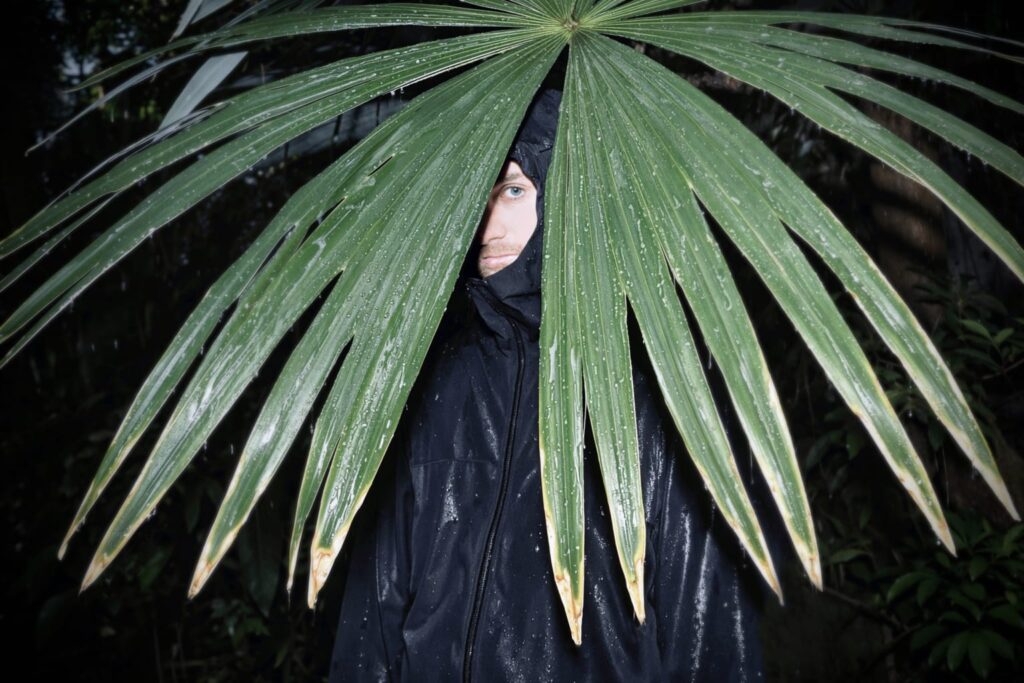
Your work combines production, performance, and artistic direction: how does your experience as a label owner and working with other artists influence your personal creative process, and how has engaging with different perspectives enriched your approach to sound design?
Naturally you can be inspired by others and sometimes that has shown to varying degrees at different times. Mostly it’s just fun experimentation though. With something like an album it’s especially important to present something authentic, your own sound and vision.
With running a label I find the curatorial side sharpens your senses when listening to music, collecting and digging for music regularly also helps this in a similar way. You’re listening in such detail or learning to form fast opinions through critical listening and this raises your own standards over time naturally I think. Of course no one is perfect at every aspect of production and we all have areas that can be improved upon including myself. It’s worth being honest though that the time invested in others can also be a personal sacrifice to some extent. The hours I give to working with others on the label are hours away from my own music. It’s a balance I don’t always get right for myself but I believe in the label work i do and enjoy the relationships around it. I’ve made many friends through this experience.
The use of vinyl and analog instruments has become a hallmark of your style: can you tell us how these technical choices influence your creativity, track structure, and the way you connect with the audience during performances?
I DJ exclusively digitally now and have done for a while. I make good use of the features available on CDJs though, hot cues, looping, beat jumping, memory cues and so on. I’m not overusing these things but having the option to edit tracks on the fly is something I really enjoy and it gives me a lot of flexibility when performing but only if I need it.
I still manufacture vinyl for the label and love the physicality of it. A release only feels complete to me with the addition of that format and for some artists on the label it’s also an important factor. They want to feel that their music is being taken seriously and that there’s a genuine investment behind their craft.When it comes to production I’m more fluid depending on the situation. “Selva” was actually made fully in the box I believe.I
I love the flexibility of the digital world and there are so many good tools and emulations out there now, especially with the processing power available today. Being able to recall projects at different times and work on fine details around sound choice, effects and arrangement suits me well. I do still own a collection of hardware and when I need something specific I’ll use it, it also helps to change approach and open up new ways of working occasionally. I don’t think I could recreate the same music in a fully analog environment though, this would be a big challenge. There are simply too many variables and complexities for me to handle successfully, especially when it comes to automation, routing and bussing effects. It’s possible I suppose but it would be a very expensive setup and you’d need several hands on deck to create certain moments in the arrangement.
Looking ahead, what direction do you feel like exploring after “Selva”? Are there new sonic, conceptual, or performative territories that particularly intrigue you?
It’s too early to say with production to be honest. My mind is still fully orientated around the LP and I need a bit of time to digest the experience after its release before I can start thinking about what’s next. I want to enjoy this moment and give it the space it deserves. The next thing will come when I feel ready and when those special conditions that I mentioned earlier are met. For now I’m looking forward to playing some of my favourite European venues and touring more broadly. I particularly enjoy visiting Asia and am planning to go back later this year. It would also be great to visit Mexico for the first time as an artist and return to South America too.
How do you envision Blue Hour artistically in five years, both as a producer and as a figure within the international electronic music scene?
I have some dreams about creating a space in nature where people can visit, work on their projects and record music. The intention is to offer an alternative environment and perhaps build a small business around it. As mentioned earlier a change of environment can be a powerful thing and having something like this to share with others could really help and inspire the creative process.
Now that I’ve completed my first album, working in longer formats is really appealing to me. I’d like to create more headspace for these types of projects. Of course I’ll still release EPs too but I imagine within the next five years there will be at least one other album from myself and I’m really keen to work with others on the label in longer format projects too.I want to continue to build genuine connection, whether that’s through the music, DJ’ing, the label or the spaces I might create. Music has given so much to me and I want to continue contributing to it in a meaningful and authentic way.