
Come si costruisce il clubbing? Cosa e chi regge la scena dietro le quinte? Come entrare e come sopravvivere in un sistema che, oggi più che mai, è sotto i riflettori? La nostra chiacchierata con Vittorio Balestrazzi, uno dei tre proprietari e fondatori di Seedj, risponde a queste domande e restituisce la cura che il team dedica al progetto, attivo dal 2021.
Nel nostro articolo “Seedj: una piattaforma all-in-one per DJ e produttori” illustravamo il funzionamento della piattaforma, che offre corsi di formazione e opportunità di networking per chi desidera affacciarsi all’industria musicale. Oggi, invece, è Vittorio a guidarci nel mondo di Seedj, mostrandone gli strumenti, la storia e il futuro.
Bootcamp, scholarship, mentoring e corsi con artisti come The Lady Machine, Zisko, Future.666, Alarico e DVS1 e creativi come Alex Verhalle e Malika Maria, tra gli altri. Tra le opportunità rientrano anche numerosi contest che permettono di accedere a slot nelle line-up, release discografiche, editoriali e molto altro. Nelle prossime settimane Parkett e Seedj lanceranno il primo contest in collaborazione, nel frattempo vi lasciamo scoprire la piattaforma attraverso la prospettiva di Vittorio.

Ciao Vittorio, benvenuto su Parkett. Oggi ci mostri da vicino la realtà di Seedj, di cui sei Direttore Operativo e Co-Fondatore insieme a Gabriele Spata e Giuseppe Fiolo.
Ciao e grazie per l’invito. Per me è un piacere avere l’opportunità di raccontare il progetto Seedj e condividere un punto di vista personale su come stiamo cercando di contribuire, con rispetto e concretezza, alla crescita della scena elettronica contemporanea.
Quando avete creato il progetto, nel 2021, avevate previsto la trasformazione del clubbing post-Covid o è stato un fenomeno con cui avete fatto i conti successivamente?
Quando abbiamo fondato Seedj nel 2021, eravamo nel pieno di una paralisi globale che aveva colpito duramente il mondo del clubbing. Quello che ci è stato subito chiaro, però, è che la crisi del settore non era del tutto casuale: metteva in luce fragilità già esistenti. Il percorso tradizionale per emergere come DJ o producer era già complesso, spesso legato più al networking informale che al merito artistico.
Credo che il Covid abbia solo accelerato questa consapevolezza. Quando tutto si è fermato, dai club ai festival, dai booking alle relazioni sul dancefloor, ci siamo chiesti: cosa resta per un artista emergente? Da lì è nata l’idea di costruire una piattaforma che non si limitasse a offrire contenuti formativi, ma che fosse un vero ecosistema di crescita. Non avevamo previsto ogni trasformazione del clubbing ma avevamo ben chiaro che il settore aveva bisogno di strumenti nuovi, accessibili e duraturi. Seedj è il nostro contributo a questa nuova infrastruttura.
Nel 2021 si è tenuto il primo Seedj Bootcamp a Catania, seguito dalle edizioni al Melkweg di Amsterdam. Cosa offrono i Bootcamp e come vi si accede?
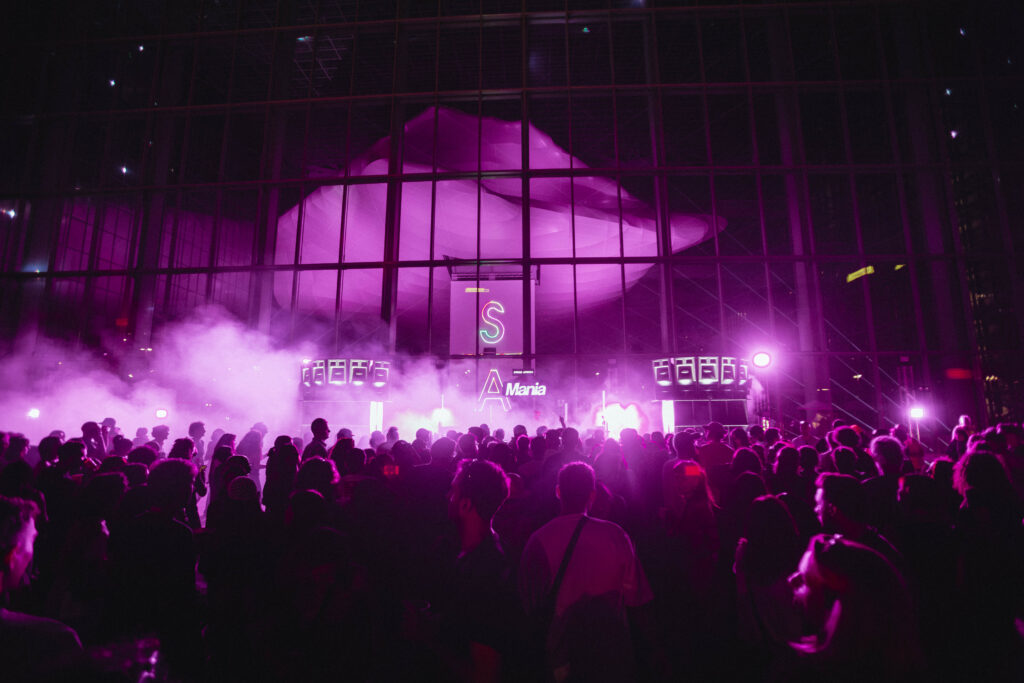
I Seedj Bootcamp sono esperienze immersive pensate per fondere la formazione ed il networking professionale della musica elettronica. Il primo si è tenuto nel 2021 a Catania, nostra città natale, ed è stato il nostro “prototipo”, migliorato poi negli anni successivi. Le edizioni del 2023 e 2024 si sono tenute ad Amsterdam, al Melkweg, uno dei luoghi più iconici della città. Entrambe le edizioni olandesi hanno registrato sold-out, con partecipanti provenienti da tutto il mondo.
Ogni Bootcamp generalmente dura due giorni e include: masterclass, panel, contest, 1:1 con artisti , incontri con agenzie, A&R e manufacturer. Abbiamo ospitato figure come Alarico, Yanamaste, Bad Boombox, The Lady Machine, Beau Didier e molti altri. Non è necessario essere iscritti a Seedj e si accede tramite registrazione sulla nostra piattaforma o attraverso partner come Resident Advisor. I posti sono limitati per mantenere alta la qualità dell’interazione. Per noi è fondamentale che ogni partecipante esca con connessioni concrete, ispirazione e strumenti pratici.

La community Seedj conta più di 10000 utenti in tutto il mondo, anche grazie ad opportunità come le scolarships. Cosa sono e a chi sono rivolte?
Le scholarships Seedj sono uno dei progetti a cui tengo di più. Sono pensate per artisti emergenti che vivono in contesti con minori possibilità economiche o infrastrutturali e permettono di accedere alla piattaforma con tariffe agevolate.
L’obiettivo è abbattere le barriere d’ingresso al settore, offrendo pari opportunità a chi ha talento ma non le risorse. Abbiamo già attivato diverse borse di studio in Sud-America, Sud-Est Asiatico, Africa e abbiamo il piacere e l’onore di raccontare storie di artisti che, grazie alla piattaforma, hanno pubblicato su label, vinto contest o trovato dei partner di lavoro. È un modo per restituire centralità al merito e dimostrare che la scena elettronica ha senso solo se è davvero globale e inclusiva. Le scholarships coprono tutte le risorse che offre Seedj, corsi, contest, accesso ai sample pack e networking.
Seedj mira a bilanciare l’esperienza online con quella offline per integrare il networking professionale alla formazione. Tra le opportunità rientrano slot nelle line-up, release discografiche o mentoring personalizzati, grazie alle collaborazioni con artisti e label. Tra queste Perc Trax, Mama Told Ya, Northern Electronics e 240km/h.
Come avete creato questa rete così radicata e in che direzione volete espandervi?
Tutto è partito da relazioni costruite nel tempo, prima ancora della nascita di SEEDJ. Con progetti come With Love e PHASE 2 abbiamo lavorato per anni a stretto contatto con artisti, agenzie, promoter, A&R. Questo ci ha permesso, nel momento in cui abbiamo lanciato Seedj, di proporre un progetto già credibile, sostenuto da una visione chiara. Non abbiamo tentato dei contatti “a freddo”, ma abbiamo sfruttato delle collaborazioni già esistenti ed autentiche.
Oggi lavoriamo con i migliori player del panorama della musica elettronica, compreso quelli da voi menzionati. I nostri artisti includono nomi come DVS1, Nico Moreno, Anetha, Indira Paganotto, Ilario Alicante e molti altri. Le collaborazioni coprono tutti quelli che sono i servizi che offriamo col progetto.
In termini di direzione, stiamo lavorando a un’espansione di genere: partendo dal mondo techno, ci stiamo aprendo ad house, minimal e deep tech, e nei prossimi mesi annunceremo anche l’ingresso di altri generi. Il nostro obiettivo è mantenere la qualità e la coerenza, ma allargare il campo d’azione.
I corsi di Djing aprono una finestra sullo stile distintivo degli artisti coinvolti. Adiel e The Lady Machine sul vinile, Zisko e Grace Dahl sul mixaggio digitale o le masterclass sui live set di Mattia Trani e Raffaele Attanasio, per citarne alcuni. Sono corsi per professionisti o adatti anche a chi si è appena avvicinato al mondo del Djing?
Oggi i corsi Seedj si rivolgono a chi ha già una base tecnica, anche minima. È un target basic-intermediate: non serve essere professionisti, ma serve curiosità e una minima familiarità con il software o l’hardware (come Ableton, ad esempio).

Il nostro obiettivo, sin da subito, è stato quello di evitare contenuti troppo generici o scollegati dalla realtà della scena: vogliamo che ogni corso sia immediatamente applicabile e utile per chi sta già iniziando a costruire il proprio percorso artistico.
Per chi invece si avvicina per la prima volta al mondo del DJing, stiamo lavorando a un progetto molto ambizioso: “Path”, un macro-corso di oltre 100 ore, in uscita entro fine 2026. Sarà il nostro primo percorso completamente pensato per chi parte da zero, e affronterà tutto, dalla conoscenza dell’attrezzatura alla teoria musicale, dalle basi del beat-matching all’organizzazione della libreria musicale, fino alle dinamiche della performance. In breve, Seedj oggi si rivolge a chi ha già mosso i primi passi, ma guarda con decisione anche a chi sta per iniziare.
Non solo DJing ma anche produzione e music business, visual art e fotografia, grazie ai corsi di Malika Maria e Alex Verhalle, ad esempio. Tutti i corsi cercano di spiegare il perché, non solo il come. Ora che il come è più chiaro, qual è il perchè dietro Seedj?
Seedj nasce da un’esigenza concreta che abbiamo riscontrato ascoltando decine, se non centinaia di artisti emergenti: mancava uno spazio professionale, accessibile e strutturato, in grado di accompagnare il percorso di crescita di un artista elettronico nella sua totalità.
Seedj è stato progettato per essere un acceleratore di carriera: un luogo dove ogni artista può formarsi, connettersi, pubblicare, esibirsi. Non si tratta solo di “imparare a suonare” o “produrre una traccia”, ma di entrare in una community con gli strumenti adatti per farlo in modo organico e sostenibile.
Ciò che ci differenzia è l’integrazione dei contenuti con le opportunità reali. Ogni corso può essere il primo passo verso una release, un contest può portare a uno slot in un festival rinomato, un feedback da un artista può trasformarsi in una collaborazione. E tutto questo avviene in un contesto digitale dove l’utente non è lasciato solo, ma viene orientato attraverso sistemi intelligenti come l’identity matching, che suggerisce contenuti e connessioni in base al profilo sonoro e stilistico dell’artista.
Per noi, supportare un artista non significa offrirgli solo visibilità, ma accompagnarlo nel tempo, passo dopo passo, rispettandone le ambizioni, i ritmi, le influenze, anche (e soprattutto) quando inizia lontano dai riflettori.
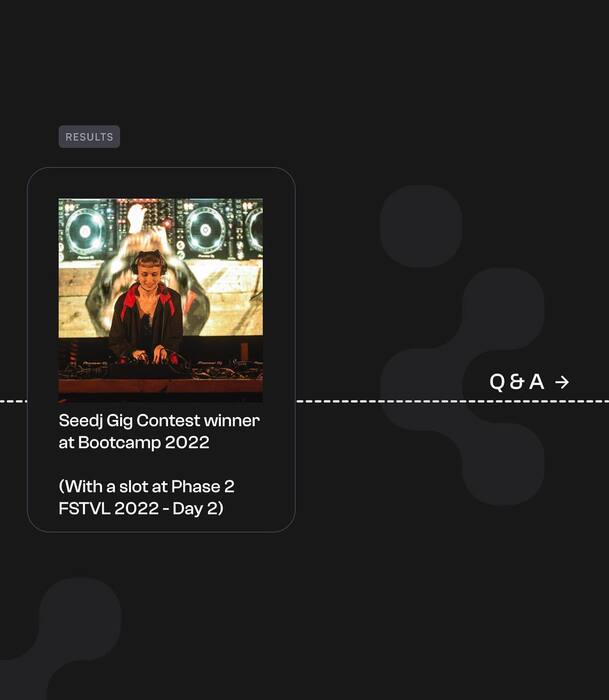
With Love è il cuore del background di Seedj. Una realtà che in quasi trent’anni vi ha permesso di affondare le radici nella scena e crescere con essa, creando connessioni autentiche e visioni lucide. Quanto sono connesse le realtà di Seedj, With Love e Phase 2?
I 3 brands sono profondamente connessi, sia a livello operativo che emotivo. With Love non è solo una delle realtà più iconiche del Sud Italia, ma anche il “luogo” in cui noi tre, Giuseppe, Gabriele ed io, ci siamo conosciuti, lavorando da più di 10 anni fianco a fianco su eventi, booking, produzione, comunicazione. Da lì è nata prima un’amicizia, poi una collaborazione sempre più stretta, che ci ha portati a ideare e costruire il progetto della nostra vita: Seedj.
With Love ci ha insegnato cosa significa costruire una community, mantenere un brand musicale forte nel tempo, e lavorare con continuità e rispetto all’interno della scena. In seguito, con PHASE 2, abbiamo potuto esplorare una dimensione più sperimentale, organizzando eventi incentrati su suono, ricerca visiva e connessioni culturali. Queste esperienze ci hanno dato accesso diretto a una rete di agenzie, label e artisti che oggi sono parte attiva della piattaforma Seedj.
Inoltre molte delle funzionalità che oggi vivono su Seedj, dai contest alle release, dai feedback professionali ai bootcamp, nascono proprio dall’esperienza diretta nel mondo degli eventi e da una comprensione profonda delle dinamiche della scena. In questo senso, With Love e PHASE 2 non sono il “prima” di SEEDJ, ma il suo cuore pulsante, il contesto da cui tutto ha avuto inizio e che ancora oggi continua a supportare la sua crescita.
Il tuo lavoro richiede impegno e dedizione ma offre sicuramente una prospettiva privilegiata sulla scena e il suo substrato. Come la immagini tra dieci anni?
Credo che la scena elettronica, tra dieci anni, sarà ancora più ibrida. Da un lato continuerà a esistere, e probabilmente a rafforzarsi, l’esperienza fisica, quella dei club, dei festival, dei dancefloor autentici. Dall’altro, la componente digitale diventerà ancora più strutturata: non più solo contenuto da consumare, ma ambiente di formazione, scouting e costruzione professionale.
Con gli strumenti tecnologici sempre più potenti, in particolare l’AI sarà facile produrre o mixare. Ma proprio per questo, ciò che farà la differenza sarà la visione artistica e la capacità di emozionare. Mi auguro che la geografia del clubbing sia sempre più aperta a contaminazioni, nuove scene e talenti non ancora espressi, specialmente in zone più remote del mondo
In questo futuro, mi piacerebbe che Seedj fosse parte attiva del cambiamento, non solo come piattaforma, ma come spazio culturale e formativo che contribuisce a rendere la scena più equa, più trasparente e più umana, magari rafforzando la nostra presenza offline.
Secondo te ha ancora senso parlare di mainstream e underground oggi?
Credo che oggi le categorie “mainstream” e “underground” siano molto più fluide rispetto al passato, e spesso anche un po’ fuorvianti. Fino a qualche anno fa, rappresentavano due mondi distinti, quasi opposti: il primo legato alla visibilità, alla distribuzione di massa; il secondo alla ricerca, alla sperimentazione e all’autenticità. Ma oggi questi confini si sono decisamente sfumati.
Un artista può essere underground nel suono, nell’attitudine e nel percorso, ma avere migliaia di ascolti e visibilità grazie alle piattaforme digitali. Allo stesso modo, molti progetti nati nel mainstream cercano oggi di recuperare credibilità attingendo alle dinamiche dell’underground. È diventato più una questione di posizionamento culturale. Quello che conta è cosa vuoi dire con la tua musica, come ti relazioni con il tuo pubblico, e quale tipo di percorso scegli di costruire.
Con Seedj cerchiamo di offrire strumenti e opportunità a prescindere da questi concetti, perché crediamo che il valore di un artista non sia determinato solo dalla quantità di follower o dall’estetica più “pura”, ma dalla sua capacità di proporre qualcosa di reale, personale e, possibilmente, duraturo. In un mondo che cambia così rapidamente, forse è più utile concentrarsi su come e perché si fa musica, piuttosto che su in quale “campo” ci si posiziona.
Conchiudo ringraziandoti e chiedendoti se ti va di anticiparci qualcosa sui prossimi piani per Seedj
Grazie a voi per lo spazio e l’interesse. Parlare di Seedj significa condividere un percorso in continua evoluzione, quindi sì, abbiamo diversi progetti all’orizzonte che non vediamo l’ora di concretizzare.
Il primo grande step sarà il rilascio di “Path”, previsto per la fine del 2026, parallelamente, stiamo lavorando all’integrazione di funzionalità basate su intelligenza artificiale per rendere l’esperienza sempre più personalizzata. L’idea è quella di poter consigliare in tempo reale corsi, sample, contest o label affini, partendo dal profilo artistico e dalle attività degli utenti.
Dopo l’esperienza al Melkweg di Amsterdam col Bootcamp, siamo fermamente convinti di rafforzare la nostra presenza offline, stiamo infatti pianificando nuove attività che prevederanno meet-ups ed eventi di networking in giro per il mondo, grazie alla nostra rete di utenti fedeli che tengono viva la nostra community.
In tutto questo, la nostra priorità resta la stessa: offrire un ecosistema solido, inclusivo e concreto, che possa accompagnare ogni artista, a qualsiasi livello, nella costruzione di un percorso professionale reale, fatto di visione, contenuti e opportunità.

ENGLISH VERSION
Hi Vittorio, welcome to Parkett. Today, let’s take a closer look at Seedj, of which you are COO and co-founder along with Gabriele Spata and Giuseppe Fiolo.
Hi, and thank you for the invitation. I’m pleased to have the opportunity to talk about the Seedj project, but also to share a more personal perspective on how we’re trying to contribute, with respect and concreteness, to the growth of the contemporary electronic music scene.
When you created the project in 2021, did you foresee the post-Covid transformation of clubbing, or was it something you grappled with later?
When we founded Seedj in 2021, we were in the midst of a global paralysis that had severely impacted the clubbing world. What was immediately clear to us, however, was that the industry crisis wasn’t entirely accidental: it exposed already existing vulnerabilities. The traditional path to emerging as a DJ or producer was already complex, often relying more on informal networking than artistic merit.
I believe Covid has only accelerated this awareness. When everything stopped, from clubs to festivals, from bookings to dancefloor connections, we asked ourselves: what’s left for an emerging artist? From there, the idea was born to build a platform that wouldn’t just offer educational content, but would also be a true growth ecosystem. We hadn’t foreseen every transformation in clubbing, but we were clear that the sector needed new, accessible, and long-lasting tools. Seedj is our contribution to this new infrastructure.
The first Seedj Bootcamp was held in Catania in 2021, followed by editions at the Melkweg in Amsterdam. What do the Bootcamps offer, and how do you access them?
Seedj Bootcamps are immersive experiences designed to blend training and professional networking in electronic music. The first was held in 2021 in Catania, our hometown, and was our “prototype,” which we improved upon in subsequent years. We brought the 2023 and 2024 editions to Amsterdam, at Melkweg, one of the city’s most iconic venues, which allowed us to streamline logistics and transportation operations. Both Dutch editions sold out, with attendees from all over the world.
Each Bootcamp typically lasts two days and includes: masterclasses, panels, contests, 1:1 sessions with artists, and meetings with agencies, A&Rs, and producers. We’ve hosted figures such as Alarico, Yanamaste, Bad Boombox, The Lady Machine, Beau Didier, and many others. Seedj membership isn’t required; access is via registration on our platform or through partners like Resident Advisor. Space is limited to maintain the high quality of interaction. It’s crucial for us that each participant leaves with concrete connections, inspiration, and practical tools.

The Seedj community has more than 10,000 long-time users worldwide, thanks in part to opportunities like scholarships. What are they and who are they for?
Seedj scholarships are one of the projects I care most about. They are designed for emerging artists living in areas with less economic or infrastructural resources, and allow them to access the platform at discounted rates.
The goal is to break down barriers to entry into the industry, offering equal opportunities to those with talent but less resources. We have already activated several scholarships in South America, Southeast Asia, and Africa, and we are pleased and honored to tell the stories of artists who, thanks to the platform, have released on labels, won contests, or found work partners. It’s a way to restore the focus on merit and demonstrate that the electronic music scene only makes sense if it is truly global and inclusive. The scholarships cover all the resources Seedj offers: courses, contests, access to sample packs, and networking.
Seedj aims to balance online and offline experiences to integrate professional networking with training. Opportunities include lineup slots, record releases, or personalized mentorships, thanks to collaborations with artists and labels. These include Perc Trax, Mama Told Ya, Northern Electronics and 240km/h.
How did you create such a deep-rooted network, and in what direction do you want to expand?
It all started with relationships built over time, even before SEEDJ was born. With projects like With Love and PHASE 2, we worked closely for years with artists, agencies, promoters, and A&Rs. This allowed us, when we launched Seedj, to propose a credible project, supported by a clear vision. We didn’t attempt cold contacts, but rather leveraged existing, authentic collaborations.
Today, we work with the best players in the electronic music scene, including those you mentioned. Our artists include names like DVS1, Nico Moreno, Anetha, Indira Paganotto, Ilario Alicante, and many others. These collaborations cover all the services we offer with the project.
In terms of direction, we’re working on a genre expansion: starting with techno, we’re expanding to house, minimal, and deep tech, and in the coming months we’ll also announce the addition of other genres. Our goal is to maintain quality and consistency, but broaden our scope.
The DJing courses offer a window into the distinctive style of the artists involved. Adiel and The Lady Machine on vinyl, Zisko and Grace Dahl on digital mixing, or the masterclasses on live sets by Mattia Trani and Raffaele Attanasio, to name a few. Are these courses for professionals or also suitable for those new to the world of DJing?
Today, Seedj courses are aimed at those with even a minimal technical background. It’s a basic-intermediate audience: you don’t need to be a professional, but you do need curiosity and a basic familiarity with the software or hardware (like Ableton, for example).

Our goal, from the very beginning, was to avoid content that was too generic or disconnected from the scene: we want each course to be immediately applicable and useful for those who are already building their artistic path.
For those approaching the world of DJing for the first time, we are working on a very ambitious project: “Path,” a macro-course of over 100 hours, due out by the end of 2026. It will be our first course completely designed for beginners, and will cover everything from equipment knowledge to music theory, from the basics of beat-matching to music library organization, and even performance dynamics. In short, Seedj is now aimed at those who have already taken their first steps, but it also firmly considers those who are just starting out.
Not just DJing, but also production and music business, visual art and photography, thanks to courses by Malika Maria and Alex Verhalle, for example. All the courses aim to explain the why, not just the how. Now that the how is clearer, what is the why behind Seedj?
Seedj was born from a concrete need we identified while listening to dozens, if not hundreds, of emerging artists: there was a lack of a professional, accessible, and structured space capable of supporting an electronic artist’s entire growth journey.
Seedj was designed to be a career accelerator: a place where every artist can train, connect, publish, and perform. It’s not just about “learning to play” or “producing a track,” but about joining a community with the right tools to do so organically and sustainably.
What sets us apart is the integration of content with real opportunities. Each course can be the first step toward a release, a contest can lead to a slot at a renowned festival, feedback from an artist can turn into a collaboration. And all of this happens in a digital context where the user is not left alone, but is guided through intelligent systems like identity matching, which suggests content and connections based on the artist’s sonic and stylistic profile.
For us, supporting an artist doesn’t just mean offering them visibility, but accompanying them over time, step by step, respecting their ambitions, rhythms, and influences, even (and especially) when they’re starting out far from the spotlight.
With Love is the heart of the Seedj team’s background. Over nearly thirty years, this company has allowed you to sink roots into the scene and grow with it, creating authentic connections and clear visions. How connected are Seedj, With Love, and Phase 2?
The three brands are deeply connected, both operationally and emotionally. With Love is not only one of the most iconic brands in Southern Italy, but also the “place” where the three of us—Giuseppe, Gabriele, and I—met, working side by side for over 10 years on events, booking, production, and communications. From there, a friendship was born, followed by an increasingly close collaboration, which led us to conceive and build the project of our lives: Seedj.
With Love taught us what it means to build a community, maintain a musical brand and strong over time, and work consistently and respectfully within the scene. Later, with PHASE 2, we were able to explore a more experimental dimension, organizing events focused on sound, visual research, and cultural connections. These experiences gave us direct access to a network of agencies, labels, and artists who are now an active part of the Seedj platform.
Furthermore, many of the features currently available on Seedj—from contests to releases, from professional feedback to bootcamps—arise precisely from direct experience in the world of events and a deep understanding of the scene’s dynamics. In this sense, With Love and PHASE 2 aren’t SEEDJ’s “before,” but its beating heart, the context where it all began and which continues to support its growth today.
Your work requires commitment and dedication, but it certainly offers a unique perspective on the scene and its foundation. How do you imagine it in ten years?
I believe the electronic music scene, in ten years, will be even more hybrid. On the one hand, the physical experience of clubs, festivals, and authentic dance floors will continue to exist, and likely grow stronger. On the other, the digital component will become even more structured: no longer just content to consume, but an environment for training, scouting, and professional development.
With increasingly powerful technological tools, particularly AI, it will be easy to produce or mix. But precisely for this reason, what will make the difference will be artistic vision and the ability to excite. I hope the geography of clubbing will be increasingly open to cross-pollination, new scenes, and untapped talent, especially in more remote areas of the world.
In this future, I’d like Seedj to be an active part of the change, not only as a platform, but as a cultural and educational space that contributes to making the scene more equitable, more transparent, and more human, perhaps by strengthening our offline presence.
Do you think it still makes sense to talk about mainstream and underground today?
I believe that today the categories “mainstream” and “underground” are much more fluid than in the past, and often even a bit misleading. Until a few years ago, they represented two distinct, almost opposing worlds: the first tied to visibility and mass distribution; the second to research, experimentation, and authenticity. But today these boundaries have definitely blurred.
An artist can be underground in sound, attitude, and career, yet garner thousands of streams and visibility thanks to digital platforms. Likewise, many projects born in the mainstream today are trying to regain credibility by drawing on underground dynamics. It’s become more of a question of cultural positioning. What matters is what you want to say with your music, how you connect with your audience, and what kind of path you choose to forge.
With Seedj, we try to offer tools and opportunities regardless of these concepts, because we believe that an artist’s value isn’t determined solely by their number of followers or their “purest” aesthetic, but by their ability to offer something real, personal, and, ideally, lasting. In a world that’s changing so rapidly, perhaps it’s more useful to focus on how and why you make music, rather than on which “field” you’re positioning yourself in.
I’ll conclude by thanking you and asking if you’d like to give us a preview of your upcoming plans for Seedj.
Thank you for the space and your interest. Talking about Seedj means sharing a constantly evolving journey, so yes, we have several projects on the horizon that we can’t wait to bring to fruition.
The first major step will be the release of “Path,” scheduled for the end of 2026. At the same time, we’re working on integrating AI-based features to make the experience increasingly personalized. The idea is to be able to recommend courses, samples, contests, or similar labels in real time, based on users’ artistic profiles and activity.
After our experience at Melkweg in Amsterdam with the Bootcamp, we firmly believe in strengthening our offline presence. We’re planning new activities that will include meetups and networking events around the world, leveraging our network of loyal users who keep our community alive.
Through all of this, our priority remains the same: to offer a solid, inclusive, and concrete ecosystem that can support every artist, at any level, in building a real professional path, built on vision, content, and opportunity.