
Dopo l’uscita del singolo “Remember Us”, Dukwa si prepara alla release del nuovo EP “Remember Us (At Least I’ve Tried To) ”, in arrivo il 10 aprile.
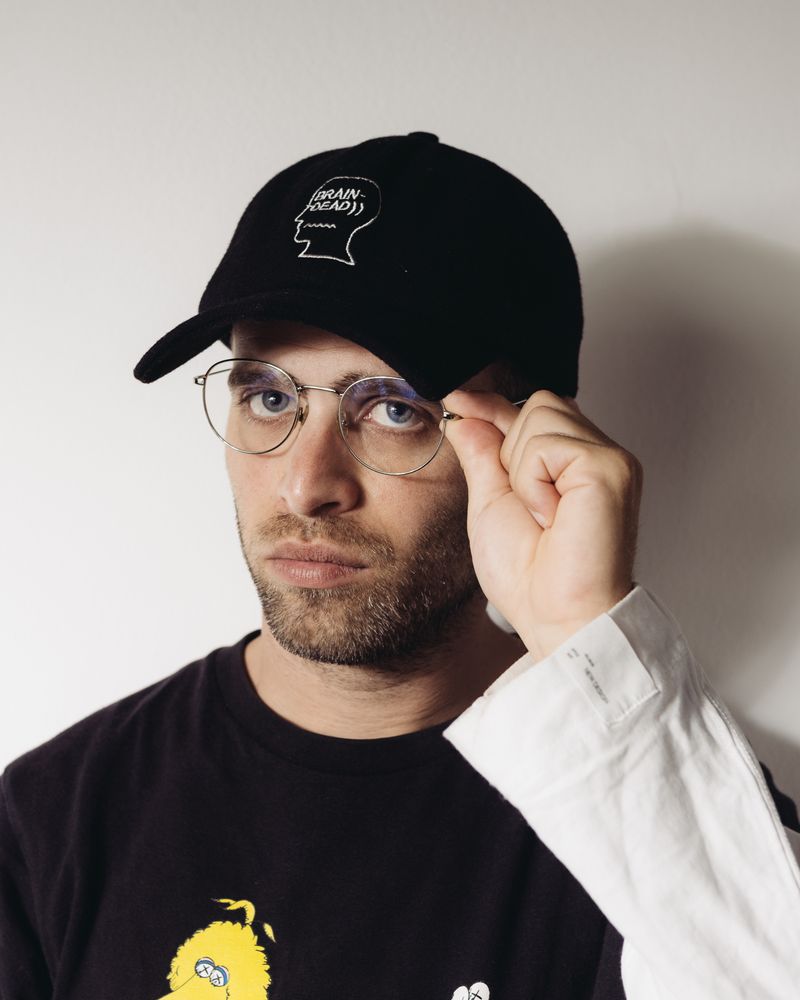
Marco D’Aquino, alias Dukwa, porta avanti da anni un percorso artistico che si muove tra house, techno e territori più sperimentali, seguendo un approccio che lui stesso definisce «istintivo e in continua evoluzione». La sua musica si sviluppa senza mai chiudersi in una formula unica, mantenendo una coerenza precisa fatta di attenzione al suono, tensione ritmica e un rapporto costante con il cambiamento.
“Remember Us (At Least I’ve Tried To)” nasce dentro questa traiettoria. Pur concepite in momenti diversi, le quattro tracce che compongono l’EP delineano con chiarezza l’identità del lavoro. È un aspetto che emerge anche nelle sue risposte: il progetto non nasce da un disegno prestabilito, ma prende forma nel tempo e si lega a una fase personale precisa, senza mai scivolare nella nostalgia.
In questa intervista abbiamo parlato con lui della nascita dell’EP, del rapporto con Firenze e del modo in cui guarda oggi al suo percorso.

Ciao Marco, benvenuto su Parkett. È un piacere averti con noi.
Partirei proprio dal titolo: “Remember Us (At Least I’ve Tried To)” è una frase molto forte, quasi sospesa tra memoria, rimpianto e bisogno di lasciare una traccia. Come è nato, e qual è stato il primo impulso, un ricordo, un’emozione, un suono da cui ha preso forma l’EP?
Ciao, grazie mille per l’invito, è un piacere essere qui. Sono una persona molto empatica, quindi quando faccio musica cerco sempre di canalizzare una sensazione, positiva o negativa che sia, nel processo creativo. Remember Us è arrivato dopo la fine di un capitolo della mia vita che si è chiuso circa tre anni fa. Ho cambiato completamente vita e questo mi ha fatto sentire fragile e insicuro. Allo stesso tempo, però, ha alimentato quello che scherzosamente chiamo il mio “ottimismo patologico”.
Cerco sempre di vedere un’opportunità di crescita in ogni situazione difficile o in ogni cambiamento. E, come sempre, quale modo migliore per liberare la tensione se non attraverso la musica? Remember Us non parla di rimpianto: per me è un inno alla vita, al passato e al futuro, ma soprattutto al vivere pienamente il presente. Almeno, questo è quello che significa per me.
Titoli come “Haunted”, “Nowhere”, “Remember Us”, e “Minder” sembrano disegnare una mappa emotiva molto precisa. È un filo che avevi chiaro fin dall’inizio o che hai riconosciuto solo alla fine?
Tutto si è allineato alla fine del progetto, non lavoro davvero con una direzione artistica chiaramente definita. Il mio suono è riconoscibile, ma si muove tra generi diversi. Questo EP non è nato tutto in una volta: è più il risultato di quattro frammenti prodotti nell’arco di circa un anno e quando mi sono reso conto che funzionavano bene insieme, ho subito ripensato a quello che stavo vivendo mentre li realizzavo. Da lì, tutto è andato naturalmente al suo posto.
C’è qualcosa che con questo EP sentivi il bisogno di mettere meglio a fuoco, e che nei lavori precedenti era rimasto in sottofondo?
Direi di no, o almeno non consapevolmente. Il progetto Dukwa prende forma intorno al 2013, in una fase in cui il mio focus era più sulla musica elettronica e pubblicavo su Wo Land, l’etichetta di Mass Prod, anche un EP di elettronica sperimentale.
Poi il progetto è stato assorbito dal mio desiderio di esplorare tutto, in termini di generi. Tra uscite house e techno, quella vena elettronica più pura si è un po’ attenuata. Nel frattempo, però, sono cresciuto molto. Credo che quella scintilla sia tornata nel momento giusto. Sono pronto a tutto ora, anche a essere vulnerabile da un punto di vista artistico.
Se dovessi immaginare questo EP come un luogo, che tipo di posto sarebbe?
Una foresta. Un posto che ti protegge, ma che quando cala la notte ti porta anche a pensare. Nel bene e nel male.
Il tuo percorso nasce all’interno di una scena molto precisa, quella fiorentina. Quanto ti senti legato a quel contesto, e quanto è stato determinante nella costruzione della tua identità artistica e personale?
Vivo ancora a Firenze, quindi mi sento sicuramente legato alla città e alla sua scena, ma non direi di dipendere da quel contesto. È stato comunque molto importante per la mia crescita artistica. Negli anni ho avuto la possibilità di suonare spesso a Firenze e di ascoltare tanti artisti internazionali.
Ripensando agli inizi, qual è l’aspetto che senti essere cambiato di più nel tuo modo di fare musica e nel tuo approccio alla produzione?
Il mio approccio è rimasto lo stesso: molto istintivo e non troppo ragionato. Chi mi conosce sa che lavoro così. Però, dopo quindici anni di produzione, sono molto più consapevole di quello che faccio, anche se a volte continuo a sentire un po’ di sindrome dell’impostore, (ride).
Nel tuo sound c’è sempre stata una componente molto materica, quasi fisica, fatta di texture ruvide, imperfezioni e un forte legame con l’analogico. Da dove nasce questa attrazione per un suono così vivo e poco levigato?
Ho iniziato nel 2008 con un computer e un controller MIDI. A un certo punto, però, ho lasciato da parte tutto questo e ho iniziato a registrare strumenti digitali e analogici su nastro e su cassette. È stato lì che ho imparato davvero il mestiere. Ho passato settimane, poi mesi, poi anni a capire come usare quelle macchine, prima in studio e poi nei miei live set. Non definirei però il mio suono “grezzo”, perché in realtà è molto lavorato, a volte persino troppo complesso. Direi piuttosto che è più “sporco”, anche se non è una caratteristica costante del mio modo di fare musica.
Hai la sensazione che il mondo del clubbing, oggi, abbia preso una direzione diversa rispetto a quella che conoscevi all’inizio? In cosa ti ritrovi ancora, e in cosa meno?
È cambiato tutto: il modo in cui facciamo musica, la promuoviamo e la portiamo in giro. Però penso che, se dai davvero il massimo, abbia poco senso guardarsi intorno cercando solo quello che non funziona. A quel punto hai due possibilità: metterti in gioco e crescere, oppure finire per diventare parte del problema. Ho sempre pensato una cosa: se a fine giornata so di aver dato tutto quello che potevo e mi sento soddisfatto, ha davvero senso prendermela solo perché ha piovuto? Non so se renda bene l’idea, ma è il mio modo di vedere le cose.
Ultima domanda. Senti che c’è ancora qualcosa che non hai espresso fino in fondo, qualcosa che vorresti sviluppare ulteriormente nei tuoi lavori futuri?
Mi annoio facilmente, molto spesso. Questo è sicuramente solo uno dei percorsi che porto avanti in parallelo agli altri miei progetti. Ma per rispondere alla tua domanda, non credo che mi sentirò mai del tutto espresso, ed è probabilmente proprio questo il motore che continua a tenermi curioso ogni giorno, non solo nella musica ma nella vita in generale. Come dicevo prima, penso al passato e al futuro, ma vivo nel presente. E lo stesso vale per le mie produzioni: oggi c’è Remember Us (At Least I’ve Tried To), domani… chissà.
________________________________________________________________________________________
ENGLISH VERSION
Hi Marco, welcome to Parkett. It’s a pleasure to have you with us. I’d like to start with the title: Remember Us (At Least I’ve Tried To) is a very powerful phrase, almost suspended between memory, regret, and the need to leave a trace. How did it come about, and what was the first impulse – a memory, an emotion, a sound – from which the EP took shape?
Hi, thank you so much for the invitation. It’s a pleasure to meet you. I’m a very empathetic person, so when it comes to music I always try to channel a feeling whether it’s positive or negative into my creative process. ‘Remember Us’ came after the end of a chapter in my life that closed about three years ago. I changed my life completely, and that made me feel fragile and insecure. At the same time, it fueled what I jokingly call my “pathological optimism” . I always see an opportunity for growth in every difficult situation or change. And as always, what better way to release stress than through music? ‘Remember Us’ is not about regret, it’s an anthem to life, to the past and the future, but above all to living the present fully. That’s what it means, at least for me.
Titles like “Haunted”, “Nowhere”, “Remember Us”, and “Minder” seem to outline a very precise emotional map. Was this something you had in mind from the beginning, or did you only recognize it at the end?
Everything aligned at the end of the project. As I’ve always said, I don’t really work with a clearly defined artistic direction. My sound is recognisable, but it moves across different genres. This EP wasn’t created all at once; it’s more like four fragments produced over the course of about a year. When I realised they worked really well together, I immediately remembered what was going through my mind while making them. From there, everything naturally fell into place.
Was there something with this EP that you felt the need to bring more clearly into focus, something that in your previous works remained in the background?
If I understand the question correctly, I’d say no or at least not consciously. The Dukwa project started with electronic music around 2013, when I was releasing tracks on Wo Land, Mass_prod’s label, an EP of experimental electronic music. Then the project was absorbed by my desire to explore everything in terms of genres. Between house and techno releases, that pure electronic vein faded a bit. In the meantime, though, I’ve grown a lot. I think that spark came back at the right moment. I feel ready for anything now, and I’m ready to be vulnerable from an artistic point of view.
If you had to imagine this EP as a place, what kind of place would it be?
A forest, something that protects you, but when night falls, it makes you think. For better or worse.
Your journey began within a very specific scene, the one in Florence. How connected do you still feel to that context, and how important was it in shaping your artistic and personal identity?
I still live in Florence, so I definitely feel connected to the city and its scene, but I wouldn’t say I depend on it. It has been very important for my artistic growth. Over the years, I’ve had the chance to play many times in Florence and to listen to a lot of international artists.
Looking back at your early days, what do you feel has changed the most in your way of making music and in your approach to production?
My approach is still the same, very instinctive and not overly thought-out. Anyone who knows me knows that’s how I work. But after 15 years of producing, I’m much more aware of what I’m doing, even if I still feel a bit of impostor syndrome sometimes, hahaha.
Your sound has always had a very material, almost physical quality, made of rough textures, imperfections, and a strong connection to analog. Where does this attraction to such a raw and “alive” sound come from?
I started in 2008 with a computer and a MIDI controller, then I left that behind and began recording digital and analog machines onto tape and cassette recorders. That’s really where I learned the craft. I spent weeks, then months, then years understanding how to use those machines first in the studio and later in my live sets.
I wouldn’t define my sound as ‘raw’, though, because it’s actually very processed, sometimes even too complex. I’d say it’s more ‘dirty’, but that’s not always a constant element of my sound.
Do you feel that the clubbing world today has taken a different direction compared to when you started? What still resonates with you, and what less so?
Everything has changed the way we produce music, promote it, and perform. But I think that if you give your best, there’s not much point in looking around for what’s wrong. You can either commit yourself and grow, or become part of the problem. I’ve always thought: “If at the end of the day I’ve given everything I could and I’m satisfied, can I really be upset just because it rained?” I don’t know if that makes sense, but that’s how I see it.
Last question. Do you feel there’s still something you haven’t fully expressed yet, something you would like to develop further in your future work?
I get bored easily, very often. This is definitely just another path running parallel to my other projects. But to answer your question, I don’t think I’ll ever feel fully expressed and that’s probably the fuel that keeps me curious every day, not just in music but in life in general. As I said before, I think about the past and the future, but I live in the present. And the same goes for my productions, today it’s Remember Us (At Least I’ve Tried To), tomorrow… who knows.