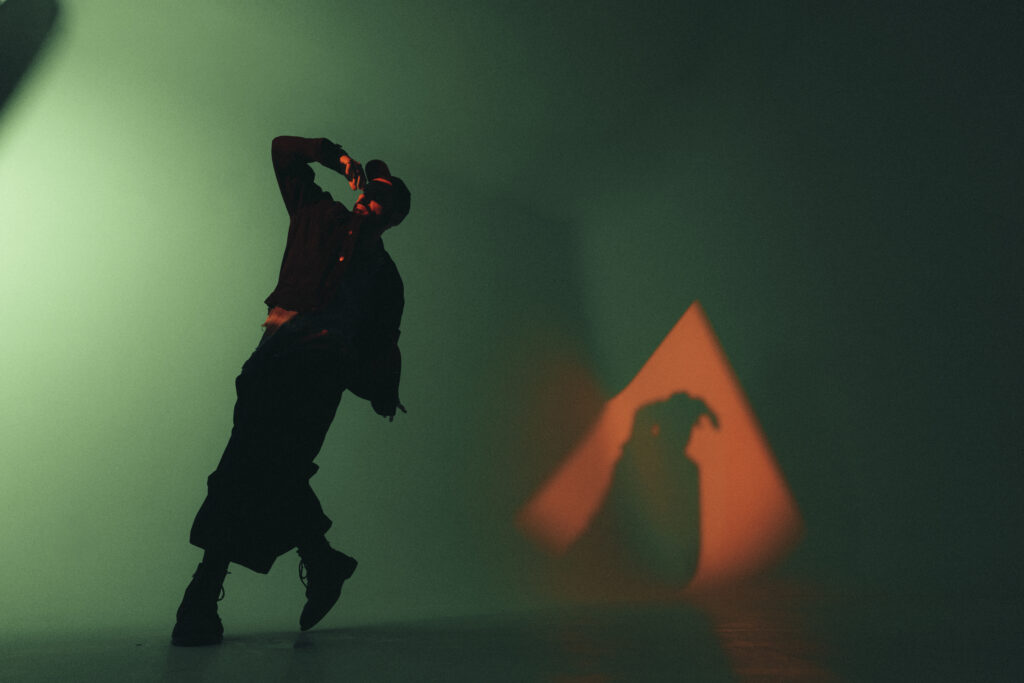

Italian-American duo I’m Not a Blonde return with “To Fall”, a single that quietly settles into the more reflective corners of IDM and electronic pop without ever feeling detached or overly cerebral. Released in collaboration with INRI / METATRON, the track captures a fragile emotional threshold: that instant when love shifts from an idealized projection into something uncertain, imperfect, and undeniably real. Rather than dramatizing the rupture, “To Fall” lingers inside it, allowing tension and tenderness to coexist in the same suspended space.
The song opens with an extended instrumental introduction that lasts close to a minute, a choice that immediately sets the tone. An arpeggiated synth pattern unfolds slowly, almost cautiously, accompanied by a wordless vocal presence that feels more like a signal than a melody. This opening functions less as a buildup and more as a threshold, inviting the listener into a dreamlike state where time stretches and narrative clarity is deliberately postponed. The rhythmic structure remains understated at first, with pulses that suggest motion without insisting on direction, aligning the track with IDM’s preference for suggestion over resolution.
When the vocals enter, the production introduces a subtle contrast. In the verses, Chiara Castello’s voice is treated with distortion and filtering, giving it an almost alien texture. It feels distant, as if observed through glass, reinforcing the sense of emotional dislocation described in the song’s core theme. The rhythm here remains restrained, built on soft electronic beats that breathe rather than drive, leaving ample negative space. This restraint is crucial: it allows the emotional weight to emerge gradually, without relying on dramatic peaks.
The chorus marks a noticeable shift, though not an abrupt one. The vocal treatment opens up, becoming more natural and choral, while the harmonic structure widens. Synth layers thicken, but never to excess, maintaining a careful balance between warmth and control. The rhythm subtly gains momentum, yet it resists becoming overtly dance-oriented. Instead, it hovers in a liminal zone between electronic pop accessibility and IDM introspection, reflecting the song’s thematic tension between desire and awakening.
Atmospherically, “To Fall” operates in a space that feels suspended between reality and reverie. There is a consistent sense of floating, reinforced by the synth textures that recall both ’80s electronic sensibilities and more contemporary digital minimalism. The production avoids nostalgia as an end in itself; any retro references are absorbed into a modern framework that feels cohesive and intentional. The result is a soundscape that mirrors the emotional narrative: familiar elements reshaped by vulnerability and doubt.
Lyrically and conceptually, the track centers on the moment when an illusion fractures, not through conflict but through awareness. The idea of a “slow fall” is echoed musically in the gradual unfolding of the arrangement. Nothing collapses suddenly; instead, each element gently tilts, creating a sense of vertigo that is almost serene. This controlled ambiguity allows the song to resonate beyond a single interpretation, making it less about a specific story and more about a shared emotional condition.
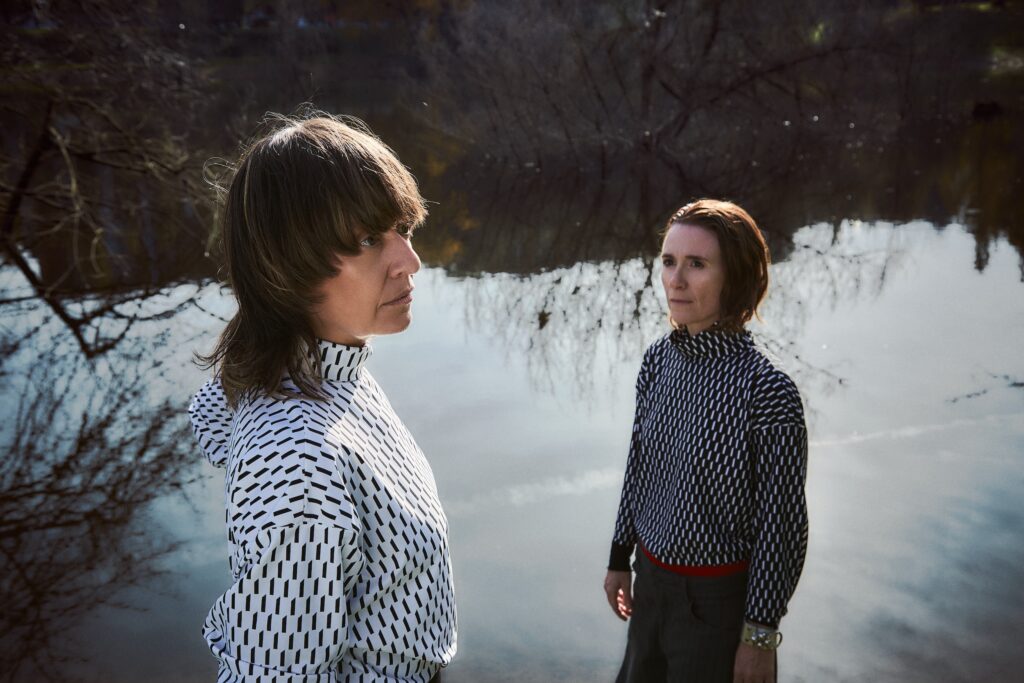
“To Fall” also reflects the broader artistic identity of I’m Not a Blonde, a duo known for balancing contrasts: irony and seriousness, digital precision and human fragility. Based in Milan and active since 2016, Chiara Castello and Camilla Benedini have consistently refined an electropop language that draws from multiple decades without becoming derivative. Their background, which includes extensive touring across Europe and collaborations with internationally recognized artists, is evident in the song’s compositional confidence and its refusal to overexplain itself.
From a rhythmic perspective, the track’s pacing is deliberate. Beats are present, but they function more as a heartbeat than a command, reinforcing intimacy rather than spectacle. Synths are layered with care, each occupying a defined space, contributing to an overall atmosphere that feels cohesive and immersive. The production choices suggest a maturity that comes from experience, both technical and emotional.
As a release, “To Fall” stands as a high-quality addition to the duo’s catalog, one that feels both personal and finely crafted. It demonstrates an ability to translate delicate emotional states into sound without resorting to clichés or excess. The song’s strength lies in its patience, its willingness to remain unresolved, and its quiet confidence. For these reasons, it is a release that fits naturally within an editorial context attentive to nuance, evolution, and depth in contemporary electronic pop.