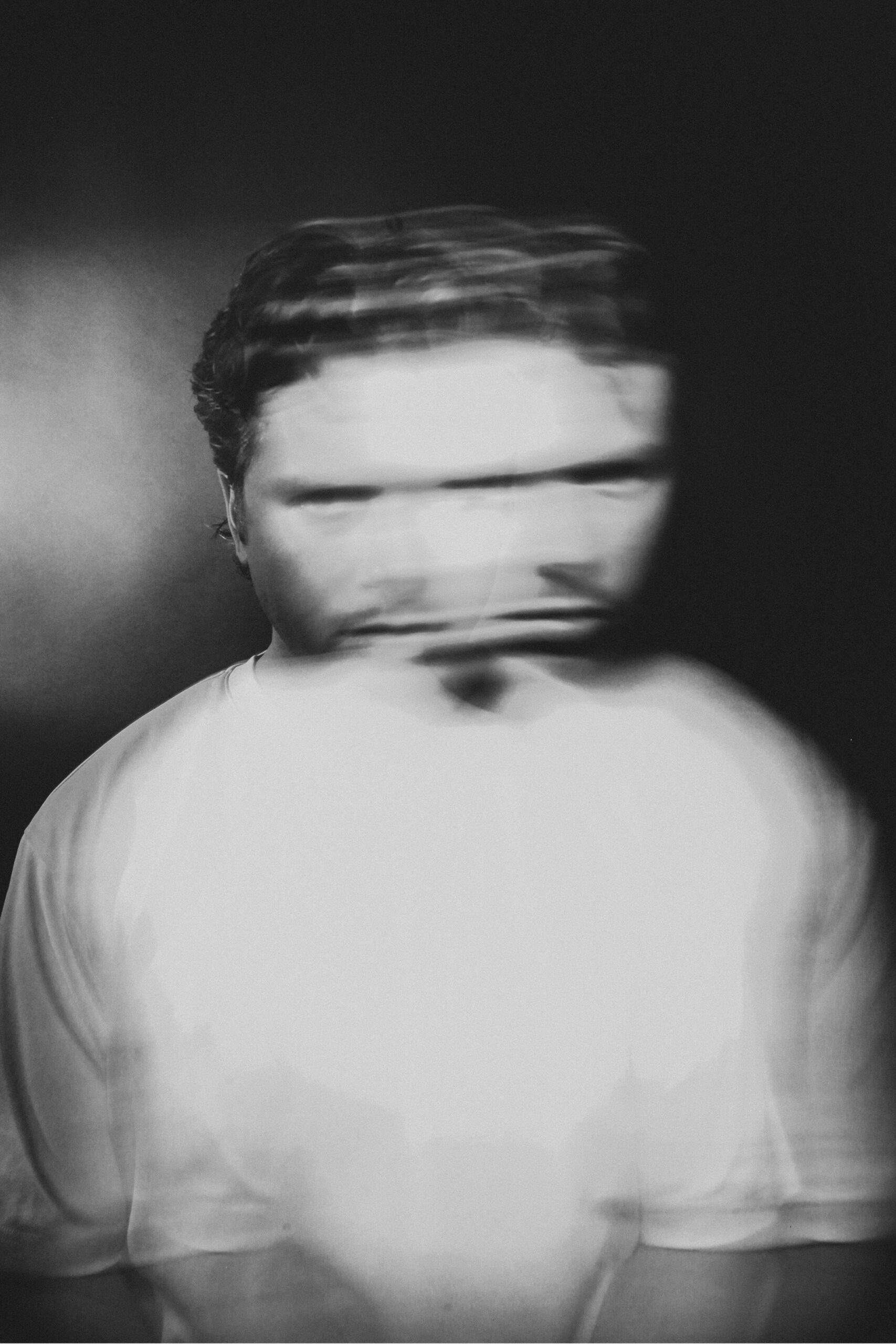

In occasione dell’uscita del nuovo EP “Swamp Circuit”, André Zimmer racconta il suo workflow hardware, l’arte del campionamento e la ricerca di un sound fisico e senza compromessi.
Con l’uscita del suo nuovo EP “Swamp Circuit” sull’etichetta scozzese Craigie Knowes, André Zimmer firma un lavoro che è al contempo un tributo alla club culture britannica degli anni ’90 e una chiara dichiarazione di intenti sul piano produttivo. Lontano dalle derive iper-rifinite della scena elettronica odierna, il fondatore di Big Trouble Records si affida a un workflow rigorosamente analogico, dove il calore dei sintetizzatori e le imperfezioni delle macchine restituiscono fisicità e vibrazione alla pista da ballo.
Diviso tra le frenetiche ritmiche breakbeat esplorate durante le sessioni in studio a Londra e rari momenti di pura stasi onirica, il disco traccia le coordinate di un sound crudo e senza compromessi. Abbiamo approfondito con lui il processo creativo dietro a questa uscita, partendo proprio dal suo approdo su una delle label underground più interessanti del panorama attuale.

“Swamp Circuit” segna il tuo debutto su Craigie Knowes, un’etichetta nota per la sua spiccata identità underground. Come ti sei approcciato alla composizione di questo EP sapendo che si sarebbe inserito in un catalogo che vanta artisti come Danny Daze e Cygnus? Il “DNA sonoro” specifico dell’etichetta ha influenzato le tue scelte creative durante quelle due settimane a Londra?
L’EP è stato realizzato senza avere in mente una vera e propria etichetta; tuttavia, una volta terminato, sapevo esattamente che la prima a cui volevo proporlo era Craigie Knowes. Con un catalogo così solido, che spazia tra i molti generi fusi all’interno di questo EP, sentivo che avrebbe rappresentato bene il mio suono pur collocandosi in un contesto in cui aveva senso stare.
L’EP attinge a piene mani dallo spettro dei club britannici degli anni ’90: hardcore, breaks e bleep techno. Cos’è che risuona in te, oggi, dell’energia di quell’epoca specifica? È una questione di nostalgia o trovi che quelle strutture da club più “primitive” offrano maggiore libertà di sperimentazione rispetto ai generi moderni, più puliti e rifiniti?
Sì, insomma, non amo molto i “generi super rifiniti”, mi piace la sensazione di qualcosa che suoni grezzo e come se fosse stato realizzato in un modo non troppo schematico. Ero davvero ossessionato dalla traccia “A Trip In The Night” dei Data Bass. Mi ha davvero trasportato in uno spazio in cui potevi avere così tanti elementi fantastici in una sola traccia. I pezzi bleep techno e UK breaks dei primi anni ’90 hanno un’atmosfera così sporca e d’impatto; volevo davvero portare quell’influenza in questo EP, e lo si può sicuramente notare nella mia selezione di batterie e linee di basso in tutto il disco.
Hai scritto queste tracce nell’arco di due settimane in vari studi di Londra. Fino a che punto l’ambiente cittadino e la sua storia profondamente radicata con la jungle la bass music sono penetrati nei brani? Pensi che l’EP avrebbe avuto un suono diverso se fosse stato scritto nella tua base a Berlino?
Me lo chiedo spesso anche io… di sicuro c’era la presenza di questi sottogeneri UK straordinari e profondamente radicati in cui mi sono immerso totalmente durante quel viaggio a Londra. Noto che vengo inesorabilmente attratto da breaks, bleep, garage e dub mentre sono lì; sono elementi infusi nella città anche in modi minimi quando esci, al punto che non posso fare a meno di apprezzare questi sottogeneri ogni volta che mi trovo a Londra.

Il comunicato stampa menziona un processo molto pratico e guidato dall’hardware, che coinvolge il Prophet Rev2, campionatori EMU e drum machine classiche. In un’epoca di infinite possibilità digitali, perché è importante per te mantenere un flusso di lavoro analogico? Come capisci quando una “jam sciolta e istintiva” è pronta per essere raffinata in una traccia strutturata per il club?
Il flusso di lavoro analogico è importante per me per diversi motivi. Innanzitutto, da persona che ci tiene davvero a far suonare i propri canali e strumenti in un modo molto specifico, l’unico modo per ottenere quel calore autentico che cerco è attraverso l’analogico. Al giorno d’oggi si può emulare bene l’analogico anche in digitale, ma i piccoli artefatti che derivano dalla registrazione analogica fanno emergere così tanto calore e profondità, e in qualche modo rendono la musica più umana; mi ci connetto di più perché sento che i suoni analogici risuonano dentro il mio corpo un po’ di più rispetto al digitale. D’altra parte, il workflow di sedersi davanti alle macchine analogiche, facendo davvero tutto con le mani e sentendo come cambia il suono mentre apporti piccole regolazioni, porta elementi e idee uniche in una sessione.
Hai incorporato nell’EP frammenti di vecchie trasmissioni radiofoniche e registrazioni noir. Qual era l’intento dietro a questi campionamenti? Devono fungere da filo conduttore narrativo o li consideri più come un livello “materico” per dare alle tracce una sensazione più fisica e grintosa?
Più che altro è stato un modo per ampliare le mie fonti di campionamento. Volevo sperimentare con diversi tipi di sample, ma anche con il modo in cui li reperisco. È stato il modo perfetto per provare una nuova forma di digging e, ogni volta che mi infilo in questi tunnel di ricerca, il mio flusso di lavoro si espande enormemente. È piuttosto bello fare un paio di giorni di “lavoro da storico” in cui scopro tutti questi siti web e forum dove è archiviato materiale retrò. È anche come fare un passo nel passato ed espandere le mie conoscenze di antropologia culturale attraverso la ricerca di campionamenti.

Il disco si muove tra “l’euforica pressione dei synth” di “Flashing Red” e “la planata onirica” di “Broken News”. Come bilanci la natura aggressiva e fisica della UK breaks con gli elementi più eterei e melodici della dream house senza perdere la coesione generale dell’EP?
Per me si trattava solo di piccoli momenti in questo EP. Volevo avere sia tracce trascinanti che altre più belle e rigogliose. Amo molto creare pad e paesaggi sonori sognanti. Ci sono piccoli suoni della natura e suoni curativi in questo disco che si collocano sotto i synth e i pad per dare davvero questa sensazione di esperienza viva. Voglio che i pad evochino questo senso di serenità e natura quando vengono ascoltati, cosa peraltro comune in molta musica degli anni ’90. I momenti tra i break hardcore e le fasi da ballo sono davvero importanti per me, e sentivo che sarebbe stato bello avere dei passaggi meravigliosi tra il caos all’interno di questo lavoro.
Arrivando dopo la tua collaborazione con Chloé Caillet e il tuo contributo alla compilation fabric di DJ Tennis, “Swamp Circuit” sembra una dichiarazione più “indisciplinata” e “fisica”. Vedi questo EP come una virata verso un suono più crudo e intransigente per il 2026?
Non direi che ci sia la necessità, ora, di aspettarsi da me un suono più crudo e intransigente; mi piace davvero l’idea di fare entrambe le cose. Ognuna serve al proprio scopo, sia per i miei interessi e le mie passioni musicali, sia per la mia evoluzione. Mi piace l’idea di avere un catalogo molto diversificato e di non fossilizzarmi su una cosa sola. Ascolto così tanta musica che non proviene da un solo luogo o da una sola epoca, quindi voglio fare dei piccoli viaggi attraverso tutti questi spazi e tempi musicali che apprezzo e omaggiarli a modo mio. Questo progetto è stato solo un altro esempio di ciò.
Sei riuscito ad abbinare “l’ingegneria dei pesi massimi” con “chiarezza e swing”. A volte la precisione tecnica può uccidere l’atmosfera di un brano da dancefloor. Come fai ad assicurarti che le tue tracce rimangano “indisciplinate” e “fisiche” pur soddisfacendo gli standard di alta fedeltà richiesti da un grande impianto da club?
Penso che sia importante concentrarsi molto sul mixaggio, ma allo stesso tempo, a volte, ignorare gli aspetti tecnici per focalizzarsi sulla vera e propria vibrazione della musica in sé. Credo che alcune delle mie canzoni preferite abbiano dei mixdown terribili e sfortunatamente non siano così facili da suonare, o non reggano più il confronto con la musica moderna sulle piste da ballo. Detto questo, catturano davvero quell’emozione e quel sentimento, anche se le basse frequenze potrebbero essere troppo deboli o completamente fuori controllo.
Per quanto mi riguarda, voglio assicurarmi che la mia musica abbia questo impatto moderno, ma senza dimenticare quegli aspetti che fanno sentire bene le tracce, i quali spesso non si allineano perfettamente con i rigidi standard del mixaggio e dell’ingegneria del suono.
Come fondatore della tua etichetta, Big Trouble, come decidi quali progetti sono destinati al tuo imprint e quali sono più adatti a etichette esterne? Uscire su una label come Craigie Knowes ti permette di esplorare sfaccettature del tuo suono che potrebbero non adattarsi al modello di Big Trouble?
Penso che qualsiasi cosa possa adattarsi alla Big Trouble. Credo anche che quando credo in un progetto che potrebbe non approdare su un’etichetta che avevo in mente, Big Trouble diventi naturalmente la casa per quel progetto. Mi piace avere questa spina dorsale dove posso pubblicare progetti in cui credo ciecamente e di cui sono felice, senza alcuna restrizione. Avere un’etichetta è nato come una forma di libertà; potrei pubblicare una canzone la prossima settimana se lo volessi, e penso che a volte sia importante avere questo tipo di sbocco quando si tratta di espressione. Ci sono però molte etichette dei miei sogni, quindi vediamo quante riesco a spuntarne dalla lista dei desideri nei prossimi mesi!
ENGLISH VERSION
“Swamp Circuit” marks your debut on Craigie Knowes, a label known for its distinct underground identity. How did you approach the composition of this EP knowing it would join a catalog featuring artists like Danny Daze and Cygnus? Did the label’s specific “sonic DNA” influence your creative choices during those two weeks in London?
The EP was made with no true label in mind, however, once it was finished, I knew exactly the first label I wanted to take it to was Craigie Knowes. With such a strong catalog that ranges in between many genres that are all fused into this EP, it felt like it would represent my sound well while still sitting on a catalog that it made sense to be part of.
The EP draws heavily from the 90s UK club spectrum – hardcore, breaks, and bleep techno. What is it about that specific era’s energy that resonates with you today? Is it a matter of nostalgia, or do you find that those “primitive” club structures offer more freedom for experimentation than modern, more polished genres?
Yeah, I mean, I don’t really like super “polished genres”, I like the feeling of something feeling raw and like it was made in a way that isn’t so formulaic. I was really obsessed with the track “A Trip In The Night” by Data Bass. It really brought me into a space where you could have so many great elements in one track. The bleep techno and Uk breaks tracks from the early 90’s have such a dirty and strong vibe to them, I really did want to bring that influence into this EP, which you can definitely hear on my selection of drums and basslines throughout.
You wrote these tracks over a two-week period in various London studios. To what extent did the city’s environment and its deep-rooted history with jungle and bass music seep into the tracks? Do you feel the EP would have sounded different if it had been written in your home base of Berlin?
I often do wonder that… certainly there was a presence of these very deep rooted and amazing UK subgenres that I just really dove into while in London on that trip. I definitely find I’m drawn towards breaks and bleep and garage and dub while I am in London, it’s just infused into the city in even minor ways when you go out that I can’t help but appreciate these subgenres every time I am in London.

The press release mentions a very hands-on, hardware-led process involving the Prophet Rev2, EMU samplers, and classic drum machines. In an era of infinite digital possibilities, why is it important for you to maintain an analogue workflow? How do you know when a “loose, instinctive jam” is ready to be refined into a structured club tool?
Analog workflow is important to me for a few reasons. For one, as someone who really cares about having my channels and instruments sound a very specific way, the only way to really get that true warmth I seek is through analog. You really can emulate analog well now through digital means, but the little artifacts that come with recording analog does bring out so much warmth and depth and somehow makes the music more human, which I just connect with more since I feel analog sounds inside my body a bit more than digital. On the other hand, the workflow of sitting on analog and really doing everything with your hands and feeling how the sound changes as you make minor adjustments, really brings such unique elements and ideas into a session.
You’ve incorporated fragments of old radio broadcasts and film noir recordings into the EP. What was the intention behind these samples? Are they meant to act as a narrative thread, or do you view them more as a “textural” layer to give the tracks a more gritty, physical feel?
Moreso just a way for me to expand my sample sources. I wanted to experiment with different types of samples, but also the way I source them. This was the perfect way to try a new form of digging and whenever I get into these digging wormholes it really expands my workflow. It’s quite nice to just have a couple days of historian work where I am uncovering all these websites and forums where all this retro stuff is stored. It’s also like taking a step into the past and expanding my cultural anthropology knowledge by digging for samples.
The record moves between the “euphoric synth pressure” of Flashing Red and the “dreamlike glide” of Broken News. How do you balance the aggressive, physical nature of UK breaks with the more ethereal, melodic elements of dream house without losing the EP’s overall cohesion?
It was really just about little moments on this EP for me. I wanted to have both tracks that were driving, yet other tracks that are more beautiful and lush. I really love making pads and dreamy soundscapes. There’s little nature sounds and healing sounds in this EP that sit underneath the synths and pads to really give it this feeling of experience.I
I want pads to evoke this feeling of serenity and nature when they are heard, this is also common in a lot of 90’s music as well. The moments between the hardcore breaks and dancing moments are really important to me and I felt it would be nice to have those moments between chaos be quite beautiful on this EP.
Coming off the back of your collaboration with Chloé Caillet and your contribution to DJ Tennis’ fabric compilation, “Swamp Circuit” feels like a more “unruly” and “physical” statement. Do you see this EP as a pivot toward a more raw, uncompromising sound for 2026?
I wouldn’t say there’s a need now to expect a more raw and uncompromising sound from me, I really like the idea of doing both. Each serves their own purpose for both my musical interests and passions, as well as development. I like the idea of having a very diverse catalog and not sticking to one thing. I listen to so much music that isn’t just from one place or one era, so I want to take little trips through all these spaces and times of music that I appreciate and nod back to them in my own way. This project was just another example of that.
You managed to pair “heavy-duty engineering” with “clarity and swing.” Technical precision can sometimes kill the vibe of a dancefloor track. How do you ensure that your tracks stay “unruly” and “physical” while still meeting the high-fidelity standards required for a major club system?
I think it’s important to really focus on the mix, yet also to ignore the technical aspects of mixing at times to focus on the actual vibe of the music itself. I think some of my favourite songs have terrible mixdowns and are unfortunately not so easy to play or don’t stand up next to modern music on club floors as much anymore. That being said, they really do capture this emotion and feeling, even though the low end might be too soft or completely blown out. I think for me I want to ensure that my music has this modern punch to it, but also still not to forget about the aspects of tracks that can make them feel good, which often don’t align completely with mixing and engineering standards.
As the founder behind your own label, Big Trouble, how do you decide which projects are destined for your own imprint and which ones are a better fit for external labels? Does releasing on a label like Craigie Knowes allow you to dive into facets of your sound that might not fit the Big Trouble blueprint?
I think anything can fit the Big Trouble imprint. I also think when I believe in a project that may not land on a label I had in mind, Big Trouble naturally becomes that home for the project. I like that I have this backbone where I can put out projects that I truly believe in and I am happy without any restraint. Owning a label started as freedom, I could put out a song next week if I want to and I think sometimes that is important to have when it comes to expression. There are many dream labels of mine though, so let’s see how many I can tick off the wishlist in the coming months!