In occasione del loro evento del 22 marzo al circolo Masada di Milano, abbiamo intervistato gli organizzatori del resident event ODD.
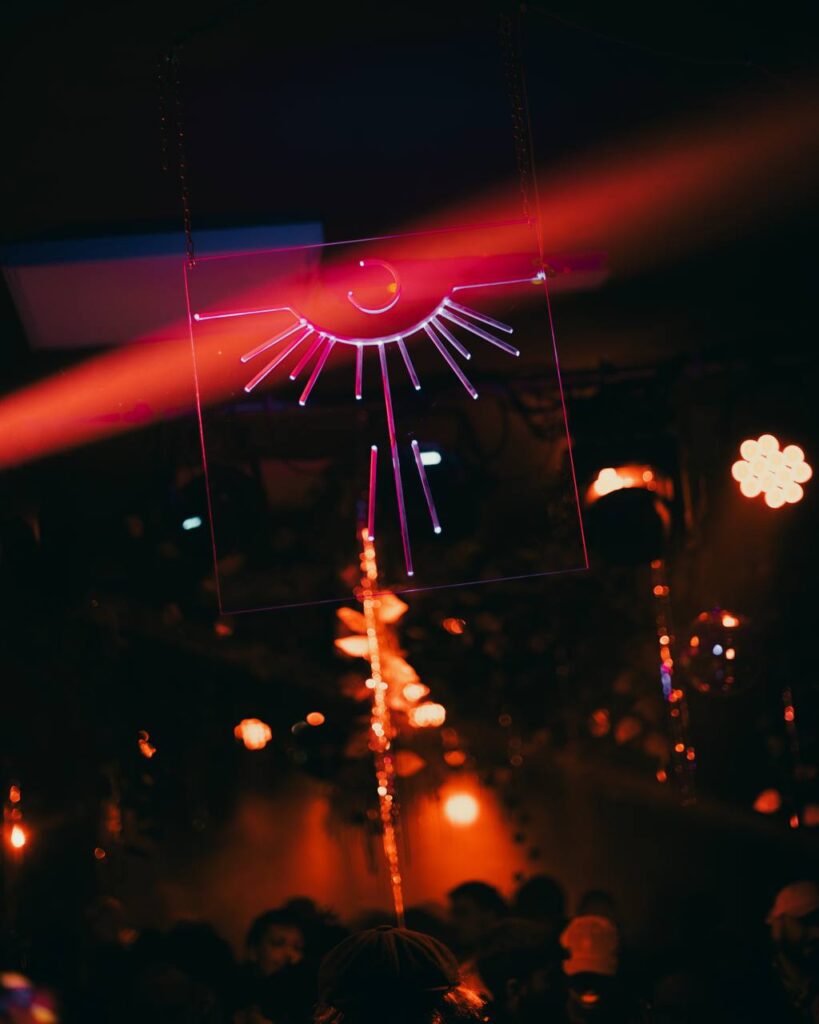
ODD è il party organizzato all’interno del Circolo Masada, che rappresenta un’istituzione per la realtà di Milano. Non appena si entra nello spazio, si viene catapultati in una dimensione che colpisce dal primo istante: un’immensa libreria circonda gran parte della sala, illuminata dalle luci rosse. Un pianoforte, un manichino, una tv vecchio stile e una serie di oggetti che circondano la consolle. Qui, niente è per caso: ogni dettaglio è risultato di una cura evidente.
Un luogo di cultura, uno spazio poliedrico in cui vengono organizzati eventi di spessore e di grande spicco per la città. “Masada è uno spazio libero, un luogo di espressione e interazione, una fortezza e un approdo sicuro, un cantiere e un’officina, una casa e un salotto. ” Così si autodefinisce il circolo sul proprio sito.
All’interno del Centro Culturale, vengono organizzati eventi culturali di diverso tipo: dal teatro, al cinema, al salotto letterario, ai corsi. Tra questi, viene dato ampio spazio alla musica elettronica, a cui è dedicata una parte della programmazione chiamata “Masadactronic“. Tali eventi sono organizzati da Acquario, Closer, Neon e ODD.
Noi di Parkett abbiamo voluto conoscere meglio la realtà di ODD, per scoprire la mente creativa dietro il party , il concept dei loro eventi e quali valori ci tengono a trasmettere alle persone. E, proprio in occasione di un loro party del 22 marzo, abbiamo intervistato due delle menti di ODD, Massimiliano Molinari e Fidel Borroni. Di seguito l’intervista completa:
Benvenuti in Parkett! Innanzitutto, come state? Come sta andando questo periodo?
Fidel: Questa è stata la stagione dei 10 anni di ODD. Abbiamo organizzato quattro importanti showcase con vari ospiti berlinesi, più una serie di eventi che, sia come ODD che come LOW, hanno avuto un ottimo riscontro. Siamo quindi sicuramente molto soddisfatti della stagione in corso.
Raccontateci un po’ di voi. Da chi è composto ODD e come nasce?
Max: ODD nasce dalla passione di diversi amici per il Clubbing. Oggi il collettivo è composto da Max, Fidel, Nico e Gio, che si occupano di gestire tutti gli aspetti organizzativi del party. ODD nasce dunque da un’idea comune di clubbing, di divertimento e soprattutto di passione per la musica elettronica.
Fidel: Oltretutto, ODD non nasce come un vero e proprio party, perché non siamo mai stati organizzatori di eventi! Eravamo un gruppo di amici che frequentava spesso i club di Berlino e arrivati a 35 anni, stanchi di fare avanti e indietro, abbiamo pensato di portare le vibe berlinesi a Milano.
Nel frattempo era nato a Milano il circolo Masada, un luogo/associazione che permetteva di organizzare eventi diurni anche nella stagione invernale, cosa che a Milano a quel tempo non era mai esistita. Abbiamo quindi cominciato a organizzare feste private tra amici. La prima volta eravamo in 50, la seconda volta di colpo eravamo già 150 perché la voce cominciava a girare, e alla terza volta Masada era completamente Sold Out.
Max: A quel punto abbiamo iniziato a capire che forse anche a Milano fosse presente quello spirito e quel pubblico che non credavamo esistesse. C’era quindi la possibilità di introdurre la formula del daylight clubbing: una novità per la nostra città, che in giro per il mondo aveva già riscosso molto successo.
Fidel: Da lì siamo partiti e un po’ alla volta abbiamo costruito questo progetto. Insieme a noi, è cresciuto anche Masada, che era uno spazio completamente vuoto: ha preso forma e tantissime persone si sono avvicinate al progetto in questi anni. Inizialmente nessuno si conosceva l’uno con l’altro, mentre oggi tutte queste persone sono diventate una famiglia. Masada e ODD sono diventati veramente qualcosa di speciale, in modo molto naturale e non progettato.

ODD Daylight Party
Anche la prossima domanda si ricollega a questo, la policy per cui non si possono riprendere con il telefono i vostri party. Come nasce l’idea, dai party di Berlino?
E vorremmo anche sapere, come è stata presa questa cosa dai partecipanti?
Max: L’ispirazione nasce proprio dai party berlinesi, che sono pionieri in questo, e noi l’abbiamo sposata a pieno. Perché a nostro parere, per divertirti a un evento elettronico devi davvero essere parte integrante del party, senza stare al cellulare per spammare il party a tutti quelli che non ci sono; solo in questo modo puoi riuscire a viverlo al 100%. Inoltre questa restrizione garantisce maggiormente la privacy di tutte le persone che vi partecipano.
Fidel: La privacy è sicuramente un elemento importante, ma ancor di più lo è l’anima del dancefloor: mentre stai ballando e sei rapito dalla musica, avere al tuo fianco qualcuno con il cellulare che filma il party fa crollare tutta la magia.
Eliminare questo dispositivo dai nostri eventi all’inizio a tante persone è suonato strano e l’idea non è piaciuta molto. Oggi le stesse persone, se potessero non si porterebbero nemmeno dietro il cellulare. Perché senza la distrazione del cellulare, pensi solo alla musica, a divertirti e a condividere lo spirito della festa. E così senza i cellulari nascono i sorrisi, gli abbracci e le amicizie.
Quindi, secondo voi i partecipanti non tornerebbero più al party “classico”, perché fa parte dei vostri party?
Max: Oggi molti dei partecipanti sono proprio infastiditi dall’utilizzo del cellulare. Se hai davvero la necessità, vai a fare una telefonata, fai quello che devi fare, senza però condividere il party con l’esterno; il bello è partecipare con la gente che si trova al tuo fianco e non con chi è a casa o altrove.
Questa è una cosa molto particolare, soprattutto per Milano. Voi cosa ne pensate della scena di musica elettronica milanese? E in questo senso, voi come vi posizionate?
Fidel: Per come la vedo io, Milano è uscita dal periodo buio degli anni 2000. Oggi Milano sta diventando una città più europea dal punto di vista del clubbing.
Masada e ODD, che hanno introdotto una nuova mentalità, hanno aiutato questo cambiamento ed oggi il clubbing milanese vive anche di nuove interessanti realtà.
Max: È nata una subcultura molto interessante, una cultura underground che prima non aveva assolutamente successo a Milano e che privilegia artisti meno mainstream e più di nicchia. E di conseguenza, anche il pubblico che frequenta questi party è differente. Si sta creando una bella scena, anche più differenziata.
Fidel: Quello per cui siamo veramente contenti è che ODD, al di là del nostro progetto, è riuscito a introdurre una mentalità che prima mancava a Milano. Uno spirito di clubbing educativo per le nuove generazioni: in passato il clubbing notturno era fatto per lo più di eccessi. La finalità primaria era quella di trasgredire o di conoscere nuovi partner e non di vivere una serata musicale. Oggi invece le nuove generazioni hanno modo di sposare questa filosofia e “maturare elettronicamente”: si va a ballare non per arrivare all’eccesso, ma per vivere un evento e conoscere persone con la tua stessa passione musicale. E di questo siamo molto contenti dato che in dieci anni di ODD non sono mai accaduti episodi violenti o irrispettosi.
Un’altra caratteristica dei party di ODD, appunto come dicevate prima, è il fatto che siano organizzati durante il giorno. Secondo voi, quale valore aggiunto dà? E’ stato così fin dall’inizio?
Max: È stato così fin dall’inizio. Chi ha più di 40 anni soffre l’idea di andare a ballare in tarda serata poiché i locali, aprendo a mezzanotte, cominciano a riempirsi dalle 2 e quindi per vivere la serata vanno frequentati fino alle 6 del mattino. Offrire invece la possibilità di godersi l’intera giornata di sabato in un locale come Masada, dove filtra la luce del giorno, è una situazione che è subito piaciuta a molti. ODD ha quindi sposato questa idea in pieno.
Fidel: Anche perché, le energie che hai di giorno sono differenti di quelle che hai la notte. Il livello di alcol o di altre sostanze durante il giorno non è lo stesso che molti avrebbero alle 3 di notte; il fisico ha sicuramente più energie e la testa è orientata al sorriso, all’abbraccio, alla condivisione, al vivere la musica in modo differente da quello che hai quando partecipi ad un party notturno. ODD è l’acronimo di Organization for Daylight Dancing; quindi il concetto del ballo diurno è un qualcosa inisito nel nostro party e che ha contribuito tantissimo ai risultati e al mood degli eventi che organizziamo.

ODD Daylight Party
Se doveste scegliere un party che meglio vi rappresenta quindi, quale scegliereste?
Fidel: i party che meglio rappresentano il nostro mood, sono quelli che abbiamo realizzato negli anni in collaborazione con il club berlinese “Kater Blau“. Kater Blau, come lo storico ed iconico Bar25 da cui tutto è nato, è il club che ci ha ispirato come mentalità clubbing, di cui ci siamo innamorati quando frequentavamo Berlino e da cui poi abbiamo preso spunto per organizzare ODD. Ogni anno portiamo quindi a Milano molti artisti che gravitano intorno a questa realtà.
Max: se dobbiamo rispondere nel dettaglio alla tua domanda, possiamo affermare che il party che meglio ci ha rappresentato è stato lo Showcase Kater Blau con cui abbiamo festeggiato i nostri dieci anni. Tra l’altro Kater Blau ospiterà a inizio maggio il primo Showcase ODD a Berlino, proprio all’interto di quel magico mondo sulla riva dello Spre.
Un’ultima domanda sul party di oggi. Cosa ci possiamo aspettare e chi saranno gli ospiti di oggi?
Fidel & Max: Oggi è lo Showcase di “Rebellion Der Träumer”: una label discografica, una booking agency ed anche una crew che oltre ad organizzare numerosi eventi, gestice anche un importante Festivak, che si tiene in Germania a cavallo di ferragosto: il “Butch der Traumer“. Una bellissima ed importante realtà berlinese, di cui fannp parte artisti emergenti che oggi suoneranno a ODD, come Lisa Luka, Horst Haller e Frida Darko. A nostro parere Rebellion der Traumer è oggi la crew che sta proponendo gli eventi più interessanti a Berlino.Stanno portanto con convinzione lo stile mid-tempo, che rallentata di qualche BPM la melodic techno, indie e progressive house; un filone musicale che stiamo cercando anche noi di introdurre a Milano con alcuni eventi LOW e ODD dato che è in grado di creare un mood più rilassato, che si sposa bene con gli eventi ODD e ancor meglio con il progetto domenicale che abbiamo lanicato da qualche anno: LOW.
La programmazione di Masadactronic è consultabile sul sito ufficiale di Masada.
ENGLISH VERSION
From Berlin’s Clubs to Masada in Milan: Interview with the Organizers of ODD
On the occasion of their event on March 22nd at Circolo Masada in Milan, we at Parkett interviewed the organizers of the resident event ODD.
ODD is the party held at Circolo Masada, a venue that stands as an institution in Milan’s cultural scene. As soon as you step into the space, you’re catapulted into a unique atmosphere that strikes you instantly: a massive library lines most of the room, bathed in red lighting. A piano, a mannequin, an old-school TV, and various objects surround the DJ booth. Here, nothing is left to chance: everything is clearly curated with care.
It’s a mark of a cultural hub, a multifaceted space where high-profile events are held, making a significant impact on the city. “Masada is a free space, a place for expression and interaction, a fortress and a safe haven, a workshop and a studio, a home and a lounge.” That’s how the venue defines itself on its website.
Within the Cultural Center, a variety of cultural events are held, ranging from theater and cinema to literary salons and classes. Among them, electronic music has a dedicated section in the programming called “Masadactronic.” These events are organized by Acquario, Closer, Neon, and ODD.
We at Parkett wanted to delve deeper into the ODD project to better understand who is behind these parties, the concept of their events, and the values they strive to convey. So, on the occasion of their March 22nd party, we interviewed two of the minds behind ODD: Massimiliano Molinari and Fidel Borroni. Here’s the full interview:
Welcome to Parkett! First of all, how are you? How is this period going for you?
Fidel: This was the season celebrating 10 years of ODD. We organized four major showcases with various Berlin guests, plus a series of events that, both as ODD and as LOW, received great feedback. So, we are definitely very satisfied with how this season has gone.
Tell us a bit about yourselves. Who is ODD and how did it start?
Max: ODD was born out of the passion of a few friends for clubbing. Today, the collective is made up of Max, Fidel, Nico, and Gio, who handle all the organizational aspects of the parties. So, ODD started from a shared idea of clubbing, fun, and above all, a passion for electronic music.
Fidel: Moreover, ODD didn’t start as a proper party because we’ve never been event organizers! We were a group of friends who often went to clubs in Berlin, and when we turned 35, tired of the back-and-forth, we thought of bringing the Berlin vibes to Milan.
In the meantime, the Masada club was born in Milan, a space/association that allowed us to organize daytime events even during the winter season, something that at the time didn’t exist in Milan. We started organizing private parties among friends. The first time, there were 50 of us; the second time, suddenly, we were already 150 because word was spreading, and by the third time, Masada was completely sold out.
Max: At that point, we started to realize that maybe Milan also had that spirit and audience we didn’t believe existed.
There was then the possibility to introduce the concept of daylight clubbing, a novelty for our city, which had already been very successful worldwide.
Fidel: From there, we began building this project step by step. Along with us, Masada also grew, it was a completely empty space. Over the years, it took shape, and many people got involved in the project. Initially, no one knew each other, but today all these people have become a family. Masada and ODD have become something really special, very naturally and without planning.
The next question also relates to this, about the policy of not recording your parties with phones. How did this idea come about, was it inspired by Berlin parties? And we’d also like to know how this was received by the participants?
Max: The inspiration comes directly from Berlin parties, which are pioneers in this, and we fully embraced it. Because, in our opinion, to truly enjoy an electronic event, you need to be an integral part of the party, without spending your time on your phone spamming everyone about the event. Only in this way can you experience it fully. Plus, this restriction better guarantees the privacy of everyone attending.
Fidel: Privacy is definitely important, but even more so is the soul of the dancefloor: when you’re dancing and captivated by the music, having someone next to you filming the party with their phone kills the magic.
At first, removing this device from our events felt strange to many people, and the idea wasn’t very popular. Today, those same people, if they could, wouldn’t even bring their phones. Because without the distraction of the phone, you only think about the music, having fun, and sharing the spirit of the party. And without phones, smiles, hugs, and friendships are born.
So, do you think participants wouldn’t return to the “classic” party because it’s part of your events?
Max: Today, many participants are actually annoyed by the use of phones. If you really need to make a call or do what you have to do, fine, but just don’t share the party with the outside world. The beauty is participating with the people next to you, not with those at home or elsewhere.
This is a very special thing, especially for Milan. What do you think about the Milanese electronic music scene? And in this sense, how do you see your position?
Fidel: From my point of view, Milan has come out of the dark period of the 2000s. Today, Milan is becoming a more European city in terms of clubbing.
Masada and ODD, which introduced a new mentality, have helped this change, and now Milanese clubbing also thrives with new, interesting realities.
Max: A very interesting subculture has emerged, a kind of underground scene that previously had no success at all in Milan, favoring less mainstream, more niche artists. As a result, the audience attending these parties is also different. A vibrant, more diverse scene is forming.
Fidel: What really makes us happy is that, beyond our project, ODD has managed to introduce a mentality that was missing in Milan before. An educational clubbing spirit for new generations: in the past, nightlife clubbing was mostly about excesses. The primary goal was transgression or meeting new partners, not experiencing a musical evening. Today, however, new generations can embrace this philosophy and “mature electronically”: they go dancing not to reach excess, but to live an event and meet people who share their musical passion. And we’re very happy about this, because in ten years of ODD, there have never been violent or disrespectful episodes.
Another characteristic of ODD parties, as you mentioned earlier, is that they are organized during the day. What value do you think this adds? Has it been like this from the beginning?
Max: Yes, it has been like this from the start. People over 40 often dislike the idea of dancing late at night because venues, opening at midnight, start filling up around 2 a.m., and to fully enjoy the night, you’d need to stay until 6 a.m. Instead, offering the chance to enjoy the entire Saturday in a place like Masada, where daylight filters in, was immediately appreciated by many. So, ODD fully embraced this idea.
Fidel: Also, because the energy you have during the day is different from that at night. The level of alcohol or other substances during the day isn’t the same as at 3 a.m.; physically, you have more energy, and your mind is oriented toward smiles, hugs, sharing, and experiencing music differently than at a nighttime party. ODD stands for Organization for Daylight Dancing, so the concept of daytime dancing is embedded in our parties and has greatly contributed to the success and mood of our events.
If you had to choose a party that best represents you, which one would it be?
Fidel: The parties that best reflect our mood are those we’ve organized over the years in collaboration with the Berlin club “Kater Blau.” Kater Blau, like the historic and iconic Bar25 where everything started, inspired us in terms of clubbing mentality, which we fell in love with when we frequented Berlin. We then took inspiration from it to organize ODD. Every year, we bring many artists connected to this scene to Milan.
Max: If we need to answer in detail, I’d say the party that best represented us was the Kater Blau Showcase, which celebrated our ten years. Moreover, Kater Blau will host the first ODD Showcase in Berlin at the beginning of May, right in the heart of that magical world on the banks of the Spree.
One last question about today’s party. What can we expect, and who will be the guests?
Fidel & Max: Today is the showcase of “Rebellion Der Träumer”: a record label, a booking agency, and also a crew that, besides organizing numerous events, manages an important festival called “Butch der Traumer,” which takes place in Germany around mid-August. It’s a beautiful and significant Berlin scene, featuring emerging artists who will be performing at ODD today, like Lisa Luka, Horst Haller, and Frida Darko. In our opinion, Rebellion der Traumer is currently the crew proposing the most interesting events in Berlin. They are confidently bringing a mid-tempo style, slightly slowing down melodic techno, indie, and progressive house—musical genres we’re also trying to introduce in Milan with some LOW and ODD events, as they create a more relaxed mood that fits well with ODD’s vibe and even better with our Sunday project launched a few years ago: LOW.
You can check out the full Masadactronic program on Masada’s official website.