
Some songs arrive with the intention of filling a room; “Alone Tonight” does something rather different. JERUB and Toby Gad build their new collaboration around the emotional weight of solitude, choosing restraint and gradual development rather than immediate impact. The result is a polished commercial pop release that feels personal without becoming overly intimate, balancing accessible songwriting with an atmosphere that carries considerably more depth than its streamlined structure might initially suggest.
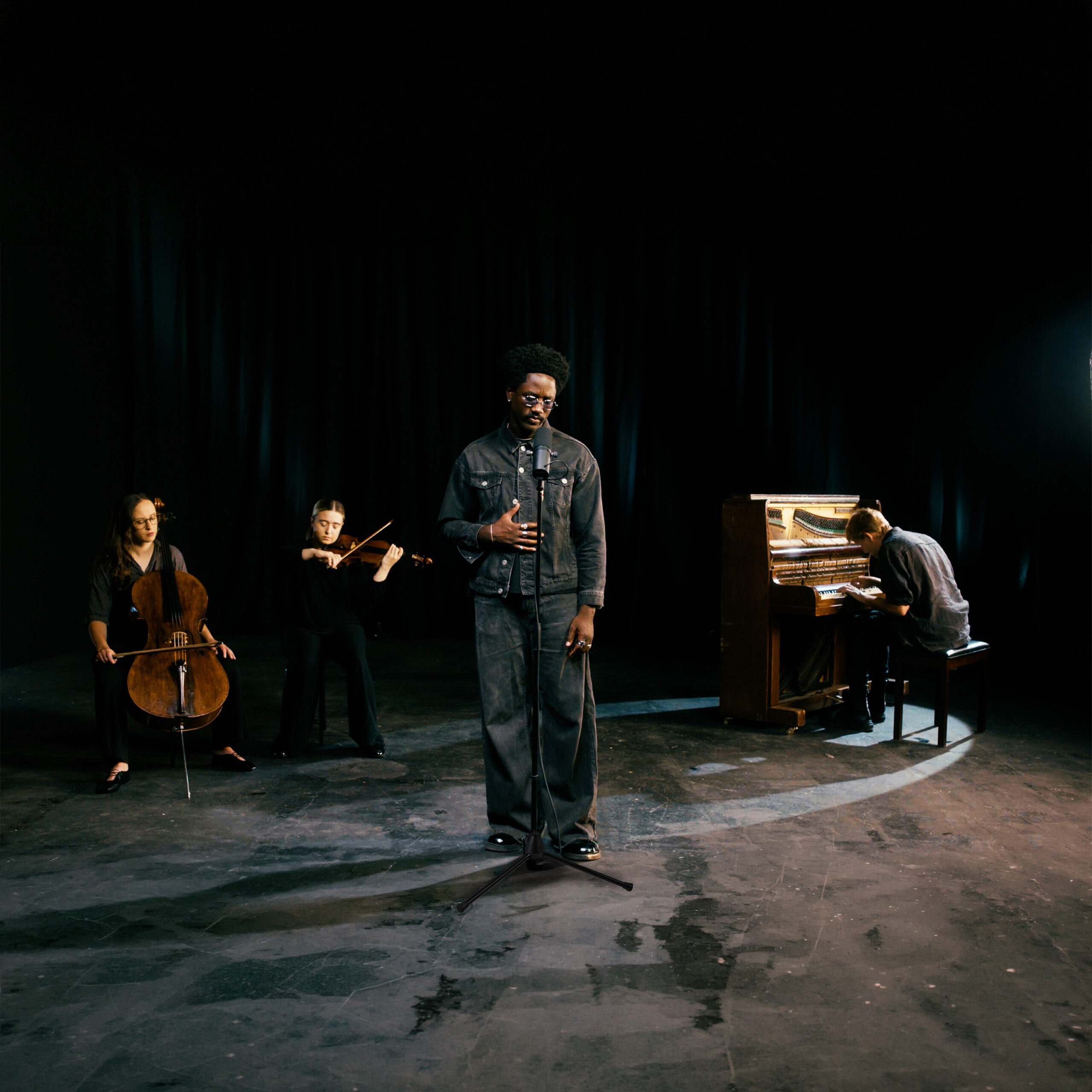
At the centre of the track is the piano, an instrument closely associated with Gad’s songwriting identity and one that gives the composition its emotional foundation. The arrangement does not treat it simply as a harmonic backdrop. Instead, the piano establishes the song’s sense of space, leaving enough room for JERUB’s voice to occupy the foreground. Notes and chords feel deliberately placed, allowing the vocal performance to breathe while maintaining a subtle sense of anticipation. It is a familiar pop language, certainly, but the execution is confident and carefully measured.
JERUB’s vocal timbre is perhaps the strongest element in defining the personality of “Alone Tonight”. His delivery carries a natural vulnerability, although it never becomes theatrical for the sake of effect. There is a slight grain and emotional tension in the performance that makes the lyrics feel lived rather than simply performed. He understands when to hold back, and that control becomes particularly important as the arrangement begins to expand. The voice remains the emotional focal point even as additional layers gradually enter the picture.
The rhythmic component follows the same philosophy of controlled progression. Rather than relying on an aggressive beat or a pronounced dance-pop pulse, the track allows its rhythm to support the emotional narrative. The movement is understated, giving the song a steady forward motion without disturbing its reflective character. This is particularly effective because “Alone Tonight” is ultimately about an emotional contradiction: being surrounded by a world that is supposedly celebrating togetherness while experiencing the opposite internally.
The synth work is similarly discreet. Electronic textures sit beneath the piano and strings, contributing atmosphere rather than demanding attention. There is no unnecessary production excess; instead, the synthesised layers help widen the stereo image and give the arrangement a cinematic quality. Combined with the haunting string parts, they create a feeling that is simultaneously warm and distant. It is a subtle production choice, but one that keeps the track firmly within contemporary pop while preserving its organic emotional core.
That cinematic dimension becomes increasingly apparent as the song develops. The arrangement gradually opens outward, moving from the intimacy of piano and voice toward a fuller sonic landscape. This progression gives “Alone Tonight” its strongest structural quality: it does not need to force an emotional climax because the production itself creates one. The atmosphere grows naturally, almost as if the surrounding space is becoming larger while the subject of the song remains emotionally alone.
The concept behind the release also gives the music additional resonance. Inspired by conversations about loneliness during holidays and other moments traditionally associated with togetherness, the song approaches a familiar subject from a recognisable contemporary perspective. There is nothing particularly complicated about the premise, but that simplicity works in its favour. Loneliness is presented not as melodrama, but as something that can become more visible precisely when everyone else appears to be connected.
“Alone Tonight” also represents an interesting meeting point between two generations of pop craftsmanship. Toby Gad brings decades of experience behind some of modern pop’s most recognisable songs, while JERUB represents a newer voice with an ability to translate that songwriting into something immediate and emotionally convincing. Their second collaboration feels less like a meeting of contrasting approaches and more like a natural continuation of a creative relationship.
Ultimately, “Alone Tonight” succeeds because it understands the value of atmosphere, melody and restraint. The production is sophisticated without becoming glossy for its own sake, while JERUB delivers a vocal performance capable of carrying the song’s emotional centre. Piano, strings, synth textures and measured rhythm work together with unusual clarity, creating a release that feels cinematic yet accessible. It is a high-quality commercial pop record with genuine emotional substance, and one we are pleased to host on our webzine.