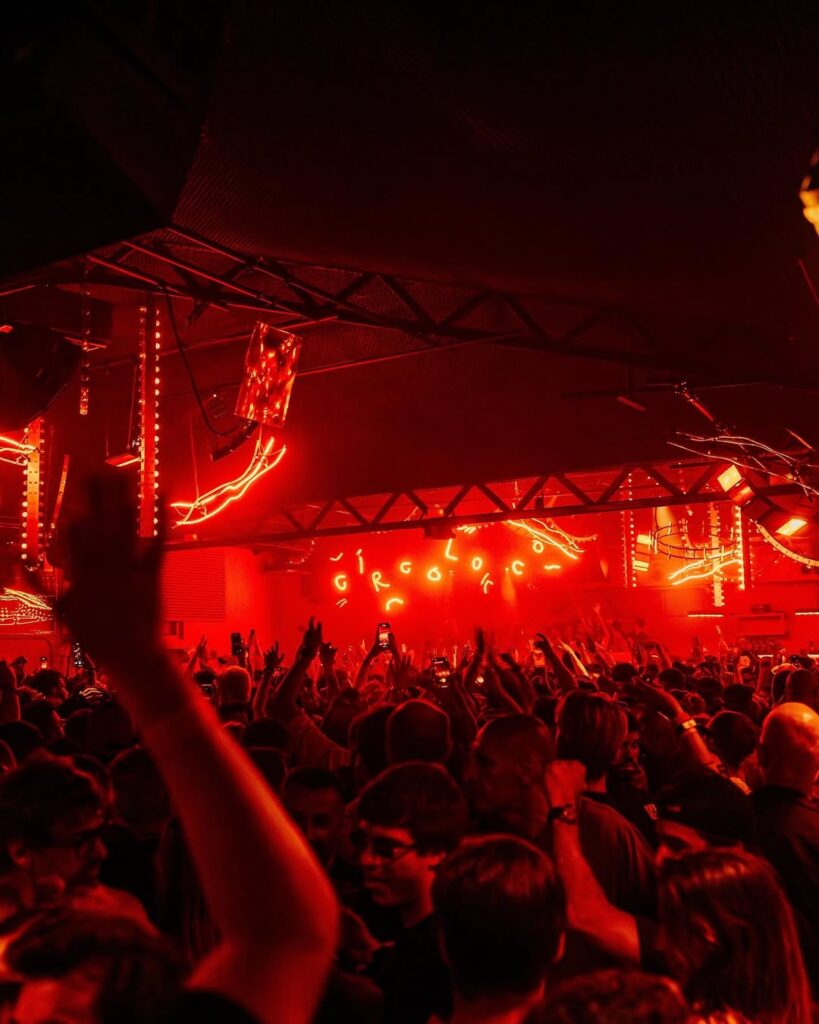
Tra scena locale e collaborazioni internazionali, la label AURA contribuisce a collegare Trieste alla nuova ondata della musica elettronica globale.
Affacciata sull’Adriatico e da sempre crocevia di culture, Trieste sta vivendo negli ultimi anni un piccolo ma significativo fermento sul fronte della musica elettronica. Tra la quiete delle sue strade e il suono dei gabbiani sul mare, sta emergendo una nuova attenzione verso sonorità della scena elettronica globale.
A intercettare questa energia c’è AURA, etichetta discografica fondata nel 2023 e orientata verso le varianti più dinamiche e coinvolgenti della techno, come l’hardgroove: un suono nato negli anni ’90 e tornato oggi a conquistare una nuova popolarità globale.
Pur avendo base a Trieste, AURA può già contare su un roster di artisti internazionali rappresentativi della scena, contribuendo a collegare la città a una rete creativa che si sviluppa ben oltre i suoi confini.
Abbiamo scambiato qualche parola con i fondatori per ripercorrere le origini della label, la sua visione e gli obiettivi futuri.
Quando e come è iniziata la storia della label, e come avete definito la vostra identità sonora e visiva?
Il progetto AURA è partito verso la fine del 2023, inaugurando la label con il primo Various Artists “Tribal Beats Vol.1”, rilasciato il 22 Dicembre. Il Team AURA è composto da quattro ragazzi di Trieste, Gianluca (31 anni), Simone (29 anni), Gabriele (27 anni) e Marzio (28 anni).
Già allora la musica elettronica era il nostro hobby principale: suonavamo attivamente, soprattutto nella nostra città, organizzando eventi assieme a “Ermetic Affinity”, un’altra crew di ragazzi, e seguivamo la scena techno da diversi anni.
A un certo punto ci siamo messi a tavolino e abbiamo deciso di intraprendere un nuovo percorso nell’ambito della musica elettronica, creando così la label per pura passione, con l’intento di apprendere il più possibile in quel settore. Volevamo comprendere quali sono le dinamiche dietro ad esso e sviluppare una visione sempre più consapevole su come operare in modo professionale.
Per quanto riguarda l’identità sonora, fin dall’inizio abbiamo lavorato e collaborato insieme su ogni aspetto, rispettando i gusti e la visione artistica di ciascuno di noi. Crediamo che questo sia uno degli elementi fondamentali per portare avanti il progetto, soprattutto perché la musica e i gusti personali possono cambiare nel tempo.

Negli ultimi anni l’hard-groove e la techno più energica e pulsante hanno conquistato club e festival in tutto il mondo. Secondo voi, cosa rende questo sound così vitale e rilevante nel 2026? Quali caratteristiche lo differenziano da altri filoni della techno?
Noi siamo dell’idea che, dopo il periodo del lockdown legato al Covid-19, la scena techno abbia vissuto un cambiamento davvero significativo. La pausa forzata ha creato una forte esigenza di ritorno al clubbing in modo più fisico, energetico e diretto, e di conseguenza questo ha trovato riflesso anche nel sound.
Molti sottogeneri della techno sono stati rivisitati completamente, andando a prendere spunto dalla techno anni ’90 e dei primi 2000: una musica con bpm più alti e basata molto soprattutto sui drum-loops, un mix di percussioni e sonorità più morbide che, legate assieme, spingono il corpo al movimento in modo quasi istintivo. Un sound con la capacità di lavorare proprio a livello psico-fisico, stimolando delle parti specifiche del nostro cervello, coinvolgendo e creando una connessione immediata tra artista e dancefloor.
Secondo noi la differenza sta proprio qui: dopo un periodo di distanza e isolamento, il pubblico cerca esperienze collettive molto intense e questo tipo di techno riesce a soddisfare perfettamente quel bisogno di energia, condivisione e liberazione, avvicinando anche persone che magari non hanno mai ascoltato e seguito questo genere.
Trieste ha una scena elettronica underground che si intreccia con il contesto urbano e culturale della città. Come percepite oggi la scena locale? Ci sono artisti, spazi o iniziative che per voi rappresentano il presente e il futuro di questa comunità?
Questa è una bellissima domanda e ci teniamo a rispondere in modo completamente sincero. Trieste ha sempre avuto una dimensione molto interessante, soprattutto considerando la sua posizione geografica, lontana dalle grandi città e dai principali poli italiani del clubbing. Prima del Covid-19, la scena elettronica stava vivendo un momento di crescita, negli anni erano passati diversi artisti della scena mondiale, si respirava un’energia stimolante in una comunità parecchio consolidata.
Dopo il periodo della pandemia, però, la chiusura di diversi spazi e locali ha inevitabilmente rallentato questo processo. Quando vengono meno i luoghi di aggregazione, diventa più complesso dare continuità a un percorso culturale, soprattutto in un ambito come quello della techno, che ha bisogno di contesti adeguati per essere presentata e valorizzata. Forse è mancato anche un ricambio generazionale strutturato, proprio perché sono venuti a mancare spazi concreti dove crescere, sperimentare e costruire una scena solida nel tempo.
Allo stesso tempo, oggi notiamo tantissima voglia di fare: suonare e avvicinarsi al mondo del djing è diventato più accessibile e molti giovani stanno provando a esprimersi. Questo è sicuramente un segnale positivo. Quello che secondo noi può fare la differenza è alzare sempre di più l’attenzione sulla ricerca musicale, sulla professionalità e sulla costruzione di un’identità artistica riconoscibile.
Verso la fine del 2025, anche grazie all’energia che si è creata in città in occasione dell’evento della Barcolana, abbiamo capito che la strada più efficace è quella della collaborazione. Lavorare insieme ad altri ragazzi che condividono una certa visione e che danno valore alla selezione musicale permette di unire le forze, coinvolgere più persone e creare un mood autentico. Crediamo che il presente e il futuro della scena triestina passino proprio da qui: dalla qualità e dalla coesione.
Guardando al vostro roster e alle varie compilation internazionali pubblicate, come descrivereste la missione della label nella pratica? In che modo lavorate con artisti emergenti e affermati per costruire progetti coerenti e stimolanti?
La missione della label, nella pratica, è pubblicare musica in cui crediamo davvero, ed è racchiusa nel concetto che abbiamo scelto di mettere sotto il logo, “multidimensional techno”. Sembra semplice a dirla così, ma per noi significa selezionare attentamente e scavare il più possibile nella qualità sonora, intesa come l’insieme di caratteristiche della techno che esprimono innovazione. Per noi significa non limitarci a un solo sottogenere o a una formula precisa; ci interessa una techno che non sia solo funzionale al dancefloor, ma che abbia un’identità precisa e un lavoro approfondito dietro, soprattutto dal punto di vista del sound design, che al giorno d’oggi può far la differenza. Siamo sempre aperti a nuove sonorità, purchè abbiano qualità, personalità e che si possano inserire in modo sensato nel contesto attuale.
Lavoriamo con gli artisti in modo totalmente professionale, genuino e sincero. Ogni volta che ne abbiamo l’occasione, cerchiamo di conoscerli di persona durante viaggi o trasferte, come abbiamo fatto, ad esempio, con Benza a Berlino, Pres a Zagabria, Fran LF e Genex ad Amsterdam o Oculus a Londra. Per noi il rapporto umano è fondamentale: vogliamo costruire una rete autentica e duratura, in cui al centro rimanga la passione condivisa per la musica e per il clubbing. Anche sul piano economico, manteniamo lo stesso approccio: diamo sempre agli artisti ciò che spetta loro, perché crediamo fermamente che senza i produttori tutto questo settore semplicemente non esisterebbe. La nostra etica si basa su trasparenza, rispetto e collaborazione reciproca, valori che consideriamo imprescindibili per far crescere la scena in modo sano e sostenibile.

Nel 2026 il panorama musicale è dominato dalle piattaforme di streaming, ma molte realtà underground cercano alternative e strategie diverse. Qual è il vostro approccio alla distribuzione digitale, fisica o performance live? Quali canali vi interessano di più e perché?
Per quanto riguarda la distribuzione, il nostro punto di riferimento è Bandcamp: le release digitali di AURA le organizziamo principalmente lì, tramite il profilo dedicato. Iniziamo solitamente con il pre-order, rendendo disponibili all’acquisto una o più tracce, per poi rilasciare la pubblicazione intera dopo un determinato periodo di tempo.
Crediamo fortemente in questa piattaforma in quanto è molto adatta alla techno: ci dà la possibilità di avere un contatto più diretto e autentico con chi ascolta la nostra musica e soprattutto, permette di valorizzare l’artista/producer coinvolto, andando a pubblicare ad esempio una sua bio e una descrizione del suo progetto musicale, raccontando un po’ com’è stato creato e la visione che c’è dietro ad esso.
Bandcamp inoltre offre una navigazione molto mirata, basata su gusti e preferenze legate ad artisti ed etichette che stimiamo; in più, dà la possibilità di trovare materiale inedito, anche più datato o di nicchia/underground, che magari su altre piattaforme non è disponibile.
Fin dall’inizio, anche su richiesta degli artisti coinvolti, abbiamo deciso di affidarci a un distributore per rendere le pubblicazioni disponibili anche su altre piattaforme come ad esempio iTunes, Apple Music e Spotify.
Allo stesso tempo, essendo appassionati di giradischi, non nascondiamo che ci piacerebbe molto, in futuro, dare ad AURA anche una dimensione fisica: stampare e distribuire in vinile sarebbe un sogno, sia per il valore simbolico sia per l’esperienza d’ascolto che un disco fisico può offrire. Chissà…magari un giorno!
Guardando alla vostra attività internazionale, ci sono realtà artistiche o scene fuori dal contesto italiano che vi stanno particolarmente influenzando o ispirando?
Fuori dal contesto italiano esistono realtà artistiche praticamente infinite, molte delle quali estremamente valide e coinvolgenti.
Negli ultimi anni abbiamo avuto modo di imparare ed ispirarci molto, esplorando in prima persona scene come quelle di Amsterdam e Berlino; questo ci ha fatto capire quanto siano ambienti in continua evoluzione, sempre al passo e capaci di rinnovarsi costantemente.
Seguiamo attivamente molti artisti e molte etichette, soprattutto quelle che sentiamo più vicine alla nostra visione e al nostro gusto personale. È davvero stimolante vedere percorsi iniziati quasi da zero arrivare a livelli altissimi della scena internazionale. Un esempio molto facile da fare è Chlär, con il suo progetto/etichetta Primal Instinct: una realtà che stimiamo molto e che, secondo noi, sta riuscendo ad avere un impatto fortissimo sulla scena techno mondiale. Quello che ci ispira di queste realtà non è solo il sound, ma anche l’attitudine, la visione, la coerenza artistica e la capacità di creare un’identità solida attorno a un progetto.

Il 27 marzo, AURA è pronta ad una nuovissima uscita: “Amor Fati”, il prossimo EP di EMMEF, producer italiano di base a Berlino. Per rimanere aggiornati sulle novità della label, trovate qui il loro Bandcamp e profilo Instagram.
Photo Credit: © Federico Delami
ENGLISH VERSION
AURA’s ‘Multidimensional Techno’: Interview with the Trieste-based label

Between local roots and international collaborations, AURA is helping connect Trieste to the new wave of global electronic music.
Overlooking the Adriatic sea and long a crossroads of cultures, Trieste has been experiencing a small but meaningful surge in electronic music in recent years. Between the calm of its streets and the sound of seagulls over the sea, a growing attention toward global electronic sounds is taking shape.
Tapping into this energy is AURA, a record label founded in 2023 and focused on the more dynamic and immersive strands of techno, such as hardgroove: a sound that emerged in the ’90s and is now enjoying a renewed global popularity.
Although based in Trieste, AURA already boasts an international roster of artists representative of the scene, helping connect the city to a creative network that extends far beyond its borders.
We spoke with the founders to retrace the origins of the label, its vision and its future goals.
When and how did the label start, and how did you shape your sonic and visual identity?
The AURA project began toward the end of 2023, launching the label with its first Various Artists release, “Tribal Beats Vol.1”, which came out on December 22. The AURA team is made up of four guys from Trieste: Gianluca (31), Simone (29), Gabriele (27), and Marzio (28).
Even back then, electronic music was our main passion: we were actively DJing, mostly in our hometown, organizing events together with “Ermetic Affinity,” another local crew, and we had been following the techno scene for several years.
At a certain point, we sat down and decided to take a new path within electronic music, creating the label purely out of passion, with the goal of learning as much as possible about the industry. We wanted to understand the dynamics behind it and develop an increasingly clear vision of how to operate professionally.
As for our sonic identity, from the very beginning we’ve worked and collaborated on every aspect together, respecting each other’s tastes and artistic vision. We believe this is a key element in sustaining the project, especially since music and personal taste can evolve over time.
In recent years, hardgroove and more energetic, driving techno subgenres have taken over clubs and festivals worldwide. In your opinion, what makes this sound so vital and relevant in 2026?
We believe that after the COVID-19 lockdown period, the techno scene underwent a significant transformation. That forced pause created a strong need to return to clubbing in a more physical, energetic and direct way, and this shift was reflected in the sound.
Many techno subgenres have been completely reinterpreted, drawing inspiration from ’90s and early 2000s techno: higher BPMs, heavily driven by drum loops, blending percussive elements with smoother textures that, when combined, push the body to move almost instinctively. It’s a sound that works on a psycho-physical level, stimulating specific parts of the brain and creating an immediate connection between the artist and the dancefloor.
In our view, that’s the key difference: after a period of distance and isolation, people are seeking intense collective experiences, and this kind of techno perfectly meets that need for energy, connection and release, also attracting listeners who may have never engaged with the genre before.
Trieste has an underground electronic scene that intertwines with the city’s urban and cultural context. How do you perceive the local scene today? Are there artists, spaces, or initiatives that represent its present and future?
That’s a great question, and we want to answer it as honestly as possible. Trieste has always had a very interesting dimension, especially considering its geographical position, far from major cities and Italy’s main clubbing hubs. Before COVID-19, the electronic scene was growing steadily: over the years, several international artists performed here, and there was a stimulating energy within a fairly well-established community.
However, after the pandemic, the closure of several venues inevitably slowed down this process. When gathering spaces disappear, it becomes harder to maintain cultural continuity, especially in a field like techno, which needs the right environments to be properly experienced and appreciated. There may also have been a lack of structured generational turnover, precisely because those physical spaces for growth, experimentation and community-building were no longer available.
At the same time, today we see a huge desire to create: DJing and music production have become more accessible, and many young people are trying to express themselves. That’s definitely a positive sign. What we believe can make the difference is raising the bar in terms of musical research, professionalism, and the development of a recognizable artistic identity.
Toward the end of 2025, also thanks to the energy generated in the city during the Barcolana event, we realized that collaboration is the most effective path forward. Working together with others who share a similar vision and value musical curation allows us to combine forces, involve more people, and create an authentic atmosphere. We believe the present and future of the Trieste scene lie exactly there: in quality and cohesion.
Looking at your roster and international compilations, how would you describe the label’s mission in practice? How do you work with emerging and established artists to build coherent and engaging projects?
In practice, the label’s mission is to release music we truly believe in. It’s summed up in the concept we’ve placed under our logo: “multidimensional techno.” It may sound simple, but for us it means carefully selecting and digging deep into sound quality, understood as the set of characteristics that express innovation in techno.
For us, it’s about not limiting ourselves to a single subgenre or formula. We’re interested in a kind of techno that isn’t just functional for the dancefloor, but has a clear identity and a strong level of depth behind it, especially in terms of sound design, which today can really make a difference. We’re always open to new sounds, as long as they have quality, personality, and fit meaningfully within the current context.
We work with artists in a fully professional, genuine, and honest way. Whenever possible, we try to meet them in person during trips, like we did with Benza in Berlin, Pres in Zagreb, Fran LF and Genex in Amsterdam, or Oculus in London. For us, the human connection is essential: we want to build an authentic and long-lasting network, centered around a shared passion for music and club culture.
Financially, we follow the same approach: we always give artists what they’re owed, because we firmly believe that without producers, this entire industry simply wouldn’t exist. Our ethics are based on transparency, respect, and mutual collaboration: values we consider essential for building a healthy and sustainable scene.
In 2026, the music landscape is dominated by streaming platforms, yet many underground realities explore alternative strategies. What’s your approach to digital distribution, physical releases, or live performance?
When it comes to distribution, our main reference point is Bandcamp: we primarily organize AURA’s digital releases there, through our dedicated profile. We usually start with a pre-order phase, making one or more tracks available for purchase, and then release the full project after a set period of time.
We strongly believe in this platform because it’s very well suited to techno: it allows for a more direct and authentic connection with listeners, and most importantly, it gives proper value to the artist/producer. For example, we can publish a bio and a description of their project, sharing how it was created and the vision behind it.
Bandcamp also offers highly targeted browsing, based on tastes and preferences linked to artists and labels we follow. It also makes it easier to discover unreleased, older, or niche underground material that might not be available on other platforms.
From the beginning, also at the request of the artists involved, we chose to rely on a distributor to make our releases available on other platforms such as iTunes, Apple Music, and Spotify.
At the same time, being vinyl enthusiasts, we can’t deny that we’d love to give AURA a physical dimension in the future: pressing and distributing records on vinyl would be a dream, both for its symbolic value and for the listening experience a physical format offers. Who knows… maybe one day!
Looking at your international activity, are there scenes or artistic realities outside Italy that particularly influence or inspire you?
Outside the Italian context, there are virtually endless artistic realities, many of them extremely compelling and inspiring.
In recent years, we’ve had the chance to learn a lot by directly experiencing scenes like Amsterdam and Berlin. This made us realize how constantly evolving these environments are, always keeping up with the times and capable of continuous renewal.
We actively follow many artists and labels, especially those that feel closest to our vision and personal taste. It’s truly inspiring to see projects that started almost from scratch reach the highest levels of the international scene. A very clear example is Chlär, with his project/label Primal Instinct: a reality we deeply respect and that, in our opinion, is making a huge impact on the global techno scene.
What inspires us about these projects isn’t just the sound, but also the attitude, the vision, the artistic consistency, and the ability to build a strong identity around a project.
On March 27, AURA is set to release a brand new project: “Amor Fati”, the upcoming EP by EMMEF, an Italian producer based in Berlin. To stay updated on the label’s latest releases, you can check out their Bandcamp and Instagram profiles.
Photo Credit: © Federico Delami