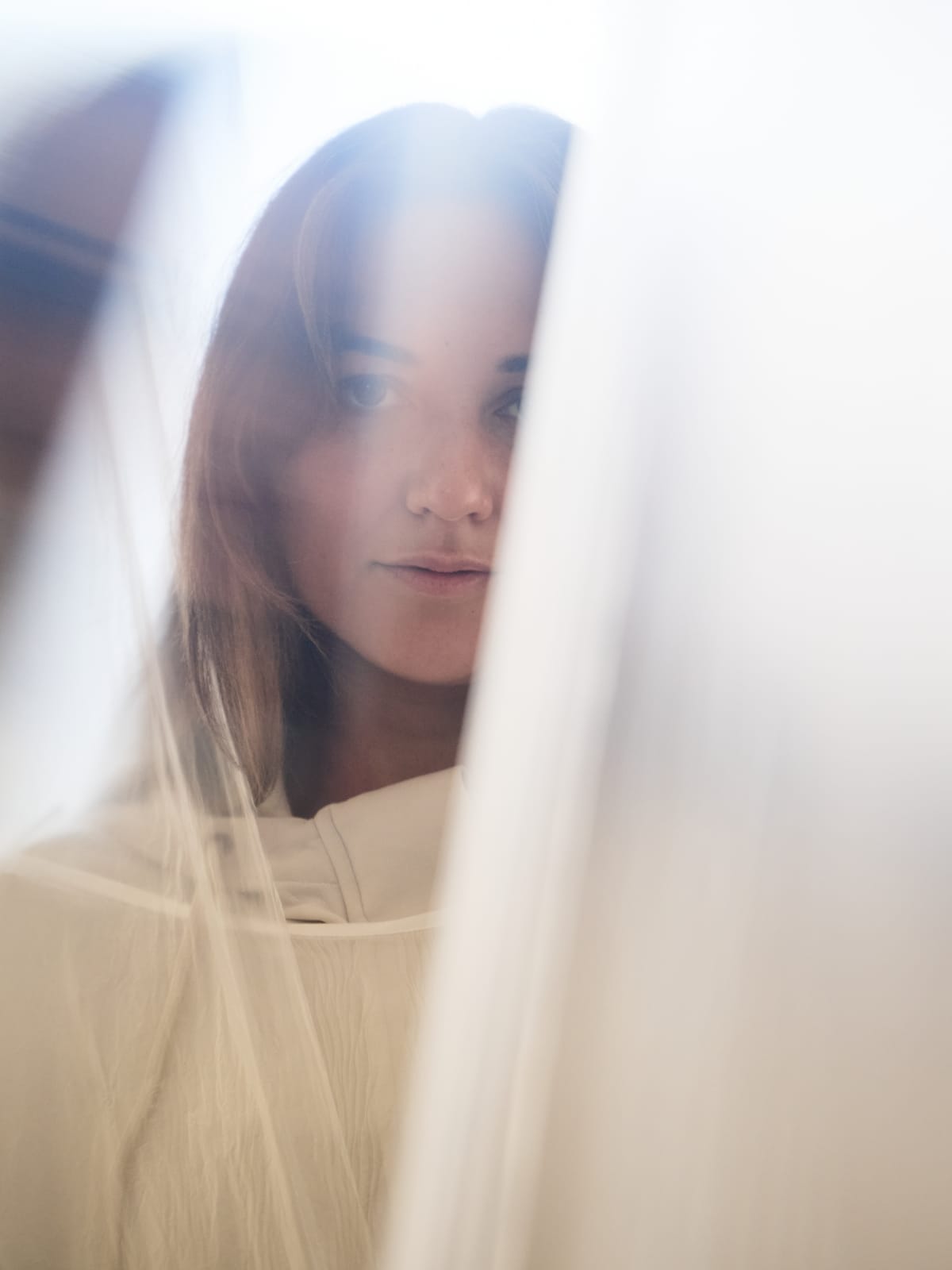

Nel suo nuovo disco, Lenxi ci prende per mano e ci porta in un viaggio dentro sé stessa. È un pezzo della sua storia, quella che ti arriva dentro. E intanto si prepara al Dekmantel, con un occhio attento anche a cosa succede nella scena italiana.
C’è chi fa musica per farsi sentire, e chi per sopravvivere a quello che non riesce a dire. Con Lenxi, producer e songwriter cresciuta tra Londra e i Paesi Bassi, queste due cose non solo convivono, ma creano qualcosa di unico. Il suo nuovo album “Did you get the dream I sent you” è nato lì, in quel punto di rottura personale, ed è stato messo insieme, pezzo dopo pezzo, mentre lei attraversava città e stati d’animo.
L’abbiamo incontrata prima del suo debutto al Dekmantel per farci raccontare come si fa a superare i finali inaspettati, come le città (e le relazioni) ci lasciano il segno, e cosa succede quando la tristezza si trasforma in suono. Immancabile uno sguardo all’Italia, e uno al futuro che la aspetta.
“Did you get the dream I sent you?” è un titolo bellissimo, che sembra una domanda reale, fatta a qualcuno. Se è così, cosa rappresenta per te questo sogno? È stato un modo per chiudere un cerchio o per aprirne un altro?
Grazie! A dire il vero non ne sono ancora del tutto sicura. Credo che quel sogno rappresenti soprattutto un modo per elaborare e accettare qualcosa. Per me quel cerchio si è chiuso senza che lo volessi o che fossi pronta ad affrontarlo, e i sogni servono proprio a metabolizzare tutto questo. L’album nasce proprio da questo processo di tristezza, confusione e lutto, ma anche di speranza, perché è l’unica via d’uscita dal dolore. In questo momento sento che sto cercando di fare pace con una pagina già voltata, e forse chiudere un capitolo significa inevitabilmente aprirne uno nuovo, diverso. Immagino che queste sensazioni non siano mai del tutto definite.
In molti momenti — penso a tracce come “Keep On Breathing” o “Closer/Closure”— emerge un’estetica sonora che ricorda l’approccio di Nathan Fake: strutture fluide, melodie granulari, texture emotive ma controllate. Ti riconosci in questa affinità? Che ruolo hanno avuto le influenze UK nella tua formazione?
Sì, capisco bene cosa intendi con fluidità, granularità ed emozione. Penso che l’album abbia una malinconia nostalgica che si riflette in ogni melodia e texture, con un’onestà emotiva che si percepisce. Le influenze UK sono state molto importanti nel mio percorso: sono nata a Londra e fin da piccola ho sempre ascoltato e amato molti artisti inglesi. Però crescendo e trasferendomi nei Paesi Bassi — e avendo un interesse ampio per musiche e culture diverse — penso che quella UK-ness si sia mescolata e diluita, lasciando spazio a un mix variegato di influenze internazionali.
Durante l’ascolto dell’album si ha la sensazione di entrare in uno spazio sospeso, in cui suoni analogici, melodie malinconiche e ritmi club si fondono in qualcosa di profondamente personale. C’è una traccia che per te rappresenta un punto di svolta, anche dal punto di vista emotivo o produttivo?
Direi sicuramente “Closer/Closure”: a livello emotivo è stata un vero punto svolta, perché sentivo di stare tracciando un confine. È come dire: “Qualunque cosa io abbia fatto che ha causato dolore, il dolore che ho ricevuto in cambio non era proporzionato”. Questa traccia chiude un cerchio.
Anche “Did you get the dream I sent you” è stata fondamentale sia dal punto di vista emotivo che produttivo. L’ho scritta per accettare la realtà, e mi ha fatto sentire come se stessi dicendo: “Anche se questi erano i miei sogni, ormai non ci sono più”. L’ho finita a Londra, e dopo un lungo periodo in cui producevo solo pezzi molto energetici, è stata una delle prime a tornare a un bpm più lento. È stato un momento di grande svolta per l’album.
Hai prodotto questo album tra Londra, Parigi e L.A., spazi molto diversi per energia e immaginario. Quanto il luogo in cui lavori influenza il suono che costruisci? Cerchi consapevolmente certi ambienti per evocare stati d’animo specifici?
I luoghi sono fondamentali e influenzano tantissimo il mio processo creativo. Molte tracce le ho scritte in viaggio, ad esempio in treno verso Londra o Parigi, quando la mente si lascia andare. Queste città mi hanno fatta sentire triste, ma allo stesso tempo mi hanno aiutata a uscire dal mio mondo interiore.
Credo che il posto in cui si scrive o si produce un brano plasmi anche il concept e, di conseguenza, il suono finale. Io cerco più che altro luoghi in cui sento di dover lavorare su qualcosa dentro di me, non per evocare un mood specifico, ma perché ho bisogno di confrontarmi con certe emozioni proprio in quel posto. Il resto viene da sé.
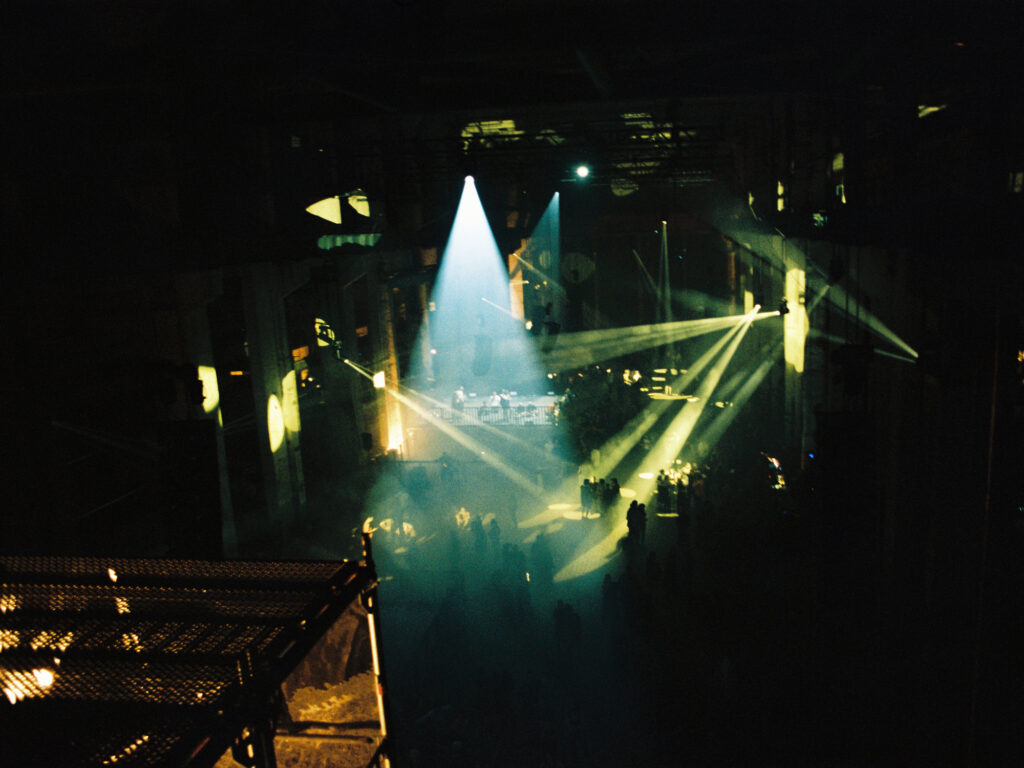
Quest’estate suonerai al Dekmantel, un appuntamento importantissimo per chi ama l’elettronica in tutte le sue sfumature. Come ti stai preparando? Il live sarà centrato sull’album o ci sarà spazio anche per improvvisazioni, versioni alternative, magari qualcosa di nuovo?
Questa performance sarà speciale perché lavorerò con un artista visivo, Emilio Arias, per arricchire l’esperienza. Di solito preparo i live per tentativi ed errori: dalle esperienze passate capisco cosa funziona e cosa no. Il set sarà ricco di versioni alternative dei brani dell’album, ma includerà anche qualche pezzo nuovo che uscirà più avanti durante l’anno.
Hai mai vissuto il Dekmantel da spettatrice prima? Cosa rappresenta per te far parte di un cartellone così sfaccettato e curato? C’è un set che ricordi in particolare da edizioni passate?
Sono stata una spettatrice assidua del Dekmantel per anni, e posso anche dire di essere stata una party animal un po’ irrequieta fin da giovane, vivendo a pieno sia il festival che gli afterparty haha.
Ho tanti ricordi bellissimi, impossibile sceglierne uno. Sono stata anche MC allo stage Bud quando alcuni amici organizzavano la line-up. Il Dekmantel mi ha dato tanto e fa parte della mia vita, quindi far parte del cartellone oggi significa moltissimo.
Una curiosità più aperta da italiana: ti capita di seguire cosa succede nella scena del nostro Paese? Negli ultimi anni sono emerse realtà che fondono elettronica, performance e visione curatoriale — come Terraforma o Macao — che sembrano in risonanza con la tua sensibilità. C’è un contesto o una scena con cui ti piacerebbe entrare in dialogo?
Oh sì, assolutamente, mi piacerebbe molto collaborare con realtà come Terraforma o Macao. Mentre lavoravo all’album ho passato molto tempo ad ascoltare playlist italiane, ma non quelle elettroniche contemporanee, bensì pezzi degli anni ‘70 e ‘80. Era un modo quasi ossessivo per affrontare momenti difficili, decodificavo strutture e significati come una specie di terapia. Credo che questo abbia influenzato la mia musica, anche se non è stato facile per la salute mentale haha.
Ora conosco molti classici italiani, ma mi piacerebbe scoprire di più sulla scena underground attuale. A settembre verrò in Italia: sono sicura che da quel viaggio porterò a casa nuove idee e spunti per il futuro.
Se potessi scegliere liberamente, senza limiti, con quale artista ti piacerebbe collaborare?
Ce ne sono tantissimi! Ma sarebbe un sogno lavorare con chi ha segnato la storia ed è sempre rimasto autentico, come Björk. Oppure fare delle sperimentazioni vocali per un DJ e producer incredibile come Donato Dozzy. Mi piacerebbe anche scrivere brani da ghost writer: adoro creare concept, testi e semplicemente dare vita a qualcosa di nuovo.
E tra 30 anni, dove ti immagini? Ancora su un palco? In uno studio nascosto da qualche parte? Oppure in un luogo completamente diverso?
Tra trent’anni spero di continuare a concentrarmi sulle piccole cose che mi rendono felice. E soprattutto spero di essere felice, in generale. Questo significa che probabilmente starò ancora scrivendo musica, salendo sul palco, e in qualsiasi posto possa immaginare. 🙂
ENGLISH VERSION
“Did you get the dream I sent you?” is a beautiful title that sounds like a real question asked to someone. If so, what does this dream represent for you? Was it a way to close a chapter or to open a new one?
Thank you! To be honest I am not really sure. I think mostly the dream represents a form of processing and acceptance. I think the chapter was closed for me without me wanting it to be closed or being able to cope with it closing, and the dreams are dealing with that. That’s why there is a lot of sadness, grief and confusion in the tracks, but also hope because that is the only way out of the sadness. At the moment I feel it’s trying to accept a closed chapter, and maybe closing a chapter immediately means opening a new different one? I guess these feelings are never clear-cut.
At many moments — I think of tracks like “Keep On Breathing” or “Closer/Closure” — an aesthetic emerges that recalls Nathan Fake’s approach: fluid structures, granular melodies, emotional yet controlled textures. Do you see yourself in this affinity? What role have UK influences played in your development?
Ah yes, I can see the fluid, granular and emotional. I think this album generally has a nostalgic melancholy which probably is giving that vibe throughout all the textures and melodies, and you can feel the emotional honesty. UK influences have been pretty big on my work because I was born in London and from a young age have always been exposed to, and a big fan of, many UK acts. But because of moving to The Netherlands and also by always having a broad interest in music from different countries and cultures, I think the UK-ness diluted a bit more and there is more of a mixture of different influences.
Listening to the album gives the sensation of entering a suspended space, where analog sounds, melancholic melodies, and club rhythms blend into something deeply personal. Is there a track that, for you, represents a turning point, either emotionally or production-wise?
Yes, I would say the track “Closer/Closure” was a turning point emotionally, it felt like I was setting a boundary, it’s saying: whatever stuff I did that was not good or caused pain, the pain that I was receiving back was not proportional. This song was saying OK now it’s enough, I’m done with this.
I think the track “Did you get the dream I sent you?” was a turning point both emotionally and production-wise. Emotionally I wrote the song for acceptance, the song gave me the feeling of “you know what, this is the deal and these were my dreams, and I guess that’s that”. I was finishing this track in London at the time, and, after a long phase of only wanting to do energetic tracks, it was one of the lower bpm paced tracks and productionally gave a new dimension to the record.
You produced this album across London, Paris, and L.A., very different spaces in terms of energy and imagination. How much does the place where you work influence the sound you create? Do you consciously seek certain environments to evoke specific moods?
Different spaces are so important and influence the writing process so incredibly much. I have written many tracks on my way in the train to London or Paris. Concepts always strike when I let my mind wander. London and Paris are important to me now in that way, they have made me feel so sad but have also helped me get out of my head. I think the place where you write or produce a track influences the concept and the concept influences the productional sound. I would say I seek certain environments out of a feeling or intuition that I need to be there to work through something, i.e. to unravel or cope with some feelings, and not because I know it will give me a specific mood for the song. The song and even the mood for the song will follow from the concept that is formed on this path.
This summer you will perform at Dekmantel, a very important event for those who love electronic music in all its shades. How are you preparing? Will the live set focus on the album, or will there be room for improvisations, alternative versions, maybe something new?
What will be nice about this performance is that I will be working with a visual artist (Emilio Arias) to make it extra special. I always prepare by trial and error: gigs I have done in the past always tell me what works best and what to leave out. The live set will be full of alternative versions and some new stuff that’s not on the album, but will be released later in the year.
Have you ever experienced Dekmantel as a spectator before? What does it mean for you to be part of such a diverse and curated lineup? Is there a particular set from past editions that you remember?
I have been a very active Dekmantel spectator over the years. I would even go so far as to say I’ve been a significantly rowdy party member there from a younger age and have invested many hours in living my best life at the festival and the afterparties haha.
I have so many fond memories, I can’t even name them all. Actually, I have also been an MC at the Bud stage when friends of mine were hosting the stage. Dekmantel has supported me so much, and has been a big part of my life so it means a lot to me to be part of the lineup.
A more open curiosity from an Italian: do you follow what’s happening in our scene? In recent years, there have been emerging realities that blend electronic music, performance, and curatorial vision — like Terraforma or Macao — which seem to resonate with your sensibility. Is there a scene or context you’d like to engage with?
Oh my yes please, I would love to engage with Terraforma or Macao. During the making of this album, I was actually deciphering Italian playlists but not the modern electronic ones, it happened to be more the 80s and 70s Italian music and I was decoding structures and song meanings. It was part of the OCD type coping I do when I feel really down; I was going through some playlists from different eras like a madman. I guess it’s a blessing for my music and a curse for mental health probably.
Anyway, so now I know some of the older classic Italian stuff, but now I would love to dive more into the current Italian underground music and art scene. I’m going to Italy in September, I bet you there will be some more new tracks and concepts for my music following from that trip.
If you could choose freely, without limits, which artist would you like to collaborate with?
I have so many! But of course it would be pretty amazing if you could work with someone who has had a huge influence on so many people in the past, and who has always stayed authentic. Like Bjork for instance. Or make some nice experimental vocal chops for an incredible DJ and producer like Donato Dozzy. I would actually also love to write songs for an artist as a ghost writer, I love making concepts and lyrics and just to create in general.
And in 30 years, where do you see yourself? Still on stage? In a hidden studio somewhere? Or in a completely different place?
In 30 years, I just really hope I keep focusing on the small things that make me happy. And I guess I hope I will be happy in general. That means I’ll probably still be writing music, on stage and in every place you can imagine :).