
Sirus Hood, in occasione della fine della recente release di “Outlet” racconta su Parkett Channel il suo 2025.
Sirus Hood si è affermato nel 2025 come una delle voci più riconoscibili e influenti della house music contemporanea. Co-fondatore dell’etichetta Mood Child, unisce un’intensa attività di touring internazionale a una visione artistica raffinata, portando la sua energia di matrice Chicago sui palchi di club e festival tra i più importanti al mondo. Il recente riconoscimento come Hype Label of the Year ai Beatport Awards conferma l’impatto culturale e la crescita globale di un progetto che oggi rappresenta un punto di riferimento nella scena elettronica internazionale.
Lo abbiamo incontrato su Parkett per farci raccontare il lavoro curatoriale dietro Mood Child, una sua opinione sul ritorno dell’ house music nel mercato internazionale ed il suo rapporto con la tradizione di Chicago. Buona lettura!
Ciao Sirus Hood, benvenuto su Parkett, è un piacere averti con noi. Prima di tutto, come stai? E com’è stato il 2025 per te, soprattutto con
tutto quello che sta succedendo intorno a Mood Child?
Al momento sono ad Aruba, in tour in Sud America. Fuggire dall’inverno europeo aiuta. Il ritmo tropicale rallenta le cose e dà una prospettiva, cosa che apprezzo sempre di più.
Per l’etichetta, il 2025 è stato un anno molto positivo. Oltre al riconoscimento del premio, momenti come il nostro showcase all’ADE con Cécille lo hanno davvero definito per me. Non si trattava di hype, ma di persone. Riunire artisti, amici e personaggi del settore per celebrare un anno intero di uscite settimanali insieme ai nostri partner.
Vincere il premio “Hype Label of the Year” di Beatport è un traguardo importante, ma porta anche grandi aspettative. Senti la pressione di
mantenere questo livello di qualità con ogni nuova uscita?
Il premio non ha aggiunto pressione, ci ha costretto a fare delle scelte. Abbiamo aumentato la qualità e ridotto consapevolmente la produzione.
Molte etichette partono con forza e lentamente diluiscono la propria identità man mano che crescono, spesso orientandosi verso il mainstream. Noi stiamo facendo il contrario. Meno tracce, più intenzione, più emozione.

Il tuo nuovo singolo “Outlet” sembra un momento di vera maturità nel tuo
suono ispirato a Chicago. Cosa rappresenta per te questo brano e
che tipo di evoluzione riflette nel tuo percorso musicale?
Chicago è ancora la base, ma l’evoluzione deriva dal semplificare il linguaggio e affidarsi al groove per trasportare l’emozione. Si tratta anche di contrasto, tra un momento di esaltazione sognante e qualcosa di più orecchiabile.
Nel 2025 hai fatto tournée in tre continenti, suonando in sale iconiche come Amnesia, WOMB e Ministry of Sound. Come cambia l’energia dei tuoi set a seconda del dancefloor e della sua cultura? E c’è stato un luogo che ti ha davvero sorpreso?
C’è qualcosa di speciale nel suonare sulle isole. È lì che posso esprimere appieno il mio lato più tropicale e spirituale, giocando con la natura e gli elementi. In quei contesti, mi piace giocare con la percezione delle persone, allungando il tempo, offuscando lo spazio e lasciando che la musica le porti altrove.
Un luogo che mi ha davvero sorpreso è stato un banco di sabbia a Zanzibar. Suonare musica in mezzo al mare, circondato solo da acqua e persone, cambia completamente la percezione. Non c’è palco, nessuna gerarchia, nessuna distrazione. Solo suono, movimento e l’ambiente. Questo tipo di location mi ricorda perché sono attratto da questi momenti in primo luogo.
In contesti più tradizionali come club o festival, non cambio chi sono, ma modifico il modo in cui racconto la storia. Mi piace la sfida di adattarmi e uscire dalla mia zona di comfort. Non penso veramente in termini di generi, penso all’emozione trasmessa dagli stati d’animo.
I tuoi showcase Mood Child stanno diventando riconosciuti a livello internazionale. Qual è l’elemento curatoriale, musicale, visivo o
atmosferico su cui non scendi mai a compromessi? E quanto è difficile
tradurre un’identità così specifica in contesti completamente diversi?
Non scendo mai a compromessi sulla direzione emotiva. Mood Child non è basato sul genere, ma sullo stato d’animo. La sfida è mantenere intatto questo focus adattandosi a spazi e pubblici completamente diversi.
Mood Child è diventata più di un’etichetta; è diventata una vera
comunità artistica. Come decidi chi entra a far parte di questo ecosistema? Si tratta principalmente del suono, dell’atteggiamento o della visione
condivisa?
All’inizio, la musica era tutto. Oggi è ancora la base, ma l’allineamento conta altrettanto. Atteggiamento, rispetto, valori. A volte tralasciamo tracce forti perché il lato umano non ci sembra giusto. Preferiamo investire le nostre energie in persone e musica che abbiano senso insieme.
La musica house è di nuovo “di moda”, ma con la popolarità spesso arriva l’omogeneità. Dal tuo punto di vista, sia come artista che come curatore, cosa ritieni che manchi alla scena in questo momento? E cosa ti frustra di più del panorama attuale?
Penso che ciò che manca di più sia il tempo. Molta musica oggi è progettata per funzionare all’istante, ma pochissima è costruita per durare. C’è meno spazio per la tensione, per la sottigliezza, per tracce che si rivelano nel tempo.
Ciò che mi frustra non è la popolarità in sé, ma la mancanza di pazienza che spesso crea. Come curatore e artista, sono più interessato alla musica che cresce con ascolti ripetuti, piuttosto che alla musica che raggiunge l’apice al primo drop.
Il tuo stile è spesso descritto come radicato a Chicago con un tocco
europeo contemporaneo. Dopo così tanti anni di attività, quanto è cambiato il tuo DNA sonoro? E c’è qualcosa che stai deliberatamente cercando di “disimparare” per continuare a evolverti?
Il nucleo non è cambiato molto. Chicago è ancora la base, il modo in cui groove ed emozioni interagiscono. Ciò che si è evoluto è il mio rapporto con la complessità. Ho deliberatamente disimparato certe abitudini, come riempire lo spazio inutilmente o affidarmi a trucchi familiari. Mi fido di più della semplicità, sono più interessato alla chiarezza.

ENGLISH VERSION
Sirus Hood: “It’s not popularity that frustrates, but the lack of patience it creates.”
Sirus Hood, on the occasion of the end of the recent release of “Outlet”, talks about his 2025 on Parkett Channel
In 2025, Sirus Hood established himself as one of the most recognizable and influential voices in contemporary house music. Co-founder of the Mood Child label, he combines intense international touring with a refined artistic vision, bringing his Chicago-inspired energy to the stages of some of the world’s most important clubs and festivals. His recent recognition as Hype Label of the Year at the Beatport Awards confirms the cultural impact and global growth of a project that today represents a benchmark in the international electronic music scene.
We met with him on Parkett to discuss the curatorial work behind Mood Child, his thoughts on the return of house music to the international market, and his relationship with Chicago’s tradition. Enjoy!
Hi Sirus Hood, welcome to Parkett, great to have you with us. First of all, how are you doing? And how was 2025 for you, especially with everything happening around Mood Child?
I’m in Aruba right now, touring South America. Escaping the European winter helps. The tropical pace slows things down and gives perspective, which I value more and more.
For the label, 2025 has been a very strong year. Beyond the award recognition, moments like our ADE showcase with Cécille really defined it for me. It wasn’t about hype, it was about people. Bringing together artists, friends and industry figures to celebrate a full year of weekly releases alongside our partners.

Winning Beatport’s “Hype Label of the Year” is a huge milestone, but it also comes with big expectations. Do you feel any pressure to maintain that level of quality with every new release?
The award didn’t add pressure, it forced us to make choices. We levelled up the quality and consciously reduced the output. A lot of labels start strong and slowly dilute their identity as they grow, often by moving toward the mainstream. We’re doing the opposite. Fewer tracks, more intention, more emotion.
Your new single “Outlet” feels like a moment of real maturity in your Chicago-inspired sound. What does this track represent for you, and what kind of evolution does it reflect in your musical journey?
Chicago is still the foundation, but the evolution comes from simplifying the language and trusting the groove to carry the emotion. It’s also about contrast, between a dreamy high moment and something more catchy.
In 2025 you’ve toured across three continents, playing iconic rooms like Amnesia, WOMB and Ministry of Sound. How does the energy of your sets shift depending on the dancefloor and its culture? And was there a place that genuinely surprised you?
There’s something special about playing on islands. That’s where I can fully express my more tropical, spiritual side, playing with nature and the elements. In those settings, I like to play with people’s perception, stretching time, blurring space, and letting the music take them somewhere else.
One place that genuinely surprised me was a sandbank in Zanzibar. Playing music in the middle of the sea, surrounded by nothing but water and people, completely shifts your perception. There’s no stage, no hierarchy, no distraction. Just sound, movement and the environment.
That kind of setting reminds me why I’m drawn to these moments in the first place. In more traditional environments like clubs or festivals, I don’t change who I am, but I adjust how I tell the story. I enjoy the challenge of adapting and stepping outside my comfort zone. I don’t really think in genres, I think in the emotion carried by moods.
Your Mood Child showcases are becoming internationally recognised. What’s the one curatorial element, whether musical, visual, or atmospheric, that you never compromise on? And how challenging is it to translate such a specific identity into totally different contexts?
I never compromise on emotional direction. Mood Child isn’t genre-based, it’s mood-based. The challenge is keeping that focus intact while adapting to completely different spaces and audiences.
Mood Child has grown into more than a label; it’s become a real artistic community. How do you decide who becomes part of that ecosystem? Is it mainly about the sound, the attitude, or the shared vision?
At first, the music was everything. Today, it’s still the foundation, but alignment matters just as much. Attitude, respect, values. We sometimes pass on strong tracks because the human side doesn’t feel right. We prefer investing our energy in people and music that make sense together.
House music is “in fashion” again, but with popularity often comes homogeneity. From your perspective as both an artist and a curator, what do you feel the scene is missing right now? And what frustrates you most about the current landscape?
I think what’s missing most is time. A lot of music today is designed to work instantly, but very little is built to last. There’s less space for tension, for subtlety, for tracks that reveal themselves over time.
What frustrates me isn’t popularity itself, it’s the lack of patience it often creates. As a curator and an artist, I’m more interested in music that grows with repeated listens, rather than music that peaks on the first drop.
Your style is often described as Chicago-rooted with a contemporary European edge. After so many years in the game, how much has your sonic DNA changed? And is there anything you’re deliberately trying to “unlearn” to keep evolving?
The core hasn’t really changed. Chicago is still the foundation, the way groove and emotion interact. What’s evolved is my relationship with complexity. I’ve been deliberately unlearning certain habits, like filling space unnecessarily or relying on familiar tricks.
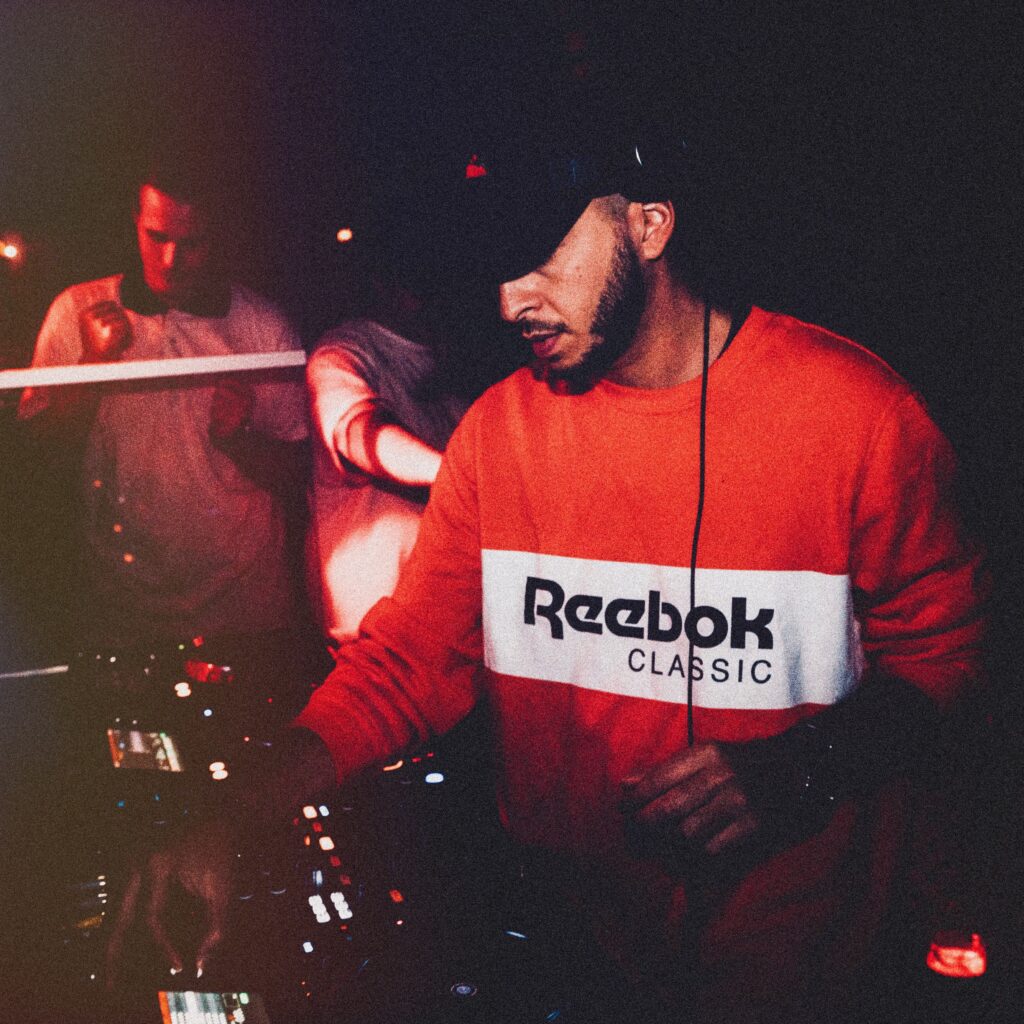
These days, I trust simplicity more. I’m more interested in clarity, in leaving room for tension, and letting the track breathe instead of trying to say everything at once.
2025 has been one of your strongest years so far — the awards, the tours, the new single. What’s the next step you feel you need to take to leave an even deeper mark on the scene?
I’m ambitious, of course. I want to leave a real mark. Right now, the focus is on going deeper and refining the language, both musically and culturally. Building something that grows with meaning, not just momentum. For me, impact comes from consistency and integrity, not volume