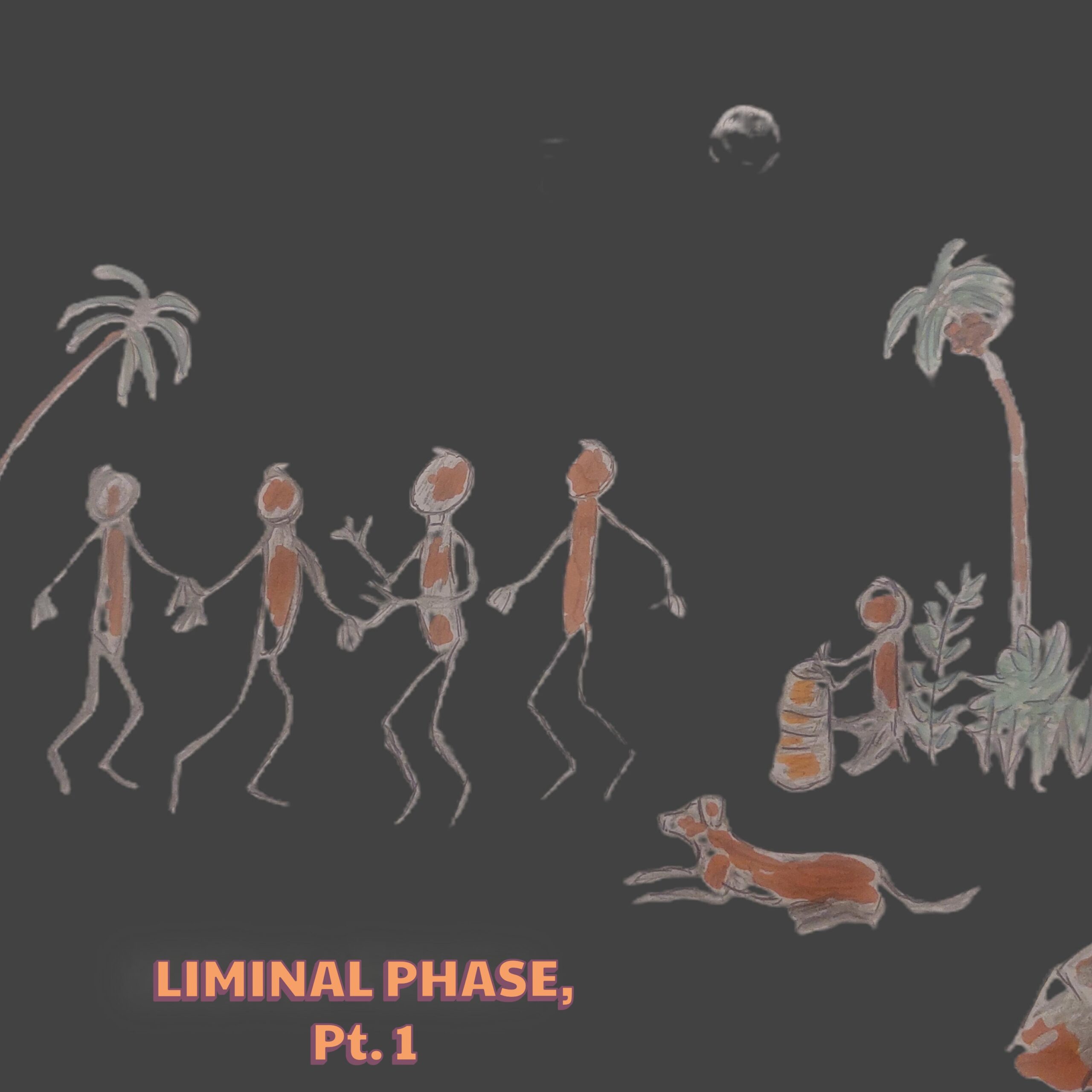

A tension-filled pulse runs through “Liminal phase, pt.1” from its opening seconds, immediately establishing an atmosphere that feels ritualistic rather than simply functional for the dancefloor. Vase* Hagakure 13) approaches minimal techno with a mindset deeply connected to movement, repetition, and psychological immersion, shaping a track that gradually unfolds instead of relying on obvious peaks or dramatic transitions. The result is a piece of electronic music that feels lived-in and deliberate, carrying traces of classic Detroit minimalism while maintaining a character that refuses to settle into nostalgia.
The rhythmic structure is one of the most compelling elements throughout the release. Rather than overwhelming the listener with excessive layers, the percussion remains disciplined and carefully spaced, allowing every kick, metallic accent, and subtle syncopation to breathe naturally inside the mix. The groove develops with hypnotic precision, drawing attention to the small details hidden between the primary drum patterns. There is a physical quality to the low-end movement that recalls underground warehouse culture, yet the production avoids sounding overly polished or sterile. Tiny imperfections in timing and texture give the track a more human edge, reinforcing the feeling that the rhythm is evolving organically in real time.
What makes the rhythmic approach particularly effective is the sense of restraint. Vase* Hagakure 13) understands the power of repetition in techno music and uses it as a narrative device rather than a formula. The track constantly circles around itself, introducing microscopic variations that subtly reshape the listener’s perception without breaking the hypnotic flow. This creates a trance-like listening experience where momentum is maintained through tension and atmosphere instead of aggressive drops or oversized crescendos. The influence of artists connected to Detroit’s deeper experimental traditions can certainly be felt, especially in the way groove and space interact with one another.
The synth work plays an equally important role in defining the identity of “Liminal phase, pt.1”. Layers of analogue-sounding textures drift through the composition like distant transmissions, sometimes cold and mechanical, other times strangely emotional. Instead of dominating the arrangement, the synths move around the percussion carefully, appearing and dissolving in ways that keep the sonic environment unstable and unpredictable. Certain passages feel almost industrial in tone, while others lean into something more meditative and introspective.
A particularly interesting aspect of the production is how the synthetic textures never become decorative. Every tonal element contributes directly to the atmosphere and psychological weight of the track. Some frequencies hover in the background with an almost ghostly presence, while sharper melodic fragments emerge briefly before disappearing back into the haze. The analogue and digital recording techniques blend seamlessly, creating a sound palette that feels simultaneously raw and refined. There is depth in the mix, but also a deliberate sense of emptiness that amplifies the emotional tension embedded within the composition.
Beyond the technical aspects, the track succeeds because of its atmosphere. “Liminal phase, pt.1” captures the sensation of transition, uncertainty, and emotional suspension implied by its title. It feels less like a straightforward club tool and more like a meditation constructed through rhythm and repetition. The mood is dark without becoming oppressive, introspective without losing its physical energy. There is a cinematic quality to the progression of the track, as if the listener is being guided through fragmented memories of underground spaces, late-night gatherings, and solitary moments of reflection.
The background of Vase* Hagakure 13) adds further depth to the listening experience. Connections to East London’s free party culture and decades of classical music study are both subtly reflected in the composition. The disciplined arrangement suggests a strong understanding of musical structure, while the raw emotional energy clearly originates from underground rave traditions rooted in collective experience and sonic experimentation. Those influences coexist naturally instead of competing with one another, giving the release a distinct identity within today’s minimal techno landscape.
“Liminal phase, pt.1” stands out because it resists easy categorisation. It draws inspiration from foundational techno aesthetics while avoiding imitation, favouring atmosphere, repetition, and emotional undercurrents over immediate gratification. Vase* Hagakure 13) delivers a release that feels thoughtful, immersive, and remarkably focused in its execution. It is the kind of track that reveals new details with repeated listens, rewarding patience and close attention. For listeners interested in minimal techno that values depth, tension, and sonic character over formulaic club mechanics, this release offers an experience that lingers long after the final rhythm fades away.