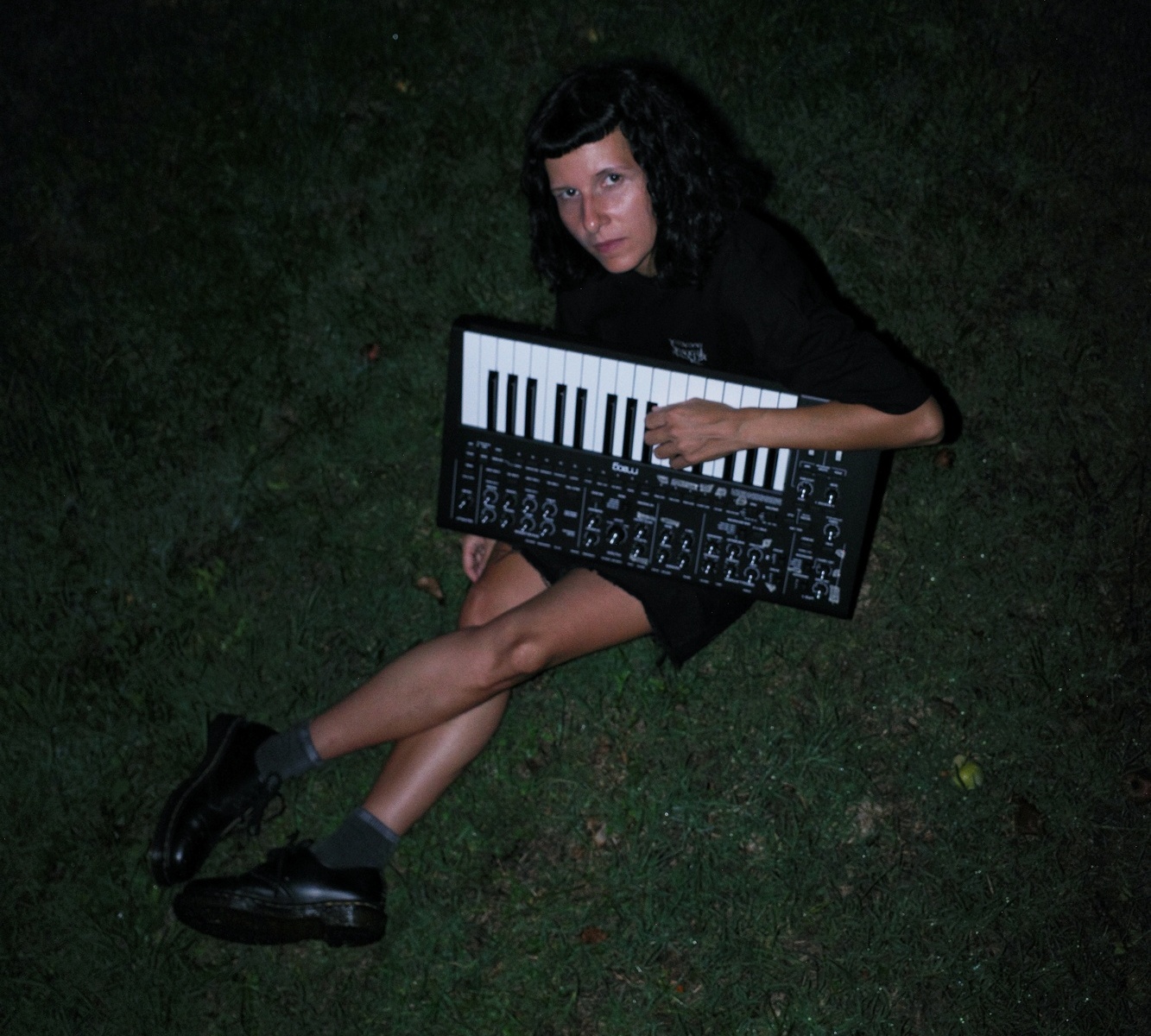

Abbiamo interpellato Miglio quanto al suo ultimo album “Traumfabrik Again”, un progetto dalla forte emotività e dalle sonorità marcate, una dimensione personale e collettiva allo stesso tempo.
Miglio (aka Alessia Zappamiglio) è una cantautrice nata a Brescia e di base a Bologna. I suoi progetti artistico-musicali fondono cantautorato contemporaneo, elettronica e influenze new wave, raccontando una dimensione intima fatta di precarietà emotiva, di margini urbani e di desiderio di trasformazione.
Questo universo emerge nei suoi progetti, i quali nascono e sopravvivono tra il club e la piazza, tra incalzanti musicalità elettroniche e una comunicazione intima e personale. Ne è una chiara dimostrazione “Traumfabrik Again”, l’ultimo disco di Miglio uscito lo scorso 24 ottobre per Peroni Dischi, l’etichetta fondata da
Pierpaolo Peroni all’interno di Asian Fake – HOM ( House of Music), hub creativo dedicato alla musica indipendente e alle nuove traiettorie dell’industria musicale.
Traumfabrik Again nasce da due anni di scrittura e produzione, da un’urgenza creativa che ha bisogno di uscire fuori e dire ciò che pensa. L’album è molto personale e dotato di una forte emotività che si intreccia tuttavia a una dimensione più collettiva, attenta alle incrinature e alle contraddizioni del vivere attuale. Il disco porta con sé atmosfere mitteleuropee e post-industriali: Traumfabrik Again è cemento e solitudine, ma anche desiderio di appartenenza, una fabbrica dei sogni fatta di acciaio, fumo e glitch, di ritornelli corali e loop emotivi attraverso i quali Miglio si racconta attraverso un punto di vista schietto ma non per questo meno poetico.
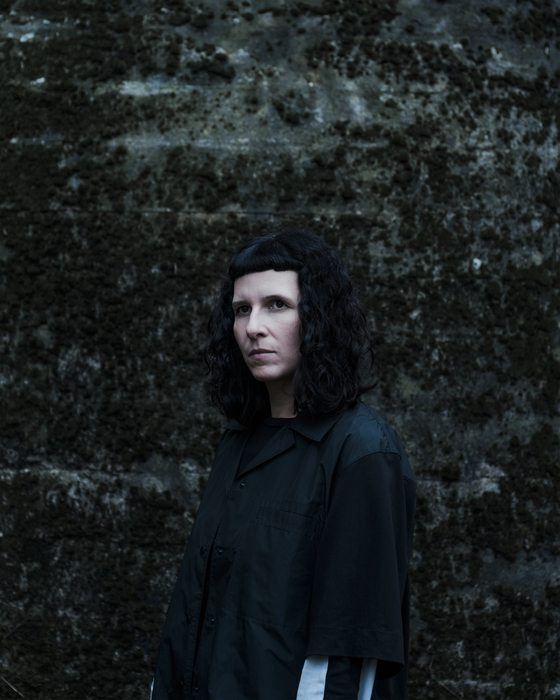
Ciao Miglio e benvenuta su Parkett! Come stai, come sta andando questo 2026 e come proseguono i tuoi progetti artistici attuali?
Ciao Elisa, grazie per l’invito e per le parole su “Traumfabrik Again”.
Sto bene, anche se questo 2026 è iniziato in modo molto intenso. È un anno in cui sto cercando di portare il disco il più possibile fuori dalla sua dimensione registrata, quindi live, incontri, collaborazioni, nuovi attraversamenti. Dopo l’uscita di un album resta sempre una specie di vuoto strano, perché hai consegnato qualcosa che ti ha abitata per molto tempo e all’improvviso non è più solo tuo. Però in questo momento sento che “Traumfabrik Again” sta continuando a muoversi, a trasformarsi, soprattutto dal vivo. È come se il disco avesse aperto una stanza e ora io stessi ancora esplorando tutto quello che può succedere lì dentro.
Parliamo del tuo ultimo album. Sinceramente mi è sembrato un gran progetto, di una certa sensibilità e nel quale lasci affacciare il pubblico su una tua dimensione piuttosto… intima. Mi ha colpito molto questo panorama sonoro post-industriale che funge da sfondo a tante parole, riflessioni – quasi recitate – da parte tua. Com’è stato presentare e condividere con il mondo esterno un lavoro di questa portata e così personale?
Condividere “Traumfabrik Again” è stato delicato, perché è un lavoro molto personale, ma non nel senso confessionale del termine. Non mi interessava raccontare solo “me stessa” o farne un diario intimo. Mi interessava
piuttosto partire da alcune fratture private, da immagini esterne, ossessioni, memorie, e capire come potessero diventare qualcosa di più collettivo. Racconto anche di quello che vedo e che succede attorno a noi. Ho certamente un’indole incline all’osservazione delle cose e la scrittura mi permette di dire quello penso, ciò che non mi piace, mi consente di
“parlare meglio”. Il suono post-industriale, i synth, le drum machine, le ripetizioni, per me non sono estetica ma un modo per sorreggere quello che dico. Presentare un proprio lavoro al di fuori del proprio spazio è sempre qualcosa di molto forte emotivamente.
Quanto sono importanti per te la denuncia e la critica sociale nella musica e più in generale nell’espressione artistica? Pensi che la politica e la dissidenza dovrebbero rimanere fuori dalla dimensione musicale e culturale, o credi che si possa creare una certa continuità?
La musica, come ogni forma d’arte e di comunicazione, può essere un mezzo per dire delle cose. Io vivo con attenzione all’interno della società e non sono estranea a ciò che accade all’interno di essa. Sento sia importante avere uno sguardo largo sul mondo e sono legata a ogni questione che riguardi i nostri diritti come individui ed esseri umani. Quindi si, attraverso l’arte possiamo dire le cose che non vanno bene per noi e più che una forma di dissidenza la trovo una forma di coscienza. Ad ogni modo credo molto nella scomodità dell’arte, non mi interessa essere rassicurante, perché spesso esserlo significa essere accomodanti e passivi e non è una scelta che mi aggrada.
Tornando al tuo ultimo album ma più in generale alla tua intera produzione, si nota che la dimensione testuale ha un grande peso in quello che fai. Sono testi che scrivi in un primo momento e poi metti in musica, o musica e testi si creano e si influenzano reciprocamente durante il processo?
Il testo per me è molto importante, ma non arriva sempre prima della musica. A volte parto da frasi, appunti, immagini scritte sul telefono, pezzi di discorsi ascoltati, frammenti che mi colpiscono. Altre volte è il suono a generare il testo e può essere una sequenza di synth, un ritmo, una linea armonica che creano un’atmosfera e da lì inizio a scriverci sopra.
Mi interessa quando testo e musica si contaminano. A volte può succedere che una frase cambi perché il suono la costringe a diventare più essenziale, o quando una produzione si apre perché una parola chiede più spazio. La parte quasi recitata nasce anche da questo: non sempre sento il bisogno di “cantare” nel senso tradizionale. A volte la voce deve stare più vicina al parlato, al pensiero che si forma, a una confessione detta male.
Traumfabrik Again contiene collaborazioni con altre personalità quali Rodrigo d’Erasmo, Whitemary, Plastica e Sara Berts, e da poco è uscito anche un feat. di “L’amore ci farà a pezzi” con Max Collini. Cosa pensi che abbiano apportato queste artiste e artisti ai tuoi brani?
Le collaborazioni hanno aperto delle finestre diverse dentro i brani.
Rodrigo d’Erasmo con i suoi archi ha semplicemente innalzato il brano, proprio a livello emozionale, quando l’ho sentito con i suoi archi ho capito che il brano era arrivato alla sua essenza. Plastica e Whitemary hanno preso il materiale e lo hanno attraversato con un’identità molto forte, spostandolo altrove, facendomi sentire che quelle canzoni potevano vivere anche fuori dal mio controllo, portandole nei loro territori.
Sara Berts ha completamente destrutturato il brano, lavorando sulle frequenze, sugli spazi, sulla percezione stessa dell’ascolto.
Mi ha colpito come sia riuscita a trasformare una tensione più cupa in qualcosa di sospeso, quasi luminoso, senza però perdere l’ambiguità emotiva del pezzo. Max Collini ha portato semplicemente se stesso all’interno del mio progetto e del mio immaginario, io che ascoltavo il suo lavoro ed i suoi testi da anni, è stato semplicemente forte ed impattante sentire un pezzetto delle sue parole dentro le mie.
Grazie per il tuo tempo Miglio. Ultimissima domanda: cosa diresti alla te degli albori, cioè alla Miglio all’inizio del suo percorso?
Le direi di avere pazienza, perché costruire un linguaggio richiede tempo, errori, tentativi, deviazioni. Le direi che le cose che sembrano troppo strane, troppo personali o troppo fuori dall’ordinario spesso sono proprio quelle da seguire.
In conversation with Miglio: “Sharing Traumfabrik Again was delicate”
We spoke with Miglio about her latest album Traumfabrik Again, a project marked by strong emotional depth and distinctive sounds, at once personal and collective.
Miglio (aka Alessia Zappamiglio) is a singer-songwriter born in Brescia and based in Bologna. Her artistic and musical projects blend contemporary songwriting, electronic music, and new wave influences, portraying an intimate dimension shaped by emotional instability, urban margins, and a desire for transformation.
This universe comes through in her work, which is created and sustained somewhere between the club and the public square, between driving electronic textures and an intimate, personal form of communication. A clear example of this is “Traumfabrik Again”, Miglio’s latest album, released last October 24 via Peroni Dischi, the label founded by Pierpaolo Peroni within Asian Fake – HOM (House of Music), a creative hub dedicated to independent music and new directions in the music industry.
“Traumfabrik Again” was born out of two years of writing and production, from a creative urgency that needed to come out and say what it thinks. The album is highly personal and charged with emotion, yet it intertwines with a more collective dimension, attentive to the fractures and contradictions of contemporary life. The record carries with it Mitteleuropean and post-industrial atmospheres: “Traumfabrik Again” is concrete and solitude, but also a longing for belonging—a dream factory made of steel, smoke, and glitches, of choral refrains and emotional loops through which Miglio tells her story from a perspective that is direct, yet no less poetic.
Hi Miglio and welcome to Parkett! How are you, how is this 2026 going, and how are your current artistic projects progressing?
Hi Elisa, thanks for the invitation and for your words about “Traumfabrik Again”. I’m doing well, even though this 2026 started in a very intense way. It’s a year in which I’m trying to bring the record as much as possible outside of its recorded dimension, so live shows, encounters, collaborations, new crossings. After releasing an album there’s always a kind of strange emptiness, because you’ve handed over something that lived inside you for a long time and suddenly it’s no longer just yours. But right now I feel that “Traumfabrik Again” is still moving, still transforming, especially live. It’s as if the record opened up a room and I’m still exploring everything that can happen inside it.
Let’s talk about your latest album. Honestly, it struck me as a strong project, very sensitive, and one where you let the audience glimpse a rather… intimate dimension of yourself. I was really struck by this post-industrial soundscape that acts as a backdrop to many words and reflections—almost recited—on your part. What was it like to present and share with the outside world a work of this scale and so personal?
Sharing “Traumfabrik Again” was delicate, because it’s a very personal work, but not in a confessional sense. I wasn’t interested in just telling “myself” or turning it into a private diary. I was more interested in starting from certain private fractures, from external images, obsessions, memories, and seeing how they could become something more collective. I also talk about what I see and what happens around us. I definitely have a tendency to observe things, and writing allows me to say what I think, what I don’t like—it lets me “speak better.” The post-industrial sound, the synths, the drum machines, the repetitions—for me they’re not just an aesthetic, but a way to support what I’m saying. Presenting your work outside of your own space is always something emotionally very intense.
How important are protest and social critique to you in music and, more generally, in artistic expression? Do you think politics and dissent should stay outside the musical and cultural dimension, or do you believe there can be some kind of continuity?
Music, like any form of art and communication, can be a way to say things. I live with awareness within society and I’m not detached from what happens in it. I feel it’s important to have a broad взгляд on the world, and I feel connected to every issue that concerns our rights as individuals and as human beings. So yes, through art we can say what doesn’t work for us, and more than a form of dissent I see it as a form of awareness. In any case, I strongly believe in the discomfort of art. I’m not interested in being reassuring, because often that means being accommodating and passive, and that’s not a choice I like.
Going back to your latest album but also to your work as a whole, it’s clear that the textual dimension carries a lot of weight in what you do. Do you write the texts first and then set them to music, or do music and lyrics develop together and influence each other during the process?
Text is very important to me, but it doesn’t always come before the music.
Sometimes I start from phrases, notes, images written on my phone, bits of conversations I’ve overheard, fragments that strike me. Other times it’s the sound that generates the text: it can be a sequence of synths, a rhythm, a harmonic line that creates an atmosphere, and from there I start writing over it. I’m interested in when text and music contaminate each other. Sometimes a phrase changes because the sound forces it to become more essential, or a production opens up because a word asks for more space. The almost spoken delivery also comes from this: I don’t always feel the need to “sing” in the traditional sense. Sometimes the voice needs to stay closer to speech, to a thought taking shape, to a confession told imperfectly.
“Traumfabrik Again” includes collaborations with artists such as Rodrigo d’Erasmo, Whitemary, Plastica and Sara Berts, and recently a feat. version of “L’amore ci farà a pezzi” with Max Collini also came out. What do you think these artists brought to your tracks?
The collaborations opened different windows inside the songs.
Rodrigo d’Erasmo, with his strings, simply lifted the track—on an emotional level. When I heard it with his strings, I understood the piece had reached its essence. Plastica and Whitemary took the material and moved through it with a very strong identity, shifting it elsewhere, making me feel that those songs could live even outside my control, taking them into their own territories.
Sara Berts completely deconstructed the track, working on frequencies, on spaces, on the very perception of listening. I was struck by how she managed to transform a darker tension into something suspended, almost luminous, without losing the emotional ambiguity of the piece.
Max Collini simply brought himself into my project and my imagery—I’d been listening to his work and his lyrics for years, so it was really powerful and impactful to hear a piece of his words inside mine.
Thank you for your time, Miglio. One last question: what would you say to your early self, to Miglio at the beginning of her journey?
I’d tell her to be patient, because building a language takes time, mistakes, attempts, deviations. I’d tell her that the things that seem too strange, too personal, or too out of the ordinary are often exactly the ones worth following.