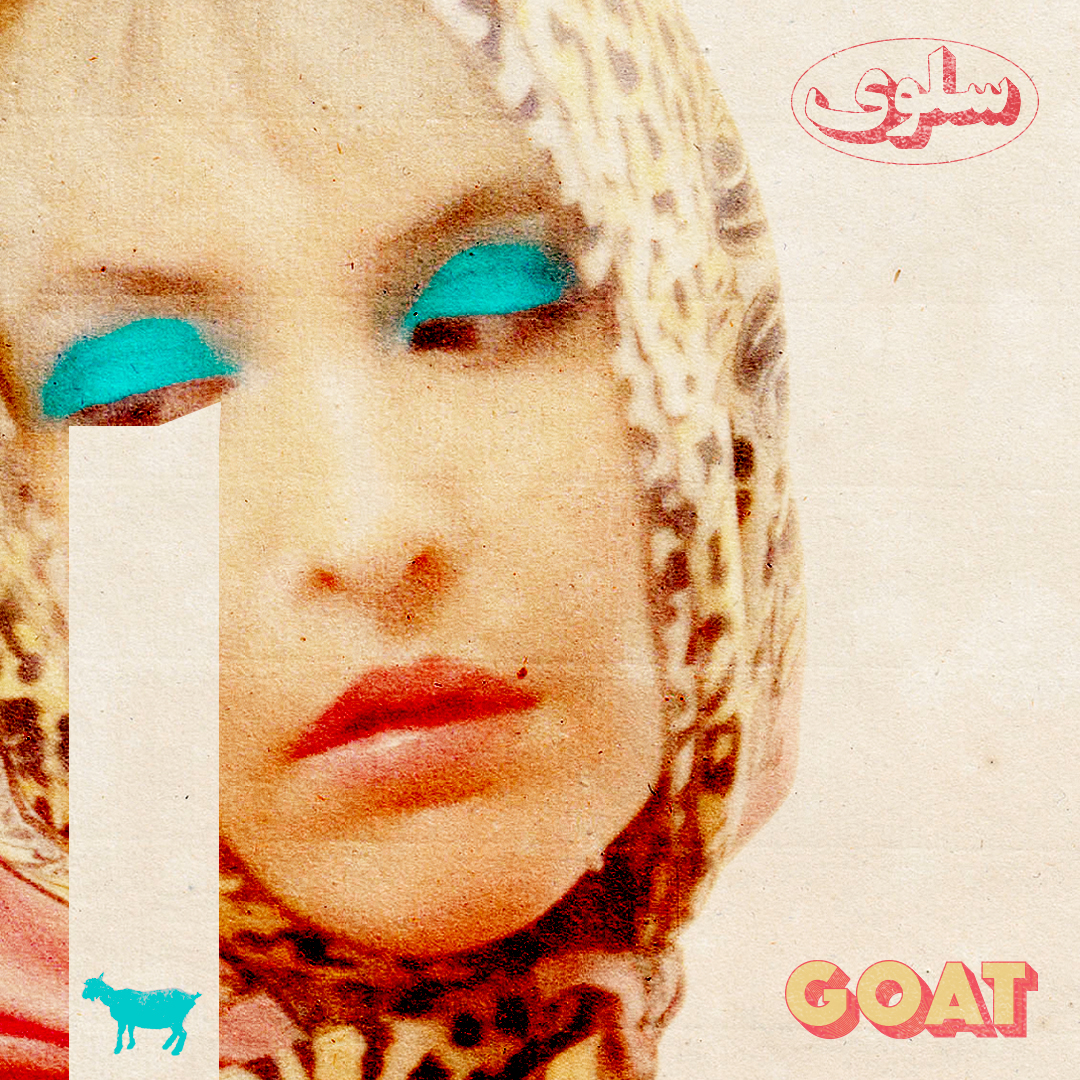

Fractured identities and pulsating electronic textures converge in the latest release from Salwa, titled GOAT, a track that operates as both sonic statement and conceptual framework. Built on a foundation of electro and synth-pop, the single resists the idea of being a straightforward pop cut, instead unfolding as a layered composition where rhythm, synthesis, and narrative tension are tightly interwoven.
From the opening seconds, the rhythmic structure signals intent. The percussion is not simply supportive but architectural, built on a push-and-pull dynamic that evokes both club sensibility and ritual repetition. There is a noticeable influence from Middle Eastern rhythmic traditions, particularly in the use of darbuka-like textures and tabla-inspired accents, which cut through the mix with a dry, tactile presence. Rather than smoothing these elements into a Western pop grid, the production allows them to breathe, creating irregular pockets of tension that destabilize the listening experience in a deliberate way.
The synth work carries the emotional weight of the track. Pads swell in and out with a controlled unease, often dissolving just as they begin to settle. Leads are kept minimal, occasionally appearing as distorted fragments rather than fully realized melodic lines. This restraint gives GOAT a shadowy atmosphere, closer to late-night electronic minimalism than glossy synth-pop maximalism. There is a constant feeling of movement without resolution, as if the track is perpetually circling its own thematic core without ever fully landing.
Atmospherically, the piece draws from a broader conceptual terrain rooted in mythology and psychological symbolism. The idea of the “scapegoat” is not treated as metaphor alone but as a structural lens through which the entire composition is filtered. The sonic palette reflects this burdened perspective: low-end frequencies feel weighted, while higher synth layers flicker like unstable memories. The result is a track that feels emotionally compressed, yet never static.
As the arrangement develops, subtle influences from underground regional electronic scenes emerge. The groove occasionally leans toward the aesthetic space associated with Habibi Funk-adjacent production, where retro-leaning funk sensibilities intersect with contemporary electronic design. Yet GOAT avoids nostalgia. Instead, it reframes these references within a darker, more introspective context, aligning itself with artists like Dirty Backseat and other experimental electronic producers who prioritize mood over immediacy.
Vocally, Salwa’s delivery sits within the mix rather than above it. The voice is treated almost as another synth layer, slightly detached, occasionally processed to the point where emotional clarity becomes ambiguous. This choice reinforces the track’s conceptual ambiguity: personal narrative and political resonance coexist without one fully dominating the other. The performance feels internalized, as if the vocal line is documenting thought rather than declaring it.
What distinguishes the release further is its conceptual extension beyond sound. The accompanying visualiser and art film expand the narrative into a transformation sequence inspired by mythological reinterpretation and psychological fragmentation. The motif of human-to-goat metamorphosis is not presented literally in sonic form, yet the production mirrors this instability through gradual distortions and evolving rhythmic patterns that never fully repeat themselves in identical form.
At its core, GOAT reflects a long gestation period, both musically and conceptually, shaped over several years of development. The track carries the residue of research, lived experience, and inherited memory, filtered through a modern electro-pop framework that refuses simplification. There is an underlying sense that the composition is less interested in resolution and more invested in articulation of tension.
As a release, it sits in a space where electronic music becomes a vessel for narrative complexity rather than escapism. It is not clean, nor is it designed to be. The imperfections within its structure feel intentional, even necessary, contributing to a sense of controlled instability that defines the listening experience from start to finish.
Within contemporary synth-driven music, GOAT stands as a dense and thoughtfully constructed piece, one that prioritizes atmosphere, rhythmic intelligence, and conceptual depth. It is a release of notable quality, and one that fits comfortably within a catalogue we are glad to host and engage with in review form.