
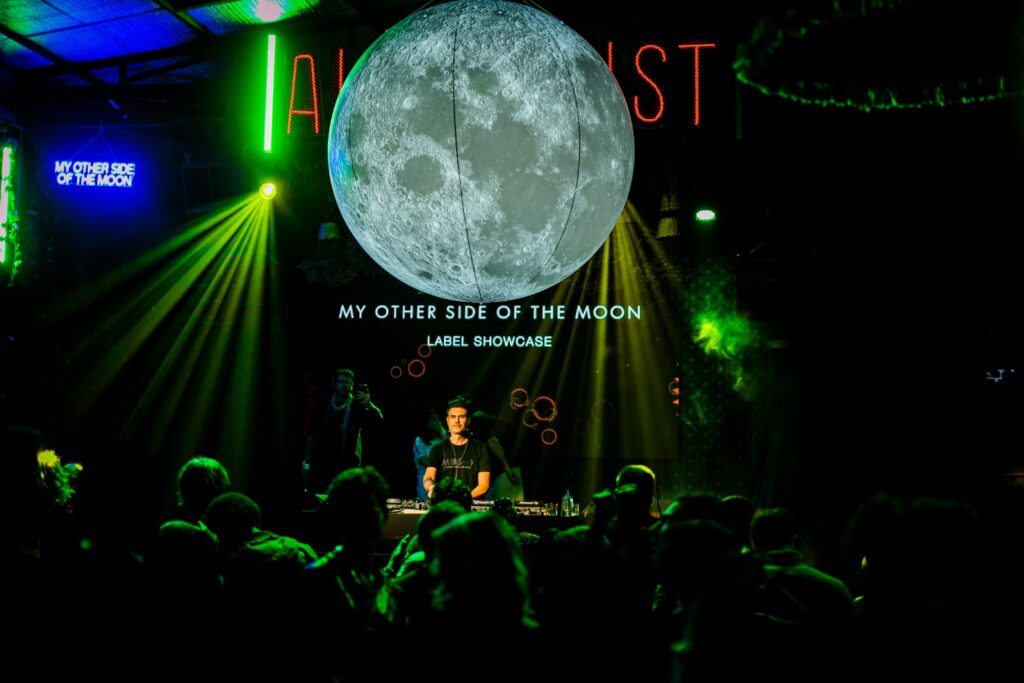
My Other Side of The Moon affronta su Parkett alcuni dei temi più rilevanti per il presente e il futuro dell’Afro House: dall’identità culturale della label alla tutela del diritto d’autore, passando per il dibattito sull’appropriazione culturale e sul ruolo che le etichette possono ancora esercitare nell’orientare le scelte artistiche e la crescita della scena.
Basata in Mozambico e riconosciuta tra le dieci principali label Afro House a livello mondiale, My Other Side of The Moon si è affermata come un punto di riferimento per l’Organic e l’Afro House contemporanea. Attraverso il lavoro della label principale e di Kitisuru, il progetto dedicato alla scoperta e alla crescita di nuovi talenti, il collettivo ha costruito un catalogo che riunisce alcuni dei nomi più influenti della scena internazionale, da Enoo Napa e Caiiro fino a Kasango, Atmos Blaq, Hyenah, FNX Omar e molti altri.
Attraverso un team multiculturale distribuito tra Mozambico, Kenya, Europa e Stati Uniti, la label promuove una visione globale della musica elettronica senza perdere il legame con le radici africane, valorizzando ritmi tradizionali, strumentazione reale e una forte attenzione alla tutela culturale. Una realtà che, oltre alle pubblicazioni discografiche, investe nello sviluppo degli artisti attraverso showcase internazionali, programmi radiofonici e un’attività editoriale orientata alla protezione dei diritti e alla giusta remunerazione dei creatori.
Benvenuti su Parkett, è un piacere avervi qui oggi. Siete ormai tra le principali label Afro House al mondo: qual è stata la scelta strategica o il momento preciso che ha davvero cambiato il vostro percorso?
Grazie per l’invito.L’idea iniziale che avevamo quando abbiamo aperto l’etichetta era quella di puntare sull’organic house come stile. In quel periodo, con Breez and The Sun, ci trovavamo a suonare in contesti molto particolari in Mozambico, dove la scena organic house non era ancora molto sviluppata, mentre in Europa stava iniziando a diffondersi.
Successivamente abbiamo avuto una sorta di “illuminazione” artistica: ci siamo resi conto che l’Afro House aveva un’identità molto più forte e una connessione più profonda con il nostro background musicale. Da lì abbiamo iniziato a sviluppare un sound più definito e coerente.Un momento chiave è stato sicuramente nel 2020, con il remix realizzato da DJuma Soundsystem per un nostro brano.
Quel lavoro ha ottenuto un grande riscontro su Beatport e un forte supporto dalla scena, facendoci capire che eravamo sulla strada giusta.Da quel momento abbiamo deciso di concentrarci completamente su una direzione sonora più chiara, basata su elementi tribali, percussioni e un approccio molto organico che ancora oggi definisce il nostro sound.
Lavorate con una rete di artisti tra Africa, Europa e Stati Uniti: come riuscite a mantenere un’identità sonora coerente senza perdere la ricchezza delle diverse influenze culturali?
La musica parla per noi. Lo stile di MOS of the Moon è molto chiaro: un groove afro ben definito, arricchito da elementi melodici come piano e synth, dove la melodia ha sempre un ruolo centrale.Non guardiamo al Paese, alla religione o alla politica: ci basiamo sulle sensazioni. Se un artista entra in sintonia con il nostro mondo e riesce a sposare il nostro sound, è il benvenuto, indipendentemente da dove provenga.Allo stesso tempo cerchiamo sempre di mantenere un’identità forte legata al continente africano, inserendo quando possibile voci femminili, remix o elementi che diano autenticità al brano.
Avete collaborato con molti dei nomi più influenti della scena: quali caratteristiche deve avere oggi un artista per distinguersi davvero e catturare la vostra attenzione?
Abbiamo collaborato con una parte importante della scena Afro House internazionale, ma per noi ciò che conta davvero non è soltanto il nome. Un artista affermato è sempre interessante, ma l’elemento decisivo resta la musica.Ascoltiamo tutto quello che riceviamo e, se qualcosa ci colpisce davvero, non guardiamo né follower né numeri di streaming: per noi la musica viene sempre prima di tutto.
Artisti come Enoo Napa, Caiiro e Notre Dame sono passati dalla vostra label: in che modo questi percorsi hanno contribuito al vostro posizionamento e alla vostra credibilità nella scena?
Notre Dame in particolare ha rappresentato un momento molto importante per la label: “Emowe” è uno dei brani più forti del nostro catalogo.Allo stesso modo, anche i percorsi di Enoo Napa e Caiiro hanno contribuito in modo decisivo a farci conoscere e ad affermarci in diversi mercati, rafforzando la nostra credibilità nella scena Afro House internazionale.
Con la label Kitisuru supportate nuovi talenti: quali segnali vi fanno capire che un artista emergente ha un potenziale reale nel lungo periodo?
Kitisuru è nata perché ci siamo resi conto che non riuscivamo a dare spazio a tutte le ottime demo che ricevevamo.Con questa realtà vogliamo supportare i nuovi talenti, ma anche esplorare sonorità leggermente diverse.Riconosciamo un potenziale reale quando un artista mostra costanza nelle produzioni, attenzione alla qualità del suono e soprattutto coinvolgimento attivo nella promozione del proprio lavoro. È lì che capisci se crede davvero in quello che fa.
Il mercato della musica elettronica è sempre più competitivo e guidato dalle piattaforme digitali: dove può ancora fare la differenza una label indipendente?
Una label indipendente può fare la differenza soprattutto nella visione, nella cura del suono e nel rapporto umano con gli artisti. Le piattaforme digitali hanno reso tutto più accessibile ma anche molto più saturo. Per questo il vero valore di una label sta nel riconoscere un’identità forte, svilupparla con coerenza e accompagnare l’artista in un percorso reale, non solo nella singola release.Una label indipendente può offrire gusto, direzione artistica, attenzione e credibilità: elementi fondamentali per emergere in un mercato così competitivo.
L’Afro House sta vivendo una forte espansione globale: pensate sia un fenomeno temporaneo o un cambiamento strutturale?
Speriamo che l’Afro House resti rilevante a lungo.Purtroppo, negli ultimi tempi il genere è stato anche un po’ snaturato da alcuni produttori provenienti da altri mondi musicali, che pensano basti aggiungere un tamburo o un bongo a una traccia pop o EDM per ottenere Afro House.
Questo in parte sta penalizzando il mercato e creando confusione nel pubblico.Noi speriamo invece che la vera Afro House, curata e rispettosa della sua identità, continui a resistere nel tempo.Allo stesso tempo stiamo anche pensando a un’evoluzione, con alcune novità in arrivo, ma sempre mantenendo saldi i nostri punti di riferimento.
In un contesto sempre più globale, come affrontate il tema dell’appropriazione culturale e il rischio di perdere autenticità nel genere?
Per noi è fondamentale preservare l’identità del genere.Cerchiamo di farlo lavorando, ogni volta che è possibile, con produttori e cantanti africani, così da mantenere un legame autentico con le radici del suono e proteggerne l’essenza.
Avete sviluppato anche una divisione publishing: quanto è importante oggi proteggere i diritti degli artisti e garantire una remunerazione equa?
Molto importante.My Other Side of the Moon ha anche una divisione publishing sviluppata in collaborazione con Dipiu Music Srl e Pierangelo Mauri, una figura estremamente esperta e riconosciuta a livello internazionale.Il suo supporto è fondamentale per orientarci in un mondo molto complesso, spesso non pienamente compreso né dagli artisti né dalle label.Oggi la tutela dei diritti e la corretta gestione del publishing sono centrali: garantire una remunerazione equa non è solo una questione contrattuale, ma anche di rispetto e trasparenza in tutta la filiera musicale.
Guardando al futuro, quali sono i prossimi step per My Other Side of the Moon e che ruolo volete avere nell’evoluzione dell’Afro House?
Vogliamo continuare a curare con attenzione la musica che rilasciamo, aiutando a crescere gli artisti più meritevoli attraverso investimenti concreti.Vogliamo anche collaborare sempre di più con artisti già affermati, senza però perdere di vista le nuove promesse.L’obiettivo è rimanere costanti, coerenti e impattanti, contribuendo in modo reale all’evoluzione dell’Afro House.
ENGLISH VERSION
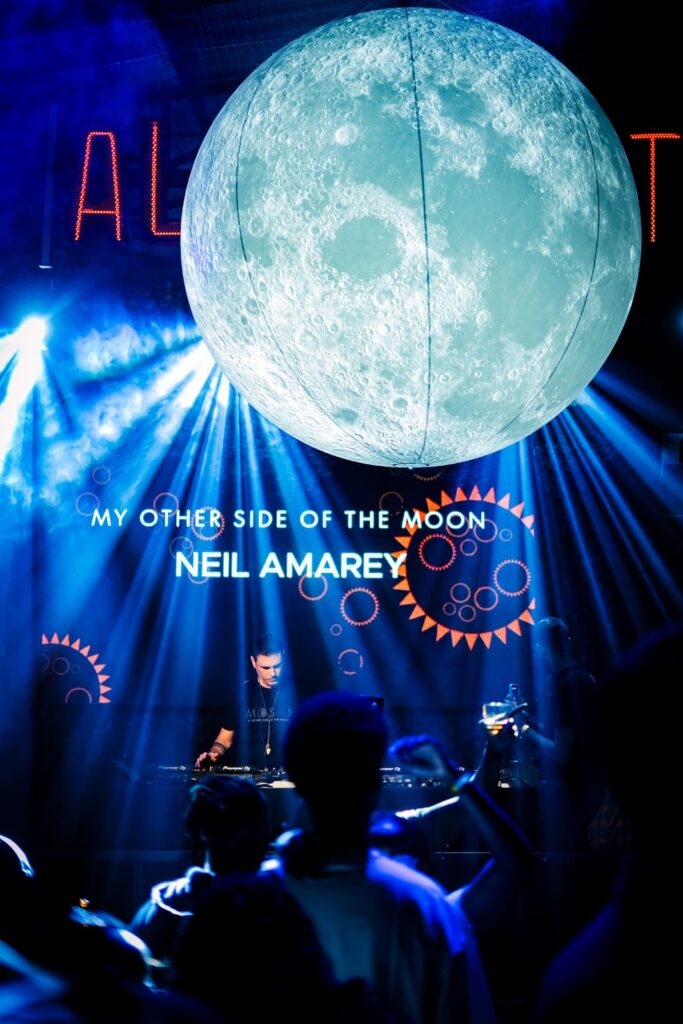
In this conversation with Parkett, My Other Side of The Moon explores some of the most pressing issues shaping the present and future of Afro House, from the cultural identity of a record label and the protection of copyright to the ongoing debate around cultural appropriation and the role labels continue to play in guiding artistic direction and fostering the growth of the scene.
Based in Mozambique and widely recognized as one of the world’s leading Afro House labels, My Other Side of The Moon has established itself as a benchmark for contemporary Organic and Afro House. Through the work of its flagship imprint and Kitisuru, the sister label dedicated to discovering and nurturing emerging talent, the collective has built a catalogue featuring some of the most influential names in the global scene, including Enoo Napa, Caiiro, Kasango, Atmos Blaq, Hyenah, FNX Omar, and many others.With a multicultural team spanning Mozambique, Kenya, Europe, and the United States, the label champions a global vision of electronic music while remaining deeply connected to its African roots.By
By embracing traditional rhythms, live instrumentation, and a strong commitment to cultural preservation, it has developed a distinctive artistic identity. Beyond its releases, My Other Side of The Moon actively invests in artist development through international showcases, flagship radio programmes, and a publishing division dedicated to protecting creators’ rights and ensuring fair remuneration.
Welcome to Parkett, it’s a pleasure having you here today. You’re now ranked among the top Afro House labels worldwide — what was the key decision or turning point that truly changed your trajectory?
Thank you for having us.When we first started the label, our initial idea was to focus on organic house as a style. At that time, with Breez and The Sun, we were performing in very specific contexts in Mozambique, where the organic house scene was still not very developed, while in Europe it was just beginning to grow.Later, we had a kind of artistic “breakthrough”: we realized that Afro House had a much stronger identity and a deeper connection with our musical background.From
From that moment, we started developing a more defined and coherent sound.A key milestone was definitely in 2020, with the remix of our track by DJuma Soundsystem. That release received very strong support on Beatport and from the wider scene, and it made us realize we were on the right path.From then on, we fully committed to a clearer sonic direction, built around tribal elements, percussion, and a highly organic approach that still defines our sound today.
You work with artists across Africa, Europe, and the US — how do you maintain a cohesive sonic identity while embracing such diverse cultural influences?
Music speaks for us.The MOS of the Moon sound is very clear: an Afro-driven groove enriched with melodic elements such as piano and synths, where melody always plays a central role.We don’t focus on country, religion, or politics — we focus on feeling. If an artist connects with our world and fits our sound, they are welcome, regardless of where they come from.At the same time, we always try to maintain a strong connection to the African continent, often including female vocals, remixes, or specific elements that add authenticity to the track.
You’ve collaborated with many of the scene’s most influential names, what does an artist need today to genuinely stand out and catch your attention?
We’ve worked with a significant part of the international Afro House scene, but for us, what truly matters is not just the name.An established artist is always interesting, of course, but the most important factor is the music itself.We listen to everything we receive, and if something truly stands out, we don’t care about follower counts or streaming numbers — music always comes first.
Artists like Enoo Napa, Caiiro, and Notre Dame have released on your label — how have these journeys contributed to shaping your positioning and credibility within the scene?
Notre Dame in particular was a very important milestone for the label — “Emowe” is one of the strongest hits in our catalog. Similarly, both Enoo Napa and Caiiro played a key role in helping us grow our visibility and establish ourselves in different markets, strengthening our credibility within the international Afro House scene.
Through Kitisuru, you support emerging talent — what signs or qualities tell you an artist has real long-term potential?
Kitisuru was created because we realized we couldn’t give space to all the strong demos we were receiving.With this imprint, we aim to support new talent, but also to explore slightly different sounds. We recognize real long-term potential in artists who show consistency in production, strong attention to sound quality, and — most importantly — active involvement in promoting their own work.That’s when you can immediately tell they truly believe in what they do.
The electronic music market is increasingly competitive and platform-driven — where can an independent label still make a real impact today?
An independent label can still make a difference through vision, sound curation, and a strong human relationship with artists.Streaming platforms have made everything more accessible but also much more saturated. Because of that, the real value of a label today lies in recognizing a strong identity, developing it consistently, and guiding artists through a real long-term journey — not just a single release.
An independent label can still provide taste, direction, attention, and credibility — all crucial elements for music to stand out in a crowded market.
Afro House is experiencing strong global growth — do you see this as a passing trend or a deeper structural shift in how audiences engage with electronic music?
We hope Afro House remains relevant for a long time.Unfortunately, recently the genre has also been somewhat diluted by producers coming from other styles, who think that simply adding a drum or a bongo to a pop or EDM track is enough to call it Afro House.This is, in part, damaging the market and confusing the audience.We hope instead that real Afro House — carefully crafted, curated, and respectful of its identity — continues to stand strong over time.
At the same time, we are also thinking about evolution, with some new developments coming soon, but always staying true to our core identity.
In an increasingly global scene, how do you approach the issue of cultural appropriation and the risk of losing authenticity within the genre?
As mentioned before, preserving the identity of the genre is essential for us.We try to do this by working, whenever possible, with African producers and vocalists, in order to maintain an authentic connection to the roots of the sound and protect its essence.
You’ve also developed a publishing division — how important is it today to protect artists’ rights and ensure fair compensation?
Very important.My Other Side of the Moon also has a publishing division developed in collaboration with Dipiu Music Srl and Pierangelo Mauri, a highly experienced and internationally respected figure in the industry.His support is essential in helping us navigate a very complex world that is often not fully understood by either artists or labels.Today, protecting rights and properly managing publishing has become central. Ensuring fair compensation is not only a contractual matter, but also one of respect and transparency across the entire music chain.
Looking ahead, what’s next for My Other Side of the Moon, and what role do you want to play in the future of Afro House?
We want to continue carefully curating the music we release, helping the most deserving artists grow by investing in them.We also aim to collaborate more with well-established artists, while still staying attentive to new emerging talent.Above all, we hope to remain consistent and impactful in everything we do, continuing to contribute meaningfully to the evolution of Afro House.