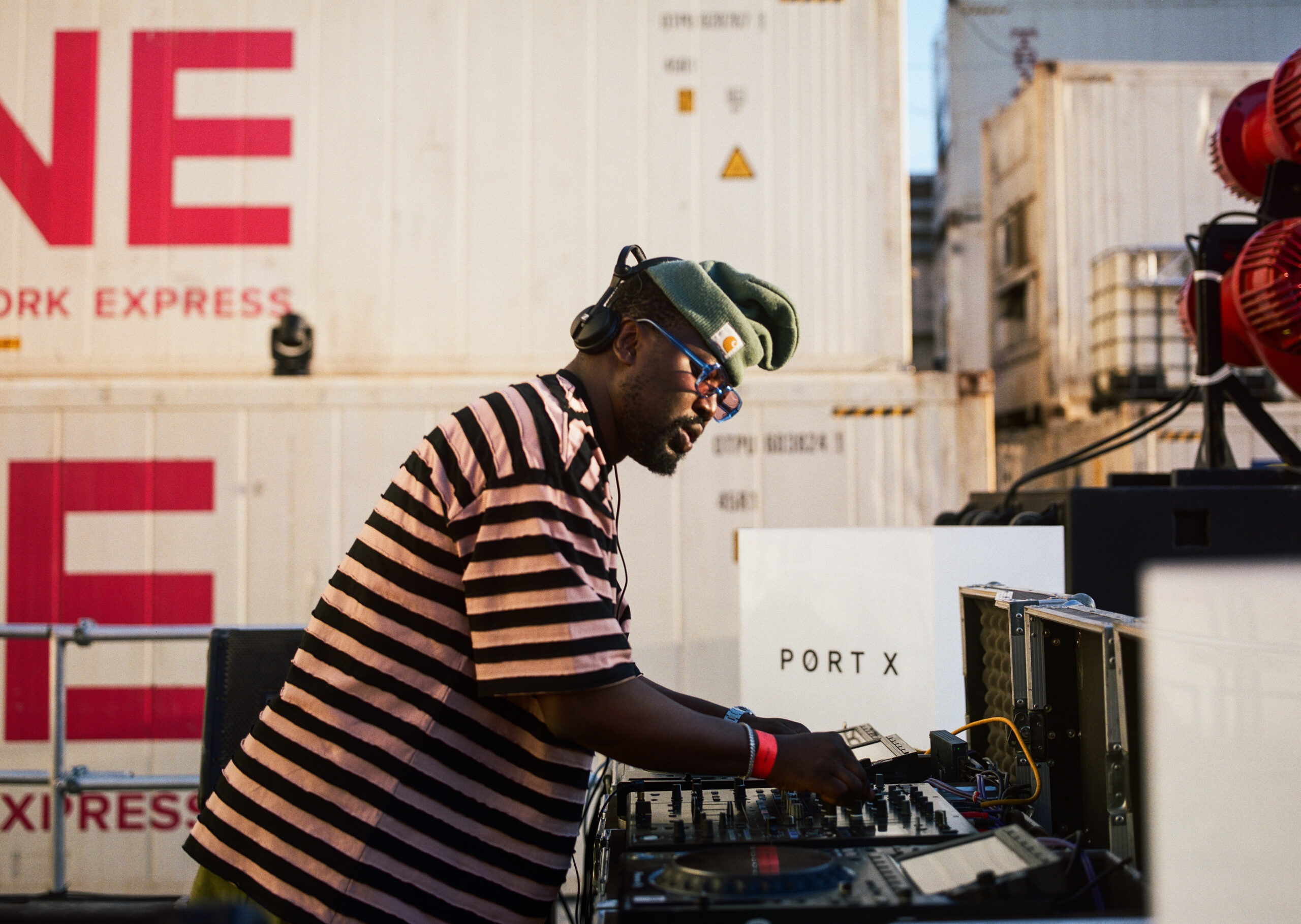

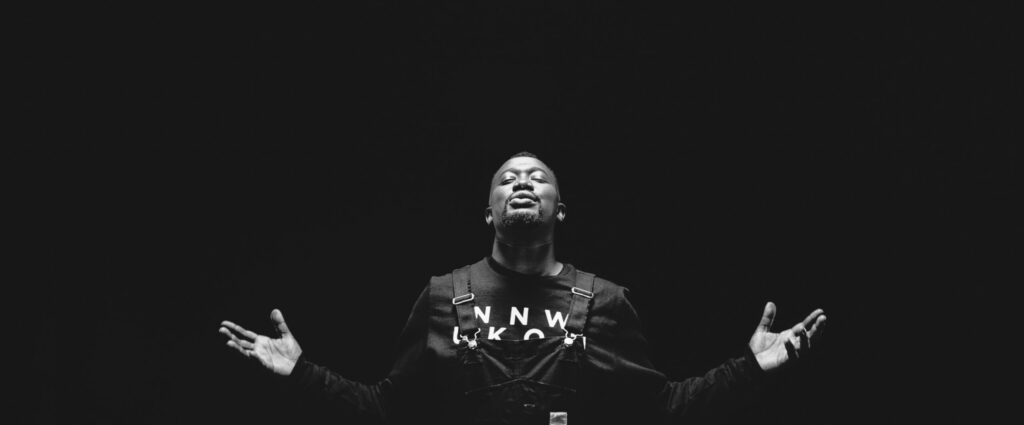
Lazarusman racconta “Skin”, il suo nuovo album forse il più personale nel quale l’artista sudafricano evoca “la voce sotto la pelle”.
Negli ultimi quindici anni, Lazarusman si è imposto come una delle voci più riconoscibili della scena elettronica internazionale. Nato e cresciuto a Johannesburg, l’artista sudafricano ha costruito un percorso unico, trasformando la spoken word in uno strumento capace di dialogare con deep house, Afro house, tech house e sonorità elettroniche sempre diverse. Le sue collaborazioni con artisti come Stimming, FKA Mash, Dwson, Johannes Brecht, Xinobi e molti altri, insieme a una candidatura ai Grammy, hanno consolidato il suo ruolo come uno degli interpreti più originali della musica elettronica contemporanea.
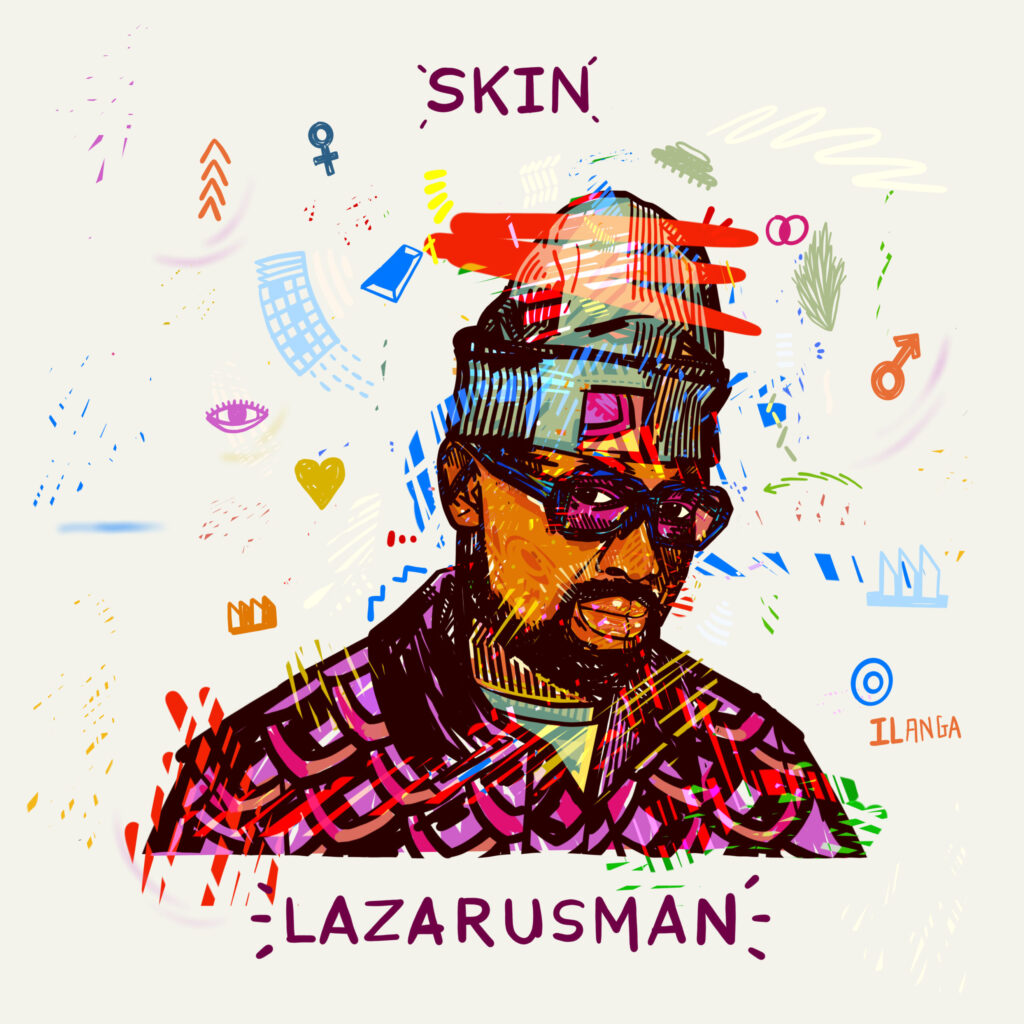
Con “Skin“, il suo album più personale e ambizioso, Lazarusman compie però un passo ulteriore. Più che una semplice raccolta di brani, il disco è un viaggio nell’identità, individuale e collettiva, nato da una domanda tanto semplice quanto profonda: per cosa verrò ricordato? Da questa riflessione prende forma un’opera che affronta temi come il razzismo, il colorismo, la fede, l’amore, il senso di appartenenza e il peso dell’eredità culturale, senza cercare risposte definitive ma invitando l’ascoltatore a convivere con la complessità dell’esperienza umana.
Nel corso della nostra intervista, Lazarusman ha raccontato come la scrittura sia stata il punto di partenza dell’intero progetto. Ha dedicato quasi un anno a ricostruire la propria storia personale, scegliendo solo in un secondo momento i produttori che avrebbero trasformato quei testi in musica. Il risultato è un album che mette ancora una volta la parola al centro della narrazione, ricordandoci che, come lui stesso afferma, «un uomo vale quanto la sua parola». In un’epoca in cui il linguaggio viene spesso consumato con superficialità, “Skin” restituisce alle parole il loro peso, trasformandole in uno spazio di riflessione, memoria e connessione.
Benvenuto su Parkett Lazarusman. “Skin” viene descritto come un’esplorazione dell’identità, sia personale che collettiva. Qual è stata la prima domanda emotiva o filosofica che ha aperto la strada a questo album?
Accidenti, che bella domanda. A dire il vero, tutto è partito da una riflessione molto semplice: quale sarà l’impronta che lascerà la mia arte? Per cosa verrò ricordato? Da lì ho iniziato a pormi domande più profonde su me stesso: chi sono davvero, quali sono i miei valori, cosa rappresento e quale significato abbia la pelle che abito.
“Skin” affronta temi come l’appartenenza, la fede, l’amore e l’identità. Quale di questi temi hai sentito più urgente esplorare in questo momento della tua vita e della tua carriera?
Senza dubbio l’identità. Lo dico perché, troppo spesso, l’identità degli artisti neri e africani viene definita dagli altri ancora prima che possano raccontarsi da soli. Sono cresciuto in un Paese che mi ricordava costantemente che ero nero e, quindi, diverso. Credo che molte persone abbiano vissuto esperienze simili, magari per la propria religione, per l’orientamento sessuale o per altri aspetti della propria identità.
Il titolo dell’album è al tempo stesso intimo, fisico e simbolico. Cosa rappresenta per te la “pelle”? Protezione, vulnerabilità, eredità, identità… o qualcosa di completamente diverso?
Un’altra domanda splendida. Per molto tempo ho vissuto la pelle come un’eredità: una lotta tramandata di generazione in generazione. A un certo punto, però, quella stessa eredità è diventata un peso, qualcosa che mi portavo addosso. Scrivere questo brano è stato una forma di conforto, quasi un modo per trovare pace. E poter condividere quei sentimenti con un altro poeta è stato qualcosa di profondamente significativo.
Il tuo lavoro mette spesso la spoken word al centro della musica elettronica. In questo album, in che modo hai affrontato il rapporto tra linguaggio e ritmo rispetto alle collaborazioni precedenti?
Questa volta sono partito dalla scrittura, concentrandomi molto più a fondo di quanto avessi mai fatto prima. Ho trascorso quasi un anno a ricostruire e mettere insieme la storia della mia vita. Solo quando quel lavoro è stato completato ho deciso chi avrebbe dato forma musicale a quei testi, chi ne sarebbe diventato l’architetto sonoro. E credo di aver scelto le persone giuste.
L’album attraversa deep house, Afro house, tech house, breakbeat e sonorità elettroniche contaminate dal jazz. Come hai deciso quale universo sonoro fosse il più adatto a ogni poesia o idea?
Quando ho iniziato ad avvicinarmi alla musica mi è stato insegnato che, per diventare davvero un grande DJ o un grande artista, bisogna saper apprezzare ogni forma di musica. È un principio che mi accompagna ancora oggi. I miei DJ set e i miei live riflettono questa filosofia, e “Skin” non è altro che lo specchio di quel percorso.
Nella tracklist possiamo vedere la partecipazione di numerosi collaboratori, tra cui Stimming, FKA Mash, Dwson, Boogie Vice, Johannes Brecht, Zito Mowa, Xinobi e altri ancora. Cosa hanno fatto emergere in te questi diversi produttori, sia come autore sia come performer?
Negli anni questi produttori hanno dimostrato una sensibilità straordinaria nel lavorare con la voce, una qualità che non tutti possiedono. In particolare hanno sempre saputo valorizzare la mia voce e il mio modo di esprimermi. Per questo mi è sembrato naturale tornare a collaborare con loro: con le persone che riescono a tirare fuori la versione migliore di me.
Nel comunicato stampa allegato all’album compare la frase: “Un uomo vale quanto la sua parola”. In un’epoca in cui le parole vengono spesso svuotate di significato, politicizzate o fraintese, quale responsabilità senti come artista il cui principale strumento espressivo è proprio il linguaggio?
Ho sempre sentito la responsabilità di ricordare alle persone quanto siano potenti le parole. Oggi tendiamo a darle per scontate: che si tratti di un commento lasciato sotto un post, delle opinioni lanciate da un podcaster o dei lunghi articoli pubblicati su Substack. Usiamo le parole ogni giorno, ma raramente ci fermiamo a riflettere sull’impatto che possono avere. Si dice spesso “pensa prima di agire”. Io credo che dovremmo dire anche: “pensa prima di parlare”.
ENGLISH VERSION
Over the past fifteen years, Lazarusman has established himself as one of the most distinctive voices in contemporary electronic music. Born and raised in Johannesburg, the South African spoken-word artist has built a unique career by placing poetry at the heart of deep house, Afro house, tech house and a wide spectrum of electronic sounds. Collaborations with artists including Stimming, FKA Mash, Dwson, Johannes Brecht, Xinobi and many others, together with a Grammy nomination, have cemented his reputation as one of the most original and compelling storytellers in the global electronic music scene.
With “Skin” however, Lazarusman takes a significant step forward. More than a collection of tracks, the album is a deeply personal exploration of identity, both individual and collective, born from a deceptively simple question: What will I be remembered for? From that reflection emerges a body of work that confronts racism, colourism, faith, love, belonging and the weight of inherited history. Rather than offering definitive answers, Skin invites listeners to embrace the complexity of the human experience.
During our conversation, Lazarusman revealed that writing was the true starting point of the project. He spent almost a year piecing together the story of his life before choosing the producers who would translate those words into music. The result is an album that once again places language at the centre of the artistic experience, reminding us—as Lazarusman himself puts it—that “a man is only as good as his word.” At a time when language is often diluted, politicised or consumed without reflection, Skin restores weight and purpose to words, turning them into a space for memory, introspection and human connection.
Skin is described as an exploration of identity, both personal and collective. What was the first emotional or philosophical question that opened the door to this album for you?
Damn, what a good question. Well, to be honest it was really about what will the lasting impression of my art be. What will I be remembered for. And I guess that then led to me asking questions about myself, what I stand for and the skin I am in.
Welcome to Parkett Channel Lazarusman. “Skin” touches on themes like belonging, faith, love and identity. Which of these themes felt most urgent for you to explore at this point in your life and career?
Identity and I say that because it’s something that is always being predefined for black and African artists. I grew up in a country that constantly reminded me that I am black and therefor different. And I am sure people have experienced similar things, be it religion or sexual orientation.
The title “Skin” feels intimate, physical and symbolic at the same time. What does “skin” represent to you – protection, vulnerability, inheritance, identity, or something else entirely?
Another goodie. For the longest time it felt like an inheritance, like a struggle passed down from one generation to another. And at some point, that became a burden a weight that I carried. I guess making this particular song was a form of solace and being able to share those feelings with another poet was immense.
Your work often places spoken word at the centre of electronic music. On this album, how did you approach the relationship between language and rhythm differently from your previous collaborations?
I started really by focusing deeply on the writing, like deeper than I normally do. I spent almost a year piecing together my life’s story. When I was done, I decided on who I wanted the architects of what I had written to be. And I think I chose well.
The record moves through deep house, Afro house, tech house, breakbeats and jazz-inflected electronic sounds. How did you decide which sonic worlds best served each poem or idea?
In my early years when I started to venture into music, I was taught that to be a truly great DJ or artist, you must appreciate all forms of music. So that kinda has been my style over there years. My DJ sets and live sets are like this. So, this album is a mirror of that.
Skin features a wide range of collaborators, including Stimming, FKA Mash, Dwson, Boogie Vice, Johannes Brecht, Zito Mowa, Xinobi and more. What did these different producers bring out of you as a writer and performer?
Over the years these producers have shown an incredible proficiency of working with vocals. (A skill not every producer poses). Especially mine, so it felt necessary to get back to them. To the people who bring out the best in me.
The press release mentions the phrase, “A man is only as good as his word.” In a time where words are often diluted, politicised or
misunderstood, what responsibility do you feel as an artist whose primary instrument is language?
I have always felt the responsibility to make people realise the power of words. Today we take our words for granted. Whether it be a comment you leave on a post, a podcaster spewing opinions or think pieces on Substack. We use words daily but rarely take the time to reflect on their impact. They say think before you act but it should also be think before you speak.