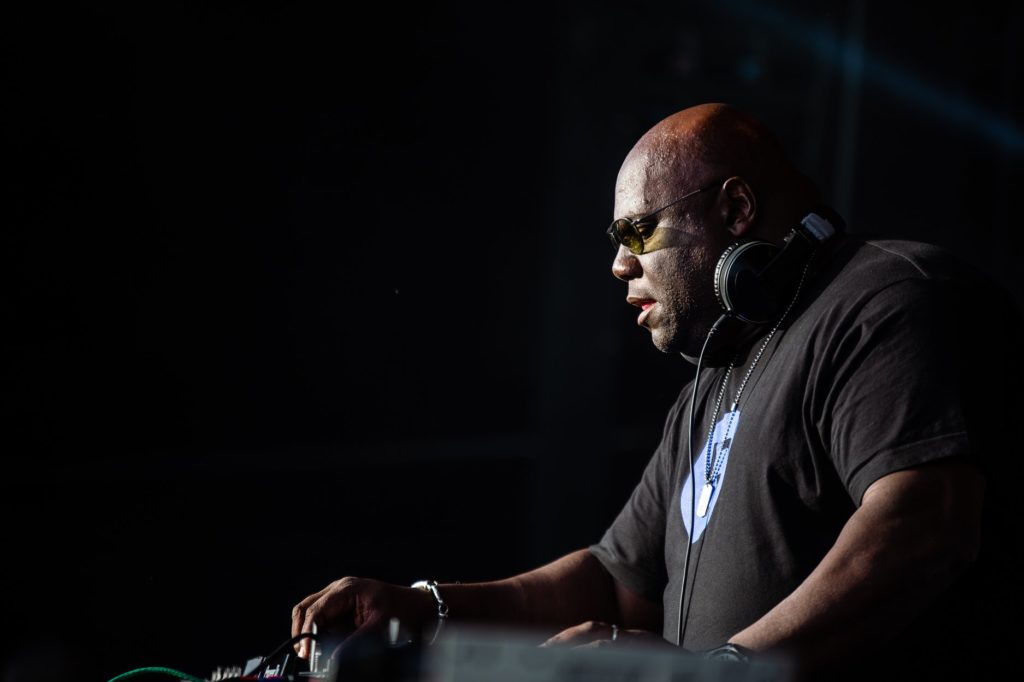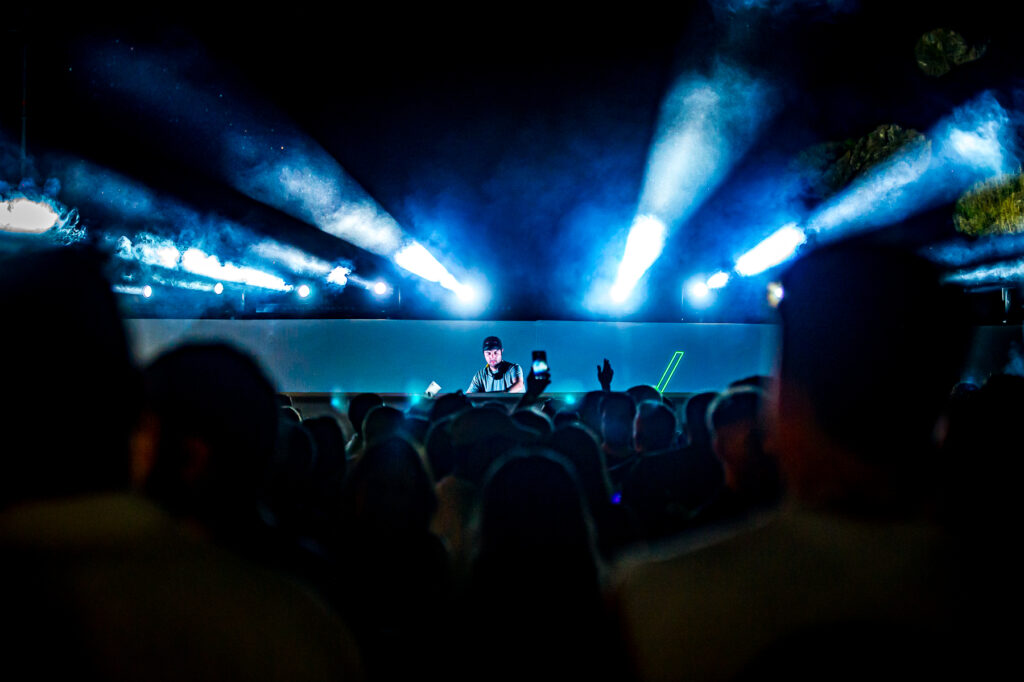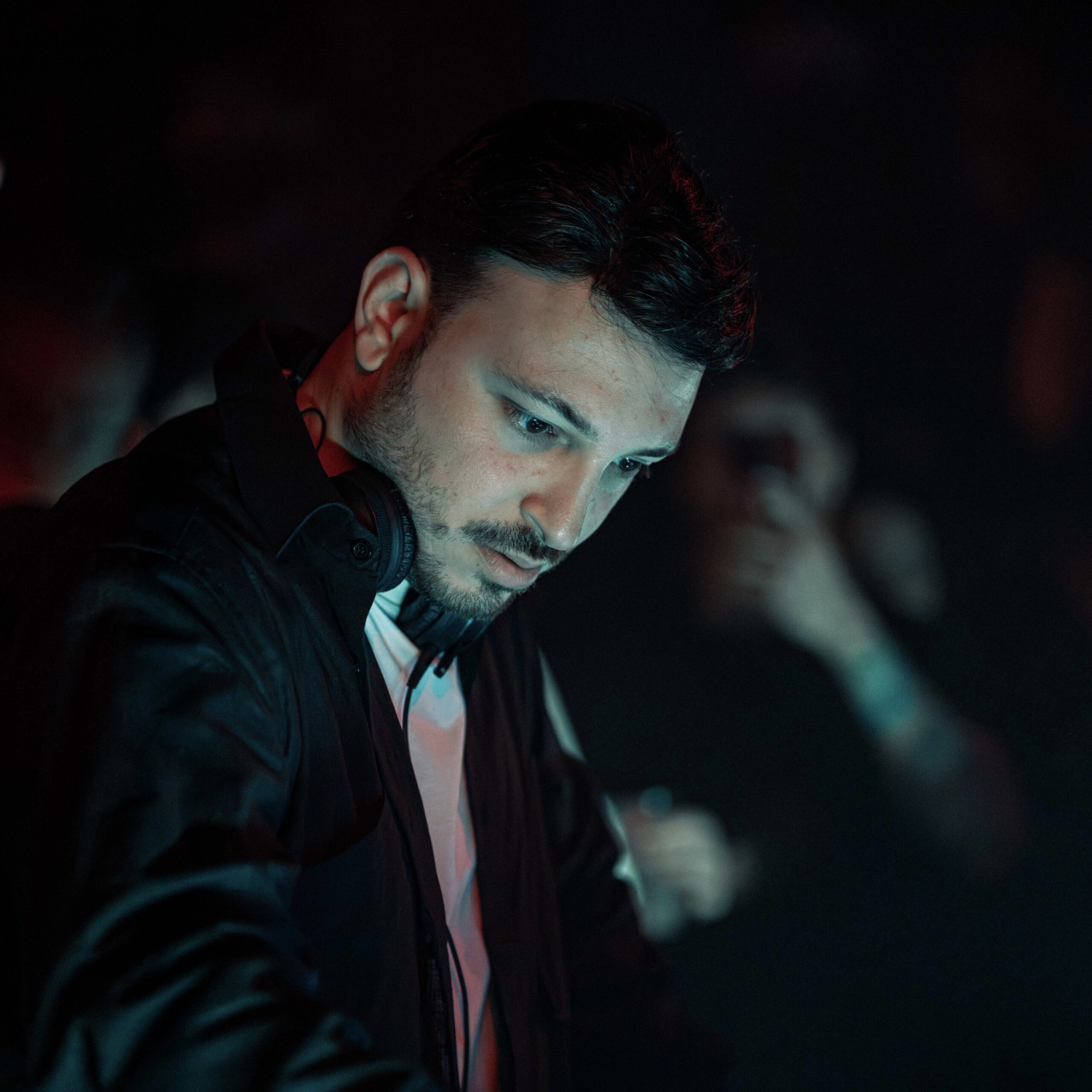

Dalle prestigiose release su Diynamic e Cocoon, all’atteso ritorno per l’Apulian Electronic Monday del collettivo barese Ïterum. Ecco a voi una nuova intervista con Fedele, attraverso le sue radici pugliesi ed un’evoluzione al passo coi tempi.
Dopo diversi anni di sperimentazione e grandi passi in avanti, l’artista pugliese Fedele torna a parlarci della sua evoluzione musicale. Vi presentiamo una nuova intervista esclusiva, attraverso i meandri della club culture nazionale ed internazionale. L’occasione ideale è il suo atteso ritorno in Puglia per l’Apulian Electronic Monday del collettivo Ïterum in programma il prossimo lunedì di Pasquetta. Il produttore barese resta una figura di assoluto rilievo nella scena elettronica contemporanea: il suo percorso artistico fonde costantemente le proprie radici locali, con un’affermazione di respiro sempre più globale.
La sua nuova concezione sonora spazia dalle vibrazioni da club agli arrangiamenti orchestrali delle ultime produzioni. In questa continua evoluzione mantiene sempre intatta la propria identità: un groove viscerale tiene insieme ogni sperimentazione, rendendo il suo linguaggio fortemente trasversale. Le recenti release su etichette prestigiose come Cocoon e Diynamic confermano questa direzione. L’obiettivo resta quello di esplorare trame inedite, molto vicine alle atmosfere house. Questa prospettiva si intreccia quasi fisiologicamente con la pura essenza elettronica. Tale attitudine genuina vive anche attraverso lo storico lavoro parallelo con la label Obscura.
In questi giorni abbiamo avuto il piacere di confrontarci nuovamente con Fedele, approfondendo insieme a lui la sua personale metamorfosi creativa. Ne consegue un’intervista in cui tratteremo dell’equilibrio tra i grandi palchi dei festival e l’intimità dello studio di registrazione. Abbiamo chiesto all’artista un parere sulla situazione odierna della nightlife, chiudendo con un interessante confronto legato a quella che definiremmo la “vecchia scuola” della scena underground.
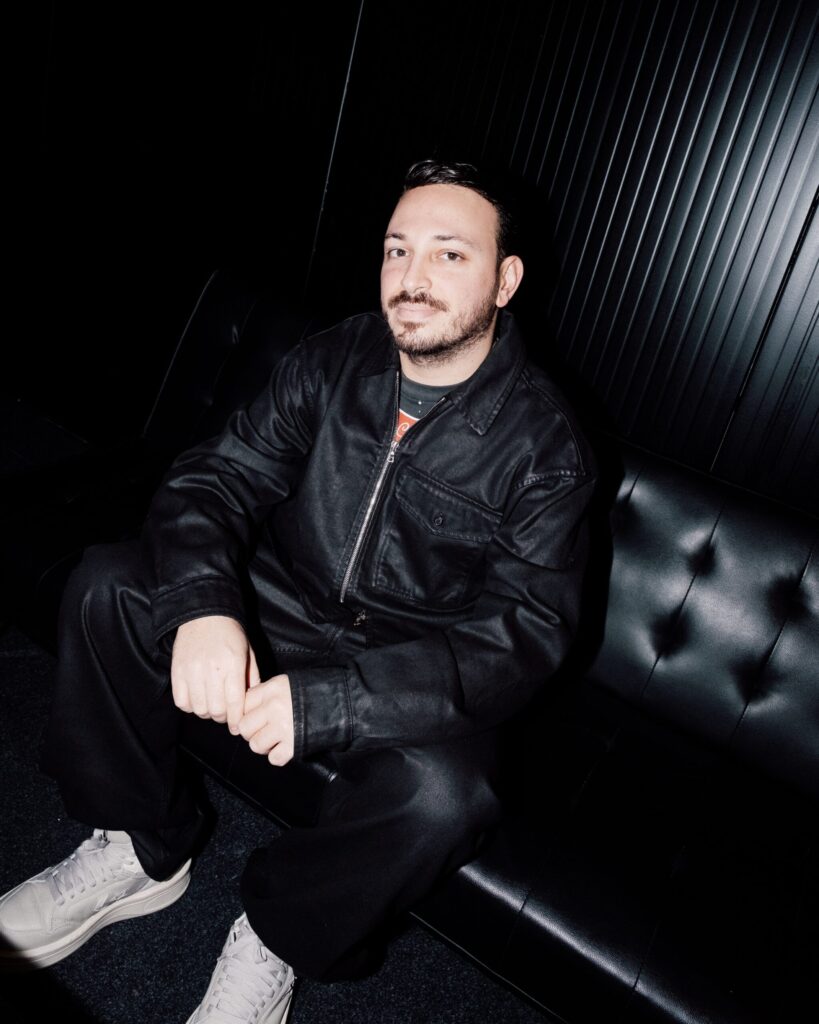
Ciao Fedele, bentornato su Parkett! Come stai? Come procedono i tuoi progetti, la tua label Obscura e come si sta evolvendo la tua ricerca sonora in questo periodo?
Ciao ragazzi e grazie per l’invito, è sempre un piacere essere con voi e parlare di musica. Sto vivendo un periodo davvero stimolante, sia a livello personale che creativo. In questo momento mi sento in una fase di evoluzione, in cui ho iniziato a tracciare due percorsi paralleli ma complementari.
Da una parte c’è il mio progetto artistico principale: come si può percepire dall’ultima uscita su Diynamic, ho iniziato a introdurre elementi più trasversali, come sonorità orchestrali e arrangiamenti diversi, con l’idea di costruire una narrazione musicale che non parli solo a me stesso, ma comunichi anche con un pubblico in costante evoluzione. È come se avessi deciso di indossare un nuovo vestito: Fedele non è una cosa sola, ma un insieme di influenze e sfumature diverse. L’ingrediente principale, però, resta sempre il funk, che considero il mio vero marchio di fabbrica, il groove che tiene tutto insieme.
Parallelamente, con Obscura continuo a portare avanti una visione più legata alla club culture, quasi come una scommessa sulla capacità di resistere al tempo e alle mode. Grazie alle tante demo di qualità che sto ricevendo, la label sta trovando una sua direzione sempre più definita e autonoma; negli ultimi mesi ha preso una piega che mi sta dando grande soddisfazione. Inoltre, sto lavorando anche a un progetto live con orchestra, un’esperienza che mi sta mettendo alla prova in modo completamente diverso e che rappresenta per me un ulteriore passo nella ricerca di un linguaggio musicale più ampio e dinamico.
Il tuo sound attuale è più orientato ai grandi palchi dei festival o preferisci la dimensione dei club intimi?
Cerco sempre di mantenere un equilibrio che per me è fondamentale: essere camaleontico. Nasco come artista che si sente a casa in un club, per quell’esperienza immersiva in cui il suono ti avvolge completamente e si crea quella “bolla” di frequenze basse che solo un ambiente chiuso può dare.
Allo stesso tempo, negli ultimi anni ho notato come il pubblico si stia spostando sempre di più verso contesti open air. In quegli spazi, però, la percezione sonora cambia radicalmente e diventa necessario lavorare con più energia e dinamica per riuscire a coinvolgere grandi masse di persone. Se devo parlare di pura espressione artistica, continuo a preferire i club intimi e i set lunghi, perché mi permettono di raccontare una storia con più profondità. Però non disprezzo affatto i grandi eventi: trovare il giusto balance tra queste due dimensioni è, secondo me, una delle chiavi per essere un artista contemporaneo.
Cosa cerchi oggi in un brano per considerarlo pronto per una grande label? Rispetto ai tuoi esordi, com’è cambiato il tuo approccio nel presentare le tracce alle etichette?
Oggi cerco sempre di assemblare elementi che abbiano una forte identità, mettendo dentro ogni brano tutto il mio background e la mia esperienza, con l’obiettivo di creare musica che possa superare la prova del tempo. Per me è fondamentale distinguersi e trovare una firma sonora riconoscibile, pur rimanendo connessi al momento storico in cui si vive. Non mi ha mai interessato fare il “disco del momento” solo per cavalcare un trend. Ci sono troppe tracce che funzionano per poche settimane e poi risultano già datate; il mio obiettivo è pubblicare musica che possa essere suonata anche tra anni e mantenere ancora un senso.
Rispetto agli esordi, oggi sono molto più consapevole nel modo in cui presento la mia musica alle label. Non si tratta più solo di inviare demo, ma di capire se una traccia è davvero coerente con la storia e l’identità di un’etichetta e se quella release può aggiungere qualcosa di significativo al mio percorso artistico.
Stai collezionando release di spessore su etichette come Cocoon di Sven Väth o Diynamic di Solomun. Che impatto stanno avendo queste uscite sul tuo profilo a livello globale?
Sicuramente pubblicare su label come Cocoon o Diynamic aiuta molto e apre nuove opportunità, anche perché sono etichette su cui ho sempre sognato di rilasciare musica. Ma oggi cerco di vedere le label non solo come un traguardo, ma come elementi che contribuiscono al mio storytelling artistico.
Ad esempio, la release su Diynamic non è arrivata per caso: si inserisce in quella fase di sperimentazione di cui parlavo prima, in cui sto esplorando sonorità più vicine al mondo house, reinterpretandole però con la mia sensibilità elettronica. In questo senso, ogni uscita diventa un capitolo coerente di una narrazione più ampia, oltre che un passo importante per il mio percorso professionale.
Provieni dalla Puglia: una terra ricca di stimoli, ma anche di forti contraddizioni. Senti ancora un legame profondo con le tue radici o tendi a prediligere una visione più internazionale?
Il legame con la mia terra è sempre molto forte. È da qui che sono partito, ed è qui che si è formato il mio modo di vivere la musica e la notte. Allo stesso tempo, il mio percorso mi ha portato a confrontarmi con realtà e culture diverse, e questo mi ha spinto ad avere una visione sempre più internazionale.
Mi piace pensare di portare con me il mio background pugliese come una firma, qualcosa che emerge in modo sottile nelle mie produzioni e nel mio modo di performare. Però cerco costantemente di allinearmi a un contesto globale perché l’idea di artista contemporaneo, per come la vedo io, non può essere limitata a un solo territorio.
A breve ti esibirai per l’Apulian Electronic Monday del collettivo Ïterum di Bari. Conosci da tempo la crew barese? Ti senti carico per questo evento?
Collaboro con questo collettivo da molti anni. Sono cresciuto nel contesto pugliese e con il founder Mirko abbiamo condiviso diversi progetti e situazioni nel tempo. Apprezzo molto la visione di Ïterum, perché si sposa perfettamente con il mio modo di intendere gli eventi oggi: grande cura per i dettagli, un approccio a tratti naïf ma, allo stesso tempo, molto autentico.
La loro community è uno degli aspetti più belli: riescono a mettere insieme clubber storici e nuove generazioni, creando un melting pot che si traduce in un’energia davvero speciale in pista. Anche la scelta di uscire talvolta dagli spazi canonici del club, mantenendo però un’attitudine old school, è qualcosa che trovo molto interessante e stimolante.
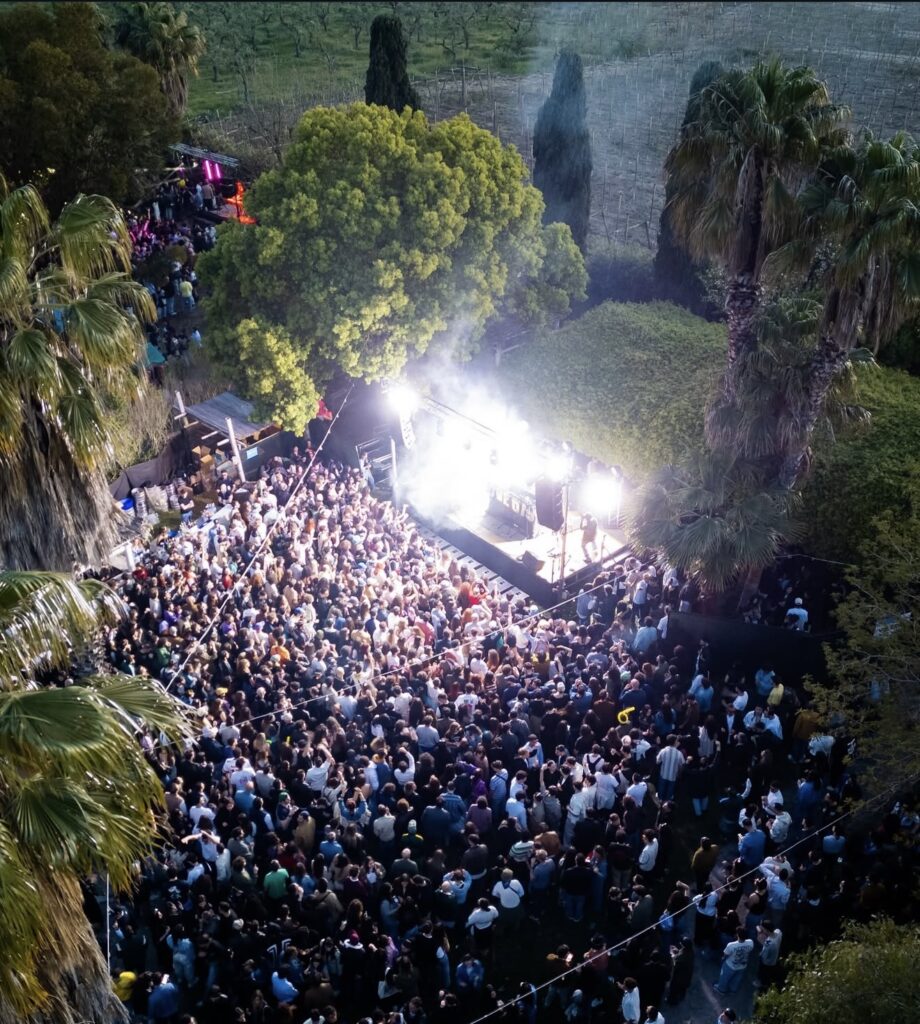
Quale tecnologia sta influenzando maggiormente i tuoi set dal vivo? Ti senti soddisfatto dell’equilibrio raggiunto durante le performance o hai intenzione di sperimentare ulteriormente in futuro?
Tutto parte sempre dallo studio, perché è lì che nasce la direzione sonora che poi porto con me al di fuori. Negli ultimi anni, i progressi di software e plugin hanno avuto un impatto enorme: permettono di lavorare con una quantità di elementi molto maggiore rispetto al passato e di farli convivere in maniera coerente, quasi come se si trattasse di un ensemble che suona all’unisono.
Nel contesto del club, la tecnologia mi aiuta soprattutto a mantenere un alto livello di controllo e precisione, pur lasciando spazio all’improvvisazione e alla lettura della pista. Oggi mi sento soddisfatto dell’equilibrio raggiunto tra preparazione e spontaneità ma, allo stesso tempo, sono sempre curioso di sperimentare nuove soluzioni o strumenti, soprattutto per rendere i set sempre più dinamici e interattivi.
Pensando ai giovani artisti, cosa consiglieresti alle nuove leve per riuscire ad affermarsi nel panorama elettronico? Credi ci siano alcune regole da seguire per pubblicare su etichette di un certo livello o per approcciarsi correttamente ad un’agenzia di booking professionale?
Per chi vuole pubblicare su etichette di livello, gli ingredienti restano sempre gli stessi: qualità, innovazione, freschezza e, soprattutto, identità. Per esperienza personale, non ho mai ritenuto efficace rincorrere le mode del momento. A chi inizia oggi consiglierei di concentrarsi soprattutto sullo sviluppo di una propria direzione artistica. Lasciarsi ispirare è naturale, ma poi bisogna trasformare quell’ispirazione in qualcosa di personale e portarla a un livello successivo. Mi piace pensare che tutti noi produttori facciamo parte di un grande laboratorio creativo in cui ognuno contribuisce ad alzare l’asticella. È questo spirito di ricerca continua che permette alla musica elettronica di evolversi davvero.
Per quanto riguarda le agenzie di booking, credo che l’incontro con un booker debba avvenire in modo il più possibile naturale. Proporsi in maniera forzata spesso porta a essere percepiti come un numero tra tanti. Quando invece c’è una stima reale e una conoscenza profonda del tuo percorso artistico, il rapporto diventa molto più solido e va oltre il semplice aspetto economico.

Hai ormai diversi anni di carriera alle spalle e avrai vissuto sicuramente alcuni dei profondi mutamenti del mondo della notte. A tuo parere, quali sono le migliorie più significative degli ultimi tempi? Al contrario, c’è qualcosa che ti manca del passato e che vorresti ritornasse?
Ci sono diversi modi di guardare al momento storico che stiamo vivendo. Grazie all’esperienza accumulata negli anni, cerco sempre di concentrarmi anche sugli aspetti positivi. Oggi abbiamo strumenti incredibili a disposizione, una diffusione globale immediata e possibilità creative che in passato erano impensabili.
Allo stesso tempo, è innegabile che il settore sia diventato estremamente saturo e veloce: ogni giorno si combatte una vera e propria lotta per l’attenzione. In questo contesto, diventa fondamentale mantenere la propria bussola interiore e ricordarsi sempre perché si è iniziato a fare musica, senza lasciarsi trascinare troppo dalle dinamiche esterne.
Del passato mi manca soprattutto una certa apertura mentale: c’era più curiosità nel cercare musica nuova e nel lasciarsi sorprendere. Oggi spesso si tende a dare più peso ai numeri che al valore artistico, mentre credo che la vera forza della club culture sia sempre stata la scoperta e la condivisione di qualcosa di autentico.
_________________________________________________
ENGLISH VERSION
_________________________________________________
FEDELE: “THE TRUE STRENGTH OF CLUB CULTURE LIES IN THE DISCOVERY OF SOMETHING AUTHENTIC”
From standout releases on Diynamic and Cocoon to a highly anticipated return for the Ïterum collective’s Apulian Electric Monday, we sit down with Fedele for an exclusive look at his deep-seated apulian roots and a creative evolution that remains perfectly in sync with the global scene.
After several years of experimentation and great strides forward, the Apulian artist Fedele returns to talk to us about his musical evolution. We present a new exclusive interview, through the meanders of national and international club culture. The ideal occasion is his awaited return to Puglia for the Apulian Electric Monday by the Ïterum collective, scheduled for this coming Easter Monday. The Bari-born producer remains a figure of absolute importance in the contemporary electronic scene, his artistic journey constantly merges his local roots with an increasingly global affirmation.
His new sonic conception ranges from club vibrations to the orchestral arrangements of his latest productions. In this continuous evolution, he always keeps his identity intact, a visceral groove holds every experimentation together, making his language strongly transversal. Recent releases on prestigious labels such as Cocoon and Diynamic confirm this direction.
The goal remains to explore unprecedented textures, very close to house atmospheres. This perspective intertwines almost physiologically with pure electronic essence. Such a genuine attitude also lives through the long-standing parallel work with the label Obscura.
In these days, we had the pleasure of checking in again with Fedele, managing to delve deeper with him into his personal creative metamorphosis. What follows is an interview in which we will discuss the balance between the big festival stages and the intimacy of the recording studio. We asked the artist for his opinion on today’s nightlife situation, closing with an interesting comparison related to what we would define as the “old school” of the underground scene.
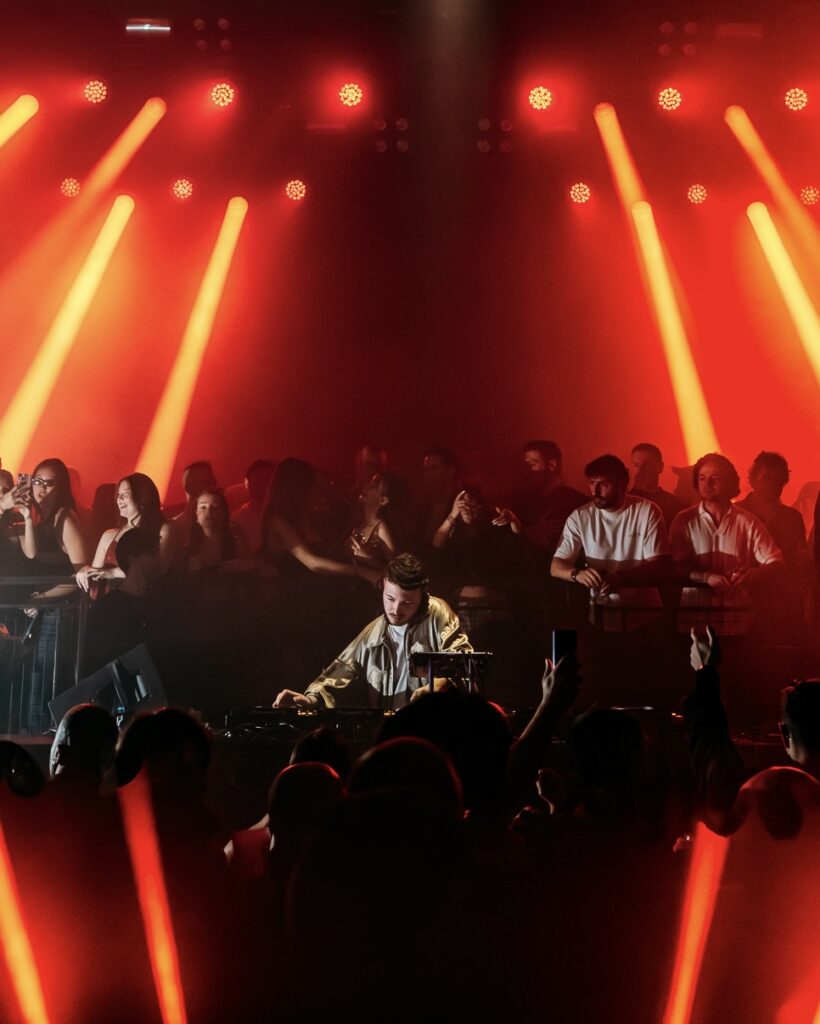
Hi Fedele, welcome back to Parkett! How are you? How are your projects and your label, Obscura, coming along, and how is your sound research evolving lately?
Hi guys, and thanks for the invitation, it’s always a pleasure to be with you and talk about music. I’m going through a very stimulating period, both personally and creatively. Right now, I feel I’m in a phase of evolution, in which I’ve started to trace two parallel but complementary paths.
On one hand, there is my main artistic project: as you can hear from the latest release on Diynamic, I’ve started introducing more transversal elements, such as orchestral sounds and different arrangements, with the idea of building a musical narrative that doesn’t just speak to myself but also communicates with a constantly evolving audience. It’s as if I’ve decided to wear a new suit: Fedele is not just one thing, but a collection of different influences and nuances. The main ingredient, however, always remains funk, which I consider my true trademark, the groove that holds everything together.
In parallel, with Obscura, I continue to pursue a vision more closely linked to club culture, almost like a bet on the ability to resist time and trends. Thanks to the many high-quality demos I’m receiving, the label is finding an increasingly defined and autonomous direction, and over the last few months, it has taken a turn that is giving me great satisfaction. Furthermore, I’m also working on a live project with an orchestra, an experience that is challenging me in a completely different way and represents a further step in my search for a broader and more dynamic musical language.
Is your current sound more oriented toward large festival stages, or do you prefer the dimension of intimate clubs?
I always try to maintain a balance that is fundamental to me: being chameleonic. I was born as an artist who feels at home in a club, because of that immersive experience where the sound completely envelops you and creates that “bubble” of low frequencies that only an enclosed environment can provide.
At the same time, in recent years, I’ve noticed how the audience is shifting more and more toward open-air contexts. In those spaces, however, sound perception changes radically and it becomes necessary to work with more energy and dynamics to successfully engage large crowds. If I have to speak about pure artistic expression, I still prefer intimate clubs and long sets, because they allow me to tell a story with more depth. But I don’t dislike large events at all: finding the right balance between these two dimensions is, in my opinion, one of the keys to being a contemporary artist.
What do you look for today in a track to consider it ready for a major label? Compared to your early days, how has your approach to presenting tracks to labels changed?
Today, I always try to assemble elements that have a strong identity, putting all my background and experience into every track, with the goal of creating music that can stand the test of time. For me, it’s fundamental to stand out and find a recognizable sonic signature, while remaining connected to the historical moment in which we live. I’ve never been interested in making the “hit of the moment” just to ride a trend. There are too many tracks that work for a few weeks and then already feel dated; my goal is to publish music that can still be played years from now and still make sense.
Compared to my early days, I am much more conscious now of how I present my music to labels. It’s no longer just about sending demos, but about understanding if a track is truly consistent with the story and identity of a label, and if that release can add something significant to my artistic journey.
You are collecting high-profile releases on labels like Sven Väth’s Cocoon or Solomun’s Diynamic. What impact are these releases having on your global profile?
Releasing on labels like Cocoon or Diynamic definitely helps a lot and opens up new opportunities, especially since these are labels I’ve always dreamed of releasing music on. But today, I try to see labels not just as a finish line, but as elements that contribute to my artistic storytelling.
For instance, the release on Diynamic didn’t happen by chance: it fits into that phase of experimentation I mentioned earlier, where I’m exploring sounds closer to the house world, yet reinterpreting them through my electronic sensitivity. In this sense, every release becomes a coherent chapter of a broader narrative, as well as an important step for my professional path.
You come from Puglia: a land rich in stimuli but also in strong contradictions. Do you still feel a deep bond with your roots, or do you tend to favor a more international vision?
The bond with my land is always very strong. This is where I started, and this is where my way of experiencing music and the night was formed. At the same time, my journey has led me to engage with different realities and cultures, and this has pushed me toward an increasingly international vision.
I like to think that I carry my apulian background with me as a signature, something that emerges subtly in my productions and my way of performing. However, I constantly strive to align myself with a global context, because the idea of a contemporary artist, as I see it, cannot be limited to a single territory.
You will soon be performing for the Apulian Electric Monday by the Iterum collective in Bari. Have you known the Bari-based crew for a long time? Are you excited for this event?
I’ve been collaborating with this collective for many years. I grew up in the context of Puglia and with the founder Mirko, we’ve shared various projects and situations over time. I greatly appreciate Iterum’s vision, because it aligns perfectly with how I understand events today: great attention to detail, an approach that is at times naïve but, at the same time, very authentic.
Their community is one of the most beautiful aspects: they manage to bring together veteran clubbers and new generations, creating a melting pot that translates into a truly special energy on the dancefloor. Also, the choice to sometimes step outside the standard club spaces, while maintaining an old-school attitude, is something I find very interesting and stimulating.

Which technology is currently influencing your live sets the most? Are you satisfied with the balance achieved during performances, or do you intend to experiment further in the future?
Everything always starts in the studio, because that’s where the sonic direction I then bring outside is born. In recent years, progress in software and plugins has had a huge impact: they allow you to work with a much larger number of elements than in the past and make them coexist coherently, almost as if it were an ensemble playing in unison.
In the club context, technology helps me primarily to maintain a high level of control and precision, while still leaving room for improvisation and reading the crowd. Today, I feel satisfied with the balance achieved between preparation and spontaneity, but at the same time, I’m always curious to experiment with new solutions or tools, especially to make the sets increasingly dynamic and interactive.
Thinking of young artists, what would you advise the new generation to succeed in the electronic scene? Do you believe there are certain rules to follow to release on top-tier labels or to correctly approach a professional booking agency?
For those who want to release on high-level labels, the ingredients always remain the same: quality, innovation, freshness and, especially, identity. From personal experience, I’ve never found it effective to chase the trends of the moment. To those starting today, I would suggest focusing primarily on developing their own artistic direction. Getting inspired is natural, but then you must transform that inspiration into something personal and take it to the next level. I like to think that all of us producers are part of a large creative laboratory where everyone contributes to raising the bar. It is this spirit of continuous research that allows electronic music to truly evolve.
Regarding booking agencies, I believe the meeting with a booker should happen as naturally as possible. Pushing yourself forward in a forced way often leads to being perceived as just another number. When, instead, there is real respect and a deep knowledge of your artistic path, the relationship becomes much more solid and goes beyond the simple economic aspect.
You have several years of career behind you and have surely witnessed some of the profound changes in the nightlife world. In your opinion, what are the most significant improvements in recent times? Conversely, is there something you miss from the past that you wish would return?
There are different ways to look at the historical moment we are living in. Thanks to the experience accumulated over the years, I always try to focus on the positive aspects as well. Today we have incredible tools at our disposal, immediate global reach, and creative possibilities that were unthinkable in the past.
At the same time, it’s undeniable that the sector has become extremely saturated and fast-paced: every day is a literal struggle for attention. In this context, it becomes fundamental to maintain your inner compass and always remember why you started making music, without letting yourself be dragged too much by external dynamics.
From the past, I mostly miss a certain open-mindedness: there was more curiosity in seeking out new music and letting oneself be surprised. Today, people often tend to give more weight to numbers than to artistic value, whereas I believe the true strength of club culture has always been the discovery and sharing of something authentic.