
Nel cuore di Neukölln, quartiere di Berlino caratterizzato dalla sua anima multiculturale ed underground, sorge un luogo che si sta ritagliando, da un paio di anni, un posto speciale all’interno della variegata scena culturale berlinese.
A metà tra un bistrot, un listening bar ed uno spazio per eventi, GIRI rappresenta un rifugio di controcultura dentro una città che, paradossalmente, ha fatto della controcultura il proprio marchio di fabbrica.
In che senso, penserete voi? Proviamo a fare un’esercizio: qual è la prima immagine che vi salta alla mente non appena pensate a Berlino? Che siate fan della scena elettronica oppure no, è probabile — se non sicuro — che nella vostra mente l’immagine di Berlino sia ormai associata ad elementi quali musica techno, vita notturna, trasgressione, sostanze ed ogni forma possibile di edonismo.Tutto
Tutto ciò che in seguito alla caduta del Muro rappresentava una forma di ribellione contro un sistema repressivo — una ribellione partita proprio da quella musica industriale e oscura che è ormai non solo parte della cultura tedesca ma un vero e proprio partimonio UNESCO — oggi è stato quasi completamente inghiottito dalla gentrificazione, trasformato in trend, addomesticato a cliché.
La notte berlinese, un tempo autentica ed indomita, ora si vende come esperienza da pacchetto turistico. I negozi pseudo-goth offrono l’outfit “giusto” per superare la selezione del Berghain, mentre i social moltiplicano immagini patinate di un’underground che underground non è più. Eppure, sotto questa superficie artificiale, si muove una corrente sotterranea: fatta di luoghi, collettivi e persone che cercano un’altra Berlino. Più sincera, più intima, capace di mettere al centro la musica e la socialità anche fuori dal buio dei club.
Tra i tanti volti di questa controcultura sotterranea, uno dei più vivi è proprio GIRI. Abbiamo incontrato i suoi fondatori per ascoltare la storia e la visione dietro al progetto.
GIRI è, contemporaneamente, un bistrò di quartiere e uno spazio per eventi artistico-musicali. Com’è nata l’idea di fondare un luogo dalla natura così ibrida?
GIRI all’inizio è stato pensato come un café sociale, un posto dove organizzare eventi di comunità e dare spazio a iniziative culturali: cineforum, degustazioni di gelati, mostre di artisti indipendenti. Poi, abbastanza presto, si è fatta sentire l’influenza inevitabile della musica elettronica e della scena clubbing, che è una parte fondamentale sia della città che del nostro stile di vita. Già dai primi mesi GIRI è diventato un punto di riferimento per i dj locali, e da lì il format ha preso la direzione che conosciamo oggi.
Per noi GIRI è uno spazio sociale polifunzionale che cambia forma in base all’idea di chi organizza un evento. L’estetica si trasforma e si adatta: lo consideriamo un contenitore vivo che serve e sostiene la comunità che lo abita allo stesso tempo, una piattaforma per fare network, esprimere la propria visione, e un progetto di curatela di eventi.Il
Il calendario mensile aiuta le persone ad orientarsi tra gli eventi che ospitiamo, che variano tra proiezioni di film, shooting fotografici, pranzi e cene, tombole, pop up di moda indipendente, tattoo convention, performance artistiche, panel talk, workshop, lanci di zine, uscite discografiche, concerti dal vivo e club inspired nights.
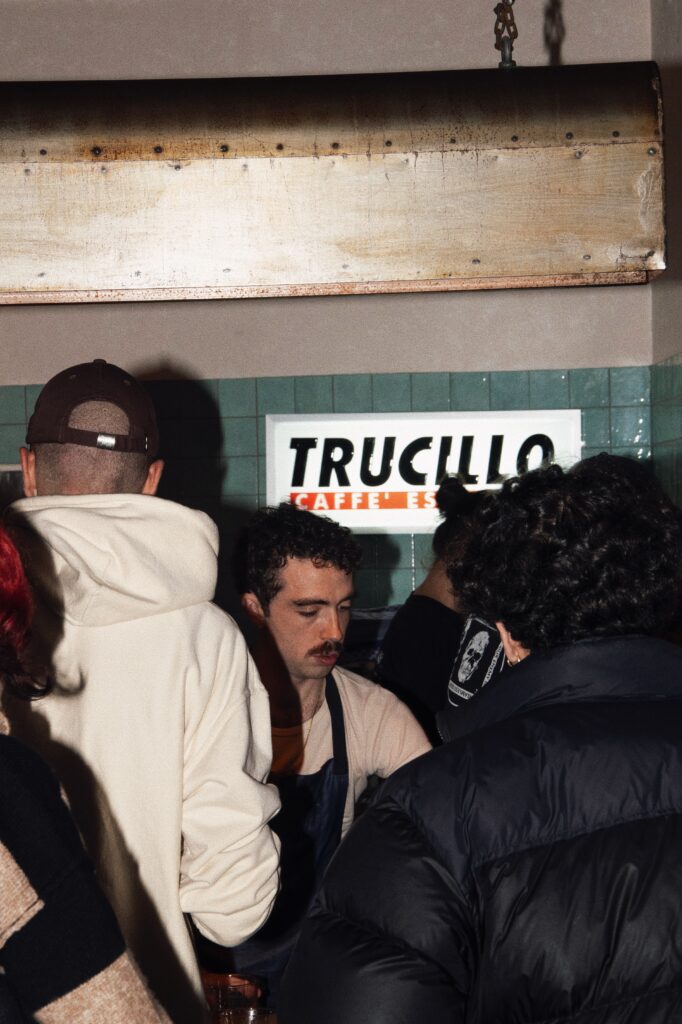
Gli eventi che curate spaziano tra elettronica sperimentale, ambient, dub e house, senza mai fissarsi in un solo genere. Quali sono i vostri criteri nella scelta degli artisti e dei collettivi che ospitate?
GIRI rimane, e vuole rimanere, un ambiente familiare. La nostra selezione artistica nasce dai rapporti di amicizia e dai contatti collezionati durante le nostre uscite nei locali, nei community events e ai rave. Dare una direzione originale a un progetto, per noi, significa partire dall’autenticità di intenti e di azione — uno sviluppo naturale che nasce da passione e ricerca. I fondatori provengono da contesti urbani e suburbani: molti hanno vissuto a lungo in capitali europee, altri invece arrivano dalla scena punk ed elettronica del Nord Est Italia. Per questo, il gusto è per noi anche un fattore di vissuto, di attitudine e di provenienza. Berlino offre un ventaglio artistico fluorescente, con iniziative e opportunità pressoché illimitate. Allo stesso tempo, esiste una scena techno club — ormai patrimonio Unesco — che definisce le tendenze e muove gran parte del business musicale. In alternativa, la città propone gallerie d’arte, listening bars, venue per concerti, coworking spaces.
Consapevoli di questo contesto, abbiamo deciso di inglobare più realtà e proporre una scelta controtendenza, capace di offrire diversità. La dicotomia club/listening bar, per noi, non era sufficiente: volevamo uno spazio di design, che la comunità potesse riempire a proprio piacimento con il proprio gusto — gusto che noi combiniamo, selezioniamo e dirigiamo per dare vita ad eventi di successo. In questo senso, GIRI cura gli eventi insieme ai collettivi, costruendo ogni programma in maniera condivisa. La nostra selezione nasce dalla vicinanza di intenti, dall’attitudine, dal gusto e dalla dedizione, con uno sguardo sempre rivolto all’underground e alle scelte controcorrente.
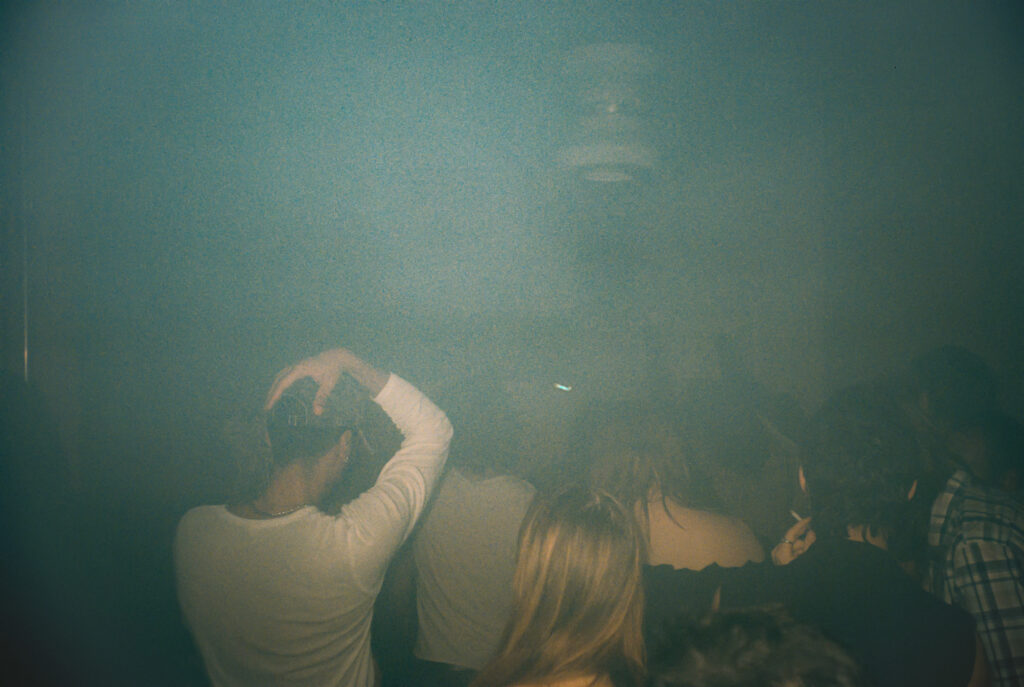
GIRI si distingue anche per una forte estetica DIY: lo spazio è stato interamente costruito da voi, dagli arredi fino all’impianto luci. Che ruolo ha la filosofia dell’autoproduzione nel vostro approccio?
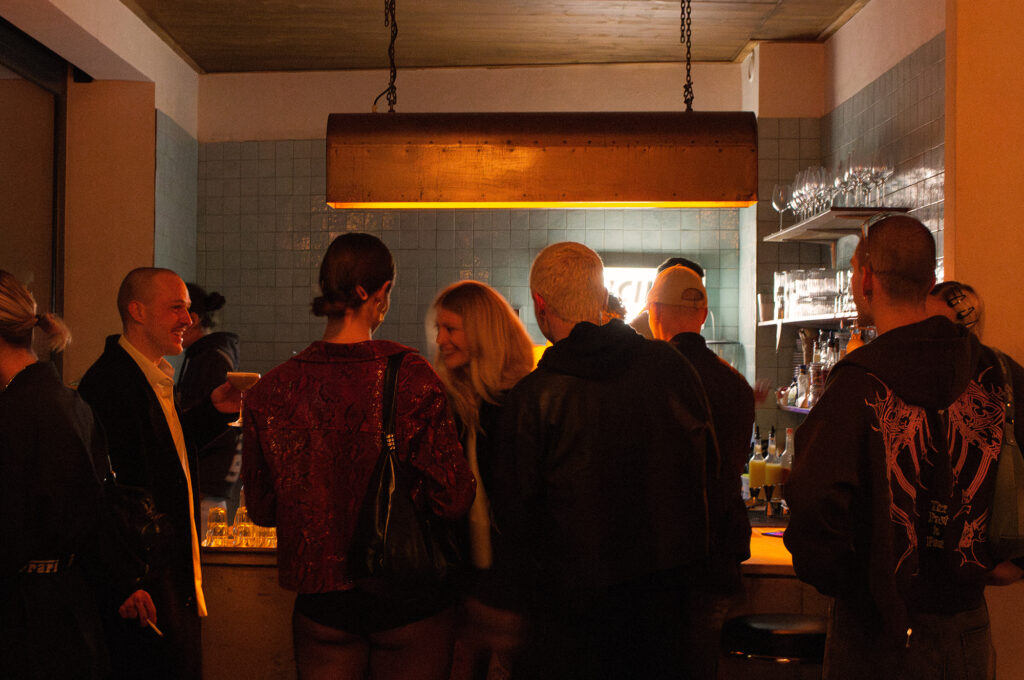
Quando abbiamo ideato il posto, volevamo che esso fosse un ambiente modulare e funzionale ma comunque piacevole alla vista e distinto, anche quando non ci sono gli allestimenti degli eventi. Abbiamo prestato molta cura ai toni dei colori e ai materiali: i colori dei muri, il legno che rimanda al giardino visibile sul retro, e il cemento, che era già molto presente. Ogni elemento è stato scelto con cura. Abbiamo perfino costruito molti mobili noi stessi, come i tavoli in cemento del bar e della DJbooth, le piastrelle nel bar, i tavolini e sgabelli di cemento. Uno spazio minimalista non significa semplicemente avere pochi elementi: significa bensì adattare e curare i dettagli costantemente.
Lo spazio è volutamente scarno, contiene pochi elementi per permettere agli artisti e collettivi che ospitiamo di poter personalizzarlo come preferiscono, con opere d’arte, decorazioni, tendaggi, etc. È perciò possibile vedere GIRI in molti contesti diversi, con abiti diversi. Lo spazio è polifunzionale, e consente diverse esposizioni a distanza di pochi giorni fra di loro significa dover spostare molti oggetti in poco tempo, avere meno mobili rende questo processo più facile. È una sfida divertente ma non è semplice come può sembrare. Il linguaggio visuale che volevamo raggiungere era qualcosa di semplice ed elegante, ma con un tono “aggressivo”. GIRI inizialmente sembrava quasi un ufficio, e noi lo abbiamo spinto verso una estetica punk, underground. Siamo un team con radici in parti diverse del mondo, e questo contribuisce alla identità permeabile di GIRI e alla sua costante trasformazione.
Da poco avete lanciato un side-project in formato cassetta dedicato alla pubblicazione di set registrati in presa diretta. Ci raccontate com’è nato e cosa rappresenta per voi il ritorno all’analogico?
Abbiamo iniziato a produrre cassette per la loro rinnovabilità e per la loro produzione accessibile, oltre al fascino di questo media. Il nostro obiettivo è quello di promuovere una abitudine musicale che sia svincolata dai nuovi paradigmi extra musicali. La cassetta è un media portatile (per chi possedesse un “walkman”), facile da produrre ed economica, e completamente scollegato dalla simulazione. È un modo per noi di ascoltare la musica ovunque si desideri senza dover usare internet. Spesso ci si lamenta della qualità audio ma speakers bluetooth, impianti audio delle automobili, earpods e cuffie wireless hanno esse stesse una “sound signature”, ossia impronta sonore, molto forte che viene spacciata come neutra, mentre le cassette vengono considerate “lo-fi” per il loro tipico suono. La distorsione ed il rumore fanno parte della vita quotidiana e sono aspetti inevitabili dell’esperienza musicale, poiché in essi risiedono l’ineffabile, l’imprevisto ed il non replicabile.
Nelle cassette pubblichiamo le performance dal vivo registrate in presa diretta nel nostro locale, ed è quindi un modo per divulgare la musica che viene suonata da GIRI. La cassetta diventa così un documento che cattura l’energia del live e insieme un manufatto che porta con sé un immaginario visivo — la J-card, gli sticker, la box — personalizzabili come estensione del lavoro artistico. Non è solo archivio, ma un modo per dare nuova vita ad una performance, in modo da permettere ad artisti e pubblico di condividere una release. Con questo servizio mettiamo a disposizione la nostra esperienza produttiva e curatoriale per accompagnare ogni realtà — singoli artisti, label indipendenti o collettivi — nella realizzazione di una release che rifletta la loro identità e restituisca alla musica la sua dimensione materiale, viva e condivisibile.
Tra i vostri eventi fissi, come AperiGIRI o Breakfast Club, emerge una forte attenzione alla convivialità. Quanto conta per voi la ritualità del bar e del mangiare insieme come strumento culturale?
Questa domanda coglie in pieno quello che vogliamo comunicare con AperiGIRI e Breakfast Club, poiché ciò che vogliamo trasmettere attraverso GIRI, sia come spazio che come servizio di curatela di eventi, è proprio un contesto di convivialità, dove le persone possano socializzare tra di loro in un unico contesto, al di là dei singoli gruppi. Ad esempio, nei club è possibile andare da soli e conoscere persone, stringere amicizie e iniziare progetti, proprio perché questi spazi permettono, e addirittura facilitano, l’interazione fra persone che non si conoscono. Da GIRI non ci sono molti tavoli dove sedersi, e gli eventi solitamente durano all’incirca sei ore: l’esperienza dei partecipanti è quindi molto dinamica, poiché il setting prevede che un’attività (come ascoltare musica, chiacchierare, ammirare opere d’arte, ecc.) non possa durare troppo a lungo.
Gli AperiGIRI, che si tengono il giovedì sera dalle 18:00, sono pensati come eventi mondani serali, dove la gente può ballare, parlare e ascoltare buona musica; sono i nostri eventi più simili al clubbing e fanno parte della vita notturna. Per noi italiani è l’orario dell’aperitivo (e oltre), e come da tradizione offriamo dei “bites” assieme alle bevande, oltre a piatti tipici come lasagne, polpette, risotti e altro ancora. I nostri formati modulari sono composti da elementi che interagiscono con l’esperienza culinaria. Inoltre il cibo rimane una fonte di sostentamento sana, un modo sobrio di condividere del tempo con qualcuno facendosi del bene.
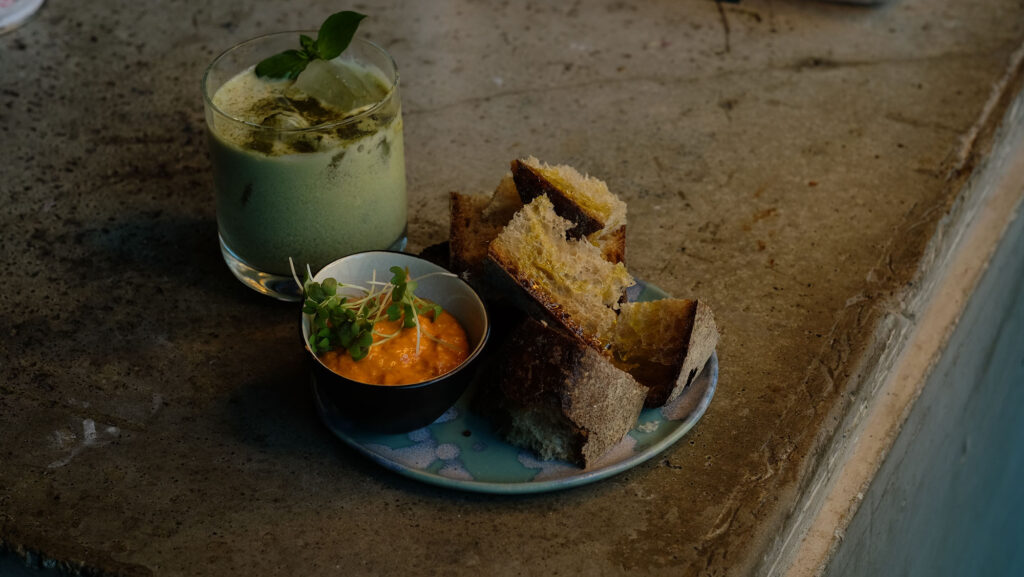
Il Breakfast Club, invece, parte da un interrogativo più lungimirante: come mai qualcuno sceglierebbe di non andare più al club? Gli orari notturni, l’atmosfera caotica, l’abuso di sostanze, le difficoltà strutturali della comunicazione e altri elementi ansiogeni dissuadono sempre più persone dal frequentare gli ambienti notturni, perche’ questa routine sta diventando sempre più difficile da conciliare con lo stile di vita post-Covid.
Il Breakfast Club è decompressione, uno studio sociale sulla vita diurna che propone eventi durante il giorno (inizia ogni sabato alle 12:00), nelle ore che, per la vita notturna, dovrebbero essere silenziose. Con questo format vogliamo raggiungere le persone che sono logore della vita da club ma che non riescono a fare a meno degli aspetti sociali ad essa legati. È infatti con una mentalità post-club che abbiamo pensato il Breakfast Club: eventi per chi ama la socialità della vita notturna, ma non l’impegno che essa richiede, in linea con i forti cambiamenti che l’industria della nightlife e le persone stanno vivendo. Durante questi eventi proponiamo spesso musica ricercata e dal vivo, insieme ad altre attività interattive, come performance di artisti visivi e artigiani. Il menù offre sempre una colazione o un pranzo e cocktails unici. Con questa immagine positiva della “scena clubbing” promuoviamo abitudini sociali più sane e complementari al mondo di oggi.
Il vostro menu e alcune scelte estetiche richiamano fortemente l’Italia, dal nome della release “BACI” ai prodotti del bar. C’è un intento consapevole di portare un’estetica italiana a Berlino? Se sì, che Italia volete raccontare?
In qualche modo, un’estetica italiana a Berlino c’è già. Noi, perciò, vogliamo portare la forma, più che il contenuto, dell’Italia che ci manca. Per noi l’estetica italiana non risiede nel cibo in sé, quanto più nella funzione che esso ricopre all’interno della comunità e nella giornata. Non penso sia importante focalizzarsi sulla veridicità assoluta di una ricetta specifica, trovo sia molto più importante sottolineare che in Italia si mangia assieme e si condivide il cibo per passare del tempo assieme, una prassi sociale che in Nord Europa viene meno, la vita moderna tende a mettere questi elementi in secondo piano. Per noi Italia non significa solo cibo ed aperitivo, anzi, per noi Italia è sinonimo di arte, classe e convivialità.
BACI è un brand pensato come controparte di GIRI, funziona sulle stesse righe, ovvero una parola italiana da quattro lettere la cui pronuncia è facilmente fraintendibile per chi non conosce la lingua italiana. L’Italia che proponiamo è un futuro alternativo rispetto alle conseguenze degli anni 60 e 70, una realtà parallela dove anni di complotti e terrorismo non hanno compromesso il paese. Oggi viviamo nel peggior risultato ottenibile di un passato che ci ha promesso molto, l’Italia non è solo un bel posto dove mangiare e andare in vacanza e noi vogliamo che all’estero sappiano che c’è un forte fermento culturale tra i giovani che non trova un riscontro da parte della classe politica vigente. Nonostante proveniamo da un passato per noi distante, vogliamo comunicare ciò che di positivo ci è rimasto del posto da cui proveniamo, fisico e temporale, ovvero una realtà italiana provinciale che poco ha che fare con una capitale europea come Berlino.
Come si colloca GIRI all’interno della scena culturale di Berlino, e in particolare di Neukölln?
GIRI rimane uno spazio unico agli occhi di chi ci osserva dall’esterno. Per noi è comunque una realtà simile ad altre nel quartiere, ma per molti l’eleganza, la qualità del suono, la cura del design e l’identità grafica, così come la selezione artistica, la creazione di propri concetti e la pubblicazione di musica, sono elementi che rendono GIRI una realtà a sé stante.
I luoghi di ascolto della musica ci sono: il Kwia, listening bar con fama internazionale per la rappresentanza queer e per un suono ambient e sperimentale; l’Arkaoda, invece, con un format più concentrato su concerti e performance e con una grande sala sotterranea dove andare avanti fino a tardi; il Tennis Bar, politicamente coinvolto e con una forte impronta punk. In altri quartieri ci sono spazi per il listening come il Migas, oppure locali simili ai centri sociali italiani come il 90mil. Ogni realtà ha sfaccettature simili, ma identità diversificate. GIRI rimane uno spazio e un’ identita’ clean, sobria, orientata sulla musica, il cibo e la club culture.
C’è un artista o un evento che sentite abbia particolarmente segnato l’identità di GIRI finora?
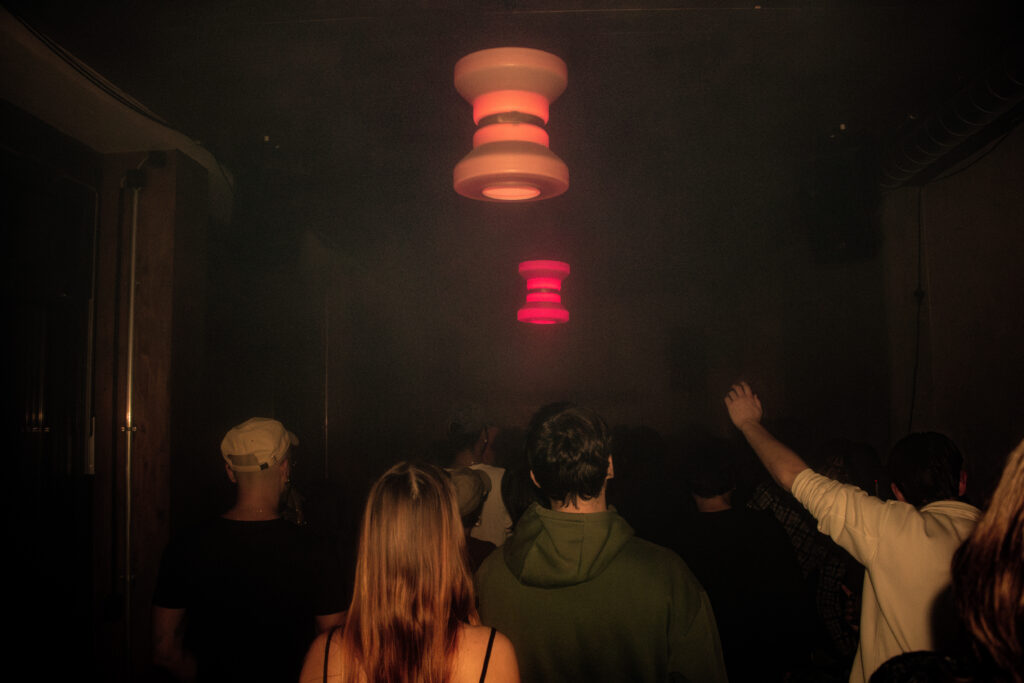
L’identità di GIRI si è sviluppata nel tempo, in un continuo processo di aggiornamento, rifinitura e miglioramento attraverso i collettivi con cui ci siamo confrontati. Ci sono state anche esperienze difficili: eventi in cui dj e artisti di fama internazionale suonavano e il locale rimaneva quasi vuoto. Organizzare un evento non significa semplicemente mettere insieme più artisti e fissare una data: ci sono molti fattori da tenere in considerazione. In ogni caso, la combinazione perfetta è segreta e richiede anche un po’ di fortuna.
Mi vengono in mente alcuni eventi memorabili, come il primo Breakfast Club della stagione 2024/25, realizzato in collaborazione con Awkwardly Social per la loro sesta release (Candor EP dell’artista britannico Hett). La crowd era adulta, ma c’erano anche molti bambini che giravano in una situazione club — non vorrei entrare troppo nei dettagli. È stato un momento unico, tanto che lo abbiamo prolungato per qualche ora su richiesta di Carl (DJ Carlita). Awkwardly è ora collettivo residente all’OHM. Abbiamo registrato la performance e l’abbiamo stampata su tape.
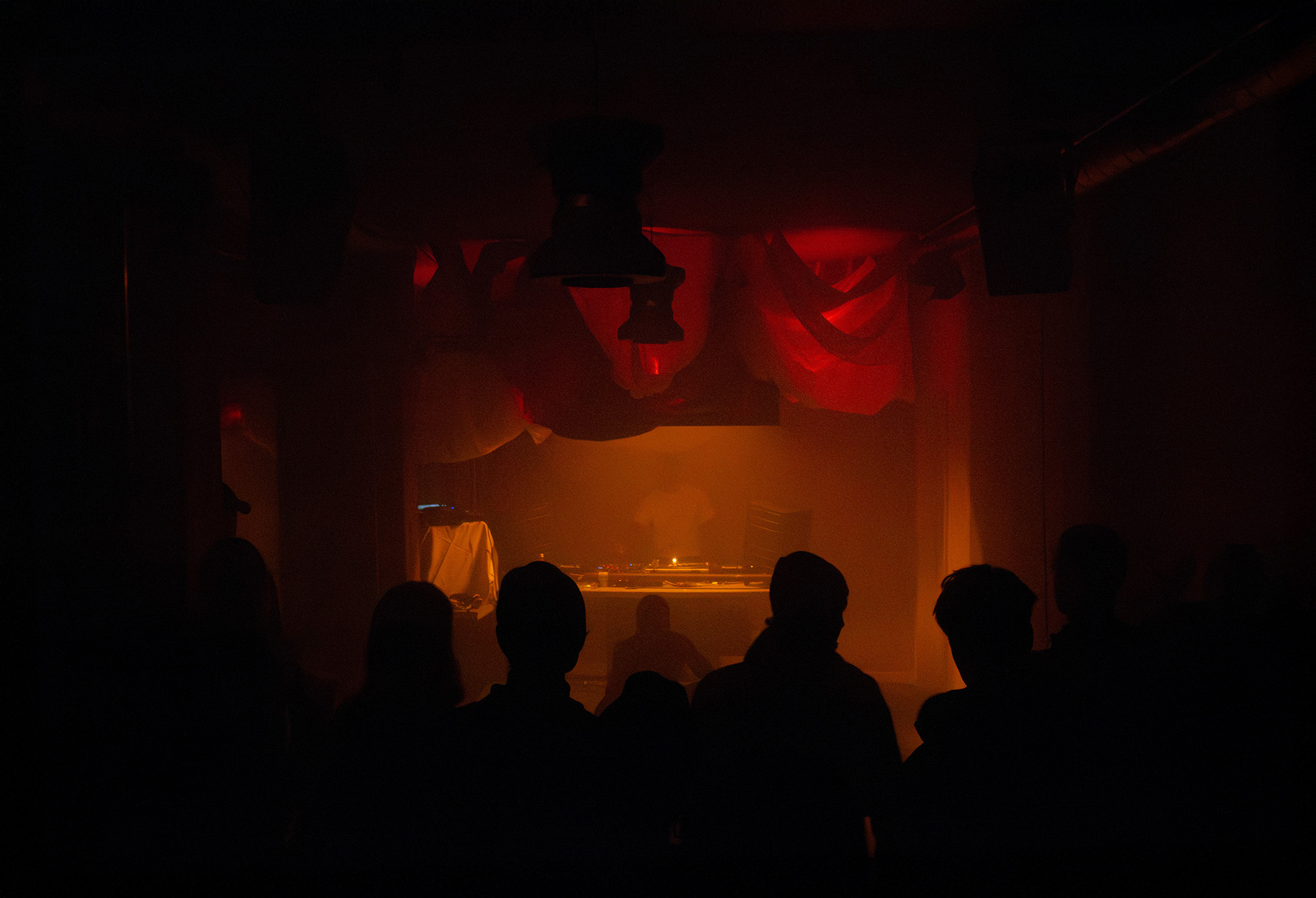
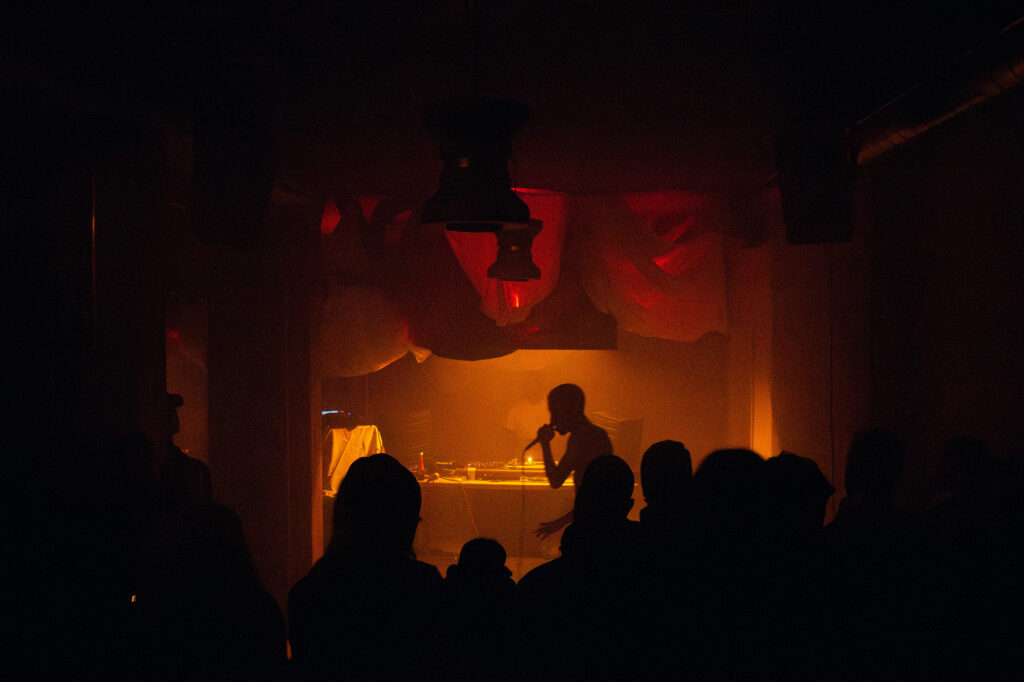
Un altro momento importante è stato il live di Pufuleti che, nonostante i suoi pareri contrastanti sulla scena rap berlinese, siamo riusciti ad addolcire e valorizzare attraverso la nostra estetica. Il concerto è andato sold out pochi giorni dopo l’annuncio; le installazioni rendevano l’ambiente sabbioso, con nuvole di fango che sembravano scendere dal soffitto, intrise di rosso lavico. Anche questo live è stato registrato su tape e pronto per essere pubblicato. Speriamo ci risponda presto: abbiamo in programma alcune sorprese.
Un evento ludico-didattico che merita di essere ricordato è sicuramente il gioco di ruolo post-apocalittico organizzato dalla comunità di Mae, che ha lavorato duramente per mettere in piedi decine di decorazioni, costumi, dispositivi elettronici, sonorizzazioni e soprattutto una lore dettagliata per contestualizzare l’ambientazione. GIRI sembrava un bunker esotico pluviale, con arredamenti, suoni e installazioni che richiamano l’immaginario solar punk. C’erano attività per i giocatori e persino insetti essiccati usati come tickets per una roulette russa.
GIRI nasce da una visione ibrida. State già pensando a nuove diramazioni del progetto? Magari una label ufficiale, uno spazio outdoor, una residenza artistica…?
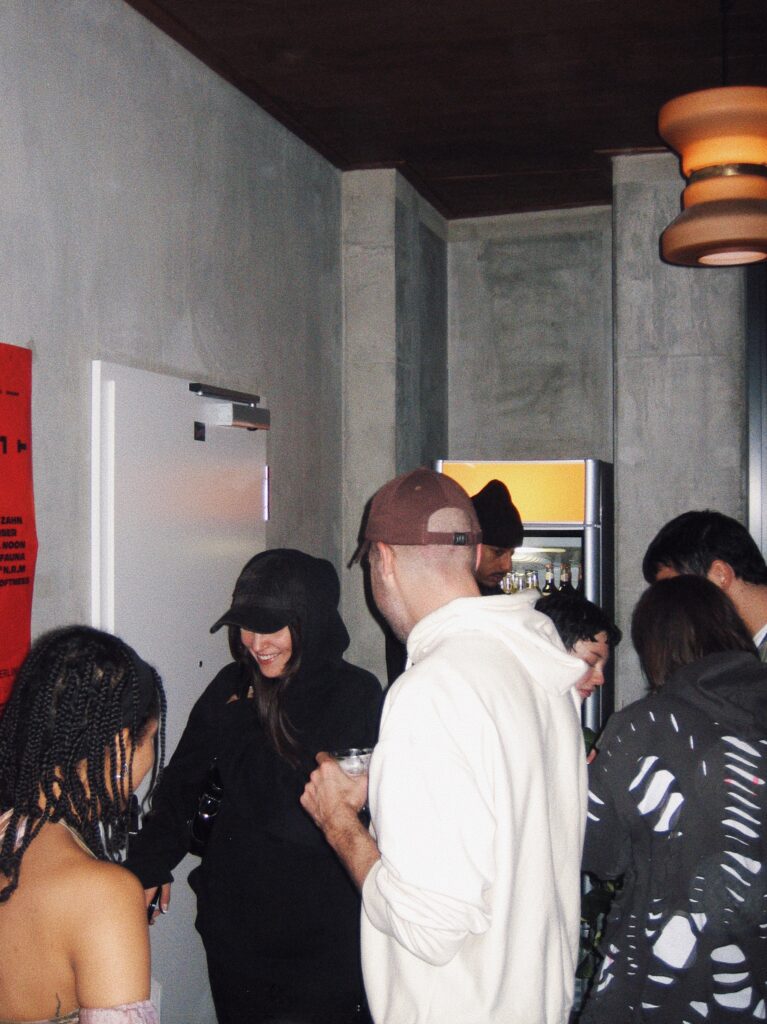
Assolutamente, pensiamo in grande e vogliamo crescere. Ci stiamo già espandendo nella moda, nella costruzione di piattaforme per designers, e collaboriamo con persone e collettivi dalle simili vedute per rendere ciò possibile. Il nostro team è composto da persone con talenti diversi. Da spazio fisico stiamo diventando anche uno spazio virtuale, e con BACI distribuiamo anche sulle piattaforme alcuni degli artisti musicali che ospitiamo, oltre che supportare altre uscite che non si sono tenute (ancora) nel nostro spazio. Il nostro obiettivo è quello di generare nuovi concept, e abbiamo già organizzato il nostro primo evento al di fuori di GIRI, “Girella”, che si terrà al Coco Boule, una venue a Berlino, il 3 Ottobre, in collaborazione con Bloc Fest.
ENGLISH VERSION
GIRI, a countercultural refuge redefining Berlin
In the heart of Neukölln — the Berlin neighborhood known for its multicultural, underground spirit — lies a place that, over the past few years, has carved out a special spot in the city’s ever-evolving cultural landscape. Somewhere between a bistrot, a listening bar, and an event space, GIRI stands as a refuge of counterculture within a city that, paradoxically, has made counterculture its own brand.
What do we mean by that? Let’s do a little exercise: what’s the first image that pops into your mind when you think of Berlin? Whether or not you’re a fan of electronic music, chances are your mental image of the city includes techno, nightlife, transgression, substances, and every possible form of hedonism. Everything that, after the fall of the Wall, once symbolized rebellion against a repressive system — that dark, industrial sound that has since become not only part of German culture but a veritable UNESCO heritage — has now been almost entirely swallowed by gentrification, turned into a trend, tamed into cliché.
Berlin’s nightlife, once raw and authentic, now sells itself as a tourist experience. Pseudo-goth shops sell the “perfect” outfit to get through Berghain door, while social media flood us with polished images of an underground that is no longer underground. Yet beneath this artificial surface runs an opposite current: places, collectives, and people searching for another Berlin — one that’s more honest, more intimate, and that puts music and social connection back at the center, even outside the darkness of the clubs.
Among the many faces of this hidden counterculture, one of the liveliest is GIRI. We met its founders to hear the story and vision behind the project.
GIRI is, at once, a neighborhood bistrot and an artistic-musical event space. How did the idea for such a hybrid place come about?
GIRI started out as a social café, a place for community events and cultural initiatives — film screenings, ice cream tastings, exhibitions by independent artists. Pretty soon, though, the inevitable influence of electronic music and the club scene made itself felt — both central to the city and to our own lives. From the very first months, GIRI became a gathering spot for local DJs, and from there the format evolved into what it is today.
For us, GIRI is a multifunctional social space that transforms depending on who’s organizing the event. Its aesthetic shifts and adapts — we see it as a living container that both serves and sustains the community that inhabits it, a platform for networking, creative expression, and event curation. The monthly program helps people navigate what’s on: film screenings, photo shoots, lunches and dinners, bingo nights, indie fashion pop-ups, tattoo conventions, art performances, panel talks, workshops, zine launches, record releases, live concerts, and club-inspired nights.
Your events span from experimental electronic to ambient, dub, and house, without ever settling on one specific genre. What guides your choice of artists and collectives?
GIRI wants to remain a familiar, human environment. Our artistic selection grows out of friendships and connections built during nights out, community gatherings, and raves. Giving a project a truly original direction, for us, starts with authentic intent and action — a natural evolution driven by passion and curiosity.
The founders come from both urban and suburban backgrounds: some have lived for years in European capitals, others come from the punk and electronic scenes of Northeast Italy. So taste, for us, is shaped by lived experience, attitude, and origin. Berlin offers a dazzling artistic spectrum, with almost limitless opportunities. At the same time, there’s the established techno club scene — now a UNESCO cultural asset — that sets trends and drives much of the music business. Alongside that, the city also offers galleries, listening bars, concert venues, coworking spaces.
Aware of this landscape, we decided to merge multiple worlds and take a counter-trend approach, offering something truly diverse. The simple club/listening bar dichotomy wasn’t enough: we wanted a designed space that the community could fill with its own taste — a taste we then combine, curate, and guide to bring events to life. In this sense, GIRI co-produces its events together with collectives, building each program collaboratively. Our selection stems from shared intent, attitude, taste, and dedication — always with an eye to the underground and the unconventional.
GIRI also stands out for its strong DIY aesthetic: you built the space yourselves, from furniture to lighting. How does self-production fit into your philosophy?
When we imagined the space, we wanted it to be modular and functional, but still visually pleasant and distinct — even without event installations. We paid close attention to tones and materials: wall colors, the wood that echoes the garden visible out back, the existing concrete. Every element was chosen carefully. We even built much of the furniture ourselves: the concrete bar and DJ booth tables, the bar tiles, the stools.
A minimalist space doesn’t just mean “few objects”: it means constant attention to detail and adaptation. The space is intentionally bare, with few fixed elements, so that artists and collectives can customize it with artworks, decorations, fabrics, and more. You can see GIRI wearing many different “outfits,” often just days apart. That flexibility means moving things around constantly — it’s fun, but not as easy as it looks.
Visually, we aimed for something simple and elegant, but with an aggressive edge. At first, GIRI almost looked like an office — we pushed it toward a punk, underground aesthetic. Our team has roots all over the world, which contributes to GIRI’s fluid identity and its constant evolution.
You recently launched a cassette side-project featuring live recordings. What inspired this analog return?
We started producing cassettes for their renewability and accessibility, as well as their charm. Our goal is to promote a listening habit free from today’s extra-musical paradigms. The cassette is portable (for those who still own a Walkman), easy and affordable to make, and completely detached from digital simulation. It’s a way to listen anywhere, without the internet.
People often complain about sound quality, but Bluetooth speakers, car stereos, and wireless headphones all have their own strong “sound signature,” marketed as neutral — while cassettes are dismissed as lo-fi. Yet distortion and noise are part of life — they embody the unrepeatable, unpredictable, ineffable side of musical experience.
Each cassette we release features a live performance recorded at GIRI — a way to spread the music played within our walls. The cassette becomes both a document of live energy and a visual artifact — complete with custom J-card, stickers, and box — extending the artist’s work into the tangible. It’s not just an archive but a way to give new life to a performance, allowing artists and audiences to share it again. Through this, we offer our production and curatorial experience to help artists, labels, and collectives create releases that reflect their identity and restore music’s material, shared presence.
Events like AperiGIRI or Breakfast Club highlight your focus on conviviality. How important is food and the ritual of sharing a meal as a cultural tool?
That’s exactly what we aim to convey with AperiGIRI and Breakfast Club: through GIRI — both as a space and as an event-curation platform — we want to foster conviviality, a setting where people can socialize beyond their usual circles.
In clubs, you can go alone, meet people, make friends, start projects — because those spaces facilitate interaction among strangers. At GIRI, there aren’t many tables, and events typically last around six hours, keeping the experience dynamic: activities like listening, chatting, or watching art flow naturally into each other.
AperiGIRI, held on Thursdays from 6 p.m., is our social evening format — where people can dance, talk, and listen to great music. It’s closest to a club night and part of our nightlife identity. For us Italians, it’s aperitivo time — so we serve bites along with drinks, and dishes like lasagna, meatballs, risotto, and more. Our modular event formats always interact with the dining experience. Food, for us, remains both nourishment and a sober way to share time and care.
Breakfast Club, on the other hand, starts from a broader question: why do some people stop going to clubs? Late hours, chaotic atmospheres, substance use, communication barriers — all of this is pushing more and more people away from nightlife, especially in the post-Covid era. Breakfast Club is decompression, a social study of daytime life, hosting events on Saturdays from noon — during hours that would normally belong to silence.
It’s designed for those who are tired of club life but still crave its social energy. It’s a post-club mindset: events for those who love nightlife’s community, but not its demands — in tune with the changes reshaping both nightlife and its audience. These events feature curated live music, visual and craft performances, and unique brunch cocktails. With this positive reinterpretation of club culture, we aim to promote healthier, more balanced social habits.
Your menu and some visual choices strongly reference Italy — from your “BACI” release to your bar products. Is there a conscious intent to bring Italian aesthetics to Berlin?
In some ways, an Italian aesthetic already exists in Berlin. What we want to bring, though, is the form rather than the content of the Italy we miss. For us, Italian aesthetics aren’t about the food itself but about its social role — the act of sharing meals, of slowing down together.
It’s not about faithfully reproducing recipes; it’s about highlighting the collective ritual of eating together, which modern Northern European life tends to overlook. For us, Italy doesn’t just mean food or aperitivo — it means art, elegance, and conviviality.
BACI is conceived as GIRI’s counterpart — another four-letter Italian word that’s often mispronounced by non-Italian speakers. The Italy we portray is an alternative future — one where the political conspiracies and terrorism of the ’60s and ’70s didn’t stifle the country’s potential.
Today, we live in the worst version of a past that once promised so much. Italy isn’t just a place for food and holidays; we want the world to know that there’s vibrant cultural energy among young people, even if politics fails to acknowledge it. We want to communicate what remains positive from where we come from — both geographically and temporally — a provincial, small-town Italy that has little to do with a European capital like Berlin.
How does GIRI fit into Berlin’s cultural scene, and particularly within Neukölln?
From the outside, GIRI might look like a unique space. To us, it’s part of the neighborhood’s fabric — but its elegance, sound quality, design, visual identity, and original concepts make it stand out.
Berlin has plenty of music-focused spaces: Kwia, a listening bar known internationally for its queer representation and ambient-experimental sound; Arkaoda, more focused on live performances with a large basement for late nights; Tennis Bar, politically engaged and with a strong punk imprint. In other areas, there’s Migas, or venues akin to Italian social centers, like 90mil. Each has similarities but distinct identities. GIRI remains clean, understated, centered on music, food, and club culture.
Has there been an artist or event that particularly shaped GIRI’s identity?
GIRI’s identity has evolved over time, through a process of constant refinement and collaboration with collectives. We’ve had challenging moments too — nights with international artists performing to almost empty rooms. Organizing an event isn’t just about booking artists and setting a date: there are countless variables, and the perfect mix is part science, part luck.
Some highlights come to mind: the first Breakfast Club of the 2024/25 season, in collaboration with Awkwardly Social for their sixth release (Candor EP by British artist Hett). The crowd was mostly adult, but there were also kids running around — in a club-like setting. It was so unique we extended the event for hours at the request of DJ Carlita. Awkwardly is now a resident collective at OHM. We recorded the performance and pressed it on tape.
Another key moment was the live show by Pufuleti. Despite his critical views of the Berlin rap scene, we managed to reframe his performance through our aesthetic. The concert sold out within days, with installations transforming the space into a sandy, lava-red environment — mud clouds hanging from the ceiling. That set, too, was recorded for tape release.
And then there was the post-apocalyptic role-playing event organized by the Mae community — complete with costumes, custom electronics, soundscapes, and detailed lore. GIRI became an exotic, solar-punk-style bunker, filled with immersive installations and even dried insects used as tokens for a Russian roulette game.
GIRI was born from a hybrid vision. Are you already planning new branches — maybe a label, an outdoor space, an artist residency?
Absolutely — we’re thinking big and we want to grow. We’re already expanding into fashion, building platforms for designers, and collaborating with like-minded collectives to make it happen. Our team brings diverse talents together.
From a physical space, GIRI is becoming a virtual one as well. Through BACI, we distribute music by artists who’ve played here, and support other releases that haven’t (yet) taken place in our space. Our goal is to generate new concepts — we’ve even organized our first external event, Girella, held at Coco Boule in Berlin on October 3rd, in collaboration with Bloc Fest.