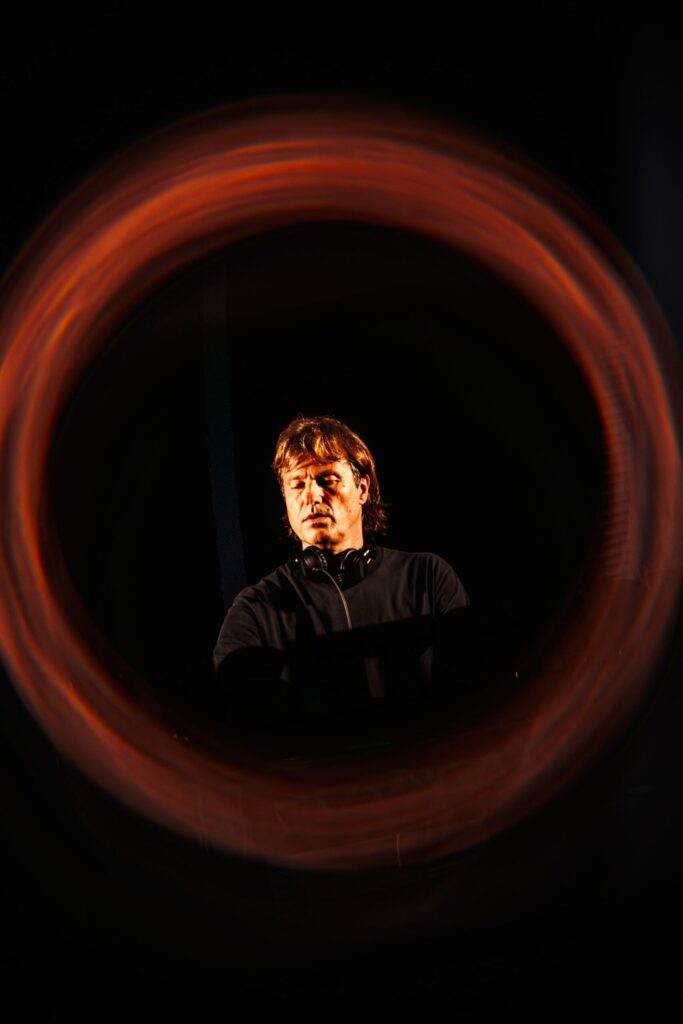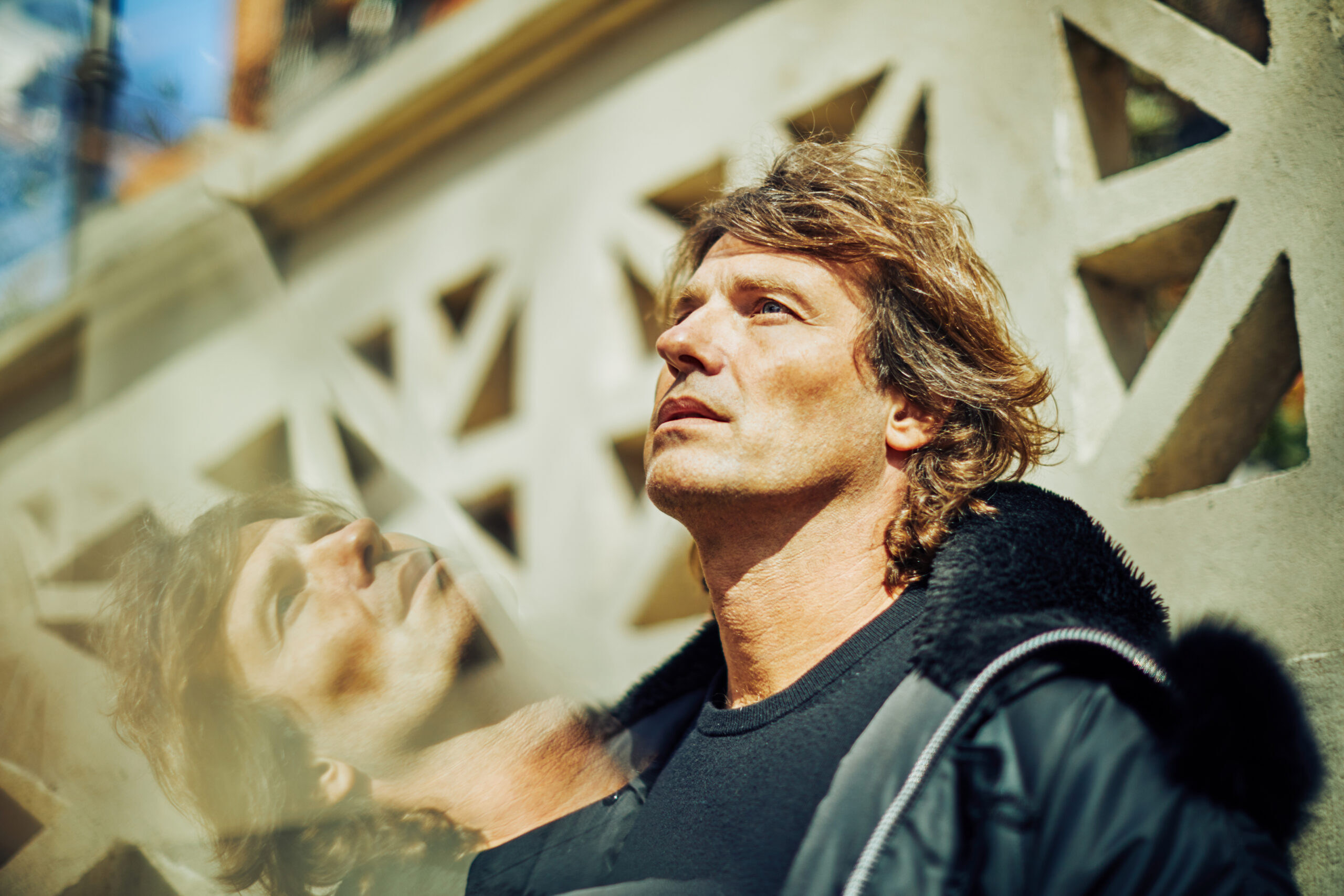

Hernan Cattaneo ci ha concesso un po’ del suo tempo per parlare della sua nuova creazione, disponibile qui, con l’artista techno Marc Romboy.
ENGLISH VERSION BELOW
Hernan Cattaneo è un dj che non ha bisogno di presentazioni: main stable della musica progressive è considerato non solo uno dei maestri del genere, ma anche un pioniere.
Argentino di origine, come avrete modo di leggere ci ha raccontato di essere stato uno dei primi a sperimentare questo genere in terra natìa.
La perseveranza lo ha ovviamente ripagato, fino a farlo arrivare all’Olimpo degli artisti del genere.
Ora che il suo stile è stabilmente ritornato protagonista, Hernan Cattaneo ha trovato comunque il modo di stupirci di nuovo, insieme al DJ tedesco Marc Romboy.
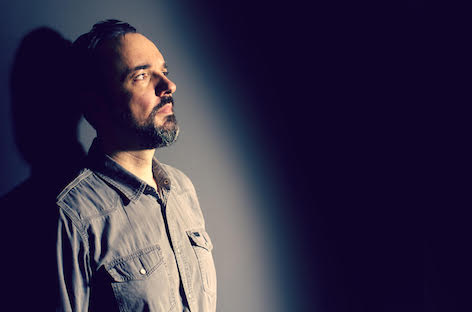
Rilasciata il 20 marzo scorso, The Insanity Of Infinity imprime una velocità tutta nuova al genere: dietro la consolle di comando, infatti, c’è anche Marc Romboy.
Al primo ascolto, capiamo subito che si tratta di una novità: tornano prepotenti gli elementi trance, anche se la progressione tipica del genere di Cattaneo è ben presente.
La parte vocale, composta da uno speranzoso gemito femminile, imprime l’aura eterea che caratterizza le produzioni elettroniche di questo tipo. Non mancano le percussioni più marcate, sempre presenti nelle opere di Romboy.
Le due firme, insomma, si sovrappongono amalgamandosi e rispettandosi, senza mai sovrastarsi e la traccia tiene e viene realizzata sapientemente. Un club anthem che aspetta solo di essere ballato.
Siamo riusciti, per l’occasione, a scambiare due chiacchiere con Hernan Cattaneo, per toglierci qualche curiosità da troppo tempo senza risposta.
INTERVISTA
Ciao Hernan, benvenuto su Parkett! Come stai?
Ciao, grazie mille. Sto benissimo — è sempre un piacere parlare di musica.
Cominciamo con una domanda personale: chi è Hernan prima di essere Hernan Cattaneo, il peso massimo della musica progressive conosciuto in tutto il mondo?
Sono solo un ragazzo normale che ama la musica. Prima di ogni altra cosa, sono un appassionato di musica. Tutto è iniziato quando ero molto giovane, ascoltando i dischi delle mie sorelle a casa, passando ore a guardare le copertine dei vinili e cercando di capire cosa stavo ascoltando. Nel corso degli anni molte cose sono cambiate, ma quella parte non è cambiata affatto. Mi emoziono ancora in modo molto semplice quando trovo un brano che mi regala qualcosa di speciale. Quindi, prima di essere un DJ, penso di essere semplicemente qualcuno che ama davvero la musica e che ama anche condividerla.
Come hai iniziato la tua carriera di DJ?
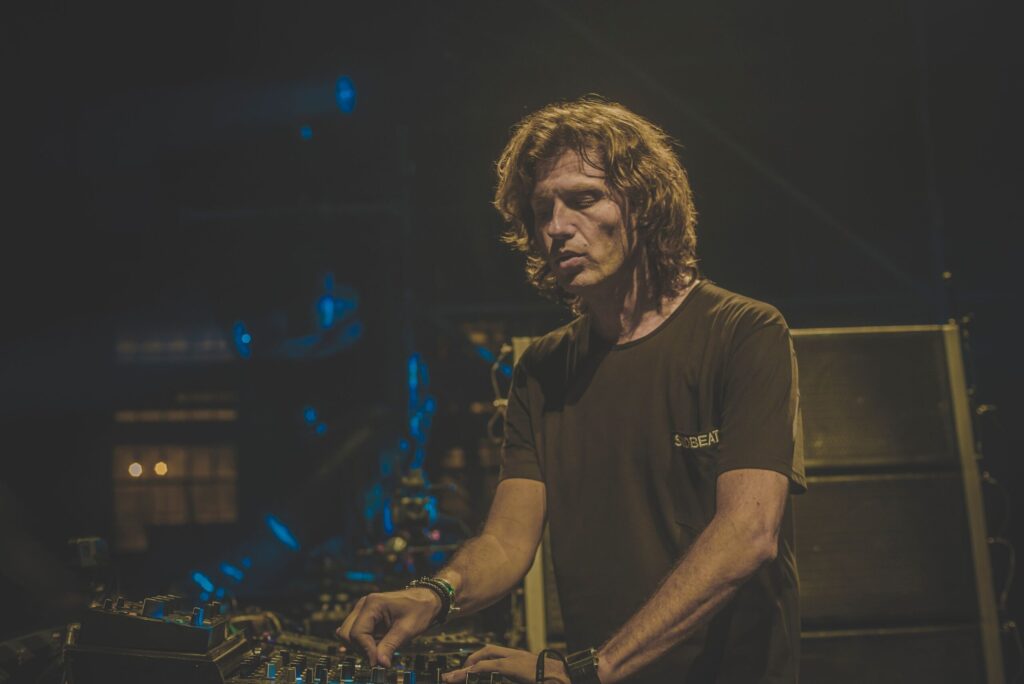
È iniziato tutto in modo molto naturale. All’inizio mi limitavo a collezionare musica e a suonare per gli amici. Poi, a poco a poco, ho iniziato a esibirmi in piccoli locali a Buenos Aires. A quei tempi era tutto molto diverso — non c’era Internet, né i social media — quindi tutto è cresciuto lentamente. Bisognava imparare sul campo, commettendo errori, trascorrendo molte ore nei negozi di dischi. Quel processo mi ha aiutato a sviluppare il mio gusto personale e la mia identità. È stato un modo molto organico di crescere.
Qual è la tua principale fonte di ispirazione quando componi musica?
Per me l’ispirazione viene sempre dall’emozione. A volte può essere qualcosa di molto semplice — una melodia, uno stato d’animo — non sono un produttore molto tecnico, quindi mi piace lavorare con persone che ne sanno più di me e condividere idee. Quello che cerco di fare è creare musica che mi piacerebbe suonare. Musica che funzioni in un set e crei un momento. Alla fine si tratta sempre di provare emozioni e condividere qualcosa.
Com’è la vita musicale oggi rispetto a quando hai iniziato?
È molto diversa. Quando ho iniziato, tutto era più lento. La musica era più difficile da trovare e molto costosa in Argentina, e questo ti costringeva a sviluppare pazienza e il tuo gusto personale. Oggi tutto è molto veloce. Hai accesso a tantissima musica in ogni momento, il che è fantastico, ma allo stesso tempo può essere travolgente. Penso che ora sia più importante che mai filtrare e rimanere in contatto con ciò che ti piace davvero.
Quando si tratta di etichettare la musica, c’è sempre un po’ di dibattito. Sei considerato un pilastro della progressive house. Come descriveresti il tuo stile musicale?
Rispondo sempre così: per me non è tanto una questione di etichetta, quanto di atmosfera. Certo, la gente la chiama progressive house, e a me sta bene, ma ciò che definisce davvero la mia musica è l’idea di un viaggio.
Mi piace la musica che si evolve, che ti porta da qualche parte. Come un film lungo: a volte può essere più profonda, a volte più melodica, a volte un po’ più cupa. Ma l’intenzione è sempre la stessa: creare un flusso e una connessione emotiva. Preferisco considerarla un modo progressivo di suonare la musica piuttosto che uno stile.
La progressive house sta tornando alla ribalta con grande slancio. Cosa ne pensi?
Penso che la progressive non sia mai veramente scomparsa. Forse era meno visibile in alcune zone, come l’Europa, ma l’essenza c’è sempre stata.
Ora è vero che sempre più persone in tutto il mondo stanno tornando a prestare attenzione, e questo è bello. Ma per me la cosa più importante è che gli artisti rimangano fedeli all’idea originale — non solo al suono, ma alla filosofia che c’è dietro. Come ho detto nella domanda precedente, il progressive è un modo di costruire la musica all’interno di un set.
Ora, venendo alla tua nuova creazione, come è nata?
È stata un’idea originale di Marc, ma il brano ha preso forma in modo molto naturale. Lui ha iniziato con un concetto musicale e poi l’abbiamo sviluppato poco a poco. Mi piace quando le cose crescono in modo organico, senza forzarle troppo — semplicemente andando avanti e indietro finché non sembragiusto. Bisogna dare alla musica il tempo di respirare e trovare la sua identità.
Perché hai scelto Marc Romboy per questa collaborazione? Come vi siete conosciuti?
Marc è una persona che rispetto molto, sia come artista che come persona. Suono la sua musica da molti anni. Questa collaborazione è sembrata molto naturale perché proveniamo da mondi leggermente diversi, ma condividiamo un approccio simile alla musica. Questa combinazione ha reso il processo molto interessante.
Da quello che ho sentito, «The Insanity Of Infinity» è un ottimo mix tra progressive e techno, ma riesco a riconoscere alcuni elementi trance. Conosci la musica trance o ti dispiace inserire brani trance nei tuoi set?
Sì, certo. Ho sempre suonato stili diversi, compresa la trance. Inoltre,ho lavorato per molti anni con Paul Oakenfold. In passato non c’era unaseparazione così netta tra i generi come oggi. Per me non si tratta di etichette, ma dell’impatto emotivo della musica. Se un brano ha la giusta atmosfera e si adatta al momento, posso suonarlo. A volte una piccola influenza trance può portare un’energia molto speciale a un set.
Cosa possiamo aspettarci da te nei prossimi giorni?
Più musica, più spettacoli e più collaborazioni — stiamo già pianificando nuove cose con Marc.
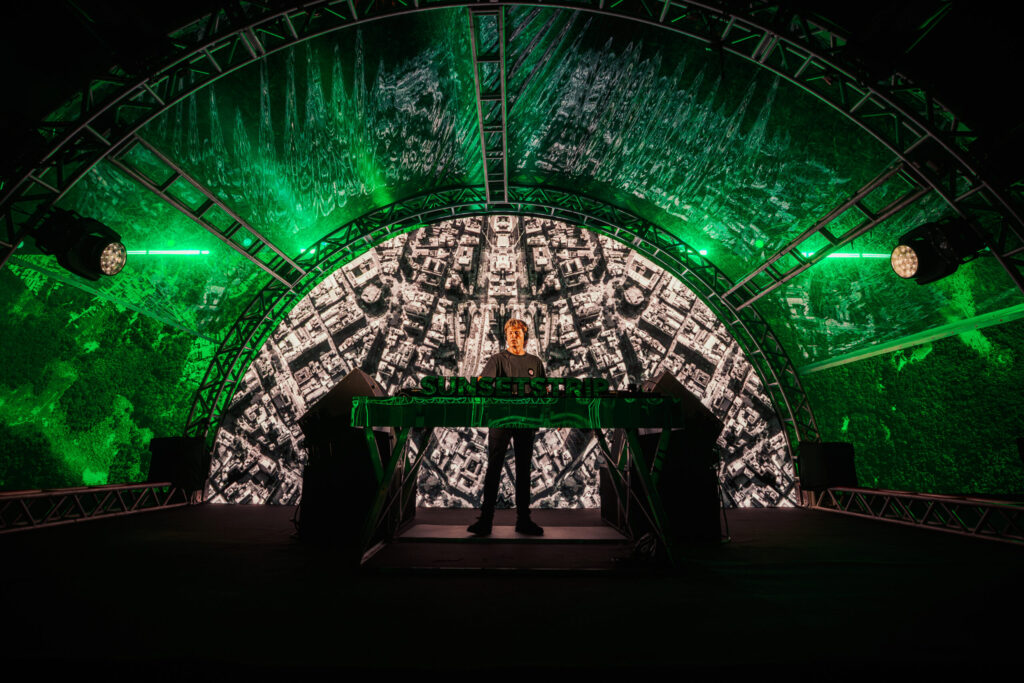
Inoltre continuerò a sviluppare progetti come Sunsetstrip, che è qualcosa di molto speciale per me. E Sudbeat sta vivendo un grande momento in questo periodo, quindi sono molto impegnato ma anche molto felice. Voglio solo continuare a evolvermi rimanendo fedele a ciò che amo.
E ora, un’ultima domanda con uno scenario. Un giovane DJ e produttore viene da te e ti dice: “Voglio costruirmi una carriera nella scena progressive house”. Cosa gli consiglieresti?
Gli direi: sii paziente. Oggi tutto sembra andare molto veloce, ma una vera carriera richiede tempo.
ENGLISH VERSION
Hernan Cattaneo and Marc Romboy Team Up for a New Track – The Interview
Hernan Cattaneo took some time to speak with us about his new collaboration, avaible here, with techno artist Marc Romboy.
Hernan Cattaneo is a DJ who needs no introduction: a mainstay of progressive music, he is considered not only one of the masters of the genre, but also a pioneer.
Originally from Argentina, as you’ll read, he told us he was one of the first to experiment with this genre in his homeland. His perseverance has clearly paid off, propelling him to the pantheon of artists in the genre.
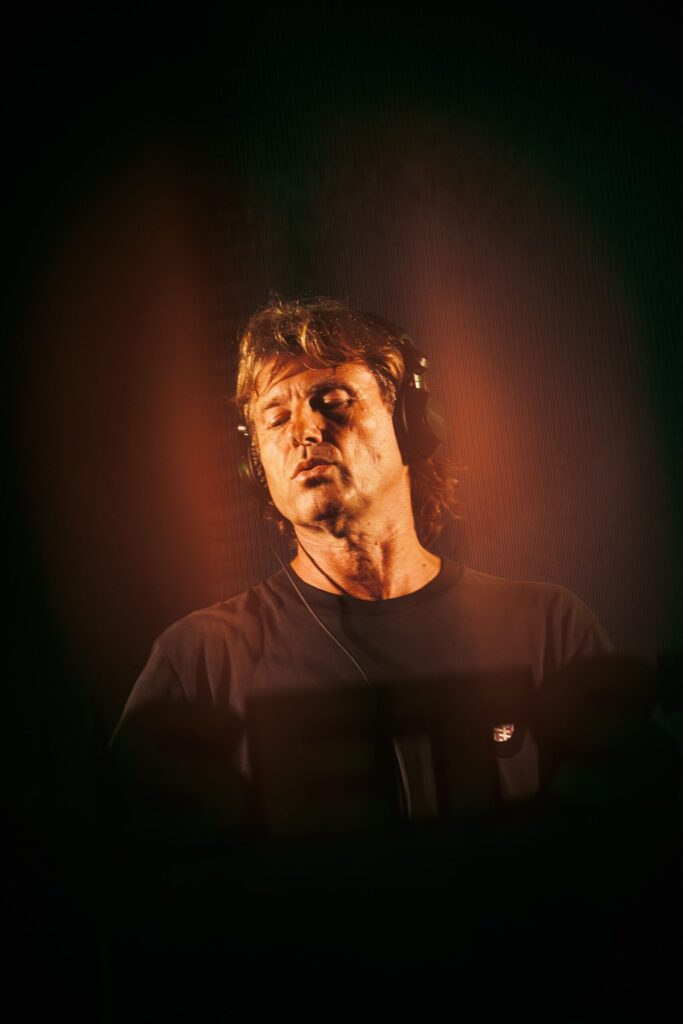
Now that his style has firmly returned to the forefront, Hernan Cattaneo has still found a way to surprise us again, together with German DJ Marc Romboy
Released on March 20, The Insanity Of Infinity brings a whole new level of energy to the genre: Marc Romboy is at the helm.
Upon first listen, it’s immediately clear that this is something new: trance elements make a powerful comeback, even though the progression typical of Cattaneo’s genre is still very much present.
The vocal part, consisting of a hopeful female moan, lends the track the ethereal aura that characterizes electronic productions of this kind. There’s no shortage of the more pronounced percussion that’s always present in Romboy’s work.
In short, the two artists’ styles overlap, blending and complementing each other without ever overshadowing one another. The overall concept is solid and is expertly crafted. A club anthem just waiting to be danced to.
We managed to catch up with Hernan Cattaneo for the occasion, to satisfy some long-standing curiosities that had gone unanswered.
INTERVIEW
Hi Hernan, welcome to Parkett! How are you?
Hi, thank you so much. I’m doing great—it’s always a pleasure to talk about music.
Let’s start with a personal question: who is Hernan before he is Hernan Cattaneo, the world-renowned heavyweight of progressive music?
I’m just a regular guy who loves music. Above all else, I’m a music enthusiast. It all started when I was very young, listening to my sisters’ records at home, spending hours looking at the vinyl covers and trying to figure out what I was listening to. Over the years, many things have changed, but that part hasn’t changed at all. I still get excited in a very simple way when I find a track that gives me something special. So, before being a DJ, I think I’m simply someone who truly loves music and who also loves sharing it.
How did you start your career as a DJ?
It all started very naturally. At first, I just collected music and played for friends. Then, little by little, I started performing at small venues in Buenos Aires. Back then, everything was very different—there was no internet or social media—so it all grew slowly. You had to learn on the job, making mistakes, spending many hours in record stores. That process helped me develop my personal taste and identity. It was a very organic way to grow.
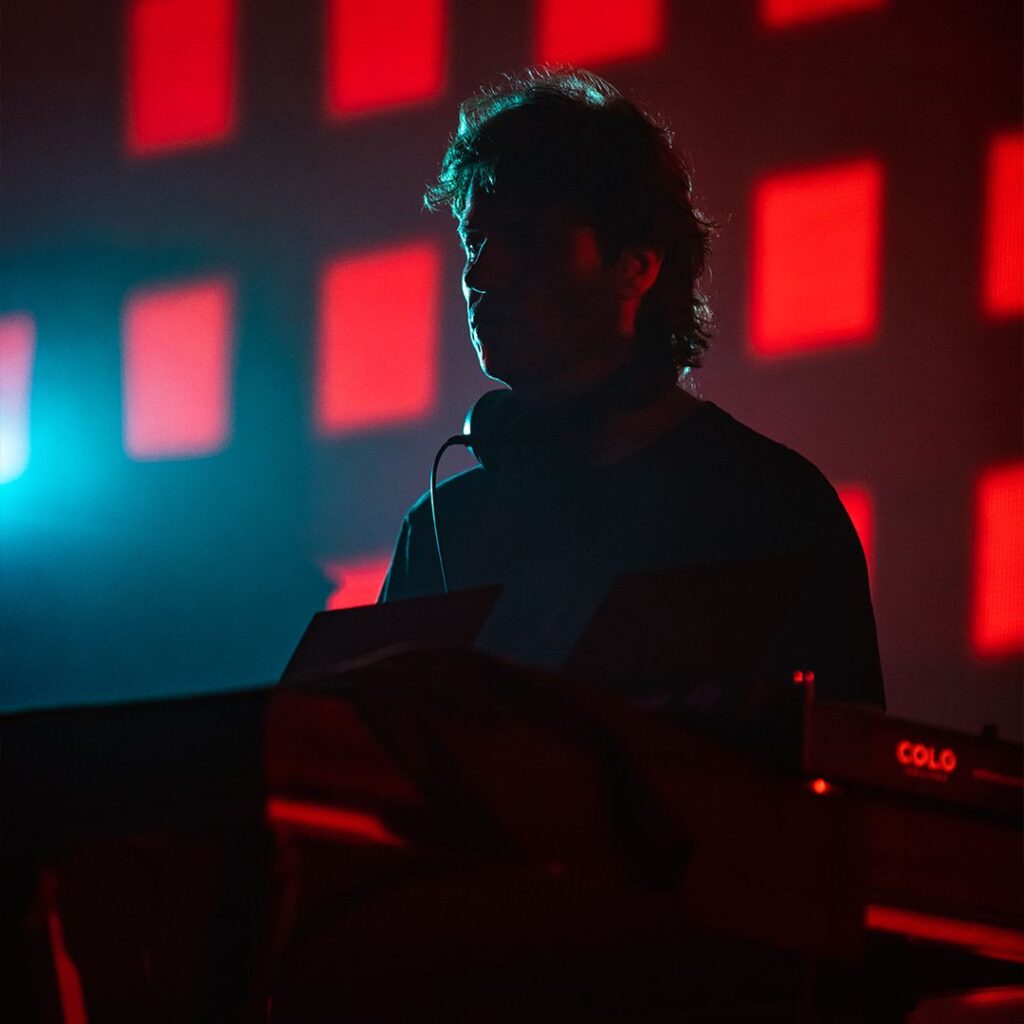
What is your main source of inspiration when you compose music?
For me, inspiration always comes from emotion. Sometimes it can be something very simple—a melody, a mood—I’m not a very technical producer, so I like working with people who know more than I do and sharing ideas. What I try to do is create music that I’d like to play. Music that works in a set and creates a moment. In the end, it’s always about feeling emotions and sharing something.
How is the music scene today compared to when you first started?
It’s very different. When I started out, everything was slower. Music was harder to find and very expensive in Argentina, and that forced you to develop patience and your own personal taste. Today, everything moves very fast. You have access to so much music at any given moment, which is fantastic, but at the same time it can be overwhelming. I think it’s more important now than ever to filter things and stay in touch with what you really like.
When it comes to labeling music, there’s always a bit of debate. You’re considered a pillar of progressive house. How would you describe your musical style?
I always answer this way: for me, it’s not so much about the label as it is about the atmosphere. Sure, people call it progressive house, and that’s fine with me, but what really defines my music is the idea of a journey.
I like music that evolves, that takes you somewhere. Like a feature-length film: sometimes it can be deeper, sometimes more melodic, sometimes a bit darker. But the intention is always the same: to create a flow and an emotional connection. I prefer to think of it as a progressive way of playing music rather than a style.
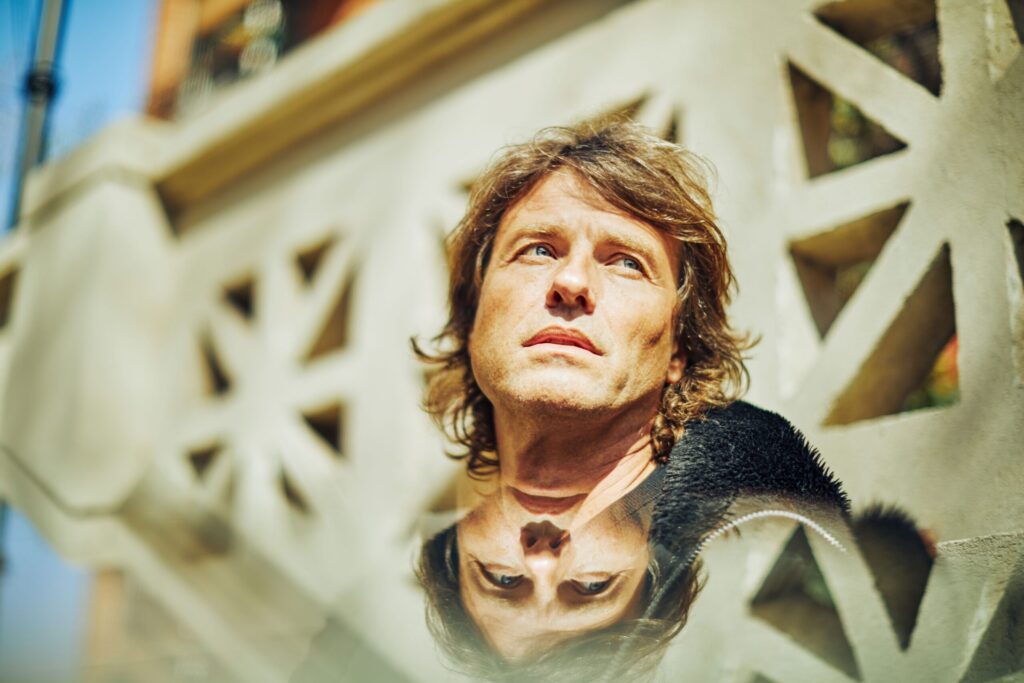
Progressive house is making a big comeback. What do you think about that?
I think progressive house never really went away. Maybe it was less visible in some places, like Europe, but the essence has always been there.
Now it’s true that more and more people around the world are paying attention to it again, and that’s great. But for me, the most important thing is that artists stay true to the original idea—not just the sound, but the philosophy behind it. As I mentioned in the previous question, progressive is a way of building music within a set.
Now, moving on to your new creation, how did it come about?
It was Marc’s original idea, but the track took shape very naturally. He started with a musical concept, and then we developed it little by little. I like it when things grow organically, without forcing them too much—just going back and forth until it feels right. You have to give the music time to breathe and find its identity.
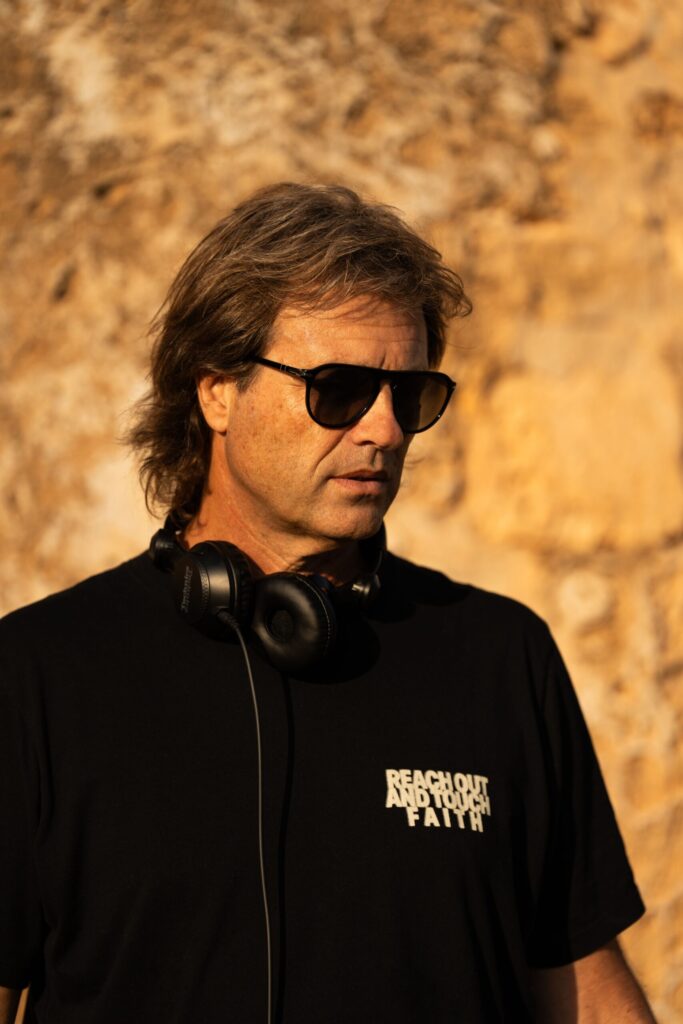
Why did you choose Marc Romboy for this collaboration? How did you meet?
Marc is someone I respect a lot, both as an artist and as a person. I’ve been playing his music for many years. This collaboration felt very natural because we come from slightly different worlds, but we share a similar approach to music. That combination made the process very interesting.
From what I’ve heard, “The Insanity Of Infinity” is a great blend of progressive and techno, but I can pick out some trance elements. Are you familiar with trance music, or do you mind including trance tracks in your sets?
Yes, of course. I’ve always played different styles, including trance. Plus, I worked with Paul Oakenfold for many years. Back then, there wasn’t such a clear-cut separation between genres as there is today. For me, it’s not about labels, but about the emotional impact of the music. If a track has the right vibe and fits the moment, I’ll play it. Sometimes a little bit of trance can bring a very special energy to a set.
What can we expect from you in the coming days?
More music, more shows, and more collaborations—we’re already planning new things with Marc.
I’ll also continue to develop projects like Sunsetstrip, which is something very special to me. And Sudbeat is having a great run right now, so I’m very busy but also very happy. I just want to keep evolving while staying true to what I love.
And now, one last question with a scenario. A young DJ and producer comes up to you and says, “I want to build a career in the progressive house scene.” What advice would you give him?
I’d tell him: be patient. Everything seems to move so fast these days, but a real career takes time.