
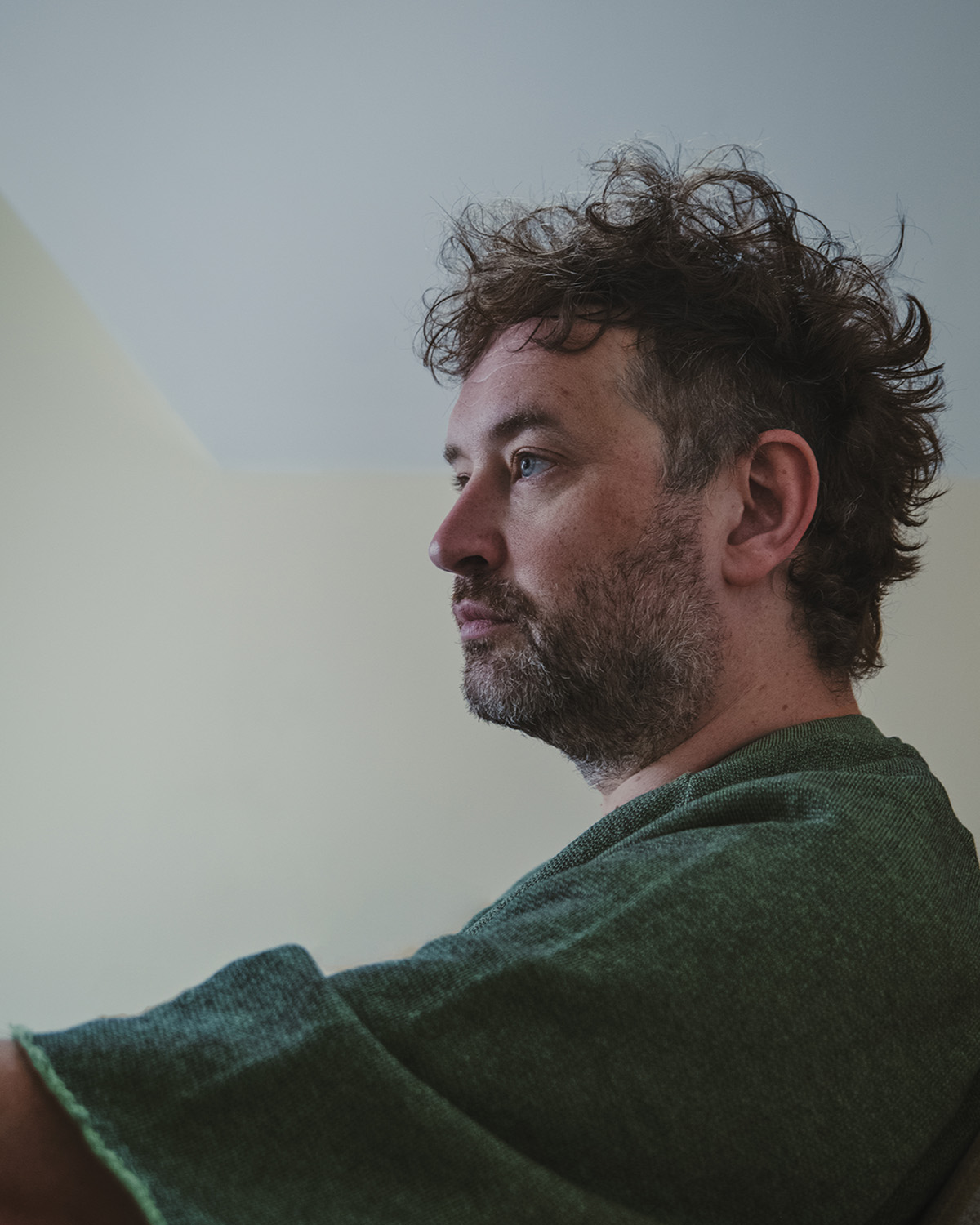

Nathan Fake si racconta su Parkett in una lunga intervista in occasione della recente uscita del suo ultimo album “Evaporator”.
A più di vent’anni dall’inizio della sua carriera, Nathan Fake resta una figura atipica nella scena elettronica britannica: emerso nei primi anni duemila, capace di attraversare techno, ambient e melodie più emotive senza mai risultare banale o prevedibile, ha costruito un percorso coerente e personale, lontano sia dalle mode più effimere sia dall’ossessione per l’esposizione mediatica.
Brani come “The Sky Was Pink“, diventato un classico anche grazie al remix di James Holden, continuano a circolare nei set di molti DJ, mentre il suo linguaggio sonoro si è fatto nel tempo sempre più fluido, istintivo e aperto alla trasformazione.
Il nuovo album “Evaporator” nasce da una scelta in parte consapevole: spostare l’immaginario dell’elettronica verso una dimensione più “diurna”, senza però contrapporsi in modo rigido all’estetica notturna del clubbing.
Abbiamo incontrato Nathan Fake per parlare con lui del suo processo creativo, dei limiti tecnici trasformati in stimoli, di collaborazioni nate in modo naturale con amici e colleghi, come Dextro e ClarkNe e delle sue prossime date tra cui due in Italia, a Milano al Magnolia il 6 marzo e a Roma al Monk il 7 marzo. Buona lettura!
Ciao Nathan, benvenuto su Parkett Channel. Hai descritto “Evaporator” come “musica ariosa da giorno”: è stata una reazione consapevole all’estetica notturna del clubbing, quasi un gesto politico contro l’idea che la musica elettronica appartenga solo al buio?
Si, è stata più o meno una decisione consapevole… ma non penso affatto che la musica elettronica sia solo notturna o “oscura”: ne esistono moltissime forme e credo che molta di essa sia estremamente versatile.
Parli di un “barometro atmosferico” per l’album. Quanto della determinazione del clima emotivo di un brano è costruzione razionale e quanto è percezione dell’ascoltatore?
Onestamente non ho idea di come funzioni la percezione degli ascoltatori. Quando faccio un brano è di solito qualcosa di molto organico e piuttosto istintivo. Posso avere in mente una certa sensazione all’inizio, ma poi può prendere direzioni molto diverse.
In “Crystal Vision” c’era una certa accessibilità pop, che in Evaporator si rifrange tra ambient, trance ed elettronica deep. Come lavori sull’equilibrio tra immediatezza e complessità strutturale?
Per me è quasi sempre qualcosa di immediato, almeno all’inizio. A volte aggiungo complessità più avanti nel processo, ma per lo più le idee sono semplici e abbastanza minimaliste, e tendo a lasciare che l’energia del pezzo fluisca, soprattutto quando registro le take.
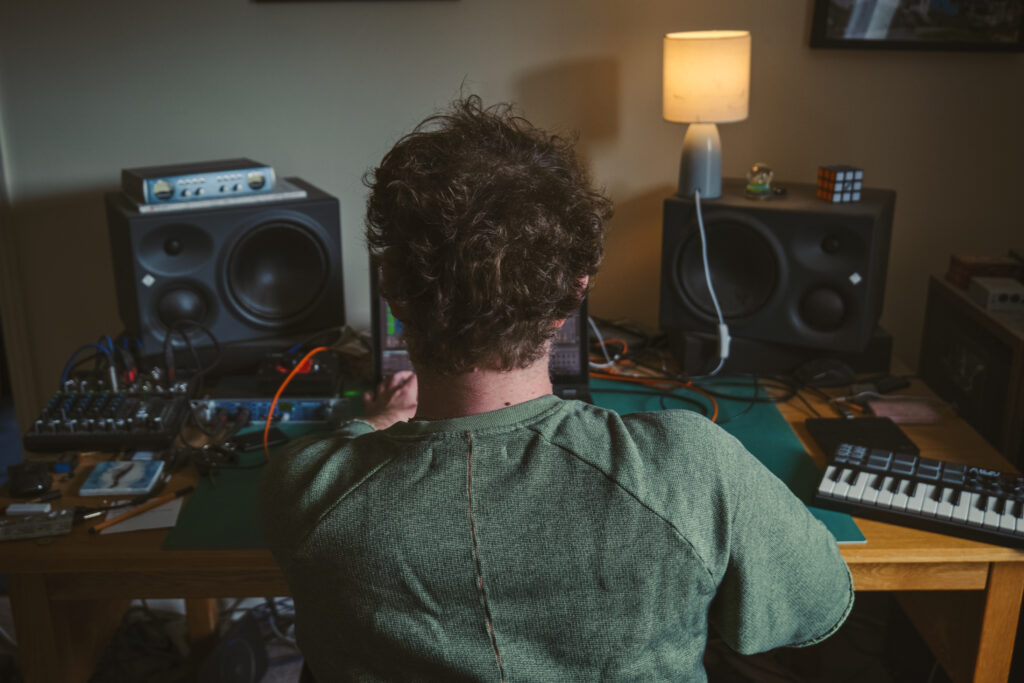
In studio combini strumenti storici come Cubase VST5 con tecnologie più recenti. In che modo i limiti tecnici influenzano la scrittura e portano a soluzioni inattese, anche in processi più accidentali come quelli descritti in “The Ice House”?
Mi è sempre piaciuto lavorare entro confini creativi piuttosto stretti che mi impongo da solo. “The Ice House” è stato scritto solo con una tastiera: suonavo quel loop da tantissimo tempo e ho deciso che il brano aveva bisogno solo di quella parte, per esempio. Come dicevo prima, durante l’arrangiamento le cose possono prendere svolte inaspettate.
Le collaborazioni con Dextro in “Baltasound” e con Clark in “Orbiting Meadows” mostrano un forte processo di trasformazione, dalla batteria aggressiva al pianoforte microtonale in 18EDO. Come rielabori l’identità di altri musicisti integrandola nel tuo universo sonoro? E ti interessa la microtonalità come linguaggio emotivo oltre che tecnico?
Le collaborazioni sono nate in modo molto naturale. Sono buon amico di Ewan (Dextro) e Chris (Clark) e ci scambiamo materiale spontaneamente: i brani crescono in modo organico da lì. La microtonalità nel pezzo con Clark è venuta da Chris: aveva usato quel pianoforte nel suo lavoro recente e volevo che aggiungesse qualcosa di quel tipo anche al nostro brano.
“Slow Yamaha” rappresenta un picco di energia cinetica e spazialità tridimensionale. Quanto ti interessa esplorare ulteriormente l’idea di un campo stereo espanso come esperienza percettiva immersiva?
Mi piace molto giocare con lo stereo, ma in realtà ho sempre amato anche usare segnali mono… dipende da cosa sta succedendo in quel momento.
Dopo vent’anni di carriera, e con la tua immagine in copertina per la prima volta, com’è cambiato il tuo rapporto con la visibilità pubblica e con quella distanza che sembrava proteggere il tuo lavoro?
La questione dell’immagine pubblica è cambiata tantissimo da quando ho iniziato. Quando ho pubblicato i miei primi dischi i social media non esistevano nemmeno, quindi è strano doverci fare attenzione oggi. Mi piace avere una certa presenza, ma non sono ossessionato né interessato ad avere una presenza enorme sui social.
“The Sky Was Pink” continua a vivere nei set di molti DJ, anche grazie al remix di James Holden. Che rapporto hai oggi con questo brano e quanto è importante per te lasciare che altri reinterpretino il tuo universo sonoro?
Sono ancora molto affezionato a “The Sky Was Pink”. È incredibile che sia ancora popolare dopo oltre vent’anni, e so che è grazie al remix di James, ma resta comunque una mia composizione, quindi è una bella soddisfazione! Sono sempre stato piuttosto selettivo su chi può remixare la mia musica, ma se è un artista che amo è sempre bellissimo sentire cosa riesce a farne.
Quando un’esperienza personale intensa diventa musica, come nel caso di relazioni brevi ma decisive, la composizione amplifica il ricordo?
Non ci penso davvero in quei termini. Diverse sensazioni ed emozioni possono entrare nelle mie composizioni, ma è tutto così astratto e mescolato che non è facile da spiegare.
Dopo aver attraversato un periodo negativo che ha influito sul tuo rapporto con la produzione, come distingui oggi una pausa necessaria da una paralisi artistica?
Lascio semplicemente che le cose seguano il loro corso naturale. È giusto spingersi un po’ a fare qualcosa, ma non si può forzare davvero: se deve succedere, succederà.
Hai descritto la musica come una forma di auto-terapia. Nel tuo percorso, il processo creativo è diventato uno strumento consapevole di guarigione?
Si, è una cosa molto importante nella mia vita in generale. È una delle poche cose in cui riesco davvero a lasciarmi andare, sia quando scrivo musica sia quando la suono dal vivo.
Come vedi oggi la scena club rispetto a quando hai iniziato? Ci sono tendenze o dinamiche che ti entusiasmano o ti sorprendono?
Per me la scena club è sempre stata più o meno la stessa. La musica cambia, ma allo stesso tempo non cambia davvero: vedo gli stessi tipi di musica attraversare i decenni, solo che vengono rinominati e/o riscoperti da una nuova generazione.
Guardando avanti, cosa porterà il tuo prossimo tour e cosa significa per te tornare a suonare in Italia dopo questo periodo?
Sono davvero entusiasta di suonare dal vivo il nuovo materiale. I miei brani sembrano sempre prendere vita propria dopo che li ho portati in giro per un po’, quindi sono curioso di vedere cosa succederà ai pezzi di “Evaporator”.
ENGLISH VERSION
Nathan Fake opens up to Parkett in an extensive interview marking the recent release of his latest album, “Evaporator”.
More than twenty years after the beginning of his career, Nathan Fake remains an atypical figure within the British electronic scene. Emerging in the early 2000s, and moving fluidly between techno, ambient, and more emotive melodic forms without ever sounding formulaic or predictable, he has built a coherent and deeply personal trajectory, steering clear of both fleeting trends and the obsession with media overexposure.
Tracks such as “The Sky Was Pink”, which became a classic also thanks to James Holden’s remix, continue to circulate in the sets of many DJs, while his sonic language has gradually grown more fluid, instinctive, and open to transformation.
The new album “Evaporator” stems from a partially conscious decision: to shift the imaginary of electronic music toward a more “daytime” dimension, without setting it in rigid opposition to the nocturnal aesthetics of club culture.
We met Nathan Fake to discuss his creative process, the way technical limitations can become productive constraints, and collaborations that developed organically with friends and fellow artists such as Dextro and Clark and …of his upcoming tour dates, including two in Italy: in Milan at Circolo Magnolia on March 6, and in Rome at Monk on March 7 Enjoy the read!
Hi Nathan, welcome to Parkett Channel. You’ve described “Evaporator” as “airy daytime music”: was this a conscious reaction to the nocturnal aesthetics of clubbing, almost a political gesture against the idea that electronic music belongs only in the dark?
Yes it pretty much was a conscious decision.. but i totally don’t think electronic music is only dark night-time music, there are many forms of it and i think a lot of it is versatile.
You talk about an “atmospheric barometer” for the album. How much of determining the emotional climate of a track is rational construction, and how much is a manipulation of the listener’s perception?
To be honest i have no idea about listeners’ perception, when i’m making a track it’s usually a very organic and quite instinctive feeling, i might have an idea for a certain feeling at the start of making something but then it can go in many directions from there.
In “Crystal Vision” there was a certain pop accessibility, which in Evaporator refracts through ambient, trance, and deep electronica. How do you work on balancing immediacy with structural complexity?
For me it’s always quite immediate, at least in the beginning, sometimes i might add complexity later on in the process but most of the time the ideas are quite simple and fairly minimalist and i tend to just let the energy of the piece flow, particularly when recording like takes
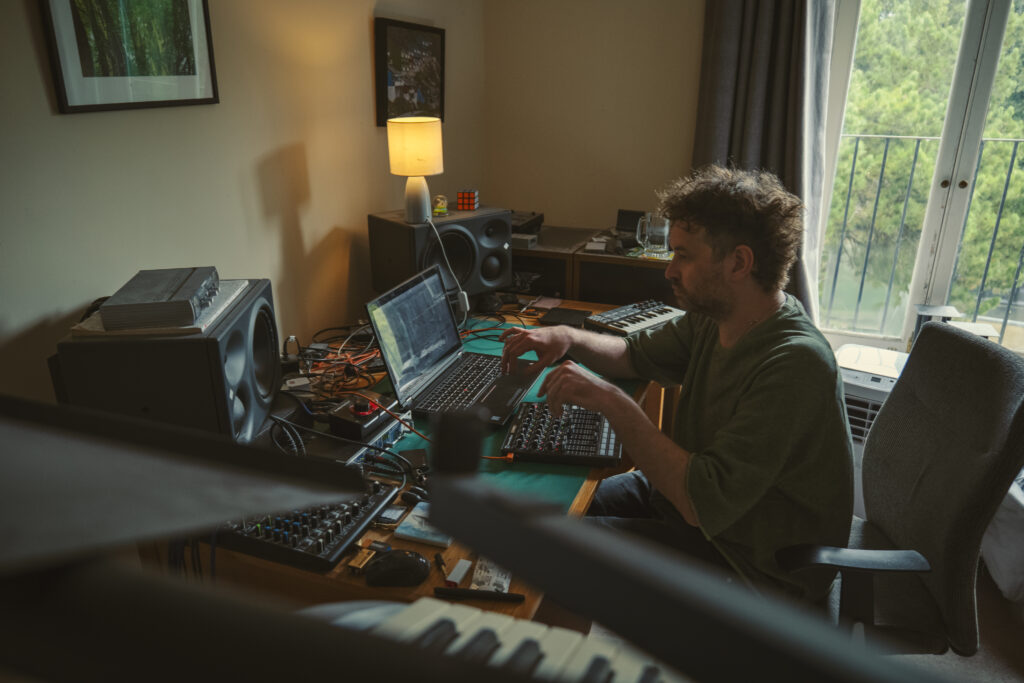
In the studio you combine historic tools like Cubase VST5 with newer technologies. How do technical limitations influence your writing and lead to unexpected solutions, even in more accidental processes like those described in “The Ice House”?
I’ve always quite liked working within quite narrow creative boundaries that i set for myself. “the ice house” was written just on a keyboard and i was playing that loop for ages, and decided that track really only needed to be that part, for example. as i mentioned before, things can take unexpected turns sometimes during the arrangement process.
Collaborations with Dextro on “Baltasound” and Clark on “Orbiting Meadows” show a strong process of transformation, from aggressive drumming to 18EDO microtonal piano. How do you rework other musicians’ identities while integrating them into your sonic universe, and are you interested in microtonality as an emotional as well as technical language?
Basically the collaborations happened very naturally, i’m good friends with Ewan (Dextro) and Chris (Clark) and we just naturally send each other stuff and the collaborations grow quite organically out of that. the microtonality on the Clark collab came from Chris actually, he used the piano in his own recent work and i wanted him to add some of that to our piece.
“Slow Yamaha” represents a peak of kinetic energy and three-dimensional spatiality. How much are you interested in further exploring the idea of expanded stereo field as an immersive perceptual experience?
I mean stereo is something i like to play with a lot, but actually i’ve always loved using mono signals too.. it just depends on what’s going on at the time really.
After twenty years of your career, and with your image appearing on the cover for the first time, how has your relationship with public visibility changed, and with the distance that once seemed to protect your work?
I mean the public image thing has changed a lot since i started out.. when i released my first few records social media didn’t even exist, so it’s funny having to pay attention to that nowadays. i like to have some visibilty there but also i’m not obsessed with it or interested in having a massive social media presence.
“The Sky Was Pink” continues to live in many DJs’ sets, also thanks to James Holden’s remix. How do you relate to this track today, and how important is it for you to let others reinterpret your sonic world?
I’m still very fond of the sky was pink, it’s pretty amazing that it’s still popular over 20 years later, and i know that’s down to james’ remix but still it’s my composition so that’s a nice thing to have, haha. i guess i’ve always been quite particular who remixes my stuff but if it’s an artist i love it’s always really nice to hear what they do with it.
When an intense personal experience becomes music, as in the case of brief but decisive relationships, does composition amplify memory?
I don’t really think about that stuff, i think various feelings and emotions can go into my compositions but it’s all so abstract and kind of mixed together so it’s not very easy to explain i think.
After going through a negative period that affected your relationship with production, how do you now distinguish between a necessary pause and artistic paralysis?
Basicallu i just let things run naturally really.. it’s good to push yourself into doing things a bit i think but also you can’t really force it, if it’s meant to be it’ll happen.
You’ve described music as a form of self-therapy. In your journey, has the creative process become a conscious tool for healing?
Yes, it’s a very important thing in my life generally, i feel like it’s one of the few things i can really release myself into, both writing music and performing it live.
How do you see the clubbing scene today compared to when you started? Are there trends or dynamics that excite or surprise you?
I mean, the clubbing scene to me has always been the same, the music changes, but also it kind of doesnt, i see the same kind of music existing throughout the decades but mostly it just gets re-branded and/or picked up by a new generation
Looking ahead, what will your next tour bring, and what does it mean for you to return to perform in Italy after this period?
I’m really excited about playing the new stuff live, my tracks always seem to take on a life of their own after i’ve been playing them out for a while, so i’m excited to see what happens to the “Evaporator” tracks.


