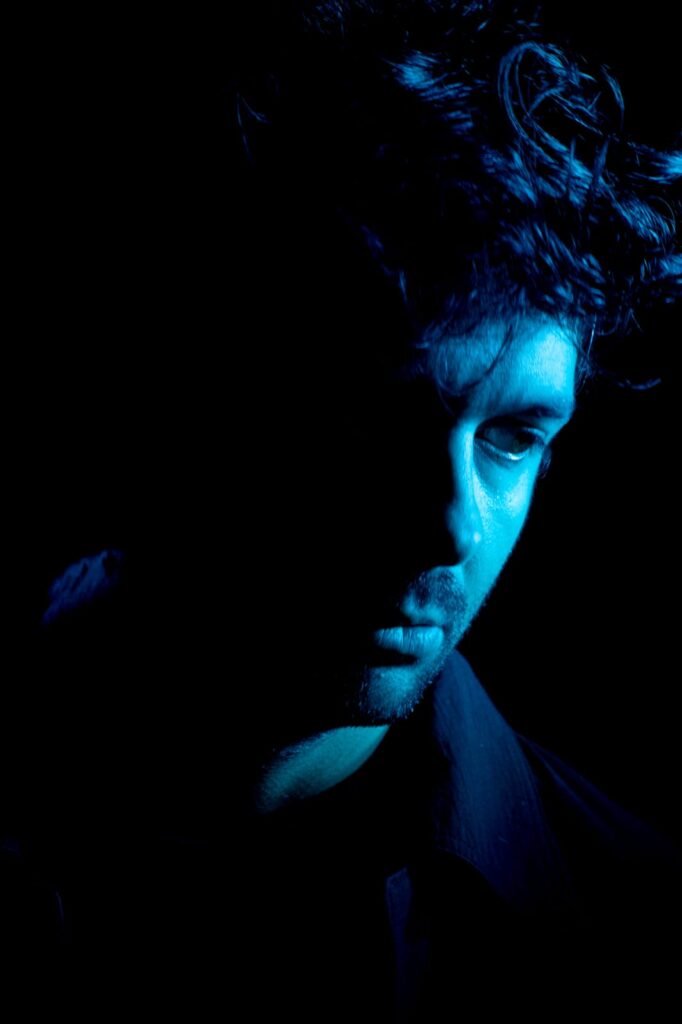
La storia dietro le luci della ribalta. Patrick Topping ci racconta cosa c’è davvero dietro i numeri da “Miglior DJ britannico”. Perché per raggiungere certi risultati è necessaria umiltà, dedizione, sacrificio e soprattutto voglia di raggiungere l’obbiettivo.
Quando ci è stata offerta la possibilità di intervistare Patrick Topping, era chiaro che fosse un’occasione più unica che rara.
Vuoi perché ti trovi di fronte ad un artista che non si concede poi così facilmente, ma anche perché stiamo parlando del ragazzo (prima ancora che artista) che ha conquistato il titolo di “Best British DJ”.
Mi aspettavo certo risposte di spessore, ma che mantenessero quell’aplomb tipico dei britannici, aperti ma anche riservati, esaustivi ma mai del tutto vulnerabili. Ed invece no. Patrick Topping si è dato ai nostri microfoni del tutto.
Raccontando non solo il volto più umano del suo essere artista, ma anche – e soprattutto – dimostrando la fragilità: in questa intervista si parla di passione, successo, “sindrome dell’impostore”, stacanovismo.. Insomma, nulla di scontato.
Ma tutto ciò che è importante per definire Patrick Topping uno degli artisti elettronici più importanti del panorama contemporaneo.
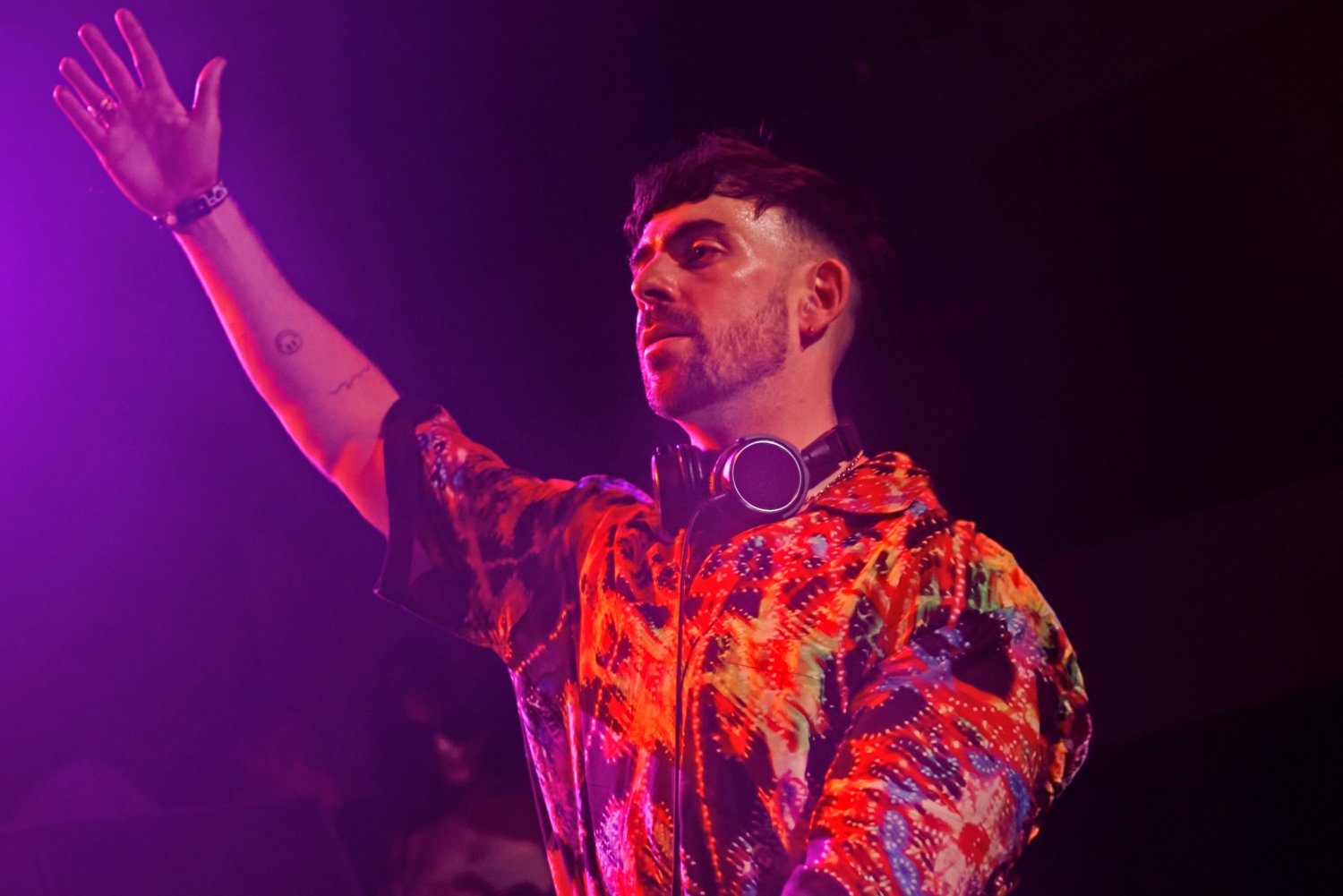
Ciao Patrick, benvenuto su Parkett. Prima dei club, dei festival e delle release, c’è sempre un momento in cui la musica smette di essere qualcosa che ascolti soltanto e diventa qualcosa di personale. Ti ricordi il primo brano, disco o suono che ti ha fatto capire che la musica avrebbe avuto un ruolo centrale nella tua vita?
Per me non c’è stato un singolo pezzo di musica, è stata più un’esperienza: la notte in cui sono andato per la prima volta in un vero club underground di musica dance per vedere un DJ.
Era il leggendario club Tall Trees in Inghilterra. Quella sera suonava Eddie Halliwell ed è lì che mi è venuta la passione per la musica dance.
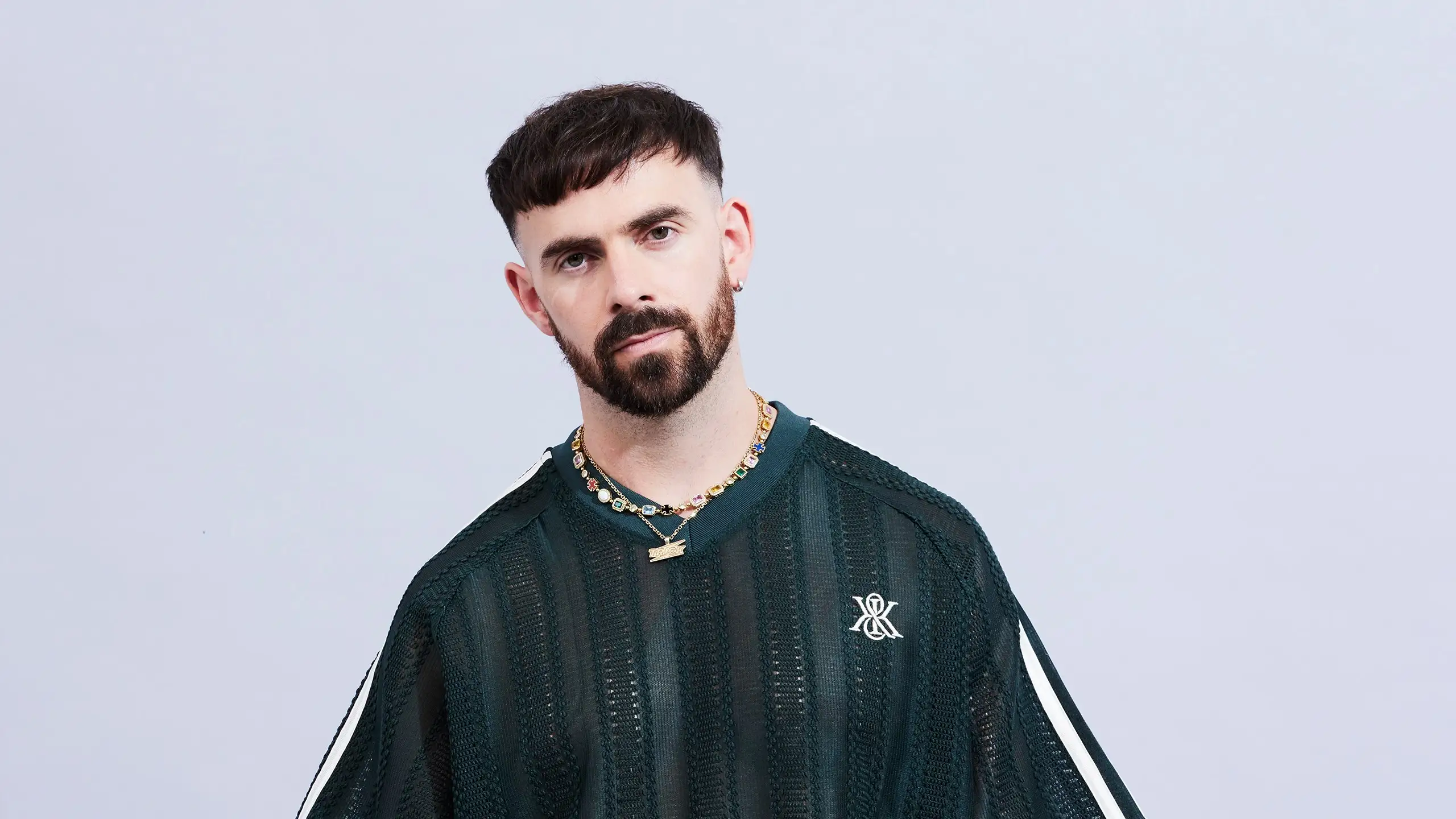
Patrick Topping
Il tuo percorso parte da una formazione musicale molto precoce, soprattutto con il pianoforte, prima di arrivare alla musica elettronica. Quali aspetti di quell’approccio più “classico” influenzano ancora oggi il modo in cui costruisci una traccia o un DJ set?
Ho preso lezioni di piano per un breve periodo mentre ero a scuola, ma poi ho smesso e ho completamente dimenticato tutto.
Così, quando anni dopo ho iniziato a fare musica elettronica, usavo un approccio più punk, senza alcuna considerazione per la teoria musicale e facendo tutto su uno schermo con il mouse.
È così che ho quasi sempre fatto musica. Nel 2018 ho ricominciato a prendere lezioni di piano per quattro anni, cosa che ha migliorato le mie capacità di produzione, ma ora sono tornato a usare il mouse.
Però penso che sia stato utile per capire la melodia, invece di fare semplicemente ciò che sembrava giusto a orecchio.
Ironia della sorte, le mie tracce con più streaming sono state realizzate senza molta consapevolezza della teoria musicale o senza seguirla davvero.
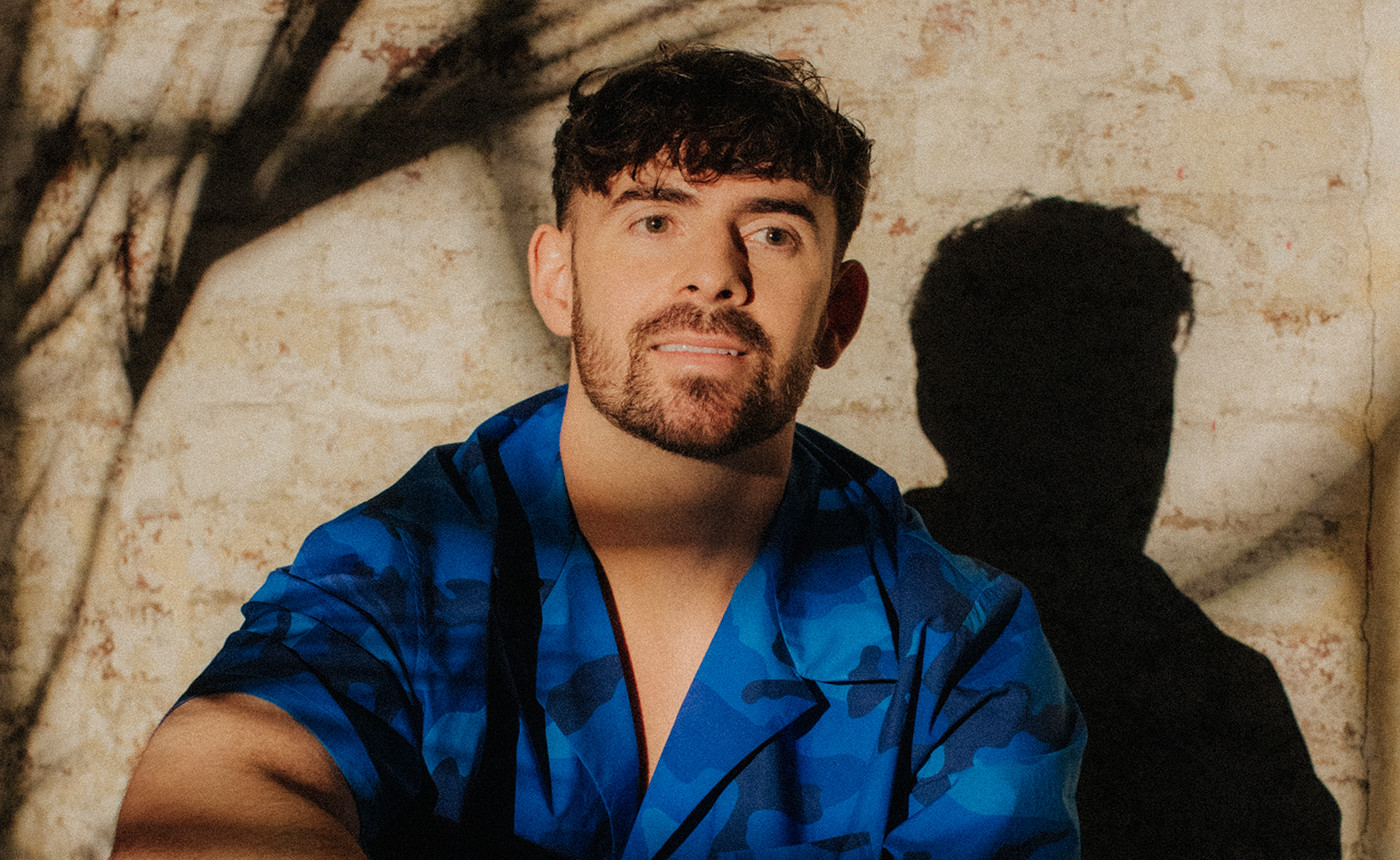
Patrick Topping
Hai raccontato di aver studiato minimal techno ai tempi di Point Blank. Guardandoti indietro, qual è stata la lezione più importante di quell’esperienza: una skill tecnica, la disciplina o un modo diverso di ascoltare la musica?
Mi ha dato una grande comprensione delle basi di Logic, perché le DAW sono molto complesse e all’inizio le trovavo intimidatorie.
La struttura del corso mi ha aiutato a ottenere le fondamenta, che poi ho potuto sviluppare sperimentando, leggendo riviste di computer music e guardando i primi tutorial su YouTube.
Non erano minimamente validi quanto quelli di oggi. Adesso esistono addirittura video su come suonare come me, ed è assurdo.
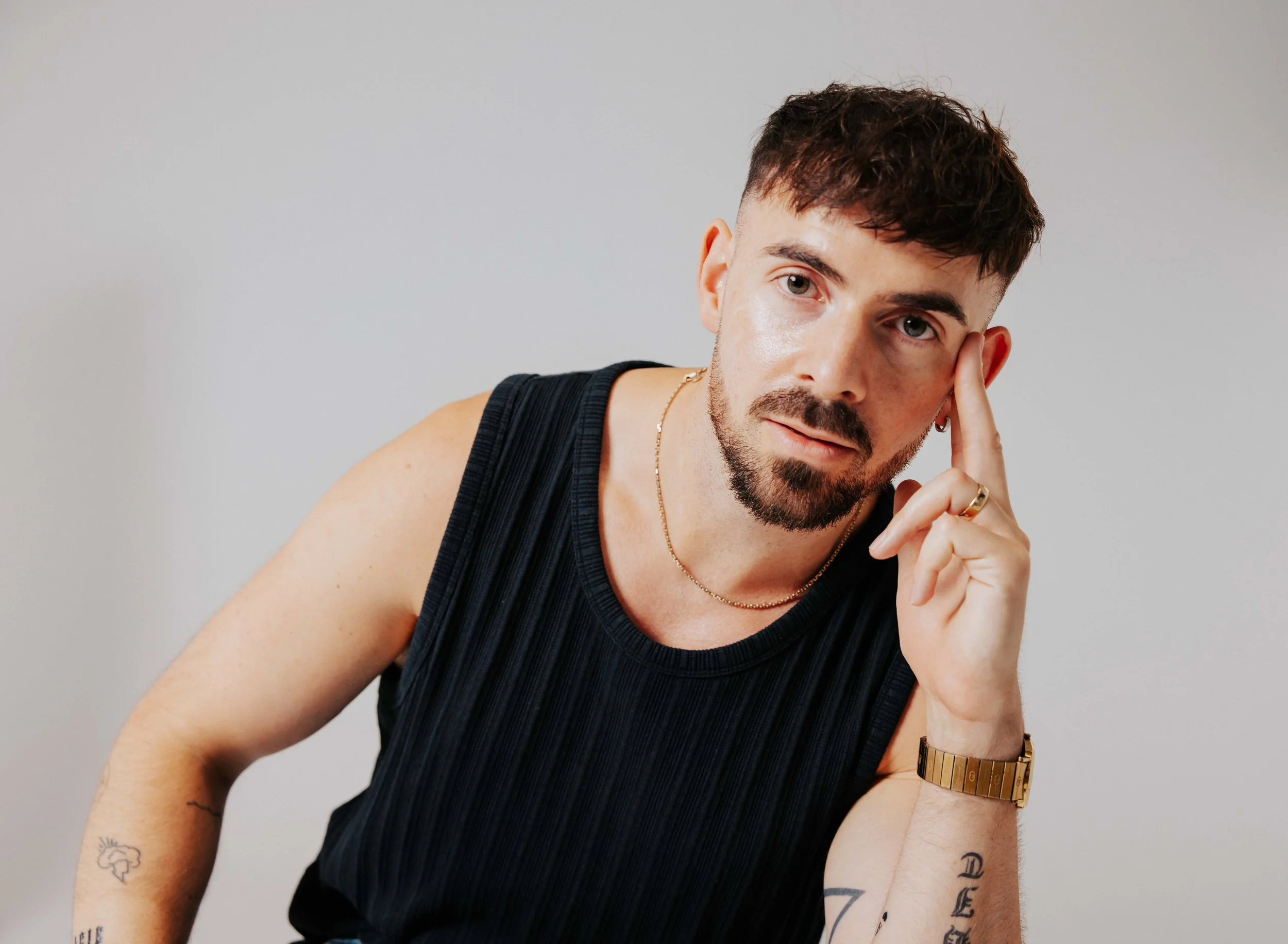
Patrick Topping
Nella tua carriera emerge una forte etica del lavoro. C’è stato un momento preciso in cui hai capito che il talento da solo non sarebbe bastato? E come hai imparato a gestire pressione, aspettative e continuità nel tempo?
Ho sempre dovuto lavorare sodo in tutto: dalla scuola al college fino all’università.
Non sono mai stato un talento naturale, ma ho sempre passato molto tempo in biblioteca, e penso che sia stata proprio quella disciplina, soprattutto durante la laurea, che poi ho applicato alla produzione musicale.
Allo stesso tempo, la musica e questa carriera sono la mia passione, quindi mi viene naturale diventarne ossessionato.
Questo non significa che a volte non sia un lavoro molto duro: potrei lavorare 24 ore su 24, 7 giorni su 7 su questa carriera se volessi. A volte devo costringermi a staccare, ma deriva tutto dalla passione.
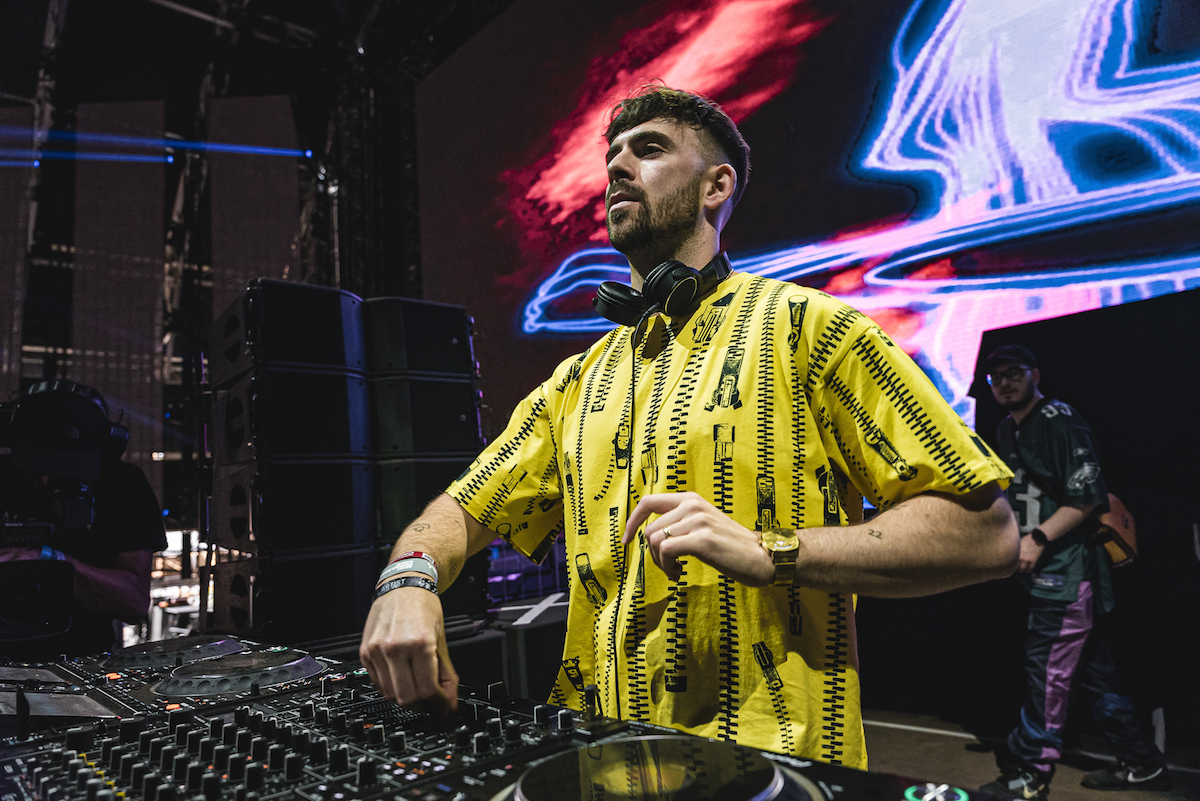
Patrick Topping
Ibiza sembra aver avuto un ruolo fondamentale nella costruzione della tua identità artistica, non solo come luogo in cui suonare ma come vero riferimento culturale. Cosa rappresentava per te all’inizio e cosa rappresenta oggi, dopo aver visto quanto la scena sia cambiata?
La prima volta che sono andato a Ibiza è stato nel 2001 con mia madre, quando avevo 12 anni, ma la mia prima vera vacanza dedicata al clubbing lì è stata nel 2009 con quella che allora era la mia ragazza, oggi mia moglie.
È stato proprio quel viaggio a farmi venire voglia di diventare un DJ. Ero già appassionato di quella musica, per questo siamo andati a Ibiza, ma vivere un’isola così fortemente centrata sulla musica mi ha fatto innamorare ancora di più della musica stessa, della scena e di Ibiza.

Ricordo di aver pensato che dovevo andare a Ibiza ogni singolo anno della mia vita, perché era lì che si trovava la musica. Però era molto costosa, anche allora, e pensai: “L’unico modo per potermi permettere di venire qui ogni anno è diventare un DJ.” Fortunatamente è esattamente quello che è successo.
Ibiza oggi è ancora molto importante per me. Quest’estate suonerò circa 15-20 volte sull’isola, quindi è il posto in cui suonerò più che in qualsiasi altra parte del mondo quest’anno.
La vedo ancora come la destinazione musicale più importante per un pubblico globale e misto.
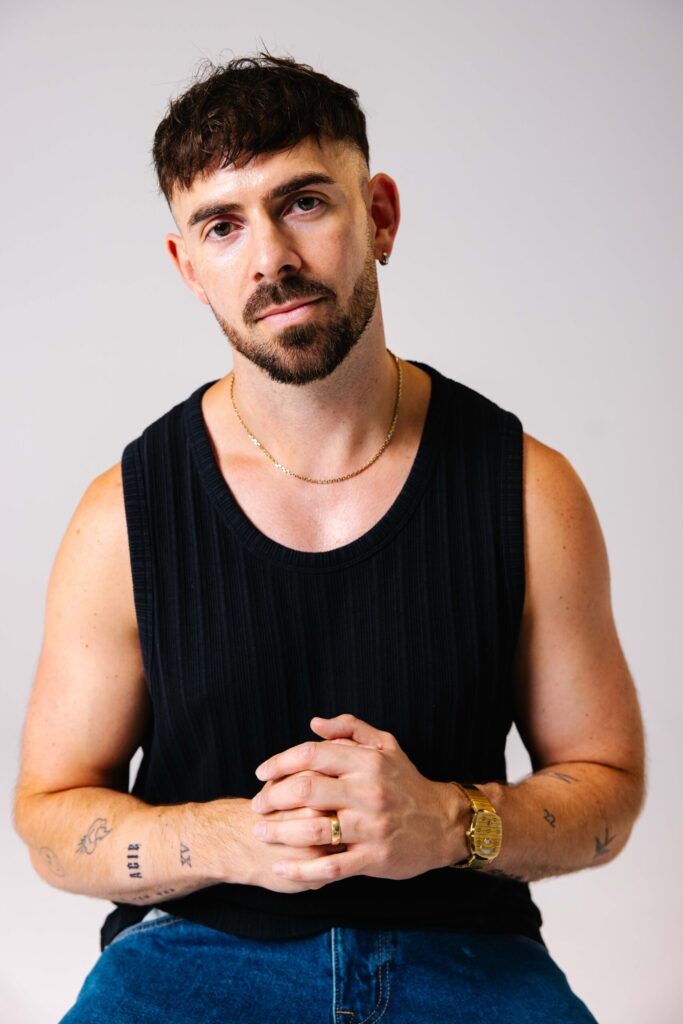
Patrick Topping. © Fonte: Ufficio Stampa
In una vecchia intervista hai citato la makìna come uno dei generi che hanno influenzato la tua crescita musicale. È una scena molto localizzata, ma evidentemente ha lasciato un segno forte nel tuo percorso. Che impatto ha avuto su di te e come convive oggi con la parte più house e techno del tuo sound?
Sì, la makìna è qualcosa che mi piace dai tempi della scuola. In effetti è molto bello vedere che quest’estate ci sarà una serata makìna unica all’Amnesia.
È un sound con cui ho sperimentato ogni tanto, ma al momento non è qualcosa che sto suonando.
Ho sempre suonato principalmente house e techno, ma per alcuni anni inserivo occasionalmente tracce più veloci. Ora sono tornato a concentrarmi sulla house.

Patrick Topping. © Fonte: Ufficio Stampa
Hai ricevuto il premio come “Best British DJ”. Al di là del riconoscimento in sé, quanto cambia il modo in cui percepisci te stesso e le aspettative legate al tuo nome?
Che ci crediate o no, anche dopo aver ricevuto quel premio ho avuto molti momenti di dubbio su me stesso e sindrome dell’impostore.
Non sto dicendo che questo premio sia l’antidoto a tutto ciò, perché non lo è affatto, ma alcune volte mi ha dato rassicurazione e fiducia nel fatto che sto facendo alcune cose nel modo giusto.
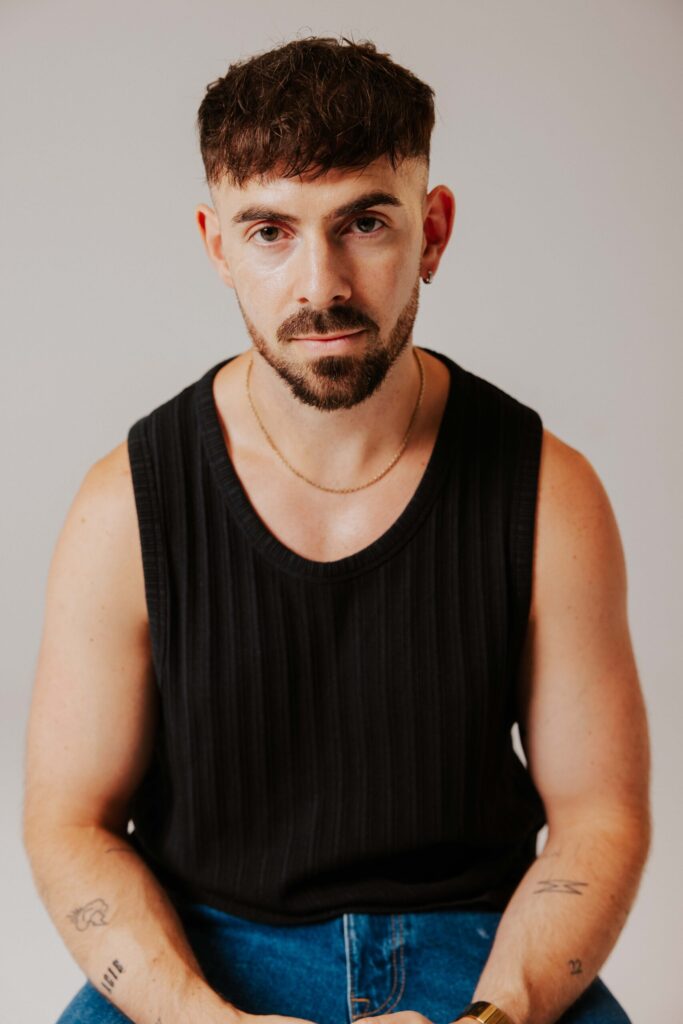
Patrick Topping. © Fonte: Ufficio Stampa
La tua label sembra più un’estensione del tuo linguaggio artistico che una semplice piattaforma di release. Che identità stai cercando di costruire attraverso questo progetto?
Al momento il sound è concentrato sulle fondamenta di ciò per cui è principalmente conosciuta – e anch’io – cioè tech house e house, ma mantenendo un approccio eclettico all’interno di quel sound.
Quindi può essere più disco, più minimale, più melodico e così via, ma niente che venga da generi esterni a quel mondo: sempre vario, ma dentro una direzione chiara.

Patrick Topping. © Fonte: Ufficio Stampa
Il tuo nome è cresciuto anche grazie a release e collaborazioni importanti. Una delle più significative è sicuramente quella con Green Velvet. Cosa ti ha insegnato lavorare con un artista di quel livello?
Curtis (Jones, in arte Green Velvet, ndr) è una leggenda assoluta, un artista davvero unico e una grande persona. Lavorare con lui così presto nella mia carriera ha dato una spinta enorme alla mia immagine e ha aiutato a dare peso a ciò che stavo facendo.
Mi ha insegnato molto, ma la prima cosa che mi viene in mente è quanto sia proattivo nell’organizzare le release: non lascia tutto ai manager, ma comunica direttamente da artista ad artista su date di uscita, artwork, direzione e così via.
Patrick Topping
Parliamo di “Love Me”, la tua nuova release su Metamorfosi Records. Le due tracce sembrano due lati della stessa visione: “Love Me” più intima e melodica, “Here We Go” più diretta, energica e influenzata dall’acid. Le hai pensate fin da subito come complementari oppure quel legame è nato dopo?
Sono state realizzate separatamente e ho mandato a Joseph quattro demo: lui ha scelto queste due.
Speravo che scegliesse proprio loro, perché pensavo si completassero bene a vicenda, mostrando entrambi i lati della house: luce e oscurità. Deve aver pensato la stessa cosa.
Patrick Topping
Metamorfosi Records ha un’identità molto precisa, costruita attorno alla visione di Joseph Capriati. Cosa ti ha fatto pensare che fosse il contesto giusto per questa release in questa fase della tua carriera?
Prima di tutto, Joseph è uno dei miei artisti preferiti, quindi automaticamente l’idea di una collaborazione mi sembrava molto bella. Ma c’è anche una storia dietro, legata al fatto che lui ha sempre suonato la mia musica.
La prima volta che ho saputo che aveva suonato una mia traccia è stato nel 2014 con “Ge Beasty”. Poi, più tardi nello stesso anno, è diventato virale un video di lui che suonava “Forget” sulla Terrace dell’Amnesia durante Music On, cosa che ha aiutato a spingere ancora di più quella traccia.
Poi nel 2019 ha suonato “Watch What Ya Doing”, che era electro techno folle, e nel 2022 stava suonando “Keep On Moving”, cosa che mi ha sorpreso positivamente perché non è necessariamente una traccia che ti aspetteresti da lui.
È sempre stato molto aperto e disponibile verso la mia musica. Magari ci sono altre tracce che ha suonato e di cui non sono a conoscenza: mi piace pensarlo.
All’inizio del 2025 ho deciso di non suonare più hard dance e verso la fine dell’anno ho pensato che fosse arrivato il momento di pubblicare anche su altre label, dato che ero stato esclusivo di Trick sin dal suo inizio nel 2019. Il motivo era mostrare a un pubblico più ampio che ero tornato a fare tech house.
Così ho pubblicato su Solid Grooves, Hellbent e poi Metamorfosi mi è sembrata il passo successivo perfetto – e fortunatamente a Joseph queste tracce sono piaciute.
ENGLISH VERSION
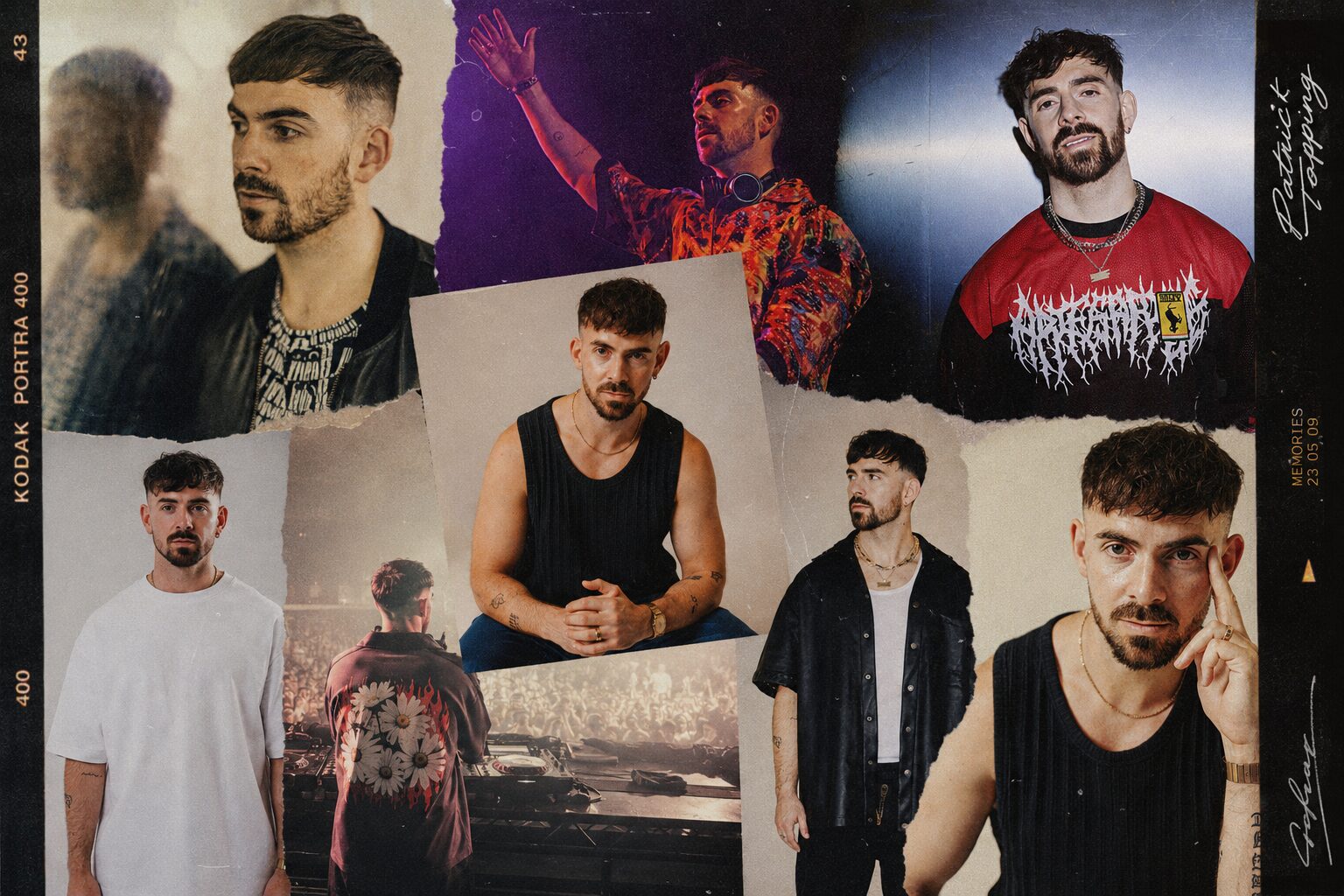
The story behind the spotlight. Patrick Topping tells us what truly lies behind the numbers and recognition of being named “Best British DJ.” Because reaching certain heights requires humility, dedication, sacrifice, and above all, the determination to achieve your goals.
When we were offered the chance to interview Patrick Topping, it immediately felt like a rare opportunity.
Partly because he’s not the kind of artist who gives himself away that easily, but also because we’re talking about the guy – before even the artist – who earned the title of “Best British DJ.”
I expected thoughtful answers, of course, but still delivered with that typically British composure: open yet reserved, detailed yet never completely vulnerable. Instead, Patrick Topping gave himself to our microphones entirely.
What emerged wasn’t just the more human side of the artist, but above all his fragility. This interview touches on passion, success, imposter syndrome, work obsession – nothing predictable, nothing superficial.
And yet, all of it feels essential to understanding why Patrick Topping is considered one of the most important electronic artists of the contemporary scene.
Hi Patrick, welcome to Parkett. Before the clubs, festivals, and releases, there’s always a moment when music stops being something you simply listen to and becomes something personal. Do you remember the first track, record, or sound that made you realize music would play a central role in your life?
For me, it wasn’t a specific track, but more an experience. It was the first time I went to a real underground dance club to see a DJ.
It was the legendary Tall Trees in England, and Eddie Halliwell was playing that night. That’s when I truly fell in love with dance music.
Your journey started with an early musical education, especially through piano, before moving into electronic music. What parts of that more “classical” background still influence the way you build tracks or shape your sets today?
I took piano lessons for a short time while I was at school, but I stopped and forgot almost everything. So when I started making electronic music years later, my approach was much more punk: no real attention to music theory, just working on a screen with a mouse. That’s basically how I’ve always produced music.
In 2018, I started taking piano lessons again and studied for four years, which definitely improved my production skills. But these days I’m back to mainly using the mouse.
Still, learning piano again helped me better understand melody instead of relying purely on instinct. Ironically, some of my biggest streaming records were made when I barely knew any music theory at all.
You’ve spoken about studying minimal techno during your time at Point Blank. Looking back, what was the most valuable thing you took from that experience: technical skills, discipline, or a different way of listening to music?
It gave me a strong understanding of the basics of Logic, because DAWs can be incredibly complex and intimidating at first.
The structure of the course helped me build a solid foundation, which I then developed through experimentation, computer music magazines, and early YouTube tutorials.
Back then those tutorials were nowhere near as good as they are now. These days there are literally videos explaining how to sound like me, which is crazy to think about.
There’s a strong work ethic running through your career. Was there a moment when you realized talent alone wouldn’t be enough? And how did you learn to deal with pressure, expectations, and consistency over time?
I’ve always had to work hard at everything, from school to university. I was never naturally gifted, but I spent a huge amount of time studying, especially during university, and I think that discipline later translated directly into music production.
At the same time, music and this career are my passion, so it’s easy for me to become obsessed with it. That doesn’t mean it isn’t hard work, because it definitely is.
I could spend 24 hours a day working on this if I wanted to. Sometimes I actually have to force myself to step away, but that comes from how passionate I am about it.
Ibiza seems to have played a major role in shaping your artistic identity, not just as a place to perform, but as a cultural reference point. What did it represent to you at the beginning, and what does it represent today after seeing how much the scene has evolved?
The first time I went to Ibiza was in 2001 with my mum when I was 12, but my first real clubbing trip there was in 2009 with my girlfriend at the time, who’s now my wife. That trip was what truly made me want to become a DJ.
I was already into the music, which is why we went there in the first place, but experiencing an island completely centred around music made me fall even deeper in love with the scene and with Ibiza itself.
I remember thinking I needed to come back every single year because that’s where the music was.
But even back then it was expensive, and I remember thinking the only way I’d ever be able to afford coming every year was by becoming a DJ. Thankfully, that’s exactly what happened.
Ibiza is still hugely important to me today. This summer I’ll probably play around 15 to 20 times across the island, so it’ll be the place where I perform more than anywhere else in the world.
I still see it as the most important musical destination for a global audience.
In a previous interview, you mentioned makìna as one of the genres that influenced your early development. It’s often considered a very localized scene, but it clearly left a mark on you. What kind of impact did it have, and how does it coexist today with the more house and techno-oriented side of your sound?
Yeah, makìna is something I’ve been into since I was at school. It’s actually really cool to see there’s going to be a one-off makìna night at Amnesia this summer.
It’s a sound I’ve explored from time to time, but right now it’s not something I’m playing.
I’ve always mainly played house and techno, although for a few years I was dropping the occasional faster track. At the moment, though, I’m fully focused on house again.
You were awarded “Best British DJ.” Beyond the recognition itself, how does an accolade like that affect the way you see yourself and the expectations attached to your name?
Believe it or not, even after winning that award, I’ve still gone through a lot of moments of self-doubt and imposter syndrome.
I’m not saying an award like that fixes those feelings, because it definitely doesn’t, but there have been moments where it’s reassured me and reminded me that I must be doing some things right.
Your label feels less like a simple platform for releases and more like an extension of your artistic identity. What kind of direction are you trying to build through it?
At the moment the sound is focused around what both the label and I are mainly known for, which is house and tech house, while still keeping things eclectic within that world.
So it can lean more disco, more minimal, more melodic, and so on, but always staying within a defined lane rather than moving into completely different genres.
Your profile has also grown through important collaborations and releases. One of the most significant is definitely your work with Green Velvet. What did collaborating with an artist of that stature teach you?
Curtis is an absolute legend, a completely unique artist and also a great person. Working with him so early in my career gave me a huge boost and added credibility to what I was doing.
He’s taught me a lot, but one thing that immediately comes to mind is how proactive he is when it comes to organizing releases. He doesn’t just leave everything to management.
He’s directly involved in conversations with artists about release dates, artwork, creative direction, and all those details.
Let’s talk about “Love Me,” your latest release on Metamorfosi Records. The two tracks feel like two sides of the same language: “Love Me” is more intimate and melodic, while “Here We Go” feels more direct, energetic, and acid-driven. Were they conceived as complementary tracks, or did that connection emerge later?
They were actually made separately. I sent Joseph four demos, and he picked those two.
I was hoping he would choose them because I felt they worked really well together, showing both sides of house music: light and dark. He must have felt the same way.
Metamorfosi Records has a very distinct identity shaped by Joseph Capriati’s vision. What made you feel this was the right home for this release at this point in your career?
First of all, Joseph is one of my favourite artists, so the idea of collaborating with him already felt exciting. But there’s also a history there because he’s been supporting my music for years.
The first time I heard he played one of my tracks was in 2014 with “Ge Beasty.”
Later that same year, a video of him playing “Forget” on the Amnesia Terrace during Music On went viral, and that pushed the track even further.
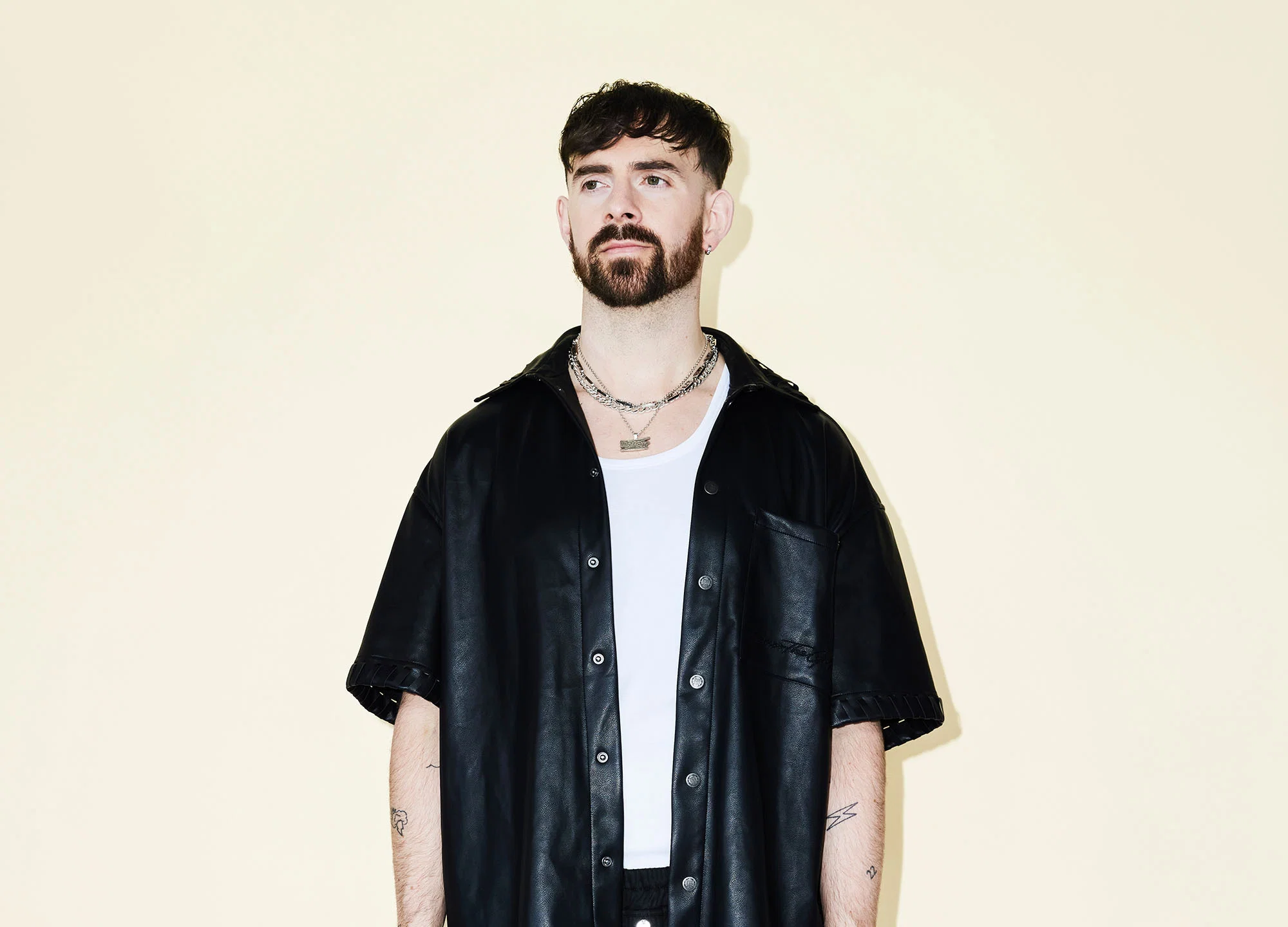
Then in 2019 he played “Watch What Ya Doing,” which was a pretty wild electro techno record, and in 2022 he started playing “Keep On Moving,” which surprised me because it’s not necessarily the type of track you’d expect him to play.
He’s always been very open-minded and supportive towards my music. Maybe there are other tracks of mine he’s played without me even knowing. I’d like to think so.
At the beginning of 2025, I decided to stop playing hard dance music, and by the end of the year I felt it was time to start releasing on other labels again after being exclusive to Trick since 2019.
The goal was to show a broader audience that I was back focusing on tech house. So I released music on Solid Grooves and Hellbent, and then Metamorfosi felt like the perfect next step. Luckily, Joseph really connected with these tracks.