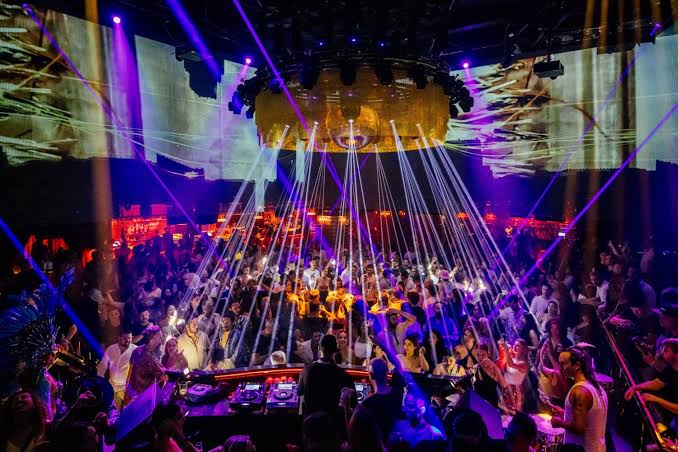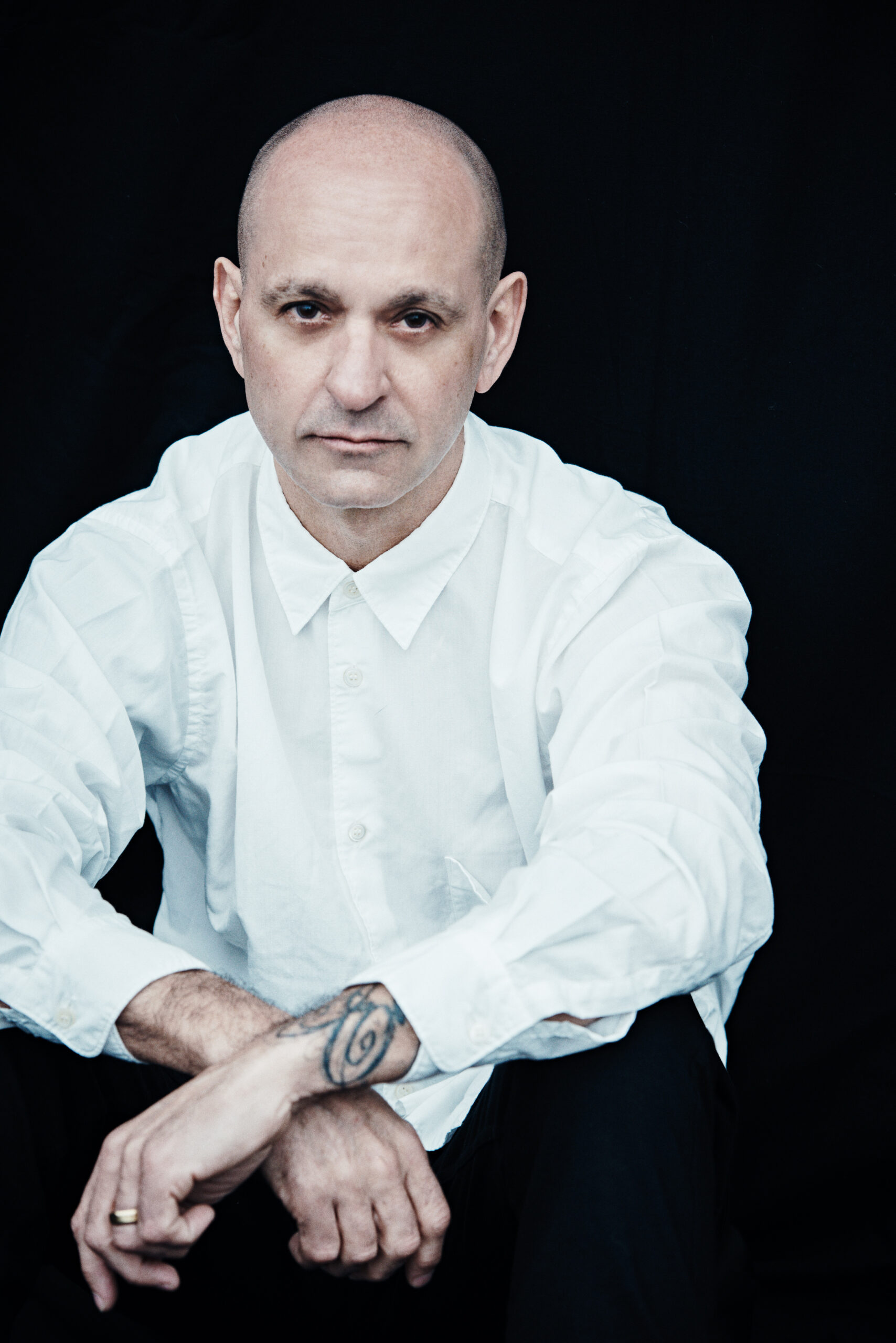

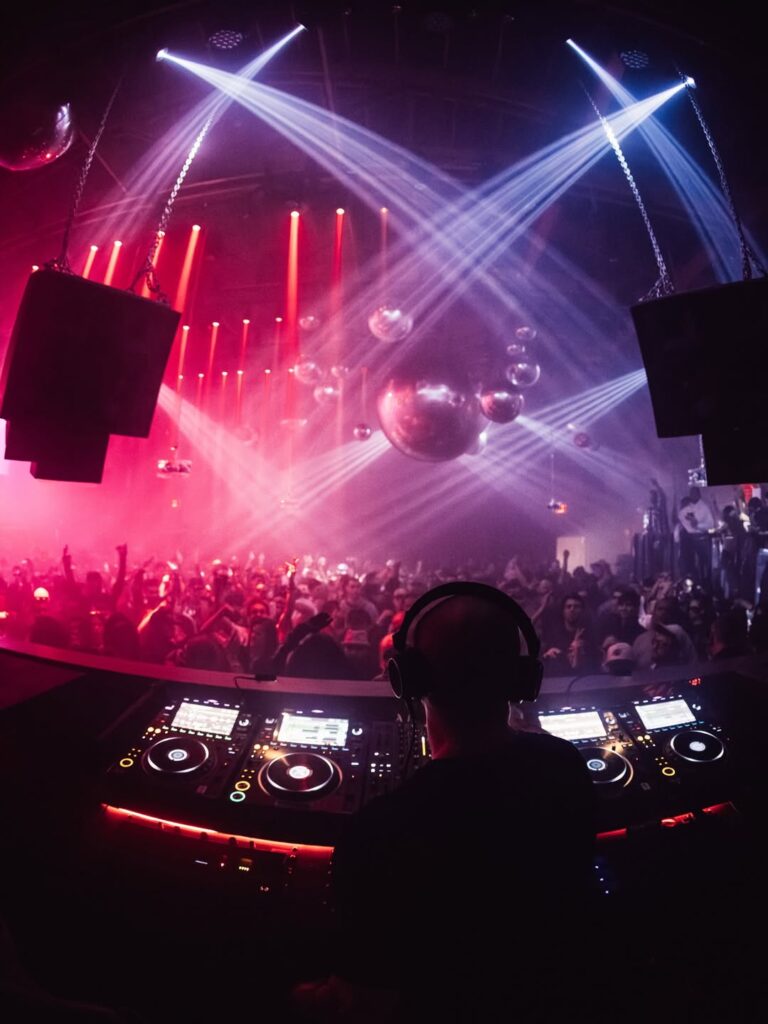
Victor Calderone in occasione della nuova residence MATTER al Refuge NYC ci ha raccontato il suo percorso artistico tra l’altro eredità del clubbing newyorkese e il significato profondo dell’essere DJ oggi.
Figura centrale e imprescindibile della nightlife newyorkese, Victor Calderone incarna da oltre trent’anni l’evoluzione stessa del clubbing: un artista capace di attraversare epoche, linguaggi e trasformazioni rimanendo sempre fedele a una visione profondamente personale del dancefloor.
Cresciuto a Bensonhurst, Brooklyn, e formatosi tra vinili e notti infinite grazie all’influenza del fratello Cesar, Calderone ha costruito un percorso che lo ha portato dalle prime produzioni nei primi anni ’90 fino alla conquista delle classifiche Billboard con “Give It Up”, senza mai smettere di ridefinire il proprio suono.
La sua firma è diventata globale anche attraverso remix iconici per superstar come Madonna, Whitney Houston e Depeche Mode, ma è nei club che Calderone ha scritto le pagine più importanti della sua storia.
Dalle residenze leggendarie al Roxy, Pacha e Crobar, dove ha dato vita al visionario progetto Evolve, celebre per i suoi set fiume da 12-16 ore fino all’approdo a una dimensione techno più profonda e contemporanea, supportata da figure chiave come Carl Cox e Richie Hawtin, il suo percorso è rimasto costantemente guidato da una tensione verso la ricerca e l’innovazione.
La nuova residence mensile al Refuge NYC segna un ulteriore capitolo di questo viaggio: non solo un ritorno alla centralità del DJ come guida narrativa della notte, ma anche una riaffermazione di quella tradizione tutta newyorkese fatta di relazioni durature tra artista e pubblico, nel solco tracciato da pionieri come Larry Levan e Danny Tenaglia.
Con il rilancio della sua etichetta MATTER+, Calderone guarda anche al futuro, creando connessioni con una nuova generazione di artisti e clubber.
In questa intervista, realizzata in occasione del nuovo ciclo MATTER al Refuge NYC, Calderone riflette sul significato contemporaneo dell’essere DJ: non solo selezionatore o performer, ma interprete sensibile della pista, custode di un’energia collettiva che richiede rispetto, dedizione e ascolto.
Ne emerge il ritratto di un artista che, pur avendo lavorato con alcuni dei nomi più grandi della musica mondiale, continua a mettere al centro l’umiltà, quella qualità invisibile ma essenziale che trasforma un set in un’esperienza condivisa e memorabile.
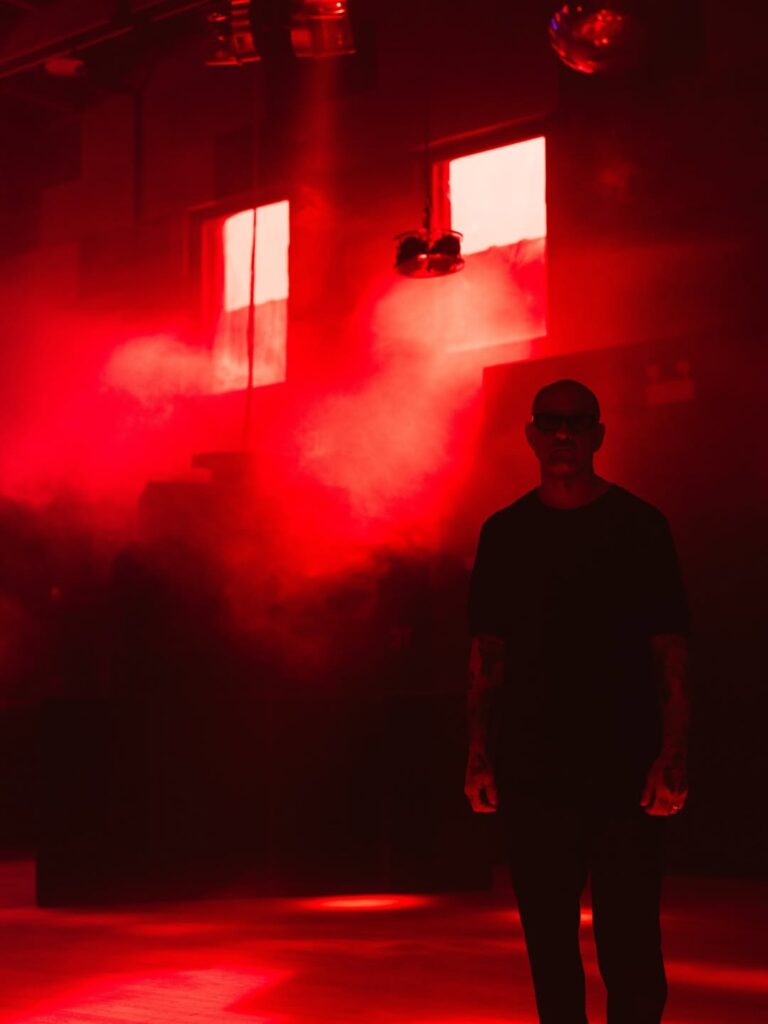
Benvenuto su Parkett, Victor. Con “MATTER” proponi un ritorno radicale all’essenziale, eliminando spettacolo ed eccessi. In un’epoca in cui il clubbing è spesso pensato per essere visto più che vissuto, cosa ti ha spinto verso questa scelta così netta?
Dopo 30 anni ho visto le piste cambiare completamente. C’è stato un tempo in cui le persone arrivavano presenti, aperte, pazienti. Era un viaggio. Oggi vedo DJ suonare per i social più che per la sala davanti a loro. I gimmick vendono biglietti—questa è la realtà—e i promoter prenotano ciò che vende, non ciò che muove davvero le persone.
Questo cambiamento mi ha riportato all’essenziale. Non come reazione, ma come rifiuto. So di cosa sono capaci quelle stanze e non mi interessa fingere che oggi sia la stessa cosa.Non è qualcosa di radicale, è un riallineamento personale. Non voglio togliere energia, ma riportare l’attenzione dove deve stare: sul suono, sulla sala e sulla connessione tra le persone.
La tua carriera attraversa oltre tre decenni di evoluzione della musica elettronica. Qual è stato il momento in cui hai capito che il tuo linguaggio artistico stava cambiando?
Non c’è stato un momento preciso, è stato graduale. Ho iniziato a sentire una disconnessione quando mi sono reso conto che c’erano più rumore e hype e meno profondità. Ho sentito il bisogno di tornare a costruire, di prendermi il tempo in modo onesto. Non era reinventarsi, ma tornare a qualcosa che già conoscevo.
Le residence storiche, da Larry Levan a David Mancuso, hanno definito intere epoche. Cosa significa oggi portare avanti quella continuità culturale?
Significa proteggere l’intenzione, non copiare l’estetica o rivivere quel periodo. Quelle residence non erano definite solo da chi suonava, ma da come si viveva la sala: tempo, pazienza, fiducia. Oggi vuol dire creare spazi dove questo è ancora possibile, dove il DJ costruisce qualcosa nel tempo. Refuge ha questo potenziale.
La tua nuova residence al Refuge NYC sembra costruita su profondità e durata. Che tipo di relazione vuoi creare con il pubblico?
Fiducia. È tutto lì. Se il pubblico si fida, puoi portarli ovunque. Ma non succede in una notte, si costruisce. Voglio che sia qualcosa che costruiamo insieme, non una transazione. Qualcosa che cresce e si approfondisce nel tempo.
Suonare per 12 ore significa attraversare cicli emotivi complessi. Come gestisci l’energia senza perdere tensione narrativa?
Non lo tratti come un set di 12 ore, ma come una progressione in capitoli. Ci sono momenti in cui spingi, altri in cui rallenti e altri ancora in cui resetti la sala. La chiave è il controllo del tempo e la misura. Se rispetti l’arco, la tensione arriva da sola.
Quanto spazio lasci all’errore o all’imprevisto? Un momento “sbagliato” può diventare parte del viaggio?
Deve esserci spazio. È uno dei motivi per cui ho smesso di usare Traktor: era troppo perfetto. Se è tutto perfetto, non è umano. A volte un errore apre qualcosa di inaspettato. Il disco sbagliato al momento giusto può cambiare tutto. L’unico vero errore è non prestare attenzione.
Il sistema REX è un ambiente sonoro immersivo. Ti adatti o lo sfidi?
Prima lo rispetti. Ha una voce forte e può affaticare. Devi capirlo, poi puoi spingerlo quando serve. Se lo sfidi subito, perdi la sala.
In uno spazio più intimo e orientato all’ascolto, come cambia il dialogo con il dancefloor?
Diventa più onesto. Sono più me stesso. Non ci sono distrazioni. È meno performance e più ascolto reciproco. È una conversazione continua.
Hai vissuto diverse epoche della nightlife di New York. Cosa manca oggi?
La pazienza. Prima si restava, si ascoltava, si lasciava evolvere. Oggi è tutto immediato. Ma la pazienza costruiva cultura e comunità. Senza, restano momenti, non movimenti.
MATTER sembra opporsi alla fruizione veloce. Il pubblico è ancora disposto a esperienze lunghe?
Il pubblico giusto sì. Non è per tutti. Ma c’è chi cerca qualcosa di più profondo perché tutto il resto è diventato usa e getta.
Dopo una carriera così lunga, cosa guida le tue scelte oggi?
Chiarezza e istinto. Non voglio fare tutto, solo le cose giuste. Se contesto, spazio e tempo non sono allineati, preferisco non farlo.
Dove ti vedi tra cinque anni?
Ancora a costruire, ma con intenzione. Espandere questo progetto in altre città, mantenendo la stessa filosofia. Non più grande, ma più profondo. Basato su fiducia e libertà.
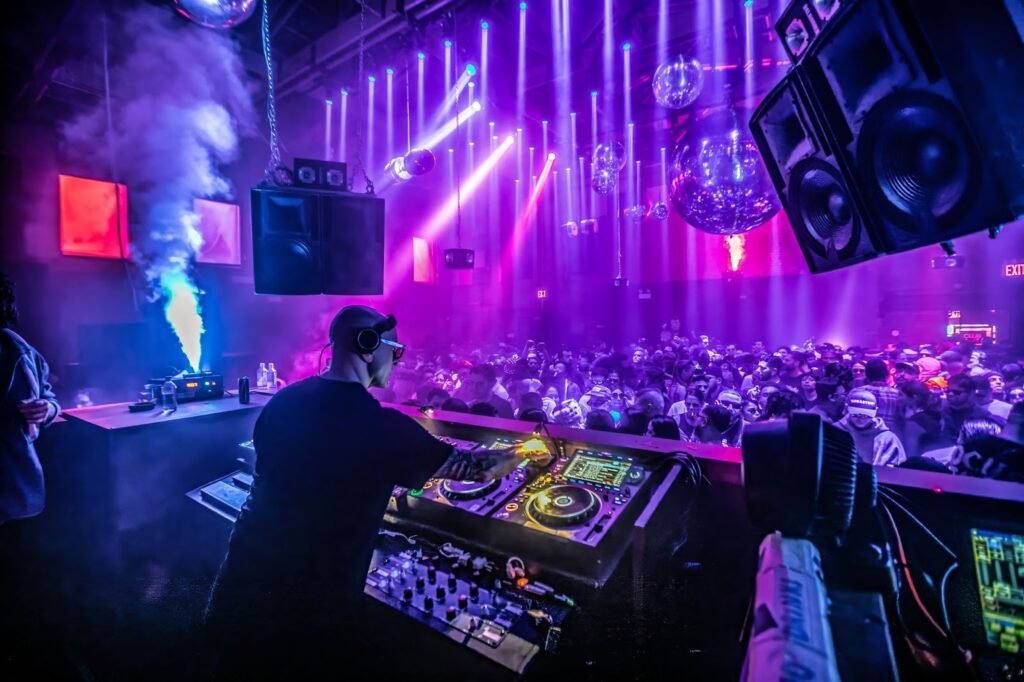
ENGLISH VERSION
Victor Calderone, on the occasion of his new MATTER residency at Refuge NYC, shared insights into his artistic journey, the legacy of New York club culture, and the deeper meaning of what it is to be a DJ today.
A central and indispensable figure in New York nightlife, Victor Calderone has embodied the evolution of club culture for over three decades: an artist capable of moving across eras, languages, and transformations while remaining deeply rooted in a personal and uncompromising vision of the dancefloor. Raised in Bensonhurst, Brooklyn, and shaped by vinyl records and endless nights under the influence of his brother Cesar, Calderone built a career that took him from early ’90s productions to chart success on Billboard with “Give It Up,” all while continually redefining his sound.
His signature has also reached a global audience through iconic remixes for superstars such as Madonna, Whitney Houston, and Depeche Mode, yet it is within the club environment that Calderone has written the most defining chapters of his story.
From legendary residencies at The Roxy, Pacha, and Crobar, where he developed the visionary Evolve project, known for its marathon 12–16 hour sets, to a later shift toward a deeper, more contemporary techno sound supported by key figures like Carl Cox and Richie Hawtin, his path has consistently been driven by curiosity, reinvention, and forward momentum.
The new monthly residency at Refuge NYC marks another chapter in this journey: not only a return to the DJ’s central role as narrative guide of the night, but also a reaffirmation of a distinctly New York tradition built on long-term relationships between artists and dancefloors, in the lineage of pioneers such as Larry Levan and Danny Tenaglia. With the relaunch of his MATTER+ imprint, Calderone is also looking ahead, building bridges with a new generation of artists and clubbers.
In this interview, conducted on the occasion of the MATTER series at Refuge NYC, Calderone reflects on what it truly means to be a DJ today: not simply a selector or performer, but a sensitive interpreter of the dancefloor, a steward of collective energy that demands respect, dedication, and deep listening. What emerges is the portrait of an artist who, despite having worked with some of the biggest names in global music, continues to place humility at the center of his practice—the invisible yet essential quality that transforms a set into a shared and lasting experience.
Welcome to Parkett, Victor. With “MATTER,” you’re proposing a radical return to essentials—stripping away spectacle and excess. In an era where clubbing is often designed to be seen rather than felt, what pushed you toward such a clear, deliberate choice?
After 30 years I’ve watched rooms transform completely. There was a time when people came present, open, and patient. It was about the journey. Now I watch DJs play for the social media moment instead of the room in front of them. Gimmicks sell tickets, that’s the reality, and promoters book what moves units, not what moves people. That shift is what pushed me back to essentials. Not as a reaction, as a refusal.
I know what those rooms are capable of. I’m not interested in pretending what’s happening now is the same thing.This isn’t radical. It’s a realignment for me personally. I’m not trying to remove energy or excitement. I’m trying to bring the attention back to where it belongs. The sound, the room, and the connection between people inside it.
Your career spans more than three decades of electronic music evolution. What was the defining moment when you realized your artistic language was shifting in a new direction?
It wasn’t one moment. It was gradual. I started to feel a disconnect when I realized I was surrounded by more noise, more hype, and less depth. I found myself wanting to go in a different direction, to build again, to take my time in a way that felt honest. That shift wasn’t about reinventing myself, it was about returning to something I already understood.
Historic residencies, from Larry Levan to David Mancuso, helped shape entire eras. What does it mean today to carry forward that kind of cultural continuity?
It means protecting the intention behind it, not copying the aesthetic or trying to relive that era. Those residencies weren’t just defined by who played them, but by how they approached the room. Time, patience, trust. Carrying that forward today means creating spaces where that approach is still possible. Where the DJ isn’t just filling a slot, but shaping something over time. Refuge has that potential, a place where people show up already understanding what it’s really about.
Your new residency at Refuge NYC feels built around depth and duration. What kind of long-term relationship are you looking to build with the crowd?
Trust. That’s the whole thing. If the crowd trusts you, you can take them anywhere. But that doesn’t happen in one night. It builds over time. I want it to feel like something we’re building together. Not a transaction. Not a one-off moment. Something that grows, evolves, and gets deeper the more you show up.
Playing for 12 hours means navigating complex emotional cycles. How do you structure the energy of a set that long without losing narrative tension?
You don’t treat it like a 12-hour set. You treat it like a progression. Multiple chapters that connect and evolve in real time. There are moments where you push, moments where you pull back, moments where you almost reset the room. The key is pacing and restraint. Not giving everything too early. If you respect the arc, the tension lands naturally.
In a time frame like that, how much room do you leave for mistakes or unexpected turns? Can a “wrong” moment become part of the journey?
There has to be. It’s the reason I stopped using Traktor years ago. It was too exact and mechanical. If everything is too perfect it’s not human, it’s not alive. Sometimes what feels like a mistake opens up something unexpected. The wrong record at the right time can shift the room in a way you didn’t plan. How you recover is what defines you. The only real mistake is not paying attention.
The REX system is designed as a fully immersive sonic environment. When you step into a space with such a strong identity, do you adapt to the system—or challenge it?
You respect it first. A system like that has a very powerful voice, and it’s easy to fatigue a crowd with it. You need to understand how it responds, what it gives you, what it doesn’t. Once you’re inside that, then you can push it when you feel the moment calls for it. But if you try to fight it from the start, you lose the room.
Compared to large-scale festivals, a more intimate, listening-focused space changes the dynamic. How does your dialogue with the dancefloor evolve in that setting?
It becomes more honest. I’m more myself. There’s nowhere to hide. No distractions. You feel everything more clearly, and so do they. In that kind of space, it’s less about performing and more about feeling and listening. You’re in constant conversation with the room.
You’ve lived through multiple eras of New York nightlife. What’s something that no longer exists today that you feel was essential to club culture?
Patience. People used to be present, stay, listen, and allow for things to unfold. Now everything is immediate and performative. But patience wasn’t just a quality, it was the thing that built culture and community. Without it you get moments, not movements. Everything starts to feel the same because nothing has time to become anything real.
MATTER seems to push back against speed and the fast consumption of music today. Do you think audiences are still willing to commit to long-form, immersive experiences?
The right ones are. It’s not for everyone, and that’s fine. But there’s a group of people who are craving something deeper because everything else has become so disposable. You don’t build this for everyone. You build it for the people who can feel the difference.
After such a long career, what drives your decisions today—curiosity, instinct, discipline developed over time?
Clarity and instinct. I’m not interested in doing everything anymore. I’m interested in doing the right things. After 30 years I know what I need to deliver something real: the right room, the right context, the right time to build something. When those things aren’t aligned I’m not serving anyone, including the crowd. I’d rather do less and mean it than fill a slot and leave nothing behind.
Looking ahead, where do you see yourself Victor Calderone in five years—both as an artist and as a figure within club culture?
Still building, but with intention. I want to take what we’re creating at Refuge and extend it. Other cities, other rooms, but with the same foundation. Not bigger for the sake of being bigger. Deeper, more refined, more connected to the people who understand it. Something built on trust and freedom. That’s the only version worth building.