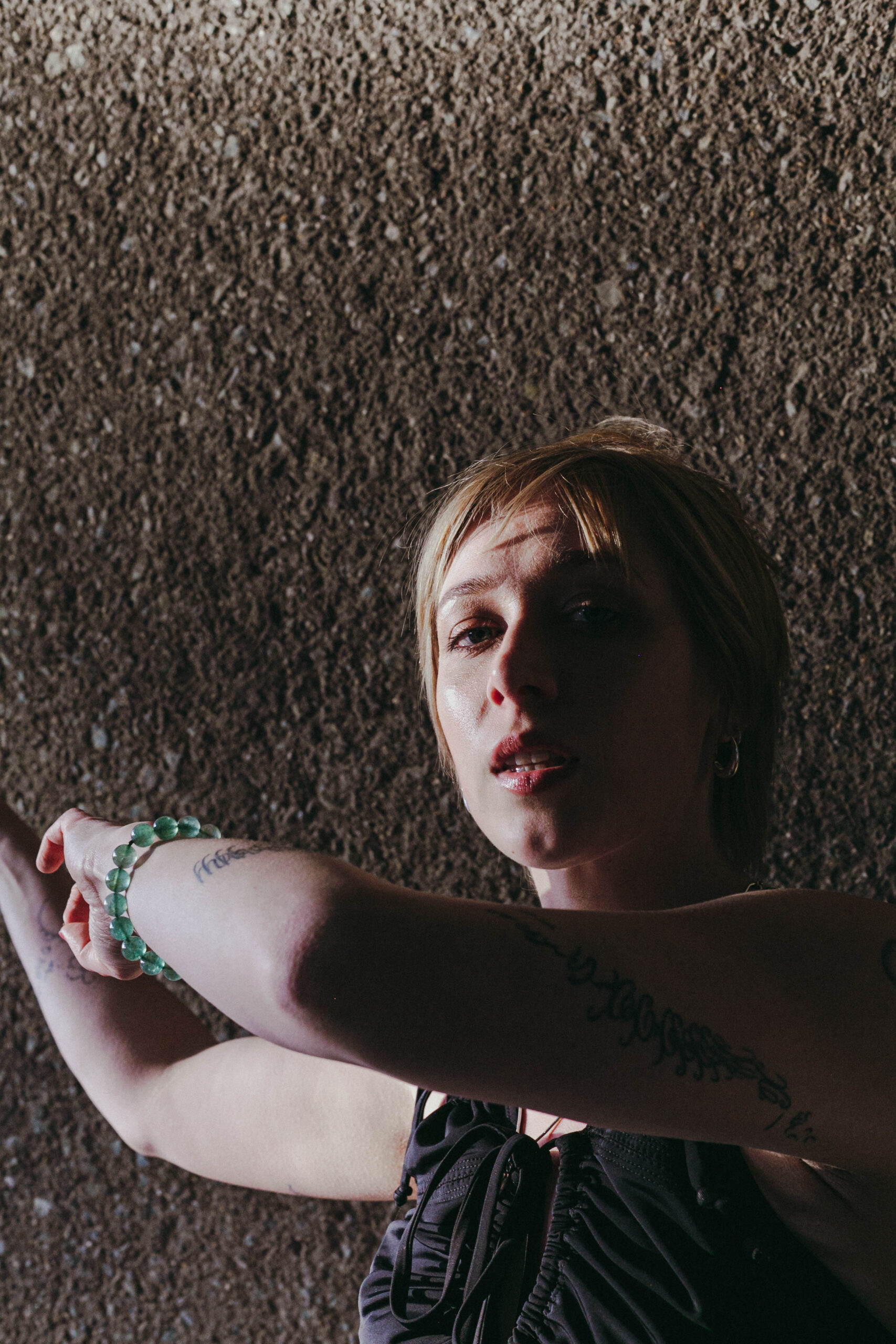

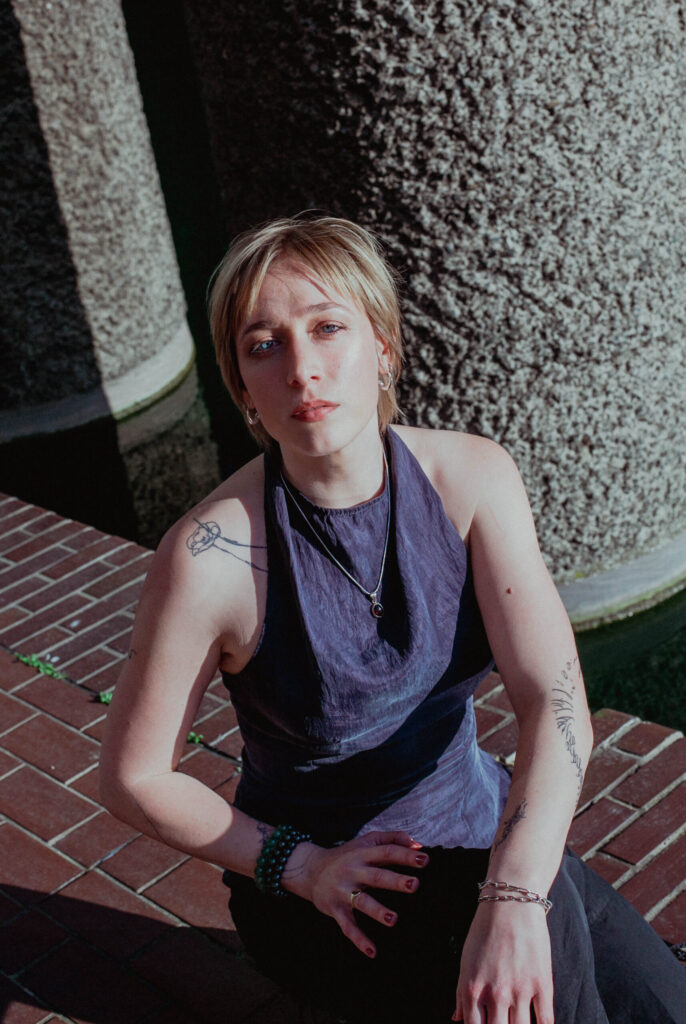
Zara si racconta su Parkett in occasione dell’ uscita dell’ Ep “4th Arc” su Spazio Disponibile di Donato Dozzy e Neel lo scorso 27 marzo.
Zara è una delle voci più affascinanti della nuova elettronica sperimentale. Nata in Australia e oggi di base a Londra, la DJ, producer e fondatrice dell’etichetta Kinesis disegna nel suo sound paesaggi sonori che attraversano techno, trance, drum’n’bass e psichedelia, fondendo introspezione emotiva e tensione ipnotica.
Cresciuta tra rave immersi nella natura e la scena underground di Naarm/Melbourne, ha sviluppato una visione della club culture profondamente legata alla comunità, alla libertà espressiva e alla ricerca sonora fuori dai confini convenzionali.
Dopo una serie di release su label come Amenthia, Animalia e Pure Space, Zara ha recentemente debuttato su Spazio Disponibile, l’etichetta fondata da Donato Dozzy e Neel, con il nuovo EP “4th Arc”. In questa intervista abbiamo parlato del disco, delle nuove frontiere della musica sperimentale, del rapporto tra creatività e intelligenza artificiale e della crisi che sta attraversando oggi la community del clubbing contemporaneo.
Ciao Zara, benvenuta su Parkett. Il tuo percorso è iniziato tra gli immensi paesaggi australiani e i rave illegali immersi nella natura: quali immagini sonore di quelle esperienze risuonano ancora oggi nel tuo lavoro?
Grazie per avermi invitata, è un piacere essere qui sul canale.Il mio percorso è effettivamente iniziato suonando ai rave organizzati da amici nella natura. Erano eventi estremamente DIY, ma anche i dancefloor più pieni d’amore e felicità che abbia mai vissuto.
È difficile descrivere quanto le immagini sonore di quelle esperienze siano impresse nella mia mente, ma c’è un momento a cui torno sempre: il tramonto in quei contesti. Il cambiamento della luce mentre il buio avanza e la polvere si solleva, il synth risonante che attraversa il mix e avvolge il dancefloor in una sensazione di tensione, attesa ed eccitazione per la notte che sta per iniziare.
Quei momenti influenzano ancora profondamente i miei DJ set di oggi, perché cerco sempre di ricreare quella sensazione di tensione e rilascio costruendo atmosfere e ritmiche che esplodano poi in un’ondata di energia o euforia. È un percorso piuttosto progressivo e cerebrale: cerco di accompagnare i dancer attraverso una gamma di stati d’animo ed emozioni in un modo che, si spera, abbia un senso.
Il tuo debutto su Spazio Disponibile arriva dopo una serie di uscite su etichette molto diverse tra loro: cosa ti ha attratta verso questo progetto e cosa senti di aver portato in questo contesto che per te è nuovo o diverso?
In realtà è stata proprio la diversità sonora ad attirarmi verso Spazio. Ammiro il modo in cui Donato, Pepe e l’etichetta non siano vincolati a un genere o a un BPM specifico: c’è spazio per half-time, ambient deep techno e praticamente tutto ciò che sta nel mezzo. Ogni release sembra nuova ed entusiasmante, sempre proiettata in avanti, ma allo stesso tempo unita da quel filo comune che definirei la “magia” di Spazio.Per
Per quanto riguarda ciò che ho portato di nuovo o diverso, questo EP rappresenta una sorta di consolidamento del mio suono e la chiusura di un cerchio. È stato realizzato nell’arco di due o tre anni, in contesti differenti, mentre il mio percorso artistico prendeva nuove direzioni: lasciare casa, suonare nei club e nei festival europei. È un richiamo al mio primo EP, ma allo stesso tempo celebra la mia evoluzione, soprattutto il mio percorso live e il modo in cui il mio sound si è trasformato oggi: profondo, trascinante, ipnotico ed etereo.
Spazio Disponibile è profondamente legata alla visione di Donato Dozzy e Neel: com’è stato confrontarti con loro e il loro approccio ha influenzato il lavoro su questo EP?
Lavorare con Spazio è stato piuttosto surreale. Io e Donato siamo entrati in contatto in modo totalmente casuale, quando lui ha suonato un brano del mio primo EP, Di Plastica, all’Inner Varnika nell’aprile 2023. Ho conosciuto Neel più tardi quello stesso anno, quando ho suonato uno dei miei primi gig europei allo showcase di Spazio Disponibile durante l’ADE. Il giorno dopo li ho visti entrambi improvvisare live allo STOOR.Ovviamente vedere e confrontarmi con artisti che rispetto profondamente ha avuto un’enorme influenza nella costruzione di questo EP.Dopo
Dopo quel primo weekend mi sentivo molto ispirata, e infatti ho scritto Orb sul treno di ritorno dall’ADE, il lunedì stesso. A un livello più personale, capire quanto Donato e Pepe siano persone equilibrate, pazienti e gentili mi ha influenzata molto: mi ha insegnato ad avere pazienza nel creare la musica giusta, assicurandomi che il mio suono e la mia personalità emergessero davvero.
“Plastique (Live Version)” introduce una forte dimensione performativa: quanto la tua pratica live influenza le produzioni in studio? Le consideri due spazi separati o parte dello stesso processo?
Iniziare a suonare live verso la fine del 2024 ha influenzato parecchio il mio lavoro in studio, perché ha introdotto una nuova attenzione alla funzionalità sul dancefloor, un aspetto su cui prima non mi concentravo davvero. Vedere come certe idee si traducano così direttamente sulla pista e poterle modificare osservando la reazione delle persone mi ha aiutata molto nella produzione.
In generale, però, considero queste due pratiche abbastanza separate, perché le mie produzioni in studio fanno molto uso di VST e risultano più astratte, cambiando profondamente in base all’ambiente in cui mi trovo e al mio stato mentale.
Per il momento ho messo in pausa i live set techno, ma spero presto di tornare con un live ambient!
Attraverso Kinesis sei attiva anche come curatrice e organizzatrice: cosa hai imparato assumendo un ruolo che contribuisce direttamente a plasmare una scena?
Come label head e curatrice ho imparato che è fondamentale capire cosa si sta facendo e perché lo si sta facendo. In un mondo dominato dal consumo di massa, credo sia importante aggiungere qualcosa di diverso al panorama musicale, che si tratti di superare certi confini o di esplorare nuovi suoni.
Ho anche imparato che curare e organizzare comporta una responsabilità. Credo che questa responsabilità, autoimposta o meno, sia quella di opporsi ai suoni dominanti o agli squilibri di genere presenti nella musica elettronica.
Gestisco la serie di mix e i listening event di Kinesis da quasi quattro anni e, anche se avrei voluto farlo prima, non mi sentivo pronta a pubblicare una release fino a due anni fa. Principalmente perché volevo comprendere meglio il processo discografico e capire come avrei voluto essere trattata durante una pubblicazione, così da creare un processo sicuro e confortevole per gli artisti con cui collaboro.
Ma credo che, per me, l’aspetto più importante in tutto, musica, release, mix, concerti, sia quello umano. La musica è qualcosa di estremamente personale per moltissime persone, e voglio che quell’esperienza si senta intima e supportata, soprattutto quando è nuova per qualcuno o quando lo spinge a esplorare parti più sperimentali di sé.
Si parla molto della trasformazione, o persino della crisi, della club culture: secondo te cosa manca oggi al senso di comunità sul dancefloor e cosa invece è evoluto in meglio?
Non sono del tutto sicura che manchi davvero qualcosa al senso di comunità sul dancefloor. Piuttosto, credo che questa trasformazione o “crisi” rifletta la trasformazione e la crisi che il mondo sta vivendo oggi.L’arte e la musica, in particolare, riflettono gli eventi sociali e politici contemporanei. Che piaccia o no, la musica è intrinsecamente politica sotto molti aspetti. Se pensiamo a ciò che è successo dal COVID in poi — crescente instabilità globale e aumento estremo del costo della vita — tutto questo ha influenzato il modo in cui le persone spendono per la musica e per il clubbing, mettendo sotto pressione soprattutto i venue.
In quest’ottica è difficile dire che manchi qualcosa al senso di comunità sul dancefloor: le persone dell’underground sono appassionate e straordinarie come sempre.
È molto triste vedere i club sotto pressione, ma forse un’evoluzione positiva di questo cambiamento potrebbe essere una rivalutazione del modo in cui produciamo e consumiamo musica elettronica. E spero che questa riflessione possa creare un futuro che sostenga meglio sia gli artisti sia i venue, così da preservare la cultura elettronica underground. Quindi credo che un possibile aspetto positivo sia il rinnovato focus su club e festival indipendenti e underground che uniscono le persone attraverso valori comunitari e passioni condivise.
La musica sperimentale e ambient sembra vivere una nuova fase di visibilità: quali aree o direzioni ritieni ancora poco esplorate?
Le producer e gli artisti FLINTA provenienti da background culturali e musicali molto diversi. C’è ancora tantissimo spazio per dare visibilità a voci che storicamente non ne hanno avuta.
L’intelligenza artificiale entra sempre più spesso nei processi creativi: la vedi come uno strumento utile, un rischio potenziale o semplicemente un’estensione naturale della tecnologia musicale?
Dipende sinceramente da come viene utilizzata nel workflow. L’AI è sempre stata presente nelle DAW e nei VST sotto forma di tecnologia, ma è sempre rimasta sotto il controllo dell’intervento umano. Il pericolo che vediamo oggi è quando l’AI diventa il “cervello”, per così dire, eliminando l’input e il processo decisionale umano. Finché rimane uno strumento e non il creatore stesso, può essere una risorsa preziosa nella musica.
Guardando al futuro Zara, quali sono i tuoi obiettivi immediati e come immagini la prossima fase del tuo percorso artistico dopo questo EP?
Sto lavorando a un album ambient/downtempo per la mia etichetta, Kinesis, insieme ad alcune release per label che ammiro molto. Sto cercando di dedicare più tempo ed energie a Kinesis e di sviluppare anche un live set più orientato all’ascolto :)Nel lungo periodo voglio continuare a suonare in contesti che siano in linea con il mio modo di vedere le cose, creare musica che amo, pubblicare su etichette che rispetto e collaborare con artisti in cui credo
ENGLISH VERSION
Zara opens up in Parkett on the occasion of the release of the EP 4th Arc on Spazio Disponibile, founded by Donato Dozzy and Neel, which came out on March 27.
Zara is one of the most compelling voices in today’s experimental electronic scene. Born in Australia and now based in London, the DJ, producer, and founder of the Kinesis label creates immersive sonic worlds that weave together techno, trance, drum’n’bass, and psychedelia, balancing emotional depth with hypnotic intensity. Raised between raves in the nature in Australia and the underground scene of Naarm/Melbourne, she developed a vision of club culture rooted in community, creative freedom, and a desire to push sound beyond conventional boundaries.
Following a string of releases on labels including Amenthia, Animalia, and Pure Space, Zara recently made her debut on Spazio Disponibile — the imprint founded by Donato Dozzy and Neel, with her new EP “4th Arc”. In this interview, we spoke about the record, the evolving boundaries of experimental music, the relationship between creativity and artificial intelligence, and the challenges facing today’s club culture community.
Hi Zara, welcome to Parkett. Your journey began among the vast Australian landscapes and illegal raves in nature, what kind of sonic imagery from those early experiences still resonates in your work today?
Thank you for having me, it is a pleasure to be on the channel.My journey did indeed begin by playing at raves organised by friends in nature. These were extremely DIY and had the greatest amount of love and happiness I’ve ever experienced on a dancefloor.
It is hard to describe how the sonic imagery from these experiences is ingrained in my mind, but one moment I always return to is the feeling of sunset in these settings. The shifting of light as darkness creeps in and the dust kicks up – the resonant synth punching through the mix, coating the dancefloor in a feeling of tension, anticipation and excitement for the night ahead.
These moments are still very influential for my DJ sets today, as I am always trying to emulate this sense of tension and release through building atmospheres and drums to erupt into a release of energy or euphoria. This journey is somewhat progressive and cerebral as I seek to take dancers through a range of moods and emotions in a way that (hopefully) makes sense.
Your debut on Spazio Disponibile follows a string of releases across quite diverse labels, what drew you to this project, and what do you feel you’ve brought into this context that’s new or different for you?
The sonic diversity is actually what drew me to Spazio in the first place. I admire how Donato, Pepe and the label are so unconstrained by a certain genre or BPM – there is half time, ambient deep techno and almost everything in between. Each release feels new and exciting, always looking forward, but is somehow all drawn together by a common thread of the Spazio magic. In terms of what I have brought that is new or different for me, the EP feels like a consolidation of my sound and the completion of a circle.
It was made over 2 or 3 years in different contexts as my artist journey was taking a different direction, leaving home and playing in European venues and festivals. It is a nod to my first EP, but also honours my evolution, in particular my journey of playing live and how my sound has evolved today – deep, driving, hypnotic and ethereal.
Spazio Disponibile is deeply shaped by the vision of Donato Dozzy and Neel—what was it like engaging with them, and did their approach influence your work on this EP in any way?
It was quite surreal to work with Spazio. Donato and I first came into contact in a very chance way, when he played a track from my first EP Di Plastica at Inner Varnika in April 2023. I met Neel later that year when I played one of my first European gigs at the at the Spazio Disponibile showcase during ADE. The following day I saw them both live jam at STOOR.
Obviously seeing and engaging with artists I deeply respect was hugely influential in the construction of this EP. I left my first weekend feeling very inspired and I made Orb on the train on the way back from ADE that Monday. On a more personal note, understanding how grounded, patient and kind Donato and Pepe are really influenced me to be patient with making the right music, ensuring that my sound and personality shine through.
“Plastique (Live Version)” introduces a strong performative dimension, how much does your live practice inform your studio productions, and do you see those as separate spaces or part of the same process?
Beginning to play live at the end of 2024 was quite influential in my studio productions, as it brought in a new sense of dancefloor function that I never quite focused on before. To see how ideas translate so directly to a dancefloor and be able to tweak and understand these based on how people react, really helped my studio productions. In general, though these practices are quite separate as my studio productions are quite VST heavy and feel a bit more abstract – changing deeply depending on my environment and mental state.
Although for the time being I’ve taken a break from playing live techno sets, I’m hoping to return with an ambient live set soon.
Through Kinesis, you’re also active as a curator and organizer, what have you learned from stepping into a role that contributes directly to shaping a scene?
As a label head and curator, I have learnt it is very important to understand what you are doing and why you are doing it. In a world of mass consumption, I think it’s important to add something different to the musical landscape, be it through pushing boundaries or exploring a new sound.
I have also learnt that with curation and organisation comes responsibility. I think that responsibility (self-imposed or otherwise) is to push against the dominant sound or gender imbalances within electronic music.
I have been running the Kinesis mix series and small listening events for almost 4 years now, and while I wanted to, I did not feel ready to work on a release until 2 years ago. This is mainly because I wanted to understand the label process better myself and learn how I’d like to be treated during the process of releasing music to create a comfortable and safe process for artists that I’m working with.
But really, I think for me the most important thing for anything: music, releases, mixes, gigs, is the personal element. Music is so personal for so many people, and I want that experience to feel very personal and supported, especially if it’s new for some people or you are pushing them to explore more experimental parts of themselves.
There’s a lot of talk about the transformation, or even crisis, of club culture: in your view, what is currently missing from the sense of community on the dancefloor, and what has actually evolved for the better?
I’m not entirely sure that there is anything currently missing from the sense of community on the dancefloor. Rather, I believe the transformation or ‘crisis’ is reflective of the current transformation and crisis of the world.
Art and music, in particular, reflect current social and political events. Whether people like it or not, music is inherently political in many ways. In this vein, if we look at what has happened from COVID onwards: increasing global instability, coupled with an extreme rise in the cost of living, that have impacted how people choose to spend on music and clubbing in particular and has led to stress on venues.
With this in mind, it is hard to think of anything that is missing from the sense of community on the dancefloor – people in the underground are as passionate and amazing as ever.
It is very sad to see venues under pressure, however, perhaps a positive evolution of this shift is a re-evaluation of how we produce and consume electronic music. And hopefully this re-evaluation creates a way forward that better supports both artists and venues to sustain underground electronic music culture. So I guess, a positive outcome of this shift, is a renewed focus on underground and independent clubs and festivals that bring people together through community values and shared passion.
Experimental and ambient music seem to be enjoying renewed visibility, what areas or directions do you feel still remain underexplored?
FLINTA producers and artists coming from a wide range of cultural and musical backgrounds. There is still so much room to support voices who historically haven’t had visibility.
Artificial intelligence is increasingly entering creative workflows, do you see it as a valuable tool, a potential risk, or simply a natural extension of music technology?
It honestly depends on how it is used in workflow! AI has always been technology within DAWs and VST’s, however it has remained under the control of human input. The danger we are seeing now is where AI becomes the ‘brain’, so to speak, and takes out human input and decision-making. So as long as it remains a tool as opposed to the creator itself, it can be a valuable tool in music.Looking
Looking ahead Zara, what are your immediate goals, and how do you envision the next phase of your artistic journey following this EP?
I am working on an ambient/downtempo album for my own label, Kinesis, alongside some releases for some labels I admire. I am trying to put more time and energy into Kinesis and also develop a live set that is more listening-focused :)In the long term, I want to continue to play gigs that align with my ethos, make music that I love and release on labels that I admire, and release with artists who I believe in.