
Il 6 giugno e/tape sarà al PAV di Torino per Presagio Festival, portando il suo inconfondibile tatto per la musica che proviene da culture lontane e tradizioni in dissolvenza, restituendole al presente in un ascolto profondo e trasformativo. Abbiamo fatto quattro chiacchiere con lui.
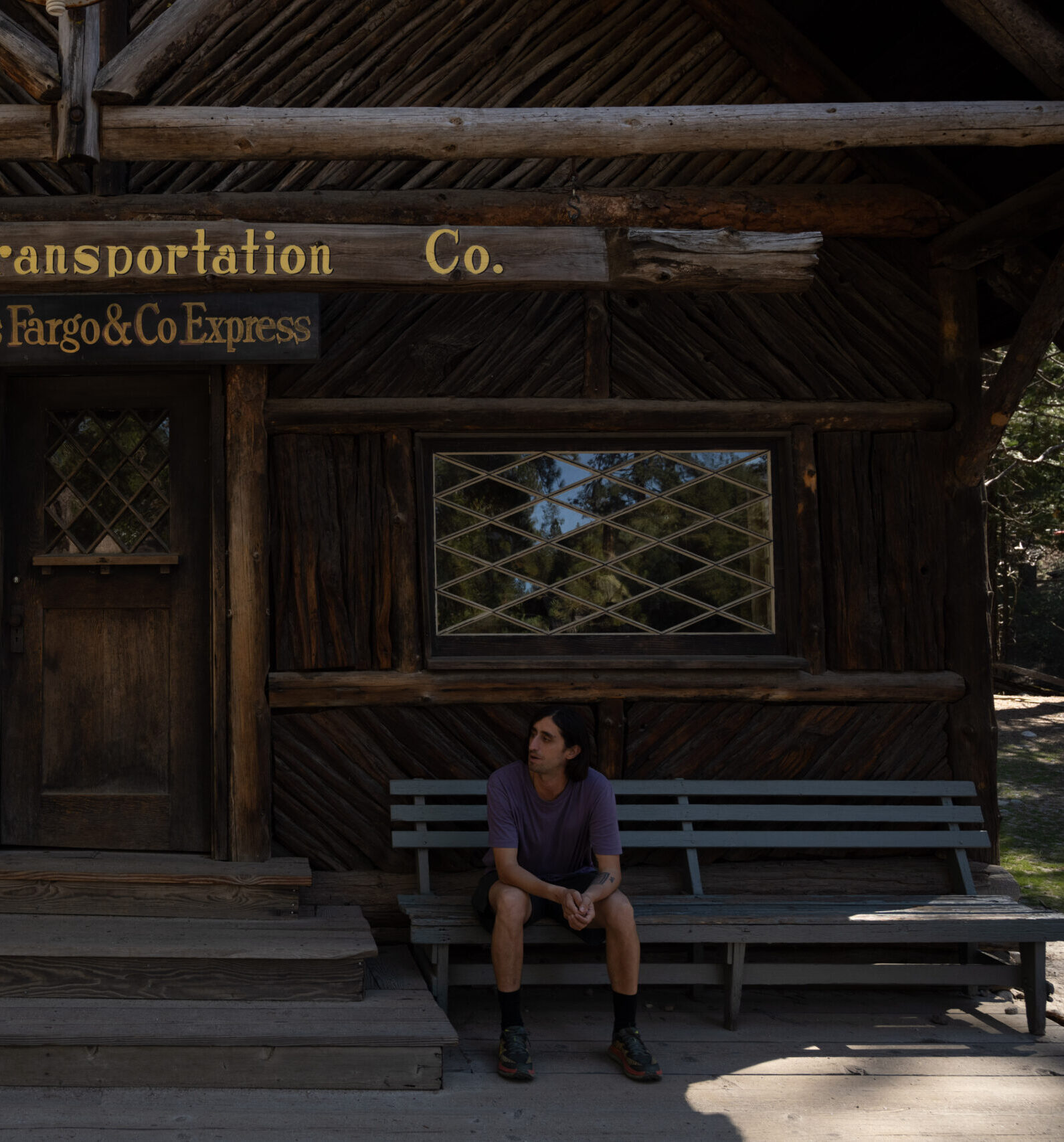
Estratto dal vento che attraversa la campagna di Ibiza, plasmato dall’architettura sonora di Berlino, e/tape ha da sempre abitato il suono come rivelazione, tenendosi lontano da ciò che è la performance fine a se stessa. Archeologo di vibrazioni dimenticate e medium di futuri ancestrali, la sua musica si muove in quella sottile rarefazione dove i confini tra culture e stati di coscienza si dissolvono. Sabato 6 giugno, la sua pratica si incarnerà nel rituale collettivo di Presagio, il festival che trasforma il PAV di Torino in un organismo pulsante tra arte, musica e talk, dove il tempo cesserà di essere lineare. Mentre il verde cresce sulle ceneri dell’industria e l’ombra delle tradizioni esoteriche torinesi si intreccia con i suoni della contemporaneità, e/tape ci accoglie per una conversazione che sembra proprio essere un presagio…
Ascoltare la tua musica è come entrare in un mondo che è allo stesso tempo interiore ed esteriore. C’è un momento specifico della giornata o un particolare tipo di luce che preferisci quando crei questi paesaggi sonori? Il luogo in cui vivi ha un impatto su tutto questo?
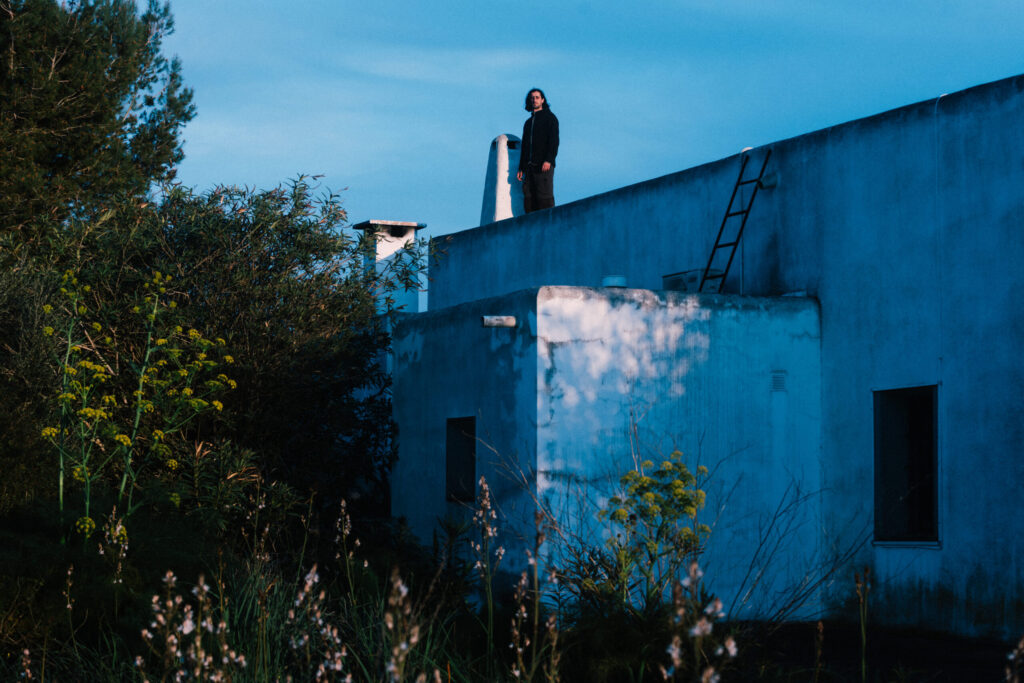
Non credo esista un momento specifico della giornata, cambia molto a seconda dello spazio e del luogo. Dipende anche da dove mi trovo e da quanto tempo ho a disposizione. Passo gli inverni nella campagna di Ibiza, in un ambiente molto silenzioso, e dalla primavera in poi, per il resto dell’anno, vivo a Berlino e viaggio parecchio, dedicando tempo a esplorare ciò che ogni luogo ha da offrire. Questo mi permette da un lato di isolarmi completamente, e dall’altro di assorbire ed esplorare ambienti diversi. Tutto questo gioca un ruolo nel modo in cui ascolto e creo.
Nei tuoi set si percepisce un profondo rispetto per le culture antiche e per i suoni della terra. Quando senti che un suono che hai raccolto è pronto per diventare parte di un mix, parte di una storia più ampia?
Cerco di approcciare qualsiasi materiale con un vero senso di rispetto per le sue origini, essendo consapevole della storia di come le culture sono state trattate e rappresentate. Per me è importante non estrapolare le cose dal loro contesto, ma lasciare che esistano con il loro peso e significato. Un suono si sente pronto quando trova naturalmente il suo posto all’interno di una storia più ampia, spesso in dialogo con le pratiche elettroniche e ambientali degli ultimi decenni. Non direi che sto usando un suono, sto semplicemente dandogli spazio per esistere di per sé.
Ti piacerebbe raccontarci come cerchi la musica?
Non esiste un metodo particolare, di solito riprendo da dove avevo lasciato l’ultima volta e continuo a seguire quel filo. È un processo in corso da più di due decenni.
In qualche modo, la tua musica sembra sempre evocare un’atmosfera molto innocente, quasi malinconica. Ci sono aspetti che senti legare la tua selezione musicale alla tua infanzia?
Tutto nella vita è connesso – passato, presente e futuro – in un modo che va ben oltre i nostri semplici modi di misurare. Vorrei quindi che la musica fosse meno legata alla nostalgia e più all’allinearsi con il presente, onorando il passato.
In una tua intervista passata, hai parlato della musica come “tecnologia predittiva” (XLR8R) e del desiderio di costruire un ponte con culture e tradizioni che stanno scomparendo. Che ruolo pensi possa avere la musica nelle circostanze storiche che stiamo vivendo oggi?
Gli strumenti sono stati inizialmente creati per rituali sacri e per narrare storie, quindi questa idea di riconnettere il suono come forma di conoscenza ed esperienza informa gran parte di ciò che faccio. Attraverso la musica, possiamo dialogare con storie, tradizioni e modi di vivere che stanno lentamente scomparendo. L’idea non è preservare il suono come qualcosa di statico, ma mantenerlo vivo in un contesto contemporaneo. Amo l’idea che la musica vada oltre l’intrattenimento e torni a essere uno strumento di consapevolezza.
Presagio Festival si svolgerà in uno spazio urbano trasformato da ex area industriale in un’oasi verde, dove arte e natura coesistono in armonia. Questo tipo di luogo sembra adatto al tuo sound. Quali sono le tue aspettative per questo evento?
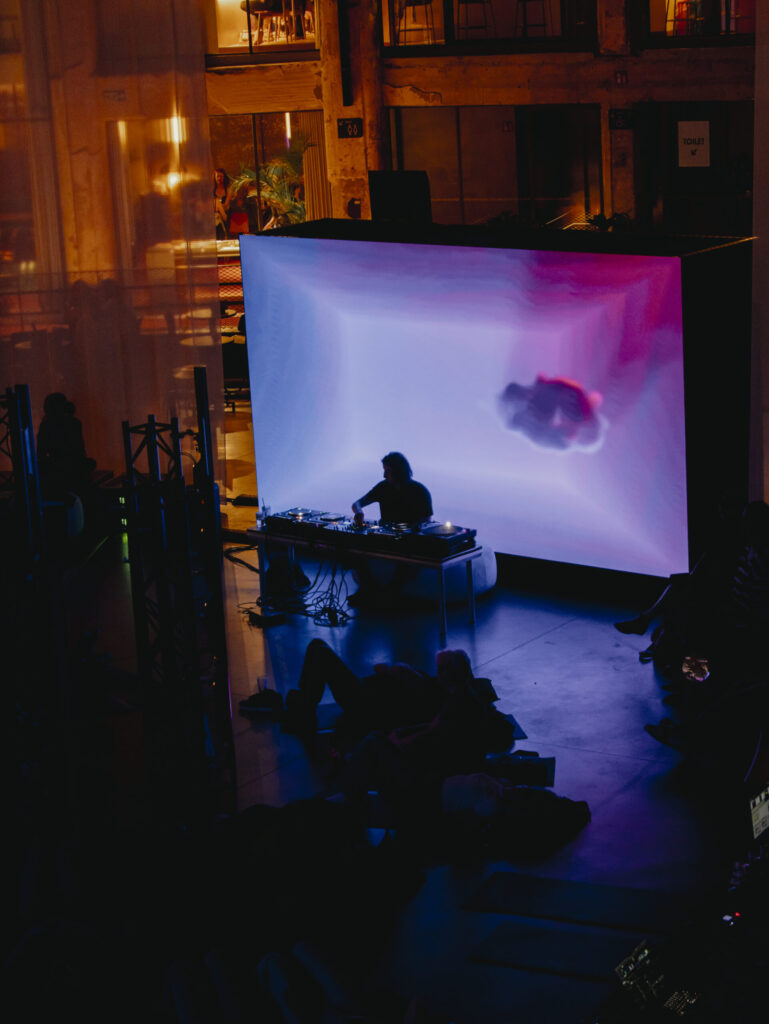
Beh, i giardini si trovano a metà strada tra un paesaggio e un’installazione. Spazi come questi non pretendono una “performance” nel senso tradizionale, ma invitano piuttosto una musica che si fonda con loro. In realtà mi piace quando anche i suoni esterni della città si insinuano; aggiunge un altro strato, come se il pezzo fosse in dialogo con ciò che lo circonda. C’è anche qualcosa di interessante in quel contrasto tra le tracce dell’industria residua e la morbidezza della Viriditas. E conoscere il contesto più ampio di Torino, con la sua lunga associazione al misticismo e alle tradizioni esoteriche, aggiunge un sottile senso di storia nascosta sotto tutto questo.
Parliamo del nome/significato del festival, Presagio. Nel suo manifesto si descrive come un luogo dove “il suono non segue il tempo, ma lo precede”. È una filosofia che sembra esserti molto vicina. Cosa significa per te “presagio” nella musica? È forse quella sensazione di riconoscere un suono che non hai mai ascoltato prima, come l’eco di qualcosa di antico eppure nuovo?
Per me, il “presagio” nella musica è quella sensazione di qualcosa che arriva prima che esista pienamente, come riconoscere un suono che non hai mai sentito, ma che a un livello più profondo ti risulta familiare.
E per concludere, semplicemente, cosa vorresti lasciare e dire a chi ascolta la tua musica e i tuoi suoni?
Ascoltate le persone e i gruppi che sono emarginati, e per favore abbiate rispetto per la vita stessa. Viviamo in un momento molto difficile, e stiamo tutti condividendo lo stesso UNICO pianeta.
I ticket per Presagio Festival sono disponibili cliccando qui
Extracted from the wind that moves through the Ibizan countryside, shaped by Berlin’s sonic architecture, e/tape has always inhabited sound as a revelation, steering clear of performance for its own sake. An archaeologist of forgotten vibrations and a medium of ancestral futures, his music moves through that subtle rarefaction where the boundaries between cultures and states of consciousness dissolve. On Saturday, June 6th, their practice will incarnate into the collective ritual of Presagio, the festival that transforms Turin’s PAV into a pulsating organism of art, music, and talks, where time ceases to be linear. As greenery grows over the ashes of industry and the shadow of Turin’s esoteric traditions intertwines with the sounds of the present, e/tape welcomes us into a conversation that feels, itself, like a presage…
Listening to your music is like stepping into a world that is both internal and external. Is there a specific time of day or a particular kind of light that you prefer when immersing yourself in these soundscapes and creating them? Does where you live have an impact on all of this?
I don’t think there’s a specific time of day, it really shifts depending on the space and place. It also depends on where I am and how much time I have available. I spend winters in the Ibiza countryside in very quiet surroundings, and from spring through the rest of the year I’m based in Berlin and traveling quite a bit, spending time exploring whatever each place has to offer. So that allows me to fully zone out on one side and, on the other, to take in and explore different environments. All of that plays a role in how I listen and create.
In your sets, one can perceive a deep respect for ancient cultures and for the sounds of the earth. When do you feel that a sound you’ve collected is ready to become part of a mix, part of a larger story?
I try to approach any material with a real sense of respect for where it comes from, being aware of the history behind how cultures have been treated and represented. For me, it’s important not to take things out of context, but to let them exist with their own weight and meaning. A sound feels ready when it naturally finds its place within a wider story, often in dialogue with electronic and ambient practices from the past decades. I wouldn’t say I’m using a sound, I’m just giving it space to exist on its own.
Would you like to tell us how you search for music?
There’s no particular method, I usually just pick up where I left off last time and keep following that thread. It’s been an ongoing process for more than two decades.
Somehow, your music always seems to evoke a very innocent, almost melancholic atmosphere. Are there aspects that you feel link your musical selection to your childhood?
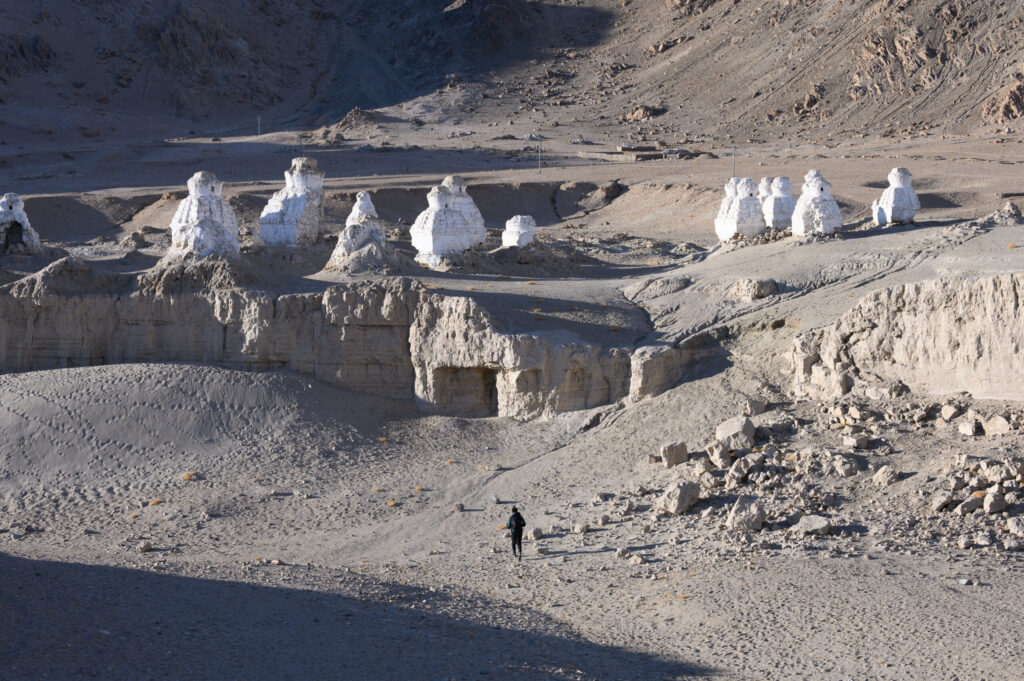
Everything in life is connected, past, present, and future, in a way that is well beyond our simple ways of measuring. I would therefore like the music to be less about nostalgia, and more about aligning to the present while honouring the past.
In your past interview, you’ve spoken about music as “predictive technology” (XLR8R) and about wanting to build a bridge with disappearing cultures and traditions. What role do you think music can play in the historical circumstances we find ourselves in today?
Instruments were initially created for sacred rituals and storytelling, so that sense of reconnecting with sound as a form of knowledge and experience informs much of what I do. Through music, we can dialogue with histories, traditions, and ways of living that are slowly disappearing. The idea is not to preserve sound as something static, but to keep it alive in a contemporary context. I love the idea of music going beyond entertainment and returning to being a tool for awareness.
Presagio Festival will take place in an urban space that has been transformed from a former industrial zone into a green oasis, where art and nature coexist in harmony. This kind of venue seems to be a good fit for your sound. What are your expectations for this event?
Well, the gardens sit somewhere between a landscape and an installation. Spaces like that don’t really ask for a “performance” in the traditional sense, they invite music that blends into them. I actually like when external sounds from the city slip in too; it adds another layer, like the piece is in dialogue with its surroundings.There’s also something interesting in that contrast between the traces of leftover industry and the softness of the Viriditas. And knowing the wider context around Turin and its long association with mysticism and esoteric traditions adds a subtle sense of hidden history underneath it all.
Furthermore, “Presagio” means ‘omen’ in Italian. In its manifesto, the Festival describes itself as a place where “sound doesn’t follow time, it precedes it.” That’s a philosophy that feels very close to you. What does “presage” mean to you in music? Is it perhaps that feeling of recognizing a sound you’ve never heard before, like an echo of something ancient and yet new?
For me, “presage” in music is that feeling of something arriving before it fully exists, like recognizing a sound you’ve never heard, but it feels familiar on a deeper level.
And to wrap things up, simply, what would you like to leave with those who listen to your music and sounds?
Listen to people and groups who are marginalized, and please have respect for life itself. We live in a very difficult moment in time, and we’re all sharing the same ONE planet.