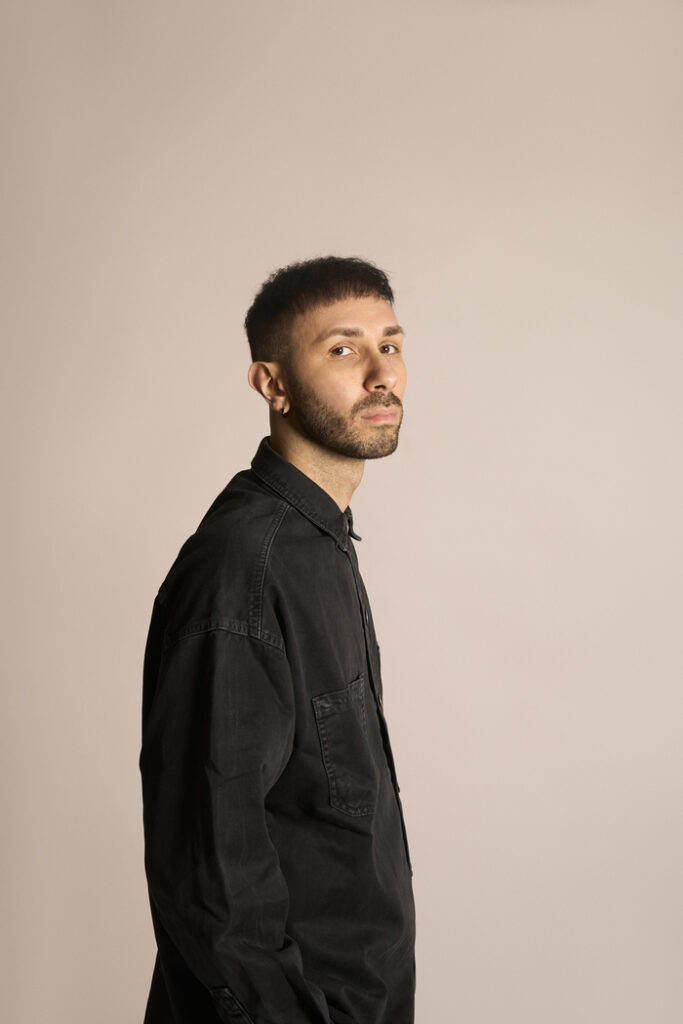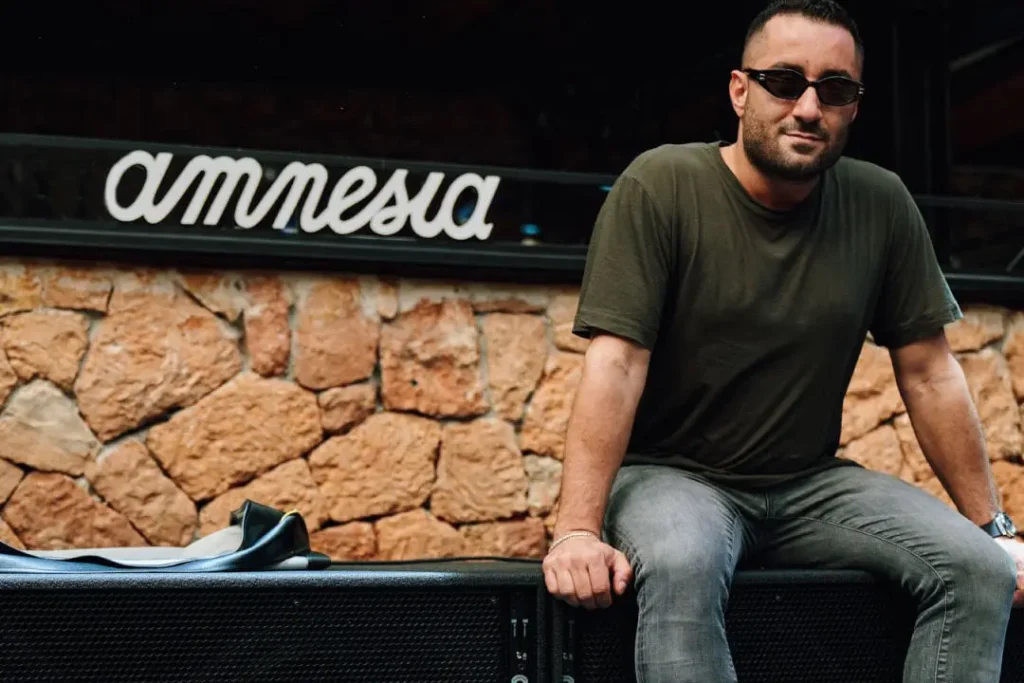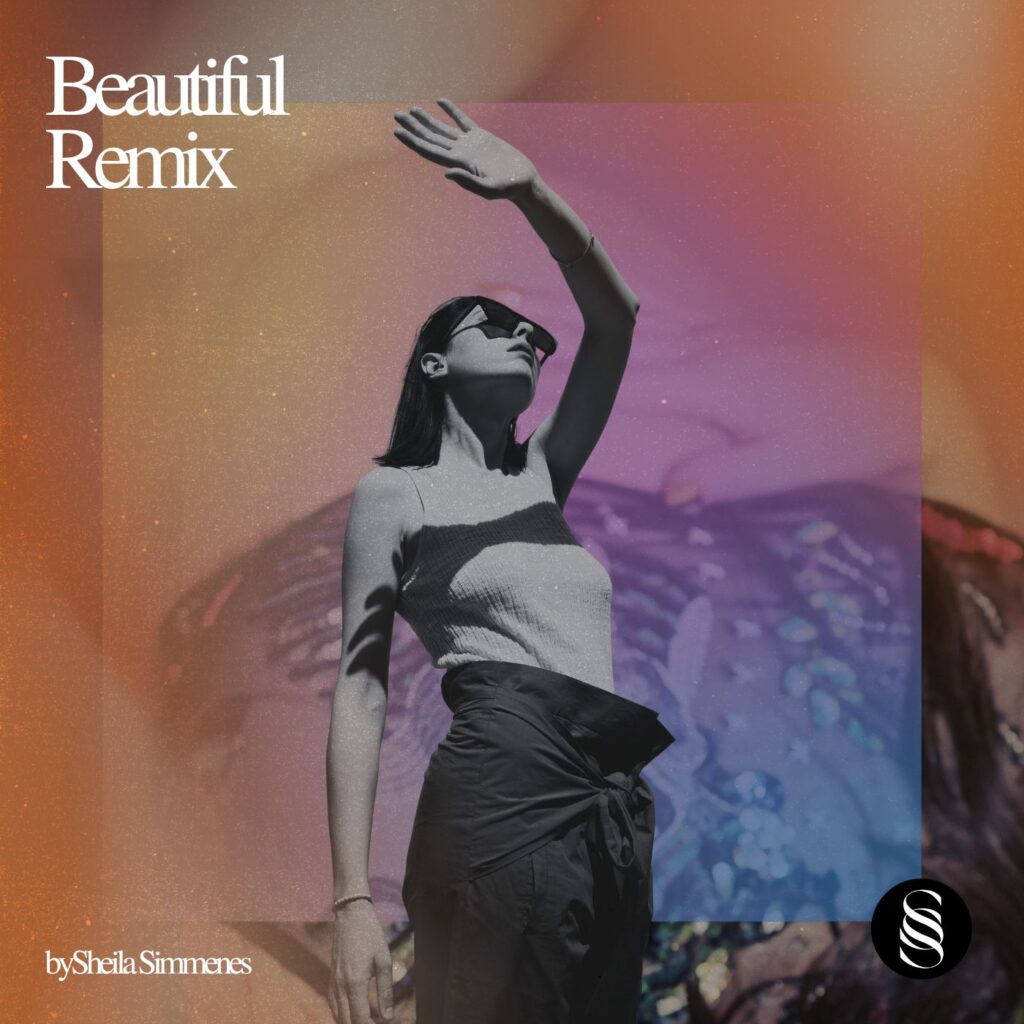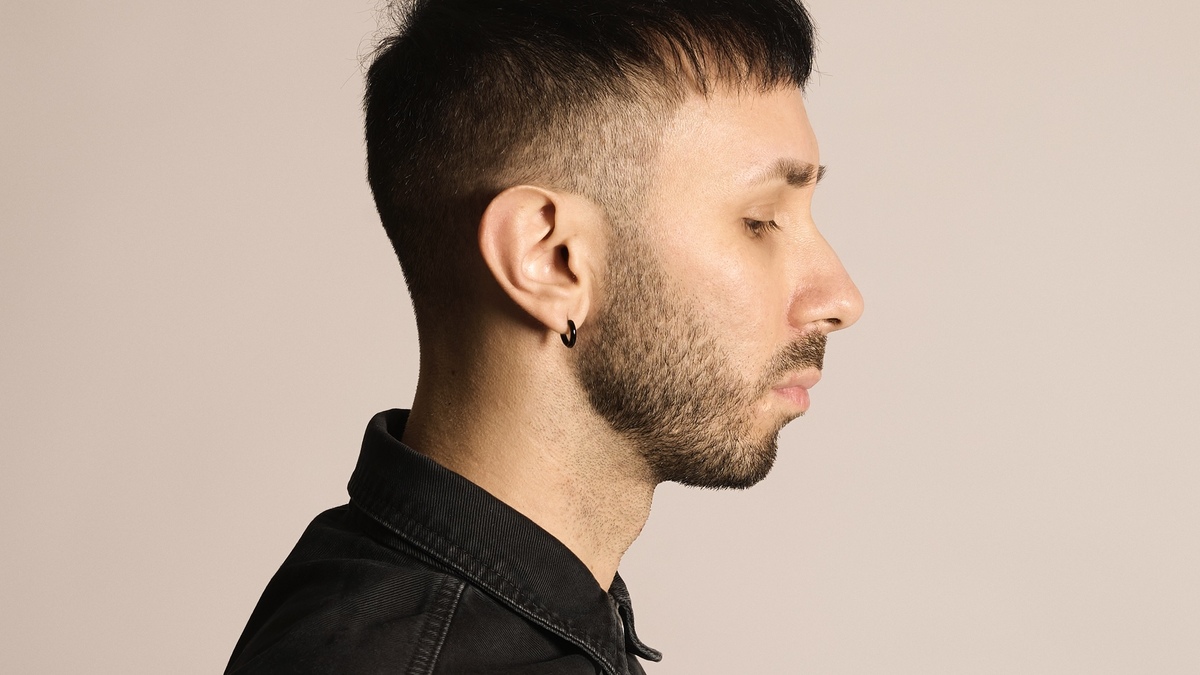

Art Dealer è il nuovo protagonista della nostra rubrica Internal Selection. Il suo set è disponibile da oggi sul nostro canale SoundCloud.
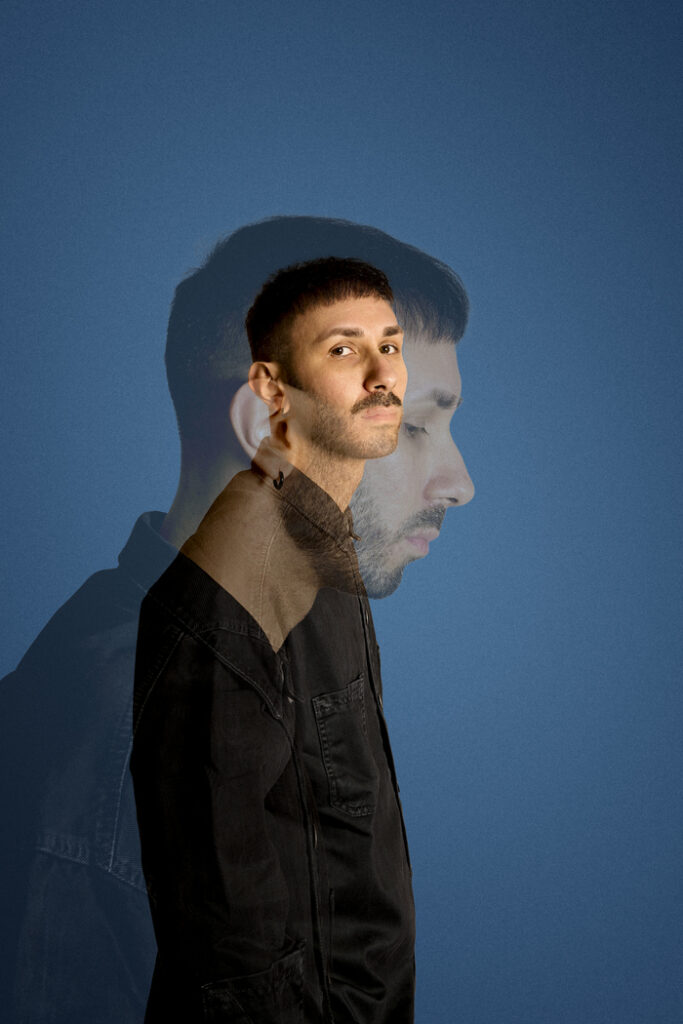
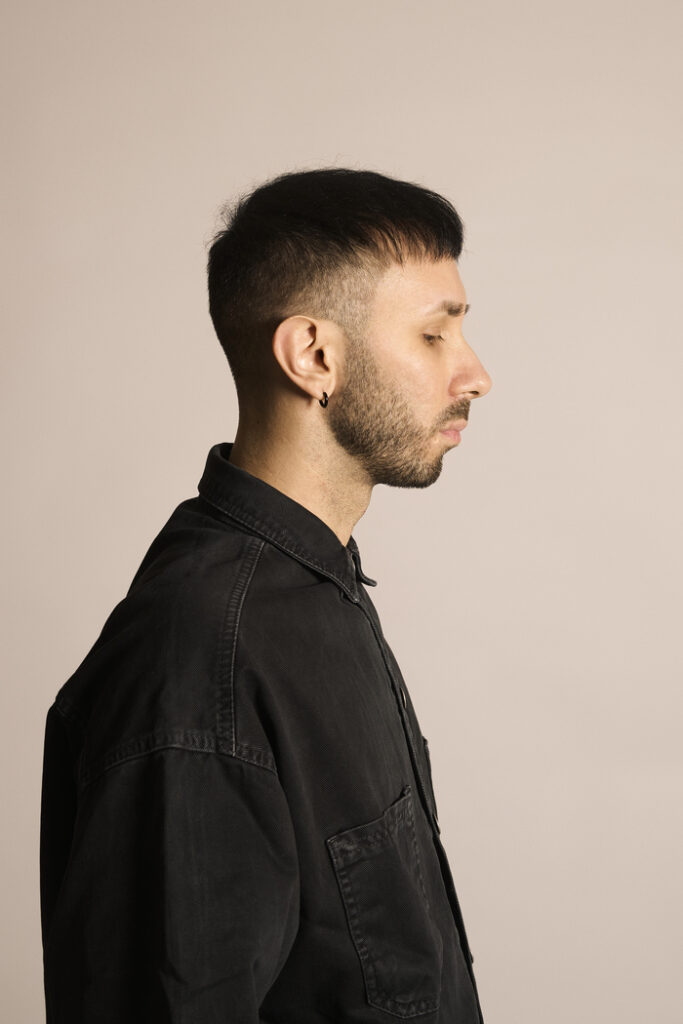
Oggi vi presentiamo Antonio, in arte Art Dealer, DJ/producer di origini calabresi, classe 1992. Oggi resident di Trifecta Records e Magic Club e storico volto dei party targati After Caposile e Il Muretto, Art Dealer porta in console un mix di minimal techno, tech-house, deep e house.
Sound designer, compositore e ingegnere del suono, Art Dealer ha saputo cucire uno stile su misura dei suoi desideri, che negli ultimi dieci anni hanno preso forma tra slot nelle line-up di Tantra e Bora Bora Ibiza, Pacha Barcellona, Amnesia Milano e Buongiorno Classic, per citarne alcuni, culminando con il recente tour in America con otto date tra Chicago, Miami, Los Angeles, San Francisco, Brooklyn, Houston e Columbus.
L’Internal Selection di Art Dealer è disponibile da oggi sul nostro canale SoundCloud. Per l’occasione, lo abbiamo conosciuto poco dopo il suo rientro in Italia. Leggi l’intervista e ascolta il nuovo Internal Selection.
Ciao Art Dealer, benvenuto su Parkett! Come stai e com’è andato il tour in America?
Grazie, è davvero un onore essere su Parkett. Vi seguo praticamente dagli inizi, quindi per me è un piacere enorme poter raccontare un po’ del mio percorso qui con voi.
Sto vivendo un periodo molto intenso. Negli ultimi mesi ho dovuto prendere decisioni importanti, mettendomi in discussione e scegliendo di investire molto tempo su me stesso. Ho lasciato alcune certezze, professionali e personali, e questo inevitabilmente ti porta ad attraversare momenti di instabilità e farti tante domande. Però credo che proprio nei periodi più complessi si riesca a crescere davvero. Nonostante le incertezze, sto raccogliendo risultati che mi rendono orgoglioso e oggi mi sento molto positivo rispetto a quello che sto costruendo.
Il tour in America è stato senza dubbio una delle esperienze più belle della mia vita. Sono stato negli Stati Uniti per 26 giorni, facendo otto date tra Chicago, Miami, Los Angeles, San Francisco, Brooklyn, Houston e Columbus. Un’esperienza resa possibile anche grazie al mio manager Ainn Rabbani, che ha creduto in me sin dall’inizio del progetto Trifecta.
Ogni città mi ha lasciato qualcosa di diverso: conoscere nuove persone, vivere club e culture differenti, capire come cambia il pubblico da zona a zona e quali sonorità funzionano maggiormente è stato incredibilmente stimolante. Ovviamente non è mancata la parte più dura del tour: voli continui, poche ore di sonno e ritmi molto intensi. Ma fa parte del gioco, ed è anche questo che rende tutto così speciale.
Sono tornato da pochi giorni con un bagaglio enorme, sia musicale che umano, che porterò con me nei prossimi progetti. E sono felice di poterlo condividere anche attraverso questa intervista.
Tra le città e i club in cui hai suonato, dove ti sei sentito davvero accolto pur non essendo in Italia?
Credo che il sentirsi accolti dipenda molto dalle persone che trovi lungo il percorso e dall’energia che un luogo riesce a trasmetterti. Quando riesci a creare un legame sincero con chi lavora all’interno di un progetto, tutto diventa più naturale: non vivi più solo il classico “arrivo, suono e riparto”, ma ti senti parte di qualcosa, anche se magari per poco tempo.
Ci sono due posti in particolare dove ho sentito davvero questa connessione. Il primo è Chicago, una città che per me è diventata fondamentale. In pochissimo tempo ho costruito rapporti umani e lavorativi molto sinceri, soprattutto al Prysm, uno dei club più importanti della città, all’interno del progetto Pulse. Ogni volta che torno lì percepisco un’accoglienza autentica e un’energia incredibile.
Il secondo è il Tantra di Ibiza. Con quel posto è nata subito un’affinità speciale, sia con la location che con le persone che ci lavorano. Anche lì ho avuto la fortuna di incontrare persone che hanno creduto in me e nella mia musica fin dall’inizio, come Toni Gomez con il progetto Spicy Groove. Quando trovi ambienti così, tutto assume un valore diverso.
E in generale, hai più feeling con il pubblico locale o internazionale?
Il feeling nasce sempre dalla connessione che si crea tra il DJ, il pubblico e la musica che stai proponendo in quel momento. Anche l’orario gioca un ruolo importante: ci sono set che funzionano meglio all’alba, altri nel pieno della notte, e cambia completamente l’energia della pista.
Se devo dare una risposta, però, direi il pubblico locale/europeo. Quello italiano, insieme a quello spagnolo, secondo me resta tra i migliori in assoluto a livello di vibe, partecipazione ed energia. C’è un modo molto passionale di vivere la musica e il clubbing che sento particolarmente vicino al mio modo di suonare.
Detto questo, l’ultimo tour negli Stati Uniti mi ha fatto ricredere molto anche sul pubblico americano, in senso estremamente positivo. Ho trovato persone molto aperte, curiose e coinvolte, e questa cosa mi ha colpito davvero tanto.
Qual è stato il tuo primo approccio alla musica elettronica e quando è avvenuto il passaggio dal dancefloor al DJ booth?
Il mio primo vero approccio alla musica elettronica risale al 2008, negli anni in cui la minimal era ovunque. Ricordo ancora perfettamente il momento in cui mi sono innamorato di questo mondo: bastò ascoltare una traccia, “Low Frequencies” di Bini & Martini, che mi fece scoprire David Perez, una figura fondamentale agli inizi del mio percorso musicale.
All’epoca ero semplicemente un clubber e non avevo nemmeno l’idea di diventare DJ. È stato un passaggio nato in maniera totalmente naturale ed è forse proprio questo il bello.
Ho iniziato organizzando eventi privati per poi collaborare con locali e club della mia zona. All’inizio delle serate, per puro piacere personale, mi capitava di fare qualche warm-up senza alcuna pretesa. Con il tempo, però, amici e altri DJ iniziarono a chiedermi perché non prendessi la cosa più seriamente.
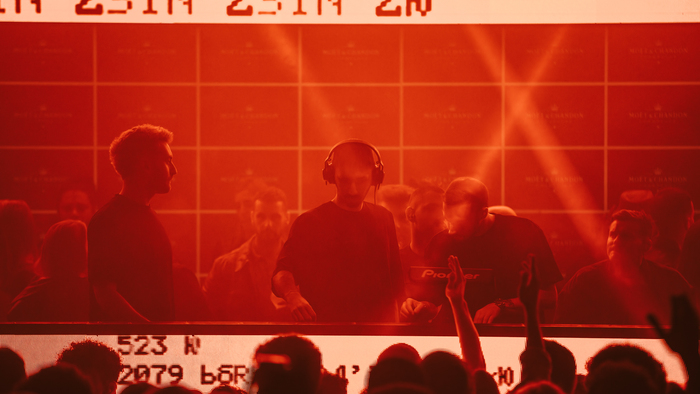
Da lì è cambiato tutto. Ho iniziato a dedicarmi completamente alla musica e al DJing, con una dedizione quasi ossessiva che ancora oggi mi accompagna. È diventata una storia d’amore lunga più di 15 anni, fatta di studio continuo, sacrifici e tantissima passione.
Qual è il più grande insegnamento che hai assorbito grazie alla tua attuale residenza al Magic Club di Padova e alle notti passate tra After Caposile e Il Muretto?
Nel mio percorso ho lavorato con tantissimi staff e realtà diverse, e ognuna mi ha lasciato qualcosa, nel bene e nel male. Ogni esperienza ti forma, ti insegna a leggere le persone, il pubblico e anche te stesso.
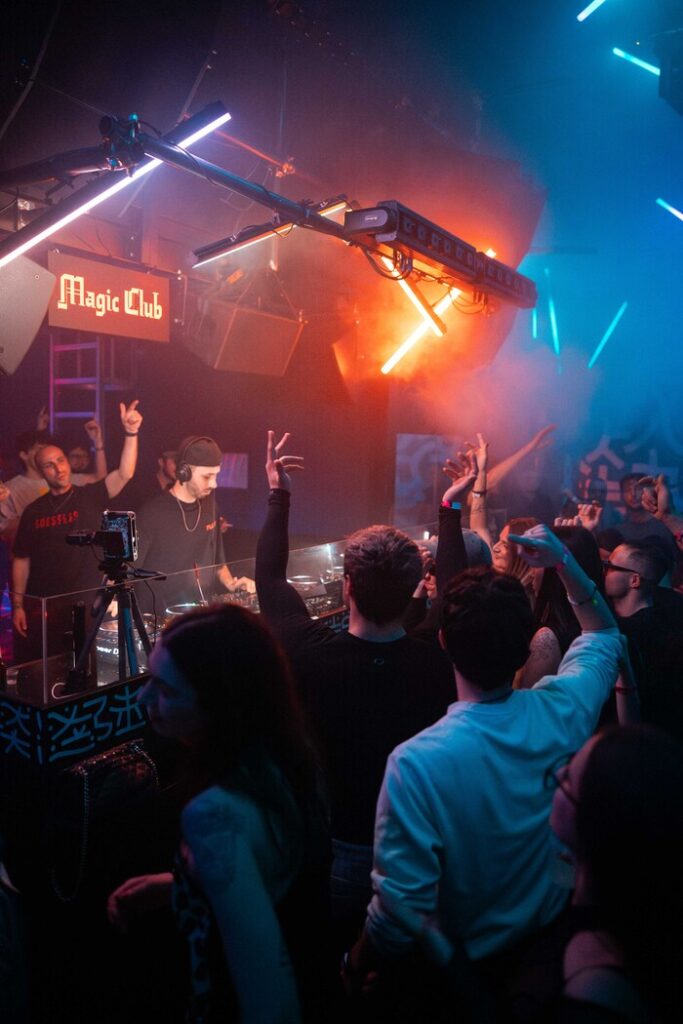
In particolare, però, sento di dover ringraziare la famiglia del Magic Club e Christian Calzavara, perché mi hanno trasmesso valori fondamentali come la serietà, la costanza e la professionalità. Sono aspetti che oggi porto con me in ogni situazione, soprattutto dietro la console e durante tutta la preparazione che c’è prima di un evento.
Le esperienze fuori da casa mia mi hanno insegnato tantissimo sul pubblico e sulla clubculture. Mi piace molto spaziare musicalmente e costruire ogni set in maniera diversa, quasi su misura per la serata che sto vivendo. Per me preparare un DJ set significa fare uno studio continuo: capire il contesto, leggere l’energia e affinare sempre di più il mio suono e la mia identità musicale.
Ed è proprio questo che continuo ad amare dopo tutti questi anni: la possibilità di evolvermi ogni volta, senza sentirmi mai arrivato.
Raccontaci del set che hai preparato per la nostra rubrica Internal Selection: quale shade del tuo stile hai scelto di valorizzare e da dove arriva la tua selezione? Hai dato priorità ai tuoi vecchi amori o alle tue scoperte più recenti? In generale, qual’è il criterio principale che guida le tue selezioni quando prepari un set?
Per questo mixato ho scelto di partire dal mio linguaggio principale, che resta la Minimal, cercando di orientarlo verso sonorità più elettroniche e acid. Ho voluto mantenere una bassline sempre molto presente e corposa, aggiungendo vocal e texture capaci di richiamare anche atmosfere più techno, senza però perdere il groove che, traccia dopo traccia, diventa sempre più centrale all’interno del set. Mi piace creare un percorso che riesca non solo a coinvolgere la dancefloor, ma anche a lasciare qualcosa all’ascoltatore: un suono, una linea vocale che possa rimanere in testa e accompagnare anche dopo il set.
La selezione nasce soprattutto da musica che, secondo me, meriterebbe più spazio e valorizzazione in Italia. Durante il tour a Chicago ho assorbito tantissime influenze e ho scoperto artisti e dischi nuovi che mi hanno colpito profondamente, quindi in questo mix ho dato priorità proprio a queste sonorità più fresche e attuali. Allo stesso tempo, ci sono anche alcune tracce che porto con me da mesi nei miei djset e che continuo a suonare perché ogni volta riescono a trasmettermi qualcosa di forte.
Quando preparo un set, il criterio principale è sempre il contesto in cui andrò a suonare. Il club, il tipo di pubblico ma soprattutto i resident che sono elementi fondamentali, perché ti aiutano a capire il flow giusto della serata e la direzione musicale da seguire. Per me è importante riuscire a valorizzare il momento senza forzarlo o stravolgerlo completamente, trovando il giusto equilibrio tra il contesto e l’identità personale, mettendoci sempre qualcosa di mio.
TRACKLIST
- Outterspace1 – Sonet
- Antonello Camboni, Dani Ospa – Don’t Look Back
- Ivan Gennari – Sick N Started
- Ribguga, Balanka – Talkin’ Too Much
- Iova, AG Swifty, KOV – Spaceman
- Braydon Terzo – Stick Em Up
- Santy Perizzotti – Acid Vibes
- The BeatBoy’s – Whispers
- Tatz (AR) – Trouble Maker
- Lowjess – Rowdy
- Pheelo – All Night
- White Off – Too Many Nights
- Pinco, Brandon Butler – Superhero (Chamo AR Remix)
- Maxi Estray – Pulse
Leggi e ascolta anche: “Internal Selection 058: Jovan Vehn”
___________________________________________________
ENGLISH VERSION
Hi Art Dealer, welcome to Parkett! How are you, and how was the tour in America?
Thank you, it’s truly an honor to be featured on Parkett. I’ve been following you since the beginning, so for me it’s a huge pleasure to share a bit of my journey here with you.
I’m currently going through a very intense period, both personally and professionally. Over the past few months, I’ve had to make important decisions, questioning myself a lot and choosing to invest a lot of time in myself. I left behind certain certainties, both in work and in relationships, and that inevitably leads you through moments of instability and many questions.
However, I believe it’s precisely during the most difficult periods that real growth happens. Despite the uncertainty, I’m achieving results that make me proud, and today I feel very positive about what I’m building.
The American tour was one of the best experiences of my life for sure. I spent 26 days in the United States, playing eight dates between Chicago, Miami, Los Angeles, San Francisco, Brooklyn, Houston and Columbus. It was an experience made possible also thanks to my manager Ainn Rabbani, who believed in me from the very beginning of the Trifecta project.
Every city left me with something different: meeting new people, experiencing different clubs and cultures, understanding how crowds change from an area to another and which sounds work best was incredibly inspiring. Of course, the tougher side of touring was also there: constant flights, little sleep and very intense rhythms. But that’s part of the game, and it’s also what makes everything so special.
I came back only a few days ago with a huge amount of baggage, both musical and human and I’ll carry with me into my future projects. And I’m happy to share part of it through this interview as well.
Among the cities and clubs where you played, where did you truly feel welcomed despite not being in Italy?
I think feeling welcomed depends a lot on the people you meet along the way and on the energy a place can transmit to you. When you manage to build a genuine connection with the people involved in a project, everything becomes more natural: it no longer feels like the classic “arrive, play, leave,” but rather like being part of something, even if only for a short time.
There are two places in particular where I truly felt that connection. The first is Chicago, a city that has become fundamental for me. In a very short time, I built sincere human and professional relationships there, especially at Prysm, one of the city’s most important clubs, within the Pulse project. Every time I go back, I feel a genuine welcome and incredible energy.
The second is Tantra in Ibiza. I immediately felt a special connection with that place, both with the venue itself and with the people working there. There too, I was lucky enough to meet people who believed in me and in my music from the very beginning, such as Toni Gomez with the Spicy Groove project. When you find environments like that, everything takes on a different meaning.
Do you feel a stronger connection with local or international crowds?
The connection always comes from the chemistry between the DJ, the crowd, and the music you’re playing in that specific moment. Timing also plays an important role: there are sets that work better at sunrise, others in the middle of the night, and the energy on the dancefloor changes completely.
If I had to choose, though, I’d say local/european crowds. In my opinion, the italian and spanish crowd remains the best in terms of vibe, participation and energy. There’s a very passionate way of experiencing music and clubbing that feels particularly close to my way of playing.
That said, my latest tour in the United States really changed my perspective on the American crowd as well, in an extremely positive way. I found people who were very open-minded, curious and genuinely involved, and that really struck me.
What was your first approach to electronic music, and when did the transition from the dancefloor to the DJ booth happen?
My first real approach to electronic music dates back to 2008, at that time minimal was everywhere. I still remember perfectly the moment I fell in love with this world: all it took was hearing one track, “Low Frequencies” by Bini & Martini, which led me to discover David Perez, a key figure in the early days of my musical journey.
At the time, I was a clubber and had never even thought about becoming a DJ. It was a transition that happened naturally, and maybe that’s exactly what makes it so special.
I started by organizing private events and later collaborating with venues and clubs in my area. At the beginning of the nights, purely for personal enjoyment, I would sometimes play a few warm-up sets without any real expectations. Over time, though, friends and other DJs started asking me why I didn’t take it more seriously.
From there, everything changed. I began dedicating myself completely to music and DJing, with an almost obsessive level of commitment that still follows me today. It’s become a love story lasting more than 15 years, built on continuous study, sacrifices, and an enormous amount of passion.
What is the biggest lesson you’ve learned through your current residency at Magic Club in Padua and the nights spent at After Caposile and Il Muretto?
Throughout my journey, I’ve worked with many different crews and realities, and each one has left something with me, both positively and negatively. Every experience shapes you, teaching you how to read people, the crowd, and even yourself.
In particular, though, I feel I owe a special thanks to the Magic Club family and Christian Calzavara, because they passed on to me fundamental values such as seriousness, consistency, and professionalism. These are qualities I carry with me in every situation today, especially behind the decks and throughout all the preparation that happens before an event.
The experiences outside my home scene taught me a great deal about audiences and club culture. I really enjoy exploring different musical directions and building every set differently, almost tailoring it to the specific night I’m experiencing. For me, preparing a DJ set means engaging in constant study: understanding the context, reading the energy, and continuously refining both my sound and my musical identity.
And that’s exactly what I still love after all these years: the possibility to evolve every single time, without ever feeling like I’ve arrived.
Let’s talk about your Internal Selection: which shade of your style did you choose to highlight, and where did your selection come from? Did you priority old loves or your most recent discoveries? Generally, what’s the main reason that guides your selection when preparing a set?
For this mix, I decided to start with my primary style, which remains minimal, but tried to push it toward more electronic and acid sounds. I wanted to maintain a consistently strong and full-bodied bassline, adding vocals and textures that also evoke more techno atmospheres, without losing the groove, which, track after track, becomes increasingly central to the set. I like to create a path that not only engages the dancefloor, but also leaves the listener with something: a sound, a vocal line that can stick in their head and accompany them even after the set.
The selection is based primarily on music that, in my opinion, deserves more space and recognition in Italy. During the Chicago tour, I absorbed so many influences and discovered new artists and records that deeply impacted me, so in this mix, I prioritized these fresher, more contemporary sounds. At the same time, there are also some tracks that I’ve been incorporating into my DJ sets for months and that I continue to play because they always manage to convey something powerful.
When I prepare a set, the main criterion is always the context in which I’m going to play. The club, the type of audience, but above all, the residents, who are fundamental elements because they help you understand the right flow for the evening and the musical direction to follow. For me, it’s important to be able to enhance the moment without forcing it or completely distorting it, finding the right balance between the context and personal identity, always putting something unique into it.