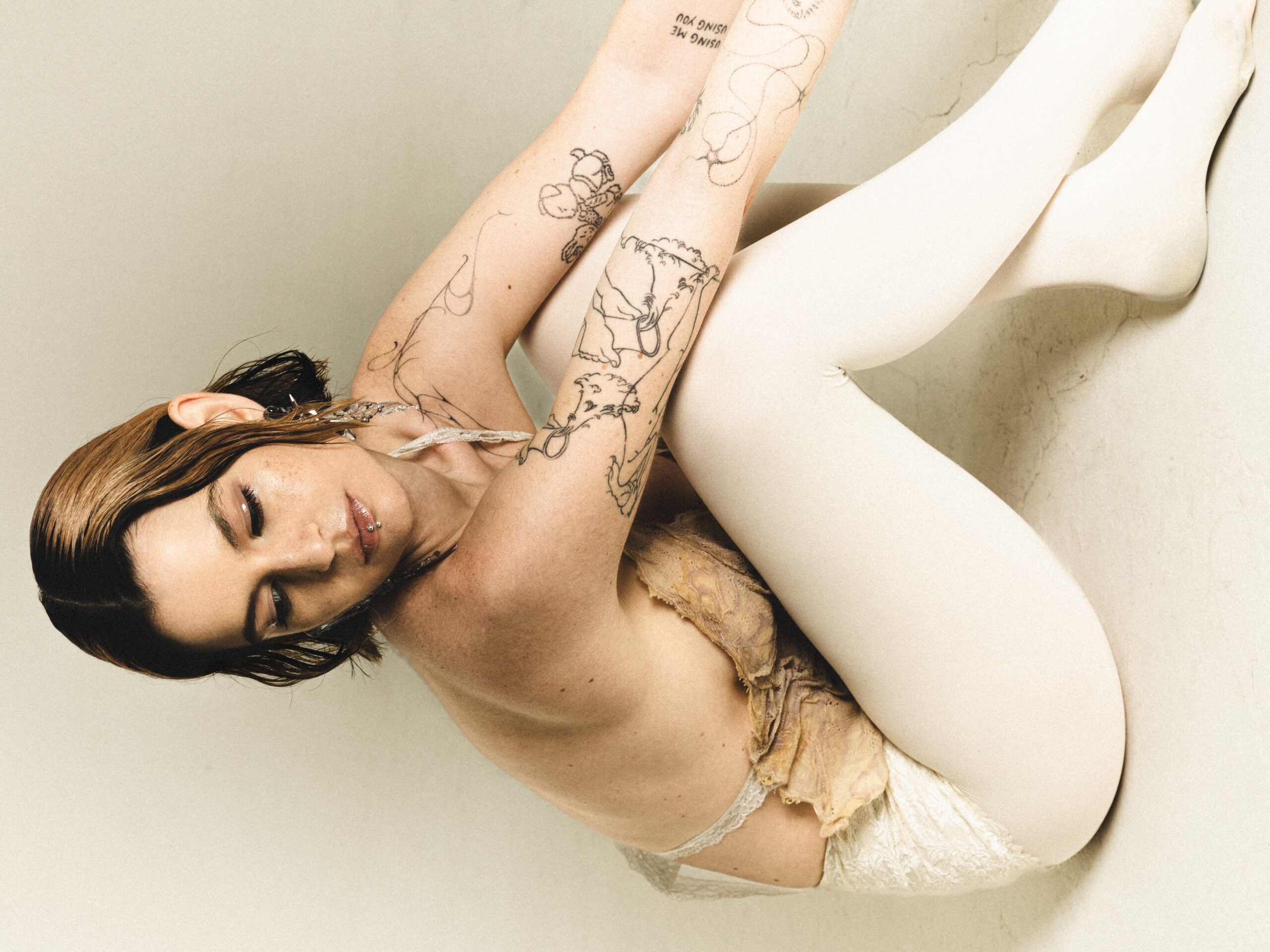

Nel corso degli ultimi anni, Yas Reven ha costruito un linguaggio sonoro che intreccia progettazione sonora, introspezione e club culture. Un mondo in cui la pista non è solo spazio di evasione, ma un luogo da abitare, sezionare e ricomporre con sensibilità quasi materica.
ENG BELOW
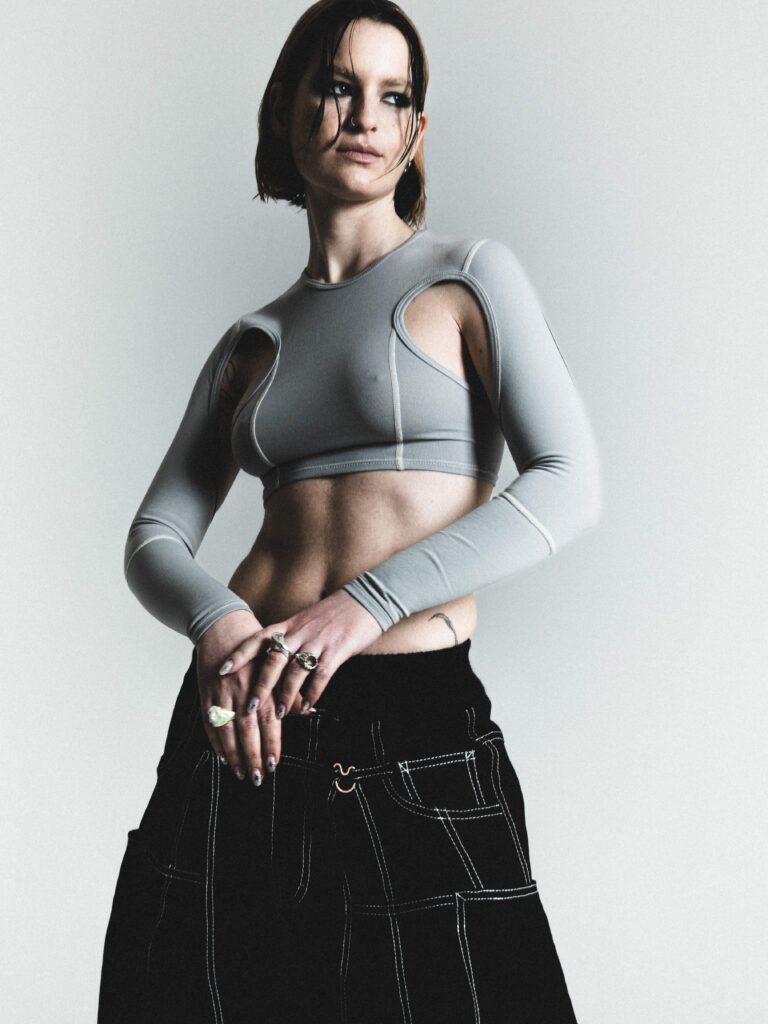
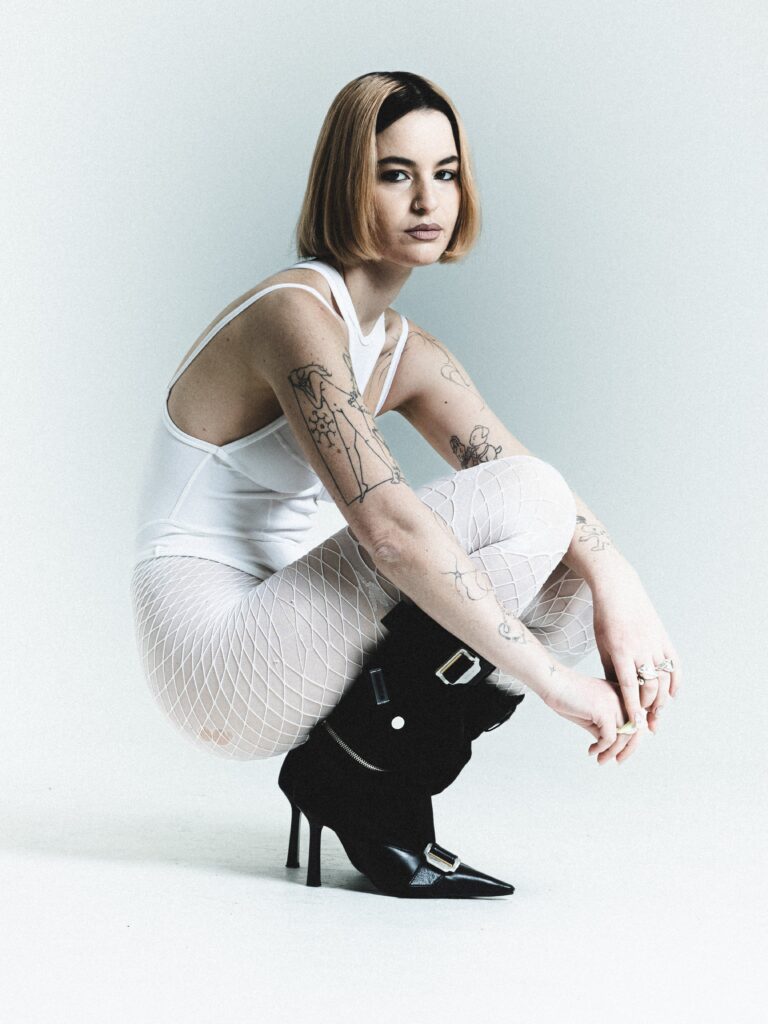
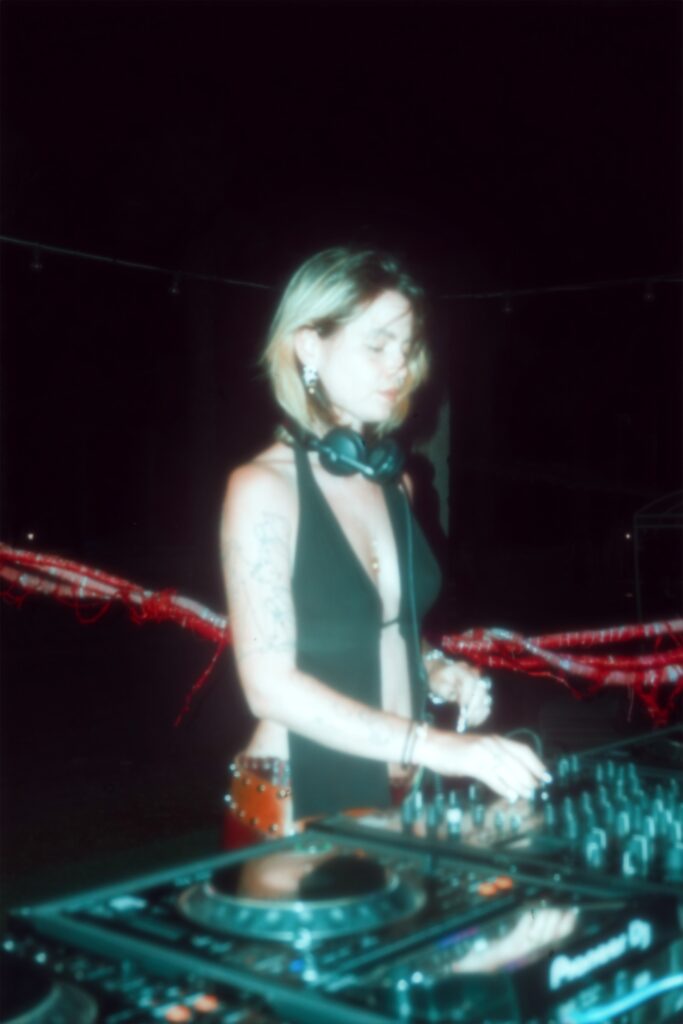
Yas Reven, è una DJ e producer, capace di fondere ritmo e sensibilità architettonica in un linguaggio sonoro in costante evoluzione. Cresciuta a Lecce e iniziata alla musica fin da giovanissima, ha costruito negli anni una traiettoria che attraversa club del Sud Italia, palchi internazionali come Boiler Room, HÖR, The Lot Radio e Rinse FM, e una ricerca produttiva sempre più consapevole. La sua selezione è un mosaico di influenze – techno, breakbeat, club music – intrecciate con precisione e calore mediterraneo. Dopo il debutto con “Hard20” nel 2024, Yas Reven prosegue nella musica confermandosi tra le producer più interessanti della nuova scena elettronica europea.
Ora, con “Pulse Cycles”, pubblicato su Casa Voyager, l’artista esplora una notte in tre momenti trasformando il tempo in struttura e ritmo. L’abbiamo incontrata per parlare del suo percorso, delle sue radici mediterranee e di come la musica continui a ridefinire il suo modo di guardare al mondo.
Per chi ancora non ti conosce: come descriveresti Yas Reven oggi, tra la DJ, la produttrice e l’architetta del suono?
È sempre difficile autodescriversi, ma mi definirei un’artista poliedrica. L’architettura è da sempre parte del mio percorso e il suo modo di pensare lo spazio, le strutture e gli equilibri influenza profondamente la mia musica, sia nei DJ set che nelle produzioni. Proprio per questo non amo rinchiudermi in una sola definizione o settore: credo che la contaminazione tra linguaggi e discipline sia una delle caratteristiche che più mi rappresenta e uno degli strumenti creativi che amo utilizzare di più.

“Pulse Cycles” sembra costruito come un viaggio temporale in tre momenti – 2 AM, 4 AM, 6 AM – più che come una semplice tracklist. In che modo pensi al tempo e che tipo di esperienza volevi restituire all’ascoltatore?
Ho pensato il progetto come un vero e proprio climax temporale, una pista che si riscalda e si alimenta lentamente nel corso del tempo. Mi è piaciuto associare ogni traccia a un momento specifico della notte: questo approccio mi ha aiutata molto nella stesura del lavoro, permettendomi di costruire uno storytelling lineare, fluido e coeso, capace di accompagnare l’ascoltatore lungo un’esperienza progressiva e immersiva.
Negli ultimi anni la tua musica ha attraversato fasi più oscure e introspettive, fino a questo ritorno al movimento. Cosa ti ha spinta verso questa transizione di tono e come dialoga con la tua crescita personale o artistica?
In realtà “Pulse Cycles” è un disco di quasi un anno fa, concluso nella prima metà del 2025. Prima di questo progetto, l’uscita su Nerve aveva già accennato a un mondo più scuro, che però in quel momento quasi mi spaventava approfondire. Sono sempre stata profondamente legata a sonorità più vivaci e calde, ed è un territorio in cui mi sento naturalmente a casa. Dopo la consegna di “Pulse Cycles” ho attraversato una fase personale complessa che mi ha portata a un’introspezione più profonda, spingendomi ad approfondire quegli impulsi verso sonorità più oscure. È da lì che nasce il lavoro uscito su Club Glow, che riflette in modo molto diretto il mio momento di vita più recente. “Pulse Cycles” si colloca quindi in una fase centrale del mio percorso: è un disco di transizione che definisce molte delle mie caratteristiche sonore ed è nato anche da una richiesta piuttosto precisa di Casa Voyager, orientata verso una dimensione più club. In questo senso rappresenta un punto di equilibrio tra ciò che ero e ciò che stavo per diventare, sia artisticamente che personalmente.
C’è un momento preciso, anche piccolo, durante la creazione di “Pulse Cycles” in cui hai sentito di riconnetterti profondamente con te stessa come artista?
Durante la fase di produzione sei inevitabilmente a contatto con la parte più autentica di te: la musica è qualcosa che si lega in modo diretto al tuo essere, senza filtri. Quindi sì, c’è stata sicuramente una forte riconnessione con me stessa, ma non la identificherei in un momento preciso. Piuttosto, è stato l’intero percorso di “Pulse Cycles” a rappresentarla: un processo fatto di dubbi e incertezze, ma allo stesso tempo di grande voglia di fare, curiosità e passione, che mi hanno accompagnata dall’inizio alla fine del progetto.
La tua formazione precedente alla musica, in architettura, si riflette nel modo in cui costruisci ritmo e spazio sonoro? Quando produci, ti capita di più di pensare al suono in termini “costruttivi” e pratici o ti arriva come materia astratta?
Assolutamente sì, l’approccio dell’architettura si riflette in modo molto diretto in tutte le mie produzioni. Vivo ogni brano un po’ come un progetto architettonico: parto sempre da un’idea forte, spesso anche piuttosto astratta, e da lì costruisco la struttura portante, che per me coincide con gli strumenti e gli elementi principali. Successivamente il lavoro si articola aggiungendo layer, dettagli e connessioni, proprio come avviene nella definizione di uno spazio. Anche visivamente guardo la stesura di un disco con un occhio diverso: sono molto attenta a come gli elementi si incastrano tra loro, a come occupano lo spazio, persino solo osservandoli sulla timeline. Può sembrare un approccio quasi assurdo, ma è qualcosa di profondamente legato al mio background e al modo in cui ho imparato a pensare e progettare.
Hai suonato per piattaforme internazionali – Boiler Room e HÖR – ma “Pulse Cycles” sembra molto radicato in un sentire più fisico e caldo. Quanto pensi che le tue origini italiane e mediterranee influenzino il tuo modo di intendere la club culture nel contesto internazionale ed europeo?
Sicuramente sento, a volte, dei limiti nel vivere e nell’essere in Italia. Guardo allo scenario europeo e internazionale con molta curiosità e sono convinta che fuori dall’Italia ci sia un’apertura maggiore, sia a livello culturale che di visione della club culture. In questo senso, le mie origini italiane influiscono: da un lato mi appartengono profondamente, dall’altro a volte mi “contengono” e rendono più difficile un’espansione naturale. La club culture italiana, in questo momento, sta attraversando una fase di crisi, ma viaggiare e suonare altrove ti permette di renderti conto che esiste ancora molta crescita e fermento. Credo che la chiave sia proprio uscire, confrontarsi e mantenere viva la curiosità.
Casa Voyager è un’etichetta con un’identità forte e in costante evoluzione. Cosa ha significato per te lavorare con loro e come questa collaborazione ha contribuito alla forma finale di “Pulse Cycles”?
Lavorare con Casa Voyager è stato un’esperienza davvero positiva. Con Driss, il fondatore, c’è stato fin da subito un bel dialogo: eravamo entrambi molto allineati sulle intenzioni e sulla direzione del disco. Lo scambio continuo tra draft, idee e riflessioni ha sicuramente contribuito alla buona riuscita di “Pulse Cycles”. Anche nella scelta degli artisti per i remix siamo stati molto attenti, assicurandoci che ogni selezione fosse coerente con l’identità del progetto e con il senso complessivo dell’album. Questo approccio collaborativo ha dato al disco una forma finale solida e coerente, pur mantenendo spazio per la sperimentazione.
Dopo aver attraversato così tanti spazi e atmosfere sonore, dove senti che sta andando la tua ricerca adesso? C’è un nuovo impulso che sta già prendendo forma dopo “Pulse Cycles”?
Sì, in questo momento mi trovo in una fase più introspettiva e sono attratta da sonorità più scure. Dopo aver sperimentato molto con dischi fortemente orientati al club, sento il bisogno di esplorare territori meno familiari e di spingermi oltre i confini della mia musica abituale. L’ultimo disco uscito su Club Glow rappresenta un primo accenno della direzione che sto prendendo, un piccolo segnale di questa nuova fase di ricerca che si sta lentamente delineando.
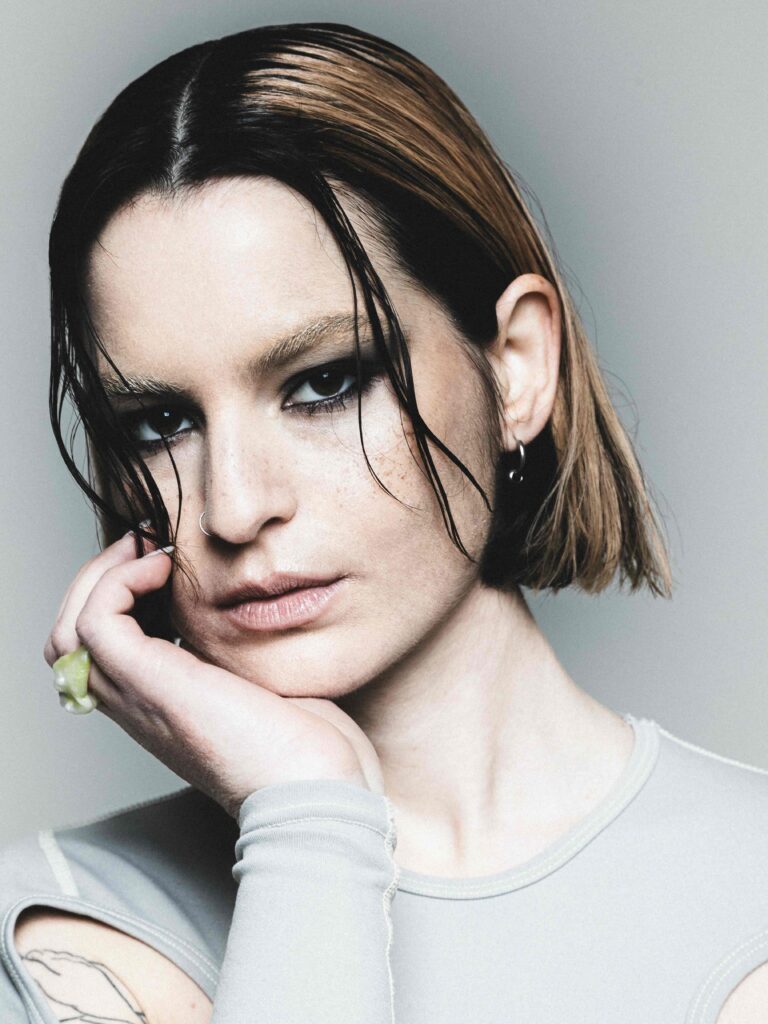
Con “Pulse Cycles”, Yas Reven ha firmato un lavoro che non solo racconta la notte, ma la disegna nel suono, nelle curve emotive e nei vuoti del ritmo. Oggi la sua traiettoria sembra orientata verso territori più interiori, dove il club diventa ancora una volta spazio di indagine e non semplice rifugio. Una continua reinvenzione che conferma Yas Reven come una delle artiste più sensibili e consapevoli della nuova scena elettronica europea.
Ascolta “Pulse Cycles” qui!
Within Yas Reven’s Liquid Time
Over the past few years, Yas Reven has built a sonic language that intertwines sound design, introspection, and club culture. A world in which the dancefloor is not merely a space for escape, but a place to inhabit, dissect, and reassemble with an almost tactile sensibility.
Yas Reven is a DJ and producer capable of fusing rhythm with architectural sensitivity, shaping a sound language in constant evolution. Growing up in Lecce and introduced to music from a very young age, she has built over the years a path that spans clubs across Southern Italy, international platforms such as Boiler Room, HÖR, The Lot Radio, and Rinse FM, and an increasingly conscious production practice. Her selection is a mosaic of influences — techno, breakbeat, club music — intertwined with precision and Mediterranean warmth. After debuting with “Hard20” in 2024, Yas Reven kept confirming herself as one of the most intriguing producers in Europe’s new electronic scene.
Now, with “Pulse Cycles”, released on Casa Voyager, the artist explores a night in three movements, transforming time into structure and rhythm. We met her to talk about her journey, her Mediterranean roots, and how music continues to redefine her way of seeing the world.
For those who are yet to discover you: how would you describe Yas Reven today: between DJ, producer and sound architect?
It’s always difficult to describe oneself, but I’d define myself as a multifaceted artist. Architecture has always been part of my path, and its way of thinking about space, structures and balance deeply influences my music, both in DJ sets and productions. That’s why I don’t like to limit myself within a single definition or field — I believe that contamination between languages and disciplines is one of the traits that best represents me, and one of the tools I most love to use creatively.
“Pulse Cycles” is shapen like a temporal journey in three acts — 2 AM, 4 AM, 6 AM — rather than a simple tracklist. How do you think about time, and what sort of experience did you want to create for the listener?
I conceived the project as a true temporal climax: a dancefloor that gradually warms up and builds gradually over time. I liked associating each track with a specific moment in the night: this approach really helped me in the writing process, allowing me to create a linear, fluid, and cohesive storytelling capable of guiding the listener through a progressive and immersive experience.
In recent years, your music has shifted from darker, introspective phases to a return to movement. What pushed you towards this transition, and how does it connect with your personal or artistic growth?
Actually, “Pulse Cycles” is almost a year old — it was completed during the first half of 2025. Before this project, my release on Nerve had already hinted at a darker world, though at that time I was almost afraid to fully explore it. I’ve always been deeply attached to more vibrant, warmer sounds — it’s where I naturally feel at home. After finishing “Pulse Cycles”, I went through a rather complex personal phase that led me towards deeper introspection, pushing me to further explore those darker impulses. That’s where the work released on Club Glow was born — it reflects quite directly my most recent life chapter. “Pulse Cycles” therefore sits at a central point in my trajectory: it’s a transitional record that defines many of my sonic traits and also grew out of a quite precise request from Casa Voyager, focused on a more club-oriented dimension. In this sense, it represents a point of balance between who I was and who I was becoming — both artistically and personally.
Was there a specific moment during the creation of “Pulse Cycles” when you felt a strong reconnection with yourself as an artist?
During production, you inevitably come into contact with the most authentic part of yourself — music connects directly to your being, without filters. So yes, there was definitely a reconnection with myself, though I wouldn’t pinpoint it to a single instant. Rather, it was the entire “Pulse Cycles” process that represented it: a journey made of doubts and uncertainties, but also full of curiosity, desire, and passion, which accompanied me from start to finish.
Your background in architecture clearly informs the way you construct rhythm and soundspace. When you produce, do you tend to think about sound in more “structural” and concrete terms, or does it come to you as something abstract?
Absolutely — the architectural approach directly influences all my productions. I experience each track a bit like an architectural project: I always start from a strong idea, often abstract, and from there I build the main framework — which, for me, corresponds to the key instruments and elements. Then the work unfolds, adding layers, details, and connections, just like defining a space. Visually, I also look at the composition of a track differently: I pay a lot of attention to how elements fit together, how they occupy space, even just by observing them on the timeline. It might sound like an odd approach, but it’s something that’s deeply tied to my background and the way I’ve learned to think and design.
You’ve played for major international platforms — Boiler Room, HÖR — yet “Pulse Cycles” feels rooted in a more physical, warm energy. How do your Italian and Mediterranean roots shape your approach to club culture within the European and global context?
At times, I do feel some limitations in living and working in Italy. I look at the European and international scene with great curiosity, and I’m convinced that outside Italy there’s a greater openness, culturally and in the overall vision of club culture. In that sense, my Italian origins have a dual effect: on the one hand they belong to me deeply; on the other, they sometimes “contain” me, making natural expansion more difficult. The Italian club scene is going through a period of crisis, but travelling and performing elsewhere makes you realise there’s still a lot of growth and energy happening. I think the key really lies in going out, exchanging perspectives, and keeping curiosity alive.
Casa Voyager is a label with a strong and constantly evolving identity. What did it mean for you to work with them, and how did this collaboration shape the final form of “Pulse Cycles”?
Working with Casa Voyager was a truly positive experience. With Driss, the founder, there was an instant connection — we were really aligned on the intentions and direction of the record. The continuous exchange of drafts, ideas and reflections definitely contributed to the success of “Pulse Cycles”. Even when selecting remix artists, we were very careful to ensure every choice matched the identity of the project and the album’s overall sense. This collaborative approach gave the record a solid, coherent final shape, while still leaving room for experimentation.
After travelling through so many sonic spaces and atmospheres, where do you feel your research is heading now? Is there a new impulse already taking form after “Pulse Cycles”?
Yes — right now I’m in a more introspective phase and drawn to darker sounds. After experimenting a lot with strongly club-oriented records, I feel the need to explore less familiar territories and push beyond my usual musical boundaries. The latest record released on Club Glow hints at the direction I’m taking — a small preview of this new exploratory phase that’s slowly taking shape.
With “Pulse Cycles”, Yas Reven has produced a work that doesn’t just narrate the night but designs it — through sound, emotional curves, and rhythmic voids. Today, her trajectory seems guided towards more inward territories, where the club once again becomes a space for exploration rather than mere refuge. It’s a continuous reinvention that confirms Yas Reven as one of the most sensitive and self-aware artists in Europe’s new electronic scene.
Listen to “Pulse Cycles” here!