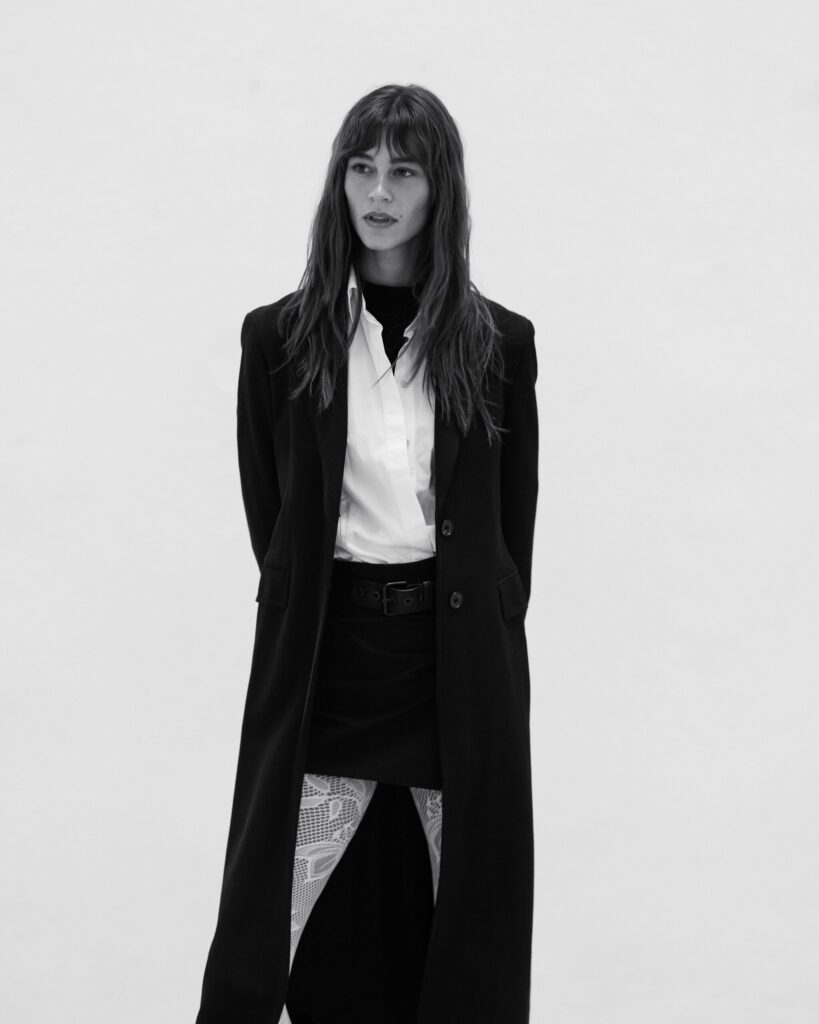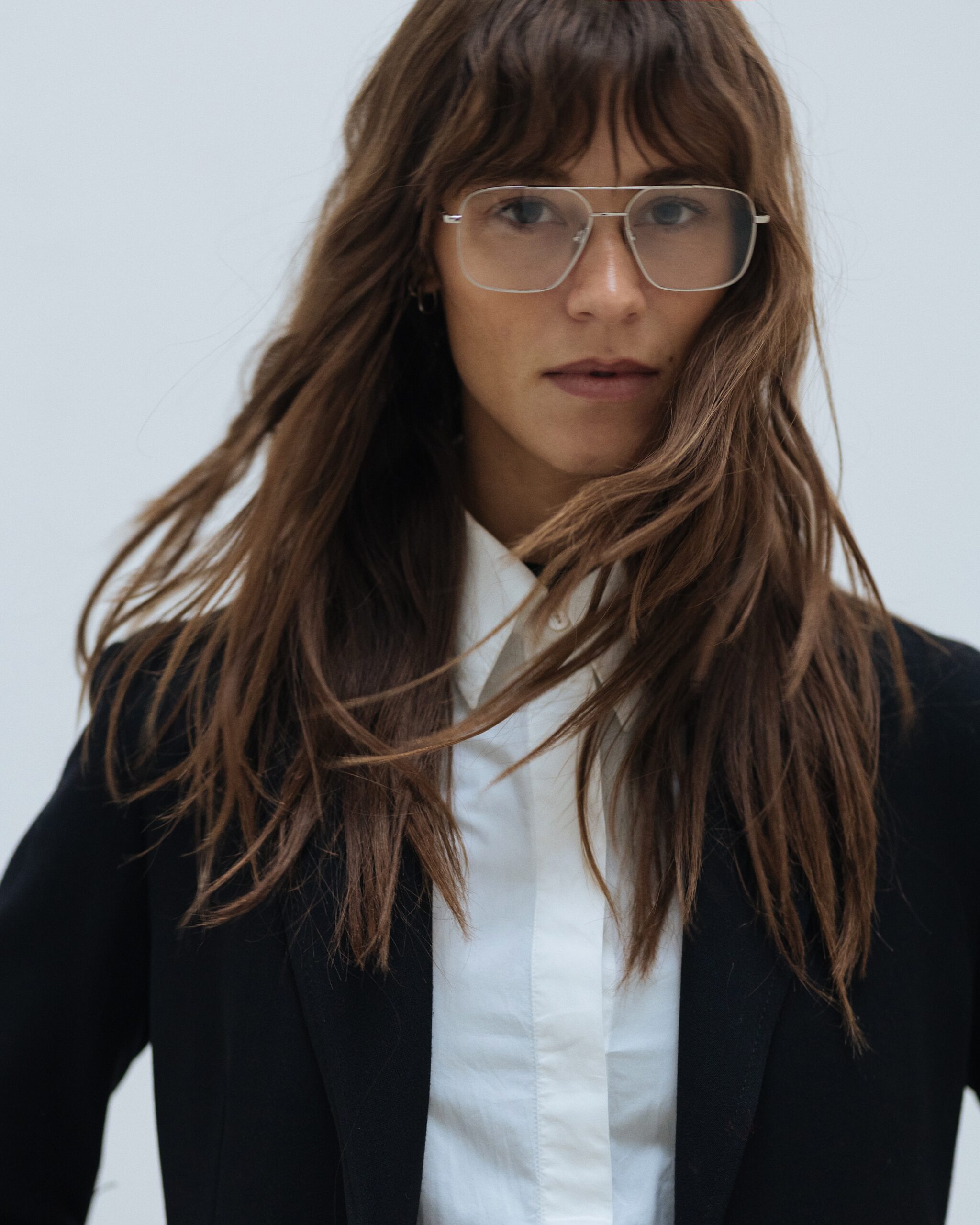
Come ci si muove tra booth, set fotografici e tour internazionali? Semplice, con coraggio, disciplina e organizzazione. Anna Amato, che queste qualità le incarna alla perfezione, ci ha raccontato come vive il suo percorso artistico tra musica e moda, dandoci anche dei consigli sulla sua personale esperienza di “self-tour manager” per il tour in Asia dello scorso ottobre.
ENGLISH VERSION BELOW
Parlando con Anna Amato, si percepisce subito una determinazione che sa di rock industriale ed eleganza da haute couture. Aprendoci senza filtri le porte del suo mondo fatto di cuffie, agency e valigie sempre pronte, ci ha mostrato il dietro le quinte di una carriera creata da una donna che non ha paura di rimboccarsi le maniche.
Origini italiane, ma cresciuta a suon di pianoforte in Germania e finita dietro i piatti di mezza Europa (e non solo), Anna è la prova vivente che le etichette stanno strette a chi non ha paura di mettersi in gioco. Modella, DJ, produttrice e, all’occorrenza, self-tour manager: la sua è una storia di continua reinvenzione, in cui la musica classica delle origini si mescola ai bassi della techno e i set fotografici si alternano alle notti in consolle.
La sua storia è un inno alla libertà creativa, pura e coerente con la sua identità. Alzarsi al mattino con la consapevolezza di voler inseguire i propri sogni, lavorare su se stessi per portare a termine obiettivi prefissati: sembra uno slogan dei fuffa guru che ci intasano quotidianamente il feed, ma parlando con lei ci è parso chiaro come, con costanza e dedizione, i risultati arrivino davvero. Come quando, lo scorso ottobre, ha deciso di organizzarsi un tour in Asia in totale autonomia: niente agenzie, niente tour manager, solo lei, i suoi contatti e una pazienza infinita nell’attendere risposte a mail e direct su Instagram che spesso neanche arrivavano.
L’abbiamo incontrata per farci raccontare come si tiene insieme il puzzle di una vita multipla, tra consolle e passerella, tra discipline apparentemente lontane e un’unica, fortissima identità.
Partiamo da te: raccontaci chi sei oltre la Anna Amato DJ che conosciamo e come ti sei approcciata al mondo della musica elettronica.
Oltre a fare la DJ, credo di essere tante cose, come del resto lo siamo tutti. Sono una persona a cui piace esprimersi, essere creativa, spingere il pensiero oltre i limiti, sia nel lavoro che nella vita privata. Mi sveglio ogni giorno con l’idea di fare ciò che mi rende felice, perché qual è, in fondo, lo scopo della vita? Servono un sacco di coraggio e determinazione per seguire la strada che ti rende felice. Per me, quella strada è la musica e la moda, quindi eccomi qui: sono passata dalla musica classica al lavoro come modella, passando per la consulenza aziendale, fino ad arrivare a fare la DJ e produttrice nella scena della musica elettronica.
Credi che essere cresciuta in Germania abbia influenzato la scelta di orientarti verso la musica techno? O è un amore nato inconsciamente?
Penso che crescere in Germania abbia giocato un ruolo nell’avvicinarmi a un certo tipo di suono. Dieci anni fa, c’erano molti locali in Germania che suonavano techno. Inoltre, ero circondata da persone e amici a cui piaceva questo tipo di sound, e questo ha sicuramente influenzato la mia direzione musicale attuale. Tuttavia, credo che, indipendentemente da dove fossi cresciuta, a un certo punto avrei trovato la mia strada verso questa scena più underground.
Sapresti individuare un momento specifico in cui hai deciso di diventare DJ? Un party, un festival, il momento in cui hai ascoltato una traccia…
Venendo da una formazione musicale (suono il pianoforte da quando avevo 4 anni), ho sempre avuto un interesse per la musica e la composizione. Penso che questo interesse abbia iniziato a tradursi nel DJing nel momento in cui ho scoperto vari generi musicali grazie alle piattaforme di streaming. Ricordo di essere stata a Macao durante il mio semestre di scambio nel 2019 e di aver passato ore su Spotify ad ascoltare nuovi artisti e generi, pensando tra me e me: “wow, e se potessi creare un brano completamente nuovo mescolando questi due suoni?”. Poi, quando sono tornata in Europa, ho iniziato a sperimentare con un mixer professionale (un Allen & Heath all’epoca). E dopo aver realizzato le infinite possibilità che questo strumento offriva, non ho più potuto smettere. Ed è da lì che è iniziato tutto.
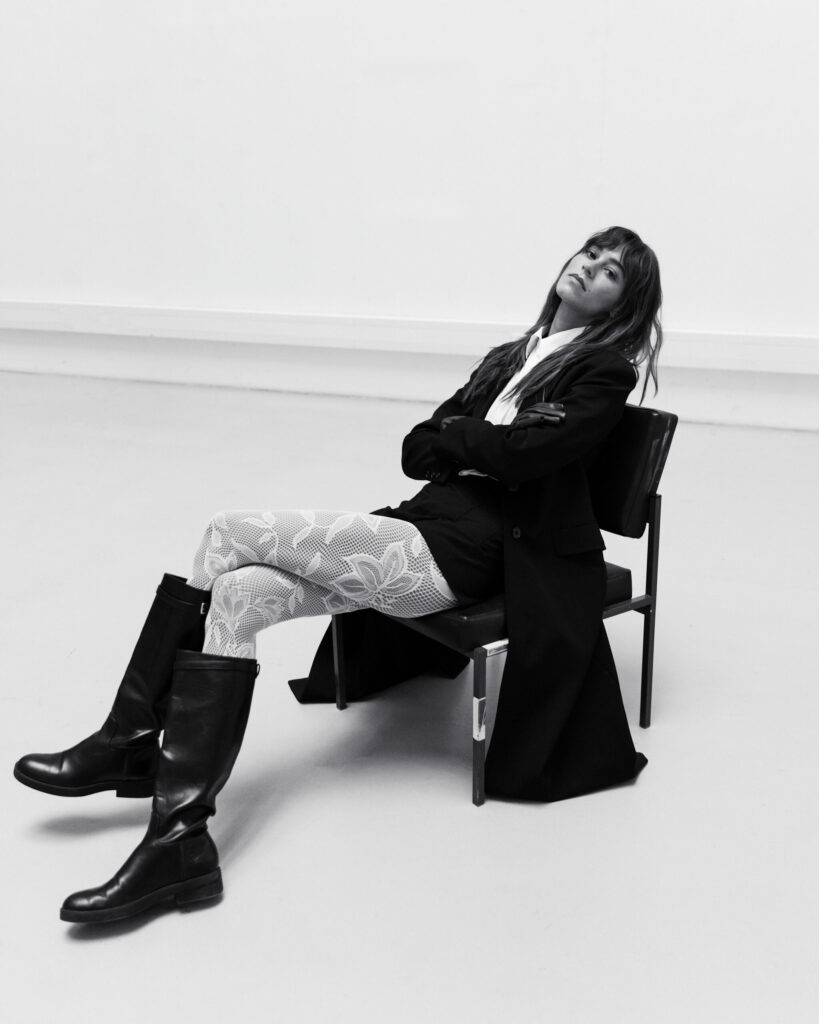
Vivi tra due dimensioni affascinanti: quella artistica da DJ e quella più affine all’arte estetica da modella. Raccontaci come convivono queste due anime, apparentemente distanti, ma che tu sembri far comunicare in modo molto naturale.
Che bella domanda! Credo che due o più professioni possano coesistere se sei veramente appassionato e autentico in entrambe. Sia la moda che il DJing e la produzione musicale sono mestieri creativi in cui l’immagine e la competenza sono messe in primo piano. Per molto tempo, agenti (sia del mondo della moda che del settore musicale) mi hanno detto che questi due mondi non potevano realmente coesistere. “O sei l’una o sei l’altra”. Mi dicevano che nella scena musicale non mi avrebbero presa sul serio se avessi fatto anche la modella. Naturalmente, io sono sempre stata contraria alla scelta di mostrare solo una delle due professioni: volevo mostrarle entrambe, perché entrambe facevano parte della mia identità. Ora, invece, vedo che avere entrambe è un valore aggiunto e nessuna delle due è un ostacolo per l’altra.
La tua intraprendenza nel trovare un equilibrio tra mondi diversi si è palesata anche a fine 2025, quando hai organizzato il tuo tour in Asia in modo completamente autonomo…
Onestamente, è stata una bella sfida organizzare un tour in Asia senza l’aiuto di agenzie o tour manager. Avevo già fatto un altro tour in Asia in precedenza, ma su scala molto più ridotta rispetto a questo dell’inverno 2025. L’Asia è un mercato musicale enorme, molto diversificato, con tanti locali commerciali e generi musicali specifici per ogni paese, ma anche con alcune realtà più underground e sperimentali. Il primo passo è stato determinare quali paesi potevano essere un’opzione per me. Ho valutato la loro posizione geografica e la fattibilità degli spostamenti, così come quanti locali avessero nelle line up artisti internazionali con il mio tipo di sound. Non avendo molti contatti in Asia nel settore musicale, la mia unica opzione è stata contattare direttamente i club o i promoter via Instagram e email. Ci è voluto un’enorme quantità di tempo e fatica per identificare i locali e scrivere un messaggio specifico per ognuno. E, come puoi immaginare, il tasso di risposta era molto basso. Questo, ovviamente, rendeva difficile mantenere alta la fiducia in me stessa, ma la cosa più importante è non arrendersi. Rispedisci quel messaggio, ricontattali, proponi un’offerta migliore. Ci vogliono forza di volontà e determinazione. Se non le hai, le possibilità di chiudere un booking sono molto basse o inesistenti.
Molte/i DJ emergenti sognano di fare un tour internazionale da soli. Quali strumenti, risorse o persone ti sono stati più utili per affrontare un progetto indipendente come questo?
Per affrontare un tour internazionale, penso che la risorsa più importante che un DJ debba avere sia la fiducia in sé stesso, l’autenticità e le capacità organizzative. Quando invii un messaggio ai club o ai promoter, il tuo presskit e la tua proposta, devi conoscere il tuo valore. Cosa porti in tavola? Perché dovrebbero ingaggiare te? Devi essere in grado di stilare contratti, prenotare viaggi, essere preparato musicalmente e, in generale, essere pronto ad adattarti rapidamente a qualsiasi cambiamento di situazione. Conoscere le persone giuste può aiutare, certo, ma senza professionalità e competenza, non si va da nessuna parte.
Hai qualche checklist mentale o concreta che faresti vedere a un* giovane artista che vuole autoprodursi un tour?
Non ho una checklist concreta da mostrare a un giovane artista, ma voglio sottolineare l’importanza di essere organizzati quando si pianifica un tour del genere. Create un documento dove tenere traccia di tutti i locali che contattate, la loro email di riferimento, i nomi delle persone, ecc. Quando finalizzate una data, pensate a creare un contratto. Quando parlate di compenso, assicuratevi di definire i metodi di pagamento e le scadenze. E, soprattutto, abbassate le aspettative, altrimenti sarà semplice arrabbiarvi se qualcosa non funziona. Assicuratevi anche di avere abbastanza soldi da parte prima di partire per il tour: possono sempre verificarsi cancellazioni impreviste o deviazioni di viaggio.
Quali sono state le principali difficoltà che hai incontrato nell’organizzazione del tuo tour? C’è qualcosa che faresti diversamente tornando indietro a fronte dell’esperienza vissuta?
Penso che la difficoltà principale, la vera sfida nell’organizzare il tour, sia stata cercare di farlo funzionare dal punto di vista logistico, di dare un senso geografico al percorso. Nel senso: la tua data in Corea deve essere prima o dopo quella in Giappone? Quella in Mongolia non può venire dopo quella in Australia, diversamente non ha senso. Cose così.
Alcune date erano semplicemente impossibili da confermare a causa della posizione geografica o perché era troppo tardi per organizzarle. Se potessi tornare indietro, inizierei sicuramente a pianificare con ancora più anticipo, almeno 3 o 4 mesi prima della data di partenza. Pianificare un tour così grande richiede davvero capacità organizzative elevate e tanta pazienza.
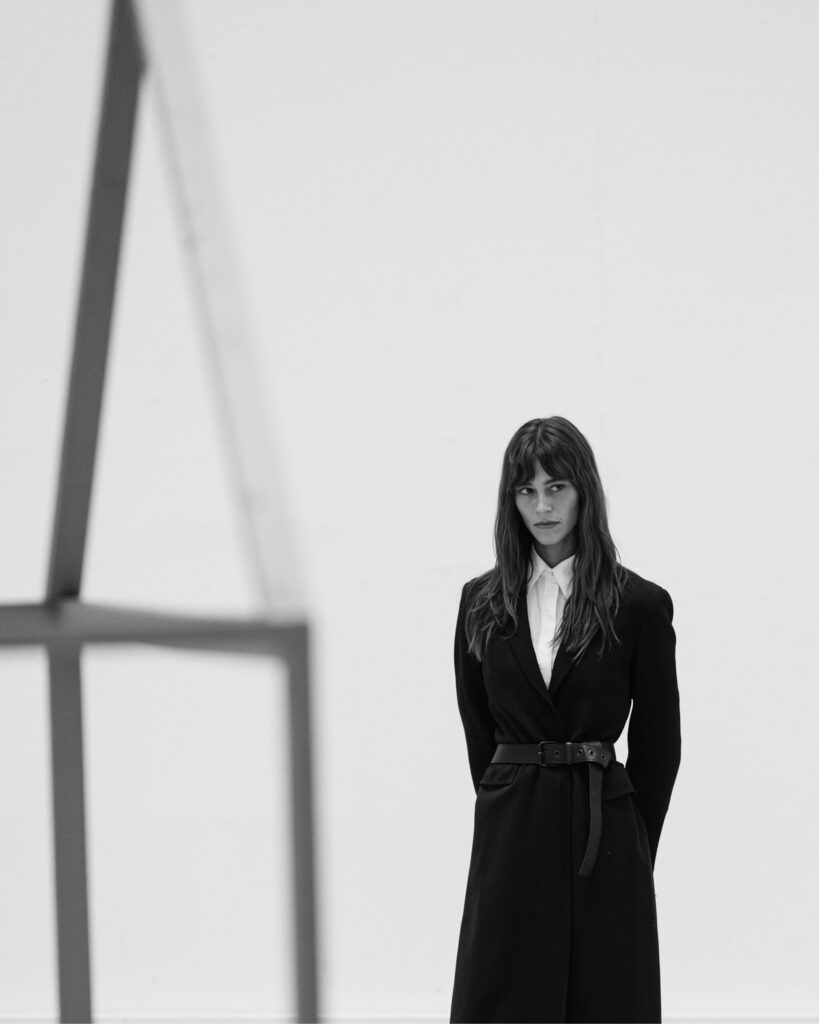
Per quanto riguarda i booking in Italia sei seguita da Bartist, una delle agenzie più influenti della scena internazionale. Cosa ti ha fatto scegliere di essere rappresentata da un’agenzia e cosa consiglieresti a un artista che sta muovendo i primi passi e che viene contattato per entrare in una realtà del genere?
Essere rappresentati da un’agenzia può essere un vantaggio, perché hai (o dovresti avere) qualcuno che crede in te e ha i contatti giusti, le conoscenze nella scena musicale per aiutarti a chiudere le date. Con BArtists, sento che la mia agente crede nel mio sound, nella mia immagine e nel mio potenziale. Inutile dire che tra manager e artista è essenziale anche una base di fiducia, trasparenza e una buona comunicazione. Se un artista viene contattato da un’agenzia, gli consiglio di fare prima una chiacchierata in videochiamata per percepire il vibe. Chiedete come lavorano, come comunicano, con quali clienti collaborano (club, promoter, ecc.), e assicuratevi di dire e mostrare loro cosa portate in tavola. Non tutte le agenzie sono la scelta giusta, e va bene così.
A che punto ritieni di essere oggi nella tua carriera e come immagini la continuazione di questo tuo percorso artistico?
In questo periodo, dopo il tour, mi sto concentrando di più sulla produzione musicale piuttosto che sulle gig, perché durante il tour non avevo molto tempo per lavorare in studio. L’industria musicale è in continua evoluzione, quindi è difficile dire verso quale direzione immagini la continuazione del mio percorso. Quello che posso dire è che c’è molta pressione nel produrre contenuti, e questo in qualche modo influenza la scena musicale nel suo complesso. Attualmente sto lavorando a molti nuovi pezzi e cercando di rimanere creativa anche per quanto riguarda la produzione di contenuti. Un insegnamento che ho tratto: muoviti con i tempi, ma rimani fedele alla tua identità.
E ancora, grazie per avermi dato la possibilità di condividere i miei pensieri e i miei consigli ❤️
ENGLISH VERSION
Talking to Anna Amato, you immediately perceive a determination that smacks of industrial rock and an elegance worthy of haute couture. Opening the doors to her world of headphones, agencies, and ever-ready suitcases without filters, she showed us the behind-the-scenes of a career built by a woman who isn’t afraid to roll up her sleeves.
Of Italian origins but raised to the sound of piano in Germany, only to end up behind the decks across Europe (and beyond), Anna is living proof that labels are too tight for those who aren’t afraid to put themselves on the line. Model, DJ, producer, and, when needed, self-tour manager: her story is one of constant reinvention, where the classical music of her origins blends with techno basslines and photoshoots alternate with nights behind the console.
Her story is an anthem to creative freedom, pure and consistent with her identity. Waking up in the morning with the awareness of wanting to chase your dreams, working on yourself to achieve set goals: it sounds like a slogan from those self-help gurus who clog our feeds daily, but talking to her made it clear that with consistency and dedication, results really do come. Like when, last October, she decided to organize a tour in Asia completely on her own: no agencies, no tour manager, just her, her contacts, and infinite patience in waiting for replies to emails and Instagram DMs that often never even came.
We met with her to have her tell us how she pieces together the puzzle of a multi-faceted life, between the console and the runway, between seemingly distant disciplines and one single, very strong identity.
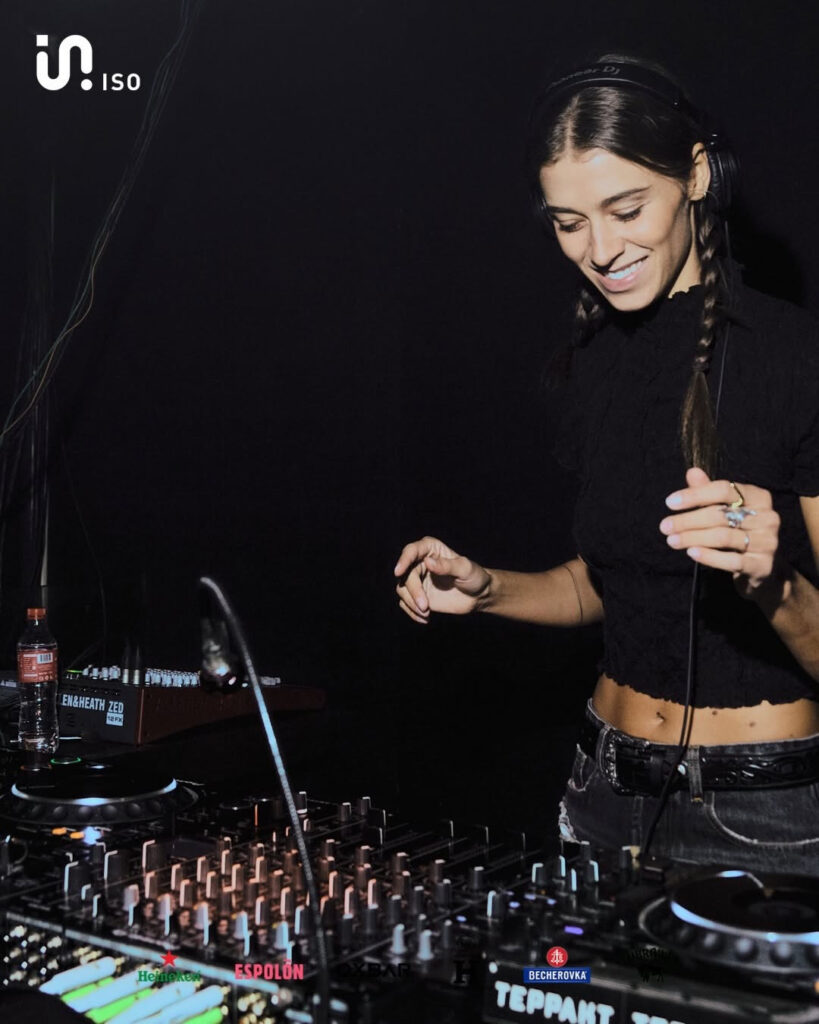
Let’s start with you: tell us who you are beyond the Anna Amato DJ we know and how you got into the world of electronic music.
Beyond being a DJ, I believe I am many things – like everyone is. I am someone who loves to express herself, be creative, push thoughts and boundaries in both work and personal life. I wake up every day with the thought of doing that what makes me happy because what else is really the point of life? It takes a lot of courage and determination to follow that path that makes you happy. I found that path to be music and fashion, so here I am – from classical music, to working as a model and simultaneously working in business consulting, to working as a DJ and music producer in the electronic music scene.
Do you think growing up in Germany influenced your decision to pursue techno music? Or was it a love that developed unconsciously?
I think growing up in Germany did play a role in moving me more towards a specific kind of sound. Ten years ago, there were many venues in Germany that played techno music. I was also surrounded by people / friends who enjoyed this type of sound, and for sure this influenced my music direction today. However, I believe that independent of where I grew up, I would have found my way towards this more underground music scene at some point.
Can you pinpoint a specific moment when you decided to become a DJ? A party, a festival, the moment you heard a track…
Coming from a music background (playing piano since I was 4 years old), I always had an interest in music and composition. I think that that began translating into DJing the moment I discovered various music genres with the help of music streaming platforms. I remember being in Macau during my exchange semester in 2019 and spending hours on Spotify listening to new artists, music genres, and thinking to myself, “wow, what if i could make a completely new song by mixing the two together?”. And then when I got back to Europe I started to try this on a proper mixer (Allen & Heath back then). And after realizing the many possibilities this technological device was offering, I couldn’t stop. And from there it all began.
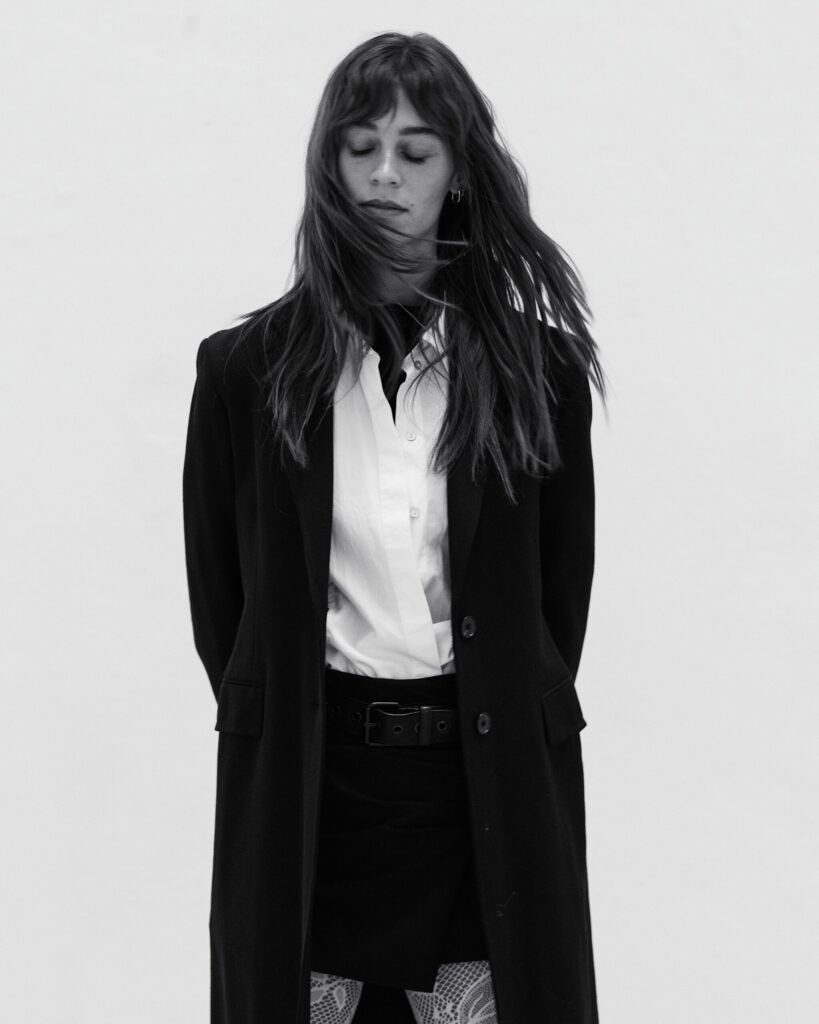
You live between two fascinating worlds: the artistic world of DJing and the more aesthetic world of modeling. Tell us how these two seemingly distant worlds coexist, but which you seem to bring together in a very natural way.
This is a beautiful question. I believe that any two or more professions can coexist if you are truly passionate and authentic about them. Both modelling and DJing / music production are creative professions where image and skill are placed in the foreground. I was told for a very long time by agents (both Model agents and music booking agents / people in the music industry) that these two worlds couldn’t really co-exist. Either you are one, or you are the other. I was told people in the music scene wouldn’t take me seriously if I was a model. Of course, I was always against choosing to display either one or the other profession – I wanted to display both, because both were part of my identity. Now, I see that having both these professions is an asset and neither of them is a hindrance to the other.
Your resourcefulness in finding a balance between different worlds was also evident at the end of 2025, when you organized your tour of Asia completely independently…
Honestly, it was a big challenge to organize an Asia tour without the help of agents / tour managers. I had done another Asia tour previously, but on a much smaller scale than this one in winter 2025. Asia is a huge music market – very diverse – with many commercial venues and country specific music, but also some more underground and experimental venues. The first step was to determine which countries would be an option for me to play in. I looked at their geographic location and how feasible they were to reach by transport, as well as how many venues they had that book international artists that play my kind of sound. Because i dont have many contacts in Asia that work in music, my only option was to reach out to the clubs / promoters directly via IG or instagram. This took a tremendous amount of time and effort – to identify the venues and draft a message specific to the venue. And of course, as you can imagine, the answer to message ratio was very low. This made it of course difficult to keep my confidence high, but the most important is to not give up. Re-send that message. Check in again. Make them a better offer. It takes willpower and strength. If you don’t have that, there is no chance you will ever be able to book anything.
Many emerging DJs dream of going on an international tour on their own. What tools, resources, or people have been most helpful to you in tackling an independent project like this?
To tackle an international tour, I think the most important tool that a DJ should bring is confidence, authenticity, and organization skills. When you send clubs / promoters a message, your presskit, your proposal, you need to know your value. What do you bring to the table? Why should they book you? You need to be able to draft contracts, book travel, be prepared musically, and generally be quick to adapt to any situation changes. Knowing the right people can help of course, but without professionalism and skill, that will get you nowhere.
Do you have any mental or concrete checklists that you would show to a young artist who wants to self-produce a tour?
I don’t have a concrete checklist that I would show a young artist, but I do want to highlight the importance of being organized when planning such a tour. Make a document where you can keep track of all the venues you reach out to, their contact email, their names, etc. When you finalize a booking, consider creating a contract. When you speak about remuneration, make sure to define payment methods and deadlines. Also make sure to lower your expectations, because otherwise you will get upset if something doesn’t work out. Make sure to have enough money before you leave for the tour – unexpected cancellations or travel detours can happen.
What were the main difficulties you encountered in organizing your tour? Is there anything you would do differently if you could go back and relive the experience?
I think the main difficulties / struggles in organizing the tour was trying to logistically make the tour “make sense”. As is: your show in Korea should be after or before your show in Japan, and your show in Mongolia can’t be after your show in Australia, if that makes sense. Some shows were just simply not possible to confirm because of geographical positioning or because it was too last minute. If I could go back in time, I would definitely start planning even more in advance – 3/4 months before the day of departure (minimum). Planning such a big tour really does require organization skills and a lot of patience.
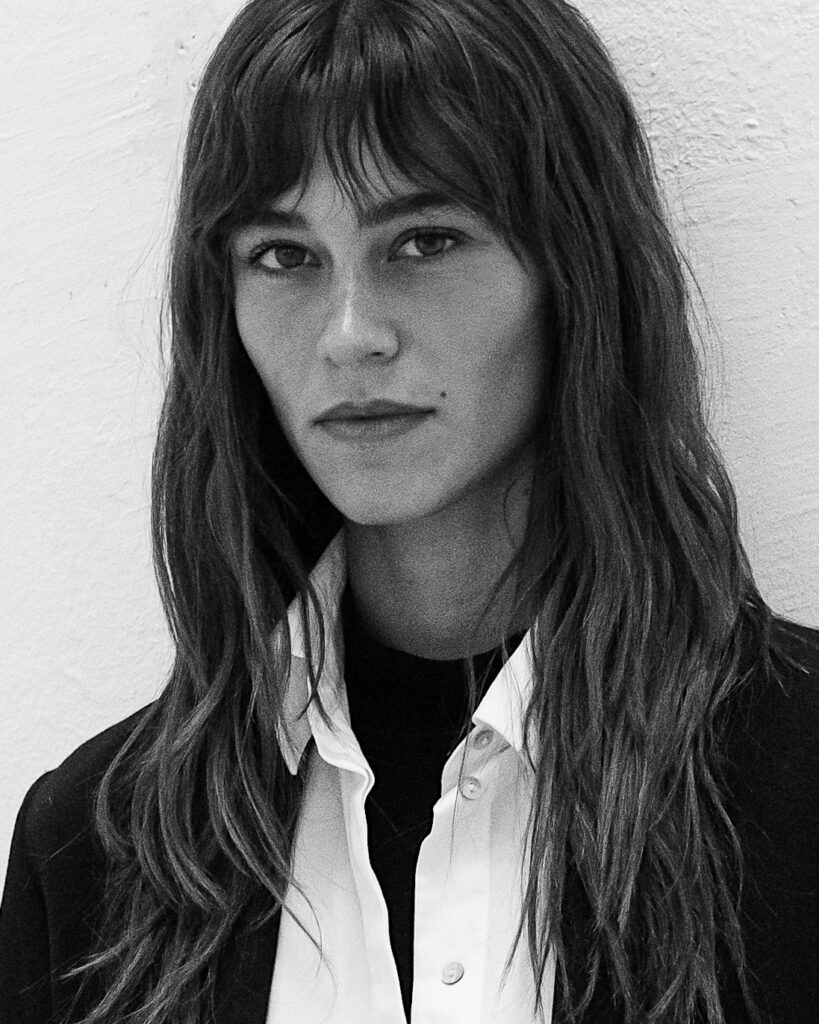
As far as bookings in Italy are concerned, you are represented by Bartist, one of the most influential agencies on the international scene. What made you choose to be represented by an agency and what advice would you give to an artist who is just starting out and is approached to join such an agency?
Being represented by an agency can be an advantage, as you (should) have someone who believes in you and has the right touchpoints / contacts in the music scene to help close bookings. With BArtists, I feel that my booker believes in my sound, my image and my potential. It goes without saying, that a basis of trust, transparency and good communication is also essential between a booker and artist. If an artist is approached by an agency, I recommend them to first have a chat with them on video call and feel the vibe. Ask them about how they work, how they communicate, what clients (clubs, promoters, etc) they work with, and make sure to tell and show them what you bring to the table. Not every agency will be the right fit, and that’s okay.
Where do you think you are today in your career and how do you imagine the continuation of your artistic journey?
Right now, I am placing more focus on music production rather than shows, especially after my tour, as I didn’t have much time to work on production then. The music industry is in a constant shift, so it’s hard to say where I imagine the continuation of my journey. What I can say is that there is a lot of pressure to produce content, and this does in some way affect the music scene as a whole. Currently I am working on many new tracks, and staying creative when it comes to content production. One take away lesson from me: move with the times but stay true to your identity.
And once again, thanks for letting me share my thoughts and advices ❤️