
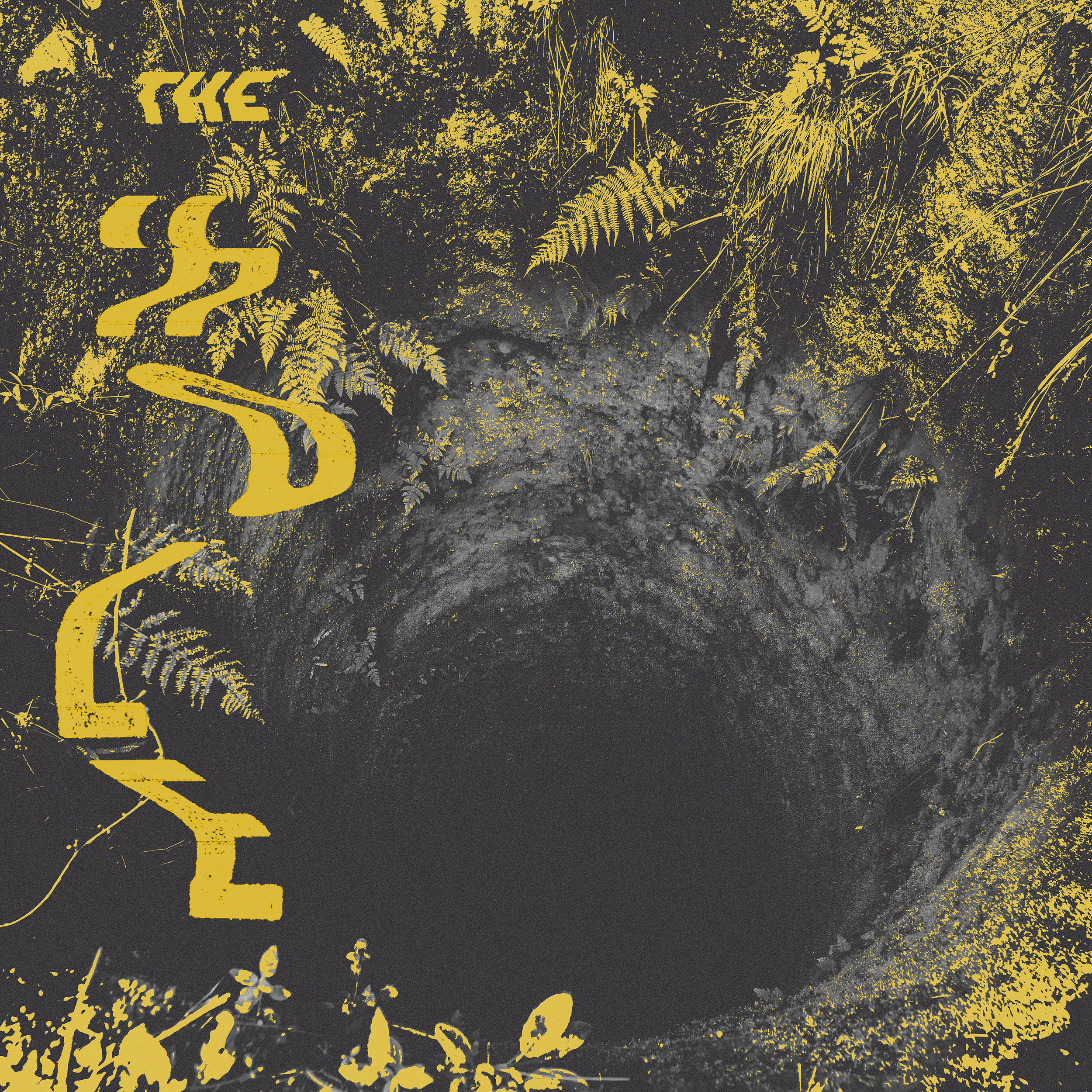
The Hole, the new EP from Reykjavík-based experimental-pop artist R.M. Hendrix (RMHNDRX), arrives as a quietly devastating continuation of the atmospheric world he explored on YUKS. While that 2025 full-length drew acclaim for its fractured energy and outward-looking tension, this new release turns decisively inward. Warm, haunted, and texturally rich, The Hole feels like a descent into a private chamber—one shaped by ambient drift, experimental electronic production, and a dream-pop sensibility that lingers like pulse and echo. It is a high-quality release we are pleased to feature on our webzine.
Where YUKS navigated cultural dislocation and surface chaos, The Hole embraces what the artist calls “welcoming dread”: a darkness that envelops rather than threatens. This tonal shift is reflected in its rhythmic language. Instead of relying on forward propulsion or percussive clarity, the EP structures its rhythmic identity around slow-moving pulses, soft percussive gestures, and the suggestion of motion rather than its explicit articulation. Beats often dissolve into textural currents, while off-grid elements create the sensation of breath and drift. It is a rhythmic framework more aligned with ambient music than with traditional electronic structures, yet its subtle tension echoes the atmospheric unease of Burial or the sparse emotional precision of James Blake.
Opening track “An Escape,” composed in early 2024, frames this descent beautifully. It introduces the record’s central motif of disappearance—rhythms that fade before stabilizing, piano phrases that recur like fragments of memory, and synth layers that bloom outwards before retreating into shadow. The synth work throughout the EP leans toward warm pads, submerged drones, and slightly detuned harmonics, generating a dream-state intimacy. Rather than leading the compositions, the synths seep into them, functioning as both melodic carriers and atmospheric glue.
Two pieces, “You Are Lost” and “Seas Within Seas,” originate from Hendrix’s improvisational performance No Signal at Space Odyssey in 2024. Their reworked forms reveal a deliberate attention to pacing and texture. The rhythmic structures here are more implied than stated, built from intersecting layers of filtered noise, modulated synths, and soft micro-percussive flickers. These tracks embody the EP’s liminal quality—constantly shifting between clarity and fog, between emotional warmth and a sense of interior confusion. The rhythmic ambiguity opens space for melody to drift gently across the stereo field, while the synth design emphasizes slow modulation, granular details, and subtle harmonic distortion.
Track titles such as “Stars at Noon” and “The Body Passing Where the Body Is Not” signal the EP’s fascination with dislocated perception. In these newer compositions, the atmosphere leans on field recordings, horns, and flute-like synth timbres that emerge like distant signals. The production avoids sharp edges, favoring blurred contours and soft-focus textures. This approach aligns with the dream-pop residue embedded in the music, recalling the electronic detours of Slowdive as well as the immersive sound-worlds of Tim Hecker or Fennesz. Each piece feels suspended, caught between daylight and shadow.
The EP’s conceptual core is deeply tied to the writing of Haruki Murakami, particularly his recurring motif of descending into wells and subterranean spaces. Hendrix channels this idea through harmonic choices that suggest vertical movement—minor-key progressions that sink gradually downward, drones that darken over time, and rhythmic structures that slow to near stillness. Instead of suffocating, these sonic “wells” invite reflection. The atmosphere is dense but strangely comforting, mirroring the EP’s exploration of alternate interior states.
“How Is It in Reykjavík?” closes the record with a more song-focused form. Written in 2023 and shaped by an uncanny sense of place, it delivers one of the EP’s most emotionally direct moments. The rhythm remains understated, the synths subdued, the atmosphere drenched in quiet melancholy. It functions as a final message from within the depths—lonely, searching, unresolved.
Ultimately, The Hole constructs a cinematic sonic descent, blending piano, guitar, horns, synths, and field recordings into a warm yet haunted landscape. Its rhythmic softness, meticulous synth layers, and enveloping atmosphere form a deeply immersive experience. It is an original and confidently executed work, one that reinforces R.M. Hendrix’s reputation for genre-fluid experimentation and atmospheric depth.