
Dal web al backstage: abbiamo incontrato alcuni dei volti di EELF Records — canale YT e label di riferimento per la lo-fi house — per scoprire le storie, il tour e l’energia che anima una scena in costante evoluzione.
Per gli appassionati di musica elettronica – e in particolare per i cultori della lo-fi house – l’estate appena passata, oltre a essere stata la “Addison Summer”, la “Turnstile Summer” eccetera, eccetera è stata anche e soprattutto, la stagione di EELF Records. Anzi: la EELF Records Summer, per essere precisi.
Ora che le giornate si accorciano e ci ritroviamo tra un Pumpkin Spice Latte e qualche episodio di Gilmore Girls (mai visto, ma mi piaceva parlare per stereotipi), il progetto EELF non accenna a rallentare: la label ha appena annunciato un tour invernale che promette nuove date in giro per l’Europa. (Info e biglietti QUI).
C’è chi dice di conoscere EELF, e chi mente. Mente perché, negli ultimi anni – e in particolare durante il lockdown, quando eravamo chiusi in casa tra coprifuoco surreali e playlist infinite – è praticamente impossibile non essere incappati almeno una volta in un video targato EELF Records su YouTube. Ti è mai successo di mettere su una traccia lo-fi house con un visual VHS che ti ha fatto venire nostalgia di un’epoca che non hai nemmeno vissuto? Ecco, probabilmente era un video EELF.
Perché prima della lofi girl (che fino al 2021 si chiamava Chilled Cow), dal 2017 c’era già EELF Records.
A giugno abbiamo partecipato allo showcase di EELF Records all’OCZKI di Varsavia, dove abbiamo incontrato Andrius Vaškevičius, mente e fondatore del progetto. Con lui abbiamo parlato non solo delle origini di EELF, nate nel 2017 nel pieno dell’ondata lo-fi e ispirate da artisti come DJ Boring, Ross from Friends e Mall Grab, ma anche della trasformazione del canale in un’etichetta discografica, degli ultimi club tour, del legame con la community e dell’evoluzione sonora del progetto.
L’idea iniziale, e da qui anche il nome-acronimo, era quella di creare uno spazio dedicato alla East European Lo-Fi (music), un concept che però si è rivelato ben presto troppo limitante per la visione di Andrius, lituano d’origine. Good call, perché nel giro di tre anni, il canale raggiunge 180.000 iscritti, affermandosi come punto di riferimento globale per la lofi house grazie a un’estetica riconoscibile e a una curatissima selezione musicale, capace di far scoprire tracce provenienti dai più remoti sottoboschi dell’underground. Il tutto confezionato con visual in stile VHS anni ’90 che sembrano usciti da un sogno malinconico.
Ricordo come se fosse ieri l’ansia (quella bella) per le première sul canale di EELF di pezzi di DJ Aedidas, dj poolboi, e di come non aspettassi altro che condividerle con i miei amici, come fossero piccole reliquie digitali.
Quella sensazione di far parte di qualcosa, di una scena, di un’estetica, di un certo modo di ascoltare e guardare, è esattamente ciò che EELF è riuscito a costruire negli anni. Ed è anche il motivo per cui, quando YouTube verso fine 2020 ha chiuso il canale originale si è aperto un piccolo vuoto per chi viveva a pane e Lo-Fi.
“Sapevo che sarebbe successo prima o poi” – ci confida Andrius – “il problema non era la musica, erano i filmati. YouTube traccia tutto. Se usi il video di qualcun altro, arriva una notifica. E dopo centinaia di video, qualcuno non è stato contento che non avessi chiesto.”
Lo racconta con calma, ma si sente che lo stop ha pesato. Non era solo perdere dei video, era perdere un rifugio emotivo per tantissime persone. Proprio dopo il ban, infatti, emerge ancora di più quanto EELF non fosse mai stato solo “un canale”. “Il supporto della community mi ha davvero dato la forza per ripartire – continua Andrius – dovevo ricominciare daccapo. E farlo in modo diverso.”
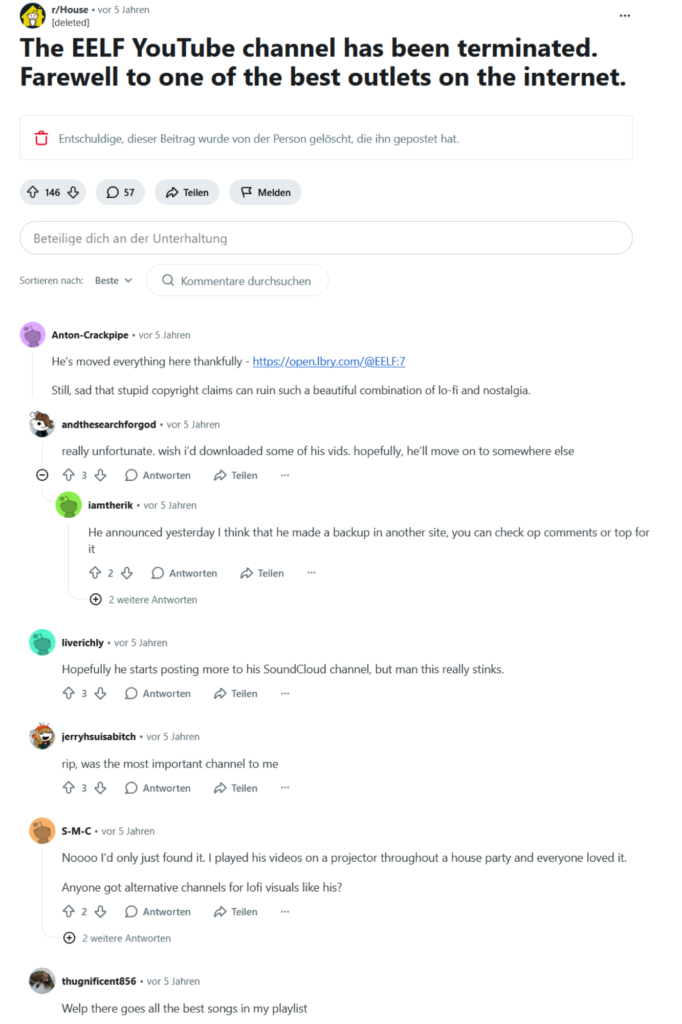
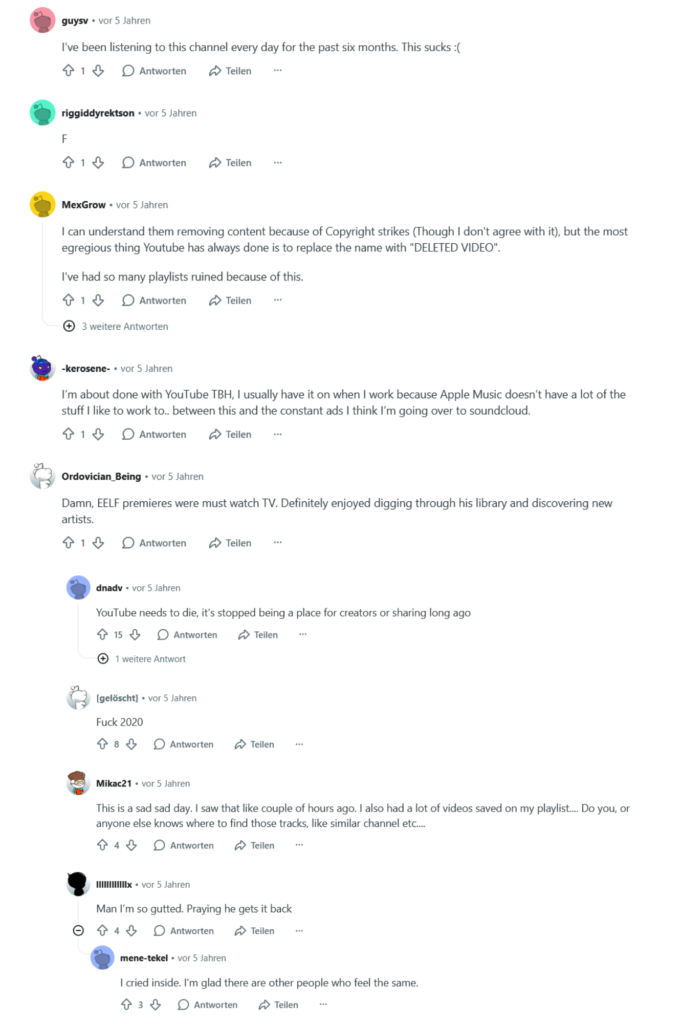
Ecco alcuni screenshot da un thread su Reddit di cinque anni fa, in cui alcuni utenti discutono della chiusura del canale YouTube. Da amante della lo-fi e affezionata follower del canale, ricordo di essermi sentita esattamente come loro.
Andrius riparte da zero, creando un nuovo canale. All’inizio, per andare sul sicuro, carica solo immagini statiche o visual stock — zero rischio copyright. Ma qualcosa non va. L’anima del progetto non era solo nella musica: mancava quel mood, quell’estetica VHS che faceva parte dell’identità di EELF tanto quanto i kick sporchi e i pad ovattati. “L’intera estetica di EELF era costruita attorno ai filmati VHS degli anni ‘90 — e la gente voleva vederli.“
Quindi ci ricasca, ma con criterio. Impara a editare i video in modo da non farli più beccare dall’algoritmo: nuovi glitch, loop più criptici, effetti che mascherano le fonti. Il canale rinasce, e con lui, l’hype.
E mentre l’hype e i visual tornano, qualcosa cambia. EELF pian piano si trasforma in EELF Records, una vera e propria label indipendente.
“Volevo creare una casa per tutti quegli artisti che condividevano la nostra sensibilità,” racconta Andrius. “Un posto dove poterli far crescere, senza compromessi.”
Anche il suono evolve, e diventa più fluido, meno incasellabile. Lo-fi house, certo, ma anche garage, breakbeat, trance, echi da warehouse rave. Il fil rouge? Una selezione sempre curata, con l’orecchio attento e la voglia di proporre qualcosa che “non sia già stato sentito mille volte”.
“Se ci limitassimo solo alla lo-fi house probabilmente faremmo anche più numeri. Ma non mi interessa. Voglio introdurre la community a nuovi suoni.” Detto questo, aggiunge sorridendo, i brani lo-fi continuano ad essere quelli che performano meglio. E in fondo, non ci sorprende.
Dallo schermo alla dancefloor: EELF in tour
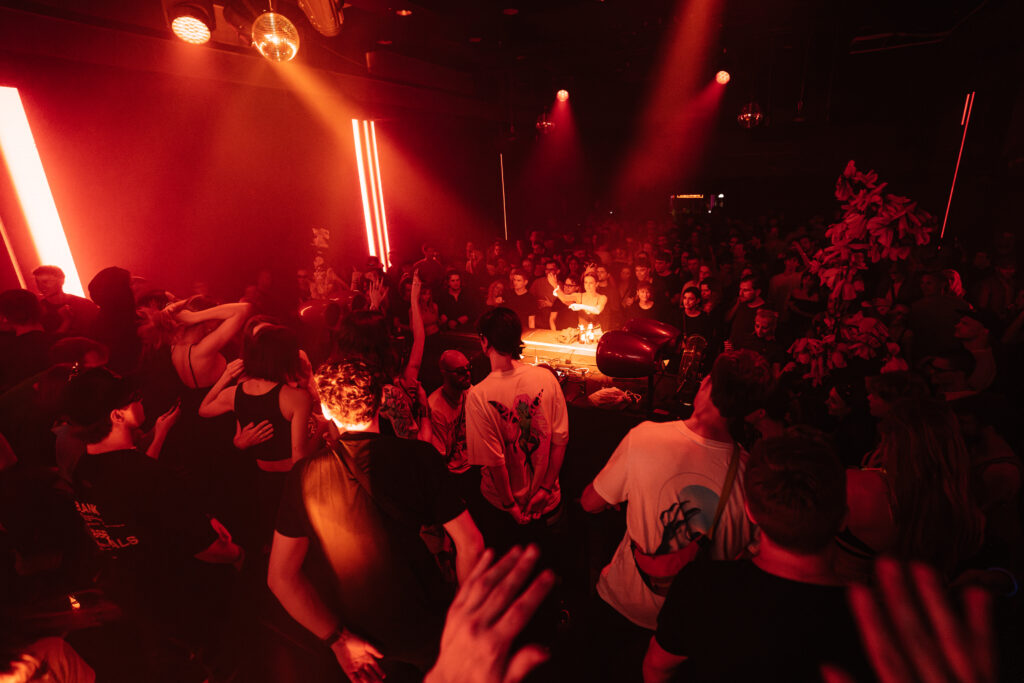
Dopo anni passati a costruire una community online, EELF Records comincia a portare la propria visione fuori dallo schermo.
Nel 2023 parte il primo tour europeo e il risultato è sorprendente, quasi tutte le date sono sold out.
Per Andrius e il team, abituati a vedere il loro logo solo su YouTube, è quasi surreale vederlo proiettato su un muro dietro la consolle, stampato su magliette, flyer. “Per sette anni siamo esistiti solo online. Vedere il logo e la gente ballarci attorno per la prima volta è stato un sogno che si realizza.”
Nel 2024 si replica con un “world tour”: un secondo tour ancora più ambizioso, tappe negli States e in Sud America e ben 12 showcase in Europa – Berlino, Praga, Budapest, Vienna, Varsavia, Tallin eccetera.
Partenza lenta, i biglietti non volano subito come l’anno prima, ma qualcosa cambia a fine tour: Varsavia (OCZKI) è un sold out pieno, e lo stesso vale per Vienna e Budapest.
A distinguere davvero il progetto EELF è la capacità di creare un senso di appartenenza che va oltre la pista. Non è solo una community di ascoltatori, ma anche di artisti: un network vivo e orizzontale, dove suonare insieme diventa anche un modo per conoscersi, confrontarsi e costruire un microcosmo fisico, una scena — vera, condivisa, non solo digitale. Il tour ha riunito producer da background molto diversi, tra cui: Baltra, dj poolboi, no_4mat, Shaolin Cowboy, sunflwr, Lizaliza, Target Demographics, Projektbau, DJ Cinema Quartier Latin.
Abbiamo incontrato alcuni di loro nel backstage e tra una birra e l’altra, ci siamo fatti raccontare cosa c’è dietro (e dentro) alle loro tracce.
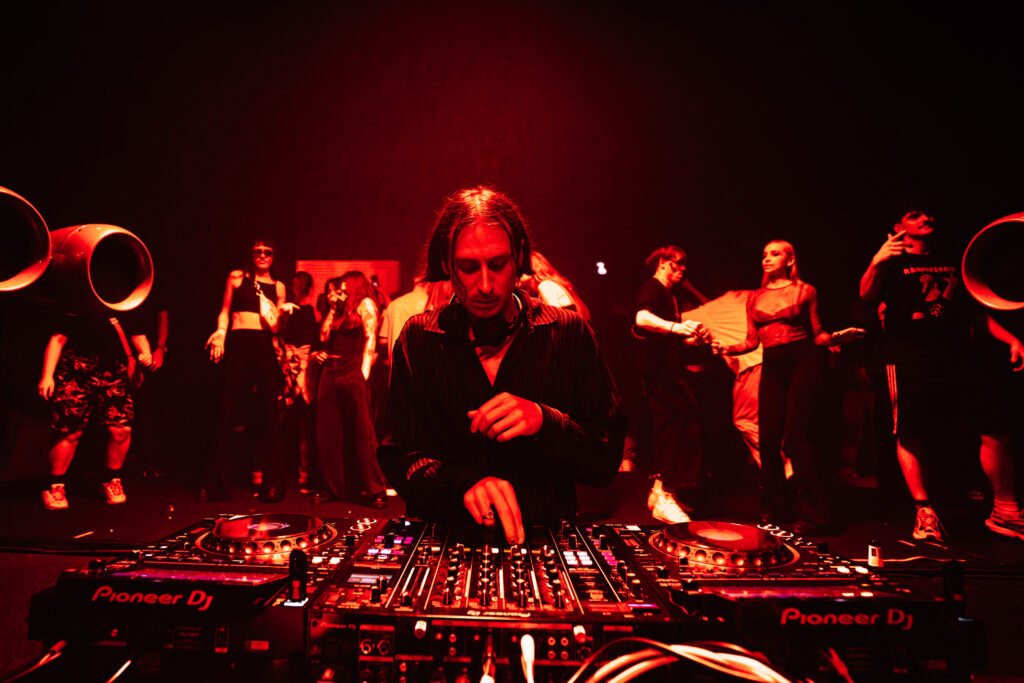
EELF RECORDS presents – Showcase di Varsavia, OCKZI Club
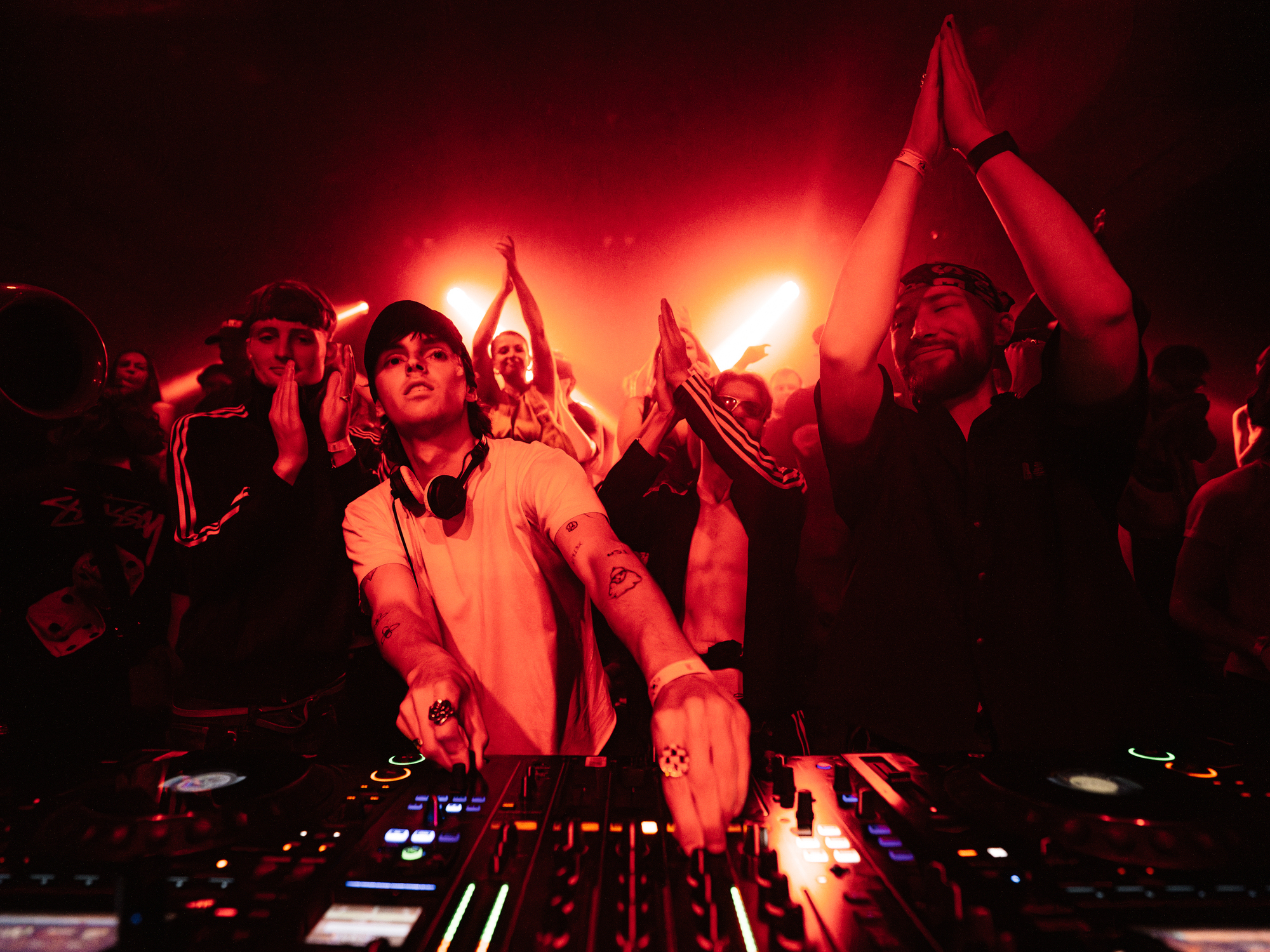
Appena arrivati all’OCZKI, lo showcase si apre con un DJ set di Target Demographics, ed è subito chiaro: gli eventi EELF parlano la lingua dei fan. Cassa morbida, loop immersivi e un tocco di nostalgia: è lo-fi house senza filtri, quella che di solito scopri su YouTube alle tre di notte, non in un club pieno di gente. Eppure funziona eccome.
Poi tocca a Shaolin Cowboy e l’atmosfera cambia: breaks si alternano a momenti di groovy house, sempre con un occhio al dancefloor e l’altro all’introspezione. “Sto ancora cercando il mio stile, credo che un artista abbia bisogno di almeno dieci anni di carriera per definirlo,” ci racconta Alec Campbell, il producer dietro il progetto, grato a suo zio per averlo avvicinato alla musica regalandogli i primi vinili.
Insieme a dj poolboi, che lo accompagna nel tour, ci racconta come il loro approccio sia cambiato dopo il lockdown: “All’inizio facevamo musica senza pensare al club. Era qualcosa di più emotivo, quasi malinconico. Poi, tornando a suonare, ci siamo accorti che volevamo far ballare, ma senza perdere quell’intimità.”
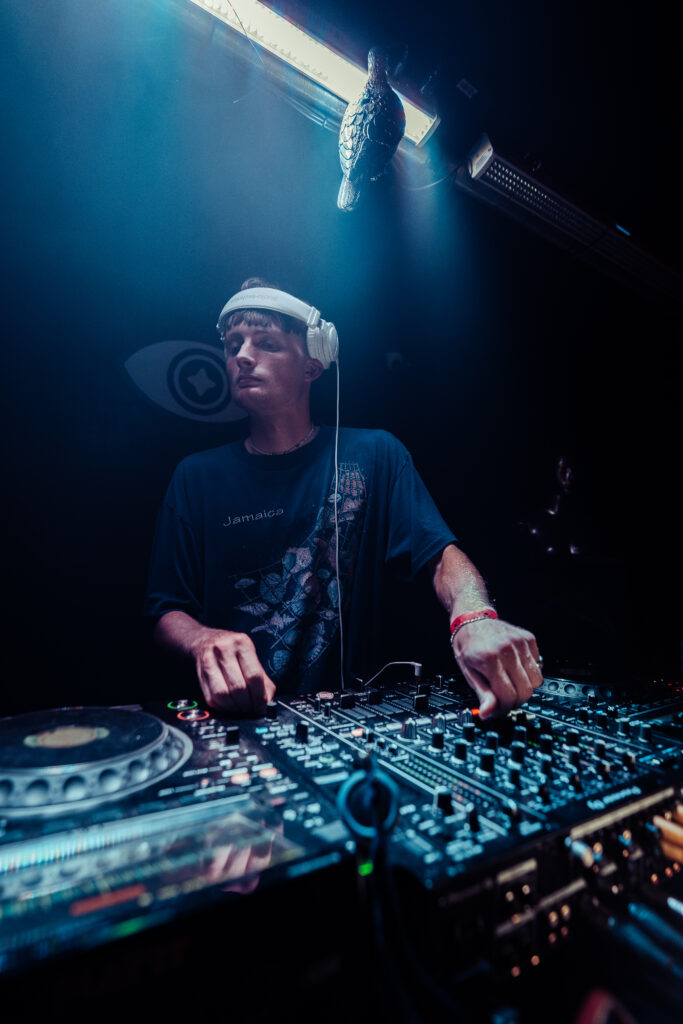
Arriva Mikhael Villegas, aka no_4mat, producer filippino-americano dal suono nebuloso, cyberpunk, nostalgico definito da lui stesso come “trance-tinged emotional soundscapes”. Lavora anche come motion designer e si ispira spesso a film e videogiochi per costruire le sue tracce. “Immagino scene nella mia testa mentre produco – inseguimenti, ricordi, momenti sospesi. È come scrivere la colonna sonora di un film che esiste solo nella mia mente.”
Durante il suo set suona molti dei suoi pezzi, immancabile il brano cult 1992: “Avevo quella melodia in testa da anni. Quando l’ho pubblicata non pensavo avrebbe avuto questo impatto. Ora mi capita spesso che in pista qualcuno alzi il telefono con “1992” scritto nelle note. Quando la suono, si crea un momento di hype collettivo”.
Con sunflwr, moniker di Lukas Hanson, si vira verso un mood più upbeat e luminoso. Dopo una parentesi nella tech industry e una crisi personale, ha ritrovato nella musica una via d’uscita: “Dopo un periodo difficile, ho deciso di ricominciare a fare musica ogni giorno. La mia terapeuta mi ha fatto capire che era una parte di me che avevo dimenticato.” Con un background da bassista e studi di musica alle spalle, Hanson fonde melodia e ritmo con naturalezza. “Uno dei miei riferimenti è Bonobo – mi ha ispirato a pensare anche ad un eventuale live set. Vorrei portare più strumenti nei miei live in futuro.”
La sua selezione all’OCZKI è calda, solare, e accoglie anche una chicca pop come It’s So Good di Jamie xx. “Mi piace contaminare, anche se a volte mi chiedo se la gente troverà certe scelte ‘strane’. Ma poi ricordo che all’inizio facevo musica senza aspettative, e voglio restare fedele a quella libertà.”
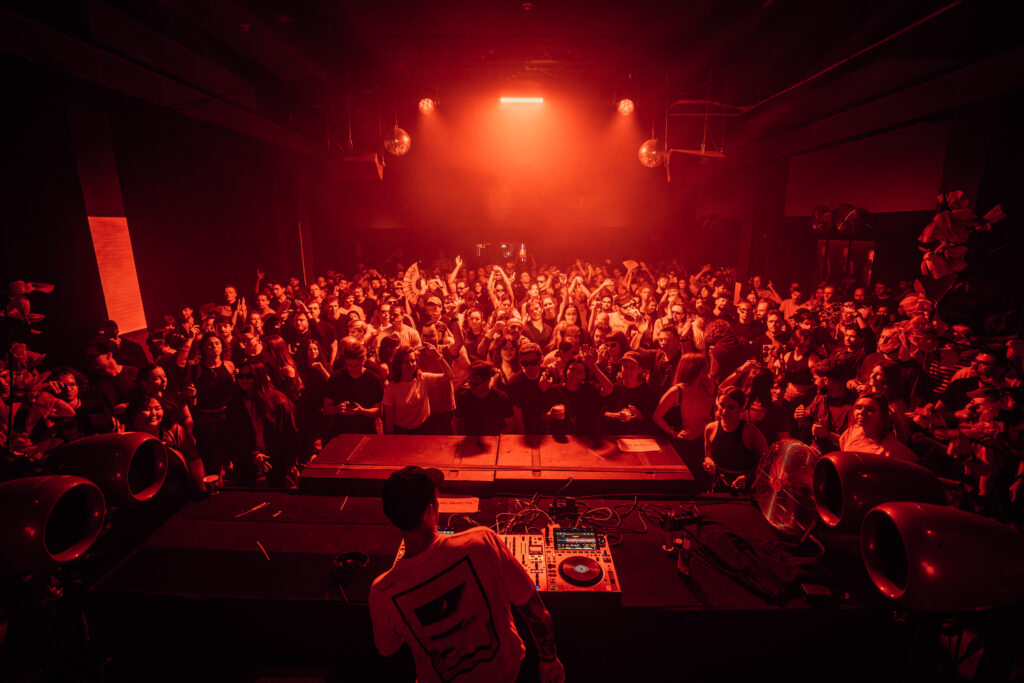
DJ Cinéma Quartier Latin, Lamb per gli amici, direttamente da Montréal, ha cominciato a fare musica proprio ispirato dai primi video EELF che ha visto nel 2019: “Mi sembrava uno di quegli angoli dell’internet in cui tutto è al posto giusto. Ho capito che volevo far parte di quella scena.” Il suo nome d’arte nasce da un cinema storico della sua città: “Era uno scherzo all’inizio, poi il progetto è cresciuto e ora è parte di me. Mi piace che porti con sé un riferimento affettivo e locale.”
Negli ultimi anni si è spinto verso sonorità trance ed eurodance, portando questa selezione anche allo showcase, pur mantenendo una forte vena emotiva: “Non voglio essere etichettato come un producer di un solo genere. Voglio far ballare, sì, ma anche stupire. Cambiare è fondamentale.”
A seguire c’è dj poolboi, Adam Ansley, una delle figure più amate dalla community di EELF e tra i primi nomi a credere nel progetto. Texano, con un tocco cinematico e malinconico che si riflette sia nei suoi DJ set che nelle sue produzioni, fonde house emotiva, sample vocali e linee melodiche capaci di colpire dritto allo stomaco.
“Ho iniziato a fare musica solo per me, senza pensare a chi l’avrebbe ascoltata. Paradossalmente, è proprio così che ho trovato il mio pubblico.” Il suo live è danzereccio, ma fa anche emozionare. E a fine serata, ci confessa con un sorriso che dopo il tour non vede l’ora di tornare a casa, “dormire, coccolare i gattini e rimettersi a produrre”.
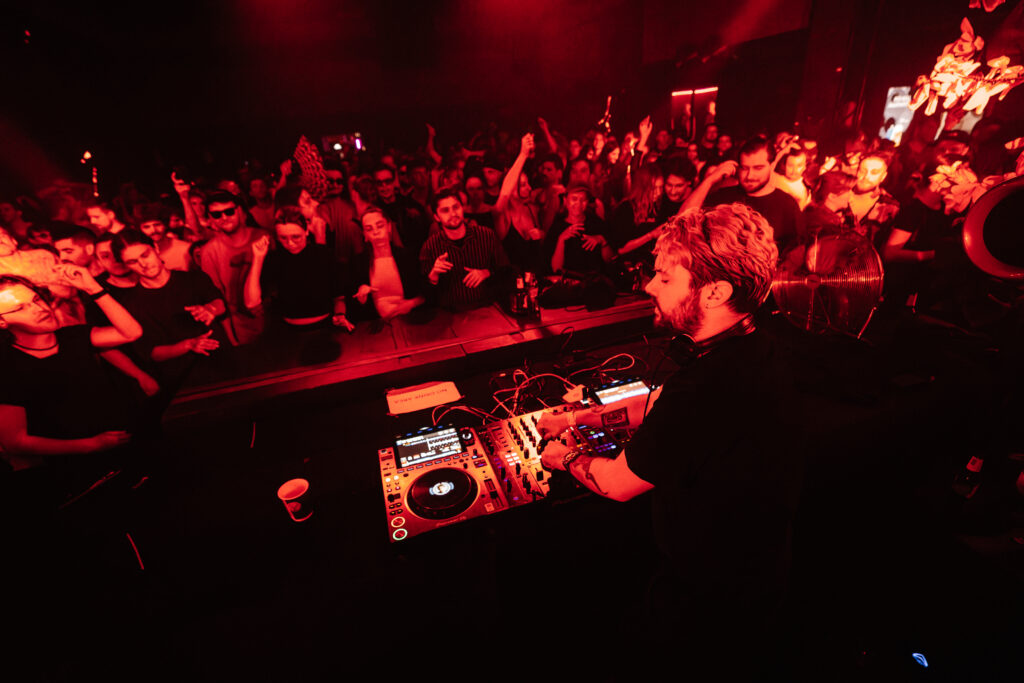
Tra un set e l’altro, l’atmosfera nel backstage è super rilassata: birre ghiacchiate, Lukas scatta qualche foto per “good Instagram content”, si discute su quale città abbia avuto il pubblico più caloroso e Adam ride raccontando che al suo management non piacciono i titoli lunghissimi delle sue tracce, ma che lui non ha nessuna intenzione di accorciarli: “Mi piacciono così. Nei titoli nascondo dei messaggi segreti.”
Alec, nel frattempo, sfoggia le sue competenze in lingua italiana (è bravissimo!) e ci confida di essere un grande fan di Gomorra, Ele A e del rap italiano. Inutile dirvi che, da buona massafrese, gli ho consigliato di ascoltare Kid Yugi.
Uno degli highlights arriva proprio a fine serata, quando gli artisti si lanciano in una serie di b2b improvvisati. La complicità tra loro è palpabile e soprattutto genuina e il palco sembra quasi trasformarsi in una festa tra amici. Amici che ci sanno fare eccome in consolle, soprattutto se mixano banger come Black Water di Octave One!
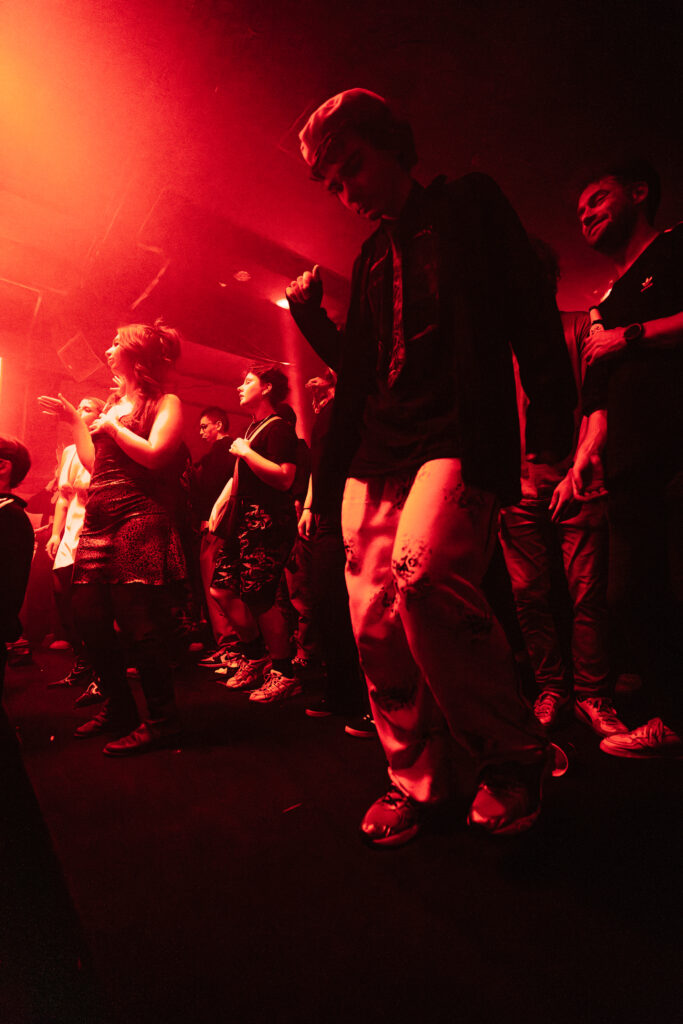
E dato che adesso la notte è finita e la droga è scesa (cit.), fuori dall’OCZKI è tornato il freddo. Qualcuno fuma, qualcun altro cerca l’after. C’è chi si scambia tracce,chi contatti, chi semplicemente resta in silenzio con gli occhi lucidi, come dopo qualcosa di bello che non si voleva finisse.
EELF, alla fine, è questo: non solo musica, ma un certo modo di stare insieme. Una nostalgia condivisa per qualcosa che, forse, non è mai esistito davvero. E la sensazione del post-serata somiglia a quella dei tipici video del canale — anche noi, quella notte, ci siamo ritrovati dentro una VHS sbiadita.
ENGLISH VERSION
Inside EELF Records’ VHS World: Lo-Fi, Community, and Sentimental Clubbing
From the web to the backstage: we met some of the faces behind EELF Records — YouTube channel and label that’s become a benchmark for lo-fi — to uncover the stories, the tour, and the energy driving a scene in constant evolution.
For fans of electronic music — and especially lovers of lo-fi house — this past summer wasn’t just the “Addison Summer” or the “Turnstile Summer” and all that jazz. It was — maybe more than anything — the summer of EELF Records. Or more precisely, the EELF Records Summer.
Now that the days are getting shorter and we’re juggling Pumpkin Spice Lattes and episodes of Gilmore Girls (never seen it, but hey — we love a stereotype), the EELF project isn’t slowing down one bit. The label just announced a winter tour with new stops across Europe. (Info and tickets HERE)
There are those who say they know EELF — and those who are lying. Because over the past few years — especially during the lockdown, when we were stuck inside, buried under surreal curfews and infinite playlists — it was nearly impossible not to come across an EELF Records video on YouTube. Ever found yourself listening to a lo-fi house track with a grainy VHS visual that made you nostalgic for a time you never actually lived through? Yep, that was probably EELF. Because before the lo-fi girl (who was still called ChilledCow until 2021), there was already EELF Records — founded back in 2017.
We attended the EELF Records showcase at OCZKI in Warsaw this past June, where we met Andrius Vaškevičius, the mind and founder behind the project. We spoke with him not only about the label’s origin story — born in 2017, right in the middle of the lo-fi wave, inspired by artists like DJ Boring, Ross From Friends, and Mall Grab — but also about the transition from YouTube channel to full-fledged record label, the most recent club tours, the community behind it all, and how EELF’s sound has been evolving.
The original idea — and where the acronym came from — was to create a space for East European Lo-Fi (music). But Andrius, who’s originally from Lithuania, quickly realized that concept was too limiting. Good call — because within three years, the channel had reached 180,000 subscribers and become a global reference point for lo-fi house thanks to its carefully curated music and distinct aesthetic. EELF’s visuals — grainy VHS-style footage from the ’90s — felt like they were pulled straight from a dream soaked in melancholy.
I still remember the thrill I felt waiting for premieres from artists like DJ Aedidas or dj poolboi, and how I couldn’t wait to share those tracks with my friends, like they were rare digital relics. That feeling of being part of something — a scene, an aesthetic, a certain way of listening and watching — is exactly what EELF has managed to build over the years.
And it’s also why, when YouTube shut down the original channel in late 2020, a small but very real void opened up for lo-fi devotees. “I knew it would happen eventually,” Andrius tells us. “The problem wasn’t the music — it was the videos. YouTube tracks everything. If you use someone else’s footage, you get a notice. And after hundreds of uploads, someone flagged it.”
He talks about it calmly, almost with acceptance, but it’s clear that the takedown hit hard. It wasn’t just about losing a library of videos — it was about losing an emotional refuge for thousands of people. And that’s when it became even clearer: EELF was never just a YouTube channel.
“The support from the community really gave me the strength to start again,” Andrius says. “I knew I had to keep going. And I also knew I had to do it differently.”
Here are a few screenshots from a Reddit thread from five years ago, where users were discussing the shutdown of the YouTube channel. As a lo-fi lover and longtime follower, I remember feeling exactly the same way.
So, he started from scratch, founding a new channel. At first, to avoid any risk, he uploaded only static images or stock visuals — zero copyright danger. But something felt off. The soul of the project wasn’t just in the music — it was in the atmosphere. That VHS vibe wasn’t just a style — it was part of the identity. “EELF’s whole aesthetic was built around those ’90s VHS clips — and people wanted them back.”
So he took the risk again — but smarter this time. He learned how to edit footage so it wouldn’t get flagged by the algorithm: glitch effects, cryptic loops, tricks to mask the source. The channel was reborn. And so was the hype.
And as the visuals return, something shifts. EELF slowly evolves into EELF Records, a fully independent label. “I wanted to create a home for all the artists who shared our sensibility,” Andrius explains. “A space where they could grow — without compromise.”
The sound evolves too, becoming more fluid, harder to pin down. Still lo-fi house, yes, but also garage, breakbeat, trance, warehouse rave echoes. The common thread? A carefully curated selection, guided by sharp ears and a constant desire to bring something fresh — something you haven’t already heard a thousand times.
“If we stuck only to lo-fi house, we’d probably get even better numbers. But I don’t care. I want to introduce the community to new sounds.” That said, he adds with a smile, lo-fi tracks are still the best-performing ones. And honestly, we’re not surprised.
From YouTube to the Dancefloor: EELF Records Hits the Road
After years of building an online community, EELF Records slowly began bringing its vision into physical spaces. In 2023, the first European tour launched — and it was a hit. Nearly every show was sold out.
For Andrius and the team, who were used to seeing their logo only on YouTube, it was almost surreal to see it projected behind a booth, printed on t-shirts, on club flyers. “For seven years we only existed online. Seeing the logo with people dancing around it — that was a dream come true.”
In 2024, they did it again. A full-blown “world tour” — with stops across the U.S., South America, and twelve shows in Europe: Berlin, Prague, Budapest, Vienna, Warsaw, Tallinn, and more.
It started off slow — tickets didn’t fly like the year before. But something shifted by the end. Warsaw (OCZKI) was a full house. So were Vienna and Budapest.
What truly sets EELF apart is its ability to create a sense of belonging — not just on the dancefloor, but off it too. It’s not just a listener community; it’s a collective of artists. A living, breathing network where performing together becomes a way to connect, learn, and build something that feels like a real scene — one that’s shared, collaborative, and rooted in something more than algorithms.
The tour lineup brought together artists from totally different backgrounds, including: Baltra, dj poolboi, no_4mat, Shaolin Cowboy, sunflwr, Target Demographics, DJ Cinema Quartier Latin, and Lizaliza.
We caught up with some of them backstage — between beers and soundchecks — to talk about what’s behind (and inside) their music.
EELF Records Showcase – Warsaw, OCZKI Club
The night kicks off with a set from Target Demographics, and it’s immediately clear: EELF events speak the exact language of their fans. Warm kicks, hypnotic loops, and just the right touch of nostalgia. It’s lo-fi house, raw and honest — the kind of thing you stumble on at 3 AM on YouTube, not typically hear pounding in a packed club. But it works. And it works really well.
Then comes Shaolin Cowboy, Alec Campbell. The energy shifts. Breaks melt into groovy house — always danceable, still melodic. “I’m still searching for my style,” says Alec Campbell, the UK-based producer behind the project. “I think it takes at least ten years for an artist to really define their sound.” He credits his uncle for sparking his love of music by gifting him his first vinyls.
Together with dj poolboi, who’s also part of the tour, they reflect on how their sound evolved post-lockdown. “At first, we were just making music for ourselves — not thinking about clubs. It was more emotional, even a little melancholic. But once we got back to playing shows, we realized we wanted to make people dance… without losing that intimacy.”
Up next is Mikhael Villegas, aka no_4mat, a Filipino-American producer and motion designer whose sound feels cinematic, nostalgic, and almost cyberpunk — or as he puts it, “Trance-tinged emotional soundscapes.” Inspired by movies, games, and surreal tech aesthetics, he says he imagines scenes while he produces: “Chases, memories, neon-lit rooms. It’s like scoring a movie that only exists in my head.”
He plays a bunch of his own tracks — including his cult classic, 1992. “That melody had been stuck in my head for years. When I finally released it, I never expected the response it got. Now, during shows, people hold up their phones with ‘1992’ typed into their Notes app. The second I tease it, there’s this wave of shared anticipation. It’s electric.”
Things brighten with sunflwr, Lukas Hanson, whose set leans warm, upbeat, and full of subtle surprises — like dropping Jamie xx’s It’s So Good into the mix. A trained bassist with a background in both music and tech, he returned to producing during a tough period in his life: “I’d been working in software, and went through a rough mental health patch. My therapist helped me realize I’d lost touch with something vital — music. So I started again. Every day.”
Inspired by artists like Bonobo, he’s now building a live show with real instruments — not just DJing — and dreams of fusing that with his love for ambient textures and storytelling. “I used to worry that some of my track selections might seem too weird, but then I remember: I started making music with zero expectations. I want to stay true to that freedom.”
From Los Angeles we jump to Montréal, where DJ Cinéma Quartier Latin — Lamb — began his project back in 2019, inspired by early EELF uploads. “It felt like one of those corners of the internet where everything was just… right. I knew I wanted to be a part of it.”
His name, he tells us, comes from a small indie movie theater in his hometown — a kind of inside joke that stuck. “It started as a bit of fun. But now it’s part of who I am.” Lately, he’s been leaning into trance and eurodance — and brings that same energy to the Warsaw showcase — but always with a melodic core. “I don’t want to be boxed into a single genre. I want to surprise people. Make them dance — and feel something.”
Then comes dj poolboi, real name Adam Ansley, one of the earliest supporters of EELF and now one of its most beloved faces. Based in Texas, his sound blends atmospheric house with emotional vocal samples and melodies that hit deep. “I started making music just for myself — without thinking about who might listen. Funny enough, that’s exactly how I found my audience.”
His set is clubby but tender, cinematic and danceable all at once. As the night winds down, he smiles and says: “After all this, I can’t wait to get home, snuggle my cats, and start making new music.”
Between sets, the backstage vibe is completely laid-back: cold beers in hand, Lukas snapping a few shots for “good Instagram content,” casual debates about which city had the wildest crowd, and Adam cracking up as he tells us his management isn’t too fond of his impossibly long track titles — not that he plans on shortening them anytime soon. “I like them just the way they are,” he grins. “There are little hidden messages in there.”
Alec, meanwhile, surprises everyone with his Italian — seriously impressive — and tells us he’s a big fan of Gomorrah, Ele A (an Italian-speaking Swiss rapper), and old school Italian hip hop. Naturally, I had to put him on to Kid Yugi — a rapper from my hometown, Massafra.
One of the highlights comes at the very end of the night, when the artists dive into a series of spontaneous b2b sets. The vibe on stage is pure joy — real chemistry you can feel: friends playing music for the love of it, not just for the crowd. And when they drop a banger like Black Water by Octave One, the place erupts.
Outside OCZKI, it’s gone cold again. People linger. Some smoke, others hunt for the afters. A few exchange tracks. Some just stand in silence, eyes glowing — the kind of silence that follows something unexpectedly beautiful.
EELF, in the end, isn’t just a label. It’s a way of being together. A shared nostalgia for something that — maybe — never really existed.
And as we walked into the night, it felt a little like one of their YouTube videos had swallowed us whole.
Maybe, just for that evening, we were all living inside a dusty VHS tape.