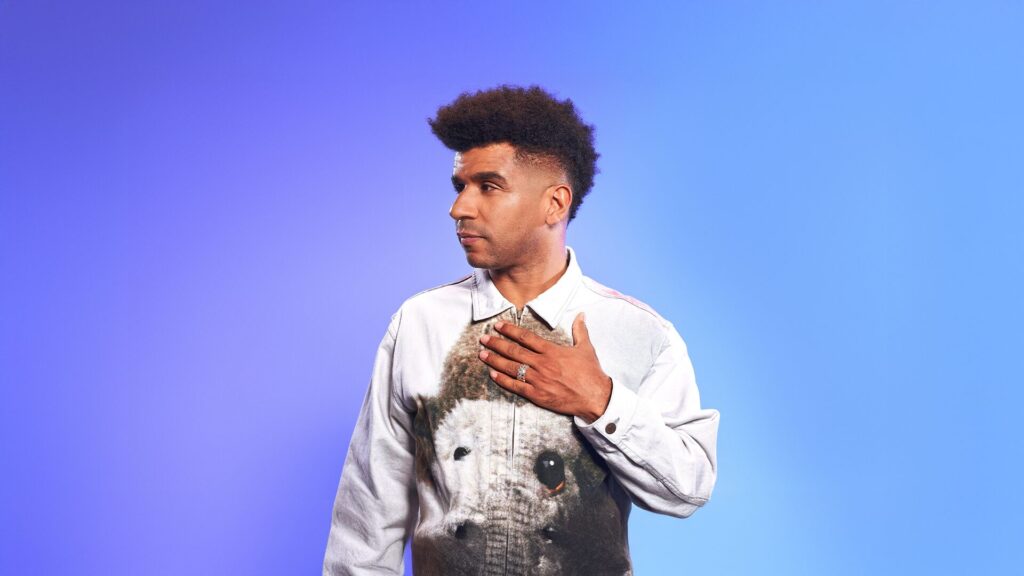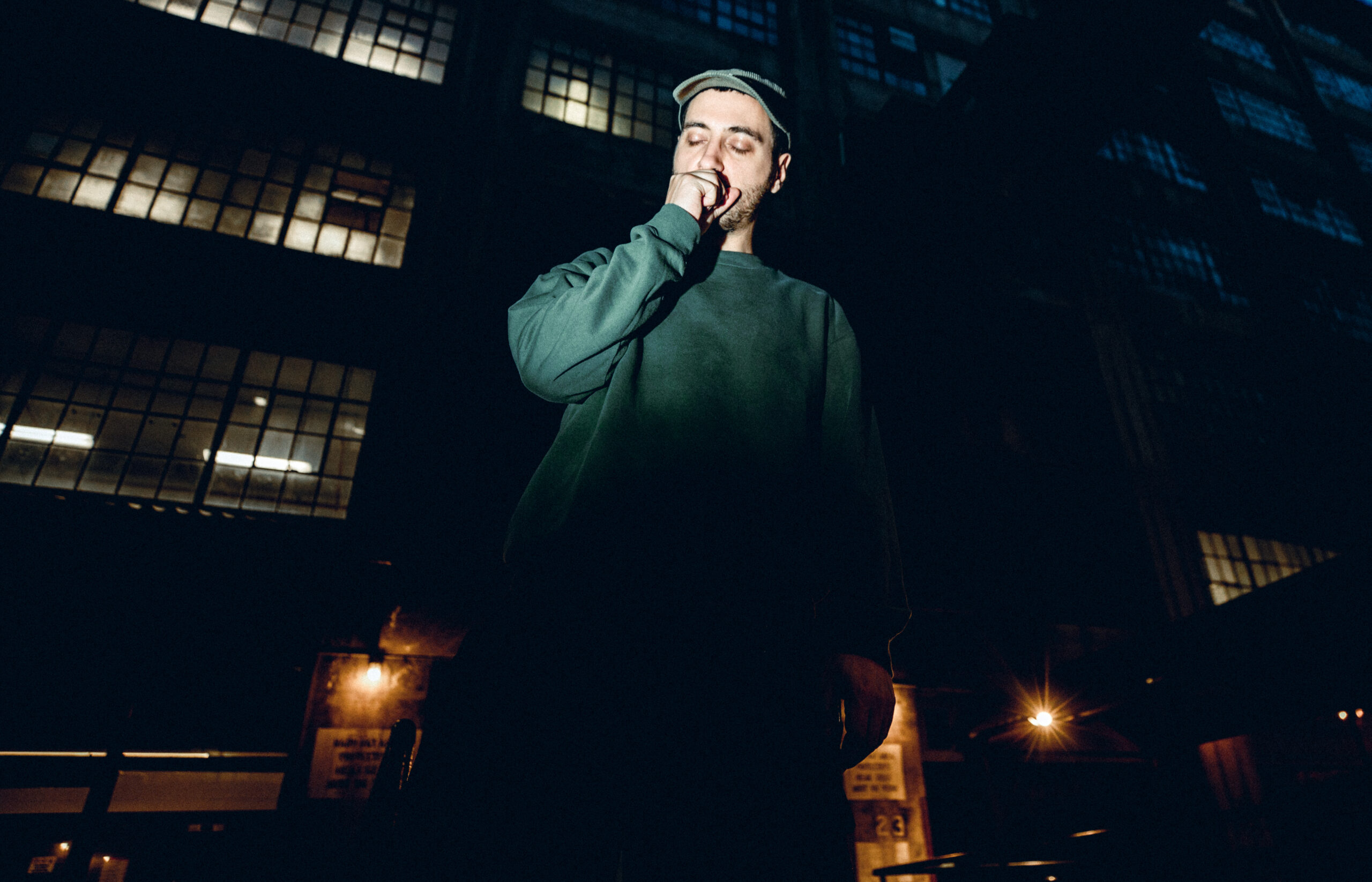

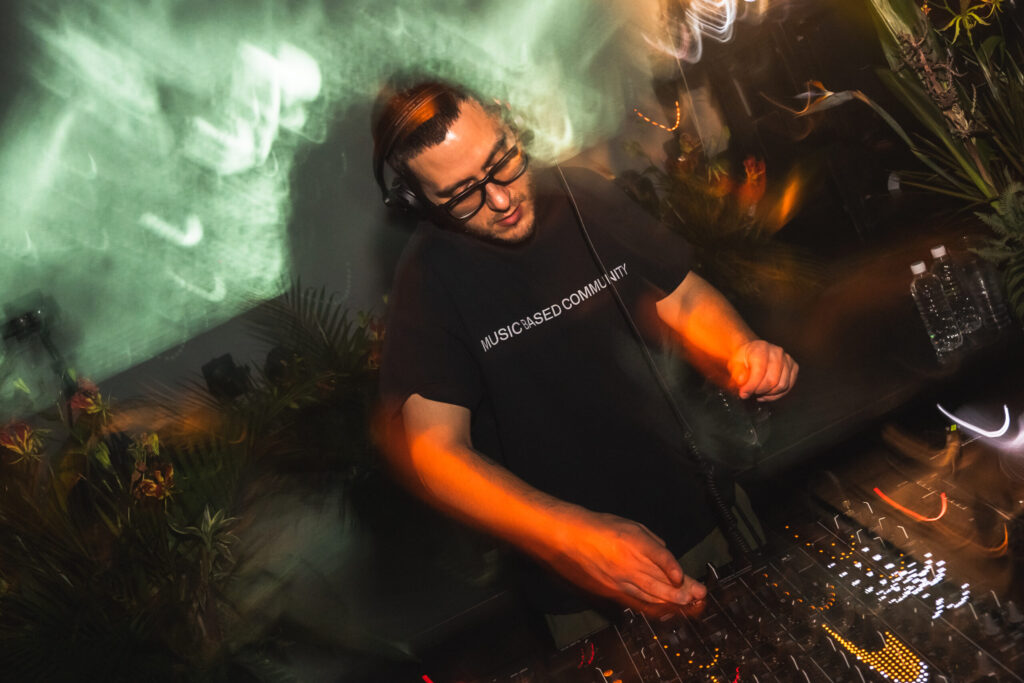
Black Loops protagonista ed ospite della nostra rubrica Internal Selection.
Black Loops è il progetto artistico di Riccardo Paffetti, producer e DJ italiano attualmente a Berlino, che negli ultimi anni si è ritagliato uno spazio riconoscibile all’interno della scena house internazionale. Il suo percorso nasce da una relazione profonda con il groove, con la cultura del digging e con quella tradizione dance che guarda tanto al passato quanto al presente. Nella sua musica convivono funk, soul, disco, Italo house anni ’90 e deep house newyorkese: influenze che non vengono semplicemente citate, ma rielaborate in un linguaggio personale, caldo, fisico e contemporaneo.
La forza di Black Loops sta proprio in questo equilibrio: un suono radicato nella storia della house, ma mai fermo alla nostalgia. Le sue produzioni hanno spesso una qualità organica, quasi suonata, dove il ritmo mantiene una dimensione umana e leggermente imperfetta. Riccardo arriva infatti anche da un background da batterista, e questo si percepisce nel modo in cui costruisce le sue tracce: la pulsazione non è solo una griglia, ma un elemento vivo, elastico, guidato dal feeling.
È una house fatta di dettagli, di bassline morbide, chord progression luminose, sample soul e movimenti ritmici pensati per creare connessione, più che semplice funzionalità da club.
Nel corso della sua carriera, Black Loops ha pubblicato su label di grande credibilità come Freerange, Aterral, Classic, Shall Not Fade e Quality Vibe, costruendo una discografia ampia e versatile. Dai primi lavori fino alle release più recenti, il suo catalogo racconta un artista capace di muoversi tra deep house, house più raw, atmosfere soulful e momenti più diretti per il dancefloor, mantenendo sempre una firma sonora coerente. Non a caso, la sua musica è entrata nelle borse di DJ e selector in tutto il mondo, diventando un punto di riferimento per chi cerca una house elegante, groovy e senza tempo.
Accanto al lavoro in studio, Black Loops è anche un collezionista di vinili e un selector attento. Questa dimensione è fondamentale per capire il suo approccio: il DJ set non è solo una sequenza di tracce, ma un racconto costruito attraverso ricerca, gusto e sensibilità.
Il digging, il rapporto con il formato fisico e l’attenzione alla selezione si riflettono in set dinamici, curati e capaci di attraversare epoche e sfumature diverse della musica da club. Dietro ai piatti, come in studio, emerge un’idea di house music come spazio di scambio culturale, memoria collettiva e libertà espressiva.
Con l’album di debutto “Always Moving”, uscito su Freerange nel 2025, Black Loops ha aperto un nuovo capitolo del suo percorso artistico, consolidando una visione già matura ma ancora in evoluzione. Tra tour in Europa, America, Australia e oltre, Riccardo continua a portare nel mondo una musica che parla al dancefloor senza perdere profondità: sincera, istintiva, sofisticata, e sempre guidata da una cosa essenziale — il groove.
La tua musica sembra sempre portare con sé il DNA della house classica, senza però risultare nostalgica. Quando produci un nuovo brano, cerchi consapevolmente di rendere omaggio ai dischi che ascoltavi e cercavi nei negozi di vinili, oppure queste influenze emergono in modo più naturale?
Sì, quando produco cerco sempre di rendere omaggio alle influenze che mi hanno formato — la deep house, il suono di Detroit e la house newyorkese, ma anche tanta house italiana, che per me è stata fondamentale. Non è però un omaggio calcolato a tavolino: sento che queste radici vengono fuori in modo naturale, rivisitate ovviamente con un approccio più moderno. È come se quel DNA fosse ormai parte del mio modo di scrivere musica, senza che io debba pensarci consapevolmente ogni volta.
Hai pubblicato musica su etichette con identità molto diverse tra loro — da Freerange a Shall Not Fade, Classic e Aterral. Guardando indietro, quando hai capito di aver smesso di adattarti al suono di un’etichetta e di aver invece definito davvero quello che è il ‘suono Black Loops’?
In realtà non ho mai adattato il mio suono in base all’etichetta su cui avrei pubblicato. Ho sempre fatto quello che mi pareva, sinceramente. Anche se è vero che la mia identità musicale ha attraversato molte variazioni e diverse influenze nel tempo. Per esempio ci sono releases che ho fatto su Gruuv Recordings che toccano un suono più tech house, altre su Shall Not Fade che spesso virano verso l’electro, mentre su Classic il suono è più orientato verso una house da club, quasi “commerciale”. Diciamo che ho sempre tenuto d’occhio il sound dell’etichetta con cui stavo lavorando, ma senza farmi condizionare più di tanto: non mi sono mai sentito costretto a produrre qualcosa che fosse necessariamente in linea con quello che l’etichetta si aspettava da me.
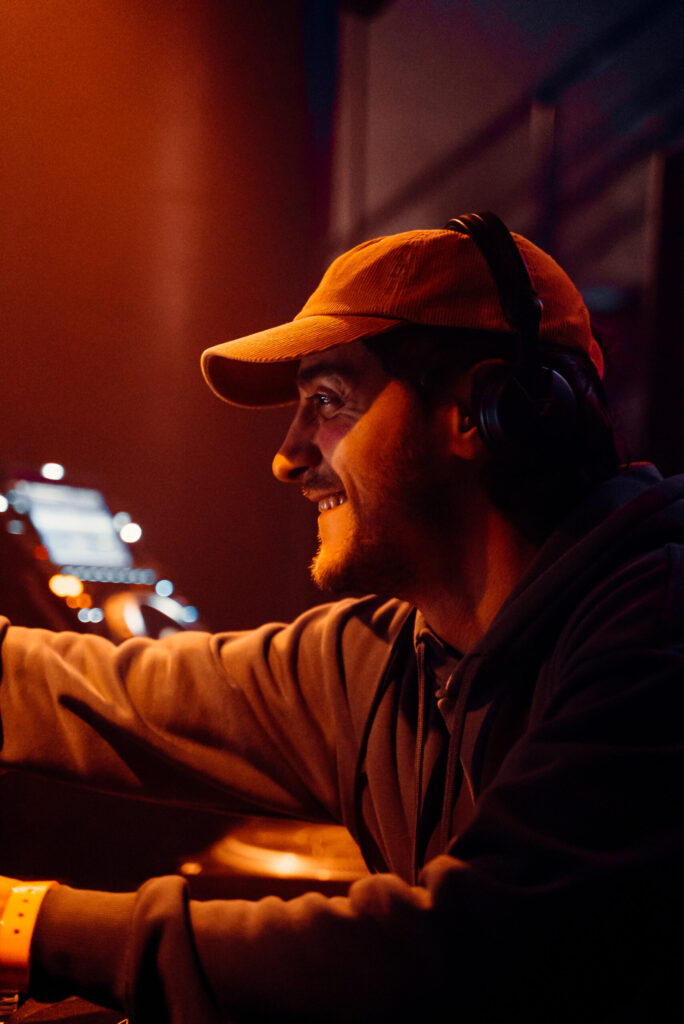
Alcuni producer finiscono un brano in studio, altri lo completano solo dopo averlo testato nei club. Quanto è importante la pista da ballo nel tuo processo creativo? Ti è mai capitato che il pubblico ti abbia fatto cambiare completamente idea su un tuo pezzo?
Sì, testando le tracce più peak time che ho prodotto sono riuscito a capire, grazie al sound system del club e alla reazione della dance floor, cosa poteva essere cambiato o leggermente modificato. Il problema è che molte delle mie produzioni sono più adatte a un opening set — una cosa che purtroppo non faccio più spesso, anche se mi piacerebbe moltissimo tornare ad aprire la serata o fare degli all night long. All’estero mi capita ancora, ma in Italia è più difficile.
Hai preparato un mix esclusivo per noi. Prima di premere play, puoi darci qualche anticipazione? Che tipo di atmosfera o racconto hai voluto creare? E chi ascolta deve aspettarsi brani inediti, pezzi preferiti o magari dischi che hai in valigia da anni?
Per questo mix esclusivo ho voluto provare una cosa che non avevo mai fatto: una specie di roulette russa dei dischi. Una settimana fa sono stato nel mio negozio preferito — se si può chiamare negozio, in realtà è più una warehouse — che si chiama Vinyl Minded, a Cesena.
Per il mix ho pescato a caso dal mazzo di dischi comprati durante quella digging session, e ne è venuta fuori una cosa che rappresenta, senza volerlo, il mio modo di fare set: non restare mai su una sfumatura sola della house music, ma costruire qualcosa di dinamico. In questo caso ci sono pezzi minimal, deep house americana di fine anni ’90 (Ron Trent, Jovonn, Mike Huckaby compresi) e anche un edit di Swag che non avevo mai sentito prima con la voce di Björk — non so nemmeno se sia una release ufficiale, probabilmente è un bootleg, visto che dubito che lei abbia dato il permesso per quel vocal.
Il risultato è un mix che rispecchia benissimo il mio modo di suonare: un approccio che non annoia me, e da quello che vedo non annoia nemmeno il pubblico, e che mi permette di divertirmi senza restare bloccato su un sound monotono per più di due ore. Sono molto soddisfatto di questo mix, spero piaccia anche agli ascoltatori di Parkett 🙂
La house music segue spesso dei cicli: generi che diventano di moda e poi scompaiono. Tu sei riuscito a restare rilevante senza inseguire le tendenze. Secondo te, qual è la chiave per costruire una carriera cheduri più a lungo delle mode del momento?
È vero, la house music segue dei cicli, e credo che tutti, chi più chi meno, ci siamo lasciati influenzare dalle tendenze del momento — fa parte del percorso. Penso però che chi è riuscito a durare nel tempo sia soprattutto chi ha lavorato duro per trovare un suono personale, invece di limitarsi a copiare quello che andava di moda. Per me avere un’identità è fondamentale se si vuole restare rilevanti in questo mondo, altrimenti si rischia di essere solo “uno dei tanti”. E credo che oggi, con la crescita dell’intelligenza artificiale, avere un’identità propria conti ancora di più.
Tracklist
- Ron Trent – Seduction
- Mike Huckaby – We Can Make It
- Jovonn – Turn And Run Away (Clinton st. Mix)
- Magic Daddy – Miscreant
- Dan Curtin – Calling you
- Hollerman – The Hum (Balanced Version)
- Hustache, Topper – Gimme Something New
- P.Lauer – Free Entry For Girls
- LOXODROME – Drop Out
- Roland king – Flashback From The M1 (The Ferox Treatment)
- Pablo – All Praises Due (80’s funk edit)
- Loners – Feeling Free (HC dub)
- Swag – Alarm Call
- Extasia – Alegrya (Virtual mix)
- PAFFETTI aka Black Loops – Utopia
- DJ Kaos and Erlend Oye – Lessons in Love
ENGLISH VERSION
Black Loops is the artistic project of Riccardo Paffetti, an Italian producer and DJ now based in Berlin, who has carved out a distinctive place within the international house music scene over the past few years.
His artistic journey is rooted in a deep relationship with groove, digging culture, and a dance music tradition that looks equally to the past and the present. His music blends funk, soul, disco, ’90s Italo house, and New York deep house—references that are never simply quoted, but reworked into a personal language that is warm, physical, and contemporary.
Black Loops’ greatest strength lies in this balance: a sound deeply rooted in the history of house music without ever becoming nostalgic. His productions often have an organic, almost live-played quality, where rhythm retains a human, slightly imperfect feel. Riccardo’s background as a drummer is clearly reflected in the way he builds his tracks: the groove is not just a grid, but a living, elastic element driven by feel. His is a style of house music built on subtle details, smooth basslines, uplifting chord progressions, soulful samples, and rhythmic movements designed to create connection rather than simply serve the dancefloor.
Throughout his career, Black Loops has released music on highly respected labels including Freerange, Aterral, Classic, Shall Not Fade, and Quality Vibe, building a broad and versatile discography. From his earliest releases to his latest work, his catalogue showcases an artist capable of moving effortlessly between deep house, raw house, soulful atmospheres, and more direct club-oriented tracks, while always maintaining a consistent sonic identity.Unsurprisingly
Unsurprisingly, his music has found its way into the record bags of DJs and selectors across the globe, becoming a benchmark for those seeking elegant, groove-driven, timeless house music.
Alongside his work in the studio, Black Loops is also a passionate vinyl collector and a thoughtful selector. This aspect is essential to understanding his approach: for him, a DJ set is not simply a sequence of tracks, but a story built through research, taste, and sensitivity. His passion for digging, his connection to the physical format, and his attention to selection are reflected in dynamic, carefully curated sets capable of moving across different eras and shades of club music. Behind the decks, just as in the studio, his vision of house music emerges as a space for cultural exchange, collective memory, and creative freedom.
With his debut album “Always Moving”, released on Freerange in 2025, Black Loops opened a new chapter in his artistic journey, consolidating a vision that was already mature yet still evolving. Between tours across Europe, the Americas, Australia, and beyond, Riccardo continues to bring a style of music to dancefloors around the world that never sacrifices depth: sincere, instinctive, sophisticated, and always driven by one essential element—the groove.
Your music always seems to carry the DNA of classic house, yet it never feels nostalgic. When you’re producing a new track, do you consciously try to pay tribute to the records you used to listen to and dig for in record stores, or do those influences simply emerge naturally?
Yes, whenever I produce, I always try to pay tribute to the influences that shaped me—deep house, the Detroit sound, New York house, but also a lot of Italian house music, which has been fundamental for me. That said, it’s never a calculated tribute. These roots simply come out naturally, reinterpreted through a more modern approach. It’s as if that DNA has become part of the way I write music, without me having to consciously think about it every time.
You’ve released music on labels with very different identities—from Freerange to Shall Not Fade, Classic, and Aterral. Looking back, when did you realize you’d stopped adapting to a label’s sound and had instead truly defined what the “Black Loops sound” was?
To be honest, I’ve never really adapted my sound to fit whichever label I was releasing on. I’ve always done what felt right to me. It’s true, though, that my musical identity has gone through different phases and influences over the years. For example, some of my releases on Gruuv Recordings leaned more towards tech house, while others on Shall Not Fade often explored electro, and my releases on Classic had a more club-oriented, almost “commercial” house sound. I’ve always kept an eye on the identity of the label I was working with, but without letting it influence me too much. I’ve never felt forced to produce something just because it was what a label might have expected from me.
Some producers finish a track in the studio, while others only consider it complete after testing it in clubs. How important is the dancefloor in your creative process? Has the crowd ever completely changed your mind about one of your tracks?
Yes. Testing my more peak-time tracks in clubs has helped me understand—thanks to both the club sound system and the dancefloor’s reaction—what could be changed or slightly improved. The issue is that many of my productions are actually better suited to opening sets, and unfortunately I don’t get to play those very often anymore, even though I’d love to go back to opening nights or playing all-night-long sets. It still happens abroad, but in Italy it’s much more difficult.
You’ve prepared an exclusive mix for us. Before people hit play, can you give us a little preview? What kind of atmosphere or story were you trying to create? And should listeners expect unreleased material, personal favourites, or perhaps records that have been sitting in your bag for years?
For this exclusive mix I wanted to try something I’d never done before—a sort of record roulette. About a week ago I visited my favourite record shop—if you can even call it a shop, it’s really more of a warehouse—called Vinyl Minded in Cesena. For the mix I randomly pulled records from the stack I’d bought during that digging session, and without really planning it, it ended up perfectly representing the way I like to play: never staying within just one shade of house music, but constantly building something dynamic. In this mix you’ll find minimal, late-’90s American deep house—including Ron Trent, Jovonn and Mike Huckaby—as well as an edit by Swag I’d never heard before featuring Björk’s vocals. I don’t even know whether it’s an official release; it’s probably a bootleg, because I seriously doubt she ever cleared those vocals.
The result is a mix that reflects my DJing style perfectly: an approach that never bores me—and judging by the reactions I get, it doesn’t bore the crowd either. It allows me to have fun without being locked into the same sound for more than two hours. I’m really happy with this mix, and I hope Parkett’s listeners will enjoy it too. 🙂
House music often moves in cycles: genres become fashionable and then disappear again. You’ve managed to remain relevant without chasing trends. In your opinion, what’s the key to building a career that lasts longer than the latest hype?
It’s true—house music goes through cycles, and I think everyone, to some extent, has been influenced by whatever was trending at the time. That’s simply part of the journey. But I believe the artists who have stood the test of time are those who worked hard to develop a personal sound instead of simply copying whatever was fashionable. For me, having your own identity is essential if you want to stay relevant in this industry; otherwise, you risk becoming just one of many. And I think today, with the rise of artificial intelligence, having a distinctive identity matters even more.
Tracklist
- Ron Trent – Seduction
- Mike Huckaby – We Can Make It
- Jovonn – Turn And Run Away (Clinton st. Mix)
- Magic Daddy – Miscreant
- Dan Curtin – Calling you
- Hollerman – The Hum (Balanced Version)
- Hustache, Topper – Gimme Something New
- P.Lauer – Free Entry For Girls
- LOXODROME – Drop Out
- Roland king – Flashback From The M1 (The Ferox Treatment)
- Pablo – All Praises Due (80’s funk edit)
- Loners – Feeling Free (HC dub)
- Swag – Alarm Call
- Extasia – Alegrya (Virtual mix)
- PAFFETTI aka Black Loops – Utopia
- DJ Kaos and Erlend Oye – Lessons in Love