
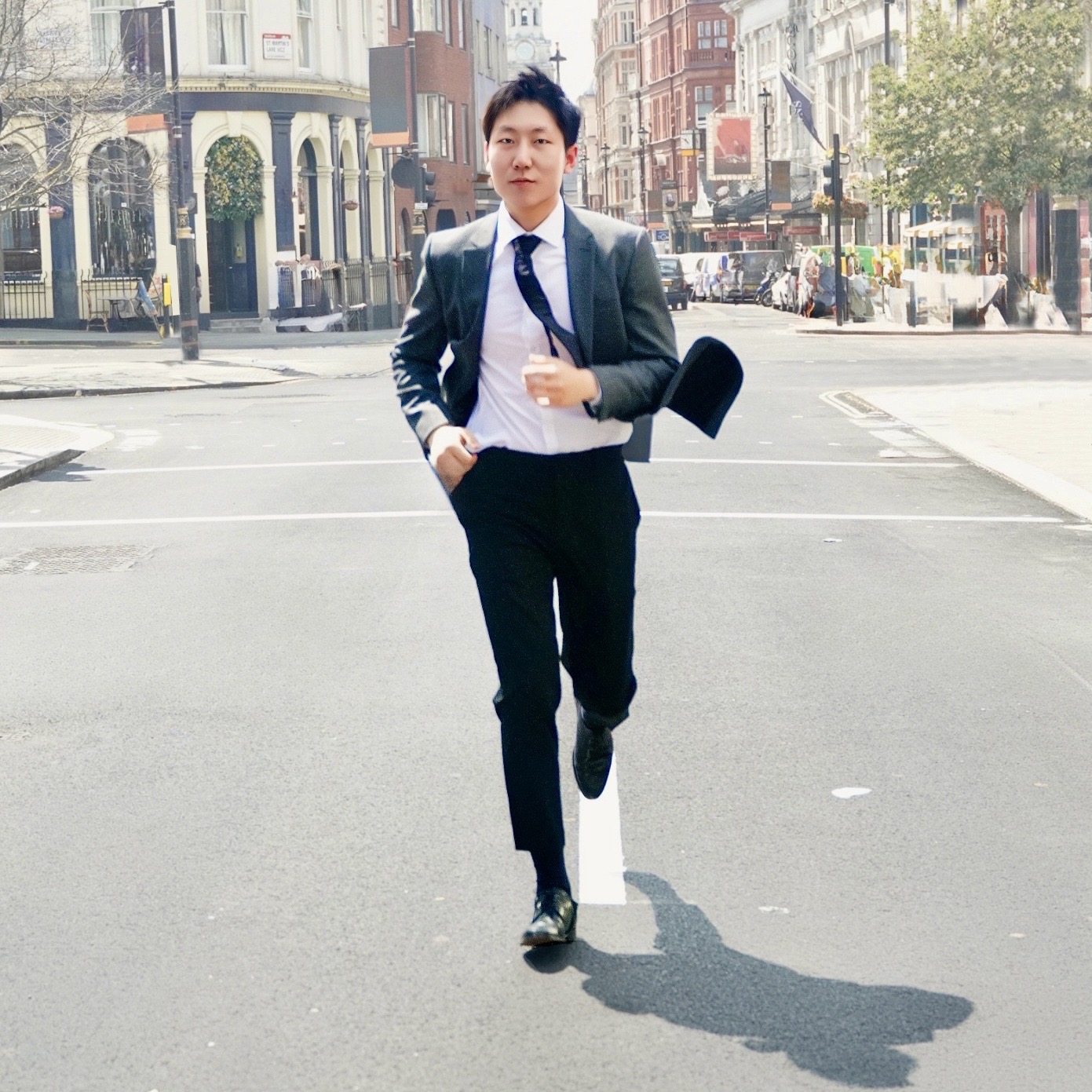
There is something quietly ambitious at the core of Sid, the debut English-language album by Dian Sheng, and it reveals itself gradually rather than all at once. Built across a fluid intersection of funk, jazz, and alternative rock, the record does not chase cohesion in the conventional sense. Instead, it leans into contrast—textural, rhythmic, emotional—allowing each track to exist with its own internal logic while still contributing to a broader narrative arc.
Rhythm plays a central role throughout the album, often acting as the structural backbone rather than a supporting layer. Several tracks rely on tight, syncopated grooves that borrow from funk traditions, yet they rarely settle into predictable loops. There is a subtle restlessness in the drum patterns, with off-beat accents and slight tempo elasticity that give the music a human, almost conversational quality. Even in more restrained moments, the rhythmic phrasing feels intentional, as if each pause or shift is part of a larger dialogue between instruments.
This becomes particularly evident in “I Come From Far,” where the percussive arrangement carries a sense of forward motion that mirrors its thematic exploration of identity and displacement. The groove is light but insistent, allowing melodic elements to glide above it without losing tension. There is an interplay here between rhythmic clarity and harmonic openness, a balance that recurs across the album.
The use of synths adds another layer of complexity. Rather than dominating the mix, they often appear as atmospheric extensions—soft pads, slightly detuned leads, or textured arpeggios that blur the line between melody and ambience. In “Seventeen,” for instance, the electronic elements are more pronounced, pushing the track toward an almost cinematic intensity. The synth lines pulse with a kind of youthful urgency, yet they are offset by rhythmic control, preventing the song from tipping into excess. It feels expansive but contained, energetic but not chaotic.
Elsewhere, the synth work is more understated. In the jazz-leaning “Undecided Love,” electronic textures sit quietly beneath the arrangement, reinforcing the harmonic progression without drawing attention to themselves. This restraint allows the track’s emotional ambiguity to remain intact. The rhythm here is looser, more fluid, echoing the uncertainty embedded in the song’s theme. There is no rush to resolve, either musically or lyrically.
Atmosphere, in general, is handled with a careful sense of spacing. The album resists density for its own sake, often leaving room between elements so that each sound can breathe. This approach gives Sid a reflective quality, even in its more dynamic passages. The production does not aim for immediacy; it invites listening over time, revealing details gradually. Small shifts in tone, subtle background textures, and layered harmonies emerge more clearly with repeated plays.
Tracks like “The Way Before” highlight this aspect particularly well. The arrangement unfolds slowly, guided by a melodic line that feels both fragile and deliberate. There is a certain stillness in the way the instruments interact, as if they are circling a shared emotional center without fully settling into it. The result is a sense of suspended resolution—an atmosphere that lingers rather than concludes.
Across the album, genre boundaries remain porous. Funk elements coexist with jazz phrasing, while alternative rock influences surface in guitar textures and structural choices. Yet these components rarely feel stitched together. Instead, they move in parallel, occasionally intersecting, occasionally diverging. This creates a listening experience that is less about fusion in a traditional sense and more about coexistence—multiple musical languages spoken at once.
There is also a noticeable literary sensibility in the way the album is constructed. Themes of identity, relationships, and personal growth are not presented as fixed statements but as evolving ideas. The music mirrors this openness, avoiding definitive resolutions in favor of ongoing exploration.
Sid ultimately positions Dian Sheng as an artist working within, and between, several traditions at once. The rhythmic intricacy, the nuanced use of synths, and the carefully shaped atmosphere all contribute to a release that feels considered without becoming rigid. It is a work that unfolds in layers, inviting attention to detail while maintaining an underlying sense of movement.