
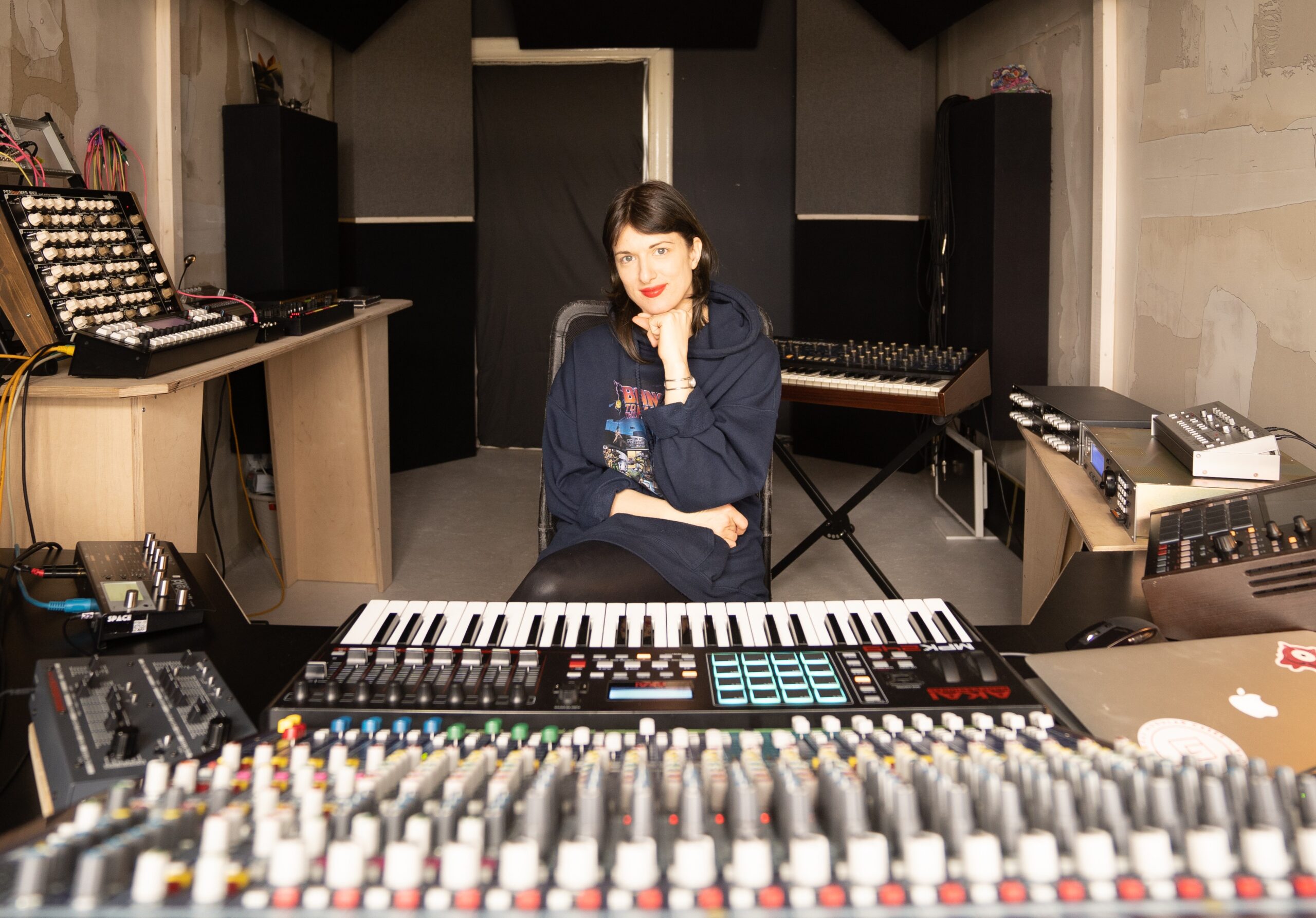
Direttamente da Berlino, la dj, producer e ricercatrice sonora Sarah Wreath riesce ad andare oltre a semplici brani. Abbiamo avuto il piacere di intervistarla e di approfondire la sua visione (non solo) musicale.
Le frequenze sonore, a volte, hanno un’insormontabile capacità di andare oltre se stesse, e di diventare un mezzo di forte connessione e, altresì, di guarigione. E Sarah Wreath lo dimostra giorno per giorno tramite un’inesauribile ricerca sonora che sfocia in pratiche sonore terapeutiche.
Prima di arrivare al punto in cui si trova ora, l’artista ha studiato per anni e ha affinato le tecniche sonore, fino ad arrivare al suo LP di debutto ”Integration” su The Bunker New York. L’album fonde sapientemente il lavoro su sintetizzatori modulari con meccaniche di techno densa e viscerale, andando a creare melodie ipnotiche. Il tutto è arricchito dai remix di Function e Patrick Russell.
Questa uscita rappresenta una tappa fondamentale per la sua carriera, portandola a esibirsi al The Bunker NY in collaborazione con Bitta, l’etichetta di DJ Nobu, oltre ai debutti a Dommune e Womb a Tokyo, seguiti dal ritorno al Tresor di Berlino.

Altrettanto rilevante, Function ha presentato il suo lavoro a Regis durante una reunion dei Sandwell District in Giappone nel 2023, dando origine all’invito ad entrare nel collettivo. Sarah ha svolto un ruolo chiave nella produzione album dei Sandwell District “End Beginnings“, mettendo la sua competenza produttiva al servizio del gruppo e contribuendo a spingere oltre i confini del paesaggio sonoro della techno.
Uno dei punti di forza dell’artista è senz’altro il suo eclettismo, andando a scovare e a lavorare su un ampio spettro di generi. Infatti, porta l’ascoltatore in un viaggio tra ambient tribale a una techno old-school veloce, con componenti fortemente psichedeliche.
Oltre ai set, Sarah organizza eventi e incontri, crea spazi immersivi in cui il suono diventa mezzo di comunità ed investigazione condivisa: un’esplorazione a 360°.
Abbiamo avuto il piacere di approfondire questa inesauribile ricerca direttamente con lei e di scoprire le basi della sua visione. Di seguito l’intervista completa.
Ciao Sarah, è un piacere averti con noi su Parkett! Come sta andando questo periodo per te?
Grazie mille per avermi invitata! Sto chiudendo il 2025 in modo significativo: è stato un anno di crescita, sia personale che artistica, con molti traguardi per cui mi sento profondamente grata. In questo momento mi trovo in una fase un po’ più tranquilla, che sto apprezzando molto perché mi dà lo spazio per riflettere, ricaricarmi e definire nuove intenzioni creative per l’anno a venire. Vivo a Berlino e, dato che in questo periodo fa piuttosto freddo, è l’ambiente perfetto per trascorrere lunghe ore in studio, sperimentare e prepararmi a ciò che verrà.
Ripensando ai tuoi ricordi, quando hai capito che questa sarebbe stata la tua strada? E com’è stato il tuo percorso?
Il mio interesse per la musica è iniziato molto presto. Mio padre era un DJ e un grande collezionista di musica: amava l’audio di alta qualità, in particolare cuffie e casse. Anche entrambi i miei nonni erano musicisti attivi. Sono cresciuta circondata da tutto questo e ho sviluppato in modo naturale la stessa passione e sensibilità per il suono.
Purtroppo, i miei genitori si sono separati quando avevo 12 anni, e mio padre ha lasciato gran parte della sua attrezzatura nella casa in cui vivevo con mia madre. Un giorno ho portato tutto fuori dal seminterrato e l’ho montato nella mia stanza. Ricordo quel momento in modo chiarissimo: l’emozione di far funzionare tutto e poter ascoltare la mia musica preferita su un vero impianto. Avevo persino due lettori CD e un piccolo mixer, così ho iniziato a fare la DJ per gli amici. Ero troppo giovane per andare nei club, ma la musica elettronica, soprattutto la techno più veloce e tribale e la trance, mi aveva completamente catturata.
Più tardi, quando a 18 anni ho iniziato a frequentare i club, ho cominciato a collezionare vinili, a passare tempo con persone che condividevano la stessa passione e infine a suonare nei club del sud della Germania. Col tempo, il desiderio di creare musica mia è diventato sempre più forte. Essendo sempre stata attratta dal lato tecnico del suono e dell’attrezzatura da studio, ho deciso di studiare ingegneria del suono, il che mi ha dato una comprensione più profonda di ciò che già amavo e mi ha aiutata a trovare la mia voce artistica. Questo percorso mi ha portata a Berlino, dove ho continuato ad evolvermi, pubblicando musica, suonando a livello internazionale e circondandomi di persone e comunità che mi ispirano costantemente a spingermi oltre.
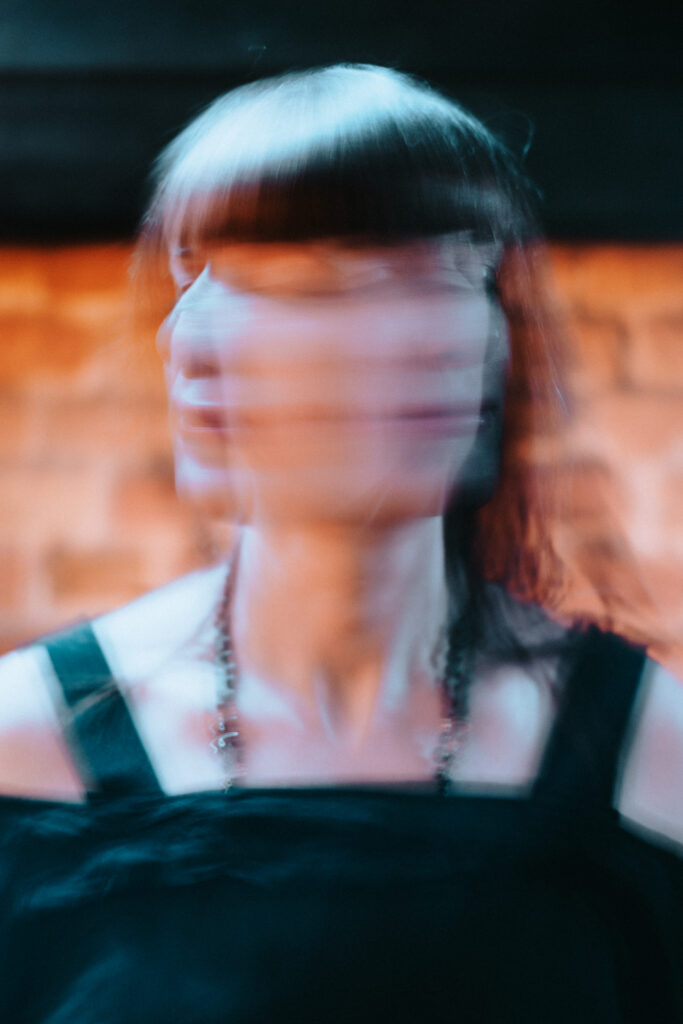
Ciò che mi ha davvero colpito della tua musica è senza dubbio la cura che metti nel creare veri e propri viaggi sonori. Puoi raccontarci di più sul tuo processo creativo? Dove trovi l’ispirazione per costruire queste esperienze musicali?
Grazie! Creare musica è davvero un’estensione dei miei bisogni emotivi e creativi, unita a un forte desiderio di condividere queste esperienze con gli altri. Sono sempre stata affascinata dalle qualità terapeutiche del suono: da come possa letteralmente spostare l’energia, aiutarci a guarire e guidarci in diversi stati mentali. Dietro a tutto questo c’è molta conoscenza antica, ma oggi anche una crescente comprensione scientifica, che trovo incredibilmente stimolante. Ho vissuto personalmente una svolta molto profonda in questo senso, e da quel momento è stato naturale integrare questi elementi nella mia direzione musicale.
Oltre a produrre e suonare, sto esplorando il suono più a fondo anche come praticante, offrendo rituali di sound bath. È una pratica bellissima che mi mantiene con i piedi per terra, ed è uno scambio molto significativo con le persone che partecipano a queste sessioni. Amo creare viaggi ambient per contesti di ascolto profondo. Molte delle mie ispirazioni provengono dalla natura e dalla spiritualità: dal movimento, dal respiro e dalla sensazione di essere connessi a qualcosa di più grande di noi.
Vorrei sapere di più sul tuo LP di debutto “Integration”, pubblicato lo scorso anno su The Bunker New York. Cosa ha rappresentato per te e per la tua carriera pubblicare su The Bunker? E che tipo di lavoro c’è stato dietro il risultato finale?
All’inizio non avevo pianificato il contenuto dell’LP. È nato come un live set che ho creato per una mostra (Kotti Island di Cecilia Tosh a Berlino, 2023). Dopo averlo eseguito, ho deciso di tagliare e sviluppare le parti singolarmente, e alla fine avevo abbastanza tracce per un LP completo. Spesso facevo fatica a portare a termine i brani, ma creare un live set mi ha permesso di restare in uno stato di flow e di concentrarmi sulla narrazione senza bloccarmi in loop, quindi completare questo LP è stato un vero punto di svolta per il mio processo creativo.
Ascoltando “Integration” si percepisce una direzione molto sperimentale, ancora più orientata all’ambient, uno stile che, rispetto ad altre uscite dell’etichetta, non era così usuale. Sono stata estremamente grata che Bryan Kasenic, il fondatore di The Bunker NY, abbia accolto questo LP e deciso di pubblicarlo. È il mio album di debutto, e vederlo uscire su un’etichetta così leggendaria significa moltissimo per me. Seguo The Bunker da molti anni e sono sempre stata una fan e una collezionista del loro catalogo, quindi è stato un vero traguardo. Direi che è stato, e continua ad essere, un apripista per molte altre opportunità. Non sarei dove sono oggi senza questo disco, e mi ha dato la fiducia necessaria per continuare a esplorare ed evolvere il mio suono.
Vivi a Berlino, una città vibrante che si sposa molto bene con il tuo stile musicale. Che cambiamenti hai notato nel tempo nella scena elettronica della città? E soprattutto, considerando la situazione attuale, quali sono le sfide e le opportunità più grandi?
Vivo a Berlino da 12 anni, ma vengo qui da molto più tempo (dal 2000) grazie a parenti e amici che abitavano in città. Ho vissuto molte fasi diverse di Berlino, soprattutto nei suoi ambienti subculturali. Allo stesso tempo, sento di essere cambiata molto anch’io come persona, e le mie priorità si sono spostate. Tuttavia, credo che alcuni cambiamenti della città riflettano un’esperienza collettiva.
Ad esempio, i due anni di silenzio durante le chiusure per il COVID hanno portato molte persone a riflettere profondamente sul proprio stile di vita, sulle priorità e sulla salute. In un certo senso, questo ha generato una trasformazione culturale più ampia. Allo stesso tempo, ha avuto un impatto sulla vita notturna: alcuni club che otto anni fa erano in piena espansione ora fanno fatica, e alcuni sono persino scomparsi. Un altro fattore chiave è probabilmente l’ascesa dei social media e la crescente commercializzazione della scena musicale.
Personalmente, mi piacerebbe vedere meno attenzione all’ego e alla fama, e più enfasi sul senso e sulla raffinatezza della musica, dando priorità a connessioni umane e musicali autentiche rispetto alle “politiche” della scena, come networking, status o hype. Allo stesso tempo, ogni sfida apre nuove opportunità. Per me, questo cambiamento è anche un invito a esplorare spazi e comunità in cui musica, esperienza e vera connessione sono al centro; ed è qualcosa che trovo molto ispirante.
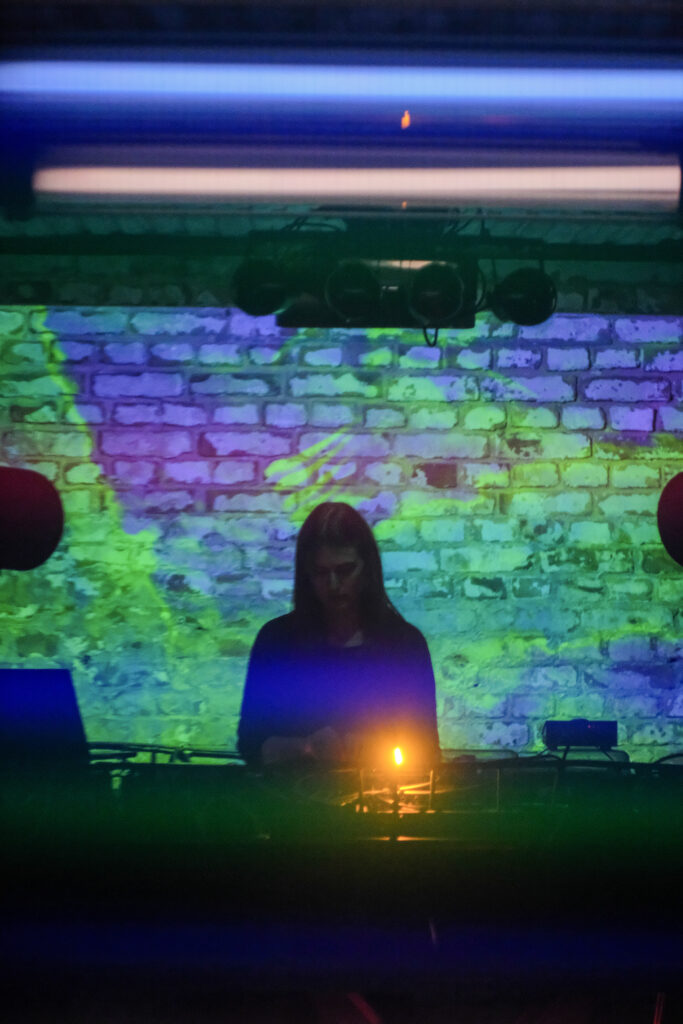
Parliamo ora di Sandwell District e dell’album “End Beginnings”, pubblicato a marzo, nel quale hai avuto un ruolo fondamentale. In che modo Sandwell District hanno influenzato la tua carriera e la tua musica? E come pensi di averli influenzati tu?
Lavorare a End Beginnings con Sandwell District è stato come entrare in una lineage musicale che rispetto da tantissimi anni. La loro fiducia in me, soprattutto in questa fase della mia carriera, mi ha dato molta sicurezza e un forte senso di appartenenza. È stato un enorme onore far parte di questo progetto leggendario, in particolare dopo la loro reunion: collaborare con artisti che ho ammirato così a lungo mi ha spinta creativamente e ha ampliato la mia comprensione della collaborazione.
Uno dei ricordi più significativi del processo è stato il tempo trascorso in studio con Juan (Silent Servant), Dave (Function) e me, parlando della visione dell’album. È stato breve, ma incredibilmente stimolante, uno scambio che ti resta davvero dentro. Credo di aver portato un’energia diversa nel progetto, forse una prospettiva più emotiva e femminile. Magari ha aperto nuovi angoli o ammorbidito certi spigoli.
La direzione dell’album è cambiata drasticamente dopo la tragica scomparsa di Juan. Quella perdita ha plasmato il cuore emotivo del disco. C’erano dolore, pesantezza e un senso molto crudo di riflessione che si sono naturalmente riversati nella musica.
Si percepisce la presenza e l’influenza di Juan in tutto l’album, anche se non ha potuto completarlo con noi. RIP Juan Mendez <3 Portare a termine l’album in circostanze così intense ha creato un forte senso di scopo. Non è stato facile, ma è stato profondamente significativo. Guardando indietro oggi, posso dire con gratitudine che far parte di questo album è una base solida per il mio percorso e mi ha aiutata molto a crescere come artista.
Puoi raccontarci di più sul tuo processo creativo, sulle tue principali ispirazioni e su come descriveresti oggi la tua direzione e il tuo stile musicale?
Il mio processo creativo è molto intuitivo ed emotivo: di solito parte da una sensazione, una texture o uno stato mentale, piuttosto che da un’idea precisa. Sono molto ispirata dalle qualità ipnotiche o psichedeliche del suono, dalla natura, dal movimento e dai momenti di quiete. Molta della mia musica nasce dal desiderio di creare spazi in cui le persone possano spostare l’energia, muovere il corpo o semplicemente sentirsi più connesse.
Lavoro molto con atmosfere ed elementi organici, e spesso costruisco i brani in modo fluido e improvvisato. La narrazione è importante per me: ho bisogno che le cose evolvano, si muovano, abbiano uno scopo. Mi annoio rapidamente se qualcosa mi sembra statica, quindi cerco di mantenere il processo vivo e intuitivo. È anche per questo che la creazione di live set è diventata una parte così importante del mio workflow: mi mantiene in un flusso naturale e aiuta le idee a svilupparsi senza pensare troppo.
Dal punto di vista stilistico, descriverei la mia direzione come una fusione di suoni ambient, sperimentali e ipnotici, a volte meditativi, a volte più oscuri o trainanti, ma sempre radicati nell’emozione. Amo esplorare i contrasti: morbidezza e tensione, intimità e vastità, luce e ombra. In generale, il mio obiettivo è creare musica che sia onesta e immersiva, qualcosa che inviti le persone a un viaggio, sia che si trovino su una pista da ballo o in un contesto di ascolto profondo.
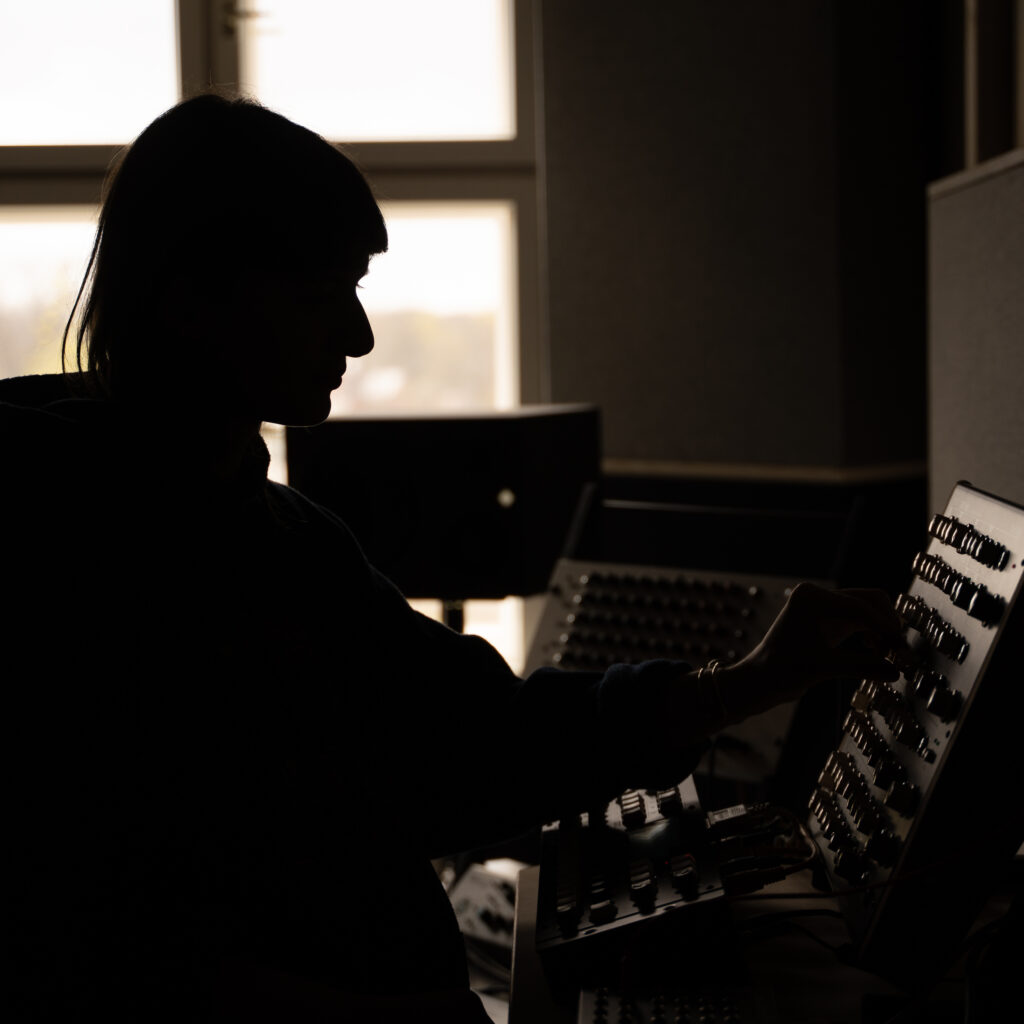
È stato un piacere averti su Parkett! Quali sono i tuoi prossimi progetti? Puoi anticiparci qualcosa? E cosa ti aspetti dal 2026?
Sento davvero che gli ultimi due anni siano stati un capitolo di crescita ed esperienza, e che ora sia pronta ad affrontare nuovi progetti e idee con un diverso livello di fiducia e maturità. Ho appena pubblicato un singolo su Tresor Records come parte della compilation ANNEX, ed è stato un bellissimo modo per chiudere il 2025. Ci sarà anche un’uscita su Predawn Records per la VA Voices, in arrivo a febbraio, disponibile anche in vinile.
In questo momento mi sto concentrando sulla creazione di nuova musica e di un nuovo live set. Nulla è ancora definitivo, il processo creativo ha i suoi tempi, ma sono entusiasta di ciò che sta prendendo forma. Per il 2026, spero in un anno ricco di avventure creative ed emozionanti: più festival, nuove collaborazioni e opportunità per espandere ancora di più il mio mondo artistico.
Grazie mille per questo scambio! <3
The Sound Experience as Therapy: A Conversation with Sarah Wreath
Straight from Berlin, DJ, producer, and sound researcher Sarah Wreath goes beyond simple tracks. We had the pleasure of interviewing her and delving into her (not only) musical vision.
Sound frequencies sometimes possess an insurmountable ability to go beyond themselves, becoming a powerful means of connection and, at the same time, healing. Sarah Wreath demonstrates this day after day through inexhaustible sonic research that evolves into therapeutic sound practices.
Before reaching the point she is at today, the artist studied for years and refined her sonic techniques, eventually arriving at her debut LP “Integration” released on The Bunker New York. The album skillfully blends modular synthesizer work with the mechanics of dense, visceral techno, creating a hypnotic melodies. The release is further enriched by remixes from Function and Patrick Russell.
This release represents a pivotal milestone in her career, leading her to perform at The Bunker NY in collaboration with Bitta, DJ Nobu’s label, as well as making her debut at Dommune and Womb in Tokyo, followed by a return to Berlin’s Tresor.
Equally significant, in 2023 Function presented her work to Regis during a Sandwell District reunion in Japan, which resulted in an invitation to join the collective. Sarah played a key role in the production of Sandwell District’s album “End Beginnings” putting her production expertise at the service of the group and helping to push the boundaries of the techno soundscape even further.
One of the artist’s greatest strengths is undoubtedly her eclecticism, as she explores and works across a wide spectrum of genres. She takes listeners on a journey ranging from tribal ambient to fast old-school techno, infused with strongly psychedelic elements.
Beyond her DJ sets, Sarah organizes and curates events and gatherings, creating immersive spaces where sound becomes a vehicle for community and shared investigation: a truly 360-degree exploration.
We had the pleasure of delving into this inexhaustible research directly with her and uncovering the foundations of her vision. Below is the full interview.
Hi Sarah, it’s a pleasure to have you with us on Parkett! How is this period going for you?
Thank you so much for having me! I’m closing 2025 on a really meaningful note; it’s been a year of growth, both personally and artistically, with many achievements I feel truly grateful for. Right now, I’m in a slightly quieter phase, which I’m enjoying because it gives me space to reflect, recharge, and set new creative intentions for the year ahead. I’m based in Berlin, and since it’s quite cold at the moment, it’s the perfect environment to spend long hours in the studio, experimenting and preparing for what’s to come.
When did you realize, thinking back to your memories, that this was your path? And what has your journey been like?
My interest in music began at a very early age. My dad was a DJ and a big music collector, he loved high-quality audio gear, especially headphones and speakers. Both my grandfathers were active musicians. I grew up surrounded by all of that, and I naturally developed the same passion and sensitivity for sound. Unfortunately, my parents separated when I was 12, and my dad left a lot of his equipment behind in the house where I lived with my mum. One day, I took everything out of the basement and set it up in my room. I remember the moment so clearly – the thrill of making it all work and being able to listen to my favorite music on a proper setup. I even had two CD players and a tiny mixer, so I started DJing for friends. I was way too young to go to clubs, but electronic music, especially faster, tribal techno and trance, had captured me completely. Later, when I was old enough to visit clubs at age 18, I started collecting vinyl, spending time with people who shared the same passion, and eventually DJing at clubs in South Germany. Over time, the urge to create my own music grew stronger. Because I was always drawn to the technical side of sound and studio gear, I decided to study sound engineering, which gave me a deeper understanding of what I already loved and helped me step into my own artistic voice. That journey brought me to Berlin, where I’ve continued to evolve, releasing music, performing internationally, and surrounding myself with people and communities that constantly inspire me to push further.
What truly impressed me about your music is undoubtedly the care you put into creating real auditory journeys. Could you tell us more about your musical creation process? Where do you find inspiration to craft these musical experiences?
Thank you! Creating music is really an extension of my own emotional and creative needs, paired with a strong desire to share those experiences with others. I’ve always been fascinated by the therapeutic qualities of sound – how it can literally shift energy, help us heal, and guide us into different states of mind. There’s a lot of ancient knowledge behind that, but also a growing scientific understanding today, which I find incredibly exciting. I had a very personal breakthrough with this myself, and from that moment it felt like a natural evolution to bring these elements into my musical direction. Alongside producing and performing, I’ve been exploring sound more deeply as a practitioner, offering sound bath rituals. It’s a beautiful practice that keeps me grounded, and it’s such a meaningful exchange with people who attend those sessions. I love creating ambient journeys for deep listening settings. A lot of my inspirations come from nature and spirituality – from movement, breath, and the feeling of being connected to something bigger than ourselves.
I’d like to know more about your debut LP, Integration, released on The Bunker New York last year. What did releasing on The Bunker represent for you and your career? And what kind of work went into achieving the result?
I didn’t really plan the content of the LP initially. It started as a live set I created for an exhibition (Kotti Island by Cecilia Tosh in Berlin, 2023). After performing it, I decided to cut and develop the parts individually, which eventually gave me enough tracks for a full LP. I often struggled to finish tracks, but creating a live set allowed me to stay in a flow and focus on storytelling without getting stuck in loops, so completing this LP was a breakthrough for my creative process. When you listen to Integration, you can hear that it’s a very experimental, even more ambient-focused direction, which, compared to other releases on the label, wasn’t really the usual style, I find. I felt extremely grateful that Bryan Kasenic, the owner of The Bunker NY, welcomed this LP and decided to release it. It’s my debut LP, and having it released on such a legendary label means so much. I’ve been following The Bunker for many years and have always been a fan and collector of their catalogue, so this felt like a real milestone. I’d say it was – and still is – a gate opener for many other opportunities. I wouldn’t be where I am today without it, and it has given me the confidence to continue exploring and evolving my sound.
You live in Berlin, a vibrant city that fits very well with your musical style. What changes have you noticed in the city’s electronic scene over time? And above all, considering how it is now, what are the biggest challenges and opportunities?
I’ve lived in Berlin for the past 12 years, though I’ve been coming here much longer, since 2000, through family relatives and friends who were based in the city. I’ve experienced many different phases of Berlin, especially in its subcultural environments. But at the same time, I feel I’ve changed a lot as well as a person, and my priorities have shifted. I do think, however, that some shifts in the city reflect a collective experience. For example, the two years of quiet during the COVID shutdowns caused many people to reflect deeply on their lifestyles, priorities, and health. In a way, this led to a broader cultural transformation. At the same time, it affected nightlife – some of the clubs that were booming eight years ago are now struggling, and some have even disappeared. Another key factor behind the changes is probably the rise of social media and the increasing commercialization of the music scene. Personally, I’d wish to see less focus on ego and fame, and more emphasis on purpose and sophistication in music – prioritizing authentic human and musical connection over the “politics” of the scene, like networking, status, or hype. At the same time, every challenge opens up new opportunities. For me, the shift in the scene is also an invitation to explore spaces and communities where music, experience, and true connection take priority, and that’s inspiring.
Let’s talk now about Sandwell District and the album released in March “End Beginnings”, in which you played a fundamental role. How have Sandwell District influenced your career and your music? And how do you think you have influenced them?
Working on “End Beginnings” with Sandwell District felt like stepping into a musical lineage I’ve respected for so many years. Their trust in me, especially at this stage of my career, gave me a lot of confidence and a sense of belonging. It was such a huge honour to be part of this legendary project, particularly after their reunion, being involved with artists I’ve admired for so long pushed me creatively and expanded my understanding of collaboration. One of the most meaningful memories from the process was the time Juan (Silent Servant), Dave (Function) and I spent in the studio talking about the vision of the album. It was brief, but incredibly inspiring: the kind of exchange that truly stays with you. I think I brought a different energy into the project, perhaps a more emotional, and feminine perspective. Maybe it opened a few new angles or softened certain edges. The direction of the album shifted dramatically after Juan’s tragic passing. That loss shaped the emotional core of the record. There was grief, heaviness, and a very raw sense of reflection that naturally found its way into the music. You can feel Juan’s presence and influence throughout the album – even though he wasn’t able to finish it with us. RIP Juan Mendez <3 Completing the album under such intense circumstances created a strong sense of purpose. It wasn’t easy, but it was profoundly meaningful. Now looking back to the experience I can gratefully say it’s a solid foundation to have been part of this album and it helped me a lot to grow as an artist.
Could you tell us more about your creative process, your main inspirations, and how you would describe your musical direction and style today?
My creative process is very intuitive and emotional; it usually starts with a feeling, a texture, or a state of mind rather than a specific idea. I’m very inspired by the hypnotic or psychedelic qualities of sound, by nature, movement, and moments of stillness. A lot of my music comes from a desire to create spaces where people can shift energy, move their bodies, or simply feel more connected. I work a lot with atmospheres and organic elements, and I often build tracks in a very fluid, improvisational way. Storytelling is important to me: I need things to evolve, to move, to have a purpose. I get bored quickly if something feels static, so I try to keep the process alive and intuitive. That’s also why creating live sets has become such an important part of my workflow; it keeps me in a natural flow and helps ideas unfold without overthinking. Stylistically, I would describe my direction as a blend of ambient, experimental, and hypnotic sounds, sometimes meditative, sometimes darker or more driving, but always rooted in emotion. I love exploring contrasts: softness and tension, intimacy and vastness, light and shadow. Overall, my goal is to make music that feels honest and immersive – something that invites people into a journey, whether they’re on a dance floor or in a deep listening environment.
It’s been a pleasure having you on Parkett! What are your upcoming projects and can you share anything in advance? And what do you expect from 2026?
I really feel that the past two years have been a chapter of growth and experience, and that I’m now ready to take on new projects and ideas with a different level of confidence and maturity. I just had a single come out on Tresor Records as part of the ANNEX compilation, which felt like a beautiful way to close 2025. There will also be another one on Predawn Records for the VA Voices, coming out in February, which will be available on vinyl as well. Right now, I’m focusing on creating new music and a new live set. Nothing is set in stone yet, the creative process has its own timing, but I’m excited about what’s taking shape. For 2026, I’m hoping for a year full of exciting, creative, and beautiful adventures, experiencing more festivals, new collaborations, and opportunities to expand my artistic world even further. Thank you so much for having this exchange with me! <3