
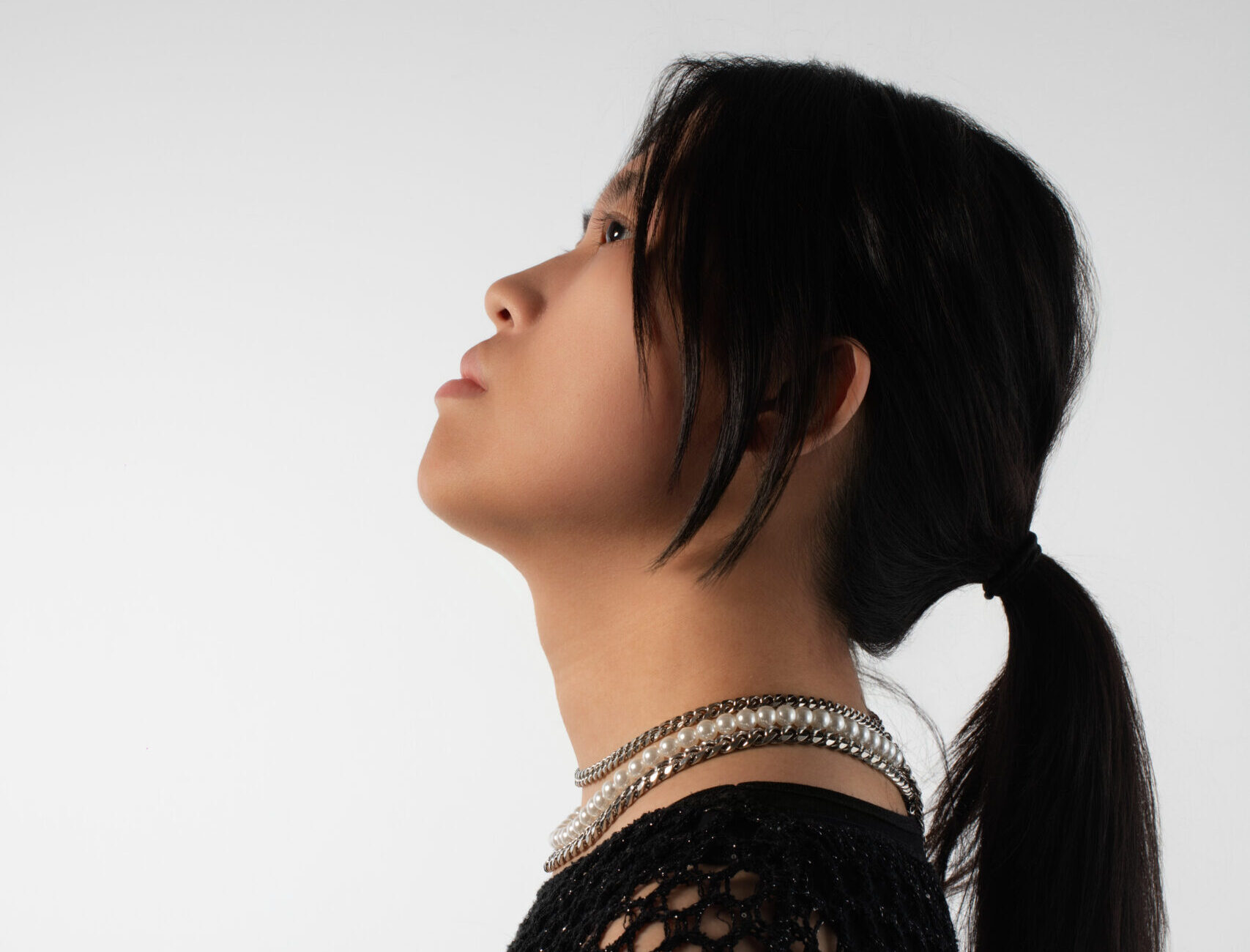
Bathed in sunlight and driven by a sense of movement, You Liang represents a new generation of producers capable of translating lived moments into polished, emotionally direct electronic music. Based in Tokyo and rooted in Singaporean heritage, You Liang has spent over a decade refining a musical language that moves fluidly between pop sensibility, house music structure, and global rhythmic influences. From early acapella arrangements to house remixes and fully realized original productions, their artistic path reflects both patience and a clear vision of growth.
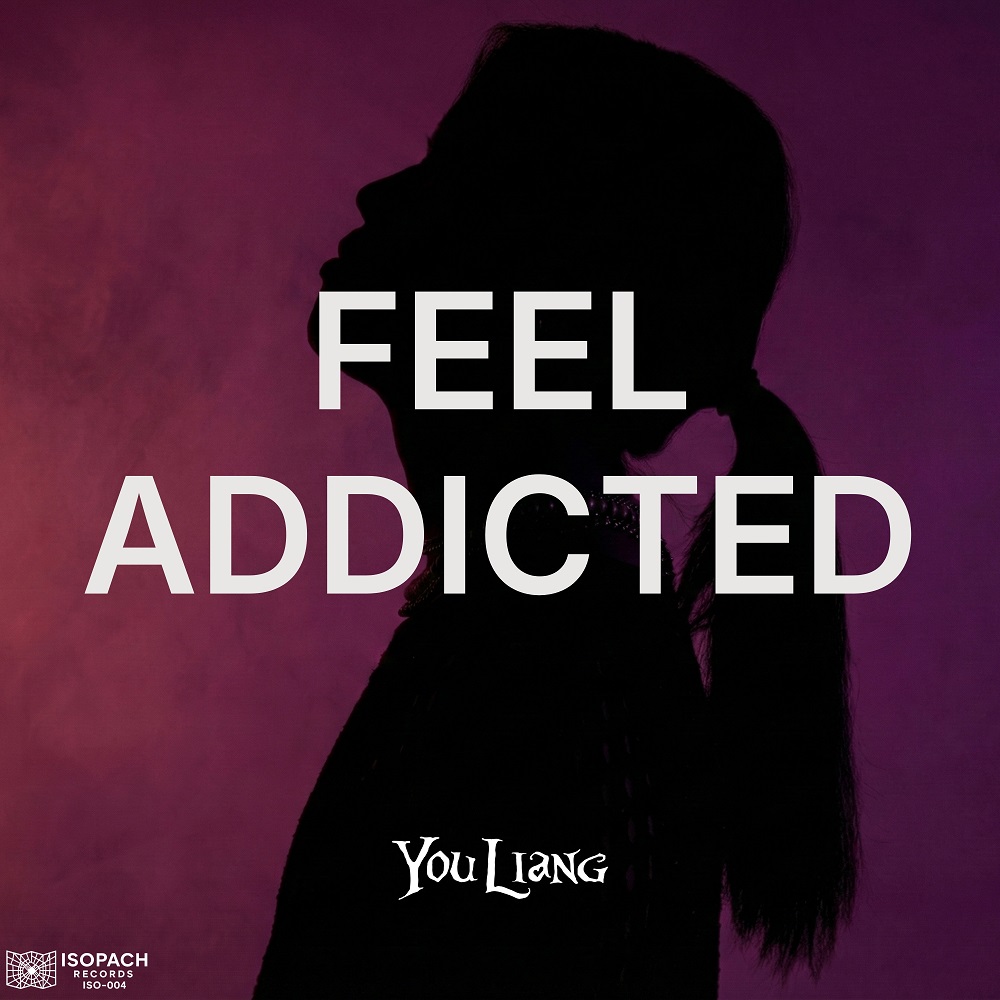
Their latest release, “Feel Addicted,” marks a defining moment in this journey. Inspired by a beachside walk during IMS Ibiza, the track captures a specific atmosphere rather than a generic seasonal mood. Warm Latin instrumentation, a smooth saxophone lead, and Afro-accented English vocals come together in a Pop House framework that favors groove and openness over tension and darkness. It’s a conscious departure from the industrial club energy often associated with Tokyo nightlife, replacing it with a sound shaped by Balearic light, ocean air, and the shared euphoria of European summer nights. The result feels immediate yet carefully balanced, placing You Liang in a space familiar to fans of Bakermat or Klingande, while maintaining a distinct identity.
As a resident DJ at WOMB and ZEROTOKYO, two of Japan’s most influential clubs, You Liang operates at the intersection of dancefloor functionality and refined musical storytelling. This dual perspective is also evident in their recent role as Sound Producer for WOMB’s lounge floor, curating Afro House-focused environments built on atmosphere rather than intensity alone. With upcoming performances spanning Japan and an appearance at Miami Music Week, their sound continues to move across borders, adapting naturally to different scenes and audiences.
In this interview, You Liang reflects on the creative process behind Feel Addicted, their evolving musical vision, and the experiences shaping the next chapter of their work.
“Feel Addicted” was inspired by a beachside walk during IMS Ibiza. How did that specific moment translate into the mood and structure of the track?
Feel Addicted grew out of two moments separated by years. The immediate trigger was a beach walk during IMS Ibiza. That beach atmosphere shaped the track’s euphoric, modern tone and its open, Balearic structure.
But the melodic core comes from a much earlier experience: a solo trip to Africa seven years ago. During that trip, I recorded a rough voice memo on my phone, capturing an idea that stayed with me. I carried that memo for years without knowing how to use it. Walking on the beach in Ibiza unlocked that memory and gave me the context to translate it properly. The result was a blend of raw, organic elements rooted in that trip with a clean pop-house framework. In that sense, “Feel Addicted” bridges those two worlds.
The track blends Latin instrumentation, a saxophone lead, and Afro-accented English vocals. How did you approach balancing these organic elements within a clean Pop House framework?
In Feel Addicted, the organic elements are treated as proper leads within a house framework, not as embellishments. The saxophone is the lead in the drop, following my piano house approach where a single melodic instrument carries the energy instead of a vocal hook.
The Latin percussion and Afro-accented English vocals add groove and human timing, but they are deliberately restrained so the structure stays clean and pop-oriented. The arrangement is minimal by design, which leaves space for those elements to breathe.
From a production standpoint, the balance comes down to hierarchy and masking. The saxophone clearly owns the midrange when it appears, the percussion is kept tight and spatially separated, and the vocals are EQ’d to sit in the pocket without competing with the lead. That keeps the track radio-clean while still warm and physical enough for a beach-club setting.
You’ve mentioned stepping away from the darker, industrial sounds often associated with Tokyo. What motivated this shift in sonic direction for “Feel Addicted”?
The shift actually started earlier, around July 2025, with my Ocean Breeze series. That was when I consciously moved toward Piano House and more melodic structures. At that point, my life felt unusually aligned. International bookings were coming in, momentum was building, and there was a sense of optimism I had not felt in a while. I wanted the music to reflect that emotional state rather than force a darker aesthetic.
Tokyo’s underground still carries a strong legacy of industrial and dark techno. Artists like Ken Ishii are emblematic of that lineage, but I was not interested in competing within that space. I wanted to carve out something lighter and more open.
Feel Addicted is a continuation of the story that I want to tell. It sits firmly in a direction I had already been developing through the latter half of 2025. Happier, more melodic, and intentionally euphoric.
Ibiza plays a central role in the identity of this release. What aspects of the island’s atmosphere influenced your production choices the most?
Ibiza influenced the way I thought about balance and translation. Being there in 2025 as a Pete Tong DJ Academy Future Talent forced me to look at how tracks survive across very different environments. The island has a deep respect for dance music history, but it is also highly selective about what feels current.
That duality directly shaped my production choices. I leaned on classic house piano stabs to reference the heritage, then contrasted them with clean, modern vocals and contemporary drum processing. The goal was not nostalgia, but continuity.
Ibiza teaches you that a record has to function at multiple scales. It needs to work in a small chiringuito bar in the afternoon and still hold its weight on a large festival system at night. I kept that versatility in mind throughout the production of Feel Addicted.
Your musical journey started with acapella arrangements before moving into house remixes and original productions. How has this evolution shaped your sound today?
Starting with a cappella arrangements trained my ear before I ever thought about club systems. When you work only with voices, you are forced to understand harmony, phrasing, and how emotion is carried without relying on sound design or volume. That discipline stayed with me.
Later, composing and producing for underground J-pop idol projects added another layer. That work imposed strict constraints. I was writing concise, memorable melodies around specific vocal ranges and personas, often under tight structural limits. It sharpened my sense of melodic economy and clarity.
Moving into house remixes taught me function and structure. I learnt how tension, release, and repetition operate on a dance floor. Original productions came after that, but by then the foundation was set. Melody from vocal work, discipline from idol production, and architecture from house.
Today my sound sits at the intersection of those stages. Even in club-focused tracks, I think in terms of vocal phrasing, melodic clarity, and arrangement economy. The tools changed, but the listening habits did not.
Growing up with roots in Singapore and building your career in Tokyo, how have these cultural influences impacted your musical vision?
Growing up with roots in Singapore exposed me early to musical plurality. It is a genuinely multicultural environment, and I grew up listening to and singing English, Malay, Mandarin, Thai and Tamil folk songs that I still remember to this day, so genre boundaries feel permeable rather than fixed. That shaped my instinct to combine elements freely without treating hybridity as something unusual.
Building my career in Tokyo taught me a very different kind of discipline. Japanese dance floors are conservative. Audiences rarely move to unfamiliar music unless the DJ has already earned trust. You cannot rely on novelty or energy alone. You have to guide the room carefully through selection, pacing, and timing.
Tokyo also taught me that crowd response and sound quality are not the same thing. Many domestic productions follow what is often called the “royal road,” a standardized harmonic and structural formula designed for familiarity rather than musical excellence. As a result, mixing and mastering quality can be inconsistent, and the pressure in clubs is not about musical perfection but about control. Track choice, transitions, and when you introduce something new matter more than how polished a track looks on paper.
My musical vision sits between those realities. It combines the openness and multicultural instinct I absorbed in Singapore with the restraint and floor-reading discipline I learned in Tokyo. That balance shapes both how I produce and how I DJ.
How would you describe your artistic identity within electronic pop and commercial vocal dance, and what do you aim to express through this genre?
My artistic identity sits within melodic electronic pop and commercial vocal dance. I am drawn to music that emphasizes clear harmony, emotional uplift, and a sense of openness rather than aggression or density.
What I aim to express through the genre is immediacy. I want tracks to connect quickly, feel human, and work across different contexts, from clubs to radio to outdoor settings. That means prioritizing melody and structure over excess.
I am not trying to make the biggest or loudest records. I care more about how a track opens up over time. If the progression and melody are right, the emotional release comes naturally without having to force it.
You recently worked as Sound Producer for the lounge floor at WOMB’s “ASK TASK” event. How do DJ curation and event experiences feed back into your studio productions?
Curating a lounge floor is a lesson in restraint and energy control. You cannot rely on peak-time moments. You have to create a space where people can settle in, talk, and gradually lock into the atmosphere. That forces you to think in terms of flow rather than impact.
That experience feeds directly into my studio work. It made me much more aware of dynamics and pacing. I leave more air in breakdowns, let grooves run longer, and focus on tension that builds quietly instead of through obvious drops. When the release comes, it feels earned.
The role is ongoing since ASK TASK is a bimonthly series at WOMB, and the floor I oversee is focused on Afro House. Staying close to that kind of real-world curation keeps my productions grounded. I am constantly testing how subtle changes in energy translate outside the studio.
With upcoming performances at WOMB, ZEROTOKYO, and Miami Music Week, how do you adapt your sets for different cities and audiences?
In Tokyo, the way I adapt depends more on the venue than the city itself. ZEROTOKYO is mainstream and impact-driven, so the set needs clear peaks and momentum. WOMB is much more groove-focused and underground. If the rhythm does not hold, you lose the floor quickly, so pacing and swing matter more than big moments.
When I play overseas, preparation becomes more deliberate. I research what is working locally and pay attention to what records are circulating in that scene. For Miami, I already have a clear sense of what is resonating there. I will often prepare a bootleg remix of a locally popular track in the week before the show to help bridge familiarity with my own sound.
At the same time, not every set is pre-planned. In clubs where I am a resident, I often cannot play what I prepared at all. The flow of the room decides everything. In those cases, I rely entirely on reading the floor and adapting in real time. That balance between preparation and improvisation is central to how I approach DJing.
Looking ahead, what new projects or musical directions are you most excited to explore after “Feel Addicted”?
2026 is shaping up to be a continuation, but with a much clearer focus. I have been releasing one track per month since 2024. Early on, I was exploring a wide range of styles, including trance and hardstyle, which made my output more varied than consistent.
Going forward, the direction is more defined. I am continuing my Piano House and dance-pop journey, with a minimum of one dance-pop release every month.
Building my own imprint, Isopach Records, gives me a platform to release music without compromise and without bending to external label expectations, which in the past pushed my sound in too many directions. At the same time, I am still open to releasing B-sides or side material on other labels I have worked with. The difference now is that the core identity stays stable. What excites me most is that balance. Having the freedom to create without constantly second-guessing whether a track fits someone else’s expectations, while still being disciplined about where my main sound is heading. It allows me to explore ideas without fragmenting my identity. I can experiment on the side, but the core direction remains clear and consistent.