Gregor Tresher, in occasione dell’uscita su Turbo Recordings di “Riot Gear” lo scorso 28 novembre racconta su Parkett l’ universo del suo alias Sniper Mode.
Gregor Tresher è un’artista che non ha bisogno di molte presentazioni: mostro sacro dell’elettronica, nasce a Francoforte, in Germania, ed inizia a suonare nei primi anni ’90 nella città natale. I suoi 49 anni sono costellati di successo e incorniciano una carriera che lo ha portato a suonare nei più prestigiosi locali di tutto il mondo. Conta produzioni che ancora oggi evocano ricordi o fanno ballare le piste, come “A Thousand Nights“.
C’è una cosa però che forse molti di voi non sanno: la musica di Gregor Tresher non è stata sempre riconoscibile con il suo nome. Alcune tracce, infatti, portano la firma Sniper Mode, anche se la mano creativa era la stessa. Per coloro che non lo sapessero, Sniper Mode è un alter ego che emerse dalle profondità melodiche del mondo di Tresher nei primi anni 2000, che squassò l’elettronica, e poi si richiuse nel suo silenzio.
Con “Riot Gear”, Gregor Tresher riattiva Sniper Mode, un alias che affonda le radici nell’electro più diretto e funzionale, ma che oggi ritorna con una maturità nuova. Pubblicato da Turbo Recordings, l’album raccoglie undici tracce che muovono tra tensione e ritmo mantenendo una forte identità club ma senza rinunciare alla profondità narrativa. Il disco si costruisce attraverso collaborazioni importanti, Dave Clarke, Jay Denham, Exzakt, Perel, Kira, presenze che rafforzano una visione coerente e compatta.
“Riot Gear” non guarda alla nostalgia dell’electro, ma alla sua funzione presente: corpo, spazio, pressione.In questa conversazione con Gregor Tresher parliamo del ritorno di Sniper Mode, del processo dietro Riot Gear e di come si possa sviluppare l’identità creativa di un artista attraverso nuovi suoni e alias.
Senza togliere altro tempo al core di questo pezzo, vi lasciamo alla nostra intervista. Signore e Signori, per voi su Parkett: Gregor Tresher, aka Sniper Mode.
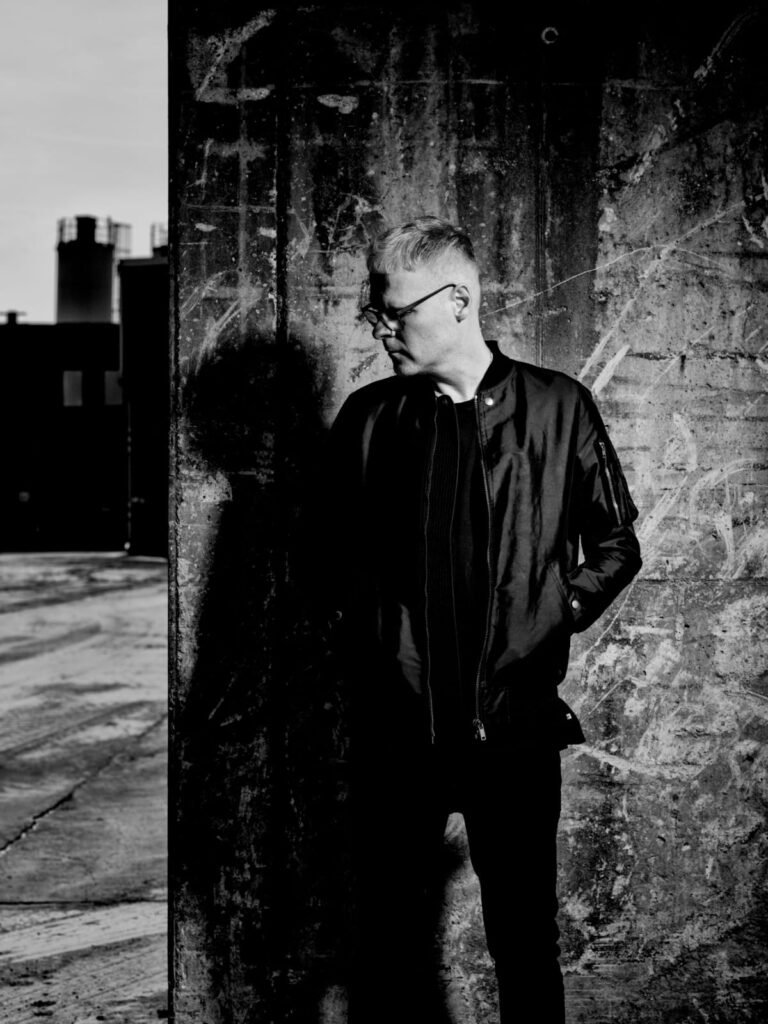
Ciao Gregor, benvenuto su Parkett Channel. Come stai? Partiamo dall’essenziale: chi è oggi Gregor Tresher, dopo trent’anni trascorsi tra club, studi di registrazione e palchi internazionali, e chi è Sniper Mode? Come coesistono e dialogano queste due identità artistiche?
Ciao, grazie per avermi invitato! Tre decenni… onestamente non mi sembrano così tanti, immagino che il tempo voli quando ci si diverte. Sniper Mode è stato il mio primo pseudonimo, anni prima che iniziassi a pubblicare musica con il mio vero nome. All’epoca ero un grande fan dell’elettronica. A un certo punto ho perso un po’ di interesse per il genere, perché mi sembrava che la musica non si evolvesse più, ma ovviamente era solo una mia impressione soggettiva. Negli ultimi due anni ho riscoperto il mio amore per l’electro e ho trovato tanta musica nuova ed entusiasmante.
Per chi non conoscesse le origini di Sniper Mode: il progetto è nato nei primi anni 2000, in un periodo in cui la musica elettronica si stava aprendo alle influenze dub, alle atmosfere cinematografiche e alle texture futuristiche del vocoder. Puoi raccontarci come è nato Sniper Mode e cosa volevi esplorare con esso in quel periodo?
All’epoca, intorno al 2001, lavoravo alla Elektrolux Records, che mi ha dato l’opportunità di pubblicare il mio primo 12 pollici Sniper Mode intitolato Big City Lights EP. Quando è nata l’idea di avviare una sottoetichetta
focalizzata sull’Electro, tutto è andato al suo posto. Il primo album pubblicato dalla Mikrolux è stato il mio primo album in assoluto: Wastelands.
Nel corso degli anni, molti hanno descritto Sniper Mode come il tuo alter ego, una dimensione parallela in cui potevi sperimentare suoni al di fuori del tuo percorso principale come Gregor Tresher. Ti ritrovi in questa descrizione e come definiresti oggi il rapporto tra questi due aspetti della tua identità creativa?
Direi che i due progetti si sono avvicinati con il nuovo album. La differenza principale tra Sniper Mode e le pubblicazioni a mio nome è ovviamente la batteria: Sniper Mode era, è e sarà sempre al 100% electro. Non troverai una cassa diretta in un disco di Sniper Mode.
Pubblicazioni come “Big City Lights”, “Wastelands” e “Travellers Beyond” hanno lasciato un segno forte nella musica elettronica dei primi anni 2000: opere spesso etichettate come “senza tempo” e ancora oggi considerate cult. Quanto è cambiato il tuo approccio alla musica come Sniper Mode da allora, e quali elementi hai volutamente conservato per mantenere vivo lo spirito originale?
Come ho già detto, i beat electro sono alla base del progetto, ma cerco anche di mantenere una certa atmosfera nella musica. Ero e sono tuttora affascinato da quel tipo speciale di energia oscura e minacciosa che caratterizza l’electro. In termini di produzione, oggi l’approccio è completamente diverso. “Wastelands” è stato registrato con una configurazione molto minimalista. Se ricordo bene, ho usato solo un AKAI MPC-2000, un sintetizzatore digitale Yamaha economico, un campionatore e Cubase. Oggi le opzioni in termini di tecnologia sono praticamente illimitate, quindi non è un confronto davvero valido. L’approccio musicale, tuttavia, non è poi così diverso.
Un aspetto sorprendente della tua carriera è la tua capacità di passare da una personalità sonora all’altra. Quanto è importante per te, come produttore, cambiare identità artistica, e cosa ti permette di esprimere Sniper Mode che Gregor Tresher non potrebbe esprimere allo stesso modo?
Ad essere sincero, negli ultimi vent’anni mi sono concentrato principalmente sulla musica che pubblico con il mio vero nome. L’idea di riportare in vita Sniper Mode mi è piaciuta sempre di più, soprattutto perché mi sono appassionato nuovamente all’elettronica dopo tanto tempo. Quando ho inviato i primi demo a Tiga, il suo feedback e il suo entusiasmo hanno alimentato ancora di più il mio entusiasmo e la mia motivazione.
Questo nuovo album di Sniper Mode segna il tuo debutto con la Turbo Recordings, un’etichetta nota per sostenere visioni non convenzionali e suoni che superano i confini. Perché Turbo ti è sembrata la casa giusta per questo revival e cosa significa per te questa collaborazione in questo particolare momento del tuo percorso?
È il mio debutto con Turbo come Sniper Mode, ma in passato ho già pubblicato musica con questa etichetta come Gregor Tresher. Sono un fan dell’etichetta da molto tempo ed è una gioia lavorare con loro. Non avrei potuto desiderare una casa migliore per l’album.
All’inizio di quest’anno hai riportato Sniper Mode sul palco con il suo primo concerto dedicato in vent’anni. Com’è stato riaprire un archivio così ricco di suoni e trasformarlo in una performance contemporanea? E quanto del nuovo album è nato da questo processo, dall’idea di eliminare lo spettacolo e concentrarsi sul groove, sulla trama e sulla narrazione grezza?
In realtà non avevo mai suonato dal vivo come Sniper Mode prima, ma con il nuovo album all’orizzonte, mi sono entusiasmato all’idea di presentare la musica anche in un contesto club, così all’inizio di quest’anno ho tenuto il mio primo concerto dal vivo come Sniper Mode a Barcellona e posso sicuramente immaginare di farlo più spesso in futuro.
Il nuovo album raccoglie un elenco impressionante di collaboratori: Dave Clarke, Jay Denham, Kira, Exzakt e Perel, tutti artisti unici, rispettati e con uno stile distintivo. Cosa cercavi in ciascuno di loro e in che modo i loro contributi hanno plasmato il panorama di Sniper Mode? Qualche collaborazione ti ha sorpreso in particolare?
La selezione degli artisti con cui collaborare è avvenuta in modo piuttosto organico.
Ora che Sniper Mode è ufficialmente tornato, dobbiamo aspettarci altre uscite con questo nome: nuovi EP, remix o forse un tour live interamente dedicato a Sniper Mode?
Sì, sto già lavorando a nuove idee e ho già parecchia musica in cantiere, ad esempio un remix dell’iconico “Sunglasses At Night” di Tiga, che uscirà a maggio. Potete sicuramente aspettarvi altre uscite di Sniper Mode nel 2026.
Un’ultima domanda più personale: molti giovani produttori hanno difficoltà a scegliere il “pseudonimo giusto”, ovvero a trovare un’identità che rifletta veramente chi sono. Che consiglio daresti a qualcuno che sta cercando di definire la propria voce artistica e di crearsi uno pseudonimo significativo e autentico?
Per me è cambiato tutto quando ho iniziato a pubblicare musica con il mio vero nome invece di usare uno pseudonimo. Una volta che non ti “nascondi” dietro un nome inventato, ti senti più serio, almeno per me è stato così. Immagino che sia una cosa piuttosto soggettiva determinare quale sia la strada giusta e probabilmente non esiste una strategia infallibile che funzioni per tutti.
ENGLISH VERSION:
On the occasion of the release of Riot Gear on Turbo Recordings last November 28, Gregor Tresher speaks with Parkett about the universe of his Sniper Mode alias.
Gregor Tresher is an artist who needs little introduction. A true heavyweight of electronic music, he was born in Frankfurt, Germany, and began DJing in his hometown in the early 1990s. Now 49 years old, his career is marked by consistent success and has taken him to perform in some of the most prestigious clubs around the world.
His discography includes tracks that still resonate today, evoking memories or igniting dancefloors, such as “A Thousand Nights”.There is, however, something many may not know: Gregor Tresher’s music has not always been released under his own name.Some Some of his work carries the Sniper Mode signature, even though the creative hand behind it remained the same. For those unfamiliar, Sniper Mode is an alter ego that emerged from the melodic depths of Tresher’s world in the early 2000s, shook the electronic landscape, and then retreated into silence.With
With “Riot Gear”, Gregor Tresher reactivates Sniper Mode—an alias rooted in a more direct, functional form of electro, now returning with renewed maturity.
Released on Turbo Recordings, the album brings together eleven tracks that move between tension and rhythm, maintaining a strong club identity while retaining narrative depth. The record is shaped through key collaborations with Dave Clarke, Jay Denham, Exzakt, Perel, and Kira , contributors who reinforce a coherent and focused vision. “Riot Gear” does not look to electro with nostalgia, but rather through its present-day function: body, space, and pressure. In this conversation with Gregor Tresher, we discuss the return of Sniper Mode, the process behind “Riot Gear”, and how an artist’s creative identity can evolve through new sounds and aliases.
Without further delay, we leave you with the core of this piece: our interview.Ladies and gentlemen, on Parkett—Gregor Tresher, aka Sniper Mode.
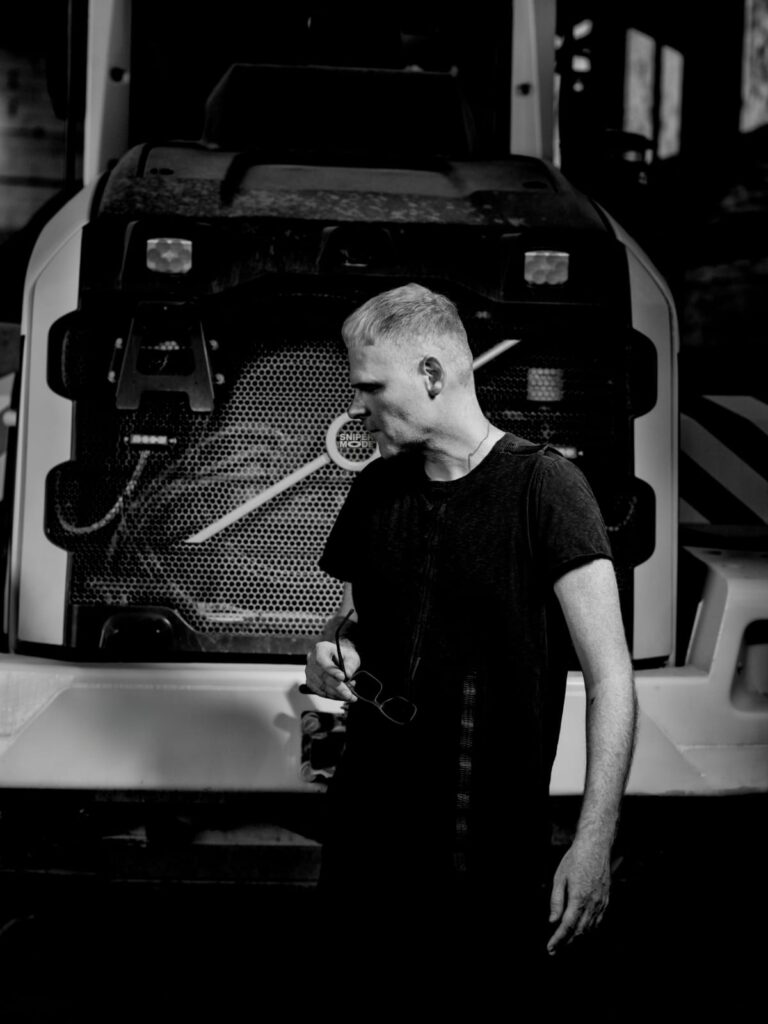
Hi Gregor, welcome to Parkett Channel — how are you? Let’s start from the core: who is Gregor Tresher today, after three decades spent between clubs, studios and global stages — and who is Sniper Mode? How do these two artistic identities coexist and speak to each other?
Hey there, thanks for having me! Three decades – it doesn´t feel that long to be honest – time flies when you´re having fun I guess. Sniper Mode was my very first alias, years before I started to release music under my real name. I used to be a huge Electro fan back then. At some point I lost interest in the genre a little bit, because I felt that the music didn´t really evolve anymore at some point, but that was obviously just my subjective impression. Over the past couple of years I rediscovered my love for Electro and found so much new and exciting music again.
For those who may not know the origins of Sniper Mode: the project emerged in the early 2000s, in a period where electronic music was opening up to dub influences, cinematic atmospheres and futuristic vocoder textures. Can you take us back to how Sniper Mode was conceived and what you wanted to explore with it at that time?
At the time, around 2001 or so, I used to work at Elektrolux records, which opened up the opportunity to release my very first Sniper Mode 12inch titled Big City Lights EP. When the idea of starting a sublabel
focused on Electro came up, things kind of fell into place. The very first album on Mikrolux was my very first album release ever: Wastelands.
Over the years, many have described Sniper Mode as your alter ego — a parallel dimension where you could experiment with sounds outside your main Gregor Tresher path. Do you relate to that description, and how would you define the relationship between these two sides of your creative identity today?
I would say the two projects moved closer together with the new album. The main difference between Sniper Mode and the releases under my real name is obviously the drumming: Sniper Mode was, is and always will be 100% electro. You will not find a straight kickdrum on a Sniper Mode record. Releases like Big City Lights, Wastelands and Travellers Beyond left a strong mark on early-2000s electronic music — works often labelled as “timeless” and still considered cult today.
Publications such as “Big City Lights”, “Wastelands”, and “Travellers Beyond” left a strong mark on early-2000s electronic music: works often described as “timeless” and still regarded as cult classics today…How much has your approach to making music as Sniper Mode evolved since those days, and what elements did you intentionally preserve to keep the original spirit alive?
As mentioned, Electro beats are the foundation of the project, but I also try to maintain a certain kind of atmosphere in the music. I was and still am fascinated by that special kind of dark and menacing energy when it comes to Electro. In terms of production, it´s a whole different approach nowadays. „Wastelands“ was recorded on a very minimalistic setup. If I remember it right, I only used an AKAI MPC-2000, a cheap digital Yamaha Synth, a sampler and Cubase. Nowadays the options in terms of technology are pretty unlimited, so it´s not really a legitimate comparison. The musical approach however isn´t that different after all.
One striking aspect of your career is your ability to move between different sonic personalities. How valuable is it for you as a producer to switch artistic identities, and what does Sniper Mode allow you to express that Gregor Tresher couldn’t in the same way?
To be honest, for the past two decades my main focus was the music I am releasing under my real name. The idea to revive Sniper Mode grew on me, especially since I got more and more interested in Electro again after such a long time. When I sent the early demos to Tiga, his feedback and excitement kind of fueled my enthusiasm and motivation even more.
This new Sniper Mode album marks your debut on Turbo Recordings, a label known for championing unconventional visions and boundary-pushing sounds. Why did Turbo feel like the right home for this revival, and what does this collaboration mean to you at this particular moment in your journey?
It´s my Turbo debut as Sniper Mode, but I released music on the label as Gregor Tresher before. I have been a fan of the label for a long time, and it is nothing but joy to work with them. I couldn´t have wished for a better home for the album.
Earlier this year, you brought Sniper Mode back on stage with its first dedicated live show in two decades. What was it like to reopen such a rich archive of sounds and transform it into a contemporary performance? And how much of the new album grew out of this process — the idea of stripping back spectacle and focusing on groove, texture and raw narrative?
I actually never played live as Sniper Mode before, but with the new album on the horizon, I got kind of excited to present the music in a club setting as wel, so I played a first live show as Sniper Mode in Barcelona earlier this year and I can definitely imagine doing that more often in the future.
The new album gathers an impressive roster of collaborators: Dave Clarke, Jay Denham, Kira, Exzakt and Perel — all unique, respected and stylistically distinct voices. What were you looking for from each of them, and how did their contributions shape the Sniper Mode landscape? Did any collaboration surprise you in particular?
The selection of collaborating artists came together quite organically.
Now that Sniper Mode is officially back, should we expect more releases under this moniker — new EPs, remixes, or perhaps a full live tour dedicated entirely to Sniper Mode?
Yes – I am already working on new ideas and have quite some music in the pipeline already, for example a remix for Tiga´s iconic „Sunglasses At Night“, set for release in May. You can definitely expect more Sniper Mode releases in 2026
One last, more personal question: many young producers struggle with the idea of choosing the “right alias” — finding an identity that truly reflects who they are. What advice would you give to someone trying to define their artistic voice and carve out a meaningful, authentic alias?
Everything changed for me once I started to release music under my real name instead of using an alias. Once you don´t „hide“ behind a made up name, it feels more serious, or at least it did for me. I guess it´s a pretty subjective thing to determine which way is right and there´s probably not a bulletproof strategy that works for everyone.